Precision Engineered Quartz Glass Components
Custom fabricated to customer drawings with micro-laser drilling, thermal flame-working, multi-axis CNC grinding, and optical fire-polishing.
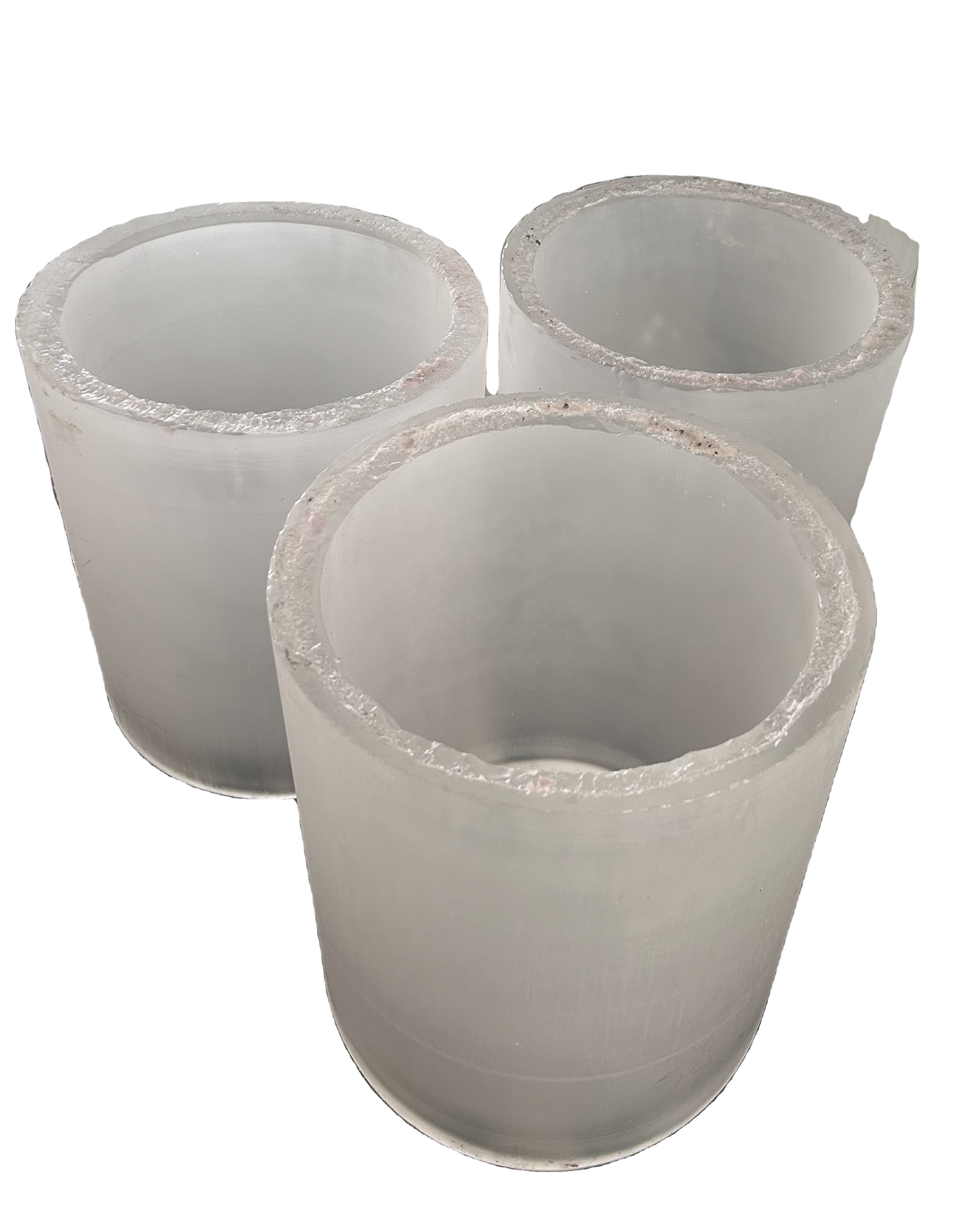
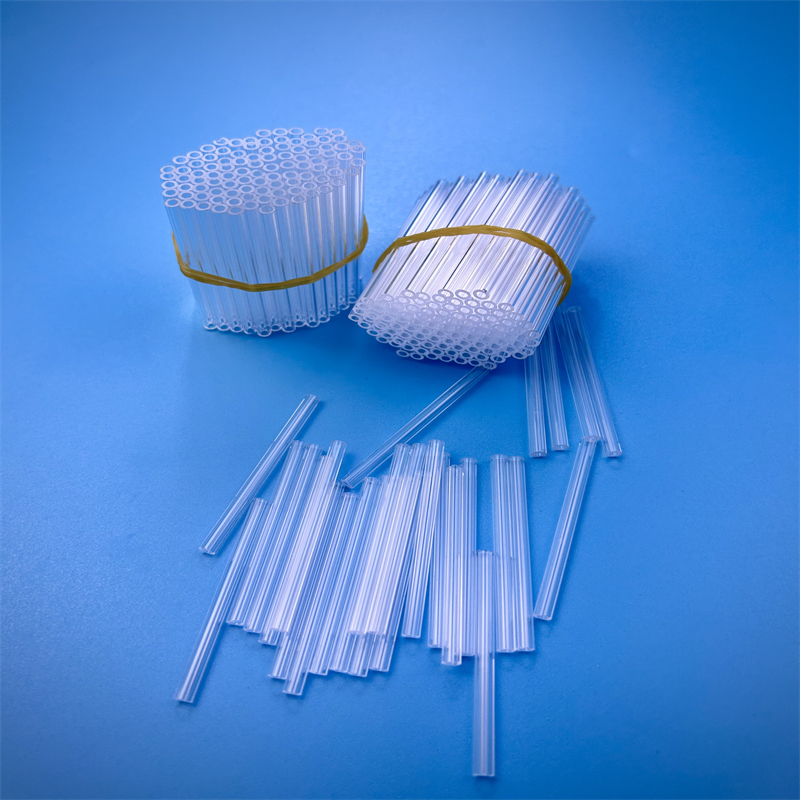
Open-Ended Fused Quartz Frosted Cylinder Ingot
- Grade: JGS1 / JGS2 / Optical
- Surface: Fine Sandblasted / Ground
- Service: Moulding, Cutting, Welding
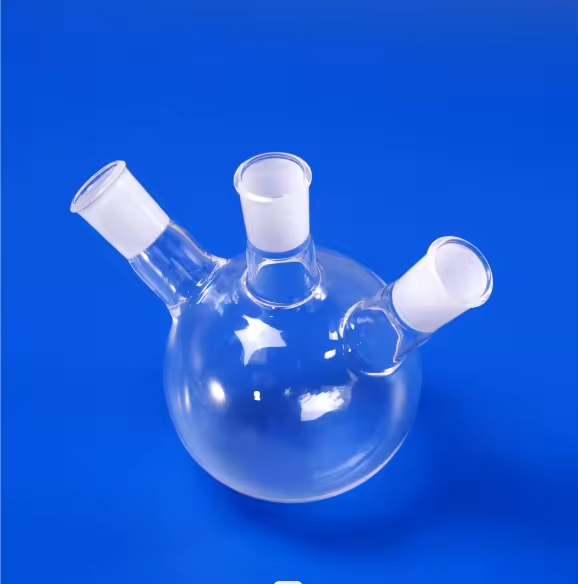
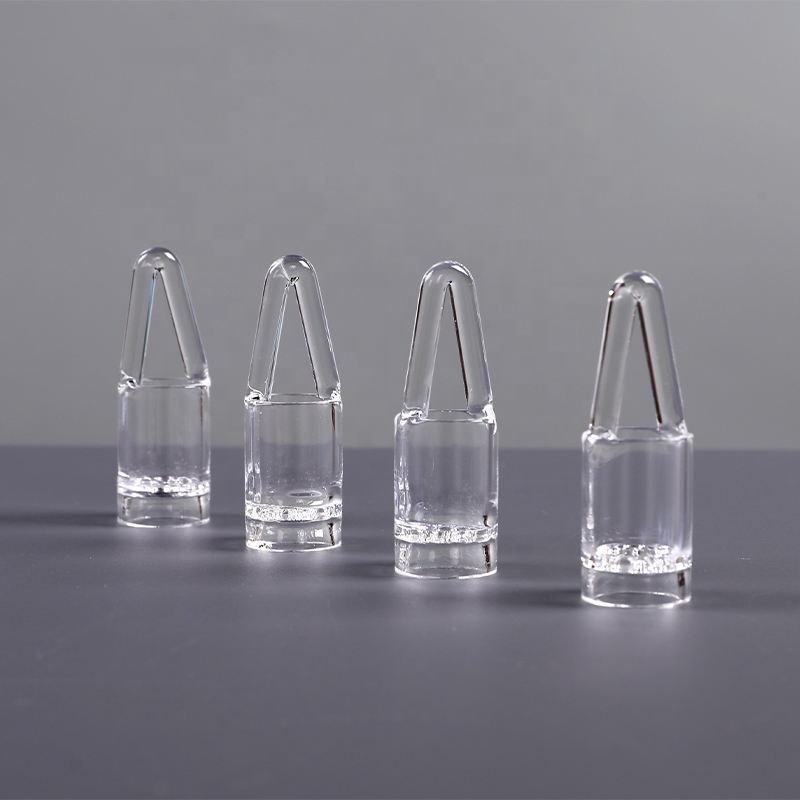
High-Temp Clear Quartz Twin-Tube Bottom Flask
- Heat Limit: Continuous ~1100°C
- Application: Dual-channel reactors
- Service: Precision Lab Glassblowing
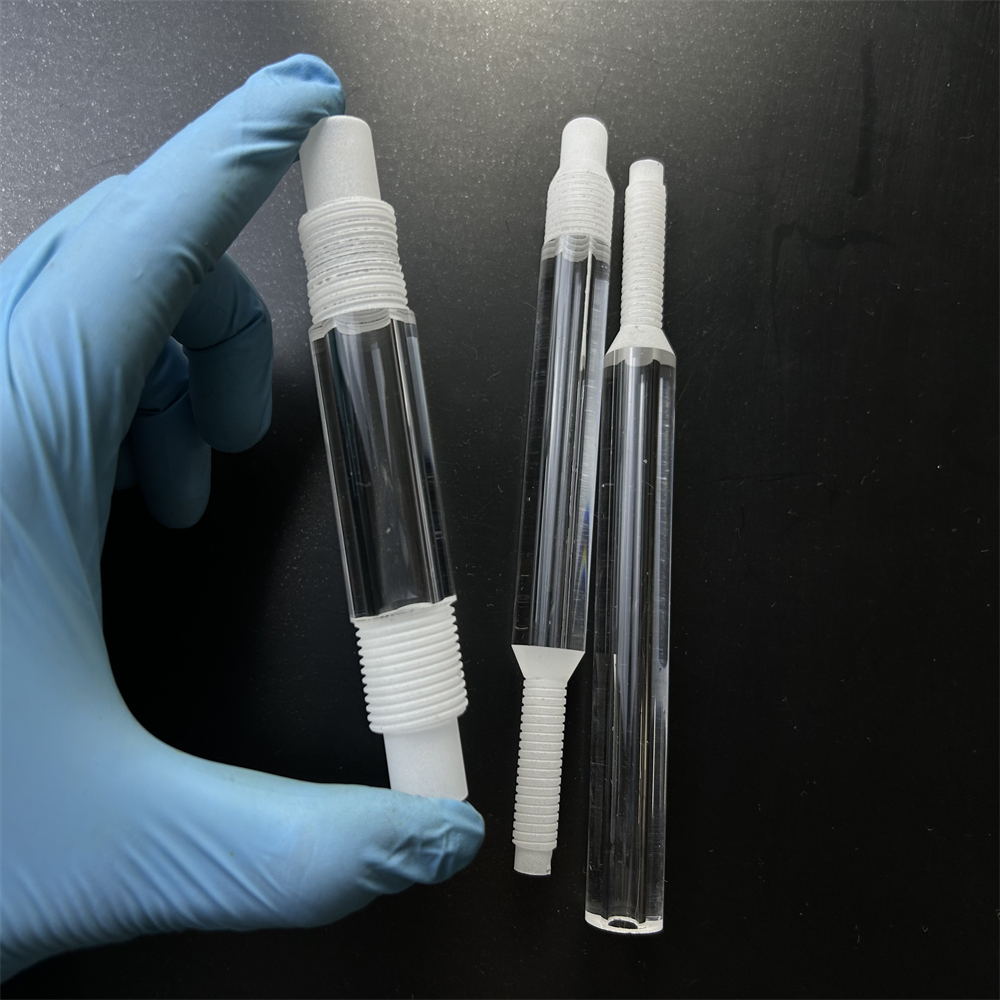
High-Purity Threaded UV Quartz Pressure Tube
- Purity: ≥99.99% SiO₂ matrix
- Joint: CNC Precision Threading
- Feature: High Burst Resistance
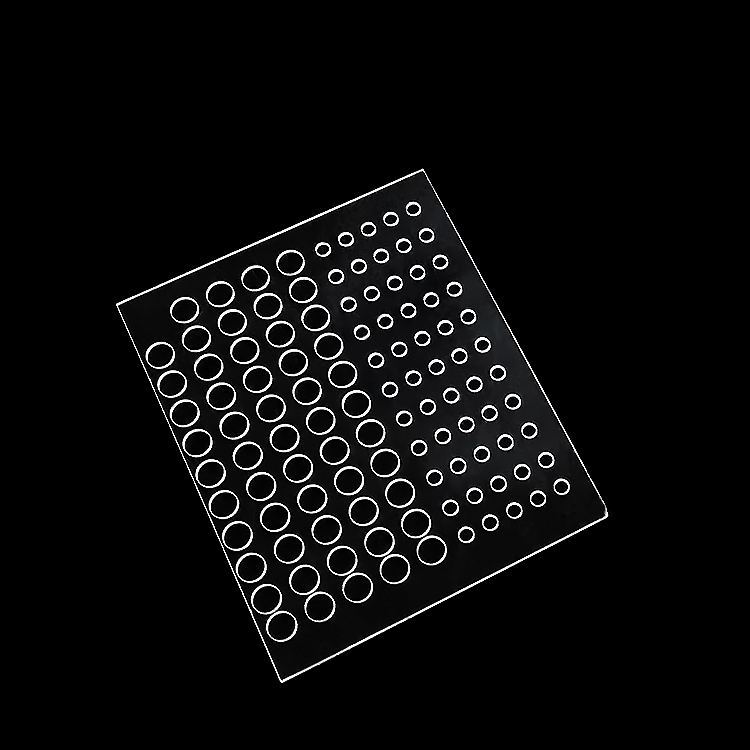
Optical Grade Fused Quartz Window & Plate
- Thickness: 0.5 mm – 100 mm
- Polishing: Double-side 60/40, 40/20
- Standard: JGS1 / JGS2 / JGS3
High-Purity Transparent U-Bent Quartz Tube
- Feature: Ozone-Free / Standard UV
- Bending: Computerized Heating Torches
- Finish: Clean Fire-Polished Surface
Heavy-Wall High-Pressure Quartz Tube
- Wall Thickness: Up to 15 mm+
- Testing: Hydrostatic & Polarized Strain
- Applications: Petrochemical Sight Glass
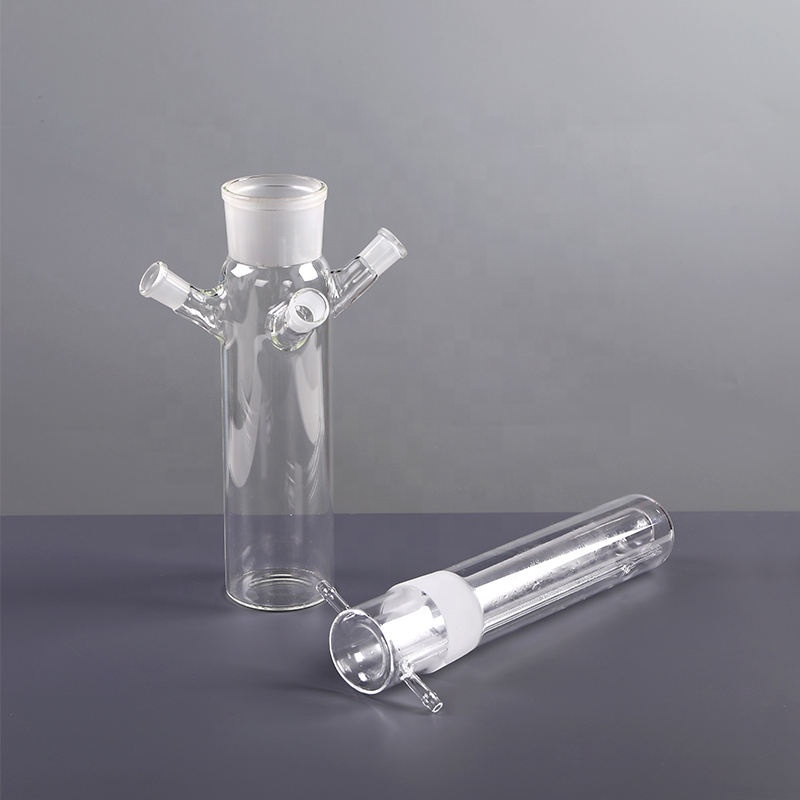
Custom Photocatalytic Quartz Reactor Vessel
- Design: Internal illumination wells
- Durability: Acid proof (except HF/H₃PO₄)
- Workmanship: Flange & Port Welding
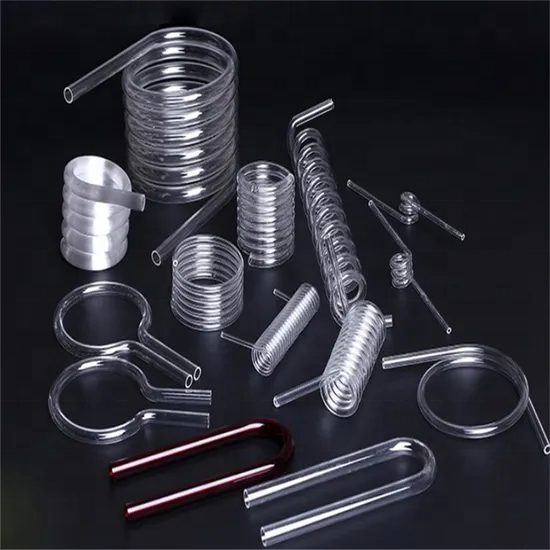
Helical Quartz Spiral Coil & Condenser Tube
- Geometry: Helical spiral / Multi-pitch
- Application: Rapid heating & distillation
- Tolerance: Pitch consistency ±0.5 mm
High-Purity Fused Quartz Tubing: Metallurgy & Precision Tolerances
A comprehensive examination of crystallographic purity, thermal expansion dynamics, and micro-finishing protocols for mission-critical industrial systems.
In high-temperature thermal diffusion, chemical vapor deposition (CVD), excimer laser optics, and semiconductor substrate fabrication, clear fused quartz tubing serves as an irreplaceable structural and barrier material. Unlike conventional borosilicate or aluminosilicate glasses, vitreous silica is characterized by a 3D random tetrahedral network composed almost purely of covalent silicon-oxygen (Si-O) bonds. This fundamental atomic structure imparts an extraordinary softening point exceeding 1680°C, virtually negligible coefficient of thermal expansion (CTE of 5.5 × 10⁻⁷ /°C), and uncompromising chemical inertness against concentrated halogens and mineral acids.
1. Spectral Transmission Properties Across Optical Grades
Procuring the appropriate quartz tube requires pinpoint alignment between photonic transmission requirements and raw silica processing methods. The presence or intentional omission of hydroxyl radicals (OH⁻ ions) directly governs UV-cutoff thresholds and infrared water-absorption bands at 2.73 μm.
| Optical Grade | Raw Material & Fusion Process | Spectral Range | Hydroxyl (OH⁻) Content | Primary Application Areas |
|---|---|---|---|---|
| JGS1 (Synthetic Fused Silica) | Gas-phase chemical vapor oxidation (SiCl₄) | 185 nm – 2,500 nm (Deep UV) | High (typ. 800 – 1200 ppm) | Excimer lasers, semiconductor UV lithography, DUV analytical cuvettes |
| JGS2 (Optical Fused Quartz) | High-purity natural crystal fused under oxy-hydrogen flame | 220 nm – 2,500 nm (UV to Near-IR) | Medium (typ. 150 – 200 ppm) | Sight glass viewports, UV sterilization sleeves, thermocouple protection |
| JGS3 (Infrared Fused Quartz) | Electrically fused vacuum thermal crystallization | 260 nm – 3,500 nm (Near to Mid IR) | Ultra-low (< 5 ppm) | Infrared halogen heaters, military pyrometry windows, combustion tubes |
2. Precision Geometrical Tolerances & Laser Micro-Finishing
High-yield furnace operations require stringent physical geometry. Tube ovality, wall thickness runout (eccentricity), and longitudinal bow directly dictate gas seal integrity in high-vacuum or pressurized conditions. At our Donghai production facility, tubes undergo mechanized continuous laser micrometer calibration during drawing, achieving wall thickness consistency within ±0.08 mm on OD ranges up to 450 mm.
In addition to traditional flame working, Zunex provides non-thermal laser cold micro-processing. By deploying ultra-short picosecond lasers, we achieve crack-free micro-aperture drilling (minimum hole diameter 0.15 mm ± 0.01 mm), precision slots for wafer carriers, and internal thread machining without triggering micro-stress concentrations that typically induce catastrophic cleavage under thermal cycling.
Emerging Procurement Trends in Industrial Quartz
Strategic purchasing vectors shifting global supply chains across semiconductor, clean energy, and analytical sectors.
Sub-3nm Semiconductor Purity Protocols
Global fabrication foundries are upgrading diffusion and oxidation tube tolerances to ultra-low trace metal benchmarks. Procurement tenders now demand aluminum levels below 5.0 ppm and iron content below 0.2 ppm to prevent gate-oxide degradation in advanced microprocessors.
Solar TOPCon & HJT Large-Bore Formats
The transition from PERC to n-type TOPCon and Heterojunction (HJT) cell architectures has mandated massive 300 mm to 450 mm diameter quartz diffusion furnace tubes capable of sustaining structural rigidity over 300 hours at 1200°C without sag or bowing.
Green Hydrogen & Photocatalytic Synthesis
Decarbonization projects necessitate specialized custom multi-port quartz reactors capable of withstanding corrosive photochemical oxidation reactions while delivering >90% transmission in the deep-UV spectrum for high solar-to-chemical conversion efficiency.
Future Trends in Fused Quartz Engineering
How next-generation material science is revolutionizing the limits of clear quartz performance.
Doped Silica Formulations
Doping high-purity quartz with elements such as Titanium (TiO₂) or Cerium (Ce) provides precise cut-offs for solarizing UV radiation, protecting vulnerable electronic seals while maintaining exceptional optical and thermal characteristics in intense arc lamp applications.
Zero-Residual-Stress Flame Welding
Standard quartz welding often introduces local thermal hoop stress resulting in spontaneous cracking. Automated induction annealing and robotic oxy-hydrogen multi-jet orbital burners now allow automated strain relief to achieve residual birefringence below 5 nm/cm.
Additive Quartz Manufacturing (3D Glass Printing)
While still emerging, stereolithography of silica nanoparticle resins followed by sintering allows the realization of internal helical cooling cavities and complex manifolds previously impossible to produce via traditional manual tube-bending and lathe blowing.
Why Tier-1 Buyers Partner with Zunex Quartz
Combining Donghai’s world-class raw silica reserves with state-of-the-art laser machining and rigorous third-party verified trade integrity.
Donghai Silicon Cluster
Situated in China's recognized "Crystal Capital" (Donghai County, Jiangsu), our plant possesses unmatched direct upstream access to natural and synthetic quartz feedstocks, guaranteeing stable supply chains and reduced material lead times.
Laser Micro-Machining OEM
Our workshop integrates multi-axis CNC cutting, ultrasonic drilling, and high-frequency laser machining capabilities, allowing custom milling, complex hole matrices, and surface grooving strictly aligned with your STEP/CAD drawings.
Comprehensive Quality QA
Every tube and customized quartz instrument undergoes polariscope strain inspection, spectrophotometer UV-Vis transmission profiling, coordinate measuring machine (CMM) dimensional verification, and cleanliness inspections prior to crating.
Breakage-Free Export Crating
We deploy high-density shock-absorbing EPE molded foam and reinforced marine plywood cases with external shock and tilt indicators. Shipped via air express, DDP freight, or ocean container with zero breakage liability guarantees.
Frequently Asked Questions on Quartz Tube Manufacturing
In-depth technical answers addressing material grades, tolerances, heating parameters, and custom machining options.
What critical factors determine devitrification resistance during continuous thermal exposure? +
How does OH⁻ (hydroxyl) concentration impact thermal deformation and optical absorption? +
Can Zunex manufacture custom quartz tubes with complex flanges, threads, and ground joints to CAD drawings? +
What dimensional tolerances can Zunex sustain on outer diameter (OD) and wall thickness? +
What testing and quality documentation is supplied with custom OEM quartz orders? +
What are the lead times for custom prototypes versus containerized production volumes? +
Request an Engineering Review & Quotation Within 2 Hours
Submit your custom specifications, PDF drawings, or 3D STEP models today. Our technical staff is ready to evaluate material grades, dimensional tolerances, and volume production routes for your clear quartz tubing requirements.