Factory Direct Custom Quartz Solutions & Form Factors
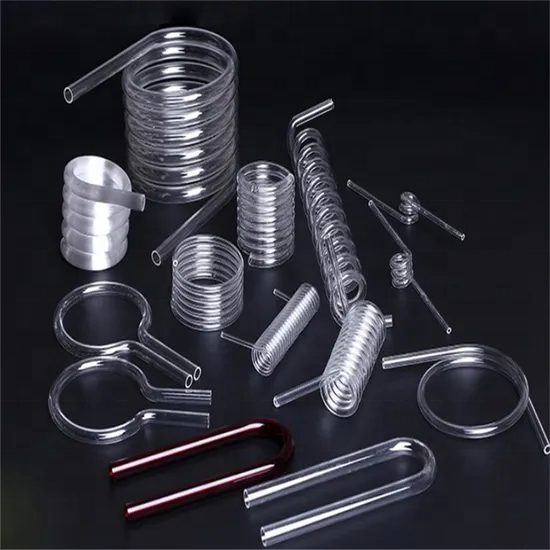
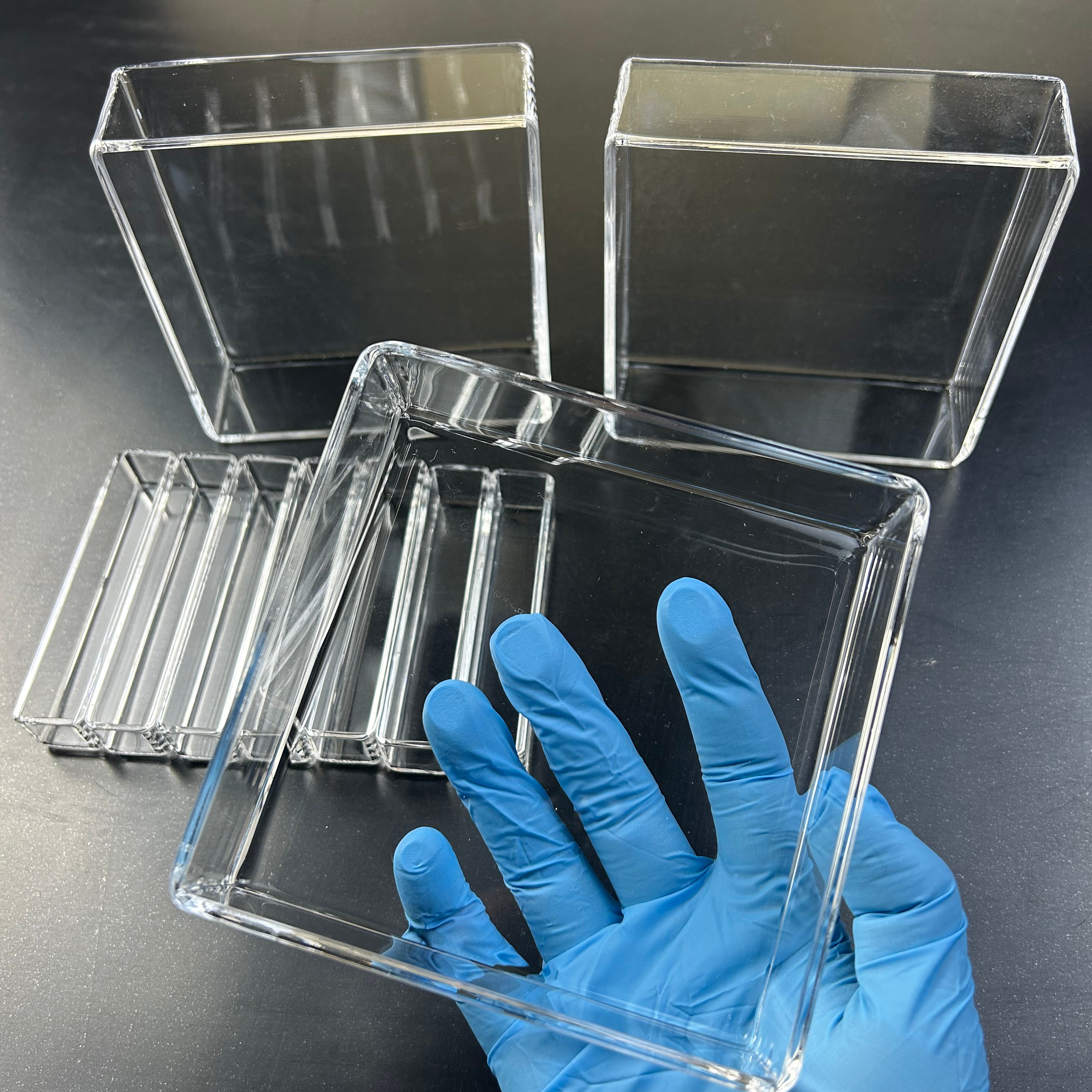
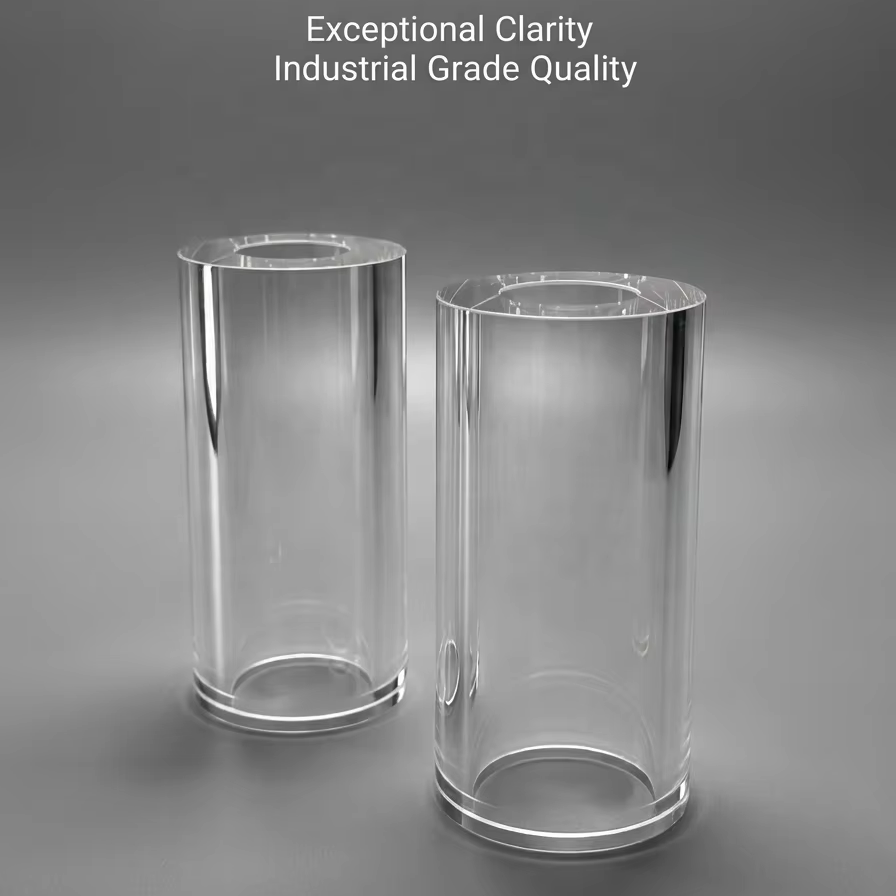
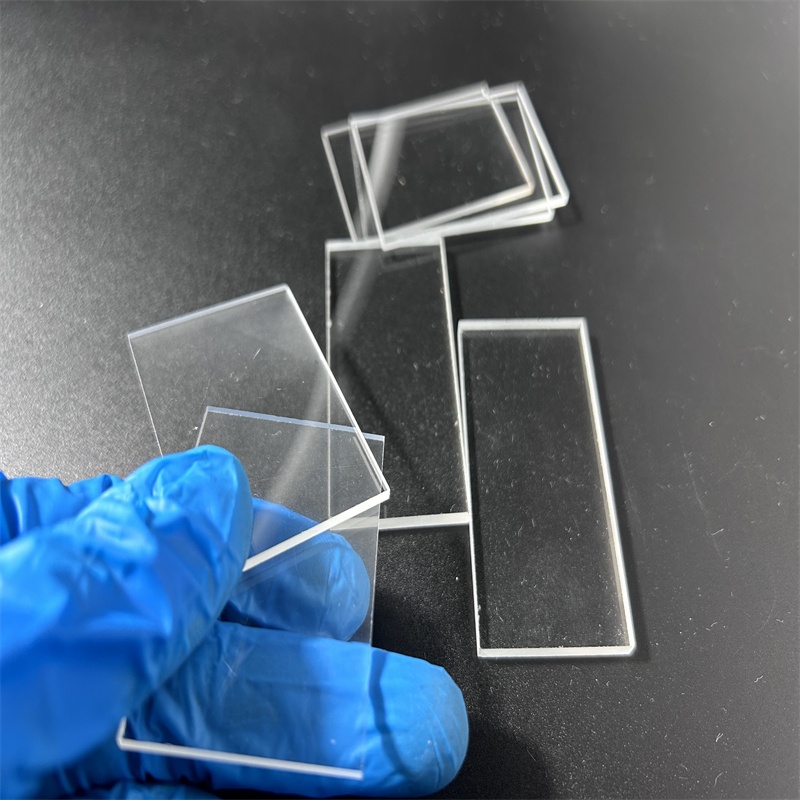
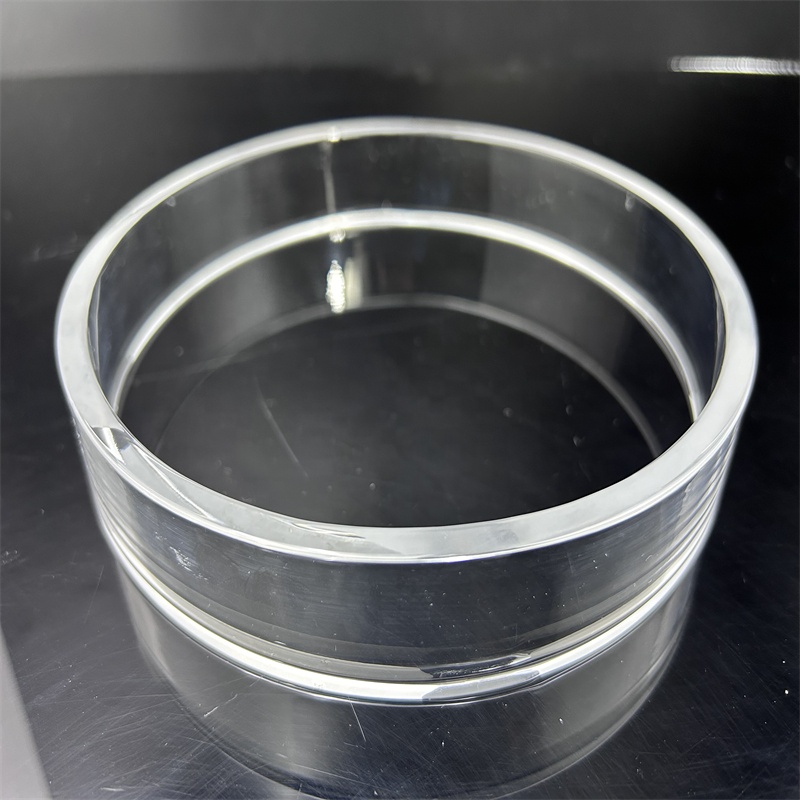
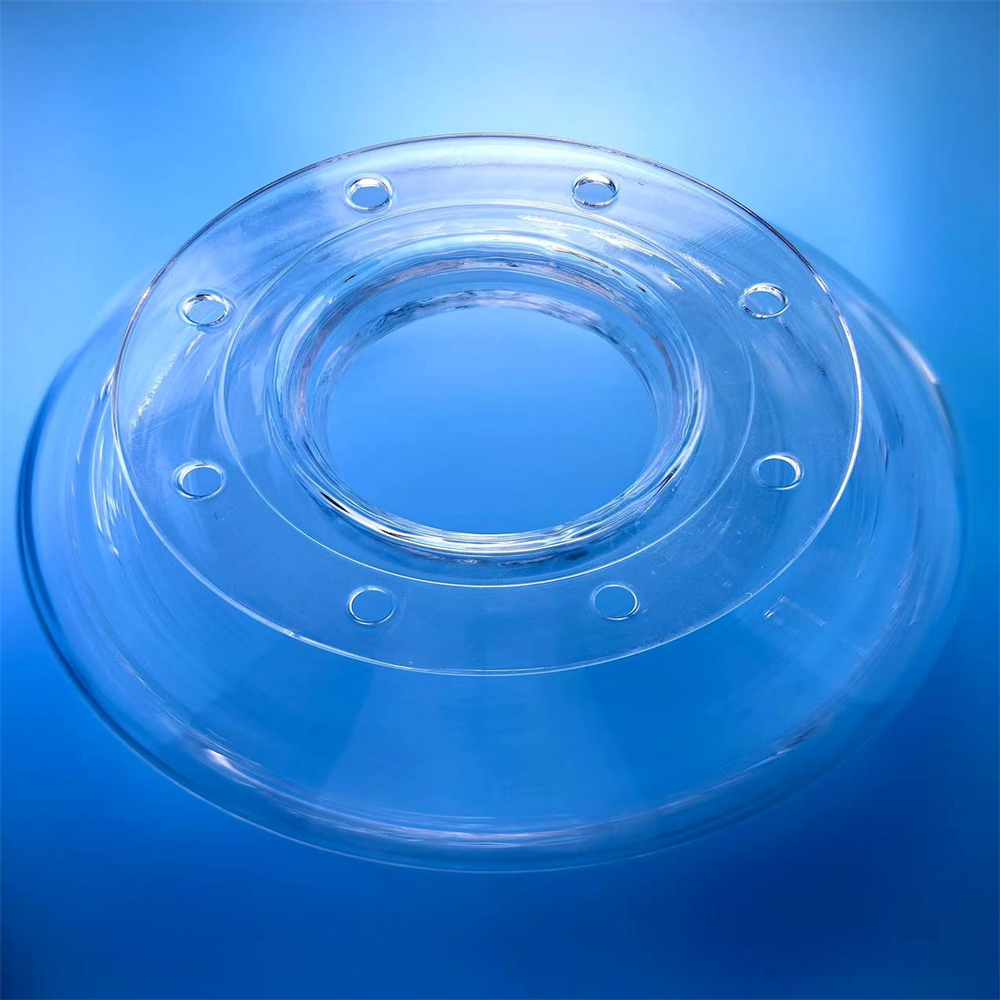
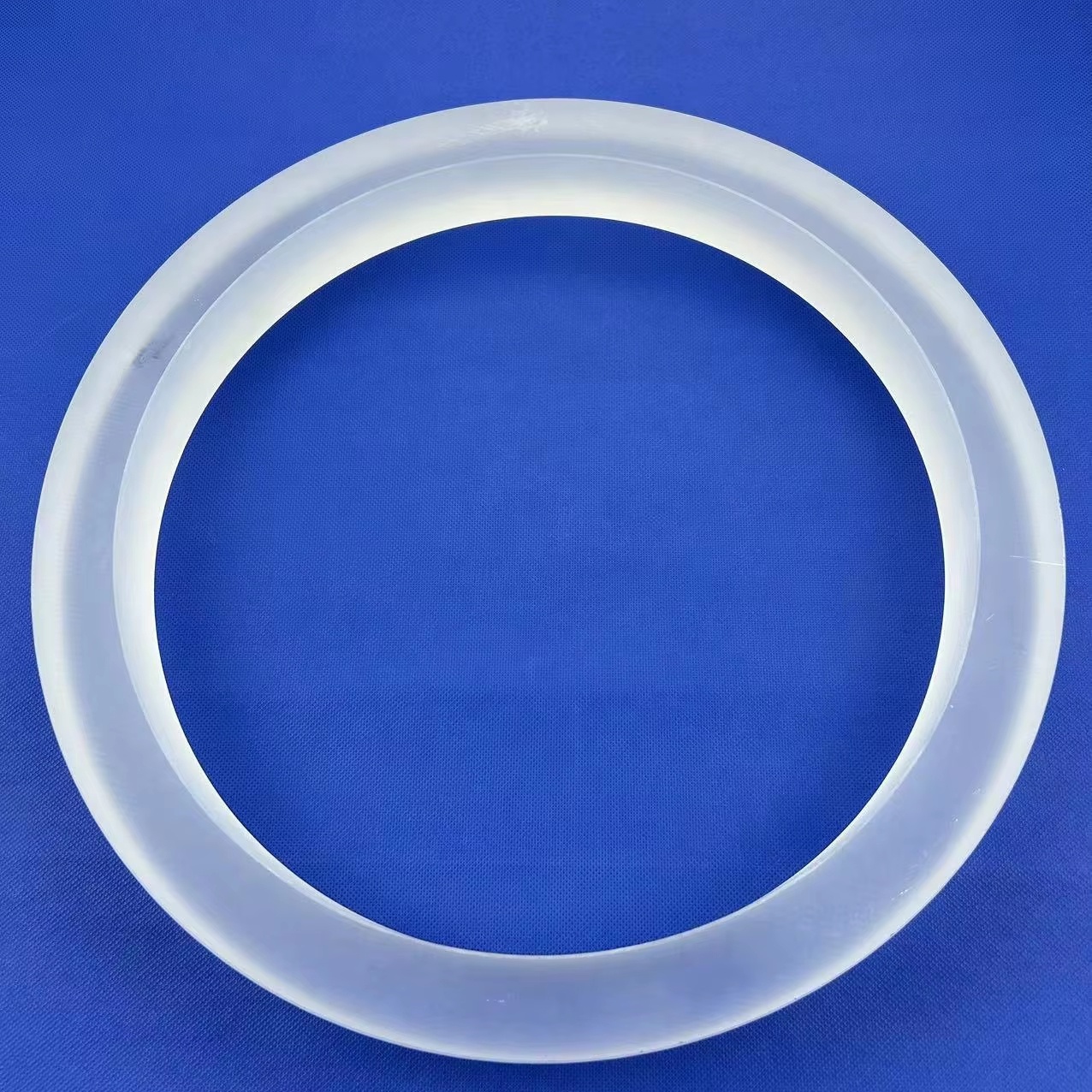
Engineered directly from Donghai crystal reserves with CNC machining, laser grooving, micro-drilling, and flame winding capabilities conforming strictly to customer drawings.

Engineering Quartz Coil Tubes: Mechanics, Thermal Dynamics & Manufacturing Nuance
A quartz coil tube (also known in high-temperature engineering as a helical quartz tube, fused silica spiral condenser, or fluidic quartz serpentine) represents one of the most demanding geometries in specialty vitreous silica manufacturing. Unlike linear quartz combustion tubes or standard sight glasses, a coil tube subjects the amorphous silica matrix to continuous radial tension and tangential bending during hot-forming fabrication. Understanding the operational stress fields, thermodynamic limits, and optical characteristics is paramount for procurement officers and process design engineers across semiconductor fab lines, chemical microreactor developments, and advanced thermal processing installations.
1. Thermo-Mechanical Integrity & Viscosity Boundaries
Fused quartz is synthesized by fusing naturally occurring crystalline silica or via vapor axial deposition (VAD) of synthetic silicon tetrachloride (SiCl₄). The resulting material is characterized by a nearly zero thermal expansion coefficient (α = 5.5 × 10⁻⁷ /°C from 20°C to 320°C). This extraordinarily low expansion allows a quartz spiral heating coil to withstand sudden thermal gradients exceeding 1000°C without catastrophic brittle failure. For instance, an operational quartz coil heated to 1150°C can be quenched directly in room-temperature deionized water without micro-fracturing along the curved axes.
However, when designing helical coils subjected to internal pressurization or structural load bearing, engineers must evaluate the operational temperatures relative to the glass transformation and strain points:
- Strain Point (~1075°C to 1120°C): At this thermal threshold, internal mechanical stresses relax within several hours. Long-term continuous service above this point under cantilever stress can induce irreversible geometrical pitch sag in horizontal coil configurations.
- Annealing Point (~1180°C to 1215°C): Stress relief occurs in minutes. Post-bending thermal annealing is executed precisely in this range to eradicate residual hoop stresses induced during manual flame lathe winding.
- Softening Point (~1683°C): The vitreous structure begins to deform under its own structural mass. Service temperatures must strictly avoid reaching within 350°C of this boundary.
Technical Insight for Equipment Builders: When sizing quartz coil wall thickness for heating jackets or corrosive gas vaporizers, calculate hoop stress using Lamé's equation for thick-walled cylinders. The structural strength of fused quartz in compression is exceptionally high (~1150 MPa), but its tensile strength is limited by surface flaw distribution (~50 MPa). Flame polishing the outer bend radius eliminates Griffith micro-cracks, effectively doubling the fatigue life during cyclic thermal expansions.
2. Material Grade Selection: JGS1 vs. JGS2 vs. JGS3 in Coil Geometries
Procuring the incorrect quartz grade for coil fabrication often leads to premature solarization, hydroxyl outgassing, or insufficient IR transmission. We produce custom coil assemblies across three distinct optical-grade classifications:
| Quartz Grade | SiO₂ Purity | Transmission Bandwidth | Typical [OH] Content | Primary Industrial Applications |
|---|---|---|---|---|
| JGS1 (Synthetic Fused Silica) | ≥ 99.999% | 185 nm – 2500 nm (Deep DUV) | ≤ 1000 ppm (or ≤ 1 ppm dry) | Excimer laser cooling lines, photochemical reactors, high-purity semiconductor UV sanitization coils. |
| JGS2 (Optical Fused Quartz) | ≥ 99.99% | 220 nm – 2500 nm (UV-Vis) | ≤ 150 – 200 ppm | General chemical distillation spirals, sight view coils, furnace heater jackets, laboratory condenser coils. |
| JGS3 (Infrared Fused Quartz) | ≥ 99.99% | 260 nm – 3500 nm (IR / Near IR) | ≤ 5 ppm (Water-free) | High-efficiency medium-wave & short-wave infrared heating emitters, rapid thermal processing (RTP) tubes. |
For applications where quartz coils house internal electrical resistance elements (e.g., tungsten or Fe-Cr-Al heating wires), JGS3 with ultra-low hydroxyl (OH) content is mandatory. The absence of fundamental OH- absorption bands at 2.73 μm prevents destructive infrared energy attenuation inside the glass wall, maximizing radiant efficiency and suppressing localized thermal stress buildup.
Procurement & Technological Trends in the Global Quartz Coil Ecosystem
As semiconductor wafer diameters push beyond 300 mm and advanced micro-channel flow chemistry replaces classical batch synthesis, the global demand for customized OEM/ODM quartz coil tubes is shifting. Procurement directors in North America, Europe, and the Asia-Pacific region are navigating three decisive industry evolutions:
1. Migration Toward Integrated Multi-Lumen & Twin-Tube Helical Geometries
Traditional single-bore quartz coils are rapidly being supplemented by coaxial twin-tube configurations and multi-channel spiral tubes. In photovoltaic passivated emitter and rear cell (PERC) or tunnel oxide passivated contact (TOPCon) diffusion processes, integrated double-wall quartz coils allow simultaneous fluid heating and convective counter-flow cooling within a single compact footprint. Manufacturing these parts requires automated CNC multi-axis glass lathes capable of synchronizing rotational speed and gas-oxygen torch temperatures within ±3°C to prevent inner wall collapse during spiral bending.
2. Stringent Trace Metal Speciation in Semiconductor ALD & CVD
In 3nm and 2nm node semiconductor fabrication, quartz is no longer treated as an inert bystander. Under corrosive chlorine or fluorine plasma etch environments, trace alkali elements (Li, Na, K) and heavy metals (Fe, Cu, Ni) migrate through the quartz lattice, contaminating silicon wafer substrates. Next-generation procurement requires manufacturers to supply certified cleanroom-packaged coils washed in ultra-pure hydrofluoric (HF) acid, demonstrating total metallic contamination of less than 0.5 ppm across all analytical metrics.
3. High-Precision Laser Micro-Finishing on Curved Surfaces
Historically, terminating a quartz coil required manual flame-fused ground joints, ball-and-socket fittings, or blown flanges, often introducing geometric deviations up to ±1.5 mm. Today's procurement specifications mandate picosecond laser cutting and micro-hole drilling directly on coil endpoints and tangential leads. This non-contact cold ablation eliminates micro-chipping, achieving axial length tolerances of ±0.2 mm and surface roughness values (Ra) below 0.2 μm on sealing faces.
Enterprise Strengths & Manufacturing Prowess
Headquartered in Donghai County — the world's primary epicenter for fused quartz mining and refining — Zunex Quartz combines raw material cost dominance with high-end glassblowing craftmanship.
Rapid Engineering Review (≤ 2h)
Every drawing (PDF, DWG, DXF, or STEP) is reviewed directly by our Senior Glass Processing Engineers to verify pitch stability, bend radii, and wall thinning before quotation.
Laser Finishing & CNC Milling
Equipped with CO₂ and ultra-short pulse lasers for high-precision grooving, beveling, slotting, and flame fire-polishing of complex helical terminations.
Custom Tooling & Mold Production
In-house high-purity graphite mandrel manufacturing allows rapid prototyping of non-standard pitch, conical spirals, and variable diameter coil tubes without expensive external tooling delays.
Strict Annealing & Stress Inspection
Every quartz coil undergoes multi-stage polariscope strain inspection following furnace annealing at 1150°C, verifying absolute absence of dangerous internal residual stress birefringence.
Suspension Foam Export Packaging
Engineered shock-absorbing pearl cotton casing and reinforced multi-layer plywood crates guarantee zero-breakage global transit via DHL, FedEx, air freight, or sea cargo.
OEM / ODM Small Batch to Volume
From single research-grade prototypes for national laboratories to recurring container-load procurement contracts for industrial machinery manufacturers.
Material Evaluation Matrix: Fused Quartz Coil vs. Alternative Industrial Glasses
Procurement teams frequently evaluate whether higher initial capital expenditure for fused quartz is justified over borosilicate 3.3 or alumina ceramics. The table below illustrates the critical physical metrics that determine material survivability under cyclic thermal loading, acidic immersion, and electrical breakdown fields.
| Performance Property | Fused Quartz (JGS1/JGS2) | Borosilicate Glass 3.3 | Transparent Polycrystalline Alumina | Transparent Sapphire (Al₂O₃) |
|---|---|---|---|---|
| Max Working Temp (Continuous) | 1100 °C – 1150 °C | 450 °C – 500 °C | 1200 °C | 1600 °C – 1800 °C |
| Max Short-Term Temperature | 1300 °C | 550 °C | 1400 °C | 1900 °C |
| Thermal Expansion Coeff. (α) | 5.5 × 10⁻⁷ /K | 33 × 10⁻⁷ /K | 80 × 10⁻⁷ /K | 53 × 10⁻⁷ /K |
| Thermal Shock Delta (ΔT) | > 1000 °C drop to H₂O | approx. 150 °C | approx. 200 °C | approx. 300 °C |
| Dielectric Strength (at 20°C) | 25 – 40 kV/mm | 10 – 15 kV/mm | 15 – 20 kV/mm | 30 – 48 kV/mm |
| Resistance to Hydrofluoric Acid | Attacked (Forms SiF₄) | Attacked | High Resistance | Very High Resistance |
| Helical Coiling Manufacturability | Excellent (Flame Lathe) | High (Standard Glass) | Extremely Difficult (Sintered) | Virtually Impossible in Coil |
| Relative Cost Index | Moderate – High (1.0x) | Low (0.25x) | Very High (4.0x) | Extremely High (8.0x – 15.0x) |
As demonstrated, fused quartz is the sole optical-grade material capable of achieving complex helical coiling while preserving extreme thermal shock immunity and high dielectric strength at competitive production costs.
Frequently Asked Questions for B2B Quartz Sourcing
In-depth technical answers addressing dimensional tolerances, packaging reliability, material verification, and production lead times.
What are the achievable manufacturing tolerances for custom quartz coil tubes?
How does Zunex prevent devitrification (crystallization) in quartz coils operated above 1000°C?
Can you incorporate custom end-connections, flanges, or thermocouple wells into the coil?
What documentation and material certificates accompany each production batch?
How are fragile quartz spiral coils protected against transit shock during international shipping?
What are typical production lead times for OEM custom orders?
Ready to Engineer Your Custom Quartz Coil Tube?
Submit your CAD drawing (DWG, DXF, STEP, PDF) or operational specifications. Our Donghai engineering team will analyze thermal stress limits, recommend the optimal quartz grade (JGS1, JGS2, JGS3), and return a competitive DDP quotation within two hours.