Precision Fabricated Quartz Tubing & Thermal Components
Custom-engineered fused quartz products fabricated with laser drilling, high-precision spiral bending, and optical-grade fire polishing.
 BET Analytical
High Pressure BET Chemisorption Twin Tube
99.99% ozone-free clear quartz glass engineered for Quantachrome BET testing, precision bending, and extreme vacuum seals.
Explore Specifications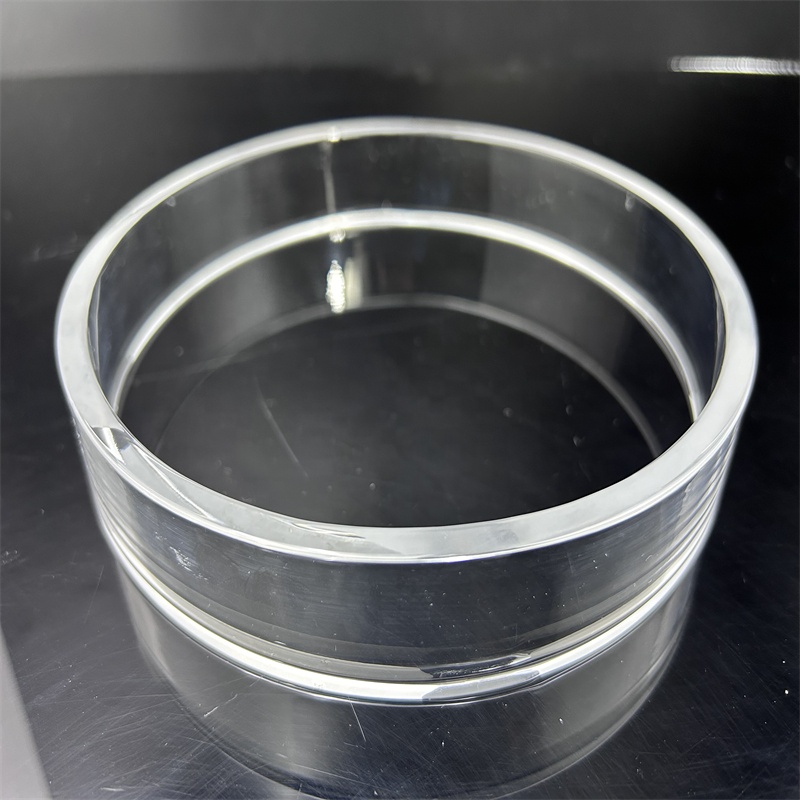 Semiconductor
High Purity Fused Quartz Bell Jar
Ultra-transparent, corrosion-resistant thermal bell jar for semiconductor epitaxy, vacuum deposition, and plasma etching.
Explore Specifications 1100°C Rated
Custom Clear Fused Quartz Glass Plate
Continuous thermal resistance up to 1100°C, optical grade polishing, precision laser-slotted edge beveling for viewport optics.
Explore Specifications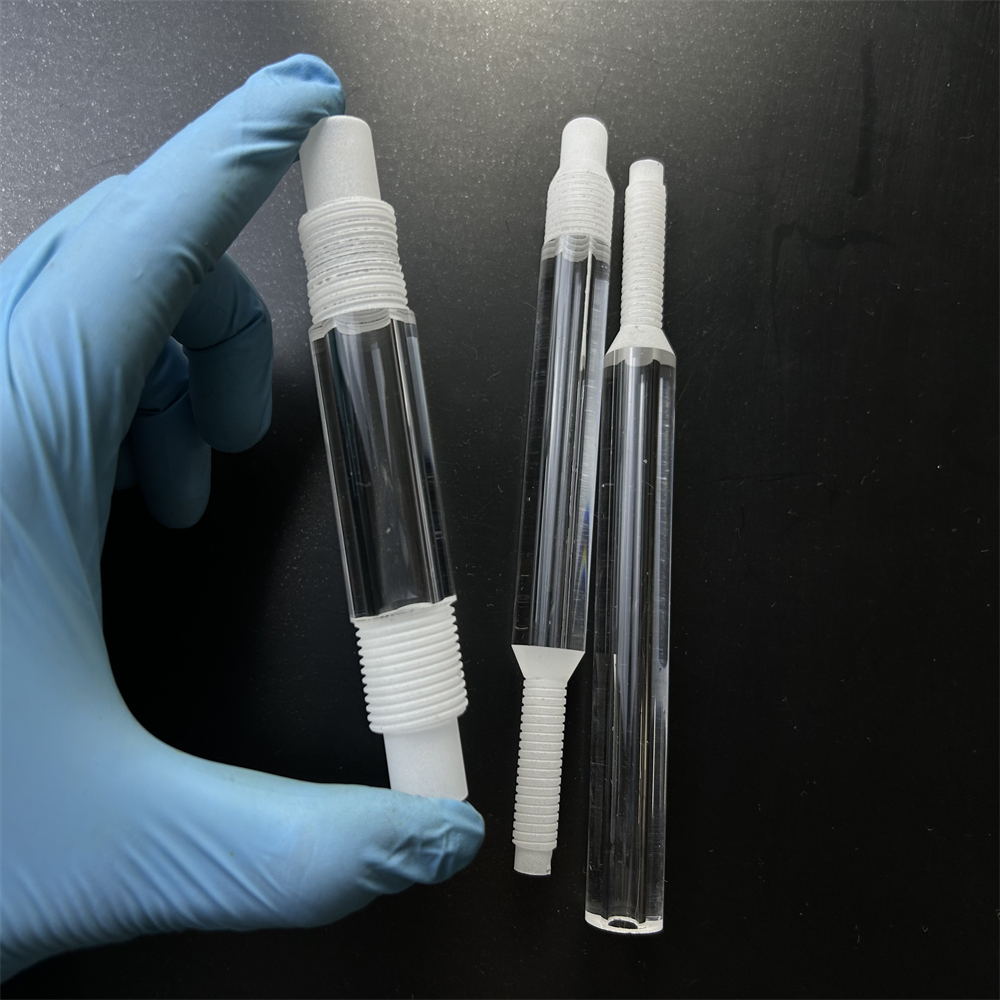 Threaded & Welded
Custom Threaded UV Quartz Glass Tube
CNC machined threads, high UV transmittance, and high-pressure hermetic coupling for photochemical inline reactors.
Explore Specifications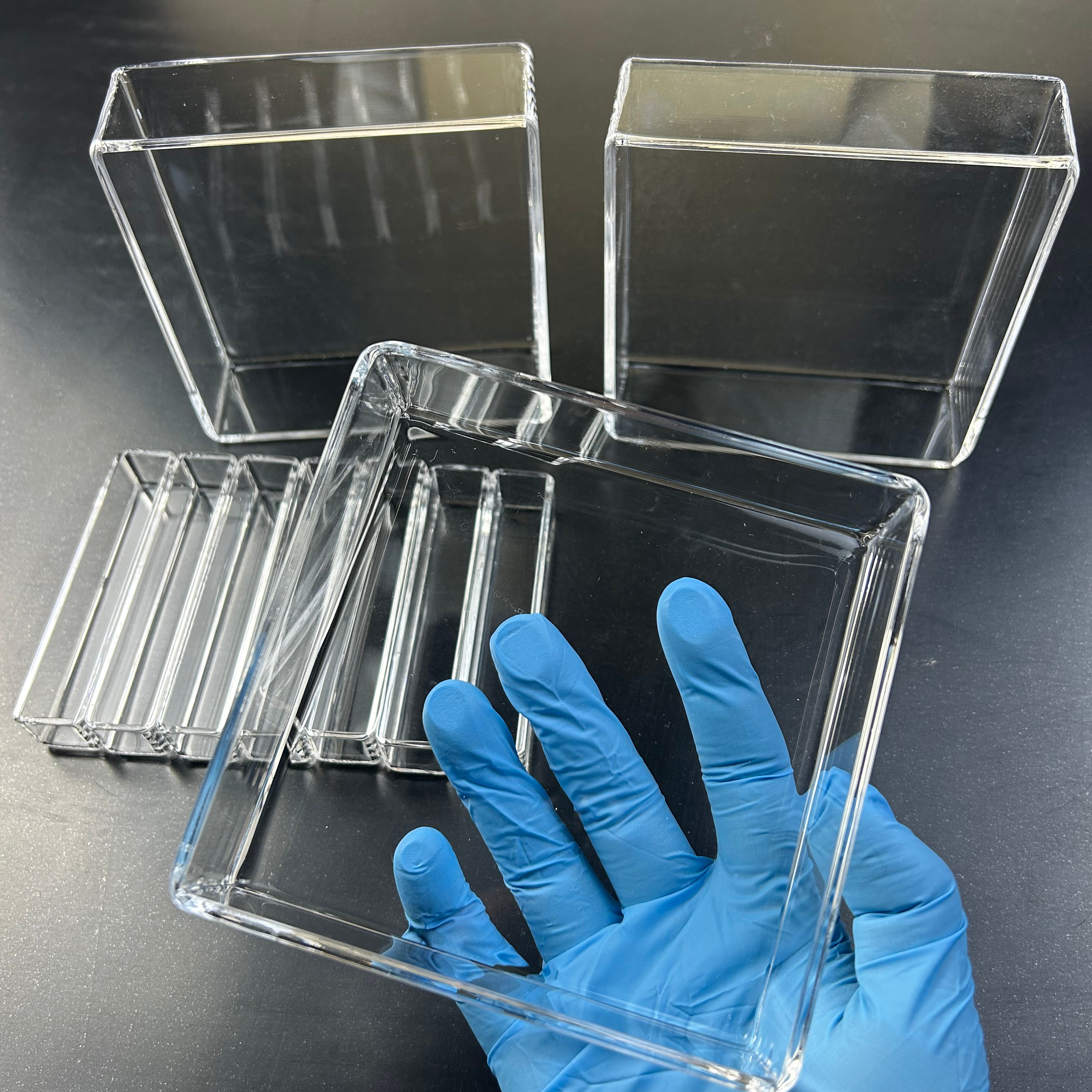 High Purity Tank
Cylindrical Quartz Glass Crucible Tank
Seamless bottom welding and fire-polished rim finishing for metallurgy, precious metal refining, and chemical processing.
Explore Specifications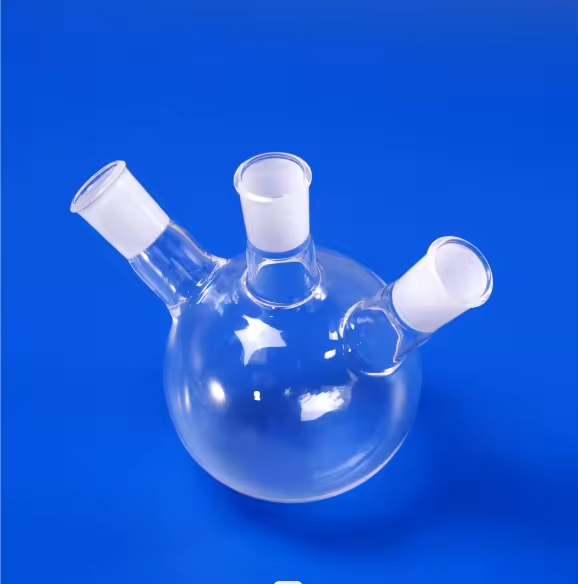 Twin-Tube Custom
Transparent Quartz Twin-Tube Flask
Integrated twin-tube flow geometry with thermal shock resistance for condensation reactions and dual-channel vapor delivery.
Explore Specifications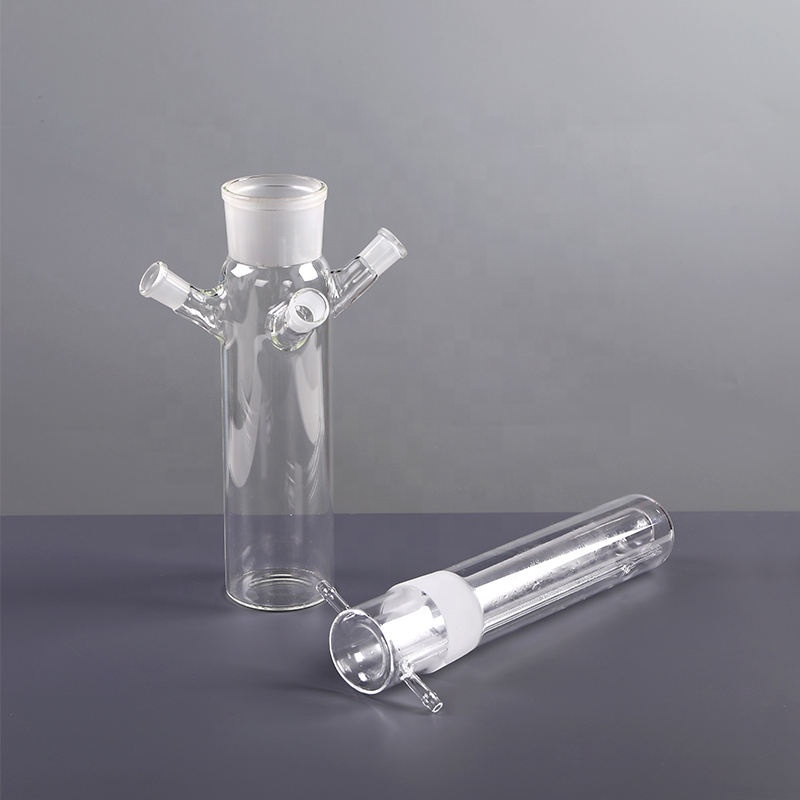 Photocatalytic
High-Purity Quartz Photocatalytic Reactor
Internally illuminated vessel for advanced oxidation processes (AOPs), UV excimer integration, and corrosive solvent processing.
Explore Specifications Optical Grade
 High Precision Quartz Glass
Exceptional mechanical strength, surface roughness Ra < 0.5nm, and broadband spectral clarity from deep UV to near-infrared.
Explore SpecificationsThe Physics and Fabrication Mechanics of Spiral Quartz Tubing
Spiral quartz tubing (also designated as helical quartz coils, coiled silica glass tubing, or serpentine quartz condensers) represents one of the most mechanically and thermally demanding configurations in the precision glassblowing industry. Unlike standard straight cylindrical tubing, a spiral quartz tube introduces continuous curvature across three dimensions, combining axial fluid flow with continuous centrifugal acceleration.
From a thermodynamics perspective, spiral quartz coils provide 3.2 to 4.8 times greater surface area per unit volume than straight tubes. In photochemical reactors, excimer UV disinfection systems, and analytical gas chromatography, the helical structure forces Dean vortices—secondary cross-sectional flow currents that dramatically suppress laminar boundary layers. This hydrodynamic phenomenon ensures homogenous exposure to radiation or rapid heat transfer without causing stagnation or localized overheating.
Helical Thermal Expansion
With an ultra-low coefficient of thermal expansion (CTE) of 5.5 × 10⁻⁷ /°C, spiral fused silica accommodates rapid cyclic thermal gradients without undergoing brittle mechanical failure or localized deformation.
Deep UV Optical Transmission
Utilizing high-purity synthetic fused silica (JGS1) or refined electric-melt quartz (JGS2), internal spiral walls achieve > 90% transmission across the critical 185 nm to 254 nm germicidal and ozone-producing UV spectrum.
Dimensional Pitch Tolerance
Precision CNC lathe winding combined with automated hydrogen-oxygen torch temperature stabilization keeps the coil pitch error under ±0.5 mm and ovality distortion below 3% along the entire coil length.
Top 10 Spiral Quartz Tubing Manufacturer & Exporter Landscape
Procurement directors and chemical engineering specialists evaluating global suppliers for spiral quartz tubes must weigh both raw material synthesis capabilities and secondary thermal reforming precision. The global marketplace is divided between vertically integrated global quartz conglomerates and specialized precision manufacturing centers such as Donghai County in Jiangsu, China—the undisputed crystal and fused quartz hub of Asia.
To establish clarity for enterprise purchasing teams, the table below provides an objective evaluation framework comparing the world's leading spiral quartz tubing manufacturers and exporters based on material grade availability, laser processing integration, lead times, and customization flexibility.
| Manufacturer / Category | Primary Geographic Hub | Core Material Specialization | Custom Fabrication & Laser Finish | Typical MOQ & Lead Time | Key Export End Markets |
|---|---|---|---|---|---|
| Zunex Quartz Products Co., Ltd. | Donghai County, Jiangsu, China | JGS1, JGS2, JGS3 (99.99% SiO₂) | Laser micro-drilling, grooving, tight pitch coils | Flexible (1 pc to bulk), 7–15 Days | USA, Germany, Japan, South Korea, EU |
| Heraeus Conamic | Kleinostheim, Germany | Suprasil®, Spectrosil® Synthetic Fused Silica | Standard industrial catalog & cleanroom fabrication | High MOQ, 8–16 Weeks | Semiconductor Fabs, Optics, Global |
| Momentive Technologies | Ohio, United States | Type 214, GE Quartz Series | Large diameter diffusion tubes & basic forming | High MOQ, 10–14 Weeks | North America, Solar PV, Microelectronics |
| Tosoh Quartz Corporation | Tokyo, Japan | Ultra-pure semiconductor grade quartz | Sub-micron robotic machining & clean packaging | Enterprise contract only, 12+ Weeks | Japan, Taiwan, Global Tier-1 Semiconductor |
| QSIL SE (incl. former Philips Quartz) | Ilmenau, Germany | PH 300, Doped & UV-transmitting quartz | Specialized lamp envelopes & furnace parts | Medium to High MOQ, 6–10 Weeks | Lighting, Analytical, European OEMs |
| Saint-Gobain Quartz | Courbevoie, France | Quartzel® felts, specialty fused silica | Custom structural aerospace & thermal optics | High MOQ, 8–12 Weeks | Aerospace, Defense, European Labs |
| Technical Glass Products (TGP) | Painesville, Ohio, USA | Commercial fused quartz labware & tubing | Domestic machining, grinding & flame annealing | Low to Medium MOQ, 3–6 Weeks | North American Research & Industrial Labs |
| Shin-Etsu Quartz Products | Tokyo, Japan | Synthetic synthetic silica ingots & tubes | Photomask substrates & diffusion carriers | Enterprise contracts, 8–14 Weeks | Global Semiconductor Lithography Lines |
| Donghai Regional Manufacturing Hub | Jiangsu Province, China | Domestic refined natural quartz rock crystal | High-volume continuous drawing & manual welding | Variable quality, 2–4 Weeks | Photovoltaic, General Lighting, Domestic |
| Pacific Quartz (Jiangsu Pacific) | Lianyungang, Jiangsu, China | Raw electronic quartz sand, high-purity ingots | Primary material drawing & extrusion billets | Bulk container lots, 4–8 Weeks | PV Ingot Pullers, Fiber Optic Cladding |
*Comparative assessment based on verified public manufacturer catalogs, ISO certification filings, and international logistics export tracking data.
Grade Selection Architecture: JGS1 vs. JGS2 vs. JGS3 in Spiral Geometries
When engineering spiral quartz tubing, selecting the correct optical and chemical purity grade is decisive. The intense localized heating required to bend straight tubes into a helical pitch causes hydroxyl (OH⁻) group mobility and micro-crystallization (devitrification) if inferior quartz feedstocks are utilized.
JGS1: Synthetic Fused Silica
Primary Band: 185 nm – 2500 nm
Manufactured by SiCl₄ vapor phase chemical deposition. Free of bubbles and seed inclusions. Ideal for deep ultraviolet (UV) spiral photochemical reactors, excimer lamp outer jackets, and TOC (Total Organic Carbon) analytical instruments.
JGS2: Fused Quartz (Gas Refined)
Primary Band: 220 nm – 2500 nm
Produced from high-purity natural crystal quartz sands via hydrogen-oxygen flame fusion. Offers superior mechanical strength and structural integrity at continuous temperatures of 1100°C. Standard benchmark for furnace heating coils and condensation condensers.
JGS3: Low-Hydroxyl Optical Quartz
Primary Band: 260 nm – 3500 nm
Refined via electric vacuum melting. Hydroxyl content < 5 ppm. Completely eliminates the pronounced infrared absorption dip at 2730 nm, making it essential for infrared heating coils, fast-response pyrometry sheaths, and semiconductor RTP processes.
Critical Physical & Thermal Constants of High-Purity Fused Quartz
| Physical Constant | Standard Value | Measurement Conditions / Relevance to Spiral Coils |
|---|---|---|
| Density (ρ) | 2.20 g/cm³ | Room temperature (20°C); determines lightweight vibration stability |
| Mohs Hardness | 5.5 – 6.5 | Resistant to mechanical scour from suspended particulate fluids |
| Softening Point | 1683 °C | Maximum flame working temperature during coil winding lathe setup |
| Annealing Point | 1215 °C | Critical threshold for vacuum stress-relief post winding |
| Continuous Working Temp | 1100 °C | Long-term operating limit in air or neutral atmosphere without sagging |
| Short-term Peak Temp | 1300 °C | Permissible for short transient thermal shocks or flash reactions |
| Thermal Conductivity | 1.4 W/(m·K) at 20°C | Facilitates controlled heat transfer along wall thickness without bursting |
| Dielectric Constant (ε) | 3.75 (at 1 MHz) | Extremely low dielectric loss; ideal for RF plasma induction tubes |
Future Sourcing & Product Development Trends (2025–2030)
The global demand for specialized spiral quartz tubing is experiencing strong compound annual growth driven by three convergent megatrends: next-generation semiconductor wafer processing, flow chemistry pharmaceutical synthesis, and industrial UV-C disinfection. For international procurement managers, relying on traditional glass workshops is no longer viable due to escalating precision demands.
1. Sub-Millimeter Microfluidic Spirals
Continuous flow chemistry and micro-channel synthesis require internal capillary bores < 1.0 mm configured into tightly wound spirals. Microfluidic quartz coils offer full transparency for real-time spectroscopic Raman analysis during high-pressure synthesis.
2. Ultrafast Laser Cold Machining
Picosecond and femtosecond lasers are replacing conventional diamond drill bits. Picosecond laser processing creates micro-grooves, zero-taper threaded ends, and side ports on curved spiral coils without causing micro-cracking or residual subsurface lattice stress.
3. Direct Factory Sourcing Consolidation
Global procurement teams are bypassing Western intermediaries to contract directly with vertically integrated manufacturers in Donghai, China. Direct factory collaboration eliminates 30–50% distributor markups and reduces iteration cycles for custom technical drawings from months to days.
4. Supply Chain Resilience & Buffer Stocking
With geopolitical tensions around high-purity quartz raw material reserves, semiconductor and laboratory OEMs are establishing bilateral agreements with suppliers maintaining raw ingot inventories and dedicated export crating systems.
Enterprise Advantages of Zunex Quartz Products Co., Ltd.
Located in the heart of Donghai County, Jiangsu Province—globally acknowledged as China's premier crystal and quartz manufacturing capital—Zunex Quartz Products Co., Ltd. combines raw material accessibility with master glassblowing craftsmanship and advanced laser cold-finishing technologies.
Engineered Turnaround: ≤ 2-Hour Response
Every RFQ sent to Zunex is assigned immediately to a quartz fabrication engineer rather than an outsourced sales agent. Technical feasibility, material grade confirmation, tolerance review, and quotation calculations are completed within 120 minutes with a verified 100% response rate.
Direct Drawing Customization (OEM/ODM)
From one-off bespoke prototypes to multi-thousand piece recurring runs, our production floor works directly with PDF, AutoCAD (DWG/DXF), and 3D STEP files. Tolerances as tight as ±0.05 mm are maintained via precision optical comparators and 3D coordinate measuring machines (CMM).
Engineered Zero-Breakage Export Packaging
Transporting fragile spiral quartz coils across international borders demands custom protective packaging. Every Zunex spiral tube is encased in custom-cut high-density shock-absorbing polyethylene foam and nested in fumigated plywood export crates engineered to withstand drop, tilt, and sea vibration.
Manufacturing Capacity & Quality Control Protocol
Zunex Quartz maintains dedicated facilities for hot flame-working (lathe winding, continuous furnace drawing, bell-jar shaping), cold machining (CNC grinding, laser drilling, slotting, optical lapping), and post-forming de-stressing annealers. With an annual revenue exceeding US$2.5M to US$5M and a 43% repeat-order rate from international industrial accounts, our facility delivers end-to-end quality assurance certified from raw silica melt to final vacuum leak testing.
Frequently Asked Questions: Spiral Quartz Tubing Sourcing
Technical answers to critical questions faced by purchasing agents, mechanical designers, and process engineers when ordering customized spiral quartz tubes.