Precision Quartz Glass Products & Custom Components
Engineered for extreme thermal shock resistance, ultra-high chemical purity, and sub-micron dimensional accuracy for global semiconductor, optical, and laboratory buyers.
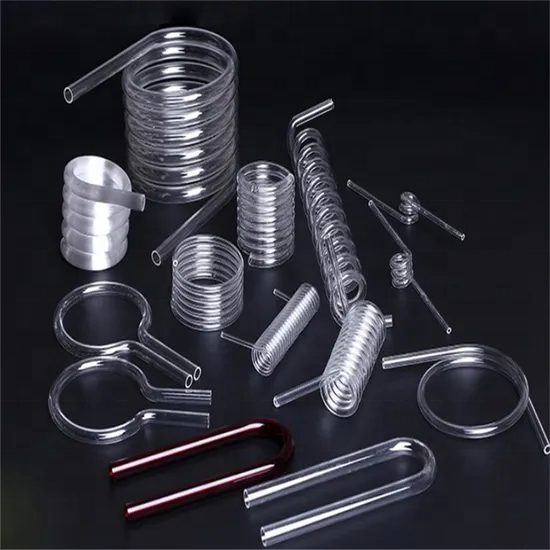
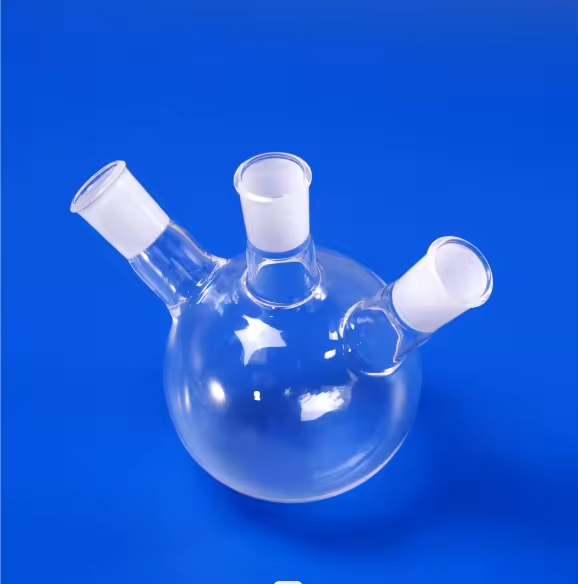
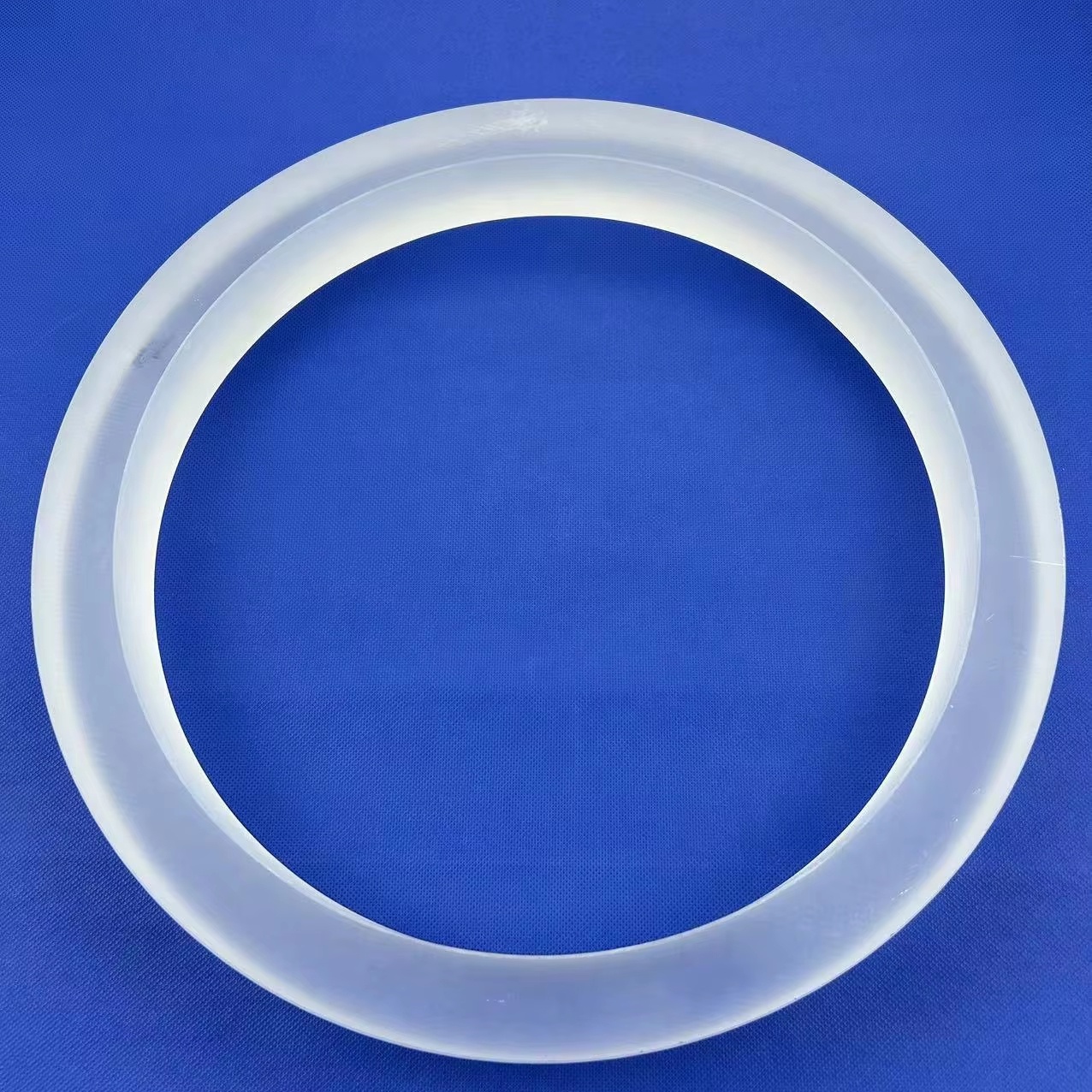
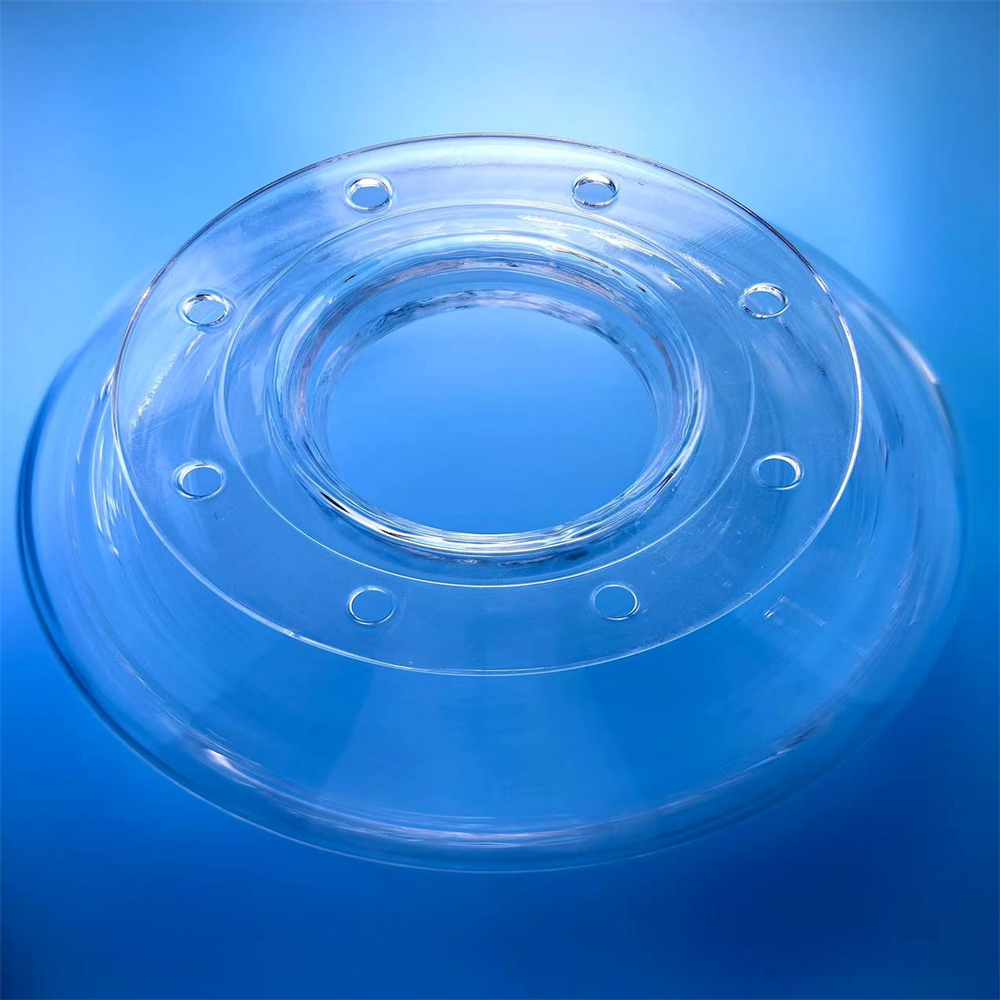
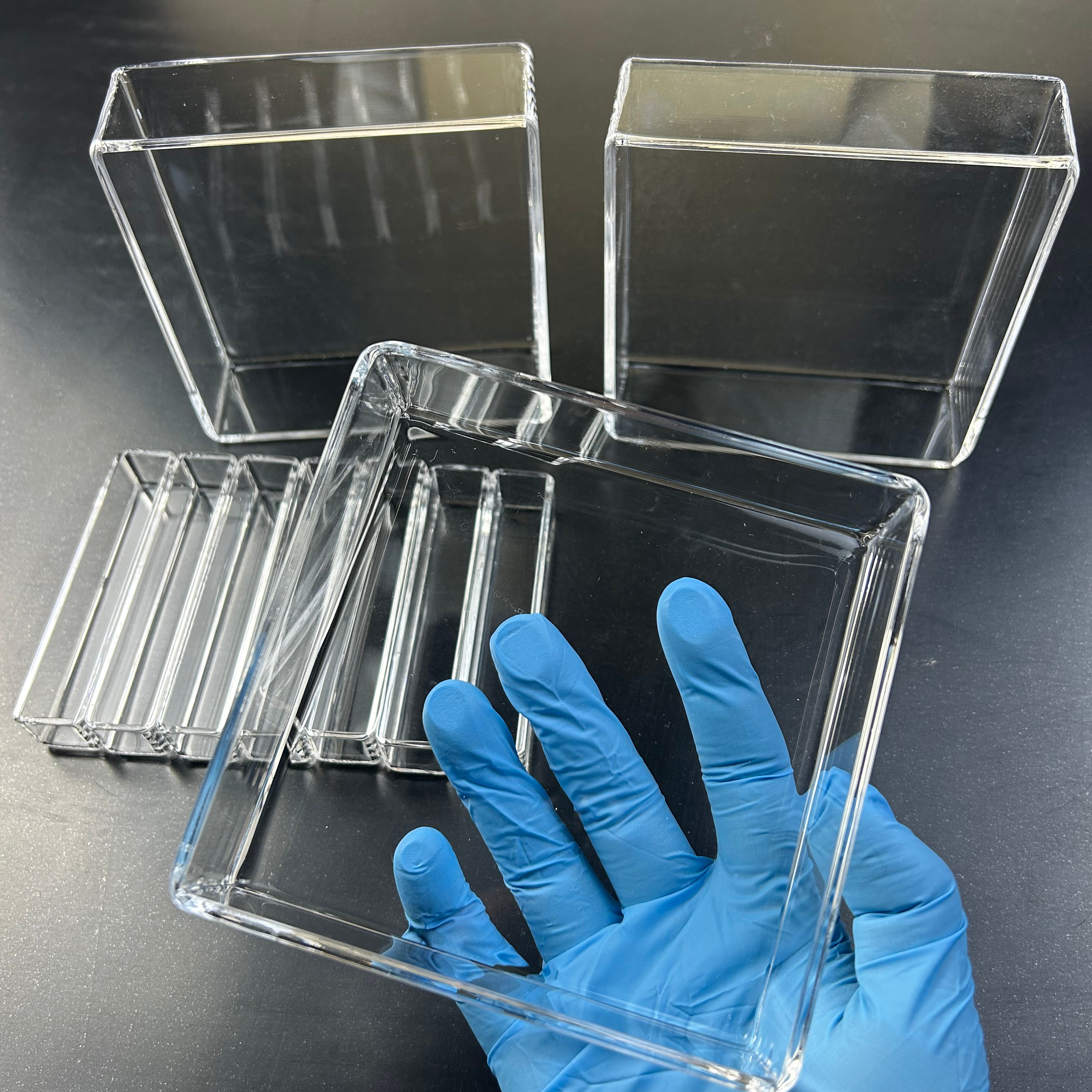
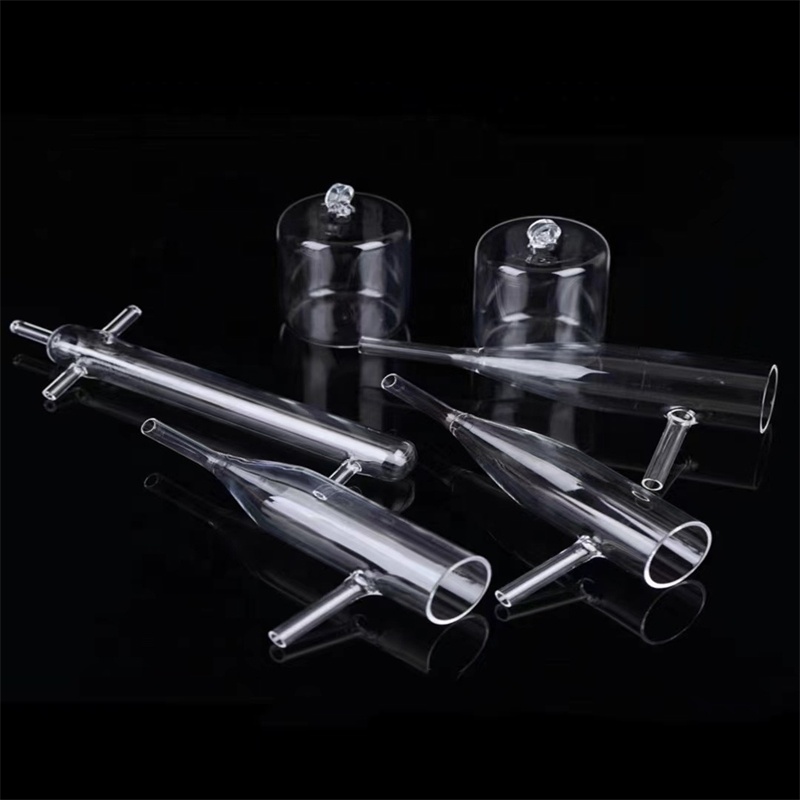
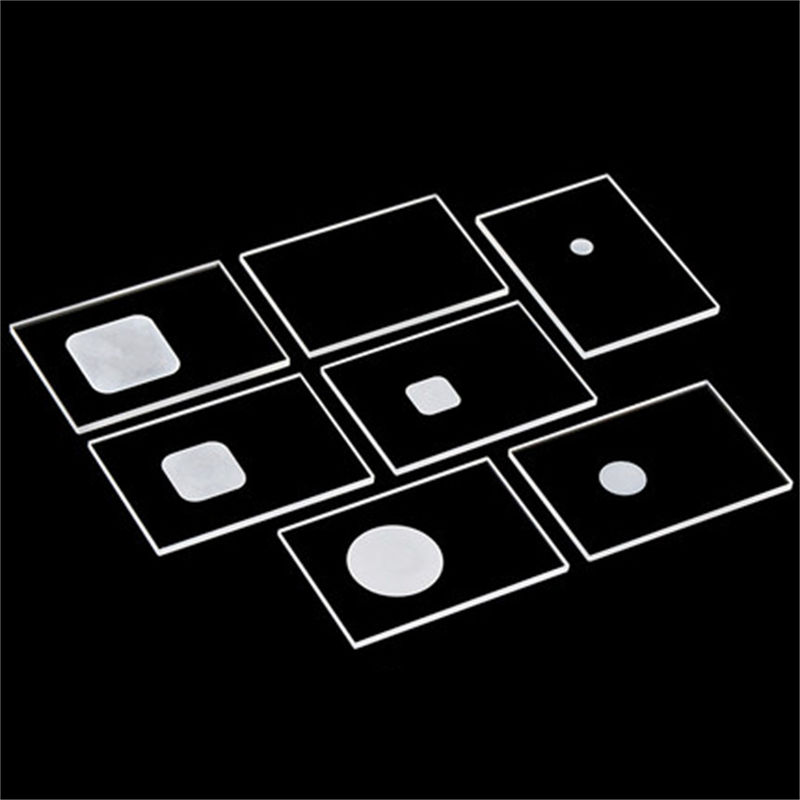
Why Global Tier-1 Tech Enterprises Source From Zunex
Combining China's premier silica supply chain in Donghai County with precision CNC processing, sub-2-hour engineering responses, and rigorous ISO quality governance.
Geographic Raw Material Superiority
Located at the epicenter of China's quartz hub in Donghai County, Jiangsu, Zunex controls raw material supply directly from high-purity crystalline quartz deposits, eliminating intermediary markups and ensuring homogeneous batch melting with trace contaminant control down to ppm levels.
Proprietary Laser & CNC Finishing
Beyond conventional flame annealing, our facility integrates multi-axis picosecond laser cutting, ultra-precision surface grinding, double-sided optical polishing (Ra < 0.5nm), and micro-hole laser trepanning that suppresses micro-fissures and edge spalling across brittle quartz geometries.
Export-Grade Shockproof Logistics
Fragile fused quartz plates, multi-bore capillary tubes, and wafer carriers undergo specialized vacuum multi-layer suspension packing inside reinforced timber crates. Coupled with comprehensive air/ocean transit tracking, we maintain a zero-damage transport guarantee across over 60 export destinations.
Fused Quartz vs. Synthetic Fused Silica: Engineering Comparison
A critical material specification guide for semiconductor process engineers, optical instrumentation designers, and procurement managers.
| Performance Parameter | JGS1 (Synthetic Fused Silica) | JGS2 (Optical Fused Quartz) | JGS3 (Infrared Fused Quartz) | Standard Borosilicate Glass |
|---|---|---|---|---|
| Primary Spectral Range | 185 nm – 2500 nm (Deep UV) | 220 nm – 2500 nm (UV-VIS) | 260 nm – 3500 nm (IR-Grade) | 350 nm – 2000 nm (Visible only) |
| Hydroxyl (OH⁻) Content | < 5 ppm – 1200 ppm (Synthesized) | < 150 ppm | ≤ 5 ppm (Water-free) | N/A (Multi-component glass) |
| Continuous Work Temp | 1100 °C | 1100 °C | 1150 °C | 450 °C – 500 °C |
| Softening Point | approx. 1683 °C | approx. 1680 °C | approx. 1700 °C | approx. 820 °C |
| Thermal Expansion (CTE) | 5.5 × 10⁻⁷ / °C | 5.5 × 10⁻⁷ / °C | 5.4 × 10⁻⁷ / °C | 32.5 × 10⁻⁷ / °C (6x Higher) |
| Dielectric Strength (20°C) | 25 – 40 kV/mm | 25 – 35 kV/mm | 30 – 40 kV/mm | 10 – 15 kV/mm |
Material Selection In Semiconductor Processing
In high-temperature semiconductor fabrication—such as LPCVD (Low-Pressure Chemical Vapor Deposition), diffusion drive-in, and rapid thermal processing (RTP)—the mechanical stability and thermal history of quartz plates are paramount. Standard glass deforms above 500°C, whereas fused silica sustains operating environments up to 1100°C without structural sag or devitrification.
Furthermore, fused quartz's near-zero coefficient of thermal expansion (5.5 × 10⁻⁷ / °C) provides near-immunity to extreme thermal shock. Quartz plates can be safely heated to over 1000°C and dropped directly into ice water without fracture. When choosing between JGS1, JGS2, and JGS3 grades, engineers must align the absorption spectra: JGS1 is non-fluorescing under deep ultraviolet excimer lasers, whereas JGS3 eliminates the 2.73μm hydroxyl absorption band, guaranteeing maximum transmissive efficiency in high-power infrared heaters and laser viewports.
Future Procurement Trends & Quartz Industry Evolution (2025–2030)
How next-generation semiconductor fabrication nodes, photonics, and renewable energy mandates are reshaping global fused quartz sourcing strategies.
Sub-10nm Semiconductor Cleanness
As wafer fabrication advances past sub-5nm and gate-all-around (GAA) architectures, allowable metal impurity tolerances inside quartz furnace tubes and wafer boats have shifted from parts-per-million (ppm) to parts-per-billion (ppb). Procurement teams increasingly favor factories capable of providing certified ICP-MS purity documentation and pre-cleaned Class 100 cleanroom packaging.
Geometric Upsizing for PV & Display
Driven by TOPCon and heterojunction (HJT) solar cell roadmaps, quartz diffusion tubes have upsized to internal diameters exceeding 450mm to handle 210mm wafer arrays. Buyers are centralizing orders with factories possessing heavy-tonnage vertical drawing towers and specialized large-format planar grinding machines that maintain sub-arcsecond parallelism over one-meter spans.
Integrated Laser Micro-Drilling Over Etching
Traditional mechanical core drilling and wet chemical hydrofluoric acid etching are rapidly being superseded by ultrafast laser ablation. This allows high-density micro-hole arrays, microfluidic channels, and complex stepped edges on fused quartz plates without inducing internal mechanical residual stress, micro-cracks, or HAZ (heat-affected zones).
Frequently Asked Questions for Quartz Glass Buyers
Clear answers to complex technical, tolerance, packaging, and commercial questions to facilitate streamlined cross-border RFQs.
Can Zunex manufacture custom fused quartz plates directly from customer CAD drawings?
What exact dimensional tolerances, surface flatness, and surface finishes can your factory hold?
How do you classify and test optical bubble classes and internal inclusions in fused silica plates?
What are the threshold differences between fused quartz and fused silica regarding operating temperatures?
How does Zunex guarantee zero transit breakage for fragile quartz glass overseas?
What is your typical lead time and sample policy for prototype evaluation?
Accelerate Your Quartz Sourcing With Direct Factory Support
Submit your component drawings, target specifications, or material challenges. Our Donghai engineering team provides comprehensive manufacturability feedback and transparent, factory-direct quotations within 2 hours.