Precision Quartz Glass Solutions for Advanced Analytical Systems
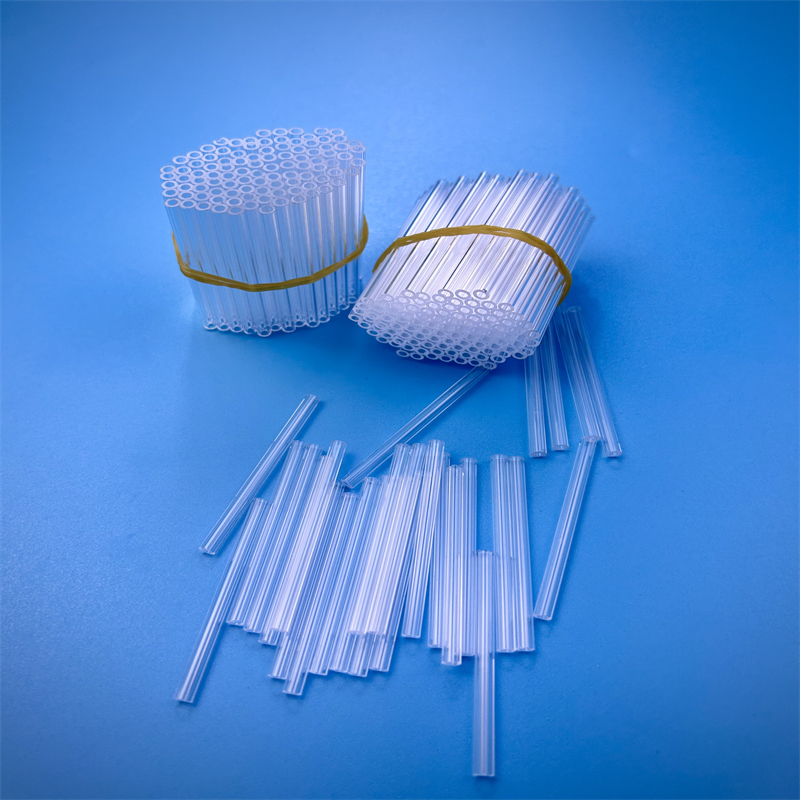
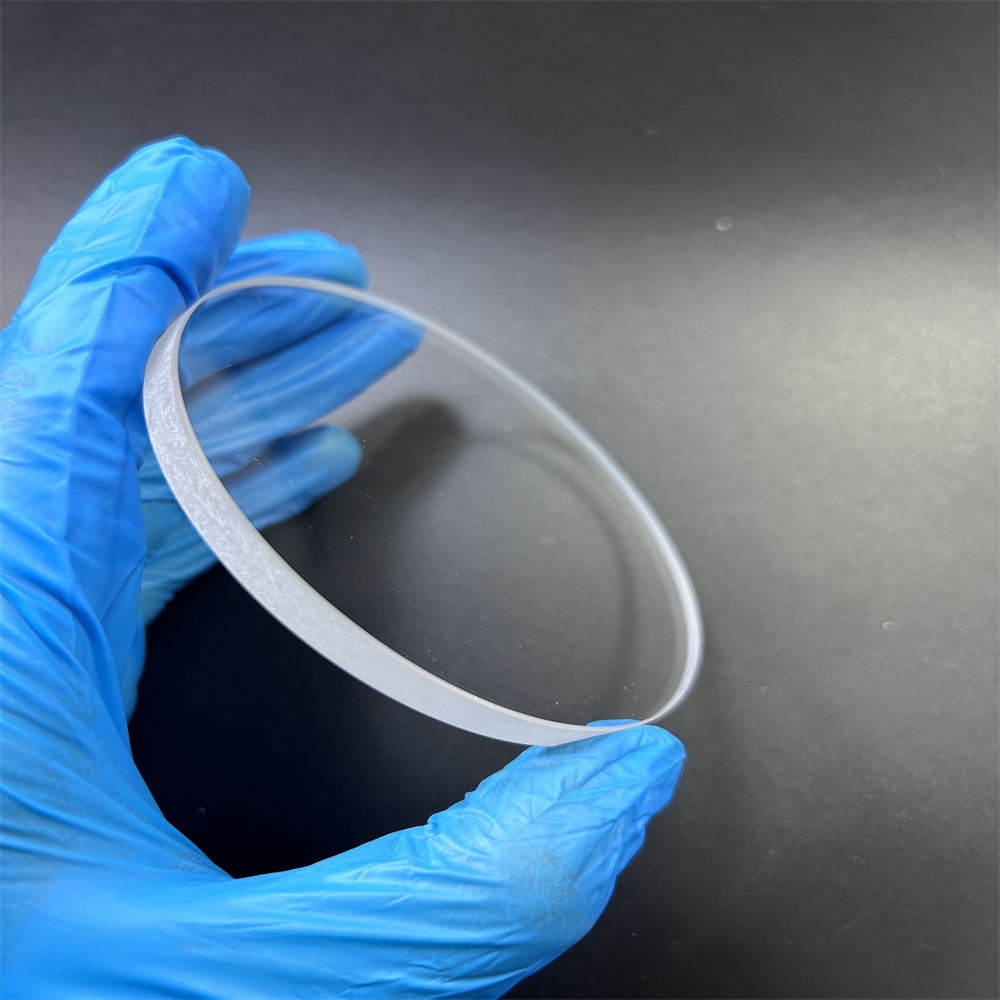
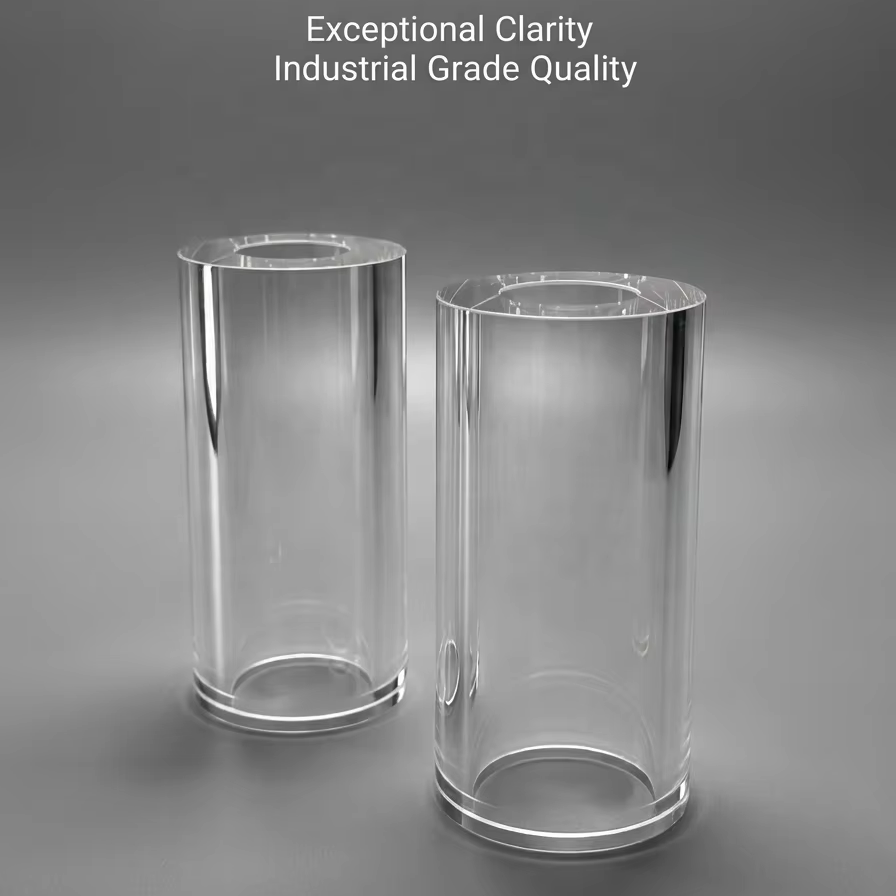
Precision-drawn fused quartz twin tubes, optical viewing plates, photocatalytic reactor vessels, and custom sample containment tailored for high-temperature and vacuum physisorption processes.
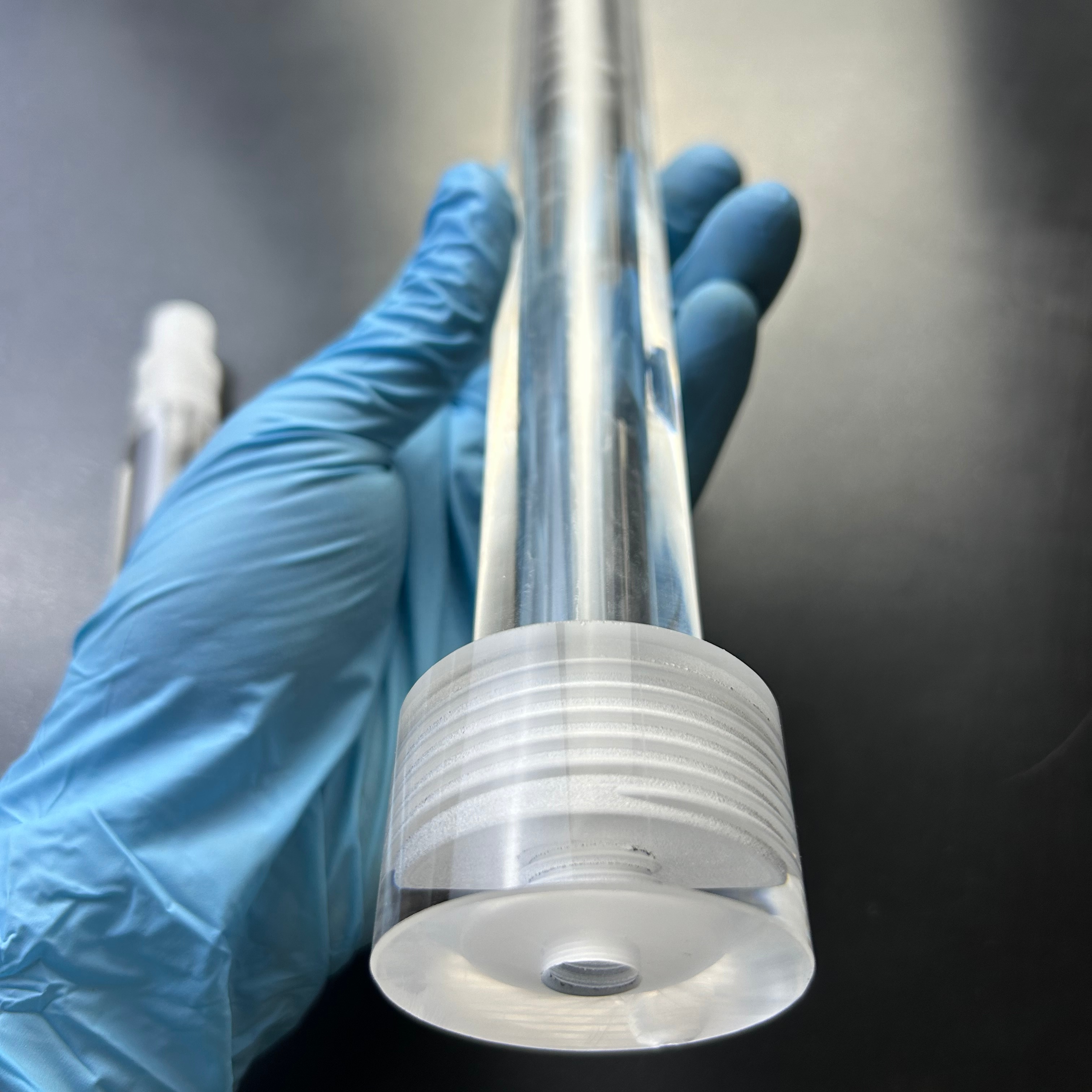
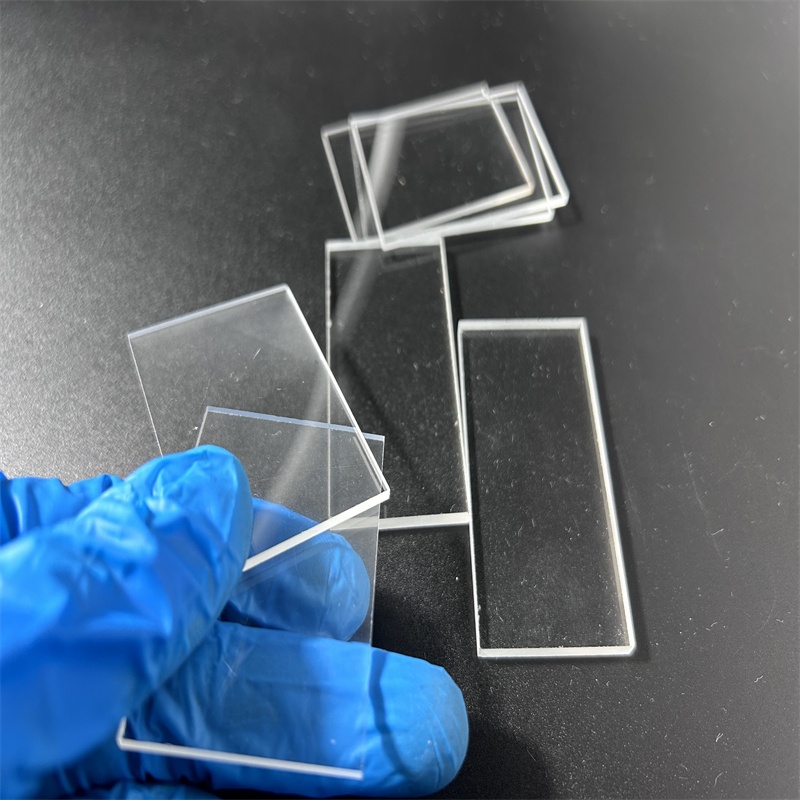
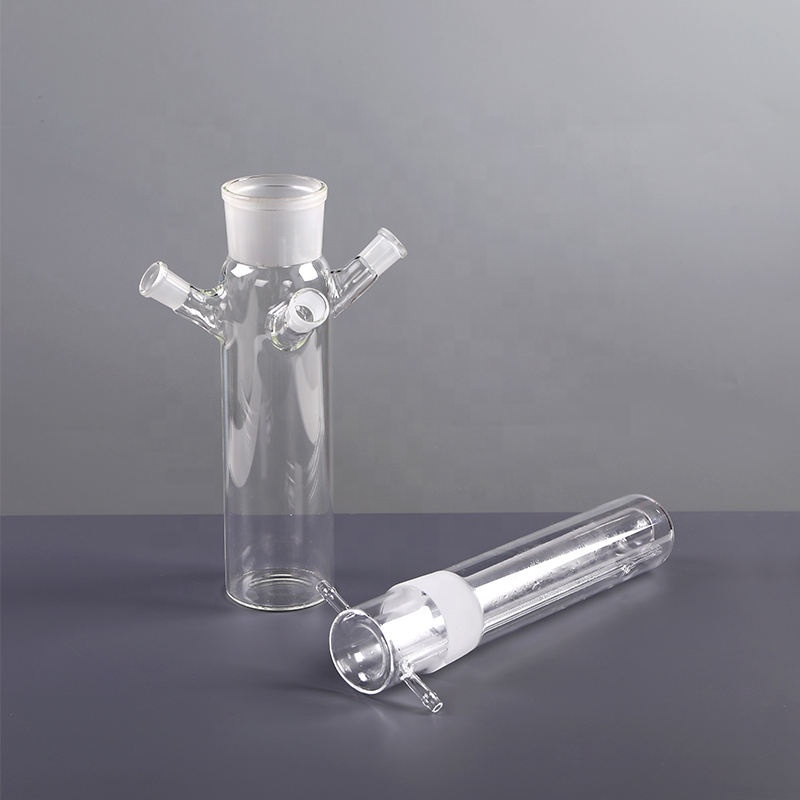
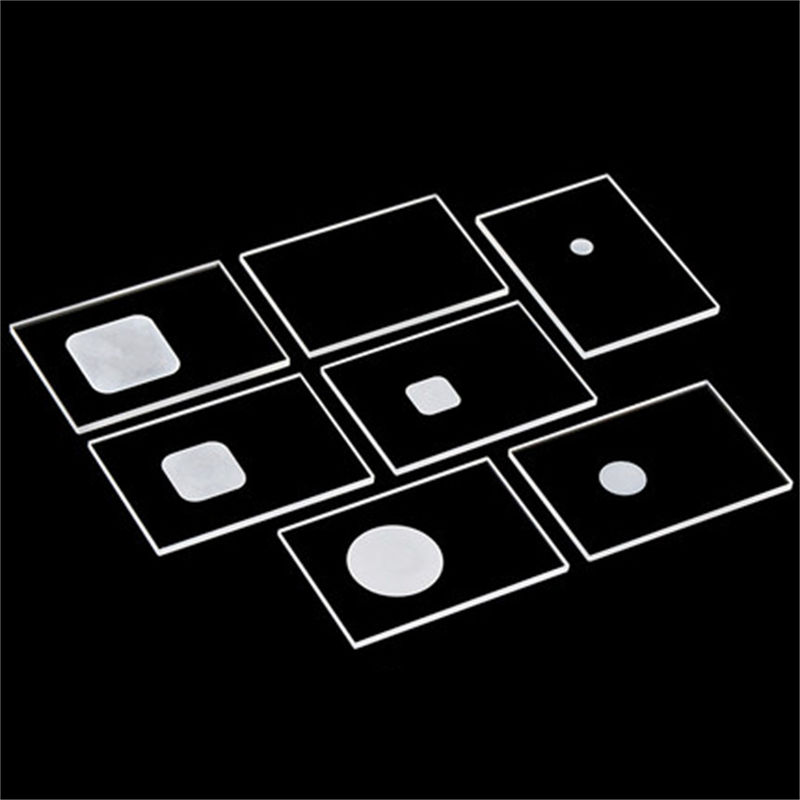
Executive Technical Whitepaper: BET Quartz Sample Tubes in German Research & Industry
Brunauer-Emmett-Teller (BET) specific surface area and pore size distribution analysis constitutes an essential analytical methodology across Germany's advanced industrial landscape. As German material scientists and research institutions innovate in sectors such as solid-state battery electrolytes, green hydrogen catalysts, metal powders for additive manufacturing, and carbon capture substrates, measurement precision is paramount. The BET quartz sample tube is not merely a non-reactive vessel; it serves as a critical boundary condition within static volumetric and dynamic gas physisorption instrumentation.
Engineering Rigor: Why Quartz Purity Governs Physisorption Accuracy
In low specific surface area characterization—such as validating sub-micron spherical metal powders for LPBF (Laser Powder Bed Fusion) 3D printing or high-entropy alloys—instrument background noise (free space / dead volume drift) must be rigorously minimized. Standard glass exhibits helium retention and subtle thermal expansion variations. Zunex fused quartz offers a nominal Coefficient of Thermal Expansion (CTE) of just 5.5 × 10⁻⁷ / °C across the entire cryogenic-to-high-temperature spectrum (from -196°C in liquid nitrogen baths up to 1050°C vacuum degas conditions). This stability preserves precise manifold volume calibration throughout prolonged multi-point analysis runs.
| Material Property | High Purity Fused Quartz (Zunex) | Laboratory Borosilicate 3.3 | Operational Impact on BET Measurement |
|---|---|---|---|
| SiO2 Content | ≥ 99.99% (Trace OH ≤ 20 ppm) | ~ 81% (Contains B2O3, Na2O, Al2O3) | Zero leaching, zero reactivity with acid gases or ammonia sorbents. |
| Max Degas Temperature | 1100 °C (Continuous) / 1300 °C (Peak) | 450 °C (Softens at ~520 °C) | Enables complete outgassing of MOFs, zeolites, and refractory carbides. |
| Thermal Shock Resistance | Instant transition: 1100 °C to 20 °C H2O | ΔT approx. 100 °C | Immunity to wall fracturing during rapid liquid N2 / LN2 bath immersions. |
| Bore Concentricity & OD | ± 0.05 mm (Laser Precision Finished) | ± 0.20 mm – 0.35 mm | Ensures airtight compression seal on O-rings; eliminates vacuum leaks. |
Localized Use Scenarios Across Key German Industrial Clusters
Engineered to meet the stringent validation and testing procedures required by DIN ISO 9277:2010 for specific surface area determination of solids by gas adsorption.
Battery Gigafactories & Cathode Development
Adopted by energy research laboratories in Baden-Württemberg and Lower Saxony. Precise specific surface area characterization of silicon-dominant anodes, NCM precursors, and solid electrolyte powders (e.g., LLZO/sulfides) requires high-temperature vacuum degassing to remove bound hydrate ligands without decomposing delicate active material interfaces.
Green Hydrogen & Fuel Cell Catalysts
In the Ruhr Valley and Bavarian chemical parks, transition metal electrocatalysts and carbon black gas-diffusion layers are subject to rigorous BET and chemisorption analysis. Low-OH quartz prevents spurious water release during hydrogen pre-reduction at 400°C – 800°C, securing baseline stability for active metal area calculation.
Fraunhofer & Max Planck Institute Networks
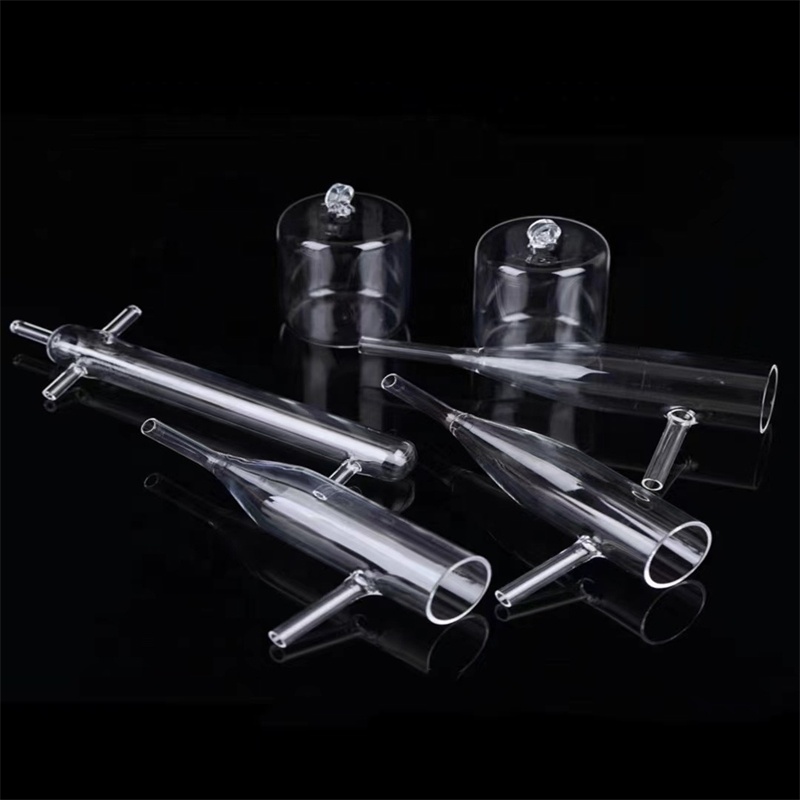
Across national research consortia, custom-ground taper joints (e.g., NS 9, NS 14/23) and multi-bulb bulbous sample tubes are deployed on volumetric adsorption units (Micromeritics 3Flex, ASAP series, Microtrac BELSORP, Anton Paar Autosorb) for nanoporous Metal-Organic Frameworks (MOFs) and CO2 capture sorbents.
Localized Trends in Germany's Material Characterization Ecosystem
Stringent ISO & DIN Compliance
German testing protocols (DIN ISO 9277, DIN 66131, DIN 66135) increasingly require certified thermal traceability. Laboratory QA teams demand tight dimensional repeatability to standardize dead-space calculations across distributed multicenter trial sites.
Additive Manufacturing Powder Re-use
Aerospace and medical technology hubs around Munich and Hamburg are systematically tracking powder degradation in titanium (Ti-6Al-4V) and nickel-based superalloys. As powders are reused across print cycles, surface oxidation and fine agglomerations are verified via krypton BET sorption using high-vacuum quartz containment.
Chemisorption & Corrosive Probe Gases
The transition toward dynamic chemisorption utilizing aggressive probe molecules (such as NH3 for acid site titrations, SO2 breakthrough, or halogenated vapors) necessitates complete chemical inertness—rendering fused silica quartz tubes the mandatory choice over soft glasses.
Why Leading German Laboratories Rely on Zunex Quartz
Direct manufacturing prowess located in Donghai County—China's crystal capital—integrated with German engineering tolerances and rigorous export packaging.
99.99% High-Purity SiO2
Premium optical and thermal grade raw materials with trace metal impurities under 20 ppm, ensuring zero volatile contamination during high-vacuum bake-out.
Laser Finishing & Tooling
Advanced quartz laser drilling, cold-end diamond grinding, flame-polished lip ends, and custom-welded twin manifolds tailored down to ±0.05 mm dimensional limits.
Rapid Turnaround (≤ 2 Hours)
100% verified response rate with engineering feedback on technical STEP/DWG drawings provided within 2 hours, bridging European operational time zones smoothly.
Breakage-Proof Export Crate
Multi-layer shock-absorbent high-density PE foam, vacuum foil sealing, and reinforced plywood crating guarantee damage-free air freight delivery into Frankfurt, Hamburg, or Munich.
Frequently Asked Questions by German Buyers
Clear, direct answers regarding custom geometries, equipment compatibility, customs, and quality inspection.
Are Zunex BET quartz tubes directly compatible with Micromeritics, Quantachrome, and Microtrac instruments?
Can you manufacture tubes according to DIN standard ground glass joints or custom CAD drawings?
What thermal limits should be maintained during the degas process for your quartz tubes?
What quality verification documentation is supplied with shipments destined for Germany?
How does Zunex guarantee against tube shattering during international air transport?
Request a Precision Technical Quote & Drawing Review
Collaborate directly with quartz glass fabrication engineers. Upload your BET tube drawings, required joint configurations, or OEM part numbers. Receive a confirmed DFM feasibility assessment and quote in 2 hours or less.