Engineered Quartzware for Košice Industrial & Analytical Facilities
Manufactured strictly according to international dimensional standards, our ultra-high purity quartz beakers, furnace tubes, and optical components ensure baseline reliability across Eastern Slovakian chemical testing and metallurgy sectors.
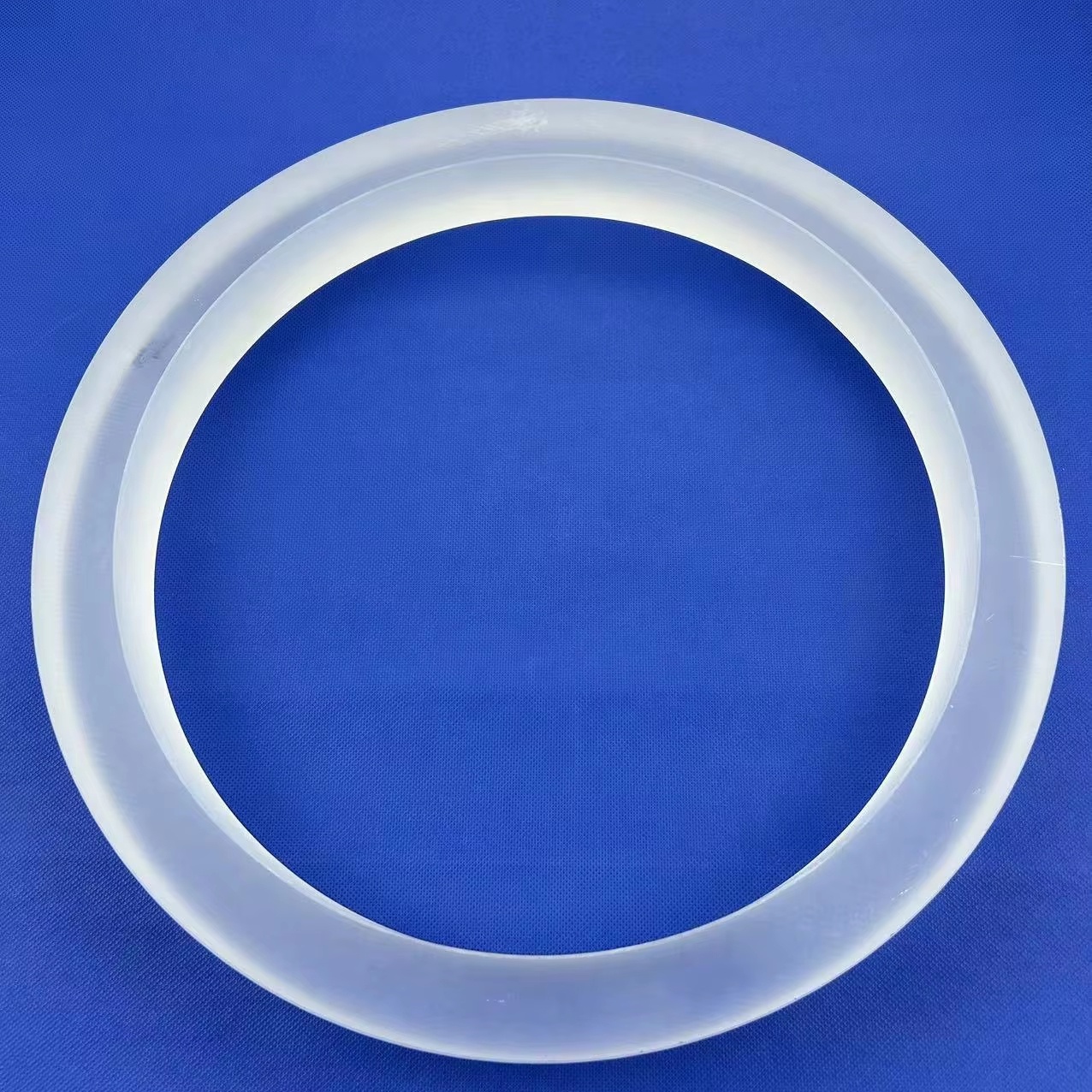
Custom Coated 99.99% Pure Quartz Rings for Semiconductor CVD Optics
High-pressure molded, precision-welded rings engineered for severe vacuum thermal CVD reactors and optical etching lines.
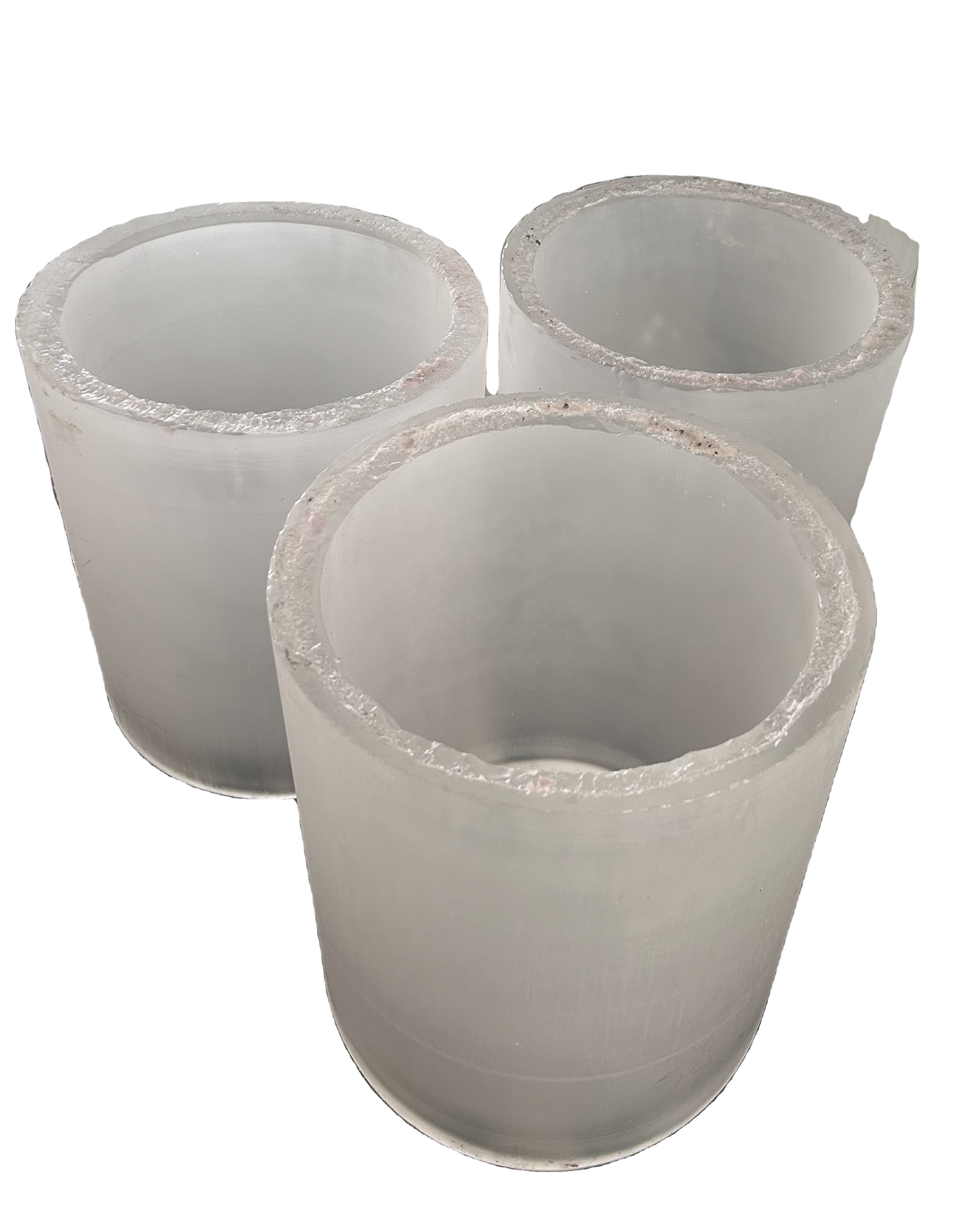
Open Ended Fused Quartz Frosted Glass Cylinder Ingot with Custom Sizing
Heavy-wall diffuse transmission frosted cylinders tailored for high-temperature metallurgical reaction chambers.
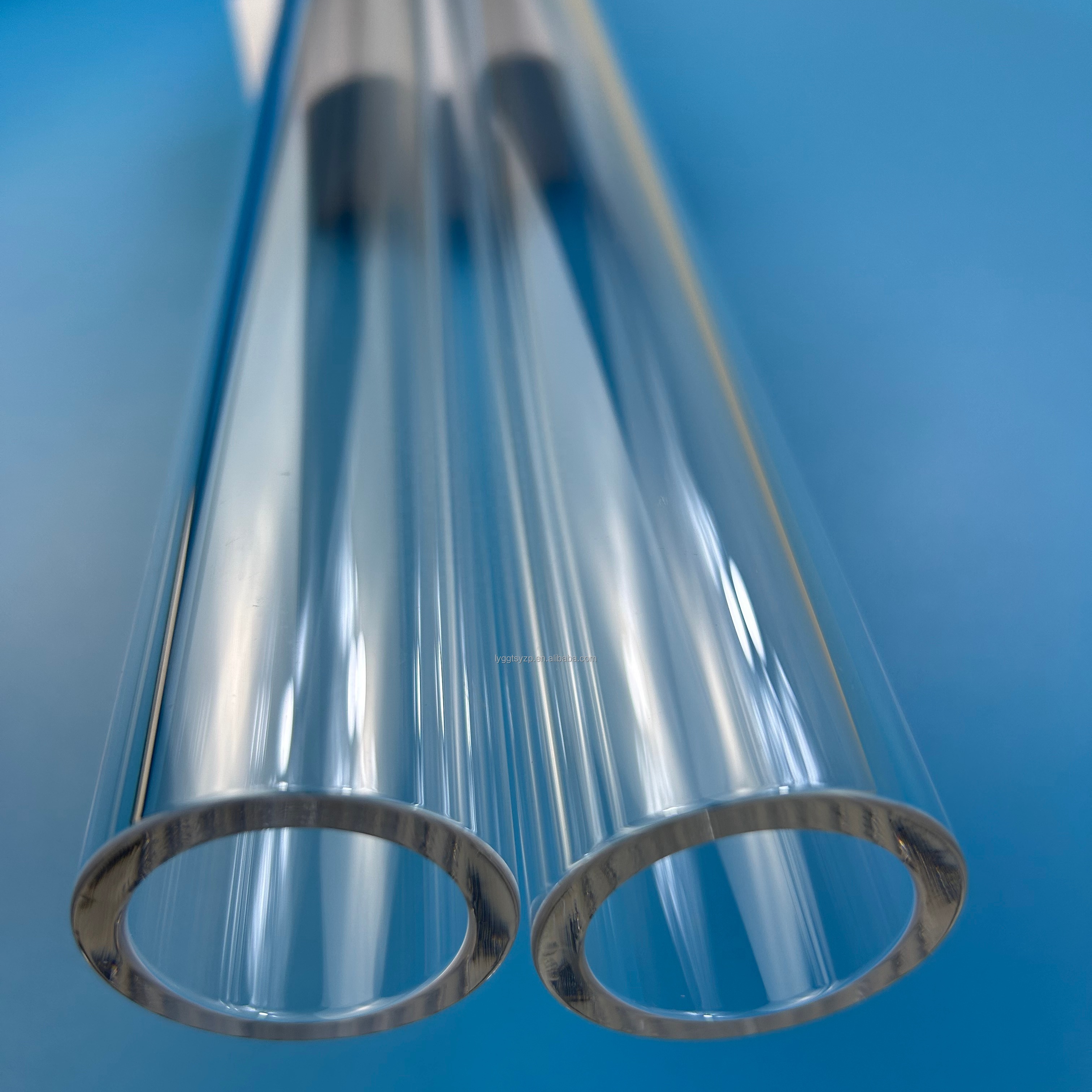
Polished Clear Quartz Twin Tube Ozone Free Heater for Lab Equipment
Dual-bore fire-polished emitter bodies designed for ultra-rapid infrared thermal curing and chemical distillation apparatus.
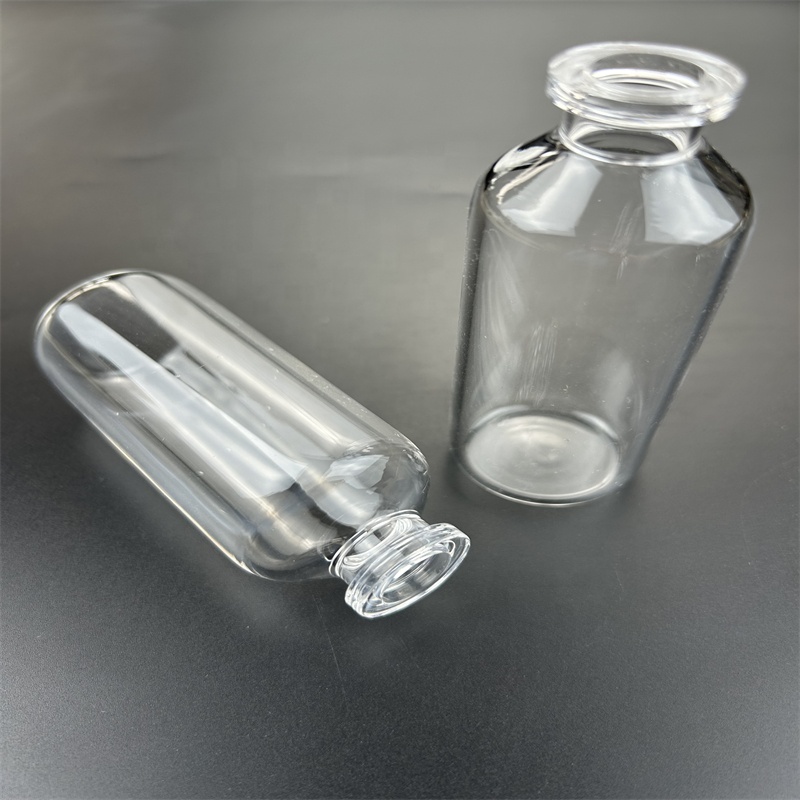
Custom High Pressure Transparent 99.99% Pure Quartz Glass Ampoules
Hermetic flame-sealable ampoules rated for high autoclaving pressures, biomedical testing, and high-purity metallurgical storage.
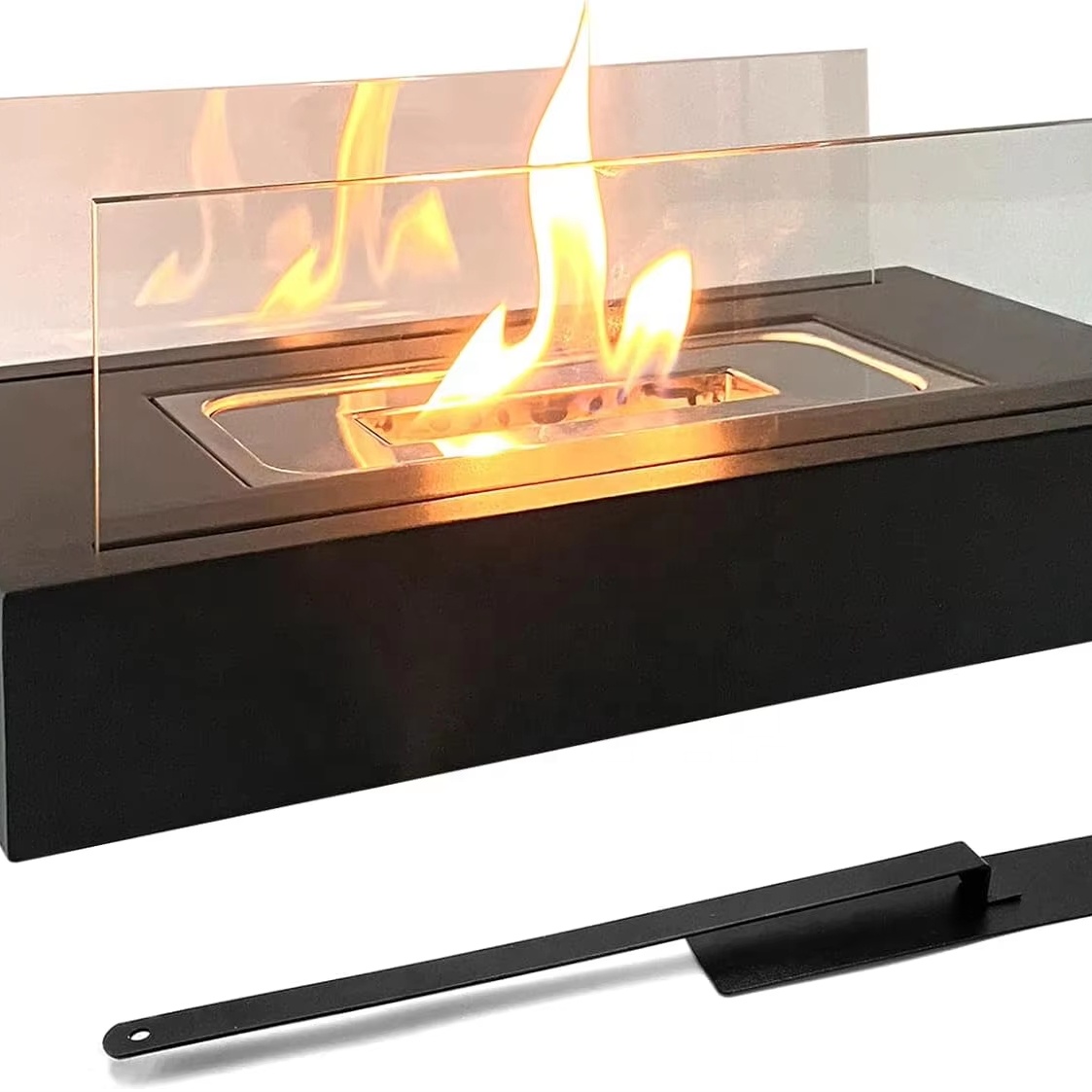
High Temperature Clear Transparent Optical Grade Fused Quartz Glass
Mechanically robust, scratch-resistant quartz sight glass offering superior structural endurance against rapid flash heating.

High Temperature Clear 99.99% Pure Fused Quartz Twin Furnace Tube
Ozone-free, custom-bent quartz twin tubes offering zero devitrification when operated continuously at 1100°C.
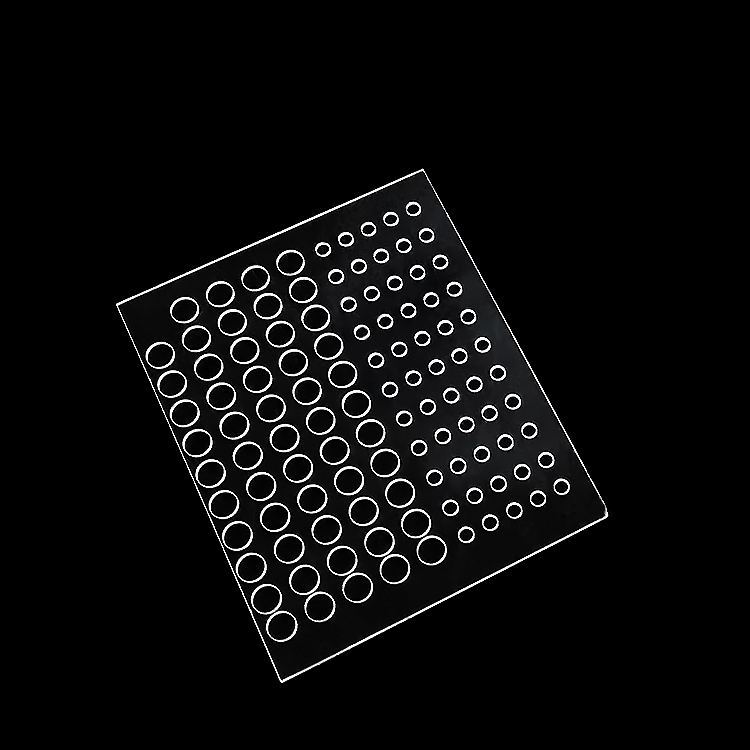
High Temperature Transparent Optics Fused Quartz Plate (JGS1/JGS2/JGS3)
Double-side polished windows from 0.5mm to 100mm with laser micro-drilling, grooving, and edge profiling to drawing.
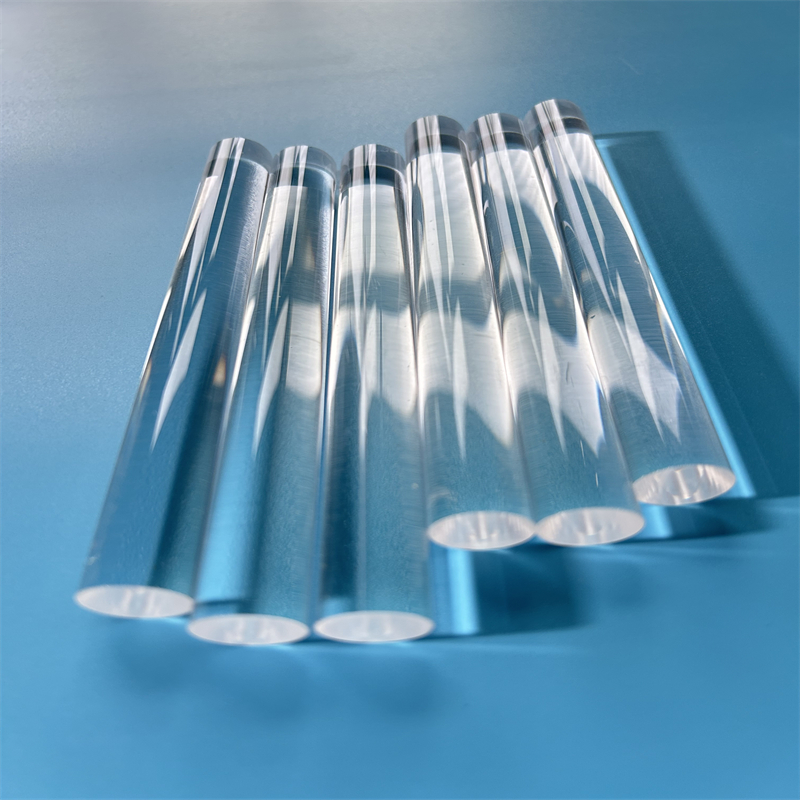
Custom High Purity Optical Quartz Light Guide Cylinder Rod 99.99% SiO₂
Fire-polished, defect-free light-guiding fused quartz rods utilized in UV photo-catalysis and optical sensors.
Pure SiO₂ Chemical Matrix
Continuous Operating Limit
Verified Technical Response Time
B2B Global Repeat-Order Rate
Fused Quartz Chemistry vs. Conventional Borosilicate in Critical Laboratories
Why procurement teams and research heads across Košice's academic and industrial triangle are replacing Borosilicate 3.3 with CE certified electric-fused quartz beakers for trace elemental analysis and high-heat digestion.
Fundamental Material Science: Thermal Shock & Chemical Purity
Laboratory beakers fabricated from Standard Borosilicate 3.3 glass (Duran / Pyrex equivalents) reach their absolute physical transformation limits between 500°C and 520°C, suffering rapid structural softening, sodium leaching, and permanent deformation. For the rigorous wet chemical analysis conducted in Košice's metallurgy institutes and advanced materials laboratories, boron, sodium, and aluminum leaching from borosilicate glass walls inevitably causes background contamination in inductively coupled plasma mass spectrometry (ICP-MS) and atomic absorption spectroscopy (AAS).
Zunex Quartz engineered beakers are hot-formed from grade-A Donghai crystalline silica, achieving a fused silica matrix purity exceeding 99.99% SiO₂. With a coefficient of thermal expansion (CTE) of only 5.5 × 10⁻⁷ /°C—approximately one-sixth that of borosilicate—our quartz beakers withstand instantaneous temperature differentials (ΔT) exceeding 1000°C without mechanical failure. A researcher can heat concentrated acids to boiling inside a Zunex quartz beaker at 900°C and immediately submerge the vessel in chilled water without micro-cracking or thermal fatigue.
| Physical & Chemical Parameter | Zunex Fused Quartz Beaker | Synthetic Silica (JGS1) | Standard Borosilicate 3.3 |
|---|---|---|---|
| SiO₂ Purity Ratio | ≥ 99.99% | ≥ 99.999% | ~ 80 - 81% |
| Continuous Maximum Working Temp | 1100 °C | 1200 °C | 490 - 500 °C |
| Short-Term Flash Temperature | 1300 °C | 1400 °C | ~ 560 °C |
| Thermal Expansion Coeff. (CTE) | 5.5 × 10⁻⁷ /°C | 5.2 × 10⁻⁷ /°C | 33 × 10⁻⁷ /°C |
| Resistance to Thermal Shock (ΔT) | > 1000 °C (Ice quench safe) | > 1100 °C | ~ 150 °C safe limit |
| Trace Ion Leaching (B, Na, Al, Ca) | < 0.5 ppm total impurities | < 0.05 ppm | Significant leaching under acid boiling |
| Optical Transmission Bandwidth | 220 nm – 2500 nm (UV-Vis-NIR) | 185 nm – 2500 nm (Deep UV) | Cut-off below 320 nm (UV blind) |
| EU CE Conformity & REACH Compliance | Full CE Mark + SVHC Free Declaration | Full CE Mark | Standard laboratory grade |
CE Certification Traceability for the European Union
Every laboratory quartz beaker exported by Zunex Quartz to buyers in Košice and the wider Slovak Republic carries official CE verification in accordance with EN 61010-1 (Safety requirements for electrical equipment for measurement, control, and laboratory use - laboratory glassware provisions) and European Regulation (EC) No 1907/2006 (REACH). We supply lot-specific Certificates of Analysis (CoA) validating chemical purity, wall thickness uniformity, annealing schedule, and flame-polished pouring spout integrity.
Specialized Deployments Across Košice's Industrial & Scientific Clusters
Košice represents the economic and technological heart of Eastern Slovakia. Our laboratory quartz beakers provide indispensable physical resilience across key industrial sectors and research hubs in the Košice basin.
Metallurgical Acid Digestion & Slag Assay
Within large-scale steelmaking complexes and metallurgical testing labs in Šaca and the U.S. Steel Košice supply chain, analytical chemists perform hydrofluoric (HF), perchloric (HClO₄), and aqua regia digestions on ore samples, blast-furnace slags, and specialized alloy briquettes. While HF readily attacks silicates, our heavy-wall quartz beakers are the global benchmark for hot aqua regia, concentrated nitric acid, and sulfuric acid boiling up to 350°C without vessel leaching or micro-porosity formation.
Academic Materials R&D (TUKE & SAS)
The Technical University of Košice (TUKE)—specifically the Faculty of Materials, Metallurgy and Recycling (FMMR) and Faculty of Mechanical Engineering—alongside the Institute of Materials Research of the Slovak Academy of Sciences (IMR SAS Košice) pioneer advanced composite sintering, magnetic oxide powders, and nanomaterials. Our low-form Griffin and tall-form Berzelius quartz beakers serve as standard reaction vessels for sol-gel chemistry, calcination pre-treatment, and high-frequency microwave synthesis.
Battery Cell & Clean Energy Innovations
As Eastern Slovakia attracts EV battery gigafactory supply networks and hydrogen demonstration pilots around Kechnec and the Košice industrial agglomeration, quality control labs demand ultra-clean dissolution beakers. Our 99.99% SiO₂ vessels ensure zero sodium, lithium, or transition metal cross-contamination during active cathode slurry decomposition, lithium salt titrations, and electrolyte volatile organic compound extractions.
TUKE University Labs
Direct supply of calibrated Griffin beakers (50ml to 5000ml) with reinforced pouring spouts for student and faculty advanced thermodynamics research.
IMR & IEP SAS Košice
Specialized flat-bottom quartz beakers engineered for cryogenic-to-high-temperature cycling in thin-film physics and magnetic particle preparation.
Kechnec Industrial Zone
Express consolidation of batch lab orders for industrial automotive component testing and chemical coating lines operating under strict ISO standards.
Environmental Testing
Certified low-background trace quartz digestion vessels utilized for water quality testing of the Hornád River basin and heavy metal soil assays.
Trends Shaping Lab Glassware Procurement in Eastern Slovakia
Navigating the green industrial transition, European Union regulatory tightening, and localized laboratory automation demands.
1. The Green Steel Revolution & Hydrogen-Based Pyrometallurgy
The Košice industrial ecosystem is in the midst of a multi-billion-euro decarbonization initiative, shifting from classic coal-fired blast furnace technology toward direct reduced iron (DRI) paired with electric arc furnaces (EAF). This transition requires analytical testing of iron ores, hydrogen gas-solid reductions, and secondary metallurgical refining under elevated temperatures. Standard glass equipment fails under the continuous thermal and gaseous stress. Fused quartz beakers and customized reaction cells are increasingly procured as the standard consumable for hydrogen embrittlement studies and direct reduction micro-furnace testing.
2. Stringent EU Directives on Chemical Inertness & Traceability
Laboratories accredited under ISO/IEC 17025 in Slovakia face heightened scrutiny from European regulatory bodies regarding instrument and consumable calibration. Lab managers can no longer rely on uncertified glassware sourced without documented provenance. The demand in Košice is decisively shifting toward manufacturers providing ISO 9001 quality certificates, CE conformity statements, and direct factory-traceable lot testing ensuring zero lead (Pb), cadmium (Cd), or volatile organic impurities.
3. Direct Factory Sourcing to Circumvent Distributor Markups
Traditionally, Slovak research institutes and private testing companies procured specialized quartzware via multi-tier Western European trading houses, resulting in 40% to 70% price markups and 8-to-12-week lead times. By partnering directly with Zunex Quartz as an integrated manufacturer and exporter, Košice purchasing departments secure OEM pricing, direct technical support from certified quartz engineers, and rapid dispatch via consolidated air cargo directly into Košice International Airport (KSC) or regional hubs.
Direct-from-Source Engineering from the World's Crystal Capital
Headquartered in Donghai County, Jiangsu, China—the globally recognized center for natural quartz processing—Zunex Quartz combines primary raw material dominance with high-precision CNC and laser finishing.
Primary Raw Material Advantage
Operating in Donghai affords us uninterrupted access to ultra-pure crystalline silica. We refine and fuse our quartz in high-temperature electric arc crucibles, achieving minimal bubble inclusions (Class 0 to Class 1 bubble standards) and uniform wall thickness from 1.5mm to 6.0mm across all beaker sizes.
Advanced Laser & Flame Machining
Beyond traditional glassblowing, our workshop is outfitted with precision multi-axis laser cutting, drilling, and micro-grooving systems. We easily integrate custom ground-glass quartz standard taper joints (ST 24/40, ST 29/32), GL-threaded sidearms, thermowell sleeves, or laser-engraved graduations directly to your drawing.
Engineered Export Packaging
Transporting fragile laboratory glassware to Central and Eastern Europe requires battle-tested logistics. We employ custom-molded high-density expanded polyethylene (EPE) foam nests, individual inner vacuum wrapping, and reinforced multi-wall wooden crate crating guaranteed to arrive unbroken or replaced instantly free of charge.
Verified Enterprise Operational Metrics
Frequently Asked Questions by Košice Researchers & Purchasing Officers
Clear, direct answers regarding custom beaker dimensions, European customs clearances, chemical resistance limits, and delivery lead times.
What is the standard volume range for Zunex quartz beakers?
We manufacture both Griffin low-form and Berzelius tall-form quartz beakers in standard sizes: 10ml, 25ml, 50ml, 100ml, 250ml, 400ml, 500ml, 800ml, 1000ml, 2000ml, 3000ml, and 5000ml. In addition, we execute custom volume, extra-thick wall, or flat-flanged reaction vessels fabricated precisely to CAD/PDF drawings.
Are Zunex quartz beakers certified for use in Slovakia under EU directives?
Yes. All laboratory beakers exported to Košice and the EU comply with the CE safety framework, EN 61010-1 glassware handling guidelines, and REACH (EC No 1907/2006). A manufacturer Declaration of Conformity (DoC) and certified material composition analysis are provided with every commercial dispatch.
Can your quartz beakers withstand hot hydrofluoric or phosphoric acid?
Like all silica-based glassware, fused quartz is attacked by hydrofluoric acid (HF) at all temperatures and by concentrated phosphoric acid (H₃PO₄) above 150°C. For almost all other chemical environments—including boiling aqua regia, fuming nitric acid, and concentrated sulfuric acid—quartz provides absolute chemical inertia.
How does Zunex prevent devitrification during prolonged high-temperature use?
Devitrification (conversion of amorphous fused silica into crystalline cristobalite) is accelerated by surface alkali contamination above 1000°C. We conduct a final high-purity acid wash, deionized water cascade, and cleanroom annealing before shipment, giving our beakers exceptional resistance against crystallization up to 1100°C.
What are the Incoterms and typical shipping times to Košice, Slovakia?
We routinely quote under DAP or DDP Košice, CIF, and FOB terms. Air express shipments (via DHL/FedEx/UPS directly to university campus or company premises) arrive within 5 to 7 business days from dispatch. Consolidated air freight takes 8 to 12 days, and maritime cargo to European ports (e.g., Koper, Hamburg) followed by rail cargo takes 28 to 35 days.
Can we request laser-engraved graduations and university lab asset tags?
Yes. Utilizing precision CO₂ and UV laser-marking systems, we can permanently anneal acid-resistant volumetric graduation lines, volume numbering, custom tare weights, and institutional logos directly onto the outer wall of the quartz beaker without compromising structural strength.
What is the minimum order quantity (MOQ) for custom laboratory beakers?
We welcome prototype and small-batch academic inquiries. For standard beaker sizes, the MOQ is as low as 2 to 5 pieces. For completely bespoke engineered reaction beakers with custom ports or ground joints, our engineering review starts with just a single prototype unit.
What happens if a quartz beaker is damaged during international transit?
Our broken-in-transit rate is under 0.2% thanks to customized shock-absorbing foam inserts. However, in the unlikely event of transit breakage, simply provide photographic evidence upon package arrival, and we will manufacture and dispatch an immediate free replacement under our 100% Transit Guarantee.
Request a Direct Factory Quotation for the Košice Market
Whether you require standard CE certified quartz beakers for recurring academic semester stock, specialized thick-wall metallurgical vessels, or custom-drilled reaction vessels, our engineering team will review your specifications and reply in less than two hours.