Precision Spectrophotometer Cells & Custom Quartz Labware
Manufactured strictly according to international optical tolerances (ISO/CE compliance) from optical-grade synthetic fused silica (JGS1) and high-purity fused quartz (JGS2/JGS3).
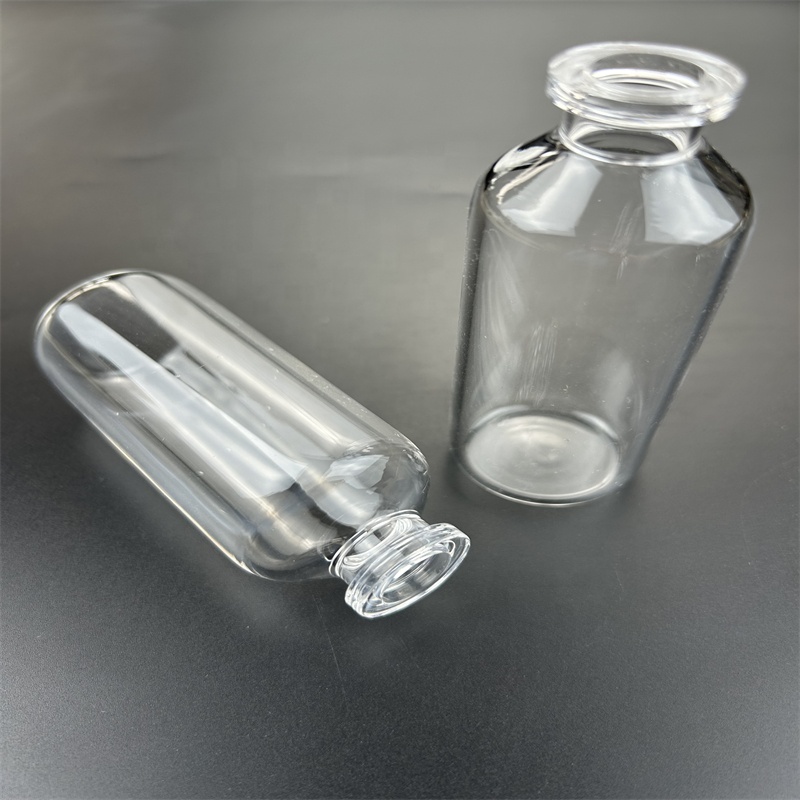
Medical Grade Pure Quartz Glass Ampoules
Custom 99.99% pure corrosion-resistant transparent quartz ampoules featuring precision welding and high-pressure hermetic sealing.
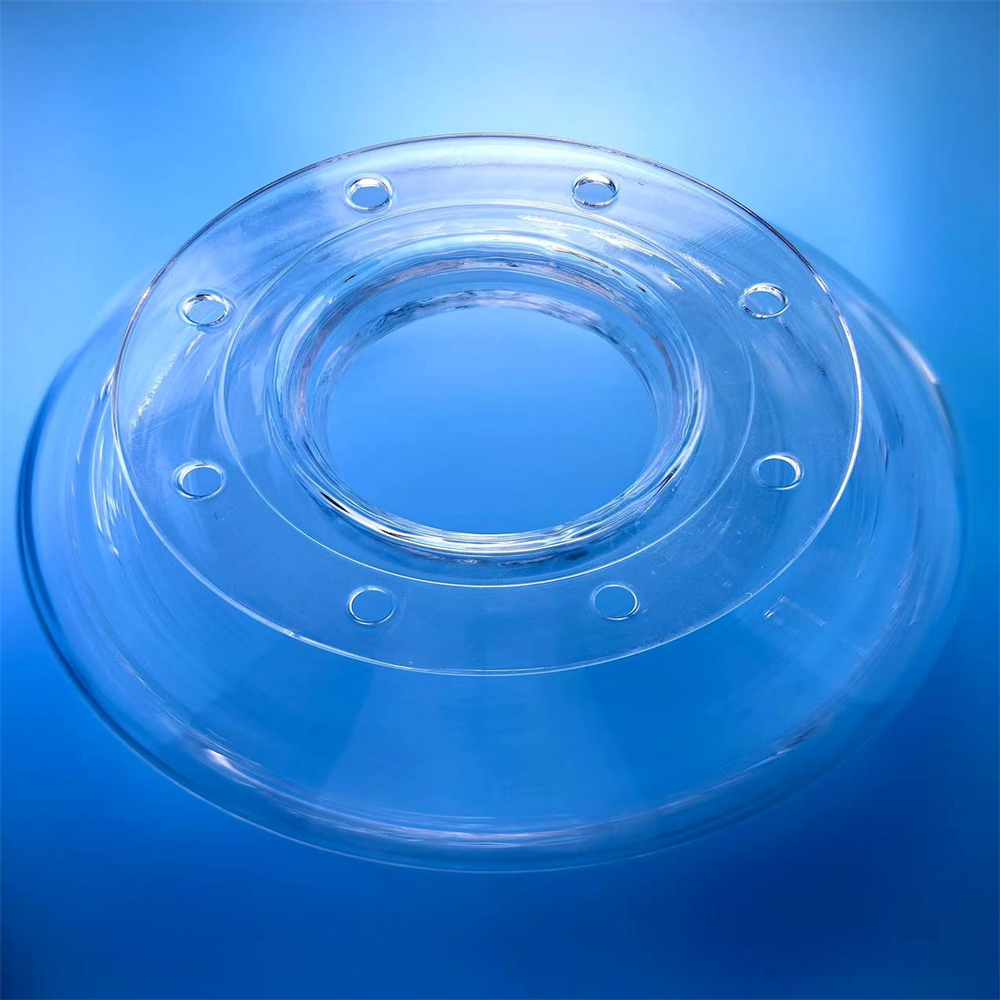
Twin Tube High Purity Flanged Quartz Tube
Custom wall thickness twin-bore silica tubes with fire-polished vacuum flanges designed for rapid thermal and photochemical analysis.
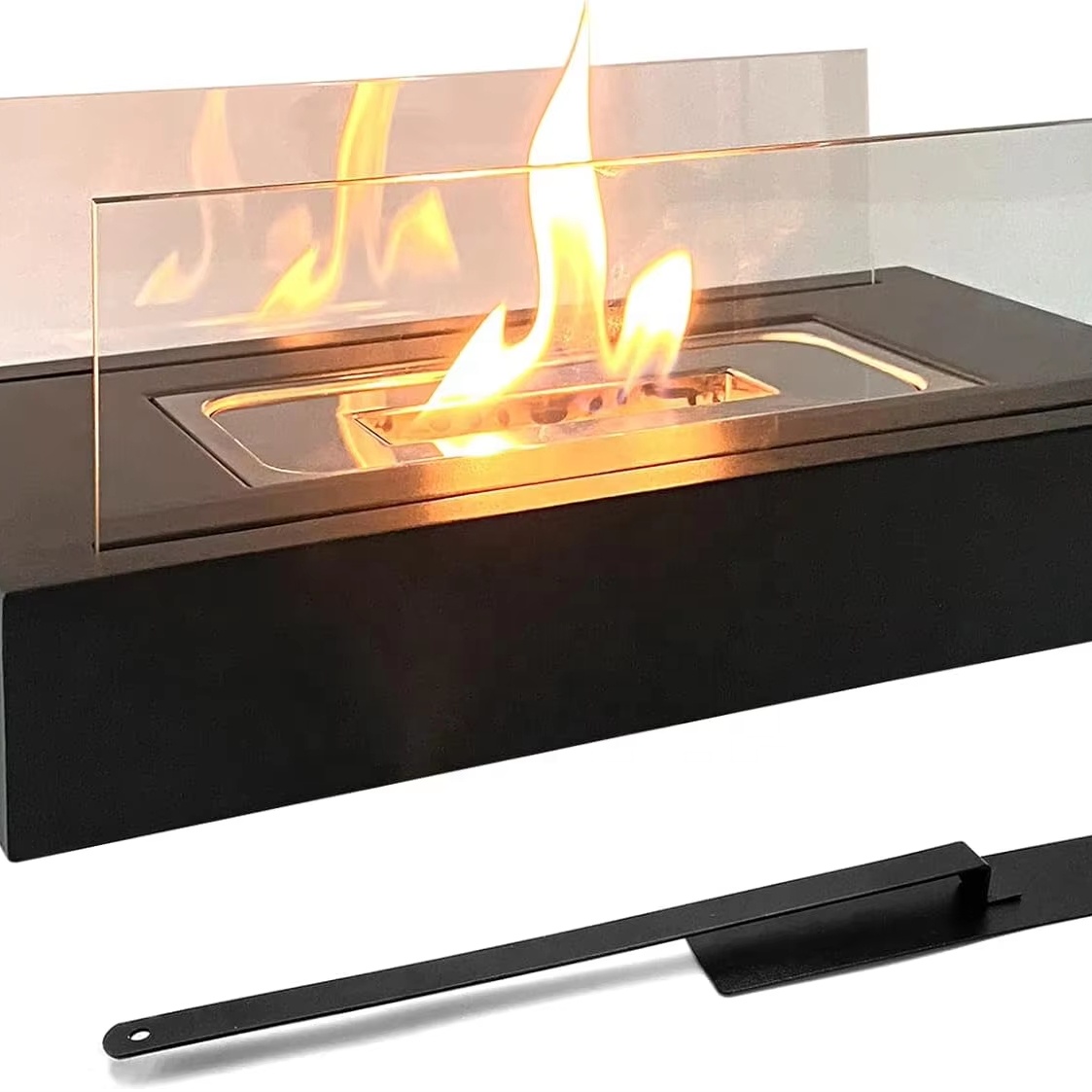
Portable Optical Grade High-Temp Quartz
Factory-customized optical grade clear silica glass engineered for portable field analytical tools and rugged high-temperature instruments.
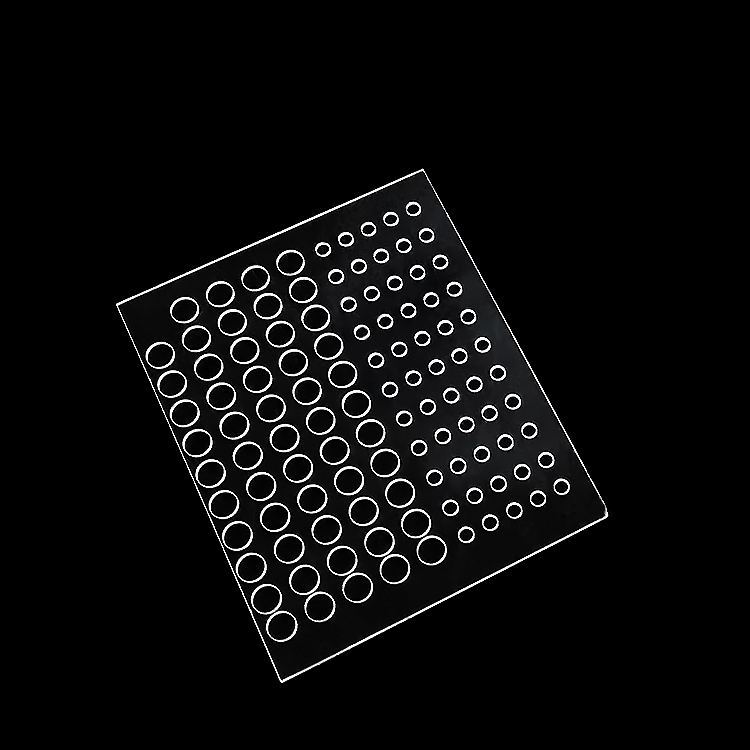
JGS1 / JGS2 / JGS3 Optical Quartz Plates
Extreme transparency optical window blanks with tight parallel tolerances (0.5mm - 100mm) for spectroscopic cells and optical viewports.
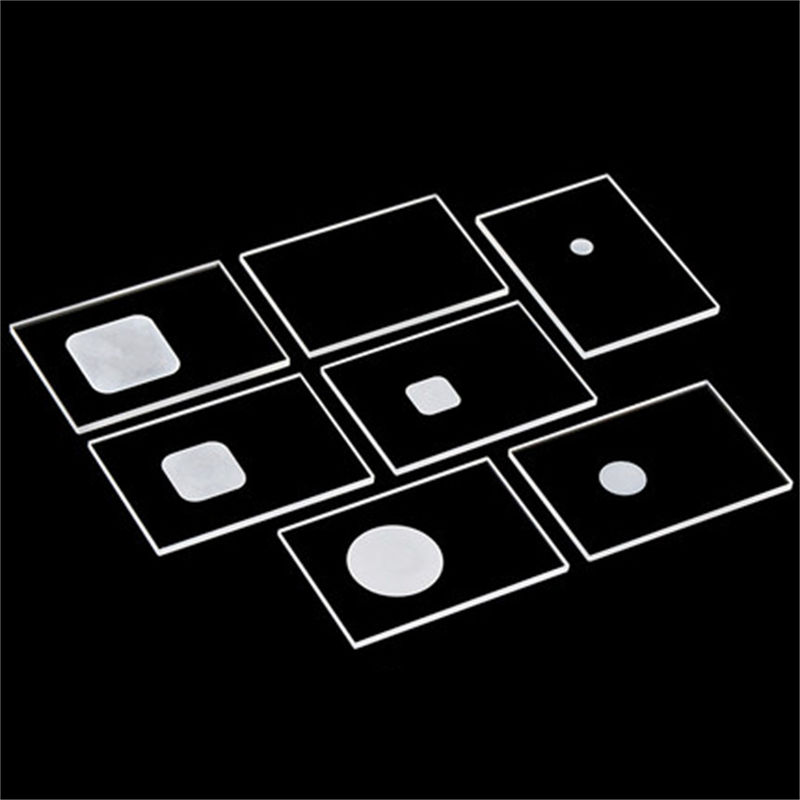
XRD Sample Tank Slotted Quartz Substrates
Zero-background fused silica sample carriers and chip tanks rated up to 1100°C for X-ray diffraction and crystallographic testing.

Thermal Shock Resistant Quartz Flow Windows
1100°C high-temperature resistant fused silica plates polished with precision edge beveling for fluidic analysis and laser spectroscopy.
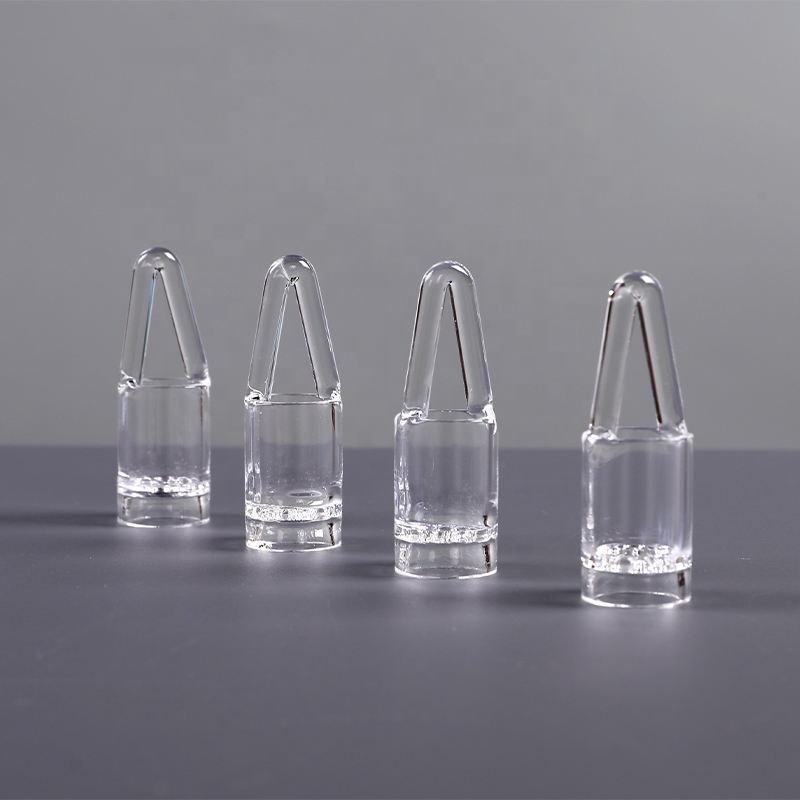
High-Pressure 99.99% Pure Quartz Glass Tube
Ozone-free, bubble-free cylindrical tubing with micro-finishing, CNC drilling, and flame bending suitable for pressure analytical chambers.
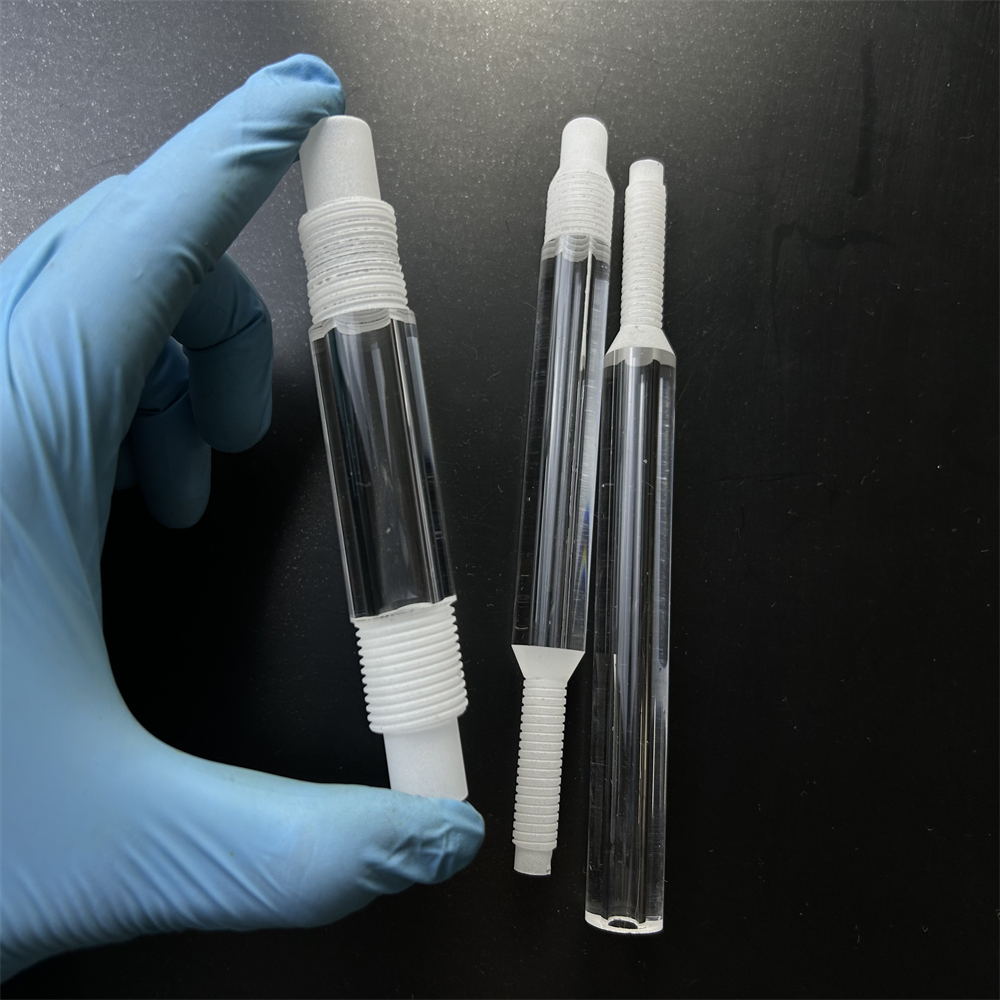
Threaded Transparent Deep-UV Quartz Cells
Precision screw-cap and threaded fused silica tubes optimized for deep-UV transmission down to 190nm with zero thermal leakage.
Quartz Glass Cell Applications Across Portmore & Jamaica
Understanding how synthetic silica cells and optical quartz components solve specialized operational and environmental challenges in local operations.
Municipal Water Quality & Desalination
Portmore’s coastal hydrology and ongoing municipal water infrastructure rely heavily on automated UV-Vis online spectrophotometry. Our CE-certified optical cells feature fused joints that resist aggressive saline conditions, chlorine residue, and high tropical humidity without clouding.
Agrochemical, Rum & Food Quality Control
From refined sugar assays to ethanol purity evaluations in local distilleries and processing hubs surrounding St. Catherine, JGS1 absorption cuvettes ensure 100% baseline optical stability between 190nm and 2500nm, eliminating refraction drift during high-throughput QA/QC testing.
Academic & Clinical Diagnostics
Serving diagnostic laboratories and research institutions connected to the Kingston/Portmore metropolitan medical belt, Zunex micro-volume flow cells enable non-reactive, molecular-level spectrophotometric evaluations of clinical specimens and marine biosamples.
Material Grade Comparison for Specifying Engineers
Selecting the optimal quartz grade is critical for pathlength precision, mechanical resilience, and spectral transmittance in equatorial climates.
| Quartz Grade | Transmission Bandwidth | Hydroxyl (OH⁻) Content | Typical Applications | Thermal Shock Tolerance |
|---|---|---|---|---|
| JGS1 (Synthetic Silica) | 185 nm – 2500 nm (Deep UV) | < 5 ppm | HPLC Detectors, UV-Vis Spectrophotometry, UV-C Disinfection Monitoring | ΔT = 1000°C (Water Quench) |
| JGS2 (Fused Quartz) | 220 nm – 2500 nm (Standard Optical) | < 30 ppm | General Absorption Cells, Visual Polarimetry, Sight Windows | ΔT = 1000°C (Water Quench) |
| JGS3 (Infrared Fused Silica) | 260 nm – 3500 nm (NIR / IR) | < 2 ppm (Water-free) | FTIR Spectroscopy, Pyrometry Windows, Thermal Combustion Cells | Continuous operation at 1100°C |
Emerging Trends in Caribbean Laboratory Procurement
How scientific, medical, and industrial buyers in Jamaica are upgrading their consumable supply chains.
Transition to ISO 17025 & CE Compliance
Portmore-based testing bodies are aligning with ISO/IEC 17025 laboratory accreditation standards. Standard borosilicate cuvettes and uncertified glass cells are being replaced by CE-certified fused silica cuvettes that offer verified path length tolerances (±0.005mm) to pass external audits.
Mitigating Coastal Salt-Fog Micro-Etching
Standard optical glassware rapidly exhibits atmospheric surface fogging and micro-crystallization in tropical coastal regions. Pure synthesized fused silica cells prevent optical degradation caused by marine chlorides, guaranteeing consistent baseline measurements over extended operational cycles.
Direct-from-Manufacturer Logistics
By bypassing multiple tiers of trading intermediaries, procurement teams in Portmore obtain custom-dimension quartz parts directly from manufacturing specialists in Donghai, lowering landed costs by 30-45% while securing shock-rated export packaging suited for island freight transit.
Engineered in Donghai, Delivered to Portmore
Combining world-class raw silica reserves with state-of-the-art cold laser processing and flame fabrication.
Ultraviolet Laser CNC Finishing
Unlike mechanical milling which causes subsurface micro-cracks in quartz, our laser drilling, slotting, and profiling systems achieve burr-free optical apertures, micro-capillary ports, and grooved sample carriers with micron tolerances.
Bespoke Processing to CAD / Drawings
Every non-standard quartz cell, continuous flow-through cuvette, or reaction chamber is evaluated by our engineering department. We accept DWG, DXF, STEP, or clear engineering sketches, ensuring strict manufacturability before production starts.
Zero-Breakage Export Packaging
Optical cells require uncompromising protection during intercontinental maritime and air cargo shipping. We utilize custom shock-absorbent closed-cell EPE foam inserts encased in sealed export-grade timber crates, backed by complete transit insurance.
Frequently Asked Questions by Portmore Laboratory Buyers
Essential clarifications regarding certification, international transit, chemical durability, and OEM customization.
How are quartz absorption cells CE certified?
Our quartz absorption cells and spectroscopic labware are produced in accordance with European health, safety, and environmental protection directives. Each production run undergo dimensional consistency verification, chemical non-reactivity testing, and spectral pathlength calibration before receiving CE mark conformity documentation.
What is the standard delivery timeframe to Portmore, Jamaica?
Stock catalog sizes ship within 3–5 working days. Custom prototype or drawing-based orders usually require 10–15 manufacturing days. Air freight consignments reach Norman Manley International Airport (Kingston/Portmore) within 5–8 transit days via DHL/FedEx or dedicated air freight forwarding.
Can fused silica cells handle hydrofluoric or strong alkaline solutions?
Fused quartz exhibits supreme chemical inertness against virtually all acids (nitric, sulfuric, hydrochloric) and organic solvents even at elevated temperatures. However, hydrofluoric acid (HF) and hot concentrated phosphoric acid etch silica. For highly alkaline chemistries (pH > 11.5) at boiling points, sapphire cells are recommended.
How do flame-fused cells differ from adhesive-bonded cells?
Many economy cuvettes use epoxy adhesives to join optical windows, which can dissolve or leach contaminants when exposed to harsh organic solvents like acetone or toluene. Zunex quartz cells utilize thermal fusion or precision fire-welding techniques, fusing the quartz into a seamless single piece that guarantees zero chemical leaching.
What minimum order quantities (MOQ) apply to custom designs?
We welcome small-batch research and replacement orders. Prototyping batches can begin with as few as 2 to 5 pieces. For ongoing production and OEM analytical instrument manufacturers, bulk price tiering provides substantial cost savings.
How do we verify transmission performance prior to mass dispatch?
Every critical batch of optical quartz windows and cells comes with spectrophotometer transmittance curves (190nm to 1100nm) and dimensional inspection certificates confirming pathlength accuracy, flatness (λ/4 or better), and parallelism tolerances.
Request a Direct Engineering Quote for Portmore Delivery
Send your CAD drawing, cuvette dimensions, optical path length, or spectral bandwidth requirements. Our engineering specialists analyze manufacturability and provide an official quotation within 2 hours.