Strategic Quartz Optical Rod Sourcing for the Ghent Industrial & Scientific Ecosystem
The Ghent metropolitan area, anchoring East Flanders' technological transformation along the Ghent-Terneuzen Canal and within the prestigious Capture, Tech Lane Ghent Science Park, and Ghent University (UGent) research corridors, operates as one of Europe’s critical hubs for photonics, biochemical synthesis, material science, and clean chemical manufacturing. Optical quartz rods—ranging from micro light-guides to heavy transmission cylinders—serve as silent enablers across this industrial belt.
As academic institutions like the Photonics Research Group (associated with imec and UGent) pioneer next-generation integrated silicon photonics, and industrial operators in North Sea Port modernize thermal and chemical operations, the requirements placed on fused quartz optical components have tightened dramatically. Fused silica and natural fused quartz rods sourced by Ghent enterprises must bridge extreme thermal thresholds up to 1300°C with near-zero thermal distortion (CTE of 5.5 × 10⁻⁷ /°C), absolute optical isotropy, and sub-parts-per-million trace metal contamination.
High-Precision Applications Across Ghent's Pillar Industries
Deploying advanced quartz rod geometries across the Flemish knowledge triangle and port clusters.
Biotechnology & Flow Chemistry
Within the Capture platform and bio-incubators at Tech Lane, our fire-polished quartz light guides provide high-flux internal transmission for continuous flow microreactors, enabling targeted ultraviolet degradation and photochemical conversions without reagent fouling.
Integrated Photonics & Fiber Coupling
Supporting advanced photonics laboratories across Ghent University and associated imec initiatives. Cylindrical and plano-convex quartz optical rods function as optical homogenizers, collimators, and coupling elements for high-density laser beam delivery systems.
North Sea Port Chemical Furnaces
Heavy chemical operations and green hydrogen research clusters along the Terneuzen waterway deploy thick quartz support rods and high-temperature sight rods inside aggressive pyrolysis ovens and chlorination chambers where borosilicate glasses fail catastrophically.
Market Drivers: Flemish Sustainable Industry & Optical Metrology 2026–2030
Three distinct structural vectors are reshaping the demand for quartz optical fabrications across Belgium and the wider Benelux territory:
- Electrification and High-Temperature Thermal Storage: With the European Union’s decarbonization mandates centering on Ghent's steel and chemical facilities, electric-arc heating, infrared emitters, and thermal reactors require twin-tube quartz emitters and specialized transmission rods capable of unattenuated heat delivery at temperatures crossing 1150°C.
- Sub-Micron Laser Micromachining: Advanced manufacturing centers in East Flanders increasingly demand custom quartz rods featuring laser-drilled micro-apertures, ultra-flat ground facets (surface quality 20/10 Scratch-Dig), and tight end-face parallelism (< 30 arcseconds) to drive solid-state laser cutting heads.
- Supply Chain Resilience: Belgian OEMs who historically relied on cost-prohibitive Western European quartz converters are increasingly developing direct manufacturing partnerships with Chinese Tier-1 factory clusters in Donghai, securing direct access to high-purity SiO₂ reserves with traceable testing documentation.
Physical, Thermal & Optical Grade Reference Matrix
Selecting the optimal quartz grade for custom fabrication according to spectral transmission requirements.
| Property Parameter | JGS1 (Synthetic Fused Silica) | JGS2 (Optical Fused Quartz) | JGS3 (Infrared Fused Quartz) |
|---|---|---|---|
| Spectral Transmission Band | 185 nm – 2,500 nm (Deep UV) | 220 nm – 2,500 nm (UV-Vis) | 260 nm – 3,500 nm (NIR-IR) |
| SiO₂ Purity Level | ≥ 99.999% | ≥ 99.99% | ≥ 99.98% |
| Hydroxyl (OH⁻) Content | ≤ 1000 – 1200 ppm | ≤ 150 – 200 ppm | ≤ 5 – 10 ppm (Water-Free) |
| Max Working Temp (Continuous / Short) | 1050°C / 1250°C | 1100°C / 1300°C | 1150°C / 1350°C |
| Refractive Index (nd @ 589.3 nm) | 1.4585 | 1.4584 | 1.4586 |
| Typical Ghent Applications | Semiconductor steppers, UV-C bio-flow tubes | Furnace sight-rods, optical windows, sensors | IR heating elements, thermal radiometers |
Zunex Quartz: Direct Donghai Manufacturing Excellence
Headquartered directly in Donghai County, Jiangsu Province—internationally celebrated as the "Crystal Capital of China" and the epicentre of raw crystalline quartz refining—Zunex Quartz Products Co., Ltd. combines upstream raw material extraction with cutting-edge optical conversion facilities. Spanning an integrated footprint producing an annual volume between US$2.5 Million and US$5 Million, we bypass middlemen to serve scientific buyers across Ghent, Antwerp, Brussels, and international industrial hubs.
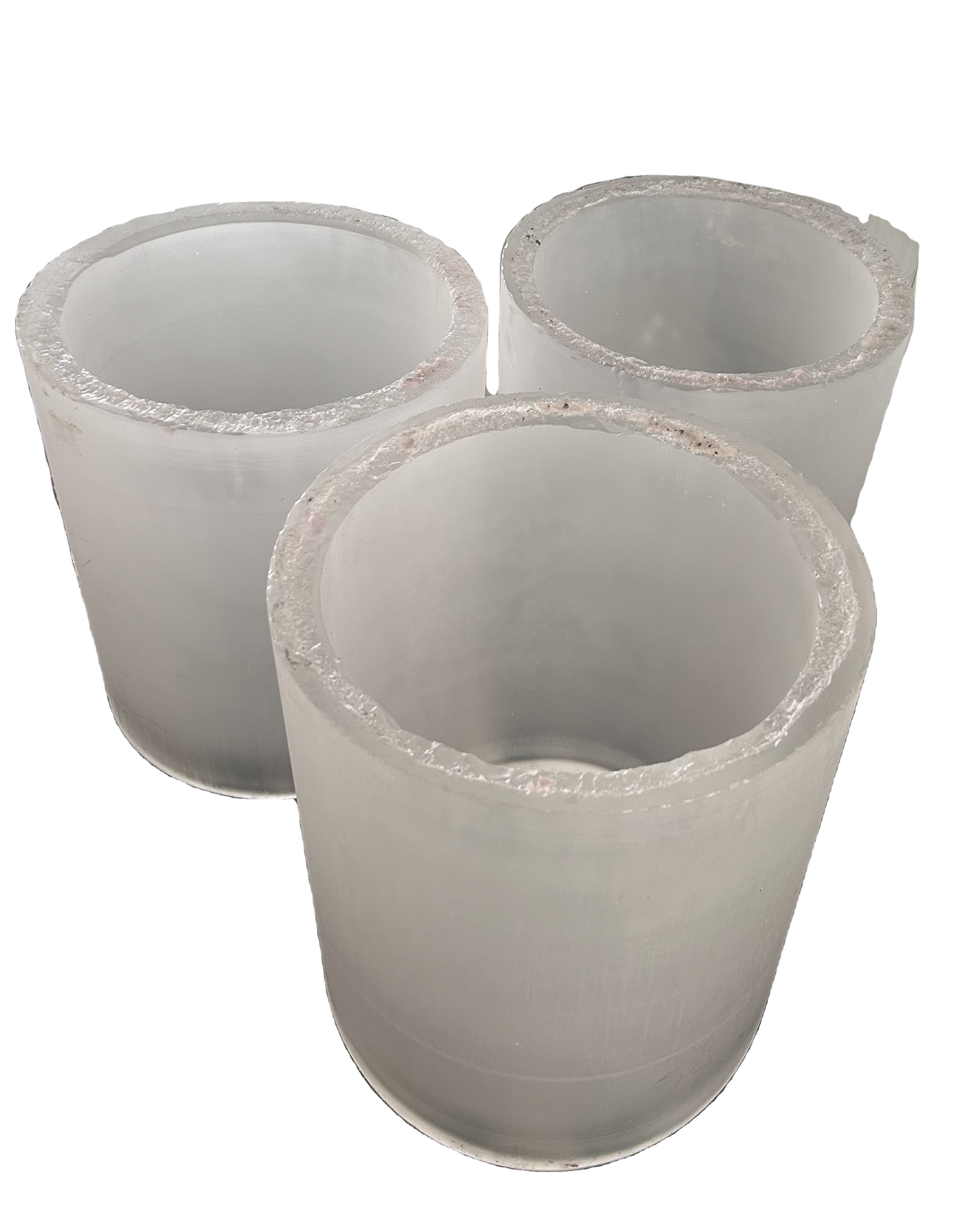
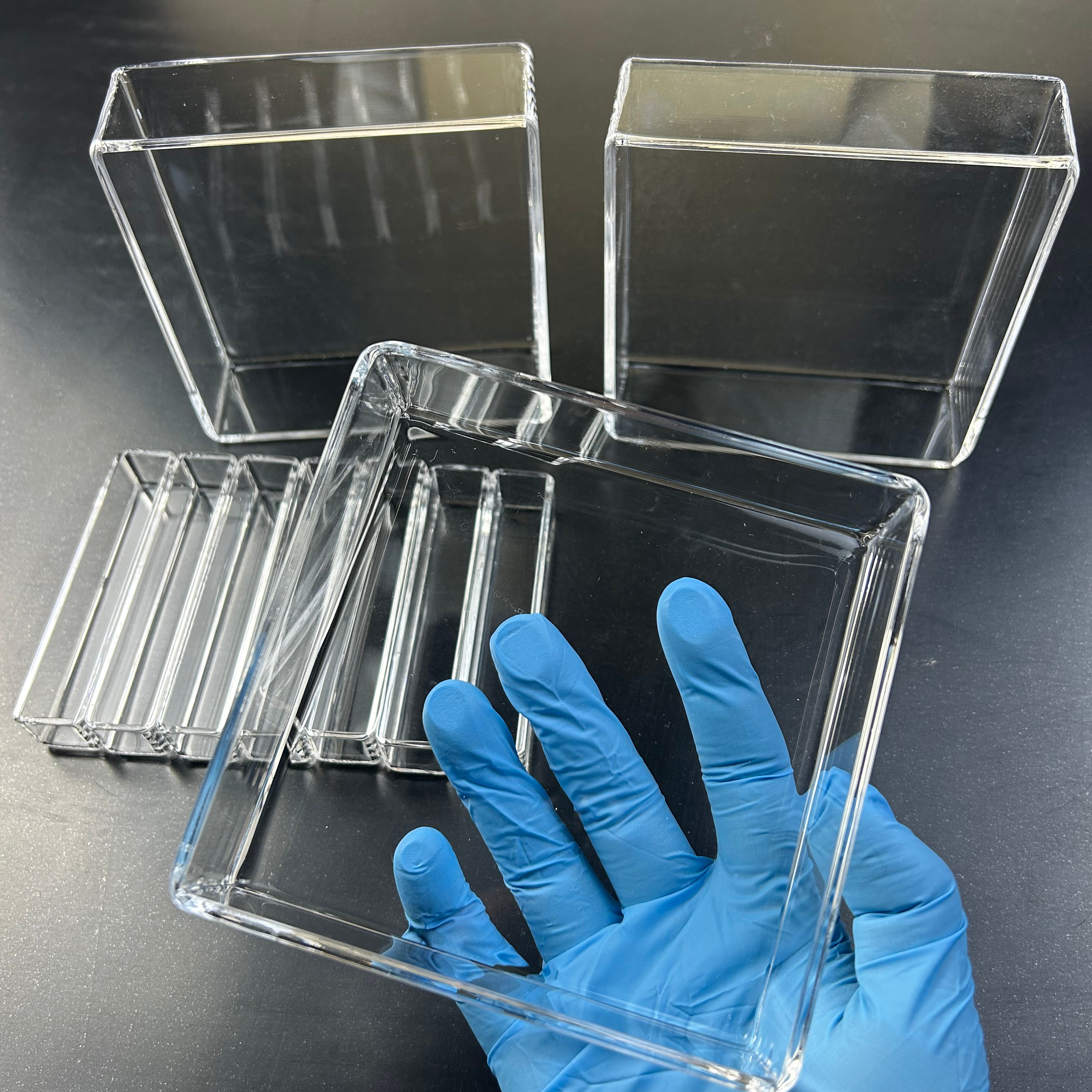
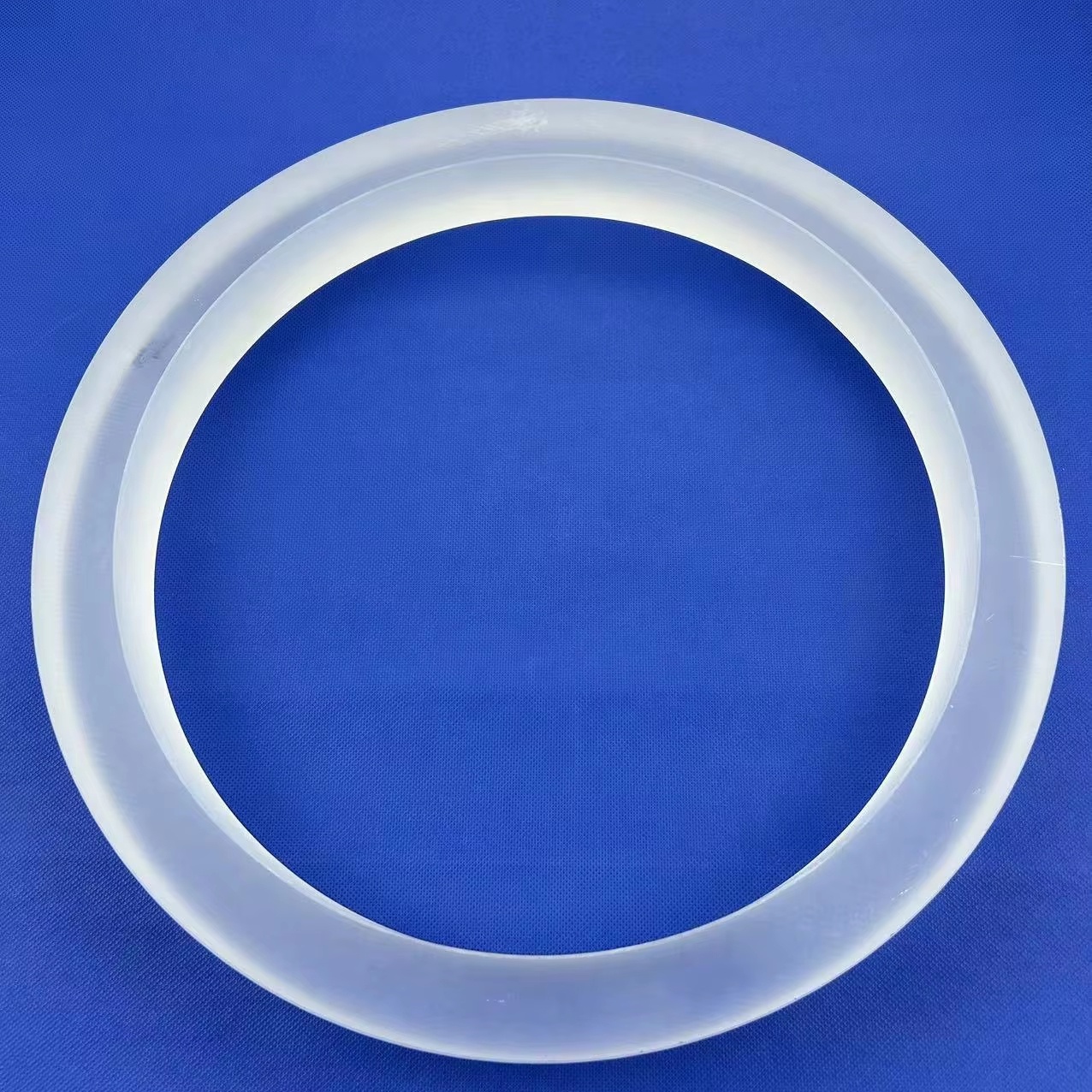
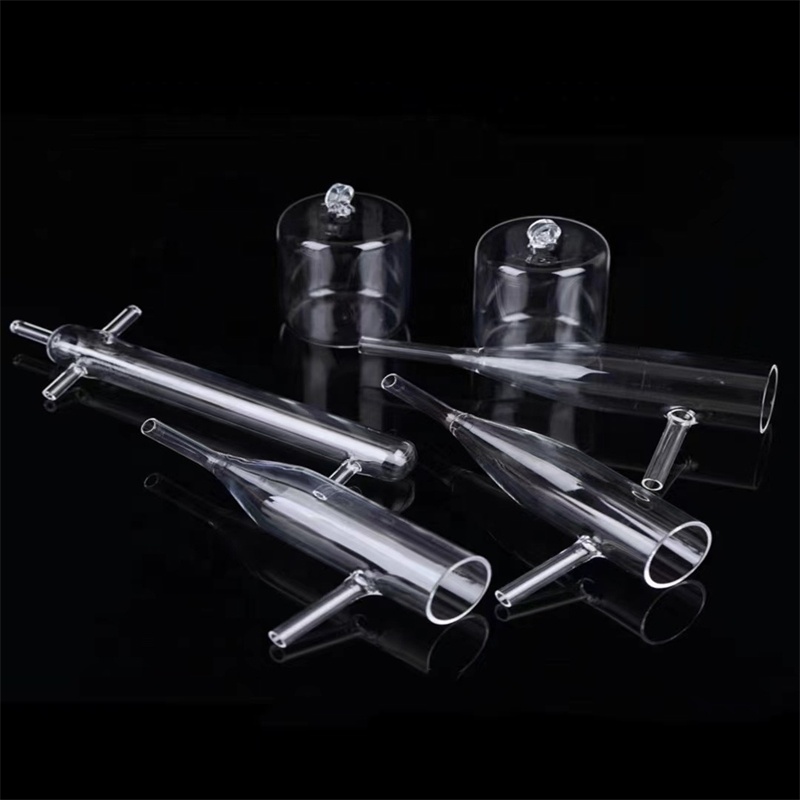
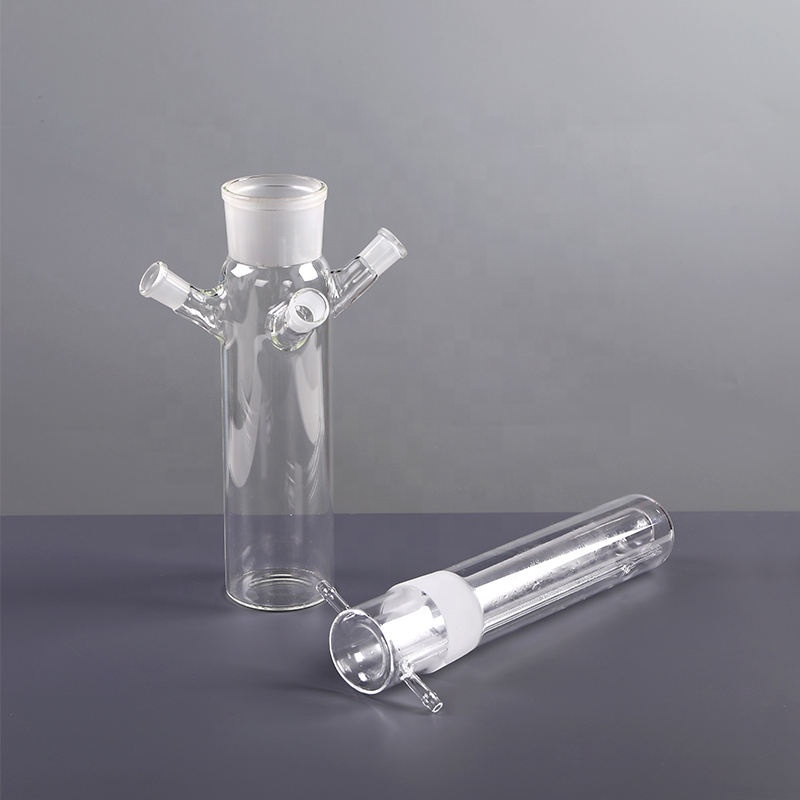
Our unique competitive edge lies in our proprietary Quartz Laser Finishing Workshop. While conventional workshops face chipping, micro-fissures, and surface pitting when cold-working brittle quartz glass, Zunex utilizes ultra-fast laser grooving, micro-hole drilling (aspect ratios up to 10:1), and computerized flame-polishing. Every quartz optical rod, reaction cylinder, and twin-tube assembly shipped to Flanders undergoes rigorous polarimetric stress testing, interferometric wavefront analysis, and coordinate measuring machine (CMM) dimensional verification.
Frequently Asked Questions by European Sourcing Managers
Technical and logistical guidance for ordering custom quartzware into Belgium.
How do you guarantee that optical rods do not fracture during air/sea transit to Ghent?
Every single quartz rod is individually vacuum-sealed in anti-static PE foam, suspended within custom-molded high-density EPE shock-absorbent cassettes, and secured in heat-treated international export wooden crates (ISPM 15 compliant). We maintain a verified shipping damage rate of less than 0.1% across Western Europe.
What engineering drawings are required for custom-shaped quartz parts?
We work directly with PDF, AutoCAD (DWG/DXF), STEP, and IGES files. Our engineering department reviews geometric tolerances, raw material availability, thermal strain zones, and edge chamfers, providing a validated manufacturability report alongside a binding quotation within 2 hours.
What is the typical lead time for custom production delivered to Flanders?
Prototype runs and custom quartz rods (1–20 pieces) typically complete production within 7 to 10 business days. Priority DHL/FedEx air freight to Brussels Airport (BRU) or Ostend-Bruges takes an additional 3 to 5 business days, ensuring seamless alignment with plant turnaround schedules.
Can you provide batch chemical spectrometry and optical transmission curves?
Yes. Upon request, every batch of JGS1, JGS2, or JGS3 optical quartz is supplied with full material traceability: glow-discharge mass spectrometry (GDMS) trace element analysis verifying SiO₂ purity and spectrophotometric transmission curves confirming optical transparency across specified nanometer wavelengths.