Engineered Quartz Process Tubes & Components for Wrocław Fab Lines
Produced from Donghai high-purity natural silica sand and synthetic fused silica, each piece features exact dimensional tolerances (±0.1 mm), low OH content (<5 ppm on request), and high thermal shock resistance up to 1300°C.
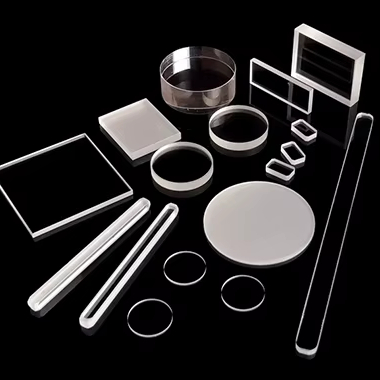
Custom Optical Fused Quartz Glass Sheet Welding & Cutting

Clear Fused Quartz Glass Plate for Optics & Thermal Welding
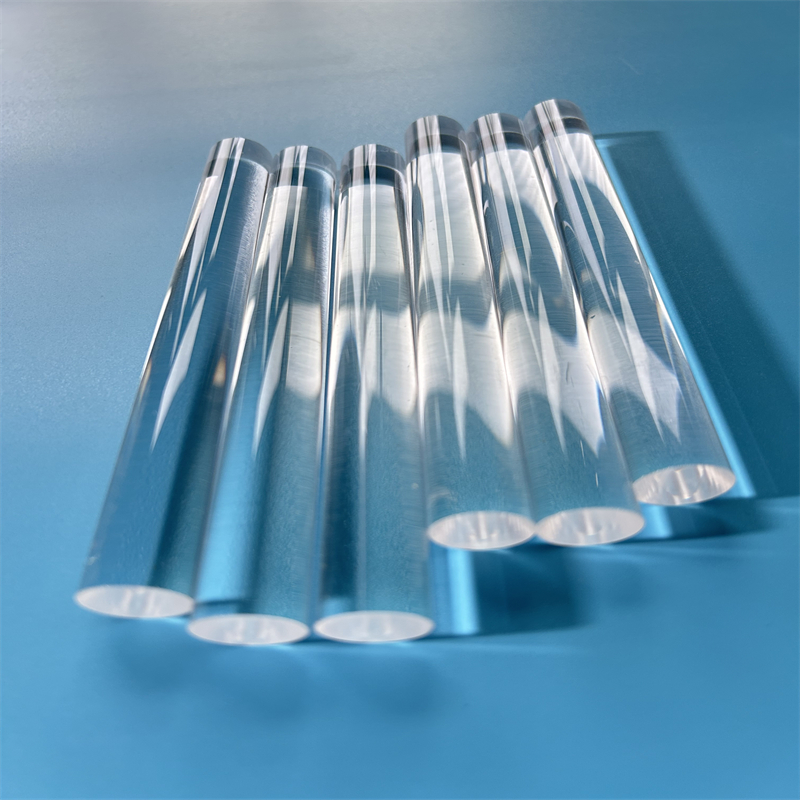
High Purity Quartz Optical Light Guide Cylinder Rod (GT Model)
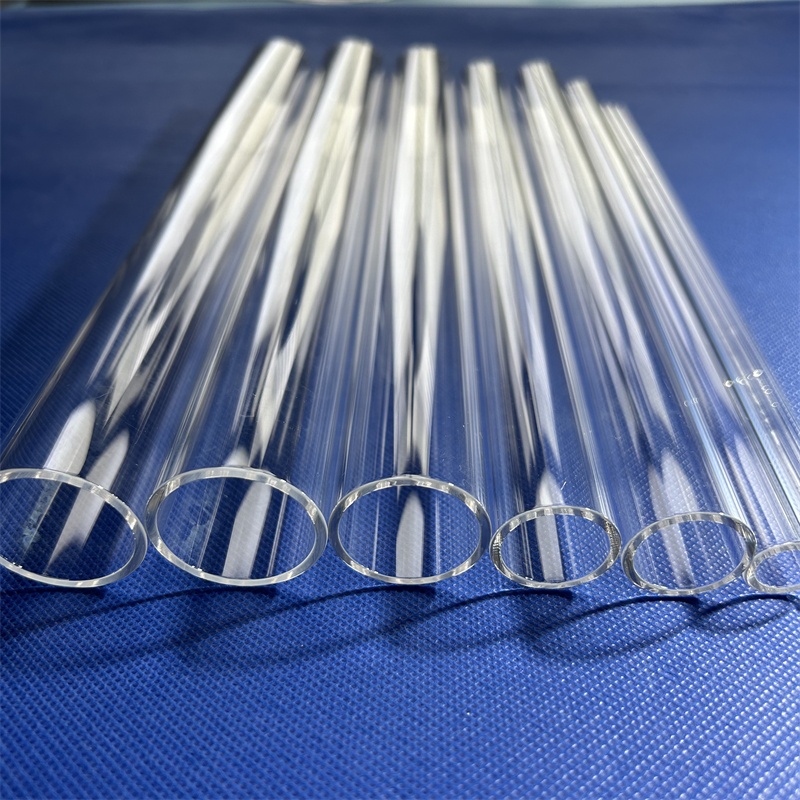
High Pressure Transparent Quartz Process Tube for Furnaces
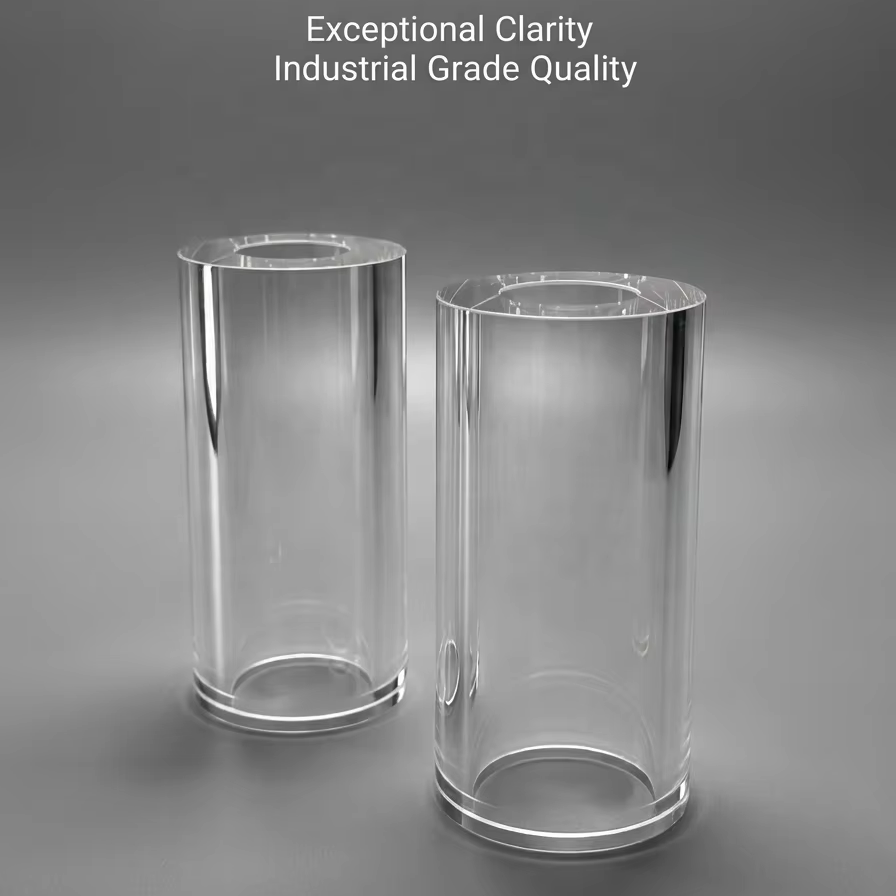
Both-Ends Polished High Purity Quartz Twin Tube Emitters

Fused Quartz Twin Heating Tube with Precision Flame Welding
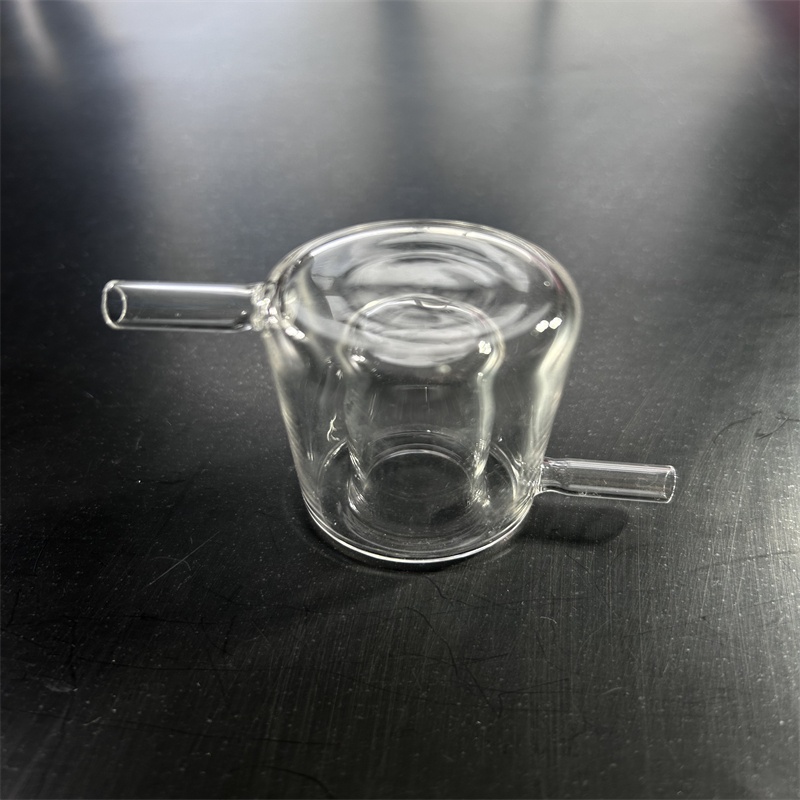
Quartz Glass Reactor Twin Tube with Custom Port Welding
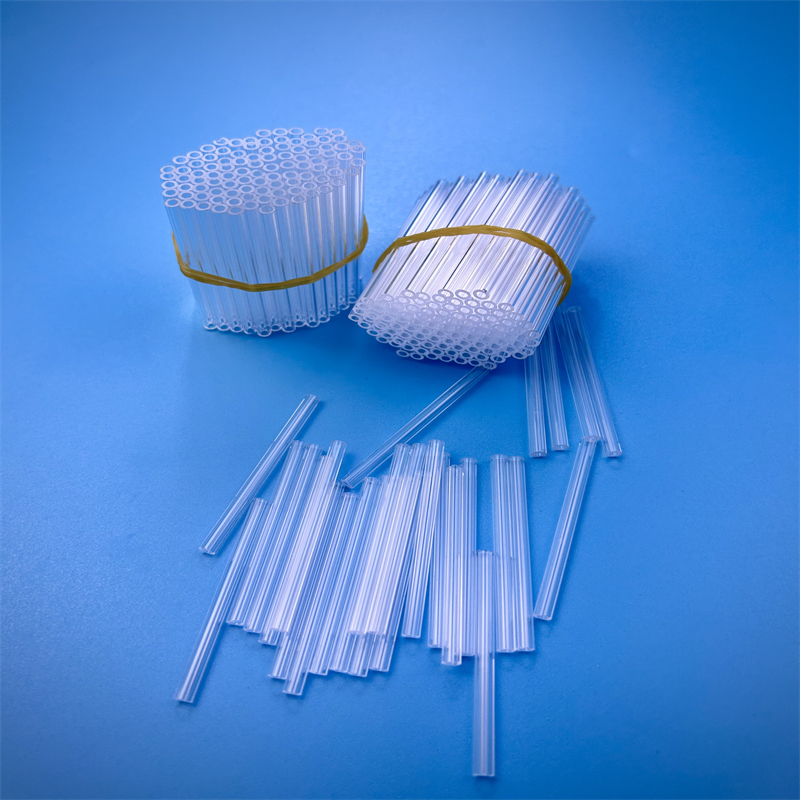
U-Bent Quartz Glass Process Tube with Custom Flange Welds
Strategic Quartz Sourcing for Wrocław’s Advanced Manufacturing Corridors
Lower Silesia (Dolnośląskie) is transitioning into Central Europe’s foremost semiconductor, electric mobility, and cleanroom instrumentation epicenter. Direct supply chains with Chinese quartz foundries are critical for regional competitiveness.
The Wrocław metropolitan area—anchored by the Wrocław Technology Park (Wrocławski Park Technologiczny), the research clusters surrounding Wrocław University of Science and Technology (Politechnika Wrocławska), the PORT Polish Center for Technology Development (Łukasiewicz – PORT), and the booming industrial zones of Bielany Wrocławskie and Kobierzyce—represents a crucial high-technology corridor. Located strategically along the A4 motorway with direct connectivity to Dresden’s "Silicon Saxony," Wrocław-based manufacturers are scaling semiconductor packaging, power electronics fabrication, photovoltaic wafer processing, and specialty chemical reactors at unprecedented speed.
In high-temperature thermal synthesis, thermal diffusion, and LPCVD (Low-Pressure Chemical Vapor Deposition), process purity is non-negotiable. Standard quartz tubes from regional European distributors often carry heavy warehousing surcharges, prolonged lead times exceeding 16 to 24 weeks, and limited customization options for legacy or proprietary furnace layouts. By bridging direct technical and manufacturing ties with China's quartz capital—Donghai County, Jiangsu—enterprises across Wrocław, Legnica, and Wałbrzych secure certified high-purity fused silica (SiO₂ ≥ 99.99%) fabricated directly from design drawings, with delivery cycles compressed to under 4 weeks.
Fused Quartz Physical & Chemical Purity Benchmarks
Complete transparency for mechanical design engineers, furnace builders, and chemical process operators in the Wrocław region.
| Property Parameter | Typical Metric Value | Test Standard / Method | Impact on Semiconductor & Lab Performance |
|---|---|---|---|
| Silicon Dioxide (SiO₂) Content | ≥ 99.99% (High Purity) / ≥ 99.98% (Standard) | ICP-OES / GD-MS Spectrometry | Prevents wafer contamination during high-temp oxidation & diffusion |
| Maximum Working Temperature | Continuous: 1100°C / Short Term: 1300°C | Dilatometry / Thermal Soak Test | Maintains structural integrity without sagging in horizontal furnaces |
| Softening Point / Annealing Point | 1683°C (Softening) / 1215°C (Annealing) | Beam Bending Viscometry | Enables repeated rapid thermal cycles without micro-fissuring |
| Coefficient of Thermal Expansion (CTE) | 5.5 × 10⁻⁷ /°C (20°C – 320°C) | Interferometric Dilatometer | Extreme thermal shock tolerance: withstands water quench from 1000°C |
| Hydroxyl (OH⁻) Radical Content | Standard: <30 ppm / Dehydroxylated: <5 ppm | FTIR Infrared Absorption | Low OH prevents premature high-temperature thermal deformation |
| Dielectric Strength | 25 – 40 kV/mm (at 20°C) | ASTM D149 breakdown voltage | Excellent RF and microwave transparency for plasma chambers |
| Refractive Index (nD at 589.3 nm) | 1.4585 | Abbe Refractometer | High optical transmission for UV curing and photolithography |
Grade Classification: JGS1 vs. JGS2 vs. JGS3
Selecting the correct optical and furnace grade quartz is paramount for procurement officers balancing process yields against component budgets:
- JGS1 (Synthetic Fused Silica): Synthesized from pure silicon tetrachloride (SiCl₄). Free of gas bubbles and inclusions. Features exceptional optical transmittance in the deep ultraviolet (DUV) range from 185 nm to 2500 nm. Preferred for excimer laser processing windows, deep-UV lithography, and high-energy optical inspection ports in Lower Silesian cleanrooms.
- JGS2 (Fused Quartz from Natural Crystal): Produced by melting high-purity natural Donghai quartz crystals. Transmits effectively across the 220 nm to 2500 nm range. The global workhorse for semiconductor diffusion tubes, wafer boats, epitaxy bell jars, and high-temperature furnace liners.
- JGS3 (Low-OH Infrared Fused Quartz): Vacuum electric-fused quartz with hydroxyl content reduced below 5 ppm. Extends infrared transmission up to 3500 nm without the deep 2.73 µm OH absorption band. Specifically utilized for twin-tube infrared emitters, gas combustion analysis tubes, and industrial thermoforming.
Precision Quartz Process Applications Across Lower Silesia
From cleanroom semiconductor wafer fab lines to pilot-scale chemical reactors, our quartz components power the technical demands of Wrocław's specialized industries.
High-purity horizontal and vertical furnace process tubes, cantilever paddles, and slotted quartz boats engineered for silicon and silicon carbide (SiC) wafer annealing, wet oxidation, and chemical vapor deposition.
Extra-large diameter quartz tubes (outer diameters up to 550 mm) capable of sustaining continuous phosphorus oxychloride (POCl₃) and boron tribromide (BBr₃) doping processes in modern N-type solar cell architectures.
Custom fused quartz twin-tube reactors, micro-reactors, and transparent autoclaves providing superior inertness against aggressive halogen acids, hot phosphoric acid, and high-temperature organic oxidizers.
Precision twin-tube quartz emitters with gold-plated or ceramic diffuse reflectors, supplying rapid short-wave and medium-wave infrared radiation for lithium-ion battery electrode drying and automotive coatings.
High-transmission ozone-free and ozone-generating quartz sleeves for germicidal UVC lamps (254 nm and 185 nm), protecting municipal and high-purity industrial deionized water systems from microbial contamination.
Specialized BET surface area sample cells, combustion boats, and XRD non-reflective quartz sample plates manufactured to custom geometries for accurate pycnometry, chemisorption, and high-temp thermogravimetric analysis.
Market Trends: Optimizing Quartz Supply Chains in Poland (2025–2030)
Navigating European reshoring initiatives, duty classifications, and factory-direct procurement savings for high-volume technical glass consumers.
1. Transition from Layered Distribution to Direct-From-Source Manufacturing
Historically, technical procurement managers across Polish technology hubs relied on regional resellers located in Germany, France, or the UK. While local distributors provide localized invoicing in Polish Złoty (PLN), they inevitably introduce standard middleman markups ranging from 45% to 120%, alongside protracted turnaround times whenever customized drawings deviate from standard DIN dimensions. As Polish manufacturers scale their capacity to support European Chips Act projects and pan-European photovoltaic initiatives, procurement leads are bypassing intermediaries and establishing verified direct-factory accounts with Donghai manufacturers like Zunex Quartz.
2. Stringent Geometrical and Thermal Tolerance Demands
Modern process automation in Wrocław fab lines leaves no room for quartz tube wall-thickness variation, camber (bowing), or diameter out-of-roundness. A process tube with excessive ovality or thermal deflection induces uneven heat flux across 200 mm and 300 mm wafer cassettes, causing devastating slip-line dislocations in crystalline silicon. Our factory guarantees strict run-out tolerances:
- Diameter Tolerances: ±0.2 mm for tubes OD < 100 mm; ±0.5 mm for tubes OD up to 300 mm.
- Wall Thickness Uniformity: Within 5% of nominal specification, eliminating localized hot spots.
- Camber (Straightness): ≤ 1.5 mm per 1000 mm of tube length, ensuring smooth robotic loading.
3. Supply Chain Security via Dual-Route Logistics into Lower Silesia
Air cargo shipments departing Shanghai Pudong (PVG) or Zhengzhou (CGO) arrive at Wrocław Copernicus Airport (WRO) or Katowice Airport (KTW) within 5 to 7 days, ideal for high-priority replacement tubes and pilot project prototypes. For volume production batches, consolidated rail freight via the New Silk Road (Chengdu/Xi'an to Małaszewice, Poland) delivers containerized quartz shipments directly into Lower Silesian bonded warehouses within 16 to 20 days at roughly one-third the cost of air freight.
Direct Donghai Foundry
Located in China's quartz capital, controlling raw crystal refining, electrical fusion, and cold finishing under one roof.
Precision Laser Finishing
High-accuracy laser drilling, wafer slotting, edge chamfering, and port welding without inducing micro-fractures.
≤ 2-Hour Response Time
Direct CAD/PDF drawing review by experienced quartz glass application engineers with guaranteed 100% response rate.
Zero-Damage Crating
Custom multi-density polyethylene suspension foam inside ISPM 15 fumigated plywood cases tailored for fragile air and rail transit.
Frequently Asked Questions for Wrocław Engineering & Sourcing Teams
Addressing common regulatory, customs, material qualification, and manufacturing inquiries from Central European technical buyers.
What are the import duty rates and customs procedures for quartz tubes entering Poland from China?
Under the European Union Integrated Tariff (TARIC), fused quartz tubes and industrial quartzware typically fall under HS Code 7002.31.00.00 (Tubes of fused quartz or other fused silica) or 7017.10.00.00 (Laboratory, hygienic or pharmaceutical glassware of fused quartz). The conventional third-country customs duty rate for HS 7002.31 is typically 3.0%, while Polish import VAT (podatek VAT) is standard at 23%.
Zunex Quartz provides complete commercial paperwork compliant with Polish Urząd Celno-Skarbowy requirements, including Certificate of Origin (COO), detailed packing lists with net/gross weights, EUR-compliant commercial invoices, and material test certificates (MTC) to facilitate seamless clearance via Warsaw Chopin or Wrocław customs terminals.
How does your factory prevent devitrification of quartz process tubes during high-temperature operations?
Devitrification is the phase transformation from amorphous fused silica into crystalline beta-cristobalite, which induces micro-cracking and catastrophic tube failure upon cooling through the 270°C inversion point. Devitrification is catalyzed by two primary mechanisms: surface alkali metal contamination (sodium, potassium, lithium) and elevated hydroxyl (OH⁻) concentrations.
Our manufacturing protocols prevent devitrification by:
- Using only ultra-pure refining sand from Donghai where total alkali impurities are controlled strictly below 1.5 ppm.
- Applying high-temperature vacuum dehydroxylation baking, reducing hydroxyl levels below 5 ppm for critical furnace liners.
- Performing multi-stage cleanroom acid washing (HF and HNO₃) followed by 18.2 MΩ·cm deionized water cascade rinsing before hermetic shrink-wrapping.
Can Zunex manufacture custom process tubes and flanges strictly from technical CAD drawings (STEP/DWG/PDF)?
Yes. Custom fabrication to technical drawings is our core specialty. Our engineering facility is equipped with 5-axis CNC machining centers, precision glass-working lathes, ultrasonic drills, and CO₂ laser cutting machines. We produce ground or fire-polished ball-and-socket joints, ISO-KF flanges, CF-type knife edges, thermocouple wells, and spiral gas inlet tubes directly to your exact specifications.
When requesting a quotation, simply submit your drawing alongside operational parameters (working temperature, atmospheric composition, vacuum level). Our engineers review the technical manufacturability and provide an authoritative quote within 2 hours.
What packaging standards are implemented to guarantee zero breakage during transport to Wrocław?
Fragile quartz tubing requires specialized packaging architecture to survive international multi-modal transit. Our export crating protocol includes:
- Individual sleeve wrapping in anti-static, dust-free polyethylene film.
- Custom CNC-profiled high-density EPE (Expanded Polyethylene) foam blocks that isolate each tube from physical shock and vibration harmonics.
- Reinforced ISPM-15 compliant plywood crating with internal shock-absorbing suspension structures.
- External mounting of "Tip-N-Tell" tilt indicators and "Drop-N-Tell" impact monitoring sensors to ensure accountable freight handling.
What is the minimum order quantity (MOQ) for custom-dimension quartz process tubes?
For custom engineering prototypes and R&D pilot tubes, our minimum order quantity is 1 piece. We understand that academic institutions like Politechnika Wrocławska and research institutes require prototype testing before commissioning full production runs. For serial OEM fabrication (e.g., standard diffusion tubes or infrared twin tubes), volume tiered pricing applies starting at batches of 5, 20, and 50+ units.
How do Donghai factory prices compare against domestic Polish or German quartz resellers?
By procuring directly from Zunex Quartz in Donghai, Wrocław-based clients typically achieve a 35% to 55% reduction in total component acquisition costs, even after accounting for international air freight and EU customs tariffs. Furthermore, direct communication with our manufacturing engineers eliminates translation errors and weeks of administrative latency typical of multi-tiered distribution channels.
Request Your Custom Quartz Tube Specification & Quotation
Send your CAD drawings, dimensional specifications, or target purity requirements. Our engineering team reviews all inquiries within 2 hours and provides factory-direct wholesale pricing for the Wrocław market.