Certified Quartz Products for Industrial Export
Precision hot-melt drawn, laser-cut, and flame-polished quartzware engineered in Donghai, China, optimized for Cambodia's emerging manufacturing, solar PV assembly, and water purification facilities.
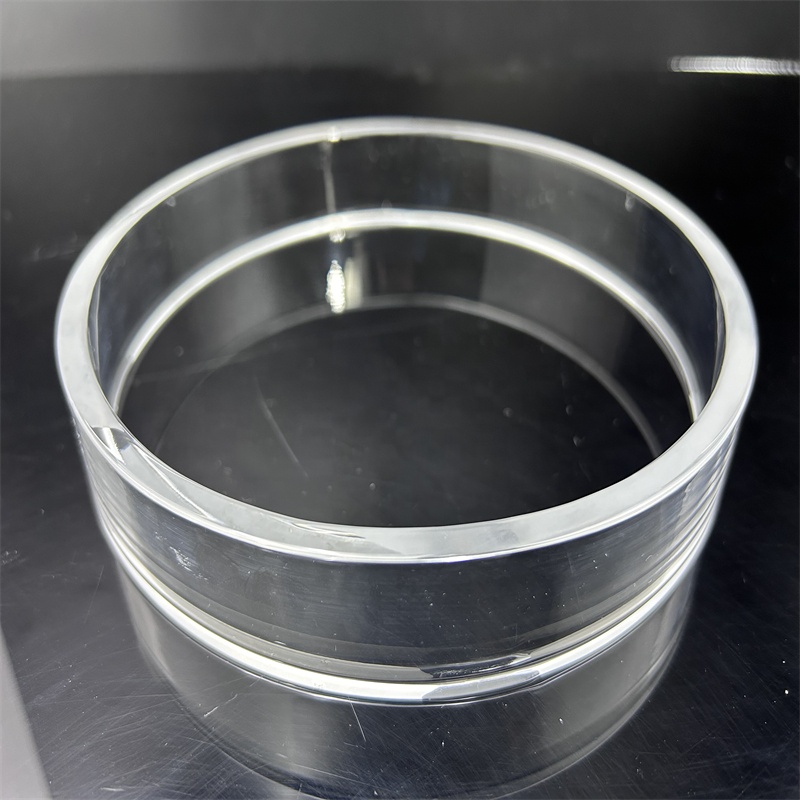
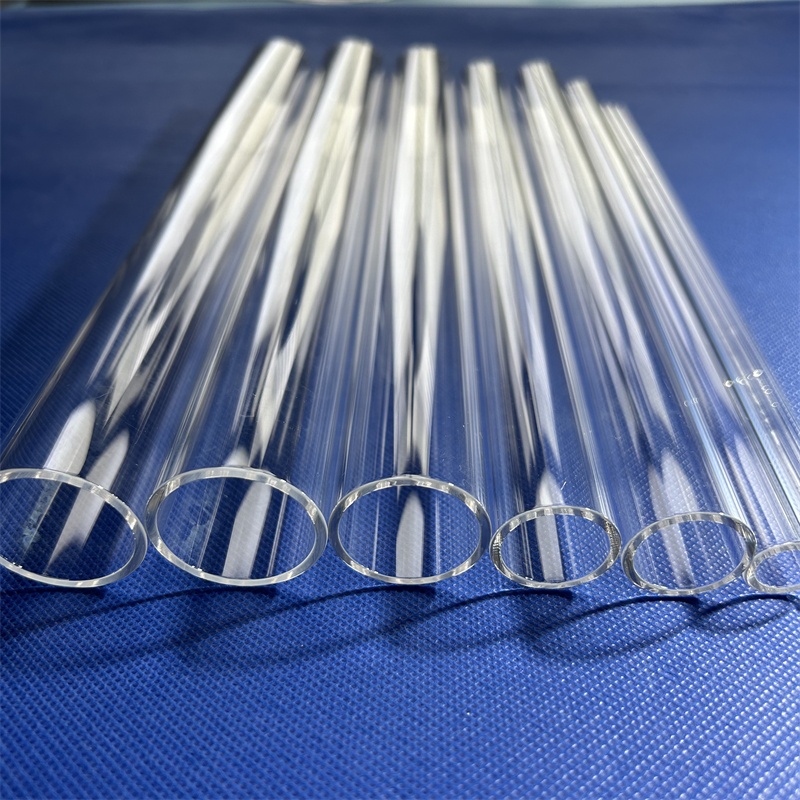
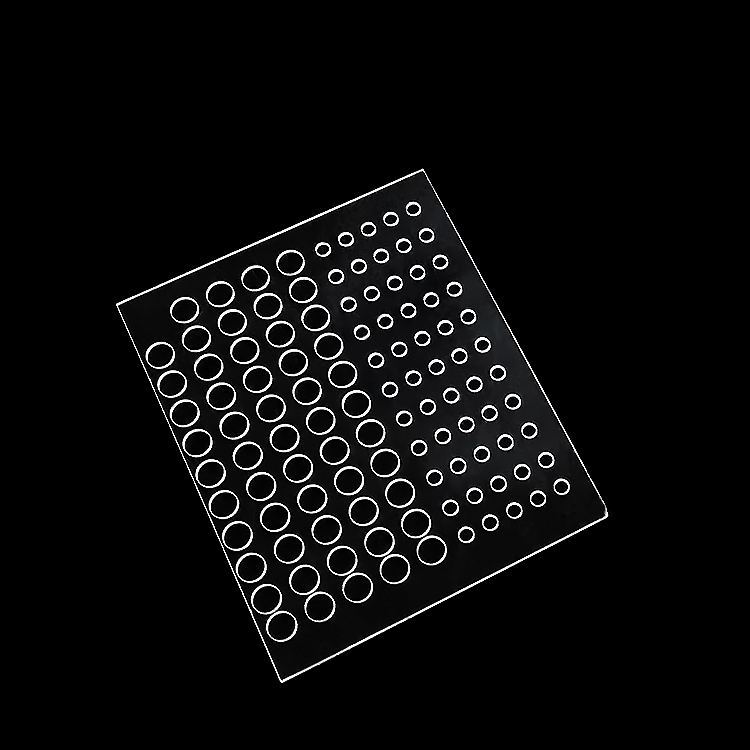
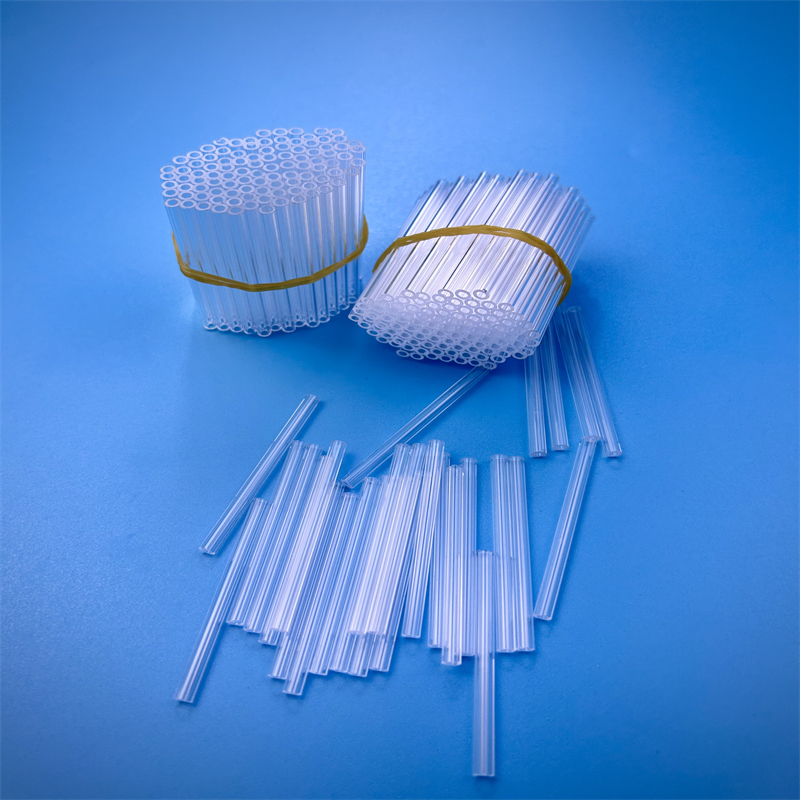

1. Technical Specification Framework: High-Purity Fused Quartz Rods
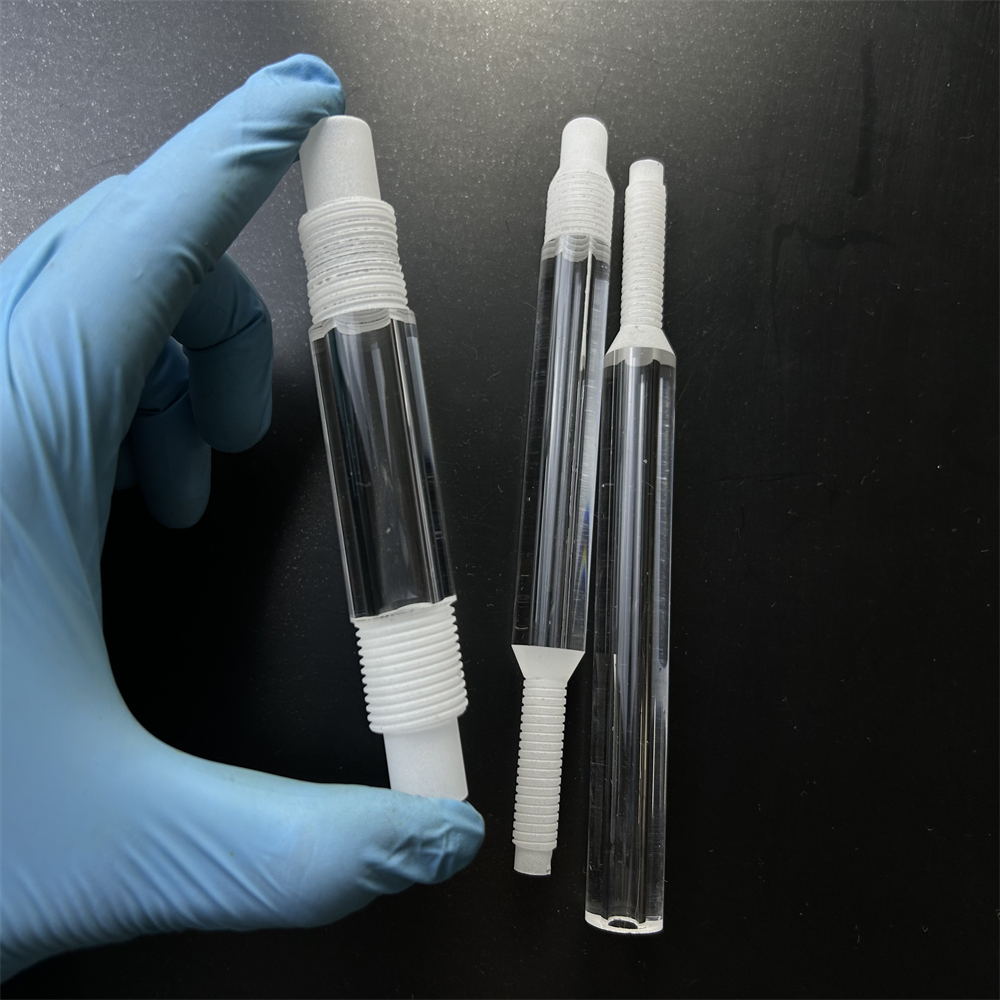
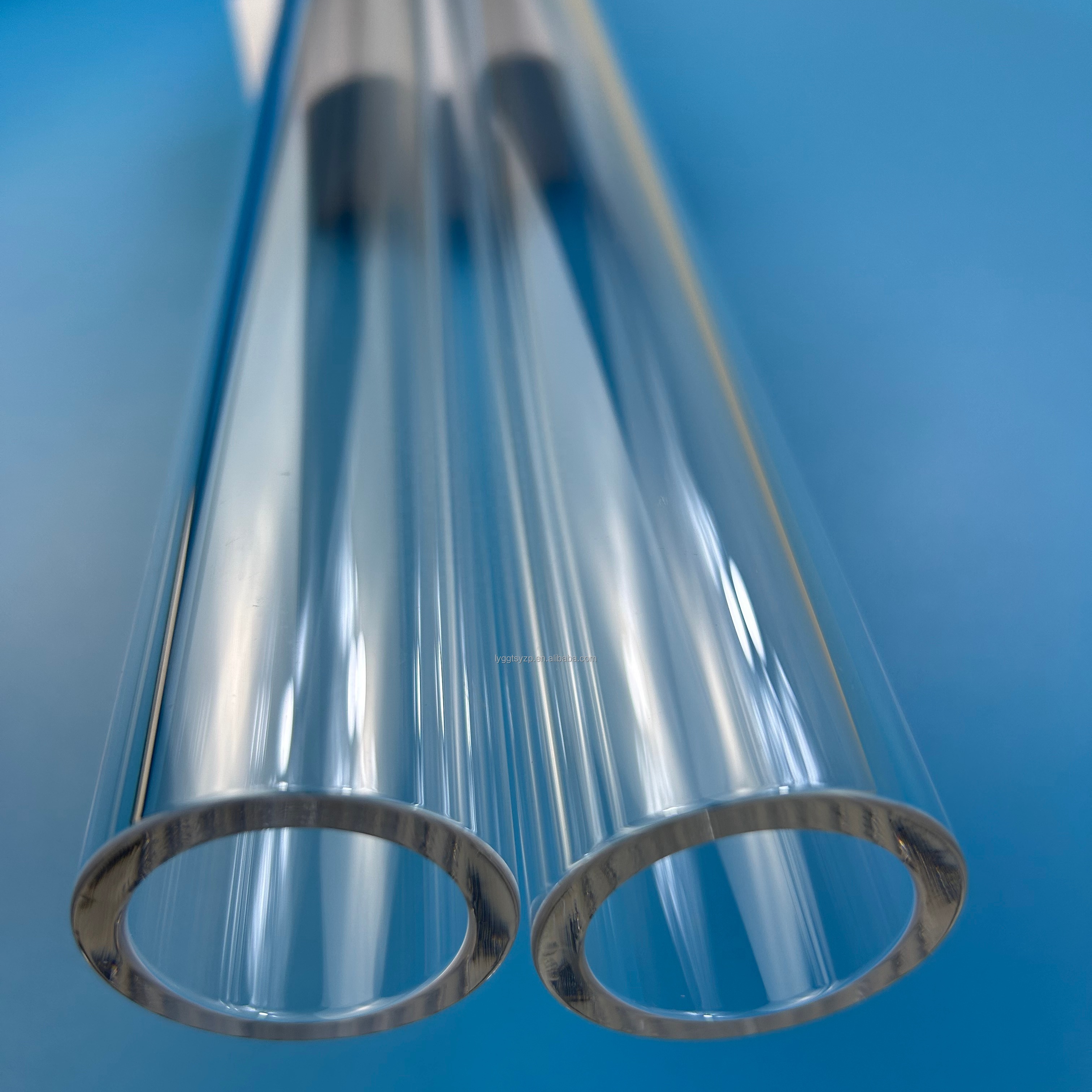
In modern industrial engineering, solid fused quartz rods (also classified as fused silica glass cylinders) serve as mission-critical substrates where ordinary borosilicate or soda-lime glass catastrophic fail due to thermal fatigue, chemical erosion, or dielectric breakdown. Manufactured in Donghai County, Jiangsu—globally recognized as the hub of refined crystal and silicon manufacturing—Zunex Quartz utilizes electric arc continuous fusion and high-temperature vacuum refinement to deliver rods characterized by an amorphous vitreous matrix with negligible bubble inclusions and trace metal impurities.
When engineering procurement teams in Cambodia evaluate quartz rod suppliers, understanding the thermodynamic and optical properties is paramount. Solid quartz rods possess an exceptionally low coefficient of thermal expansion (CTE) of 5.5 × 10⁻⁷ / °C. This provides unmatched thermal shock resilience: a solid quartz rod heated red-hot to 1150 °C can be submerged directly into ice-cold water without structural fractures or micro-cracking. This property is indispensable in automated flash heating lines, pyrometry sight glasses, and semiconductor carrier jigs.
| Physical / Chemical Parameter | JGS1 (Synthetic Fused Silica) | JGS2 (Optical Grade Quartz) | JGS3 (Infrared Grade Quartz) |
|---|---|---|---|
| Primary Transmission Spectrum | 185 nm – 2500 nm (Deep DUV/UV) | 220 nm – 2500 nm (UV to Visible) | 260 nm – 3500 nm (Infrared Transmission) |
| Hydroxyl (OH−) Concentration | < 1200 ppm (High purity synthesis) | < 150 – 200 ppm | ≤ 5 ppm (Water-free IR grade) |
| Continuous Working Temperature | 1100 °C | 1100 °C | 1150 °C |
| Max Short-Term Temperature | 1300 °C | 1300 °C | 1350 °C |
| Softening Point (Viscosity Log η = 7.6) | 1683 °C | 1683 °C | 1710 °C |
| Dielectric Strength (20 °C, 1MHz) | 2.5 × 10⁷ V/m | 2.5 × 10⁷ V/m | 3.0 × 10⁷ V/m |
| Refractive Index (nD at 589.3 nm) | 1.4585 | 1.4585 | 1.4585 |
2. Localized Industrial Applications in Cambodia's Expanding Economy
Cambodia’s industrial modernization, accelerated by the Law on Investment (2021) and infrastructural upgrades linking Phnom Penh to Sihanoukville Autonomous Port (PAS), has dramatically diversified domestic demand for advanced industrial glass consumables. Sourcing high-purity quartz rods and modified quartz tubes from Chinese factories has evolved from a niche laboratory requirement into an indispensable manufacturing necessity across several industrial clusters:
Garment Flash-Curing & Textile IR Heaters
Textile mills in Veng Sreng (Phnom Penh) and Kandal utilize our twin-bore quartz tubes and solid optical rods as high-intensity infrared emitter jackets for moisture drying and thermal screen cure tunnels.
Industrial Water Purification & Aquaculture UV
UV-C germicidal disinfection systems in Mekong food processing plants and Sihanoukville seafood packaging hubs use threaded JGS2 quartz sleeves and baffle rods to neutralize pathogens without chemical leaching.
Solar PV Cell Assembly & Wafer Support
Cambodia’s thriving solar panel assembly plants in Special Economic Zones deploy slotted quartz rods, boats, and support pushers inside high-temperature diffusion and annealing chambers up to 1200 °C.
Food & Beverage Boiler Level Sight Gauges
Beverage plants and sugar refineries utilize precision transparent ground and fire-polished quartz rods and heavy-wall tubes as high-pressure boiler level indicators that withstand boiling alkaline attacks.
High-Voltage Electrical Arc & Heat Insulation
Electrical substations and heavy industrial wiring in Bavet and Poipet border SEZs deploy dielectric quartz glass rods for insulation standoffs, preventing high-voltage flashovers in tropical humidity.
Laboratory Pyrolysis & Academic Research
Research centers including ITC (Institute of Technology of Cambodia) and RUPP rely on high-purity quartz stirring rods, sample boats, and combustion reaction tubes for acid-resistant chemical experimentation.
3. Macroeconomic Shifts & China-Cambodia Supply Chain Optimization
The bilateral trade architecture between China and Cambodia has entered an unprecedented golden era under the Regional Comprehensive Economic Partnership (RCEP) and the China-Cambodia Free Trade Agreement (CCFTA). For Cambodian procurement managers, industrial directors, and plant maintenance engineers, purchasing fused quartz rod stock and custom-machined glass components directly from primary manufacturing facilities in China provides distinct strategic advantages:
1. Elimination of Multi-Tier Trading Markups: Traditionally, Cambodian industrial operations acquired replacement quartz rods and quartz heater sleeves via regional intermediaries in Singapore, Bangkok, or Ho Chi Minh City, absorbing distribution markups of 40% to 110%. Sourcing direct from Zunex Quartz in Donghai provides factory-gate pricing, technical drafting validation by actual quartz artisans, and verifiable batch test certificates.
2. Streamlined Logistics via Sihanoukville Port & Phnom Penh Expressways: Ocean freight transiting from Lianyungang or Shanghai Port connects directly to Sihanoukville Autonomous Port (PAS) within 7 to 10 days. From Sihanoukville, consolidated containerized shipments move smoothly along the Phnom Penh-Sihanoukville Expressway directly to central bonded warehouses and Special Economic Zones within 3 to 4 hours. For critical machine downtime emergencies, air express corridors (direct into Phnom Penh PNH or Siem Reap SAI) enable prototype and replacement delivery in under 72 hours.
Direct Donghai Origin
Situated in the capital of Chinese silicon mineral reserves, ensuring continuous high-purity natural silica sand input and stable bulk stock.
≤ 2h Technical Response
Verified 100% quotation response rate. Every inquiry is analyzed by quartz processing engineers with PDF/DWG/STEP review before quoting.
CNC Laser Machining
Laser drilling, tight-tolerance OD grinding (±0.02 mm), flanging, thread cutting, and flame-polishing tailored strictly to customer blueprints.
Anti-Shock Tropical Crating
Multilayer high-density EPE foam cradling, vacuum moisture sealing, and fumigated solid timber crates engineered for tropical marine voyages.
4. Quality Control & Metrology Validation at Zunex Quartz
Producing fused quartz rods that survive aggressive thermal cycling and chemical baths requires stringent process governance. At our Donghai facility, every production run adheres to strict testing protocols: raw crystalline quartz is first acid-washed to purge surface iron (Fe), titanium (Ti), and aluminum (Al) ions. After electric fusion drawing, rods undergo polariscopic stress inspection to verify that residual annealing stress is below 2.5 MPa, eliminating spontaneous shattering risks under rapid temperature swings.
Precision centerless grinding machines ensure tight outer diameter (OD) control down to ±0.05 mm (or ±0.02 mm upon request). Surfaces are subsequently flame-polished with hydrogen-oxygen torches to heal microscopic surface micro-fissures, maximizing structural tensile strength. Spectrophotometric scans confirm transmission fidelity across UV, visible, and infrared bandwidths before dispatching goods to international freight carriers.
Frequently Asked Questions for Cambodian Buyers
Everything procurement officers, factory owners, and engineering consultants in Phnom Penh, Sihanoukville, and Bavet need to know about purchasing and importing quartz rods from China.
What is the minimum order quantity (MOQ) for custom quartz rods shipped to Cambodia?
How do you prevent transit breakage during maritime shipping to Sihanoukville Port?
What import documentation is supplied for Cambodian customs clearance?
What is the difference between JGS1, JGS2, and JGS3 quartz rods?
Can Zunex manufacture quartz rods according to engineering CAD / PDF drawings?
How does tropical ambient humidity in Cambodia affect quartz rod installations?
What is the lead time for standard and custom orders shipped from China to Cambodia?
What are the devitrification limits of your fused quartz rods?
What Incoterms do you offer to buyers in Cambodia?
How can Cambodian engineering teams verify quartz purity upon delivery?
Request an Engineering Quote for the Cambodia Market
Send your dimensional drawings, required JGS material grade, and volume specifications. Our Donghai technical team will review tolerance feasibility and return a detailed factory quotation in ≤ 2 hours.