Precision Optical Quartz Glass Product Catalog
Explore our export-grade fused quartz components manufactured under Class 1,000 cleanroom standards and optimized for rapid dispatch to Kota Kinabalu and the wider East Malaysia industrial corridors.
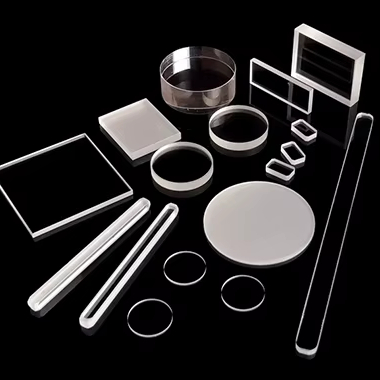
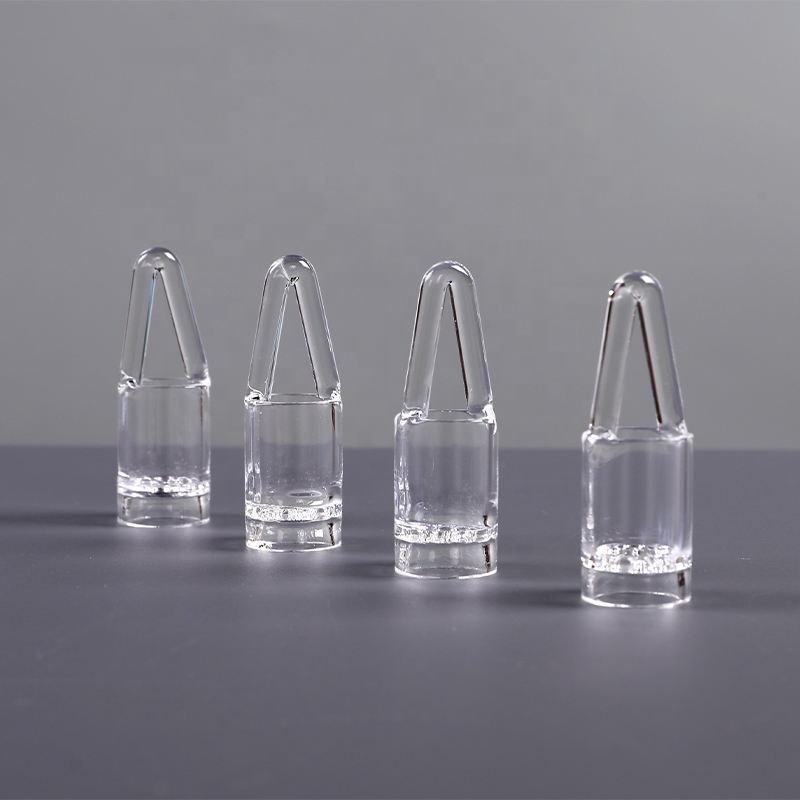
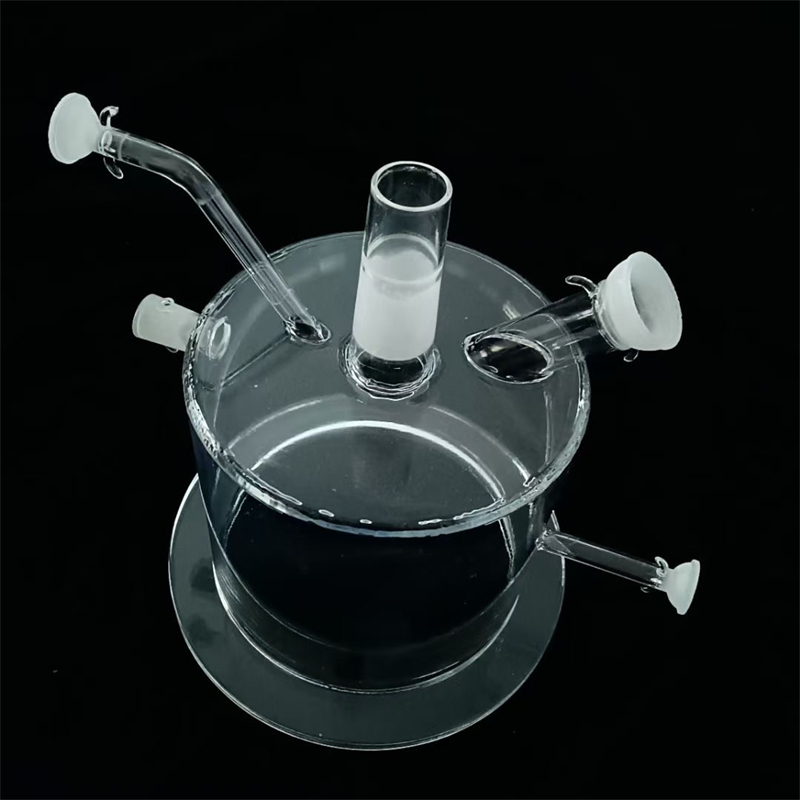
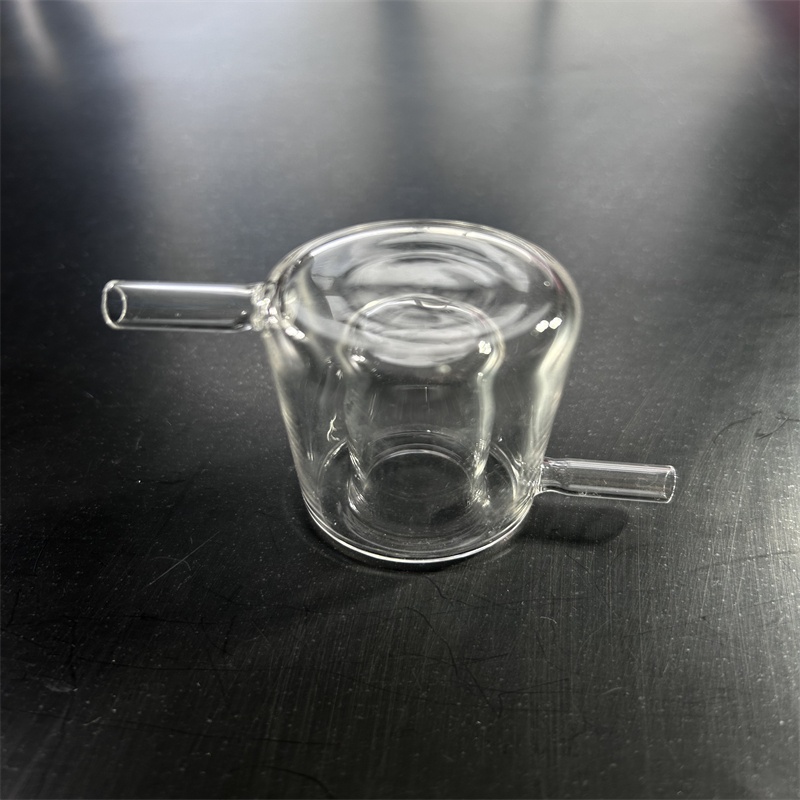


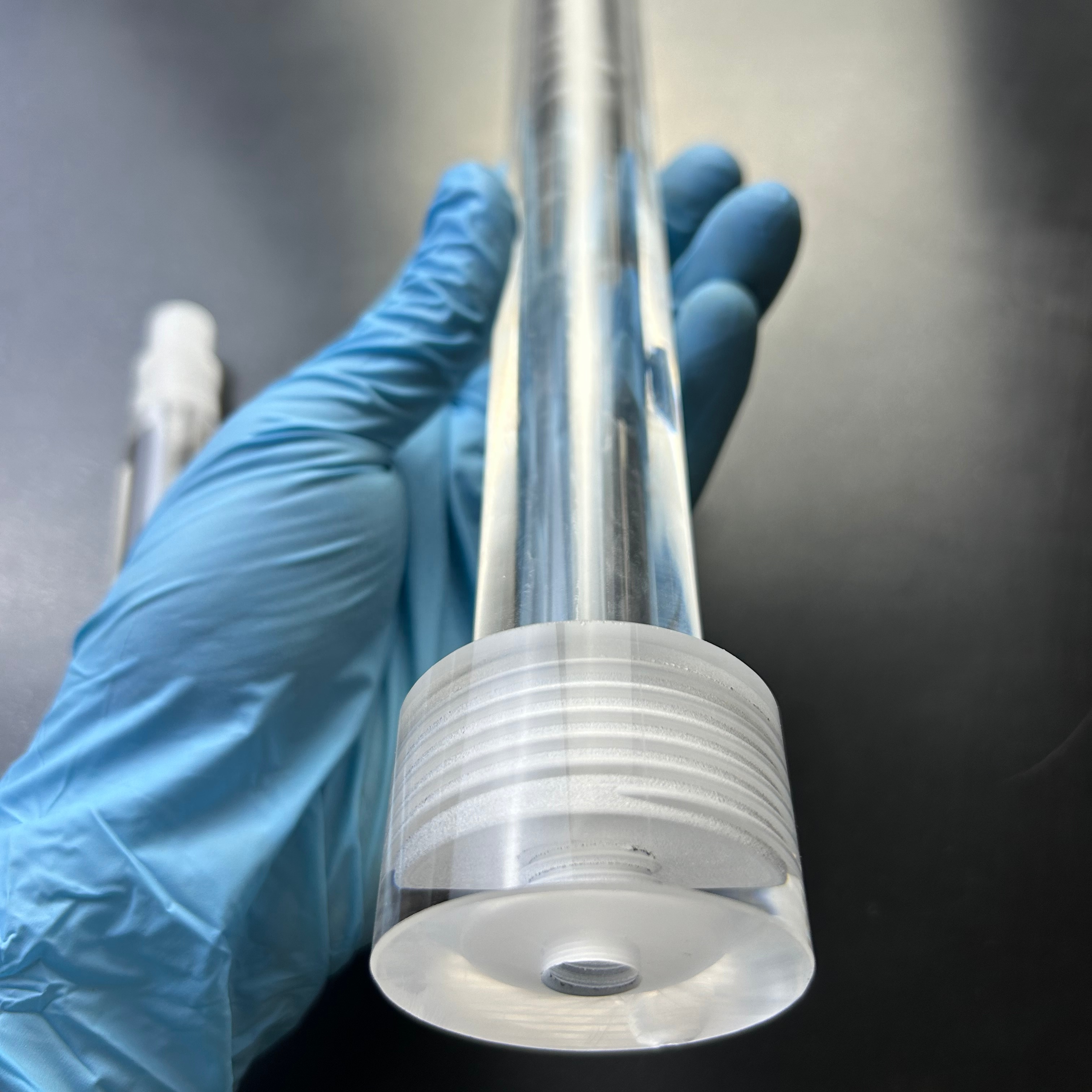
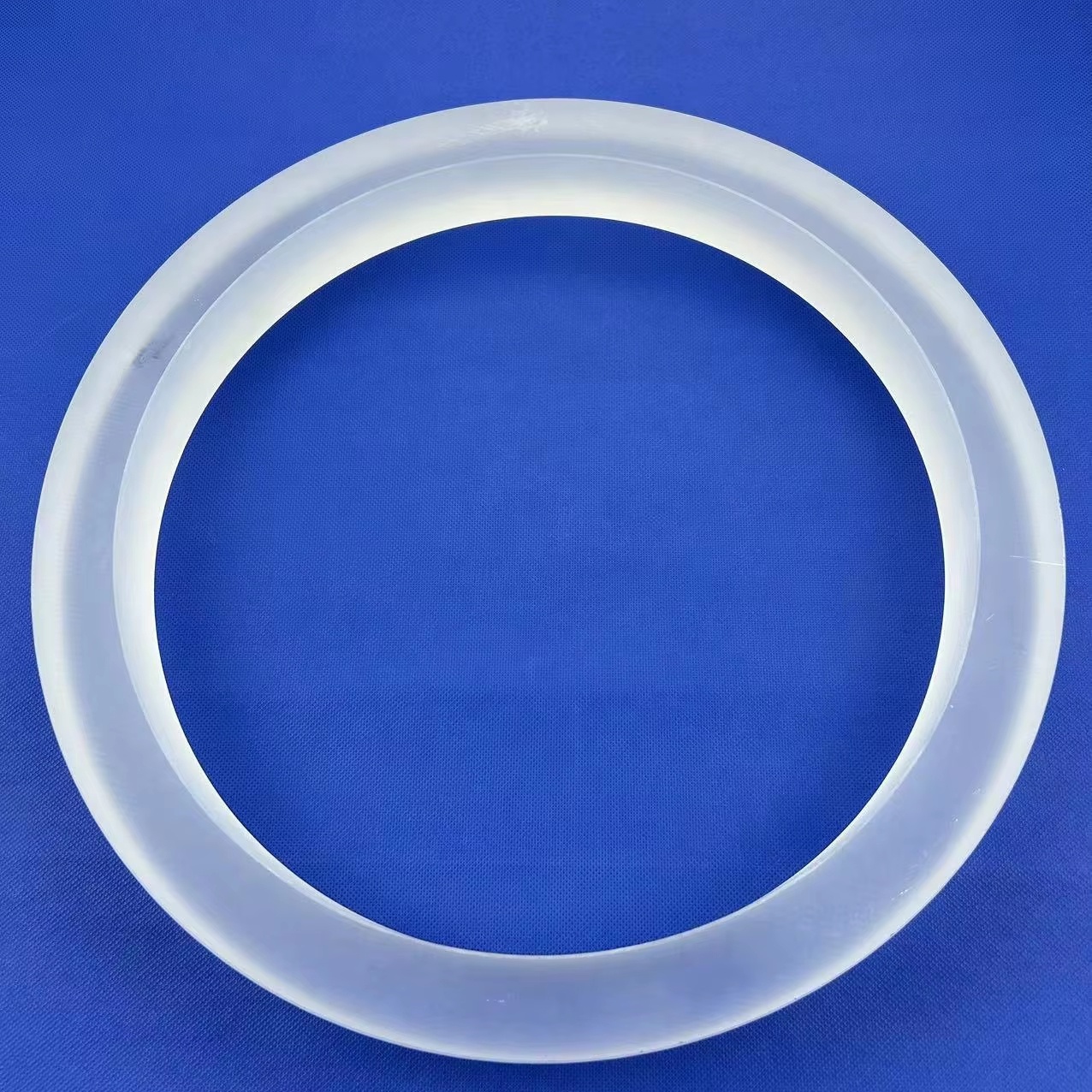
Engineering Fundamentals of Optical Quartz Fabrication
A comprehensive procurement handbook examining fused silica synthesis, crystallographic behavior under elevated thermal loads, and rigorous selection standards for Kota Kinabalu engineering teams.
JGS1 Synthetic Silica (Deep UV)
Synthesized via chemical vapor deposition of silicon halides. Practically free of bubbles and metallic impurities, delivering exceptional deep-ultraviolet transmission down to 185 nm.
- Transmission Band 185 nm – 2500 nm
- OH⁻ Content ~1200 ppm
- Typical Application Excimer Optics, UV Sensors
JGS2 Optical Quartz (UV-Vis)
Electrically fused from natural crystal sands in inert vacuum environments. Offers an optimum balance of optical clarity, superior thermal resilience up to 1100°C, and structural economy.
- Transmission Band 220 nm – 2500 nm
- OH⁻ Content < 30 ppm
- Typical Application Sight Glasses, Furnace Tubes
JGS3 Low-Hydroxyl Quartz (Infrared)
Gas-phase refined natural fused silica treated for near-total hydroxyl suppression. Free from the pronounced 2730 nm absorption trough, maximizing mid-to-far infrared throughput.
- Transmission Band 260 nm – 3500 nm
- OH⁻ Content ≤ 5 ppm
- Typical Application IR Emitters, Pyrometry Windows
| Physical / Chemical Property | JGS1 (Synthetic UV) | JGS2 (Optical Grade) | JGS3 (Infrared Grade) | Borosilicate Comparison |
|---|---|---|---|---|
| Purity (SiO₂ Mass Fraction) | ≥ 99.999% | ≥ 99.99% | ≥ 99.98% | ~81% (B₂O₃/Al₂O₃ balance) |
| Max Working Temperature (Continuous) | 1150 °C | 1100 °C | 1100 °C | 450 °C |
| Thermal Shock Tolerance (ΔT Quench) | 1100 °C to 20 °C (No fracture) | 1000 °C to 20 °C | 1000 °C to 20 °C | 150 °C max |
| Linear Thermal Expansion (α 20-300°C) | 5.5 × 10⁻⁷ / °C | 5.5 × 10⁻⁷ / °C | 5.4 × 10⁻⁷ / °C | 33 × 10⁻⁷ / °C |
| Dielectric Strength (20°C, 1MHz) | 25 – 40 kV/mm | 25 – 35 kV/mm | 25 – 35 kV/mm | ~10 kV/mm |
| Hydroxyl [OH⁻] Radical Concentration | 800 – 1200 ppm | 10 – 30 ppm | ≤ 5 ppm | Variable / Non-critical |
Laser Micro-Machining and Post-Annealing Protocols
For research and industrial clients in Sabah, the greatest challenge with optical quartz glass lies in mitigating micro-crack propagation caused by mechanical stress concentrations during fabrication. At Zunex Quartz Products Co., Ltd., our Donghai manufacturing center utilizes multi-axis CNC ultra-short pulse picosecond laser cutting and water-guided laser drilling. This contactless processing eliminates mechanical lateral friction, holding edge chipping down to ≤ 0.05 mm.
Following CNC slotting, precision cylindrical grinding, or flame welding of twin tubes and flanges, components undergo rigorous thermal de-stressing. Parts are maintained at the annealing point (1215 °C) in programmed inert electric kilns before being systematically brought down through the strain point (1120 °C) at a slow gradient of 1.5 °C/min. This prevents localized birefringence and guarantees that our sight glasses, reactor vessels, and optical sample sheets maintain structural integrity under continuous hydrostatic pressure.
Quartz Glass Deployments in Kota Kinabalu & Sabah
How our custom OEM optical quartz products seamlessly integrate into Sabah’s strategic developments—from Kota Kinabalu Industrial Park (KKIP) to offshore marine research corridors.
Solar PV & Glass Processing
High-capacity quartz diffusion tubes, quartz rollers, and thermocouple sheaths tailored for solar silica manufacturing clusters located in the Kota Kinabalu Industrial Park (KKIP).
Petrochemical & LNG Refining
Heavy-wall sight glasses, high-pressure liquid level gauges, and ozone-free reactor tubes serving the Sipitang Oil & Gas Industrial Park (SOGIP) and Kimanis gas terminal infrastructure.
Marine Optical Sensing & UMS
Pressure-resistant deep-sea optical viewports and flow cuvettes utilized by the Borneo Marine Research Institute (Universiti Malaysia Sabah) for marine environmental monitoring.
Palm Biomass & Analytical Labs
Quartz combustion boats, BET catalyst tubes, and twin-tube digestion reactors supporting agricultural testing laboratories and bio-refining analysis throughout Sabah.
Emerging Trends Driving Quartz Demand in East Malaysia
An executive analysis of industrial diversification, supply chain resilience, and environmental requirements transforming Sabah’s advanced materials procurement.
1. Transformation into a Regional Photovoltaic Hub
The state government of Sabah has prioritized high-value industrial manufacturing under the Sabah Maju Jaya (SMJ) development roadmap. With landmark investments like Kibing Solar at KKIP, Kota Kinabalu is becoming a linchpin in Southeast Asia’s solar manufacturing network. This shift generates heightened ongoing demand for ultra-pure quartz components—including silicon melting crucibles, large-bore diffusion furnace tubes (OD 200 mm to 450 mm), and quartz substrate carriers that prevent transition metal contamination in photovoltaic wafers.
2. Downstream Petrochemical Modernization at SOGIP
As natural gas and condensate processing expands across the Kimanis-Sipitang axis, safety requirements for processing observation optics have escalated. Traditional borosilicate glass sight windows fail under the combined stressors of hydrogen sulfide exposure, caustic sour gas condensation, and cyclic pressures exceeding 4.0 MPa. Plant operators in Kota Kinabalu are actively retrofitting older observation ports with high-strength fused quartz plates that offer a compressive strength of over 1,100 MPa and zero chemical vulnerability to concentrated acids.
3. Offshore Marine Eco-Monitoring and Ballast Water Treatment
With Kota Kinabalu situated as a primary maritime nexus bordering the Coral Triangle, the Port of Sepanggar is enforcing stricter International Maritime Organization (IMO) ballast water discharge conventions. Marine equipment integrators in Sabah increasingly require specialized ozone-free and synthetic quartz sleeves to shield high-intensity ultraviolet (UV) sterilization lamps in ship ballast purifiers and coastal aquaculture facilities. Optical quartz glass maintains over 90% transmission at 253.7 nm (the core germicidal UVC wavelength) while withstanding harsh marine saltwater corrosion without solarization or surface clouding.
Have an OEM Drawing or Bill of Materials?
Submit your CAD, DWG, STEP, or PDF engineering specifications. Our master quartz glass fabrication team in Donghai provides full DFM review, tolerance feedback, and factory-direct pricing within 2 hours.
Why Kota Kinabalu Engineers Partner with Zunex Quartz
Built upon the mineral riches of Donghai—China’s crystal and silica capital—our integrated factory and export infrastructure deliver unmatched technical precision and supply reliability.
Donghai Silicon Epicenter
Direct access to world-class natural crystalline quartz and synthetic precursor materials. We maintain strict control over batch homogeneity, eliminating bubble inclusions and metallic trace elements at source.
Precision Laser Processing
State-of-the-art quartz laser finishing, including ultra-clean micro-hole drilling, circular grooving, slotting, and contoured beveling, achieving tight tolerances up to ±0.01 mm.
Dual-Faceted Annealing
Every welded twin tube, bent coil, and optical sample sheet undergoes computerized stress relieving in vacuum furnaces to prevent residual mechanical strain and thermal shock failures.
Export-Certified Shock Packaging
Multi-tier shock-absorbing polyethylene foam inserts, vacuum cleanroom bagging, and fumigated reinforced wooden crates guarantee zero-breakage arrival at Kota Kinabalu and Sabah job sites.
Rapid Engineering Turnaround
With an independently audited 100% response rate and an average reply window of under 2 hours, your technical drawings receive immediate feedback from certified optical glass specialists.
Prototype to Batch Scalability
Whether you require single customized quartz test sample sheets for academic research at UMS or recurring container loads of industrial furnace tubes for KKIP, we scale with zero quality deviation.
Frequently Asked Questions by Kota Kinabalu Buyers
Essential guidance covering technical tolerances, customs clearance at Sepanggar Bay, and material validation for East Malaysian procurement officers.
Accelerate Your High-Purity Quartz Procurement
Join world-class industrial operators, universities, and technology manufacturers in Sabah who trust Zunex Quartz Products Co., Ltd. for extreme-temperature, optical-grade precision glass components.