Optics / Frosted
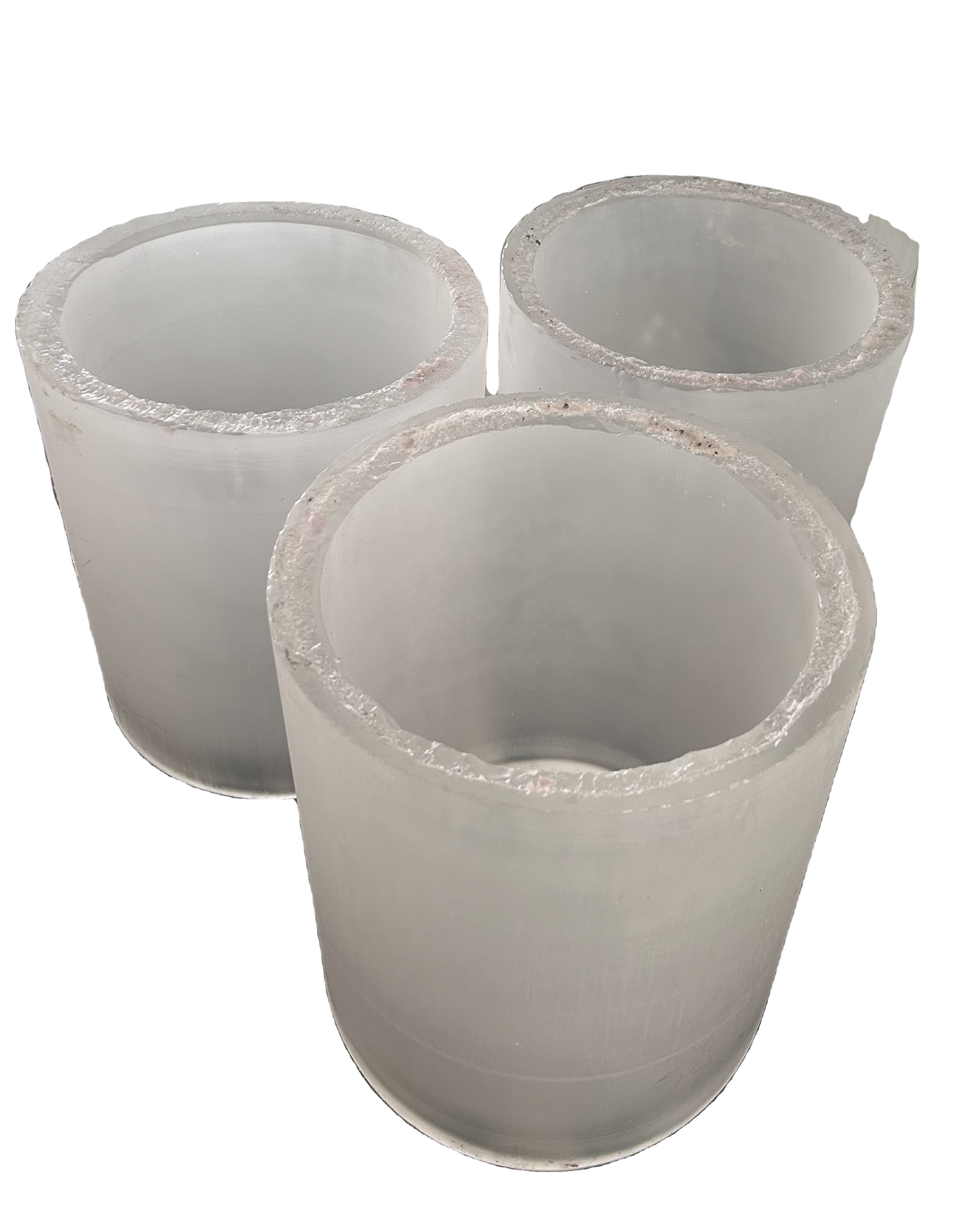
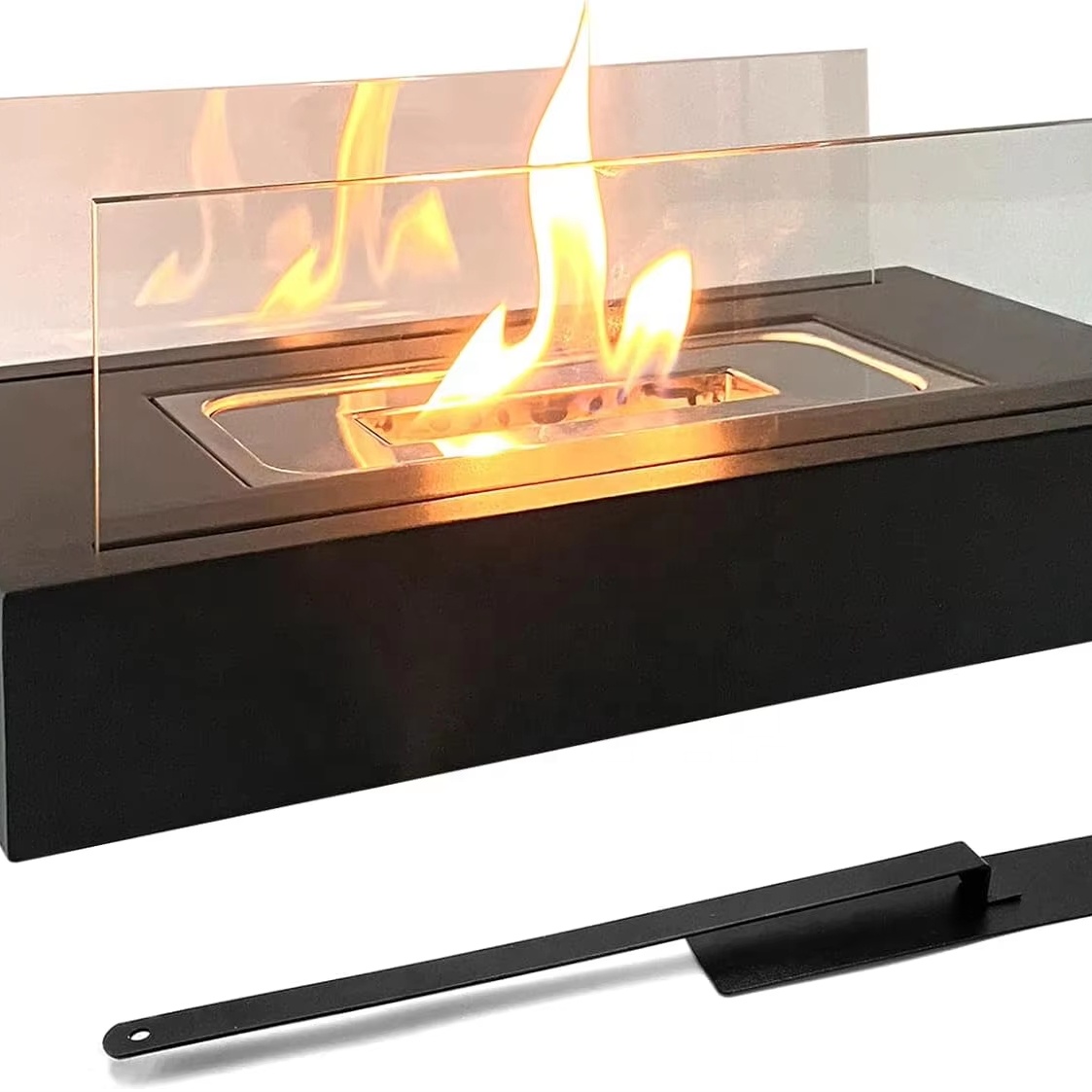
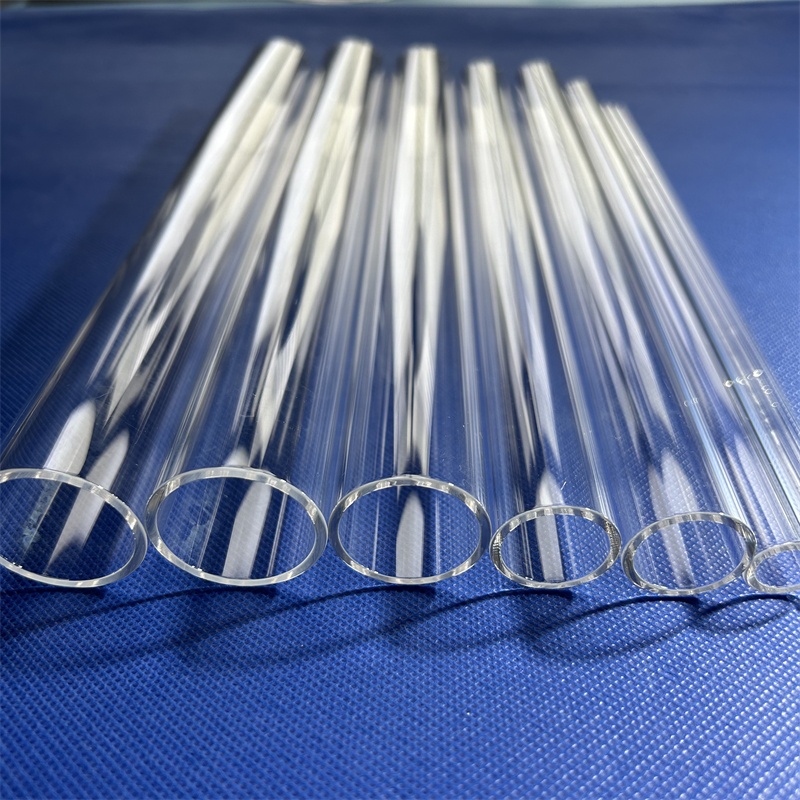
Open Ended Fused Quartz Frosted Glass Cylinder Ingot
- Precision CNC Cutting & Grinding
- Deep UV / Optical Substrate Grade
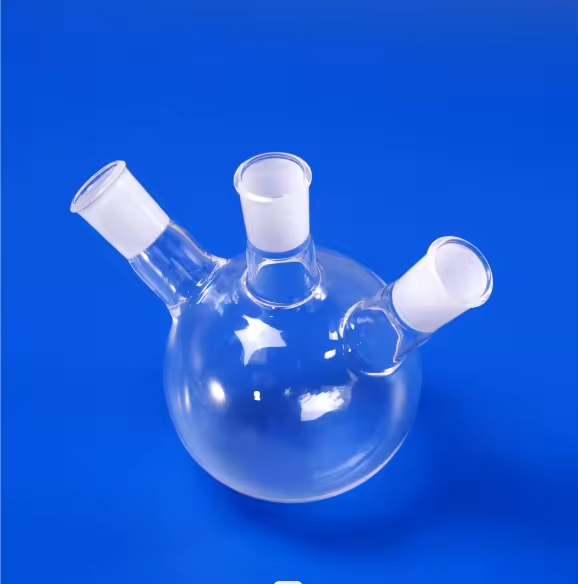
Direct manufacturer capabilities specializing in heavy-duty beakers, high-temperature combustion tubes, twin-bore quartz chambers, and XRD sample carriers tailored to European DIN/ISO tolerances.
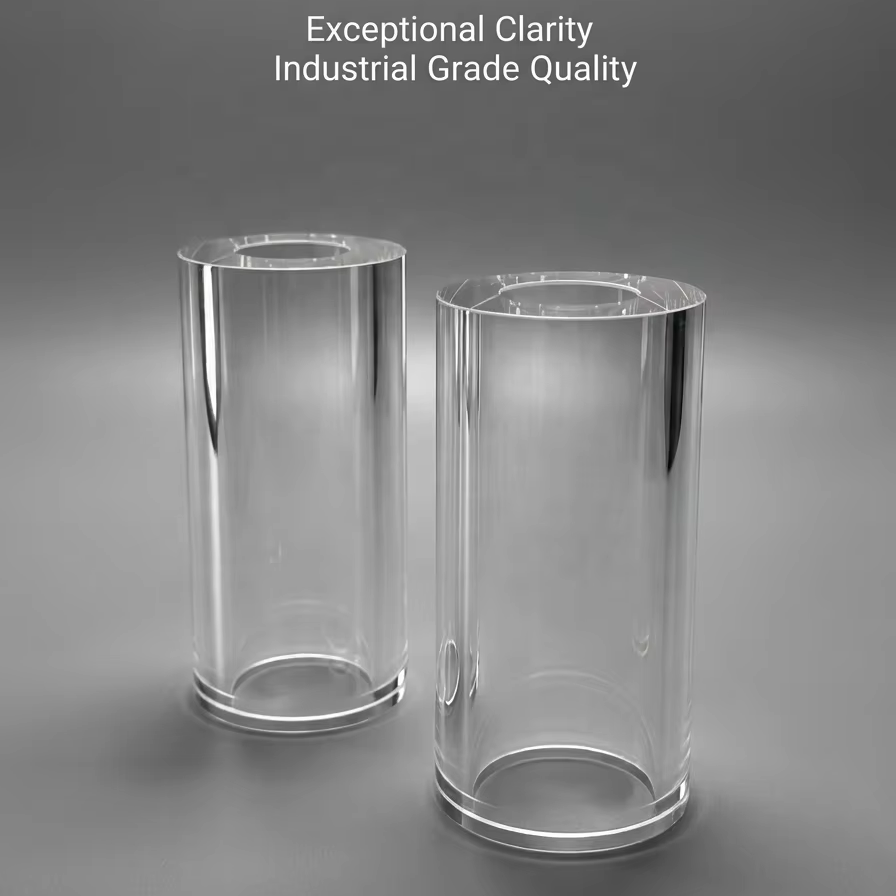
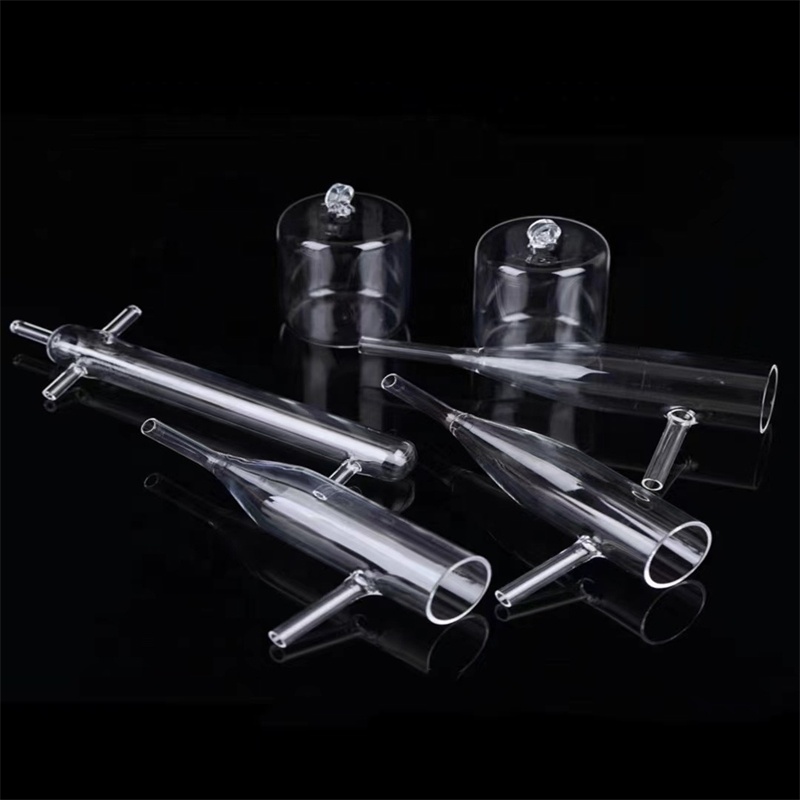
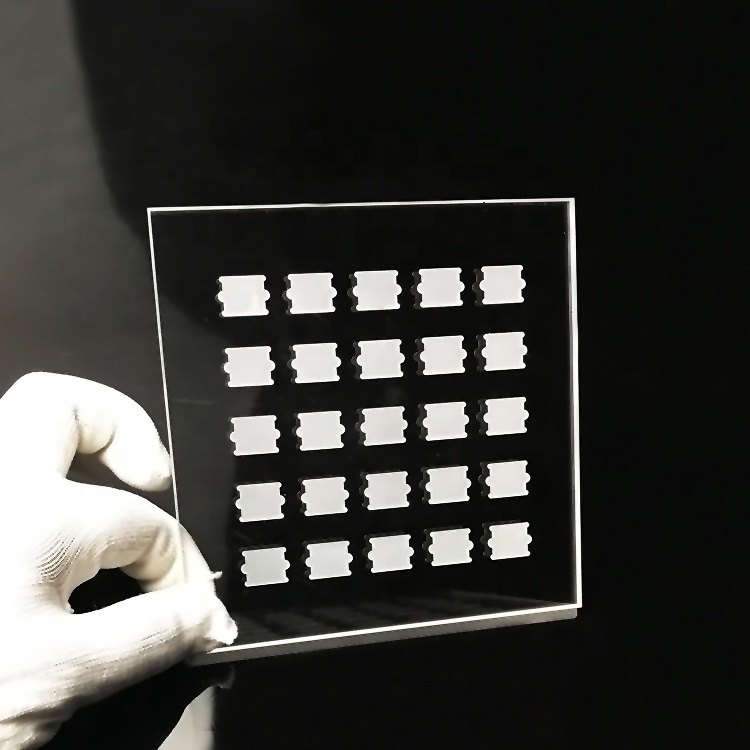

A rigorous examination of synthetic silica purity, thermal shock thresholds, and dimensional stability for northern Lithuania's demanding industrial and cleanroom laboratory environments.
Unlike standard borosilicate (DURAN/Pyrex) which contains up to 13% B₂O₃ and 4% Na₂O/K₂O, custom OEM fused quartz beakers manufactured by Zunex deliver an elemental silicon dioxide purity reaching up to 99.999% in synthetic silica formats. Trace elemental contaminations (Fe < 0.2 ppm, Al < 14 ppm, Ti < 1.0 ppm) are meticulously kept within sub-ppm limits, preventing ion leaching during high-temperature ultra-trace digestions or semiconductor wet bench cleaning across Baltic testing facilities.
With an extraordinarily low thermal expansion coefficient of 5.5 × 10⁻⁷ /°C between 20°C and 1000°C, custom quartz beakers withstand instantaneous temperature shifts that would instantly shatter ordinary glass. Operators in Šiauliai metallurgical synthesis labs can quench red-hot vessels directly into ice water without structural micro-fissuring. Continuous operating ceilings sit comfortably at 1100°C, with peak intermittent exposure handling up to 1300°C (strain point: 1075°C; softening point: 1683°C).
Fused silica forms an inert tetrahedral matrix that remains completely passive against all standard industrial acids—including concentrated HNO₃, hot HCl, fuming H₂SO₄, and Aqua Regia—even under boiling reflux. The only reacting agents remain Hydrofluoric acid (HF) and concentrated phosphoric acid (H₃PO₄) above 300°C. This guarantees that chemical analytical runs at Lithuanian R&D centers yield uncompromised, contamination-free spectral readings.
Šiauliai sits at the strategic logistical nexus of northern Lithuania, boasting advanced electronics fabrication, metal plating plants, plastics development, and university-affiliated materials research centers.
Companies operating inside the Šiauliai FEZ rely on high-precision custom quartz beakers for high-purity ultrasonic cleaning baths, surface etching, and component descaling. In semiconductor and micro-assembly lines, standard borosilicate fluffs off sodium residues that ruin silicon wafer yields; our JGS2-grade low-particulate beakers ensure an unadulterated wet-processing environment.
Lithuania is internationally renowned for its deep-tech laser and optical component manufacturing. For precision lens coatings, dielectric thin-film preparation, and optical polymer degassing in regional facilities, quartz beakers provide unmatched spectral UV transmission down to 185 nm, doubling as clean optical inspection viewports or reaction vessels under intense laser-induced thermal profiles.
The academic institutions of the Šiauliai region (including branches affiliated with Vilnius University) maintain rigorous physical chemistry and agronomy testing labs. Custom quartz beakers with calibrated wall thicknesses, heavy flat bottoms for magnetic stirrers, and pour spouts engineered against meniscus drips serve heavy acid digests, microwave syntheses, and calcination testing.
A systematic quantitative analysis justifying the operational longevity and thermal superiority of fused quartz in high-wear European facilities.
| Performance Metric | Zunex Fused Quartz (OEM) | Borosilicate Glass 3.3 | Transparent Sapphire |
|---|---|---|---|
| Primary Composition | SiO₂ ≥ 99.99% (Purity Matrix) | SiO₂ 81%, B₂O₃ 13%, Na₂O 4% | Single Crystal Al₂O₃ (100%) |
| Continuous Max Temp | 1100 °C (Short term: 1300 °C) | 450 °C (Short term: 500 °C) | 1800 °C (Ultra-high ceiling) |
| Thermal Expansion (CTE) | 5.5 × 10⁻⁷ /°C (Zero shock) | 33 × 10⁻⁷ /°C (Fragile to shock) | 58 × 10⁻⁷ /°C (Directional) |
| Deep UV Transmission | > 90% at 200 nm (JGS1 Grade) | Opaque (< 300 nm cutoff) | > 85% at 200 nm |
| Ionic Leaching Risk | Negligible (sub-ppb / sub-ppm) | High (Boron, Sodium in hot acid) | Zero ionic migration |
| Custom OEM Fabricability | High (Custom blowing, laser, CNC) | High (Standard mass blowing) | Extremely Low (Diamond grinding only) |
| Cost vs Lifetime Index | Optimized for extreme duty cycles | Low initial / frequent breakage | Extremely High premium |
Headquartered in Donghai County—the world-famous silicon and natural crystal hub—Zunex Quartz Products Co., Ltd. blends geographic raw material dominance with high-precision CNC laser finishing.
Situated directly at China's mineral synthesis center, Zunex commands direct upstream access to highest-grade quartz sand. This ensures that every OEM batch headed to Lithuania contains strictly verified SiO₂ concentrations without secondary re-melt crystallization defects or volatile micro-bubble anomalies.
Our workshop is outfitted with 5-axis laser drilling, micro-grooving, circular flame-welding, and surface lap-polishing machinery. We fabricate custom quartz beakers with heavy wall thicknesses (up to 8 mm), calibrated graduated markings, reinforced fire-polished rims, and customized flat flanges down to ±0.05 mm dimensional limits.
Quartzware is exceptionally fragile if inadequately packaged. We deploy multi-tier high-density polyethylene suspension foam, individual vacuum shrink sealing, and heavy wooden crating with tilt-and-shock indicators. Our direct international air express routes deliver safely to Šiauliai and the wider Baltic territory with guaranteed zero-breakage replacement policies.
Addressing essential technical specifications, European customs compliances, lead times, and engineering parameters for custom quartzware imports.
For custom drawings and prototype designs (50 ml up to 5000 ml), technical CAD review is finished within 2 hours. Sample fabrication typically requires 5 to 7 working days. Bulk production takes 12 to 18 days depending on laser-cutting complexity. Transit via direct DHL/FedEx air freight to Šiauliai takes roughly 4 to 6 business days, complete with tracking and customs documentation.
Yes. Fused quartz is purely inorganic silicon dioxide (SiO₂ ≥ 99.99%) and does not contain toxic heavy metals such as Lead, Cadmium, Hexavalent Chromium, or organic phthalates restricted under EU REACH and RoHS. Full raw-material chemical purity spectra and certificates of origin can accompany each shipment for seamless compliance audits in Lithuania.
Standard blown beakers frequently suffer from slightly convex or concave bottoms that cause stirring bars to wobble or decouple. We offer high-precision ground flat bottoms with flatness within ±0.05 mm, maximizing thermal contact with heating plates and ensuring smooth, decoupled rotational stirring at speeds upwards of 1500 RPM.
JGS1 is synthetic fused silica engineered for extreme deep-ultraviolet (DUV) optical clarity (185–2500 nm), free of bubbles and inclusions, commonly specified in photochemical reactors. JGS2 is standard electro-fused quartz with superb UV-visible performance (220–2500 nm), representing the most economical and durable grade for chemical beakers. JGS3 is low-hydroxyl infrared quartz (transmitting to 3500 nm), designated for IR heating ovens and combustion analysis.
We actively support both regional high-tech startups and large industrial enterprises across northern Lithuania. For fully custom dimensions, flanged spouts, or custom capacity volumes, our minimum order quantity starts as low as 1 to 5 pieces for prototyping, ramping smoothly to multi-hundred batch runs for scheduled recurring procurement.
Borosilicate 3.3 can tolerate rapid thermal differentials (ΔT) of roughly 100°C to 120°C before internal shear stresses produce crack propagation. High-purity fused quartz easily handles a ΔT exceeding 1000°C. It is standard factory testing protocol for our quartz beakers to be heated to 1100°C in a muffle furnace and plunged directly into cold water without thermal shock failure.
Accelerate your laboratory or industrial production line with tailored OEM quartz glassware built to exact DWG, STEP, or PDF drawings. Guaranteed response within 2 hours with complete manufacturability and price estimation.