UV Photoreaction
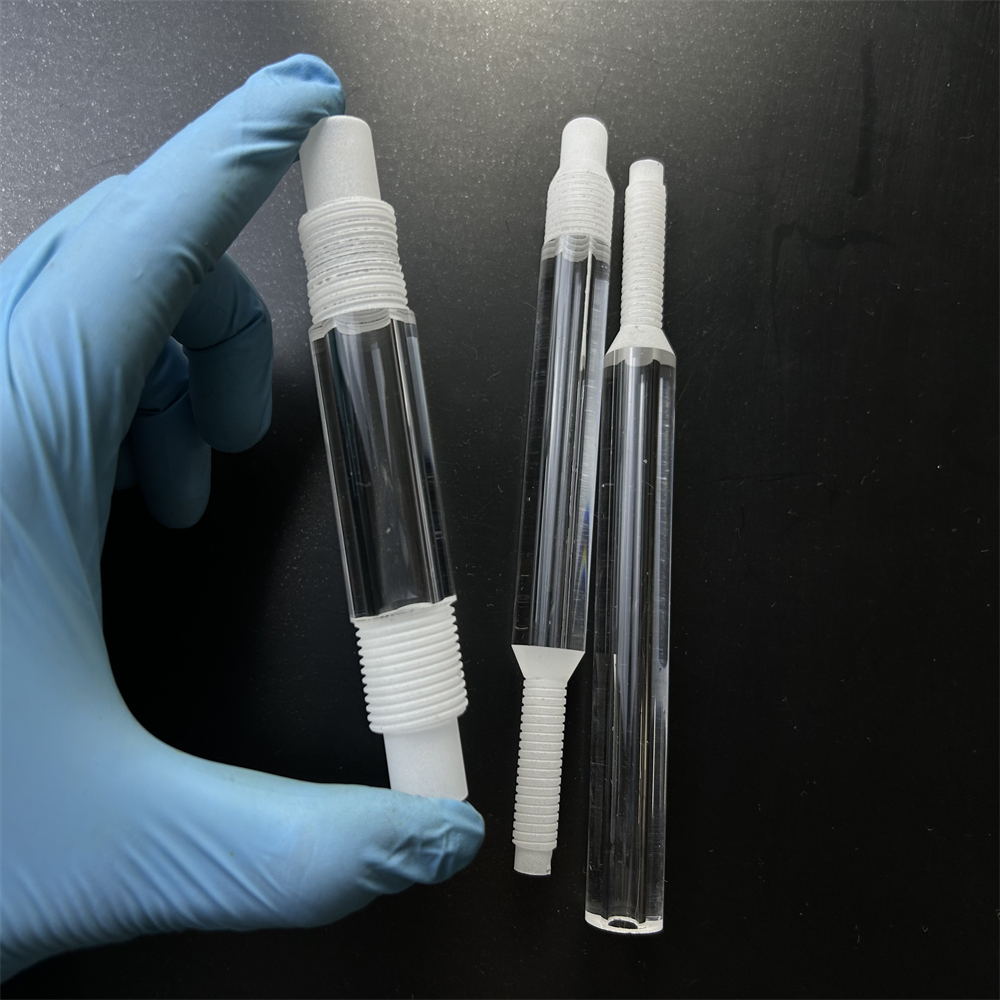
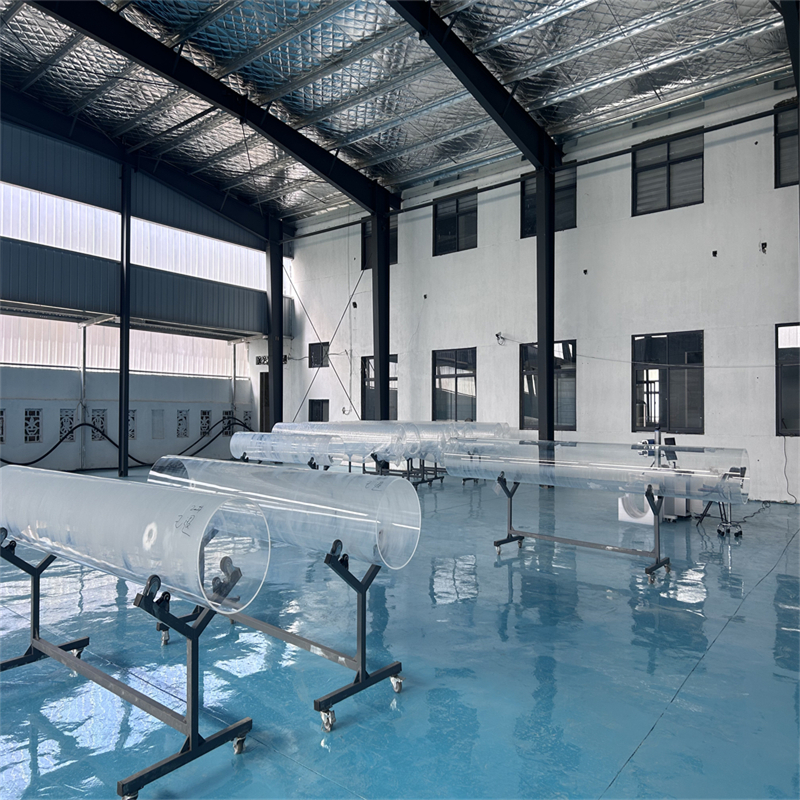
Direct from our manufacturing facility in Donghai to Austrian high-tech operations in Vienna, Graz, Linz, and Villach. Fully compatible with autoclave environments, chemical vapor deposition, and photochemical flow processes.
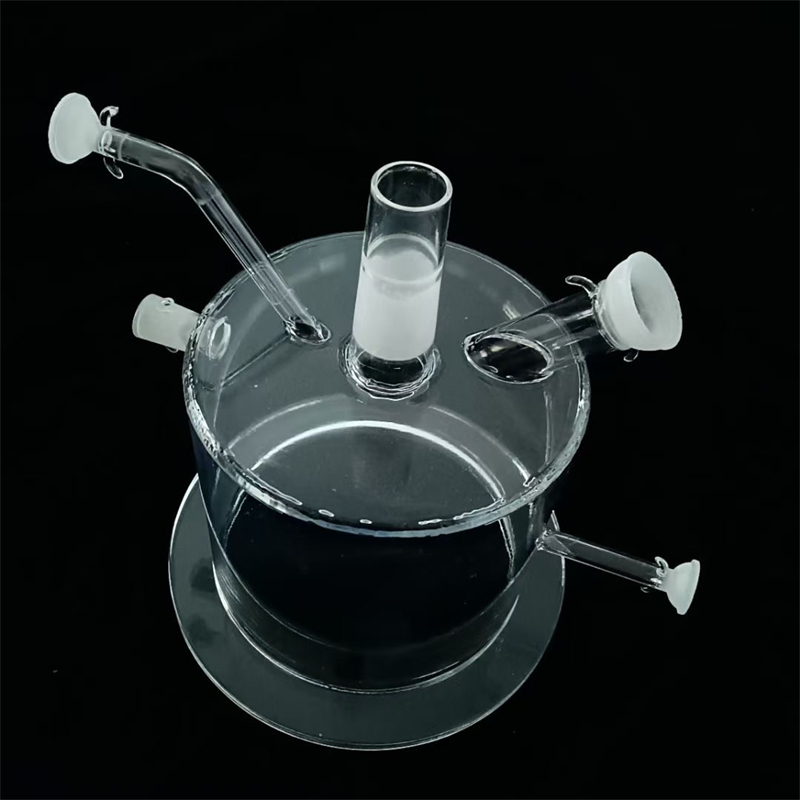
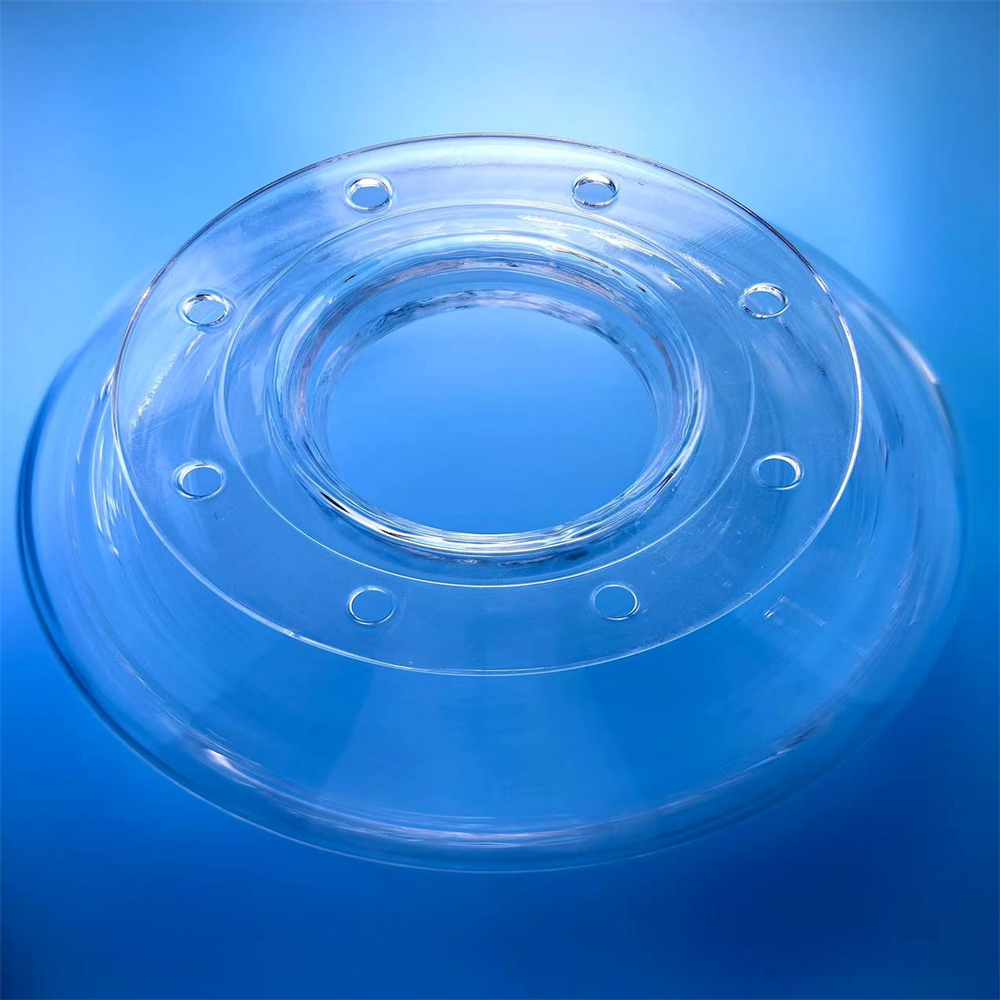
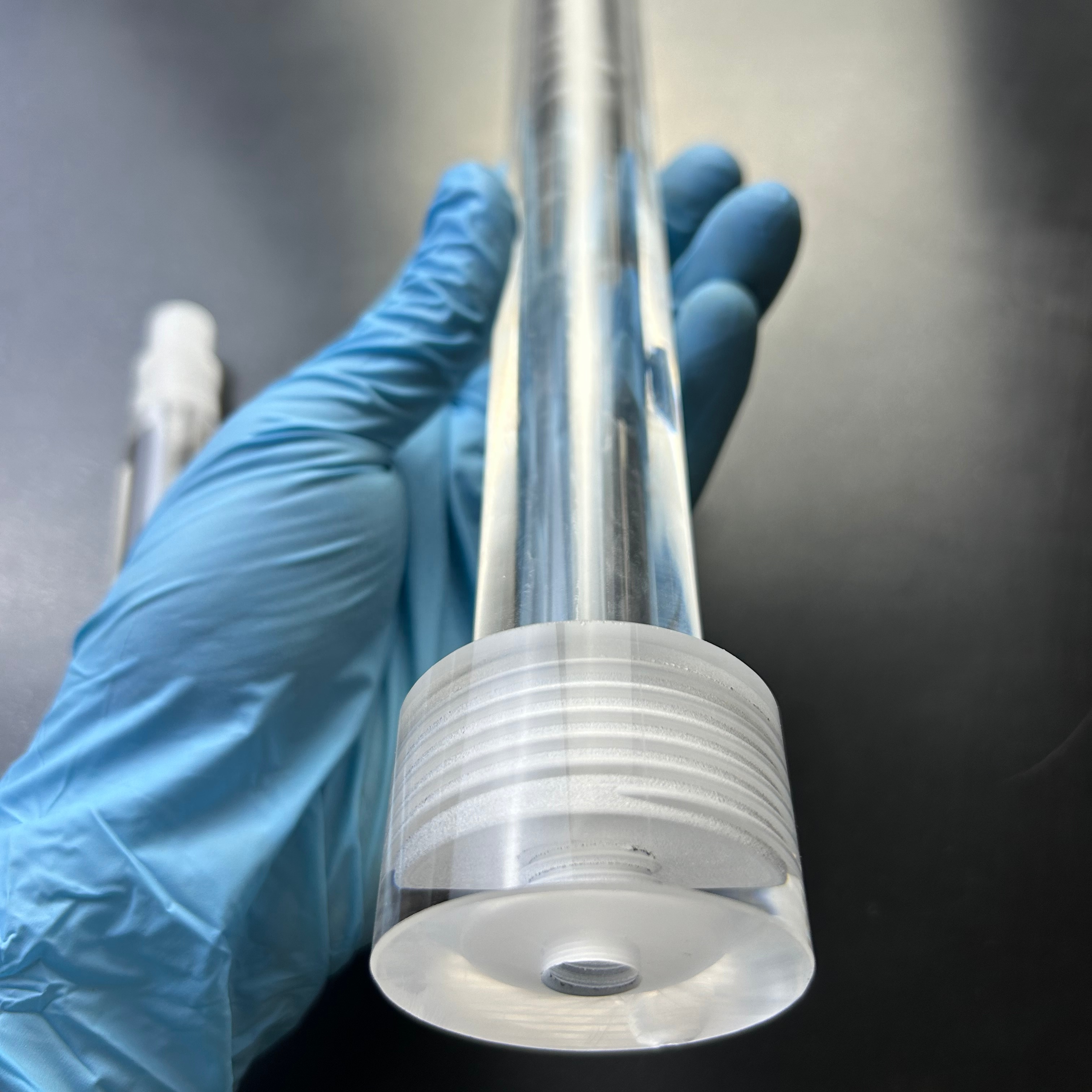
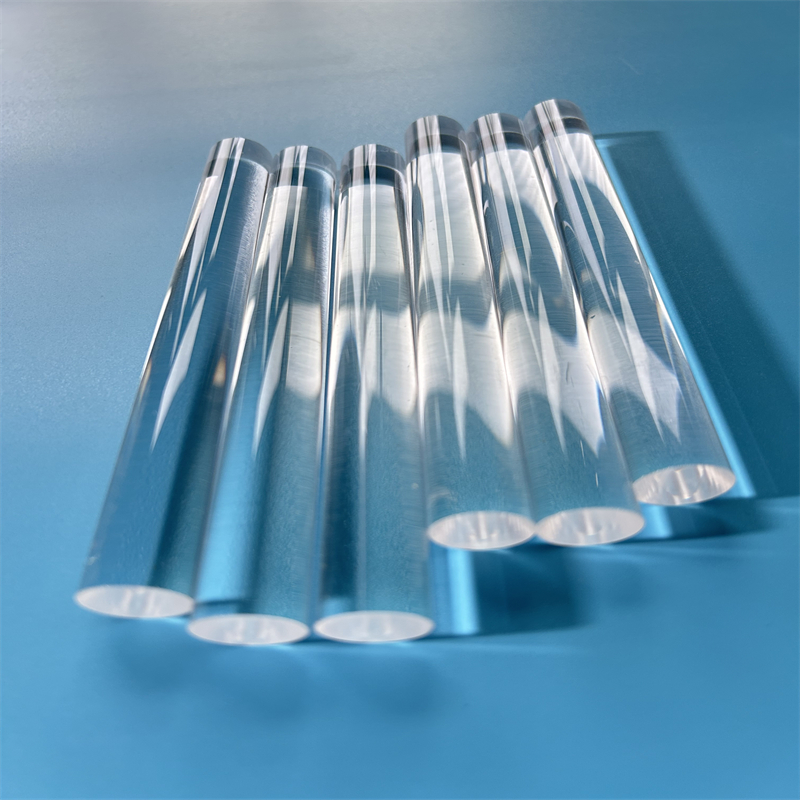
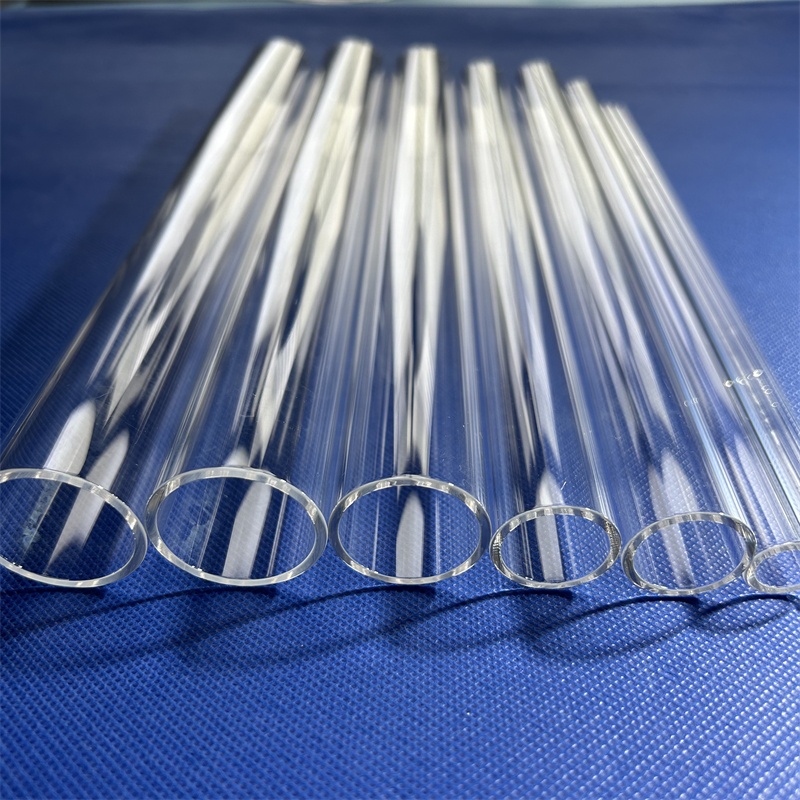
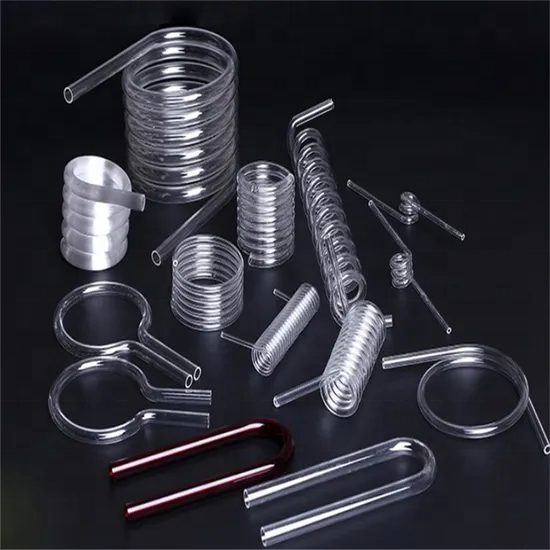
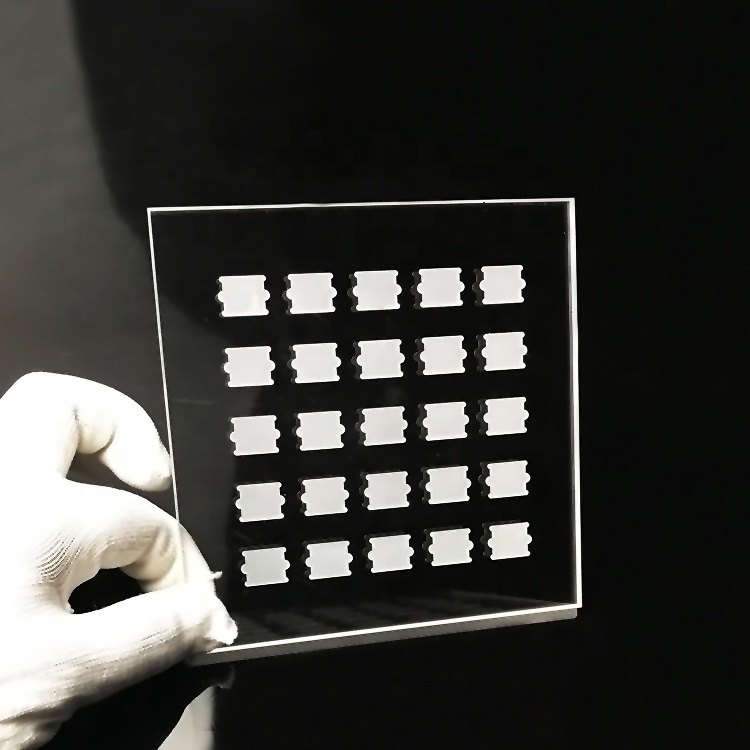
An in-depth metallurgical and physicochemical analysis of fused silica reaction apparatuses in high-temperature, corrosive, and photochemically driven synthesis environments.
In modern synthetic chemistry, pilot-scale specialty API manufacturing, and advanced semiconductor thin-film deposition, equipment engineers frequently encounter the performance limits of standard borosilicate 3.3 glass and fluoropolymers like PTFE. As reaction conditions escalate above 250°C or transition into high-intensity vacuum ultraviolet (VUV) irradiation ranges, borosilicate encounters thermal softening, optical solarization, and localized leaching of alkaline earth ions (boron, sodium, and aluminum). Zunex Quartz Products Co., Ltd. bridges this mission-critical gap by manufacturing bespoke fused quartz reactors that deliver absolute chemical inertness, withstand operating temperatures exceeding 1100°C, and provide high spectral transmission extending from 185 nm deep-UV through 3500 nm infrared.
Operating from Donghai County, China—globally acknowledged as the premier hub for silicon resource refinement—Zunex integrates raw synthetic and electric-arc quartz purification with cutting-edge German and Japanese precision cold-processing machinery. Whether designing a continuous-flow photochemical capillary reactor for active pharmaceutical ingredient (API) fluorination or fabricating a 400 mm outside-diameter vertical furnace chamber for solar cell silicon wafer diffusion, our OEM services ensure nanometer-scale surface polish, sub-micron dimensional tolerances, and certified structural stability conforming to European Pressure Equipment Directives.
| Fundamental Physicochemical Parameter | JGS1 (Synthetic Fused Silica) | JGS2 (Optical Fused Quartz) | JGS3 (Infrared Fused Quartz) | Testing Standard / Method |
|---|---|---|---|---|
| SiO₂ Purity (Mass Fraction) | ≥ 99.999% (5N Ultra-Pure) | ≥ 99.99% (4N Grade) | ≥ 99.99% (OH-Free Vacuum) | GDMS / ICP-OES Spectrum |
| Spectral Transmission Spectrum | 185 nm – 2500 nm (Deep VUV) | 220 nm – 2500 nm (UV-VIS) | 260 nm – 3500 nm (Extended IR) | Double-Beam Spectrophotometry |
| Hydroxyl Group (OH¯) Content | ≤ 1200 ppm (Hydrated Synthetic) | ≤ 150 – 200 ppm | ≤ 5 ppm (Water-Free IR Optimized) | FTIR Absorption @ 2.73 μm |
| Softening Point & Annealing Point | 1600 °C / 1180 °C | 1683 °C / 1215 °C | 1710 °C / 1230 °C | ASTM C338 / Dilatometry |
| Thermal Shock Resistance (ΔT) | 1100 °C to 20 °C Cold Quench (No Fracture) | 1050 °C to 20 °C Quench | 1100 °C to 20 °C Quench | Furnace Transfer to Ice Water |
| Coefficient of Thermal Expansion (CTE) | 5.5 × 10⁻⁷ / K (0 – 300 °C) | 5.4 × 10⁻⁷ / K | 5.5 × 10⁻⁷ / K | Interferometric Dilatometry |
| Refractive Index (nd @ 589.3 nm) | 1.45840 | 1.45845 | 1.45850 | Abbe Refractometer Prism |
Austria's sophisticated industrial landscape blends green chemistry, microelectronics, advanced metallurgy, and cutting-edge pharmaceutical bioprocessing. Our reactors meet the exacting requirements of regional hubs.
The southern Austrian tech corridor—anchored by global semiconductor manufacturing facilities in Villach and Graz—demands extreme purity for silicon carbide (SiC) and gallium nitride (GaN) epitaxy, wafer oxidation, and diffusion chambers. Alkaline ion trace leakage at temperatures above 1000°C ruins gate-dielectric integrity.
Zunex supplies customized large-diameter flanged quartz furnace tubes, high-purity quartz wafer carriers (boats), and quartz gas inlet injectors featuring metal impurity concentrations under 10 ppb for Cu, Fe, Na, and K. Integrated precision laser-slotted wafer boats support thin, brittle 150 mm and 200 mm compound semiconductor substrates with zero particle generation.
Inquire Now
From the Vienna BioCenter to industrial chemical manufacturing sites along the Danube Basin, Austrian process chemists are aggressively replacing batch reactors with continuous-flow microreactors (MRT). These processes involve aggressive halogenations, nitrations, and hazardous organometallic catalysts requiring visual reaction monitoring.
Our OEM manufacturing integrates coiled quartz capillary micro-channels, jacketed quartz reactors with vacuum insulation jackets, and double-side optically polished inspection windows. Because fused silica resists concentrated nitric, sulfuric, and hydrochloric acids up to their boiling points, our flow systems eliminate cross-contamination and vessel degradation.
Inquire Now
Austria's heavy industry transition—spearheaded by green hydrogen pilot projects in Linz and metallurgical research at Montanuniversität Leoben—requires thermal decomposition chambers, thermogravimetric analysis (TGA) quartz tubes, and BET surface area sample vessels capable of withstanding hydrogen embrittlement environments at 1200°C.
Zunex produces high-wall thickness, high-pressure quartz reactor bodies equipped with threaded GL fittings, PEEK adapters, and water-cooled stainless steel quick-connect flanges. Thermal expansion coefficients near zero allow repeated rapid thermal cycling without stress fracture.
Inquire NowHow the European Green Deal, Austrian Climate Strategy 2040, and Industry 5.0 are reshaping technical procurement standards for advanced quartz process vessels.
Austrian energy consortia are shifting toward direct solar-to-hydrogen and photocatalytic water splitting. Fused quartz photoreactors with >90% transmission in the 200-400 nm UV spectrum are essential to prevent parasitic photon absorption within the reactor vessel walls, maximizing photon-to-hydrogen quantum efficiency.
Austrian fine chemical processors are shifting from 10,000-liter stainless steel batch vessels to compact, continuous quartz microreactors. Quartz provides the dielectric transparency needed for simultaneous in-situ Raman and UV-Vis spectroscopy, enabling real-time Process Analytical Technology (PAT) and automated feedback control.
Austrian labor safety (AUVA) and plant compliance inspectors require robust structural proof for pressurized glass systems. Custom OEM quartz reactors require documented polarimetric stress analysis, verified hydrostatic burst pressures, and standardized EN 10204 3.1 material test certificates for silica purity and mechanical tolerance.
Combining the natural quartz resource advantages of Donghai with state-of-the-art multi-axis CNC machining, ultrasonic laser drilling, and certified cleanroom annealing.
Everything you need to know regarding material certifications, customs clearance in Austria, thermal stress, and precision manufacturing tolerances.
Fragile quartz equipment shipped to Vienna (VIE airport), Graz, or Linz is packaged using multi-layer molded EPE foam damping, internal vacuum immobilization, and reinforced multi-ply export wooden crates. Every batch is insured through DAP/DDP Incoterms via DHL Express, FedEx Priority, or direct air freight, ensuring door-to-lab safety with a 99.8% damage-free track record.
For standard ground taper joints (NS 14/23, 19/26, 29/32, 45/40), we machine to standard ISO 383 tolerances. For precision CNC milling, laser drilling, and centerless outer-diameter grinding, we consistently maintain dimensional tolerances within ±0.05 mm (±0.002 in), and down to ±0.01 mm for specialized semiconductor wafer carriers and light guide rods.
Yes. Upon request, every production run is accompanied by full batch traceability documentation, including spectrophotometer transmission scans from 185 nm to 3500 nm, ICP-OES trace metal impurity reports (≤15 ppm total impurities), and certificate of conformity with European chemical substance standards (RoHS and REACH compliant).
Fused silica has an exceptionally low coefficient of thermal expansion (5.5 × 10⁻⁷ / °C)—roughly one-sixth that of standard borosilicate 3.3. A Zunex quartz reactor body can be heated red-hot to 1100°C and plunged into cold water without cracking. However, for pressurized setups, thermal gradients across flange clamp connections must be controlled using graded thermal seals.
Standard prototype quartz apparatuses (flanged vessels, combustion tubes, U-bends, and jacketed cells) are generally fabricated and precision annealed within 7 to 14 business days following CAD sign-off. Express rapid-dispatch tracks are available for urgent research shutdowns at Austrian technical universities and cleanrooms.
Yes. We engineer quartz-to-stainless steel interfaces utilizing precision-ground O-ring grooves (FKM/FFKM), standard ISO-KF / ISO-K vacuum flanges, CF knife-edge flanges, and custom PEEK or PTFE compression collars suitable for integration into existing European pilot plants.
Send our senior engineering team your technical specifications, 2D sketches, or STEP files. We will review thermal, mechanical, and optical parameters and deliver an itemized quotation within 2 hours.
Inquire Now