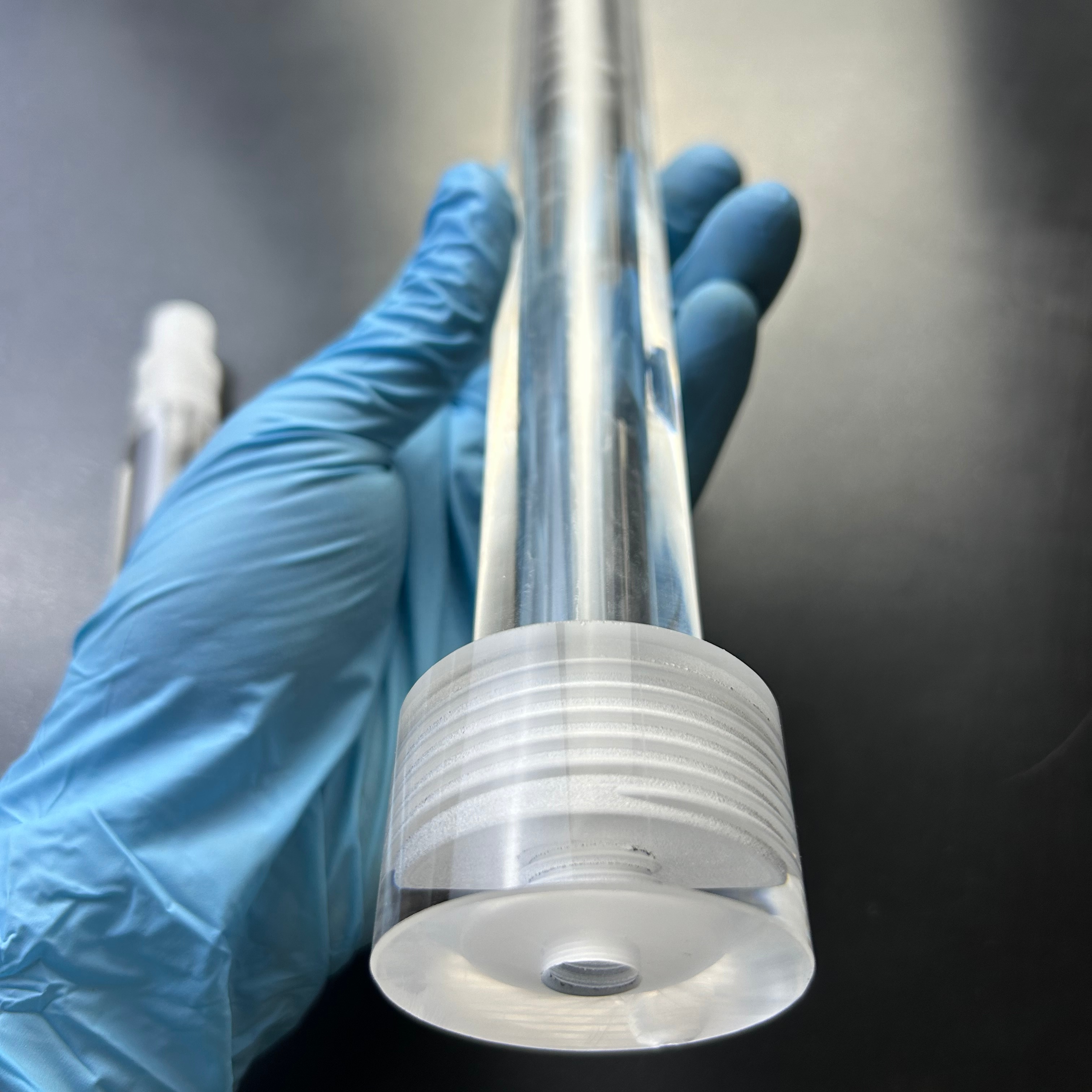
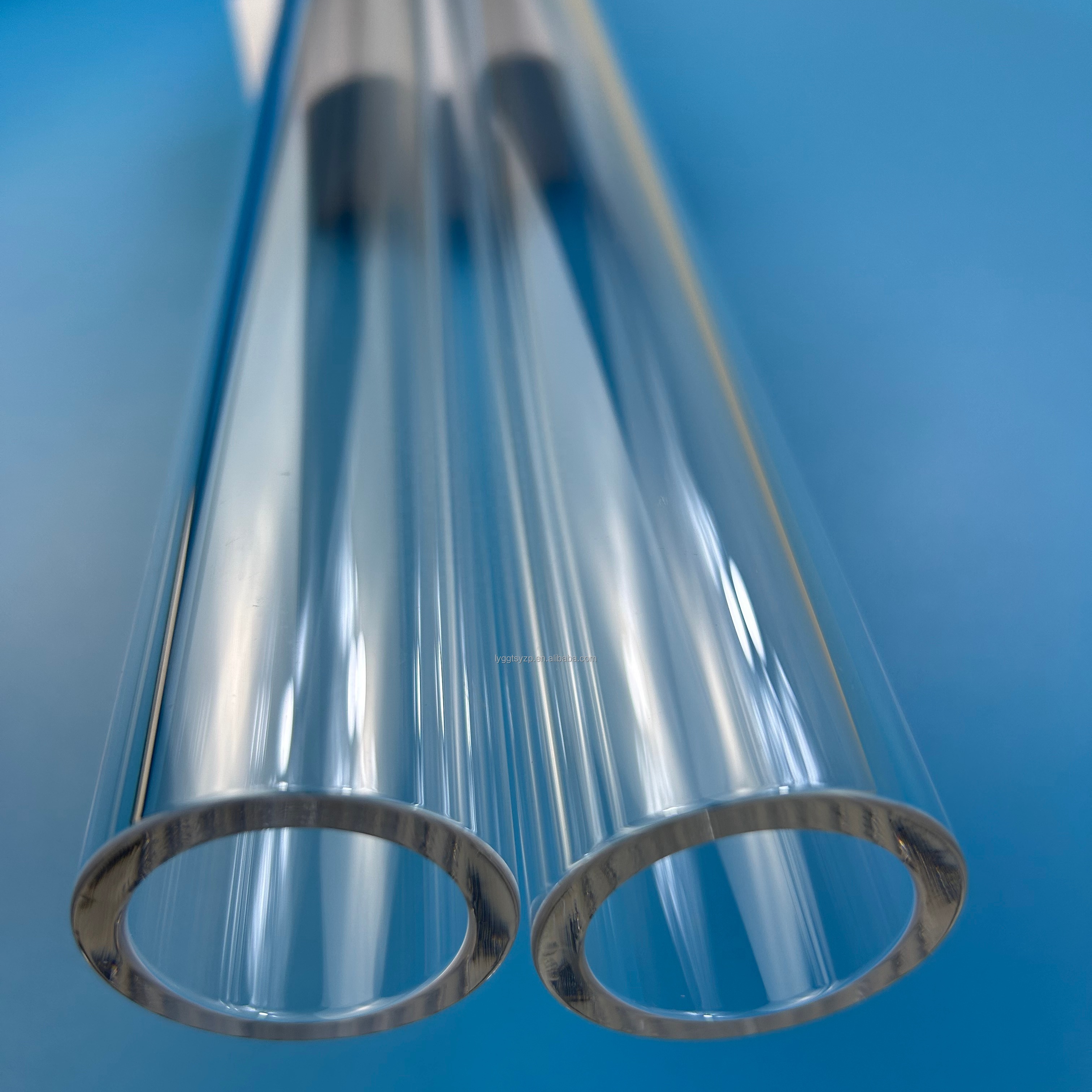
Custom High Purity Quartz Glass Twin Tube Bending/Welding
99.99% SiO₂
High Pressure
Laser Calibrated
Precision-drawn from high-purity natural silica sand in Donghai County. Every piece features exceptional chemical inertness, high thermal shock resistance up to 1300°C, and custom-toleranced geometries engineered to your technical schematics.

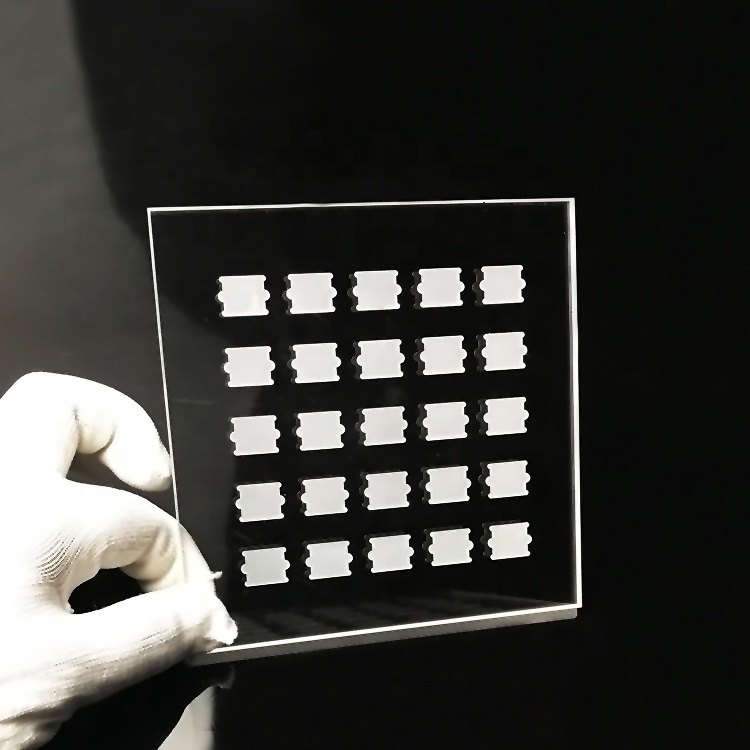
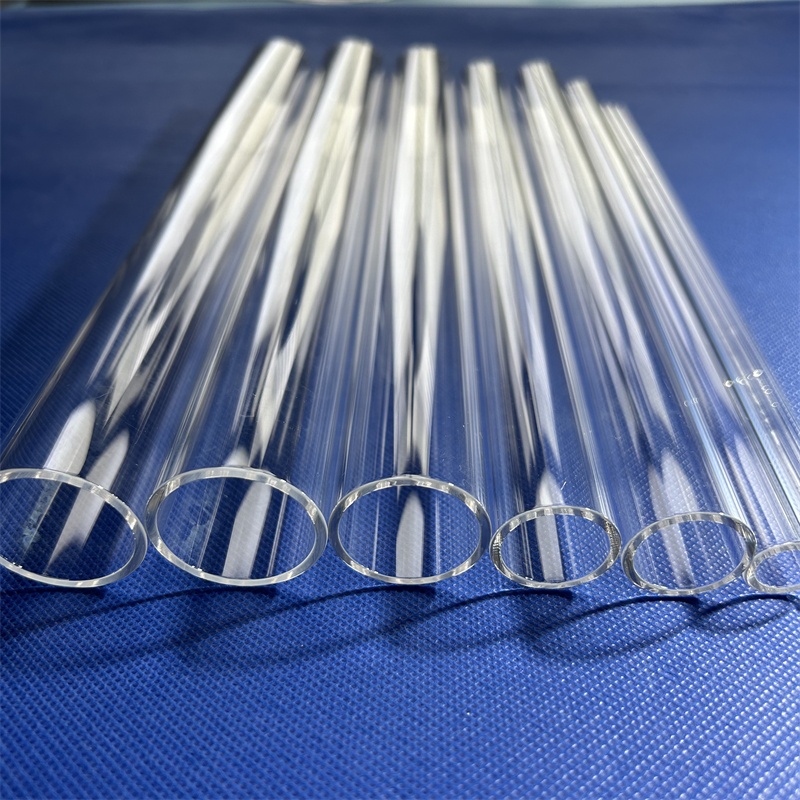
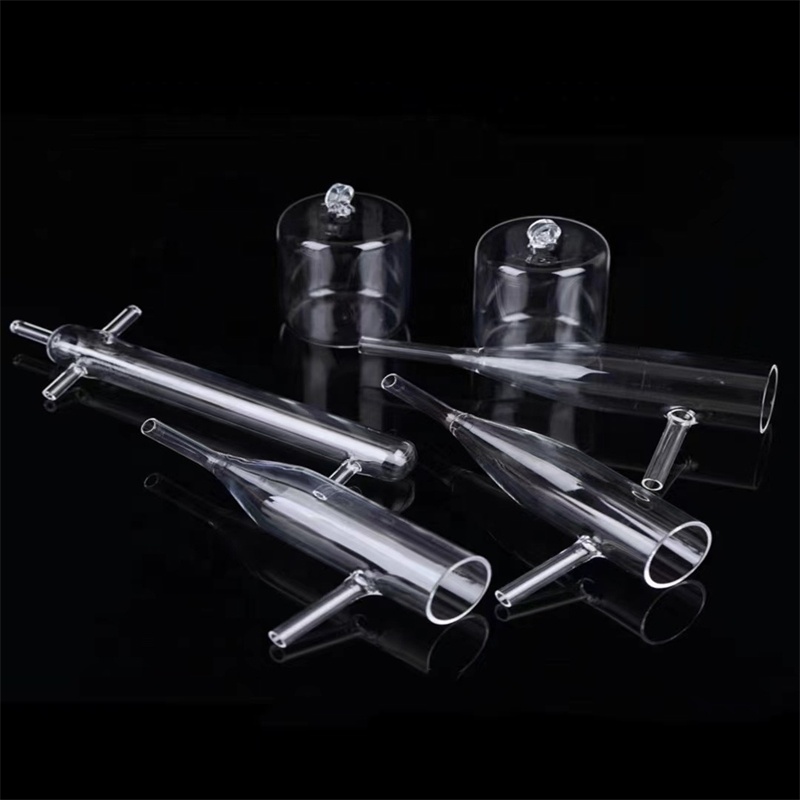
Belarus maintains a robust scientific infrastructure, heavy petrochemical refining, and an expanding optoelectronics cluster. Our custom quartz glass fabrication directly addresses the demanding process conditions encountered across major Belarusian manufacturing and research facilities.
Key operations at industrial complexes in Novopolotsk (Naftan) and Mozyr require high-pressure sight glasses, heavy-wall quartz level-gauge tubes, and combustion catalyst vessels resistant to boiling acids, hydrogen sulfide, and thermal cyclic shocks.
Minsk-based precision optical enterprises and research laboratories depend on deep-UV JGS1 synthetic silica windows, zero-expansion optical laser cavities, and laser-slotted micro-channels with surface roughness polished to Ra ≤ 0.2 nm.
Minsk microelectronics plants like Integral require precision-slotted diffusion boats, LPCVD vacuum furnace process tubes, and ozone-free twin-tube infrared quartz heaters to maintain zero heavy-metal particle migration during thin-film deposition.
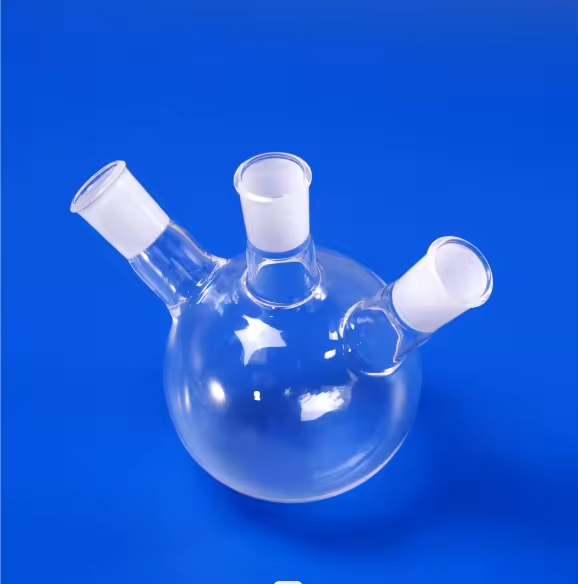
Institutes affiliated with the National Academy of Sciences of Belarus (NASB) routinely implement our specialized quartz flasks, distillation reactors, and circular zero-background XRD sample holders for advanced crystallography and powder analysis.
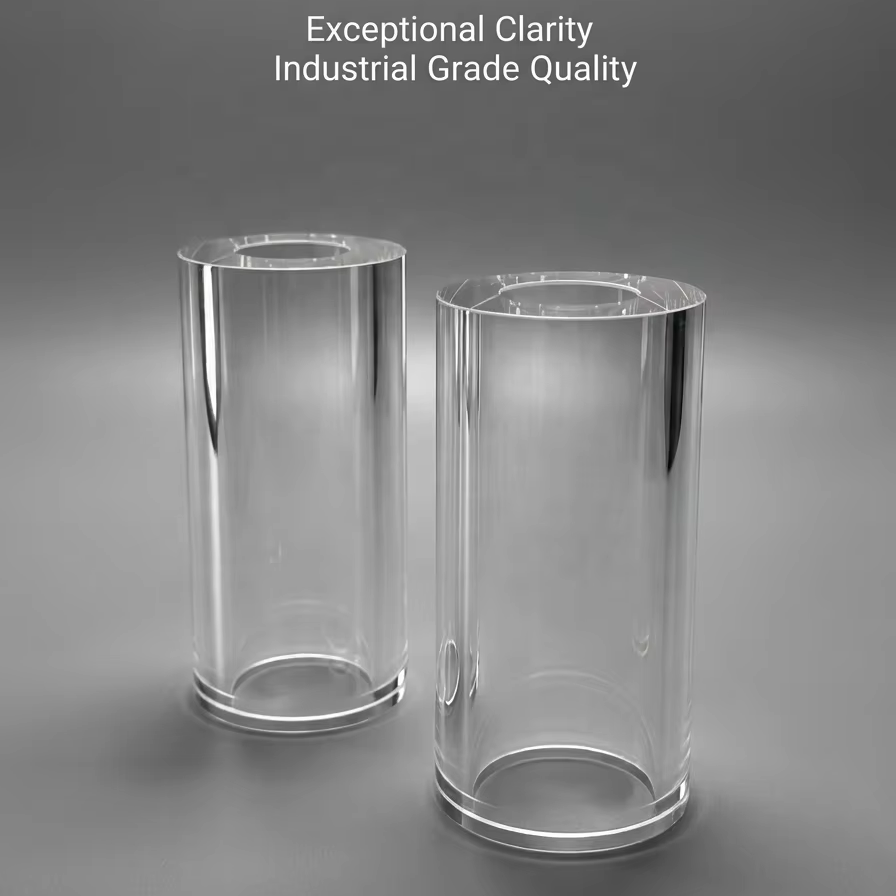
Metallurgical testing centers across Gomel and Mogilev deploy our immersion pyrometer protection sheaths, heavy quartz beakers, and continuous-casting quartz nozzles engineered to withstand liquid metal contact up to 1300°C without devitrification.
Belarusian chemical synthesis plants utilize large-format quartz evaporators and extraction columns where trace ionic contamination from ordinary borosilicate glassware would compromise strict Eurasian Economic Union (EAEU) pharmaceutical standards.
Belarusian industrial engineers and procurement heads are increasingly transforming their supply chain architectures to ensure process stability, direct pricing advantages, and stringent regulatory compliance.
Due to trade realignment and regional supply chain modifications within the EAEU, Belarusian enterprises are replacing historically inflated European distributors with direct Chinese source manufacturers. Sourcing directly from Donghai—China’s silica hub—provides savings of up to 35-50% while offering bespoke custom fabrication from CAD files without minimum order bottlenecks.
The continuous establishment of high-tech production lines inside the China-Belarus Industrial Park "Great Stone" has spurred intense domestic demand for precision cleanroom quartzware. Facilities focusing on new materials, high-power electronics, and solar PV require localized batch production, fast dispatch, and direct technical collaboration.
As chemical synthesis operating temperatures rise and corrosion standards tighten, conventional 3.3 borosilicate glass is reaching its thermal limitation (~500°C). Fused silica allows Belarusian analytical labs to safely conduct continuous high-temperature calcination, pyrolytic carbonization, and vacuum chemical vapor deposition up to 1100°C.
| Material Parameter / Property | High Purity Fused Quartz (Zunex) | Standard Borosilicate 3.3 | Engineering Benefit for Belarusian Users |
|---|---|---|---|
| SiO₂ Content | ≥ 99.99% | ~80% - 81% | Zero trace boron, sodium, or heavy metal contamination in ICP-MS & crystal research. |
| Continuous Working Temperature | 1100 °C (1300 °C Peak) | 490 °C - 500 °C | Allows continuous operations in high-temperature vacuum furnaces without sagging. |
| Thermal Expansion (CTE, 20-300°C) | 5.5 × 10⁻⁷ /°C | 33 × 10⁻⁷ /°C | Extreme thermal shock resistance; direct quenching from 1100°C into water without shattering. |
| Spectral Transmission Range | 185 nm – 3500 nm (JGS1/2/3) | 310 nm – 2200 nm | Essential for deep ultraviolet (DUV) spectroscopy and precision laser optics. |
| Softening Point | ~ 1683 °C | ~ 820 °C | Maintains structural integrity under extreme kiln combustion and vacuum pressure. |
Combining primary mineral resources in Donghai County with cutting-edge laser finishing and cold-machining workshops to ensure unmatched precision and dependable Eurasian logistics.
We process directly from PDF, DWG, DXF, or STEP 3D models. Full in-house capabilities including optical fire-polishing, ultrasonic drilling, precision beveling, flanging, and micro-grooving with tight tolerances down to ±0.05 mm.
Our sales engineering unit provides technical evaluations and formal quotations within two hours. Every inquiry is verified by an application engineer to confirm thermal thresholds, stress relief annealing, and production feasibility.
Fragile quartz instruments are secured using high-density tailored EPE foam molds, vacuum shrink sealing, and non-fumigation plywood cases, guaranteeing zero transit breakages via China-Europe Railway Express or air cargo to Minsk-2.
Every shipment includes spectrophotometer transmission curves, dimensional CMM inspection sheets, and polariscope annealing stress checks to ensure pristine bubble-free clarity and long cycle lives under Belarusian industrial loads.
Clear, direct answers regarding customs declarations, EAEU technical standards, logistics channels, and product customization.
We provide full export documentation including commercial invoices, HS-code optimized packing lists, and Certificates of Origin (CO). Goods ship via China-Europe Railway Express (direct to Kolyadichi/Minsk terminals, 14–18 days) or express air freight (5–7 days). Belarusian buyers or their local customs brokers clear goods smoothly under standard EAEU import rules.
Yes. Our engineering division regularly interprets engineering drawings adhering to GOST 15130-86 (Optical Quartz Glass), GOST 8414-57, as well as European ISO/DIN and US ASTM standards. Tolerances, surface roughing (Ra/Rz), and chamfer details are translated into precise production workflows without deviation.
Choose JGS1 (Synthetic Silica) if you work in deep ultraviolet (DUV 185-2500 nm) or laser optics requiring zero bubble inclusions. Choose JGS2 (Fused Quartz) for general thermal laboratory tubes, sight glasses, and chemical reaction ware (220-2500 nm). Choose JGS3 (Infrared Grade) when operating infrared heaters or NIR sensors requiring low hydroxyl content (OH ≤ 5 ppm) up to 3500 nm.
We boast a transit breakage rate of under 0.1% due to custom multi-layer suspended packaging. In the rare event of transit damage, you only need to share photos and batch details within 48 hours of unpacking. We immediately trigger priority remanufacturing and ship free replacements via express air freight.
We welcome small pilot batches and prototypes (MOQ as low as 1 to 5 pieces for complex custom labware) as well as continuous containerized volume. Standard custom CNC cold-machining runs require 7–12 working days; rapid prototyping can be prioritized within 3–5 working days upon drawing freeze.
We support multiple flexible settlement methods, including Chinese Yuan (CNY) wire transfers (direct cross-border interbank payments via CIPS without third-currency exchange frictions), as well as USD and EUR telegraphic transfers (T/T). Standard commercial terms are 30% deposit with 70% balanced against pre-shipment photo/video inspection.
Send us your dimensional drawings, required purity grade, and annual quantity. Our seasoned technical engineers review manufacturability and furnish a formal quotation with certified DDP/CIP Minsk delivery estimates within 2 hours.