Featured Quartz Light Guide Assemblies & Synthesized Components
Explore custom fabricated fused quartz light pipe architectures, precision rods, crucibles, and optical chambers calibrated for demanding photochemical and photon-transmission environments.
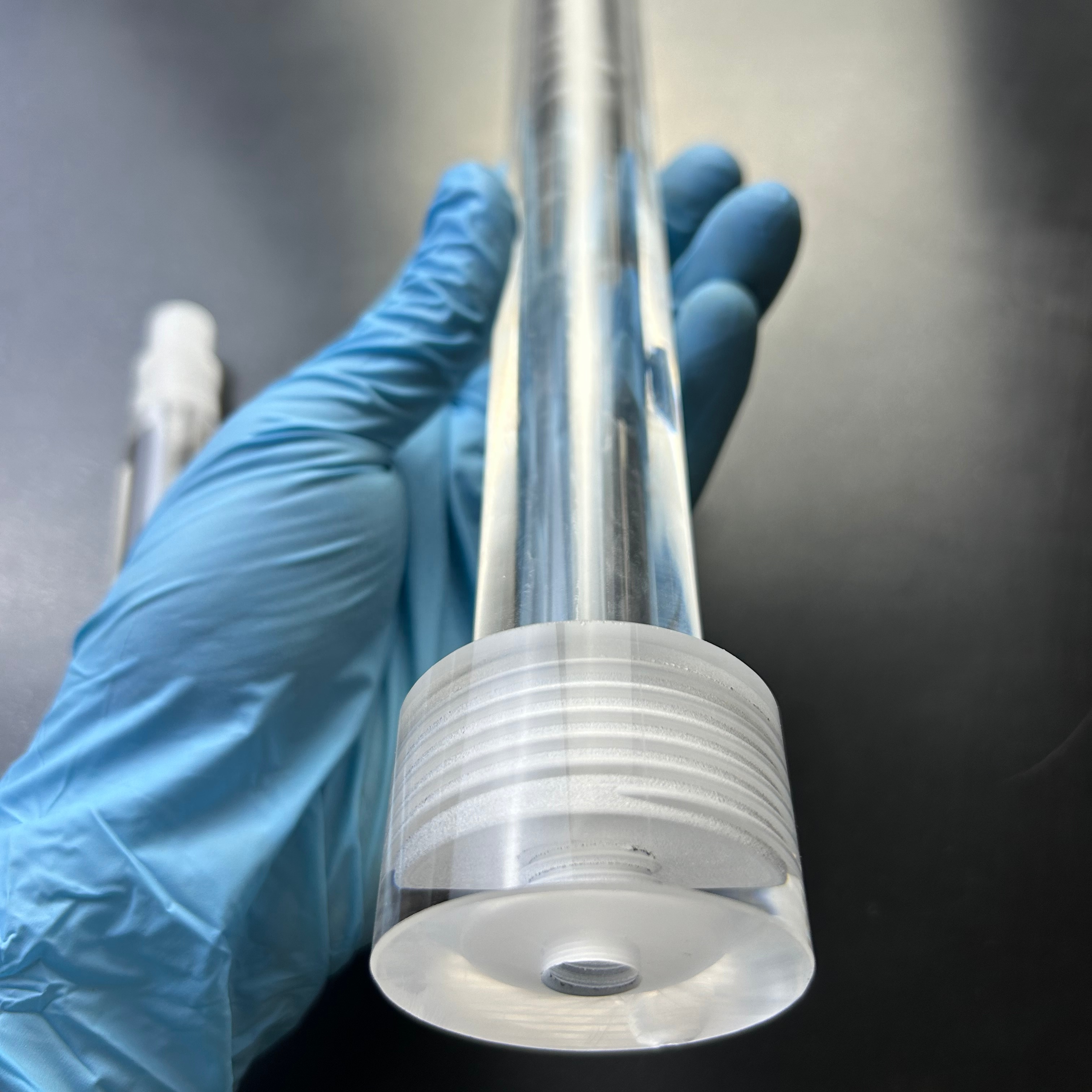
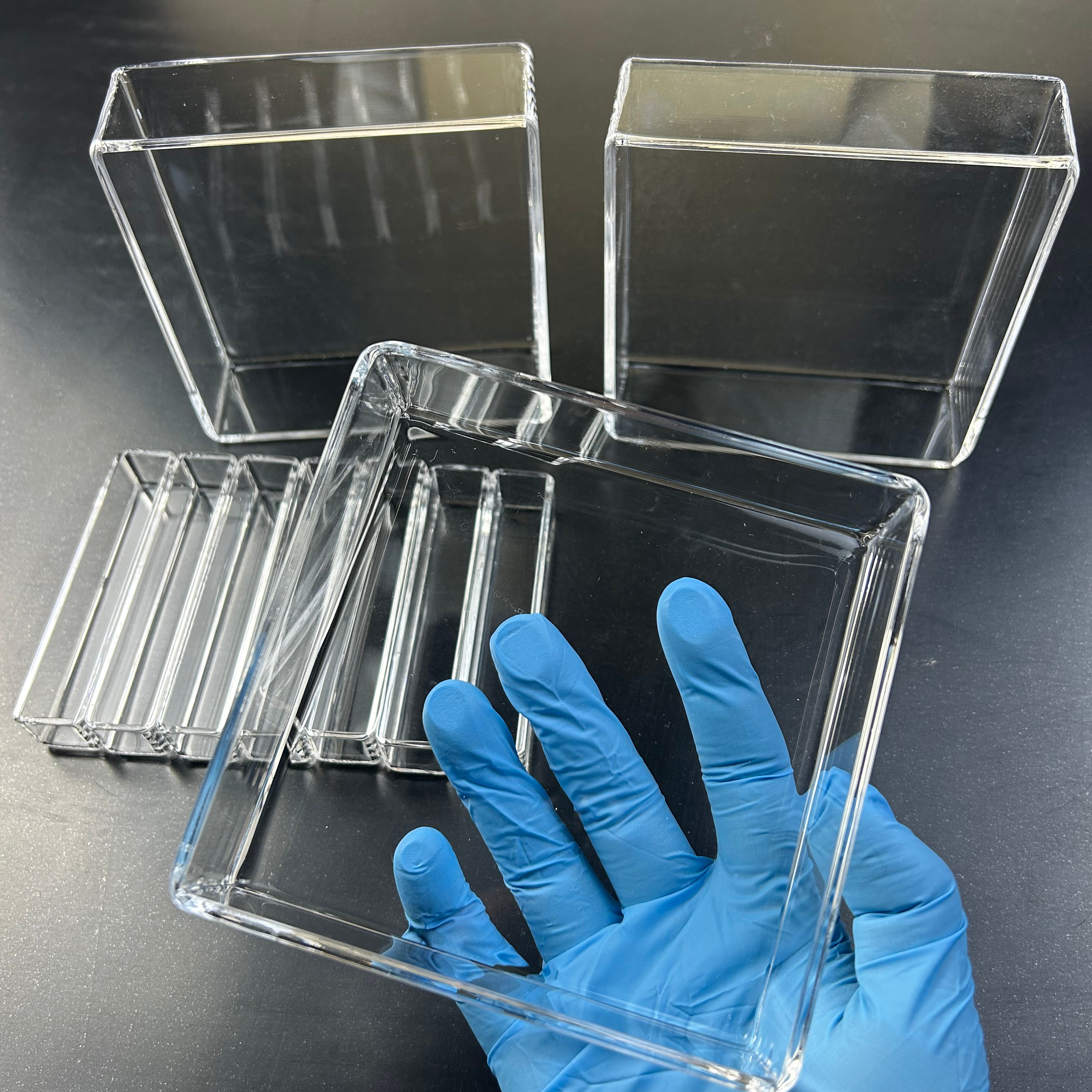
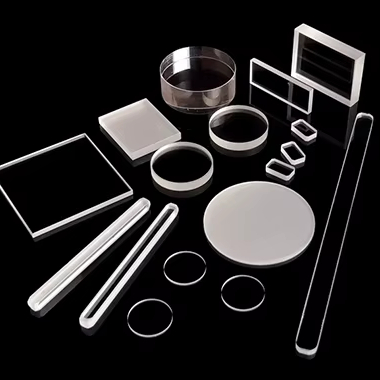
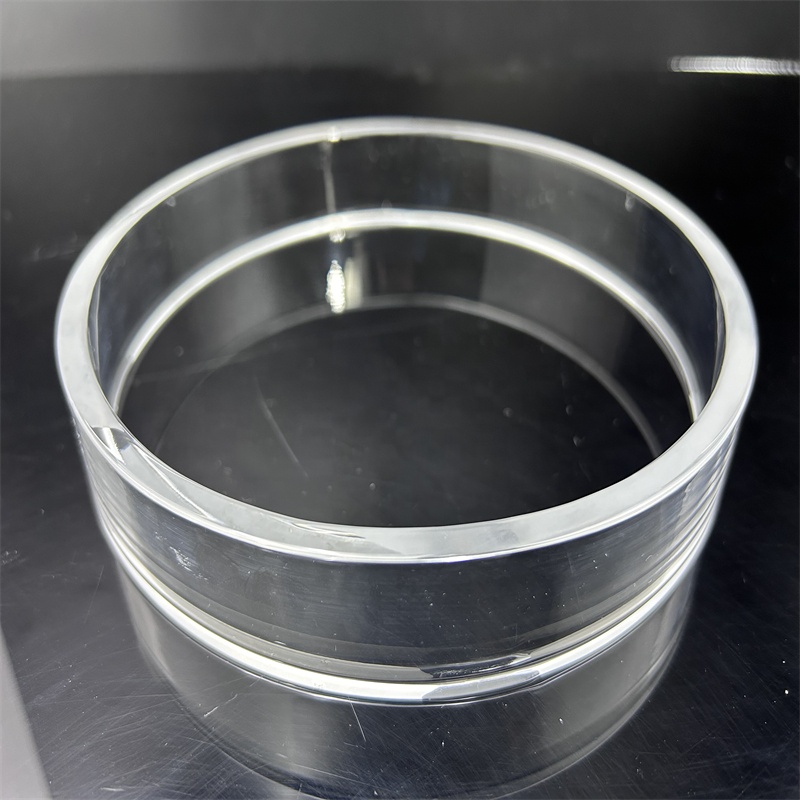
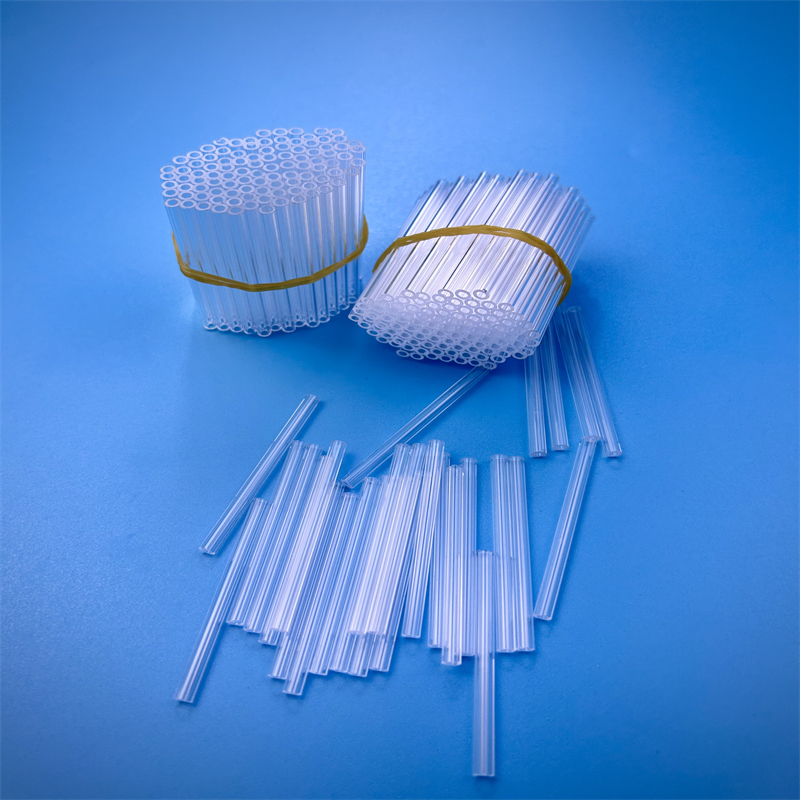


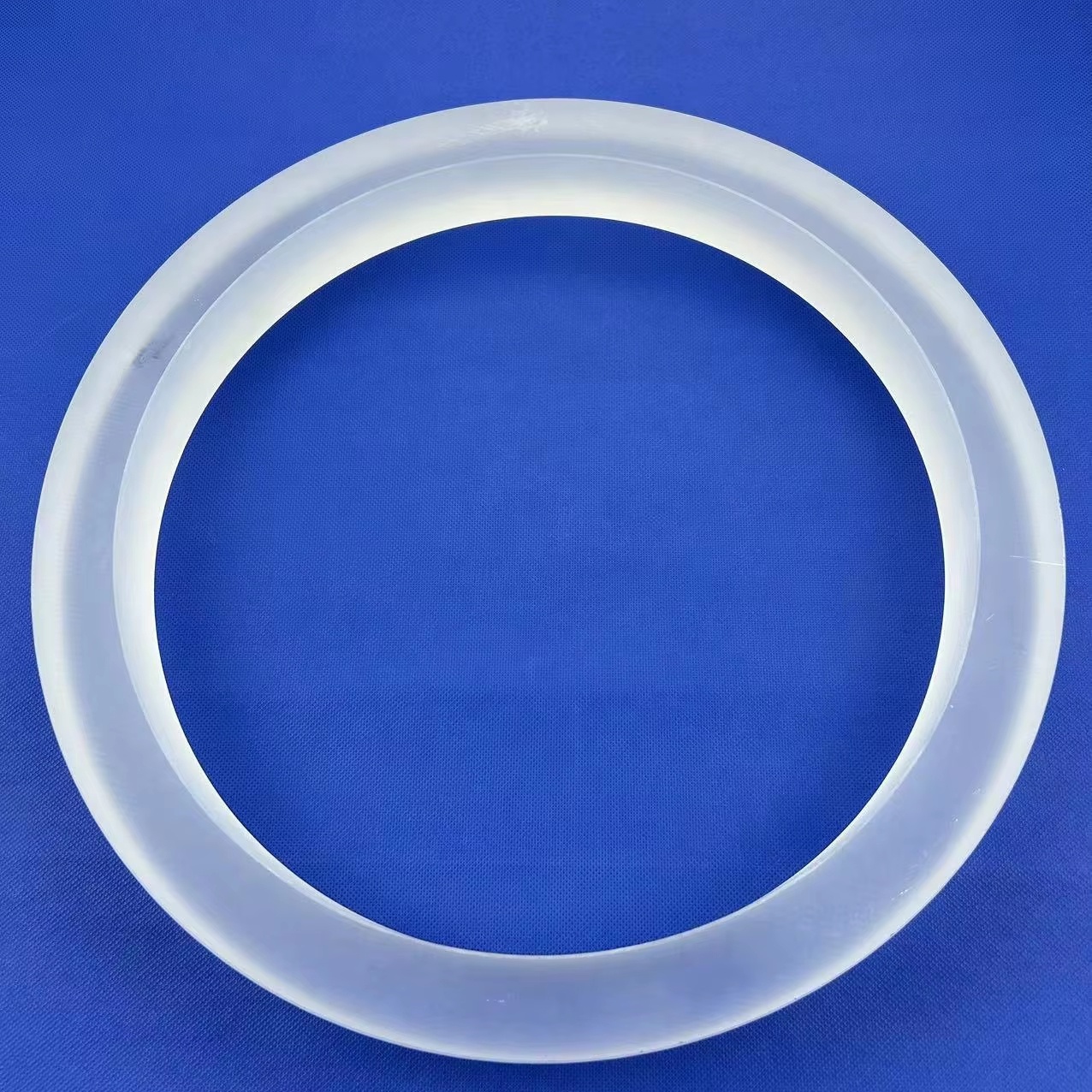
Engineering Principles of Quartz Light Guides in Advanced Manufacturing
Synthetic and natural fused silica quartz light guides serve as critical physical vectors for non-dispersive photon transmission across the electromagnetic spectrum, bridging deep ultraviolet (DUV: 185 nm) through near-infrared (NIR: 3500 nm). Unlike multi-component optical silicate glass or polymeric optical fibers (POF), vitreous silica exhibits an amorphous tetrahedral silicon dioxide (SiO₂) matrix characterized by short-range structural order and exceptionally low internal scattering coefficients.
For original equipment manufacturers (OEMs) and process engineering teams navigating precision assemblies, the efficiency of total internal reflection (TIR) within solid quartz light pipes depends fundamentally on surface boundary morphology and the purity gradient of the vitreous mass. Internal transmission is dictated by the chemical stoichiometry of the raw crystal quartz, strictly regulating trace metal contaminations (such as Fe, Al, and Ti) to sub-ppm levels to suppress transition metal absorption bands in the UV spectrum, while strictly governing hydroxyl (-OH) radical concentrations to mitigate vibrational absorption overtones at 1380 nm, 2200 nm, and 2730 nm.
| Material Grade | Synthetic / Fused Base | Transmission Window | OH Ion Concentration | Optimal Industrial Use-Case |
|---|---|---|---|---|
| JGS1 | Synthetic Fused Silica | 185 nm – 2500 nm | ≤ 1200 ppm (Hydrated Base) | UV Laser Delivery, Lithography, UV Curing Optic Pipes |
| JGS2 | Electro-Fused Natural Quartz | 220 nm – 2500 nm | ≤ 30 – 50 ppm | Broadband Inspection, Visible Light Guides, Sight Glass |
| JGS3 | Vacuum Melted Synthetic/Natural | 260 nm – 3500 nm | ≤ 5 ppm (Water-Free) | Infrared Diagnostics, Pyrometric Sensors, Thermal Radiators |
Mechanical shaping of optical light guides mandates strict control of micro-cracks and residual thermal stresses. Annealing at the relaxation point (~1100°C to 1215°C) ensures birefringence is kept below 5 nm/cm, preventing depolarization of laser light in polarization-sensitive metrology systems.
Quartz Light Guide Applications Across the Vitebsk Regional Ecosystem
Strategic deployment in the Vitebsk industrial cluster, addressing specific technical demands in specialized machine building, electronic manufacturing, chemical synthesis, and environmental instrumentation.
High-Precision Machine Tool Diagnostics
Vitebsk has historically anchored machine tool manufacturing. Modernizing these systems requires high-stability optoelectronic sensors. Fused quartz light guides provide thermally stable, zero-drift optical paths for non-contact laser interferometer alignment and tool wear tracking within high-vibration machining centers, surviving aggressive coolant mist environments.
Industrial UV Curing for Electronic Encapsulation
Producers of printed circuit boards, specialized telecommunication modules, and micro-electromechanical components within regional technological clusters rely on JGS1 synthetic quartz guides. These components transfer 254 nm and 365 nm high-intensity LED light precisely to photopolymer resins, preventing thermal distortion of adjacent substrate layers.
Chemical Petrochemical Process Spectroscopy
Operating along the northern industrial corridor adjacent to large-scale petrochemical refining facilities, in-line absorption spectrophotometers demand physical probe components resistant to anhydrous acids, halogens, and high-pressure steam. Pure fused quartz light pipes isolate sensitive spectrometers from volatile processing loops.
Medical Photodynamic & Therapeutic Instrumentation
Medical research laboratories and biomedical device manufacturers in the Vitebsk healthcare cluster implement biocompatible, non-toxic optical quartz waveguides for dermatological laser delivery, micro-surgical illumination, and endoscopic light channeling requiring rigorous autoclave sterilization at 134°C.
Pyrometric Flame Monitoring & Power Generation
Municipal heating plants and heavy industrial thermal power boilers utilize customized JGS3 water-free infrared quartz rods to transmit optical radiation from high-temperature combustion chambers directly to external IR detectors without thermal shock degradation or mechanical rupture.
Procurement Dynamics and Industrial Trends in the Vitebsk Regional Market
The manufacturing landscape in the Vitebsk region is experiencing a decisive structural pivot toward industrial automation, specialized optoelectronic engineering, and localization of component supply chains. Historically dependent on general mechanical engineering, regional procurement managers now encounter tightened specifications driven by cross-border technical standards and modernization projects.
Key evolutionary drivers defining optical and quartz component sourcing include:
- Transition from Standard Glass to Vitreous Fused Silica: Conventional borosilicate components frequently fail in localized high-speed automated processes due to thermal degradation and solarization under continuous ultraviolet irradiation. Fused quartz delivers unyielding dimensional stability (thermal expansion coefficient of 5.5 × 10⁻⁷/°C), eliminating downtime.
- Demand for Complex CAD/CAM Geometries: Simple linear rods are being superseded by contoured, multi-leg bifurcated guides, U-bent tubes, and prism-integrated ends designed to route light around congested robotic assemblies.
- Direct-from-Source OEM Sourcing Strategies: To combat localized middleman inflation and prolonged procurement lead times, purchasing departments in Vitebsk are actively establishing direct integration pipelines with vertically integrated quartz processing factories capable of supplying certified batch documentation.
Zunex Quartz positions itself as an agile manufacturing partner for Vitebsk engineering teams, bridging raw mineral enrichment from China's quartz capital (Donghai) directly to localized European assembly lines.
Why Engineering Teams Choose Zunex Quartz
Direct manufacturing transparency, precision fabrication facilities, and verified global export infrastructure.
Donghai Manufacturing Base
Located in the heart of China's primary crystal and quartz processing hub, our direct factory infrastructure eliminates trading markups and ensures raw high-purity SiO₂ crystal availability.
Micron-Tolerance Laser Finishing
Equipped with CO₂ and UV laser machining centers capable of non-contact drilling, micro-grooving, precise profile cutting, and flame-polished optical ends with roughness down to Ra < 0.05 μm.
100% Quality Verification
Every component undergoes optical spectrographic transmission testing, polarimetric residual stress measurement, coordinate measuring machine (CMM) dimensional verification, and bubble/inclusion classification.
Rapid Engineering Feedback
Our average technical evaluation and quotation response time is maintained under 2 hours, supported by dedicated mechanical engineers ready to review CAD models (STEP/DWG/PDF).
Specialized Export Packaging
Optical grade shock-absorbing polyethylene foam liners, hermetic vacuum-sealed polybags, and plywood shipping crates ensure zero breakage and scratch-free transit to Vitebsk.
Agile Volume Capabilities
We welcome rapid functional prototypes, one-off scientific instrument customizations, and scheduled volume batch manufacturing for sustained annual supply contracts.
Frequently Asked Questions for Vitebsk Buyers
Critical technical considerations addressing customs classification, tolerance definitions, optical grade selection, and handling procedures.
1. Which quartz grade is required for industrial UV light guides?
For applications operating at wavelengths below 260 nm (e.g., 185 nm or 254 nm germicidal and UV curing lamps), JGS1 synthetic fused silica is strictly recommended. It prevents rapid solarization (darkening) and transmission decay caused by defect-center formation. For standard visible or UVA/UVB applications above 300 nm, JGS2 provides an economical solution with high transmission efficiency.
2. What mechanical tolerances can be maintained on custom ground rods?
Our standard manufacturing tolerances for ground and fire-polished fused quartz rods range between ±0.05 mm and ±0.10 mm. Through precision centerless grinding and secondary optical lap-polishing, our facility consistently holds outer diameter (OD) tolerances down to ±0.01 mm with end-face flatness of λ/4 and optical parallelism within 30 arcseconds.
3. How do quartz light guides compare to conventional glass optical fiber bundles?
Multi-fiber bundles use cladding and organic adhesives that fail at temperatures above 150°C and degrade rapidly under shortwave radiation. A monolithic fused quartz light guide functions continuously at temperatures up to 1100°C, exhibits significantly lower back-reflection losses at input faces, and withstands harsh chemical washing including concentrated acids.
4. Can you execute complex curved shapes or integrate prism facets directly into the rod?
Yes. Utilizing multi-axis CNC glass machining and automated hydrogen-oxygen flame torch shaping, we fabricate precise 45°, 90°, and complex U-bent geometries. We also machine integral 45° total internal reflection (TIR) mirrors and beveled end facets directly onto the light guide body, eliminating the need for separate glued mirror components.
5. How are fragile quartz components packaged to ensure safe delivery to Vitebsk?
Every optical rod or quartz assembly is individually cleaned, wrapped in lint-free protective film, and seated inside high-density shock-absorbing EPE custom molded foam pockets. Shipments are consolidated into impact-resistant, fumigated wooden shipping crates reinforced with outer strap banding and tilt/shock indicator monitoring tags.
6. What technical data is necessary to initiate a formal engineering quote?
To provide an accurate quotation, our engineering team requires dimensional drawings (PDF, DWG, DXF, or STEP format), designated quartz grade (JGS1, JGS2, or JGS3), preferred end-face optical surface finish (e.g., 60/40, 40/20 scratch-dig, or optical fire polish), and estimated prototype or production batch quantities.
Ready to Engineer Your Custom Quartz Light Guide Solution?
Submit your CAD blueprints, optical parameters, and project volume requirements. Our manufacturing engineering team will evaluate your specifications and issue a comprehensive feasibility review within 2 hours.
Get a Quote