Precision Optical & Thermal Fused Quartz Portfolio
Precision-milled, flame-worked, and laser-slotted components meeting the ISO-verified tolerances demanded by European analytical, marine spectroscopy, and photovoltaic fabricators.
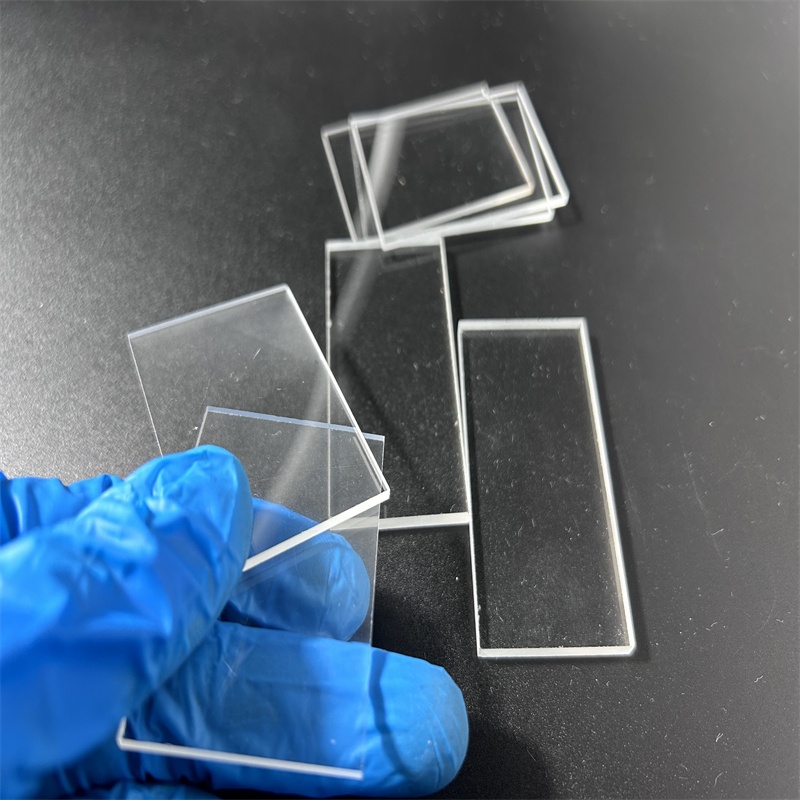

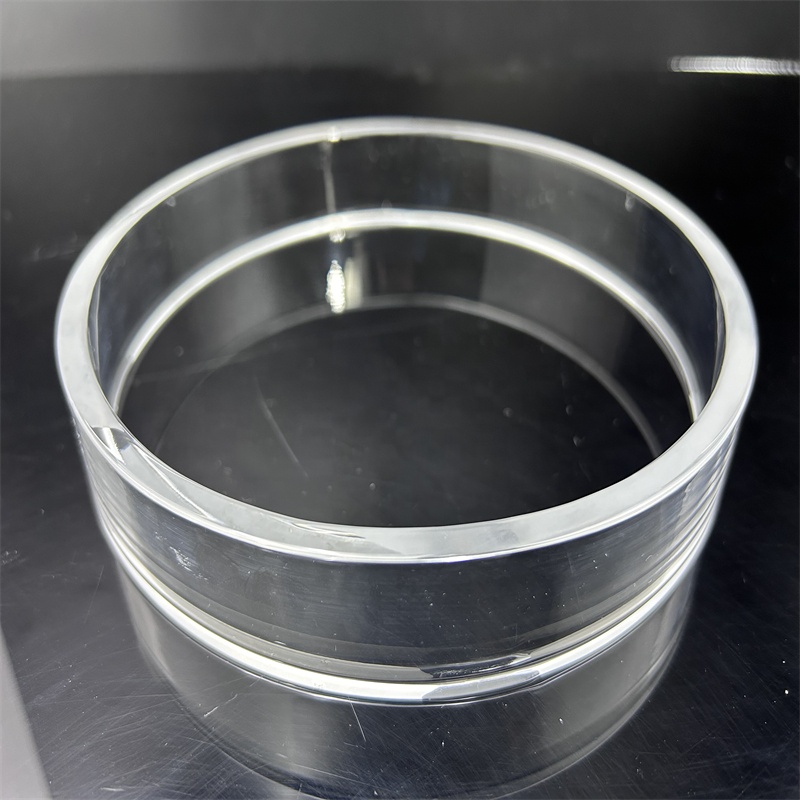

Executive Brief: Precision Fused Quartz Engineering for Split & Dalmatia
Operating within coastal industrial ecosystems, scientific institutions, and advanced manufacturing operations in Split, Croatia requires components capable of surviving rigorous thermal cycling, intense corrosive exposure, and high-frequency analytical scrutiny. Fused quartz (amorphous silicon dioxide, SiO₂) represents an unmatched technical medium, bridging physical characteristics where conventional borosilicate glasses and engineered polymers fail catastrophically. As a dedicated direct manufacturer originating from Donghai County, Jiangsu—the premier raw and engineered quartz epicenter globally—Zunex Quartz Products Co., Ltd. delivers bespoke fused quartz components engineered to the micron-level tolerances demanded by Split's maritime laboratories, chemical facilities, and solar-thermal technology clusters.
The physical resilience of fused silica stems from its structural purity. Synthesized through high-energy fusion at temperatures exceeding 2000°C, our custom parts exhibit an extraordinary thermal shock profile characterized by a coefficient of thermal expansion (CTE) of merely 5.5 × 10⁻⁷ /°C. This enables industrial components to endure immediate thermal gradients from 1100°C directly down to ice-water baths without micro-fracturing or volumetric distortion. For instrumentation and marine chemical testing in the Split-Dalmatia County, where salinity, hydrochloric reactions, and photochemical testing environments quickly etch or degrade standard laboratory glass, high-purity quartzware guarantees structural neutrality and impervious chemical resistance to virtually all acids (with hydrofluoric acid being the sole exception).
Tailored Industrial Applications Across the Split Regional Market
Exploring how custom fused quartz engineering drives key Adriatic industrial sectors, academic laboratories, and modern manufacturing installations.
Oceanographic & Marine Analysis
The Institute of Oceanography and Fisheries and Split's coastal laboratories depend heavily on high-transmittance optical cuvettes, UV-transparent digestion vessels, and laser flow-cells. Our JGS1 deep-ultraviolet grade windows provide optical transmission exceeding 90% down to 185 nm, enabling trace heavy metal determination and salinity spectrometry without internal fluorescence distortion.
Maritime & Petrochemical Processing
Within Split’s active shipbuilding complexes (such as Brodosplit ecosystems), chemical handling facilities, and regional transport infrastructure, custom quartz liquid level sight gauges, flanged viewport sight glasses, and pyrolysis combustion tubes allow continuous optical monitoring of volatile pressurized hydrocarbons at extreme temperatures without cracking.
Dalmatian Solar Thermal & UV Sanitation
Dalmatia experiences some of the highest solar irradiance levels in Southern Europe. Specialized local R&D teams and municipal projects leverage our twin-tube infrared emitters, ozone-free UV sterilizer sleeves, and high-purity quartz tubular carriers for ballast water photolytic treatment and solar collector thermal testing rigs.
Material Science & Structural Selection Guide for Engineering Buyers
Procuring technical quartzware for exact research or serial integration demands precision material grading. At Zunex Quartz, we process raw crystal silicon dioxide into specialized optical classes tailored to spectral bandwidth requirements:
| Quartz Grade | Transmission Bandwidth | Hydroxyl (OH⁻) Content | Primary Industrial Applications |
|---|---|---|---|
| JGS1 (Synthetic Silica) | 185 nm – 2500 nm (Deep UV) | < 5 ppm (or high OH depending on type) | Laser optics, excimer lithography, marine UV spectrophotometry, fluorescence cells. |
| JGS2 (Fused Quartz) | 220 nm – 2500 nm (UV-Visible) | approx. 30 – 150 ppm | Sight glasses, high-temperature viewport windows, optical level gauges, inspection ports. |
| JGS3 (Infrared Quartz) | 260 nm – 3500 nm (Near-to-Mid IR) | ≤ 5 ppm | IR heating elements, pyrometry observation windows, thermal reactor envelope shielding. |
| Opaque Fused Quartz | Diffused / Thermal Barrier | Commercial standard | Muffle furnace liners, thermal insulation flanges, semiconductor heat shields. |
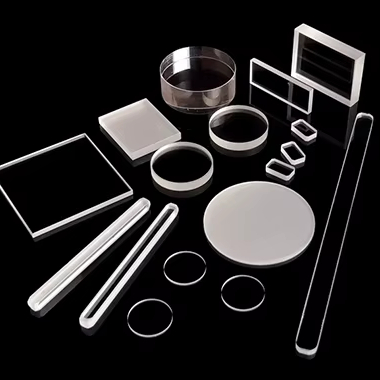
Beyond spectral performance, mechanical finishing determines component lifetime. Zunex incorporates proprietary multi-axis CNC cutting, specialized waterjet profiling, diamond grinding, fire-polishing, and state-of-the-art CO₂/picosecond laser drilling. Laser micromachining achieves micro-hole diameters down to ±0.02 mm without inducing micro-fractures along perimeter walls—critical for pressure-rated high-vacuum chambers operating within naval and institutional testing labs across Split.
Emerging Trends: Industrial Modernization Across Split-Dalmatia
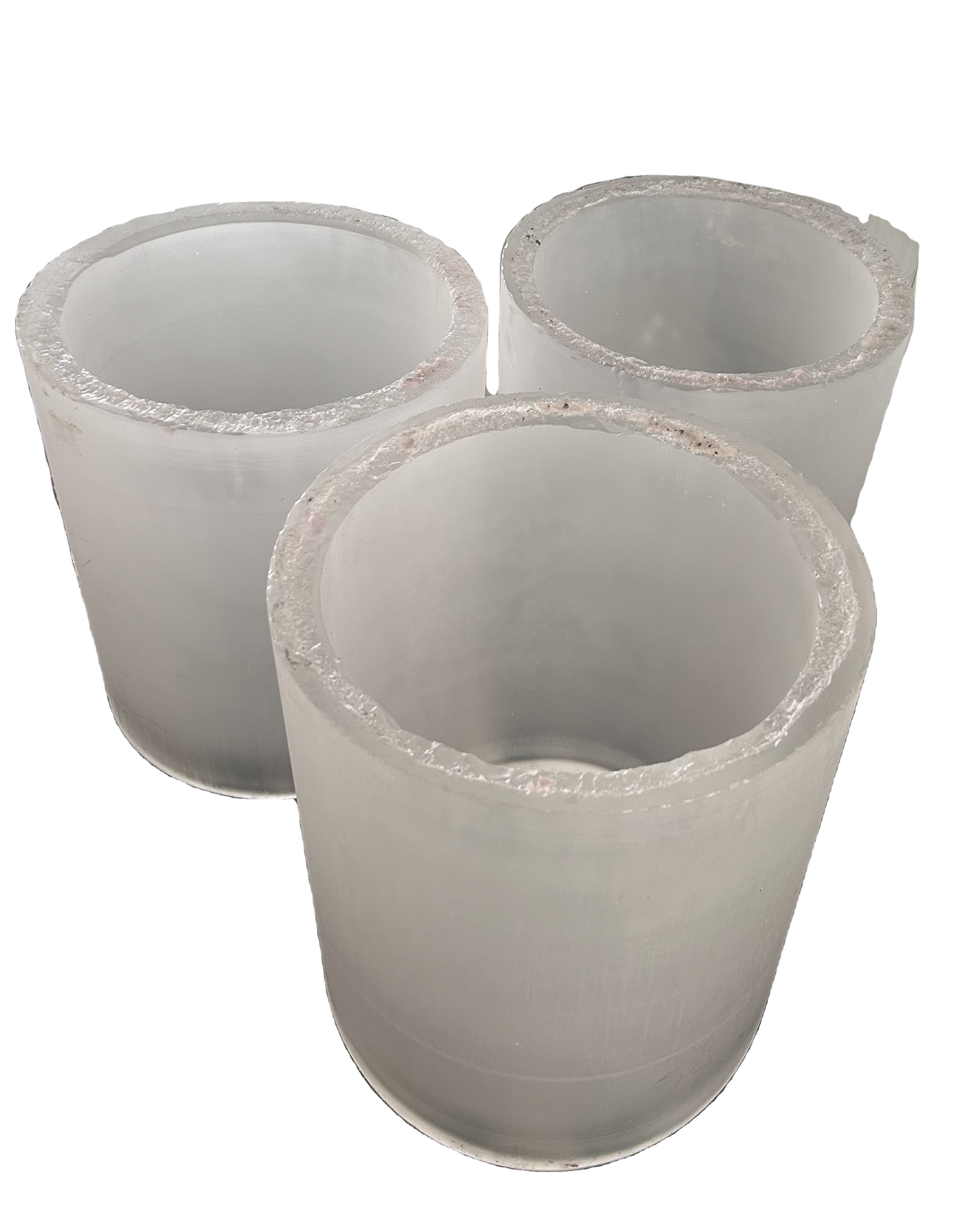
The broader Split economic landscape is experiencing a dynamic technological transformation. While historical manufacturing rooted in shipbuilding and heavy marine construction continues to adapt towards automated, high-value offshore solutions, the regional innovation economy is expanding through green hydrogen initiatives, solar-thermal research, and environmental monitoring across the Adriatic Sea. European Union sustainability directives and modern marine ballast water protocols require local maritime logistics companies to implement certified UV-C disinfectant units. These photolytic purification chambers require thick-walled fused quartz reactor sleeves that resist biofilm accumulation, withstand high hydrostatic pressure, and sustain ultraviolet-C transmission efficiency above 90% across thousands of operating hours.
Simultaneously, University of Split (Sveučilište u Splitu) research departments and burgeoning clean-tech startups are driving demand for customized chemical vapor deposition (CVD) quartz tubes, BET single-point sample analyzers, and custom-ground sapphire windows. Procurement managers in Split are transitioning away from high-markup regional European distributors who maintain limited standard inventory. Instead, technical buyers are partnering directly with original manufacturers capable of rapidly engineering bespoke quartz components directly to CAD/STEP files with complete batch chemical purity verification, thereby cutting lead times and capital expenditure significantly.
Engineering Competencies: Why Global Buyers Trust Zunex
End-to-end custom quartz glass manufacturing backed by verified production capabilities, factory direct pricing, and comprehensive export logistics.
Strict Drawing Fidelity (OEM/ODM)
Every drawing—whether submitted in PDF, AutoCAD DWG, or 3D STEP format—undergoes thorough manufacturability and thermal expansion review by experienced technical engineers before glass processing commences.
Flawless Quality Control
Utilizing high-intensity polariscopes, interferometer surface verification, and coordinate measuring machines (CMM), every batch is inspected for bubble inclusion classes, parallel accuracy, and surface roughness (down to Ra < 0.5 nm for laser polish).
Shock-Proof Export Logistics
Quartz components intended for Split are cushioned with multi-layer high-density memory polyethylene foam, vacuum skin sealants, and reinforced fumigated export crates to guarantee 100% zero-breakage arrival via air or sea freight.
Frequently Asked Questions: Procurement for Split Buyers
Direct technical answers addressing international customs, material validation, and precision fabrication specifications.
How do you handle shipping to Split and Croatian customs clearance?
We provide full DDP (Delivered Duty Paid), DAP, and CIF incoterms directly to your address in Split or surrounding Dalmatian business zones. Our documentation includes standard commercial invoices, packing lists with detailed HS codes (Taric classification for fused quartz products), Certificate of Origin, and raw material purity inspection reports to ensure immediate, smooth clearance through Croatian customs.
Can we request custom laser drilling or threading on quartz tubes?
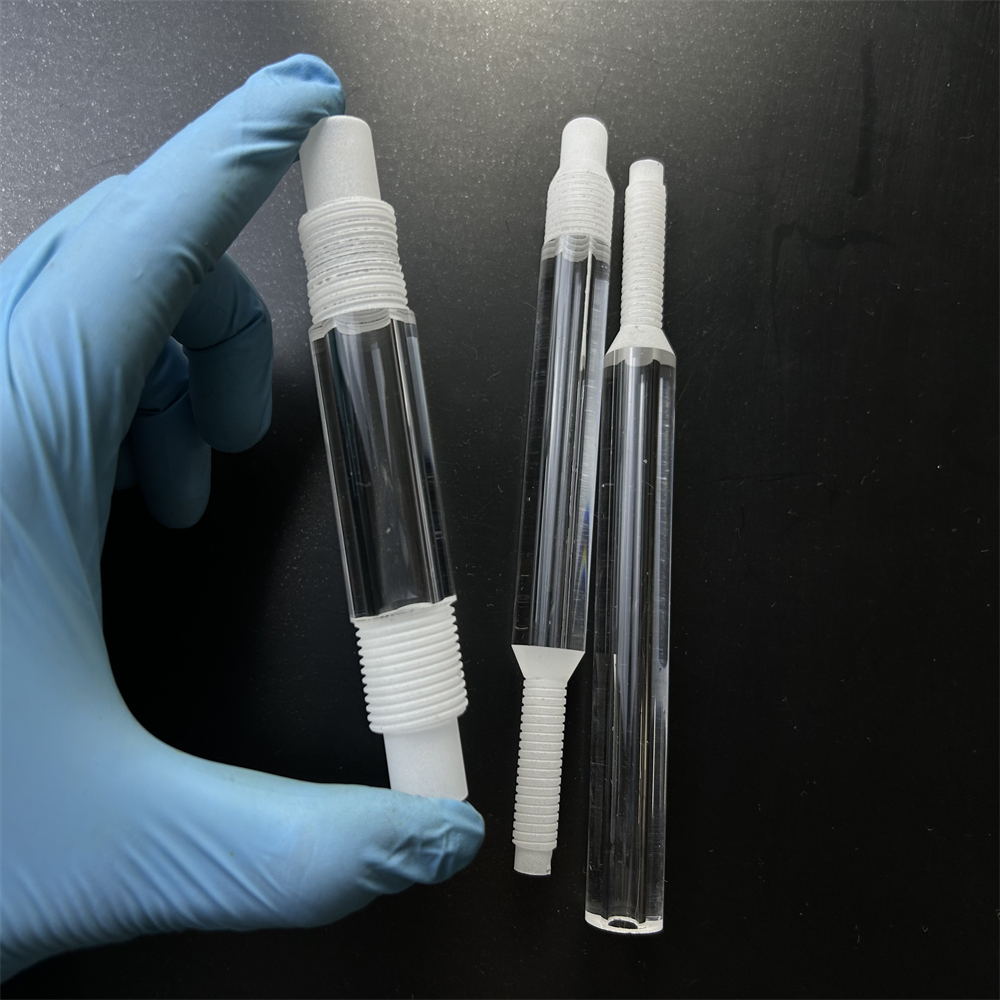
Yes. Our manufacturing facility in Donghai utilizes specialized multi-axis CNC drilling and precision pulsed laser equipment designed to avoid thermal stress cracking. We regularly machine custom metric threads, conical tapers, capillary ports, precision o-ring flanging, and micro-hole arrays down to sub-millimeter tolerances on quartz tubes and plates.
How does fused quartz compare against borosilicate 3.3 for heat handling?
While borosilicate glass 3.3 softens around 820°C and has a continuous safe operating limit near 500°C, fused quartz withstands continuous operation up to 1100°C and intermittent excursions to 1300°C. Furthermore, quartz’s thermal expansion coefficient is nearly ten times lower than borosilicate, giving it virtually indestructible resistance to rapid thermal shocks.
What is the minimum order quantity (MOQ) for custom prototypes?
We actively support technical research and customized machine development. Our MOQ for custom fabricated parts can be as low as 1 to 5 pieces for prototype review. Once drawings and material performance are validated on your testing line in Split, we scale up seamlessly to serial production batches running in the thousands.