Engineered Quartz Glass Solutions for Advanced CVD & High-Temperature Furnaces
Manufactured in Donghai County, China—the world crystal capital—and engineered specifically for high thermal shock resistance, extreme vacuum integrity, and chemical inertness in academic research and industrial thin-film processing.
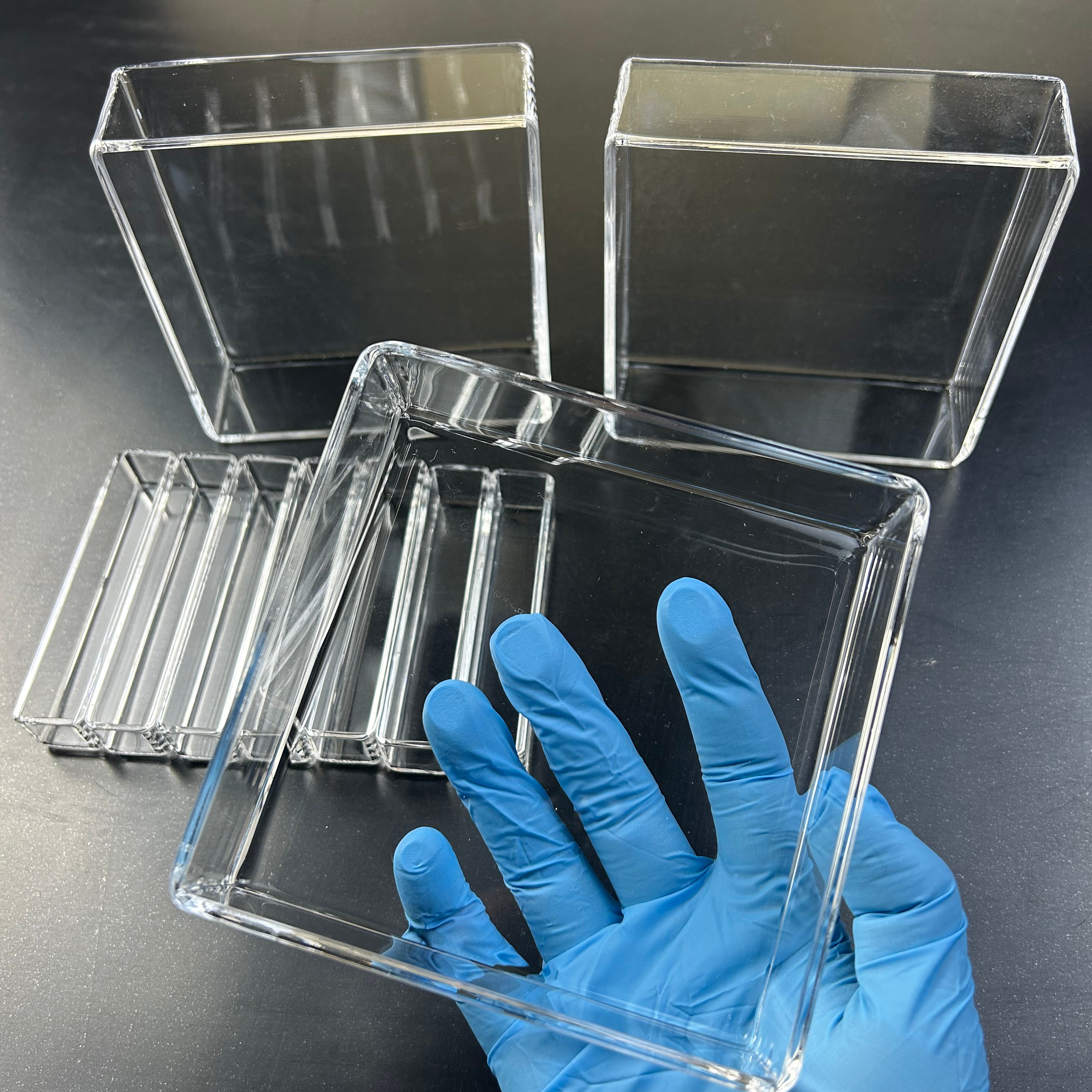 1100°C Continuous
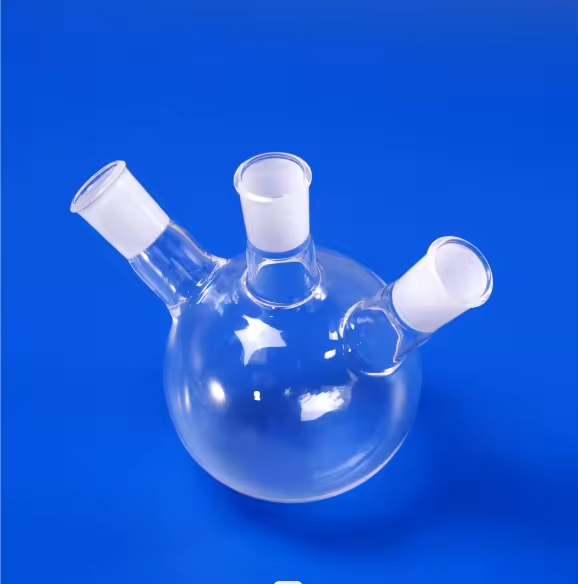 Twin-Chamber
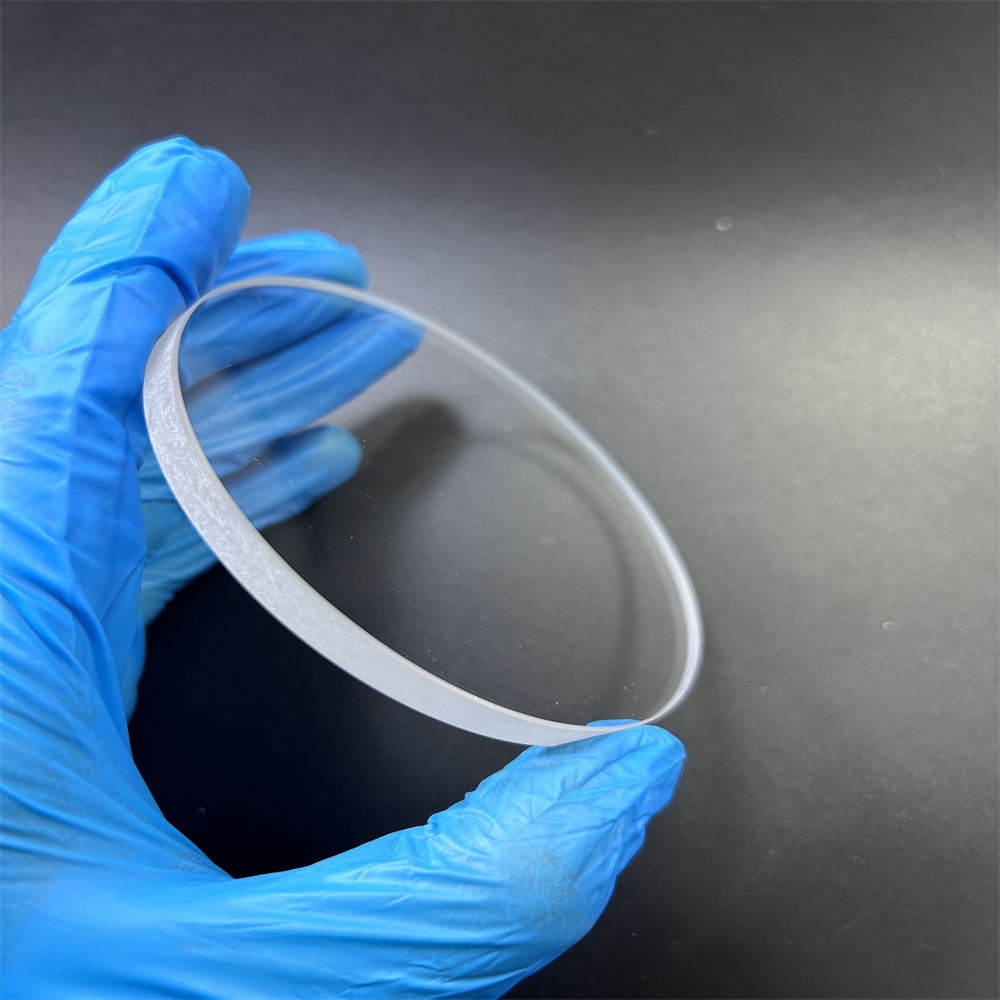 JGS1 Synthetic
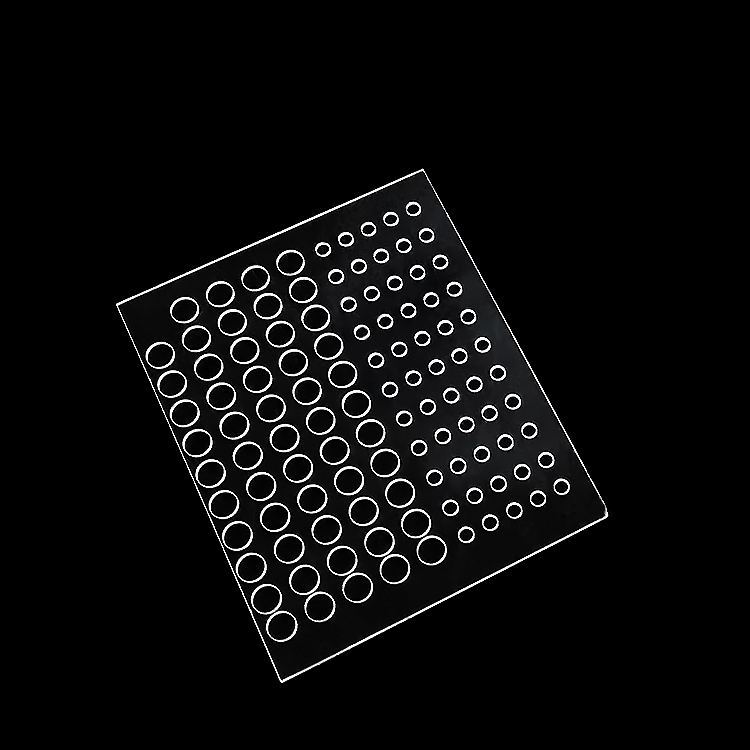 Optics Grade
 99.99% Purity
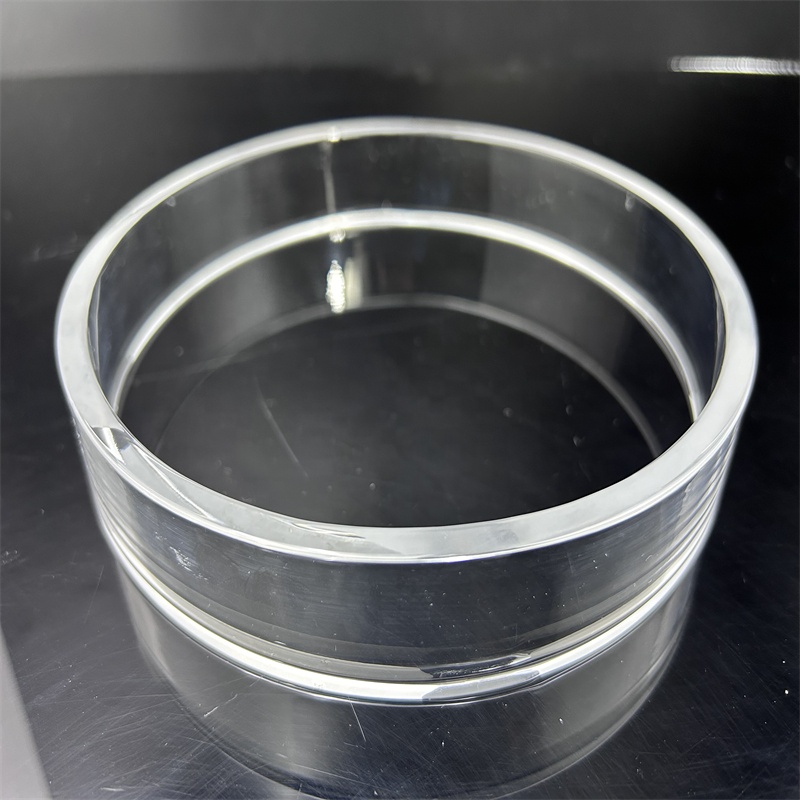 Semiconductor
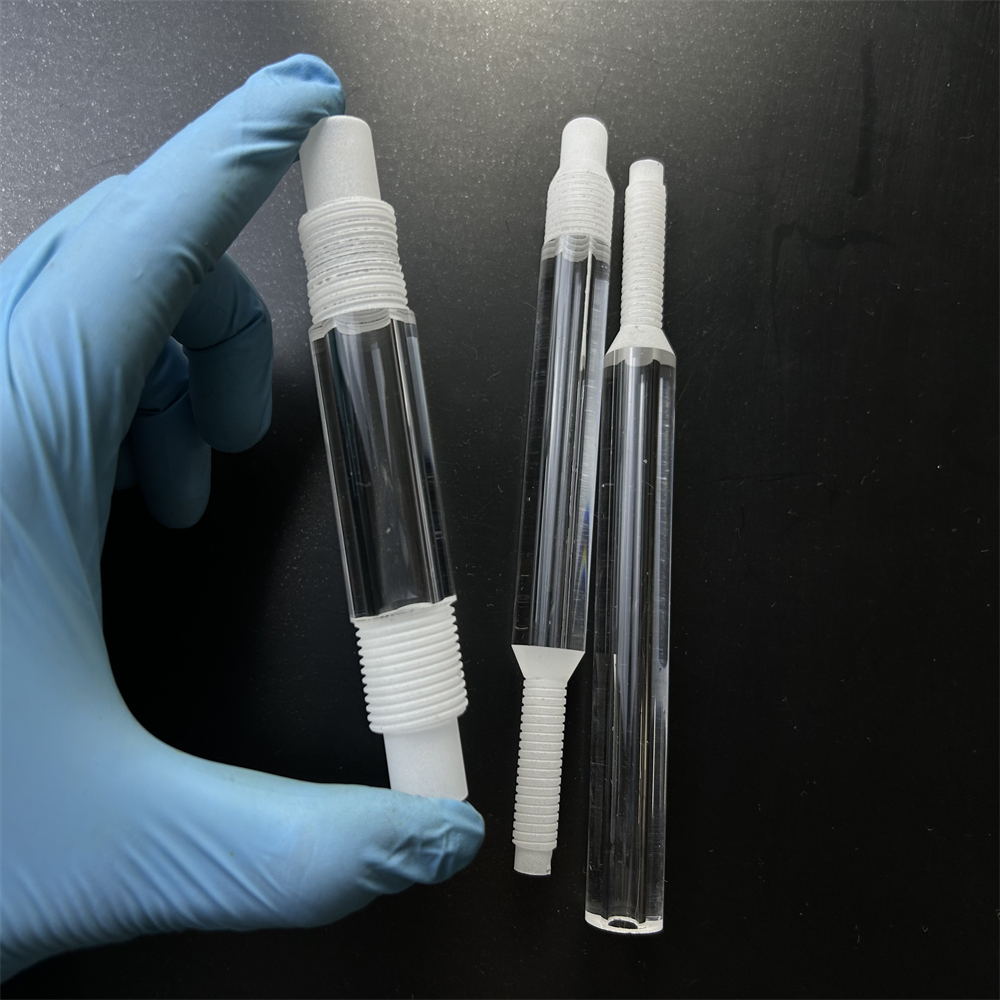 Threaded Machined
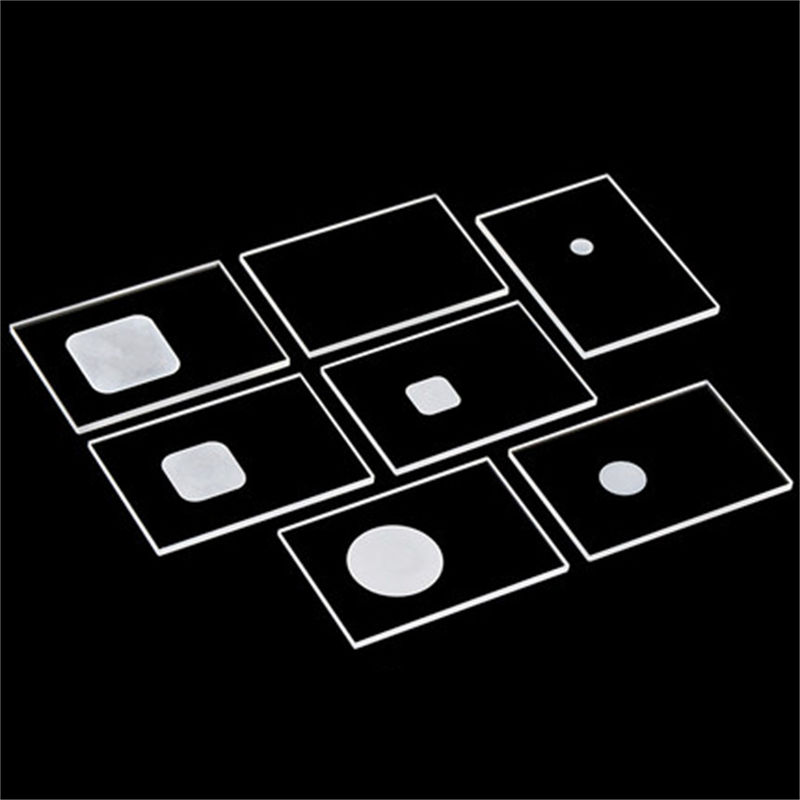 Zero-Background
Engineering White Paper: CVD Furnace Quartz Tube Fabrication & Kinetic Degradation Mitigation
Chemical Vapor Deposition (CVD), Plasma-Enhanced Chemical Vapor Deposition (PECVD), Low-Pressure Chemical Vapor Deposition (LPCVD), and atomic layer deposition (ALD) place extraordinary thermo-mechanical and chemical demands on containment vessels. In high-temperature tube reactors, the quartz tube serves not merely as a physical boundary, but as an active optical and thermal diaphragm separating high-vacuum or corrosive carrier gases (such as SiH₄, NH₃, H₂S, WF₆, and BCl₃) from the external resistive heating elements. When specifying reaction tubes for research installations, pilot plants, and industrial lines in Luang Prabang and northern Laos, procurement directors must evaluate raw material crystallography, hydroxyl (OH⁻) content, devitrification thresholds, and wall uniformity.
1. Crystallographic Stability & Devitrification Kinetics
Fused silica exists in a metastable amorphous state. At elevated operational temperatures exceeding 1000°C, the silica tetrahedral network (SiO₄) undergoes a kinetic reorganization into crystalline cristobalite. Cristobalite undergoes a displacive phase transition (α to β) at approximately 220°C to 270°C, accompanied by a volumetric contraction of 4% to 5%. This localized volumetric collapse induces severe microscopic micro-cracking and macro-cleavage upon thermal cooling.
To resist this degradation mechanism in intensive CVD cycles:
- Electric Fused Quartz (Type II): Fabricated by electric vacuum fusion of natural quartz crystals, achieving low bubble frequency, exceptional mechanical stiffness at continuous 1150°C, and minimal hydroxyl levels (< 30 ppm). Ideal for conventional horizontal furnace liners and oxidation tubes.
- Flame Synthesized Fused Silica (Type III / JGS1): Formed through the vapor hydrolysis of volatile silicon compounds (such as SiCl₄). This grade exhibits near-zero metallic impurities (< 1 ppm total metals) and zero visible optical bubble inclusions, providing maximum ultraviolet transmission and zero background noise for in-situ spectroscopy and XRD sample stages.
- Low-OH Gas-Refined Quartz (Type IV / JGS3): Vacuum-baked and moisture-purged quartz formulated specifically to eliminate the 2.73 μm absorption band, ensuring thermal infrared radiation emitted by furnace heating elements couples efficiently through the tube wall to heat substrate susceptors directly.
2. Precision Thermal Expansion & Thermal Shock Shockproofing
Fused quartz exhibits one of the lowest coefficients of thermal expansion (CTE) of any known engineering solid: α = 5.5 × 10⁻⁷ /°C between 20°C and 320°C. This near-zero expansion imparts unmatched thermal shock resistance. A Zunex quartz tube heated to 1100°C can be immediately immersed into water at 20°C without fracture. This thermal robustness is critical for rapidly cycled CVD systems, rapid thermal processing (RTP) equipment, and sudden quench annealing chambers operating in Luang Prabang's regional laboratories.
| Material Parameter / Property | JGS1 (Synthetic Fused Silica) | JGS2 (Optical Grade Quartz) | JGS3 (Infrared Fused Quartz) | Semiconductor Electric Fused |
|---|---|---|---|---|
| Optical Transmission Band | 185 nm – 2500 nm (Deep UV) | 220 nm – 2500 nm (UV-Vis) | 260 nm – 3500 nm (Deep IR) | 260 nm – 2800 nm (Broadband) |
| Total Metallic Impurities | < 1.5 ppm | < 15 ppm | < 12 ppm | < 8 ppm |
| Hydroxyl Radical (OH⁻) Concentration | ≤ 1200 ppm (Standard) / ≤ 5 ppm (Dehydrated) | ≤ 150 ppm | ≤ 5 ppm | ≤ 20 ppm |
| Softening Point (Viscosity η = 10⁷·⁶ dPa·s) | 1600 °C – 1650 °C | 1683 °C | 1680 °C | 1710 °C |
| Annealing Point (Viscosity η = 10¹³ dPa·s) | 1180 °C | 1215 °C | 1210 °C | 1220 °C |
| Maximum Continuous Working Temp | 1050 °C | 1100 °C | 1150 °C | 1200 °C |
| Thermal Expansion Coeff. (20–300°C) | 5.4 × 10⁻⁷ /°C | 5.5 × 10⁻⁷ /°C | 5.5 × 10⁻⁷ /°C | 5.4 × 10⁻⁷ /°C |
3. Micro-Machining, Laser Grooving, and Flange Integration
A CVD furnace tube is only as reliable as its seals. Conventional manual fire-welding of quartz-to-quartz flanges frequently introduces residual hoop stresses, wall thickness variation, and optical distortion. Zunex utilizes multi-axis CNC diamond grinding and precision CO₂ laser processing to fabricate ISO-KF (NW), CF (ConFlat), and custom O-ring sealing grooves directly into the fused quartz body. Flange mating surfaces are polished to an optical flatness of λ/2 to λ/4 and a surface roughness Ra < 0.2 μm, enabling helium leak rates below 1 × 10⁻⁹ mbar·L/s under ultra-high vacuum (UHV) conditions.
Localized Industrial Applications & Emerging Technical Trends in Luang Prabang
While Luang Prabang is historically renowned as a UNESCO World Heritage cultural capital, its economic landscape has transitioned decisively over the past decade. Positioned as a central transportation node along the northern arterial corridor connecting Yunnan Province (China) with Vientiane and Bangkok, Luang Prabang is rapidly developing technological, agricultural processing, high-value mineral refining, and academic research capabilities.
Academic & Applied Research
Institutions like Souphanouvong University and affiliated technical polytechnics are expanding applied physics, materials science, and environmental chemistry curricula. Custom quartz diffusion tubes, BET specific surface area analysis tubes, and XRD zero-background sample holders are essential for advanced crystallography and characterization of regional natural resources.
Mining & Pyrometallurgical Assaying
Northern Laos hosts prolific geological belts featuring polymetallic ores, rare earths, copper, gold, and potash. Refineries and analytical assay labs require heavy-wall quartz combustion boats, cylindrical crucibles, and gas-absorption tubes capable of enduring continuous 1100°C roasting under aggressive halide and sulfur oxide gases without trace element cross-contamination.
Photovoltaic & Clean-Tech Corridors
As clean energy infrastructure and solar cell manufacturing expand across the Greater Mekong Subregion (GMS), upstream component processing and thin-film passivation lines demand high-diameter (OD 150mm – 300mm) quartz furnace tubes for polysilicon crystallization, silicon wafer diffusion, and PECVD anti-reflective coating cycles.
The China-Laos Railway: A Freight Revolution for Fragile Quartz Shipments
Historically, importing specialized optical-grade and laboratory quartz glassware into Luang Prabang required convoluted maritime shipping to Bangkok or Hai Phong, followed by rough overland mountain transit across variable road networks—often leading to unacceptable breakage rates of up to 18%. The opening and commercial operation of the electrified Boten–Vientiane (China-Laos) Railway has fundamentally altered regional supply chain economics.
Originating from our factory in Donghai County, Jiangsu, consolidated freight reaches the Kunming railway logistics nexus and proceeds directly via international freight express to the Luang Prabang Railway Freight Station. This rail link provides three critical advantages for regional B2B purchasers:
- Reduced Transit Vibration: Rail transport minimizes harmonic vibrational spikes and shock loads compared to rugged road freight, ensuring that tight-tolerance ground quartz joints and extended reactor tubes (lengths > 1500mm) arrive intact.
- Predictable Lead Times: Transit times from our Donghai facility directly to customs clearance in Luang Prabang are compressed to 7–10 calendar days, eliminating unpredictable maritime congestion and port dwell times.
- Climate-Protected Packaging: Consignments are packed using vacuum-sealed anti-moisture barrier wraps and specialized multidirectional EPE foam suspensions inside solid, non-fumigation plywood composite crates, safeguarding quartz surfaces against tropical humidity and condensation during border crossing.
Manufacturing Superiority: Direct Factory from China's Quartz Capital
Zunex Quartz Products Co., Ltd. combines raw material access with cutting-edge quartz fabrication. Situated in Donghai County, China, our manufacturing facilities harness the highest quality natural quartz deposits, supported by an engineering team specialized in mechanical, laser, and thermal flame fabrication.
Precision Laser Finishing
Equipped with state-of-the-art CNC laser cutting, micro-hole drilling (Ø down to 0.3mm), and internal spiral grooving. Laser processing eliminates mechanical micro-fractures, boosting the structural tensile strength of CVD tube vacuum ports.
Certified Optical & Thermal QC
Every process tube undergoes full dimensional laser profilometry, ultrasonic wall thickness verification, polariscope strain annealing checks, and spectrophotometer transmission validation before packaging.
Two-Hour Technical Response
Our technical team reviews client CAD/PDF/STEP drawings, operating temperatures, thermal ramp rates, and gas chemistries, returning formal engineering quotations with full DFM feedback within 2 hours.
Frequently Asked Questions: B2B Procurement for Luang Prabang Projects
Key technical, logistic, and commercial questions answered for engineers, lab managers, and procurement officers based in Luang Prabang, Vientiane, and northern Laos.
Can you manufacture CVD quartz tubes customized to my CAD drawing?
Yes. Custom OEM/ODM fabrication is our core capability. Submit drawings in PDF, DWG, DXF, or STEP format detailing outer diameter (OD), inner diameter (ID), total length, flange profiles (ISO-KF, CF, or ground socket), and gas inlet/outlet ports. Our engineering team reviews tolerances and thermal stresses prior to production.
How are fragile quartz tubes safeguarded during rail shipment to Luang Prabang?
We deploy a multi-layered protective packaging system: each tube is sealed in dust-free antistatic sleeve wrap, encased inside custom-molded high-density expanded polyethylene (EPE) shock absorbers, and secured inside a heavy-duty plywood crate reinforced with steel banding. Crates feature shock-watch and tilt-watch indicator tags.
What is the maximum operating temperature and recommended ramp rate?
Our electric fused quartz tubes withstand 1100°C continuously and up to 1300°C for short cycles. While quartz has exceptional thermal shock resistance, for tubes under internal vacuum (< 10⁻³ Torr) or with large outer diameters (> 100mm), we advise heating ramp rates of 5°C – 10°C/min to prevent thermal strain along welded joints.
How do we choose between JGS1, JGS2, and JGS3 quartz grades?
Choose JGS1 if your CVD system incorporates UV optical viewports, in-situ laser excitation, or photolytic deposition (transmits down to 185 nm). Select JGS2 for standard thermal CVD and furnace reaction chambers (220–2500 nm). Specify JGS3 for infrared radiative heating and pyrometric temperature monitoring up to 3500 nm.
What documentation and quality certifications accompany the shipment?
All commercial consignments are dispatched with an ISO 9001 Certificate of Analysis (COA) specifying trace element spectroscopy (ICP-MS), optical spectrophotometer transmission graphs, dimensional inspection reports, and Certificate of Origin (Form E) for preferential import tariffs under the ASEAN-China Free Trade Area.
What is your minimum order quantity (MOQ) for educational and research clients?
To support academic initiatives at universities and R&D institutions in Luang Prabang, our MOQ for custom-machined or standard CVD furnace tubes is 1 piece. Prototype single-piece orders undergo the exact same rigorous QC inspection protocols as large production batches.
Ready to Upgrade Your CVD Furnace Performance in Luang Prabang?
Connect directly with our senior quartz engineering team in Donghai. Send your technical drawings, dimensional tolerances, and operational parameters for an engineer-certified quotation within two hours.