Standard & Custom Fused Quartz Lineup
Engineered from natural crystal and synthetic silica precursors to ensure exceptional thermal tolerance up to 1300°C, dielectric insulation, and optimal optical transmission from deep UV to near-infrared spectra.
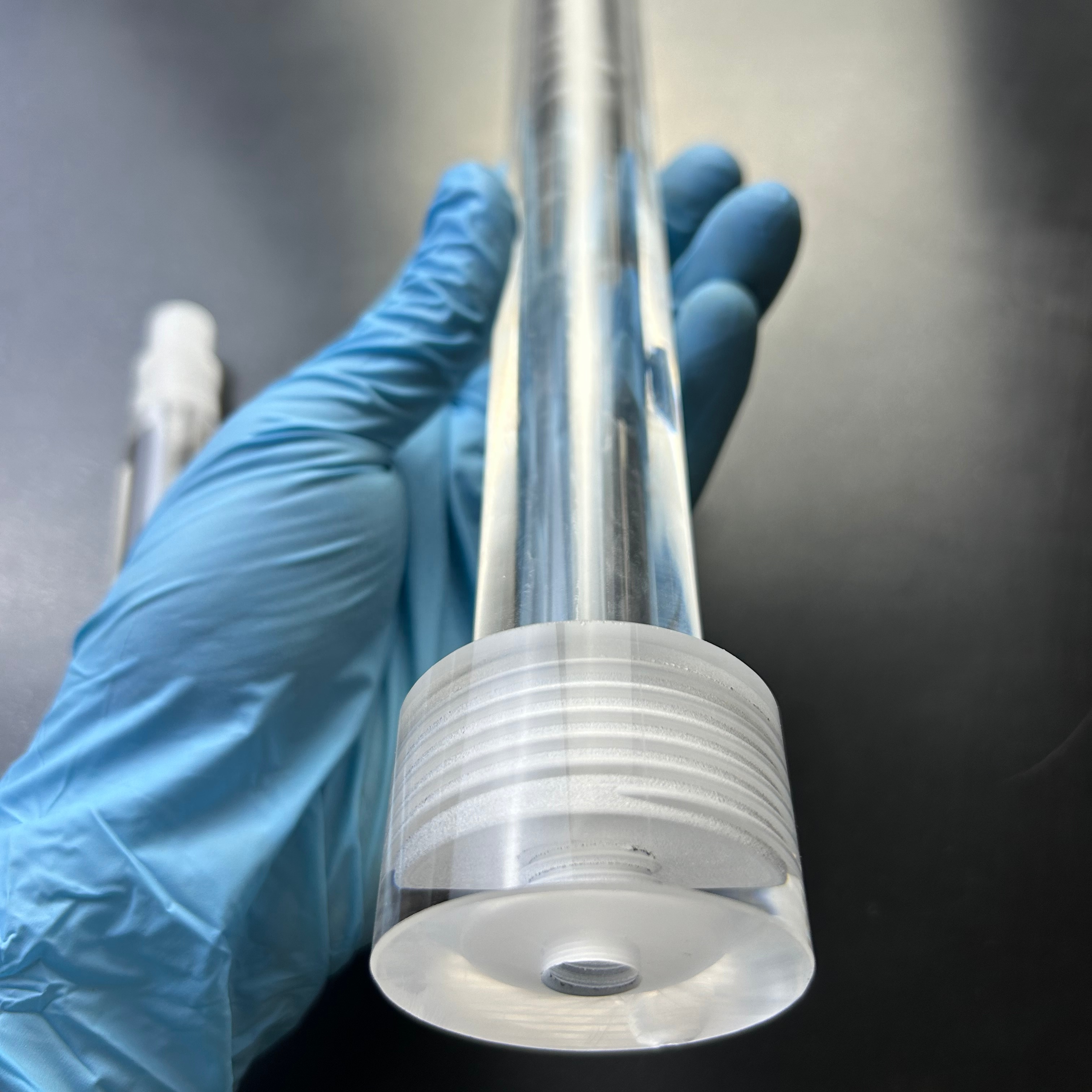
Customizable High Pressure Clear Transparent 99.99% Pure Quartz Glass Twin Tube
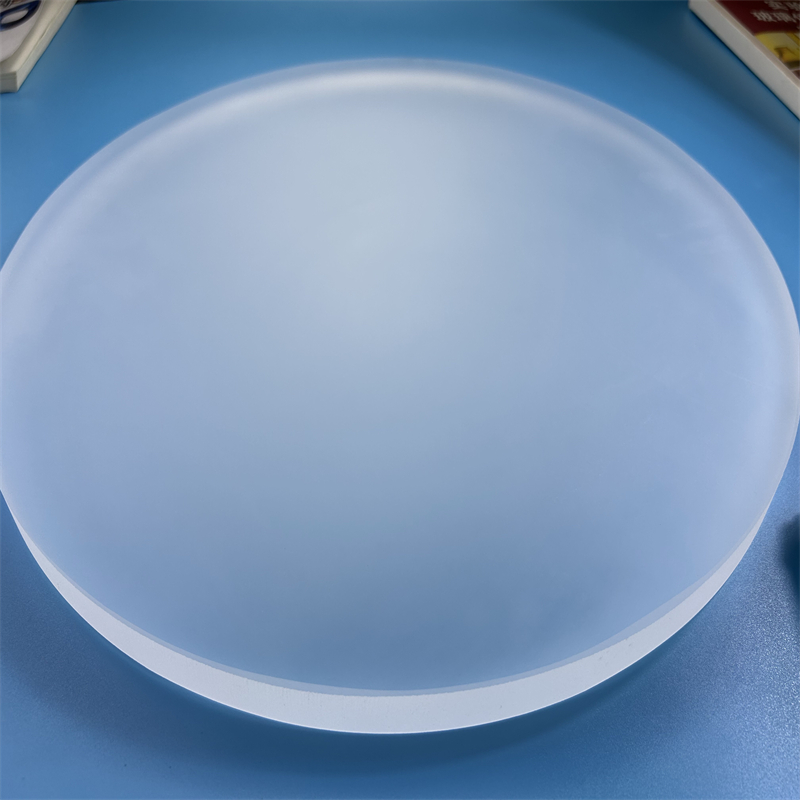
High Temperature Resistance Frosted Quartz Disc & Plate
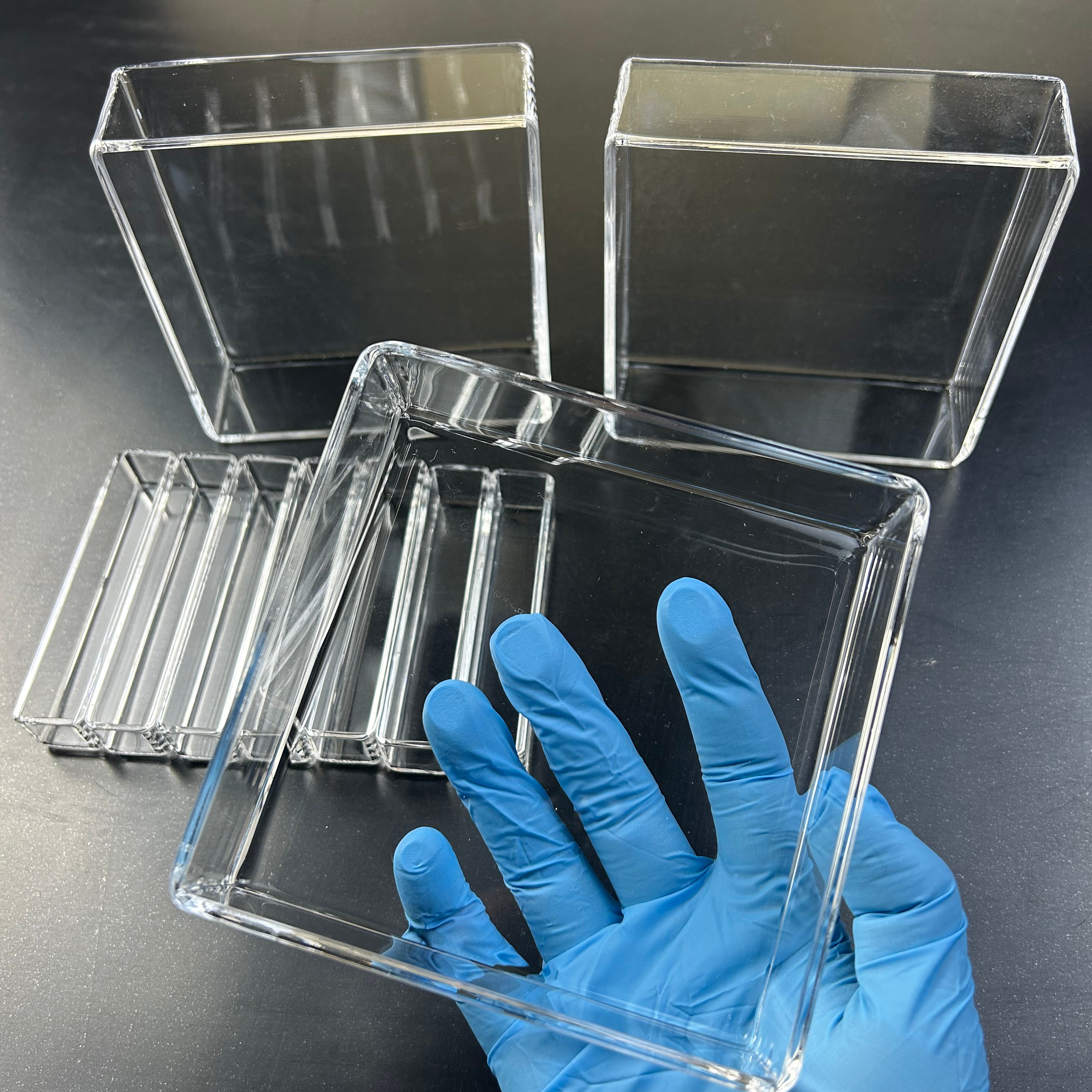
Custom Fused Quartz Glass High-Temperature Cylinder Crucible & Tank
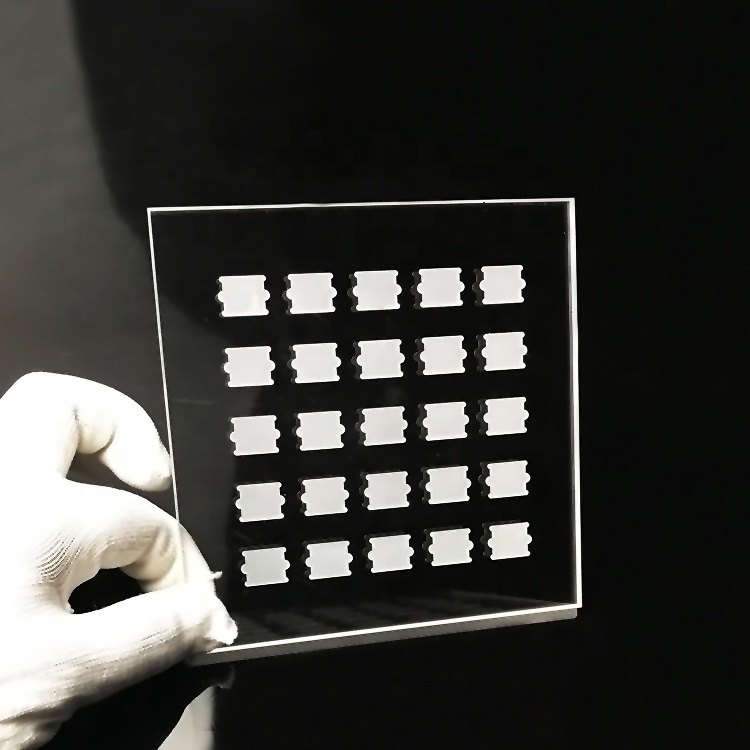
Circular Fused Quartz Glass XRD Sample Holder & Optical Substrates
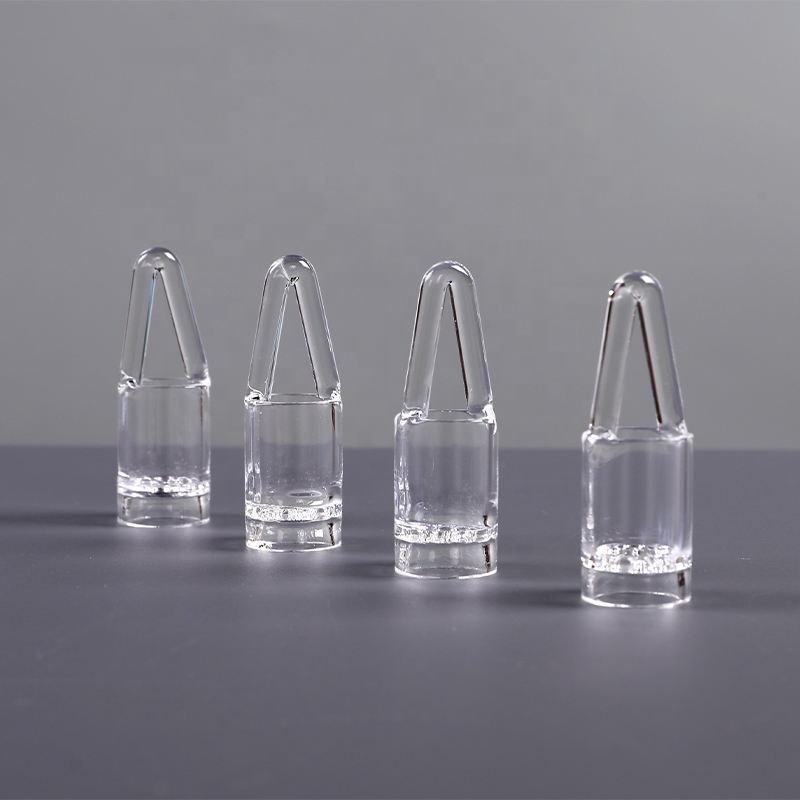
High Pressure 99.99% Pure Quartz Tube with Ozone Free Optical Cut
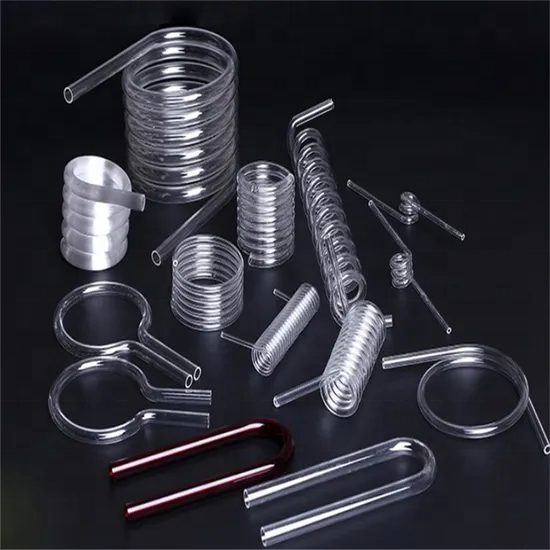
Custom U-Bent & Helical Spiral Quartz Glass Tube Components
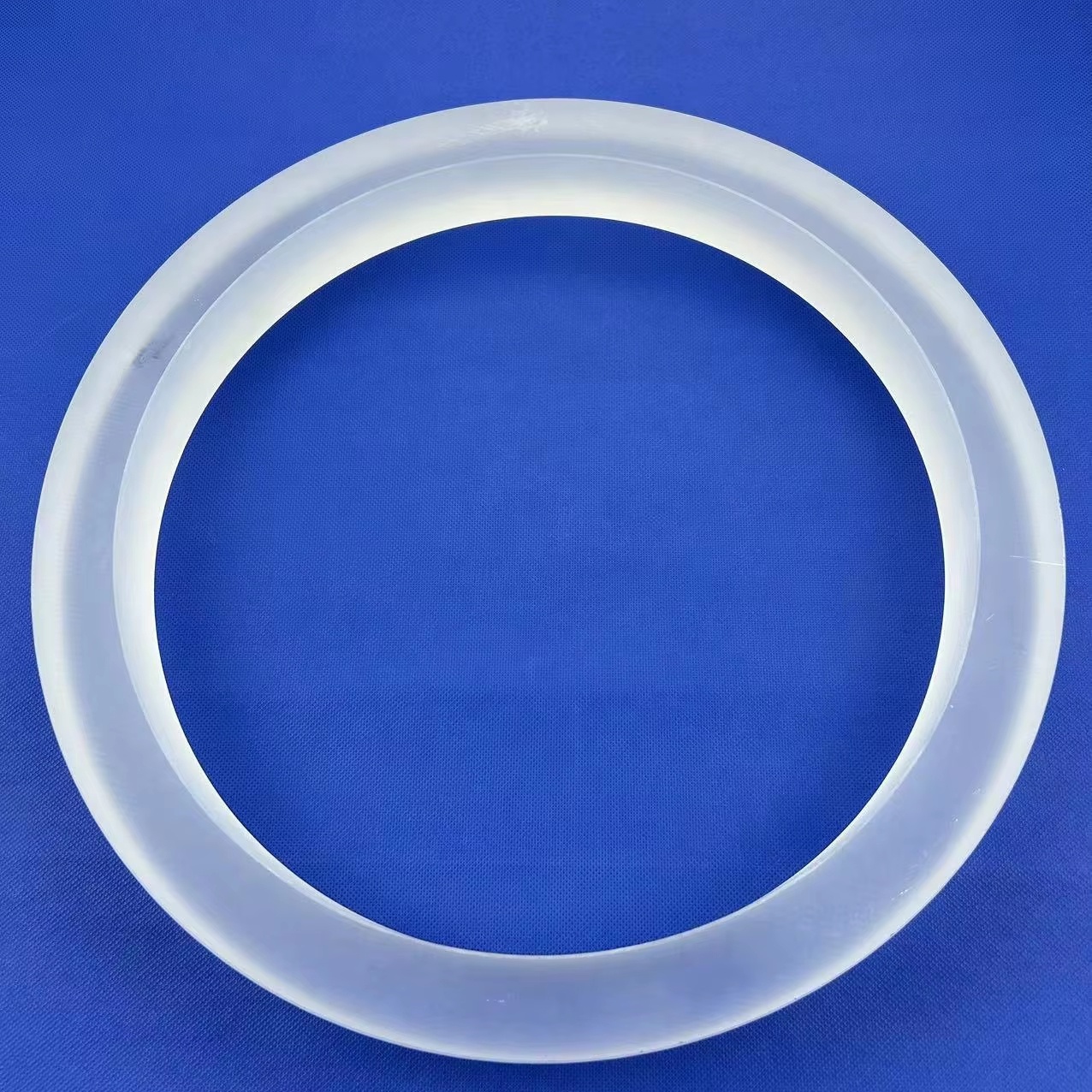
Custom Coated High Purity Quartz Rings for CVD & Vacuum Flanges

High Temperature Clear 99.99% Pure Fused Quartz Twin Tube System
Fused Silica & Fused Quartz Metallurgy for Balkan Industries
A comprehensive examination of thermo-mechanical thresholds, spectral properties, and precision machining dynamics for North Macedonian procurement teams.
Fused quartz represents one of the most critical specialized engineering materials in modern high-temperature manufacturing, semiconductor fabrication, and analytical chemistry. Produced by melting naturally occurring high-purity crystalline quartz sand (SiO₂) at temperatures exceeding 2000°C in electric fusion or gas-oxygen environments, the resulting vitreous material features an amorphous, non-crystalline network that exhibits properties distinct from standard borosilicate, soda-lime, or aluminosilicate glass matrices.
For industrial operators, tier-one automotive suppliers, and testing laboratories across North Macedonia — especially those operating within the Skopje 1, Skopje 2, Tetovo, and Štip Technological Industrial Development Zones (TIDZ) — understanding the nuances between standard glass and fused quartz is paramount to optimizing equipment uptime, ensuring thermal shock immunity, and eliminating batch contamination.
JGS1 (Synthetic Fused Silica)
Synthesized through flame hydrolysis of silicon halides. It possesses virtually zero bubble or inclusion density and an exceptionally high transmission rate in the Deep Ultraviolet (DUV) range down to 185 nm. Widely specified for excimer laser viewports, photolithography optical blanks, and UV spectroscopic cells in high-precision laboratory settings.
JGS2 (Optical Grade Quartz)
Manufactured from high-purity natural quartz sand in vacuum furnaces. Exhibits superior transmission characteristics across the ultraviolet and visible spectra (220 nm – 2500 nm). Excellent cost-to-performance ratio for sight glass windows, furnace observation ports, pyrometric sensor covers, and standard chemical diffusion process tubes.
JGS3 (Infrared Grade Silica)
Characterized by low hydroxyl (OH⁻) content, typically below 5 ppm. This minimizes the fundamental OH absorption band at 2.73 μm, enabling high, flat transmission stretching across the visible up to the mid-infrared band (~3500 nm). Ideal for industrial infrared radiators, twin-tube heating elements, and thermal drying systems.
Thermal Expansion Differential: Fused quartz possesses an exceptionally low mean coefficient of thermal expansion (CTE) of approximately 5.5 × 10⁻⁷ /°C from 20°C to 1000°C. This is roughly 1/6th that of borosilicate glass. Consequently, a red-hot quartz tube heated to 1100°C can be quenched instantly in ice-cold water without micro-fracturing or dimensional degradation — a fundamental requirement for pyrometallurgical crucibles and fast-cycle IR furnaces.
Comprehensive Technical Specification Matrix
When engineering quartz glass assemblies for mechanical stability, vacuum integrity, or RF-coupled furnaces, refer to the verified physical and chemical thresholds outlined below:
| Physical / Thermal Parameter | Standard Value (Metric) | Operational Relevance for Importers |
|---|---|---|
| Chemical Composition (SiO₂) | ≥ 99.99% (Electronic Grade ≥ 99.999%) | Eliminates heavy metal trace outgassing during high-temp cycles. |
| Density | 2.20 ± 0.02 g/cm³ | Lightweight structure with superior structural rigidity. |
| Mohs Hardness | 5.5 – 6.5 (Knoop Hardness ~520 kg/mm²) | Resistant to mechanical abrasive wear in particulate streams. |
| Softening Point | Approx. 1683 °C | Retains shape well beyond standard borosilicate softening limits (820°C). |
| Annealing Point | Approx. 1215 °C | Critical threshold for stress-relieving post-welding or cutting. |
| Maximum Continuous Operating Temp | 1100 °C | Safe continuous thermal baseline for process furnace reaction tubes. |
| Maximum Short-Term Operating Temp | 1300 °C | Permissible for rapid metallurgical flash-firing or sample melts. |
| Dielectric Strength (20°C, 1 MHz) | 25 – 40 kV/mm | Exceptional high-voltage RF insulator in induction heating coils. |
| Refractive Index (nD at 589.3 nm) | 1.4585 | Low optical dispersion, high Abbe number (~67.8). |
Localized Applications in North Macedonia
How Zunex fused quartz components integrate directly into Macedonia’s core economic sectors — from free economic zone automotive clusters to mining and chemical production.
Automotive Electronics & Cable Lines (TIDZ Zones)
Automotive manufacturing clusters in Bunardjik (Skopje) and Prilep rely on custom quartz twin tubes and short-wave IR emitter shields for rapid, contactless curing of automotive adhesive seals, wire harness insulation coatings, and plastic welding reflow lines without thermal lag.
Mining, Smelting & Mineral Digestion
The metallurgical complexes around Kavadarci (ferro-nickel smelting) and Radoviš (copper/gold processing) utilize our thick-wall fused quartz crucibles and combustion tubes for high-temperature flux analysis, sulfur-carbon determinations, and aggressive aqua-regia acid digestions.
Pharmaceutical Synthesis & Cleanroom Labware
Leading pharmaceutical manufacturing centers in Skopje require inert quartz vessels, reaction flasks, and chromatography columns. The non-porous, chemically inert quartz structure prevents ionic leaching, maintaining stringent cGMP compliance during API synthesis.
Academic Research & Materials Testing
Institutes at Ss. Cyril and Methodius University of Skopje and regional metrology laboratories deploy our optical quartz windows, zero-background XRD sample holders, and BET sorption tubes for precision crystallographic, spectroscopy, and gas adsorption characterizations.
Advancing Modernization & Green Nearshoring in North Macedonia
North Macedonia continues to cement its role as a strategic nearshoring hub for European automotive electronics, clean energy transition, and precision industrial subcontracting. The ongoing influx of direct foreign investments into the TIDZ corridors demands high-specification consumables that meet ISO, DIN, and CE parameters without the prohibitive lead times of Western European legacy distributors.
Key growth trajectories influencing quartz procurement include:
- Adoption of IR Curing over Gas Convection: Industrial plants are converting drying and thermal curing lines to electric infrared quartz emitters, cutting energy footprints by up to 35% in line with European Green Deal benchmarks.
- Tightening Quality Audits for Metallurgical Assays: Smelting operations in Veles and Kavadarci increasingly mandate traceable ultra-pure quartz crucibles with certified trace elements under 20 ppm total contamination.
- Direct Factory-to-Plant Supply Chains: Bypassing intermediary trading houses in Central Europe to establish direct-from-manufacturer contracts with Donghai production hubs, significantly lowering annual MRO procurement outlays.
Direct Sourcing Efficiency
By importing custom fused quartz directly from Zunex Quartz Products Co., Ltd., North Macedonian technical buyers achieve up to 30–45% cost savings on specialized replacement furnace tubes and optical windows while retaining microscopic tolerance fidelity (±0.05 mm) and drawing-matched geometry.
Why International Buyers Partner with Zunex Quartz
Combining Donghai’s unmatched natural silica resource cluster with specialized laser micro-finishing, strict optical inspection, and tailored international export protocols.
Donghai Industrial Epicenter
Situated directly in Donghai County, China’s crystal capital. We control raw material selection from premium silica reserves, ensuring lower impurity baselines, consistent supply lines, and competitive raw material indexing.
Advanced Laser Micro-Finishing
Specializing in laser drilling, precision micro-slotting, and clean edge contouring for fused silica plates and wafer boats. Minimizes micro-fissuring and subsurface stress, dramatically extending quartz life under repetitive cycling.
OEM Processing to Drawing
Whether submitting CAD drawings (STEP, DWG, DXF) or physical reverse-engineering samples, our optical and mechanical engineers review tolerances, thermal profiles, and wall thicknesses prior to quoting to guarantee zero mismatches.
Secure Balkan Logistics & Packing
Fragile quartzware demands flawless crating. We employ custom-molded high-density EPE foam cradles, internal vacuum barriers, and ISPM-15 certified export wooden crates, shipping smoothly via air cargo to Skopje (SKP) or maritime lanes via Thessaloniki Port.
North Macedonia Buyer FAQ
Direct technical and logistical answers addressing customs clearance, freight routing, dimensional certification, and payment security for Macedonian firms.