Featured Quartz & Fused Silica Solutions for Hamburg
From synchrotron research beamline guides at DESY to harsh industrial sensors at the Port of Hamburg, explore our primary direct-manufactured quartz glass components.
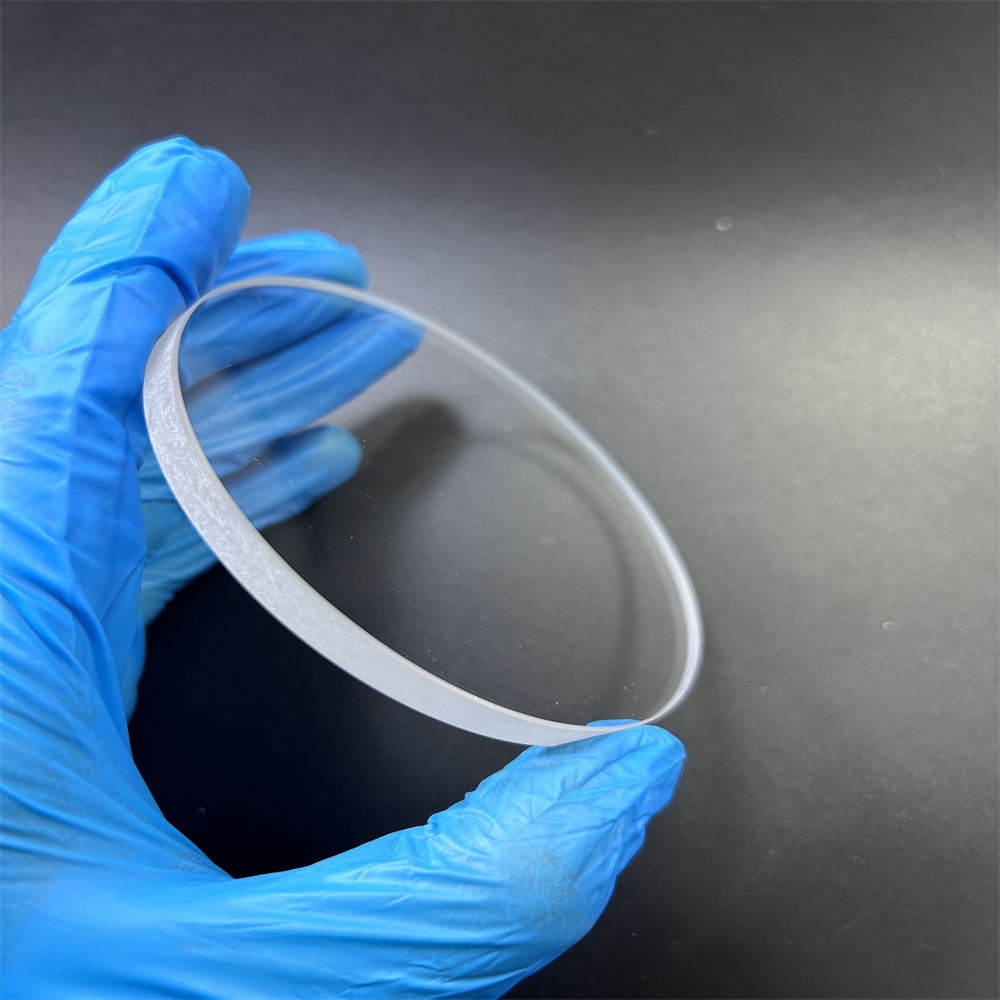
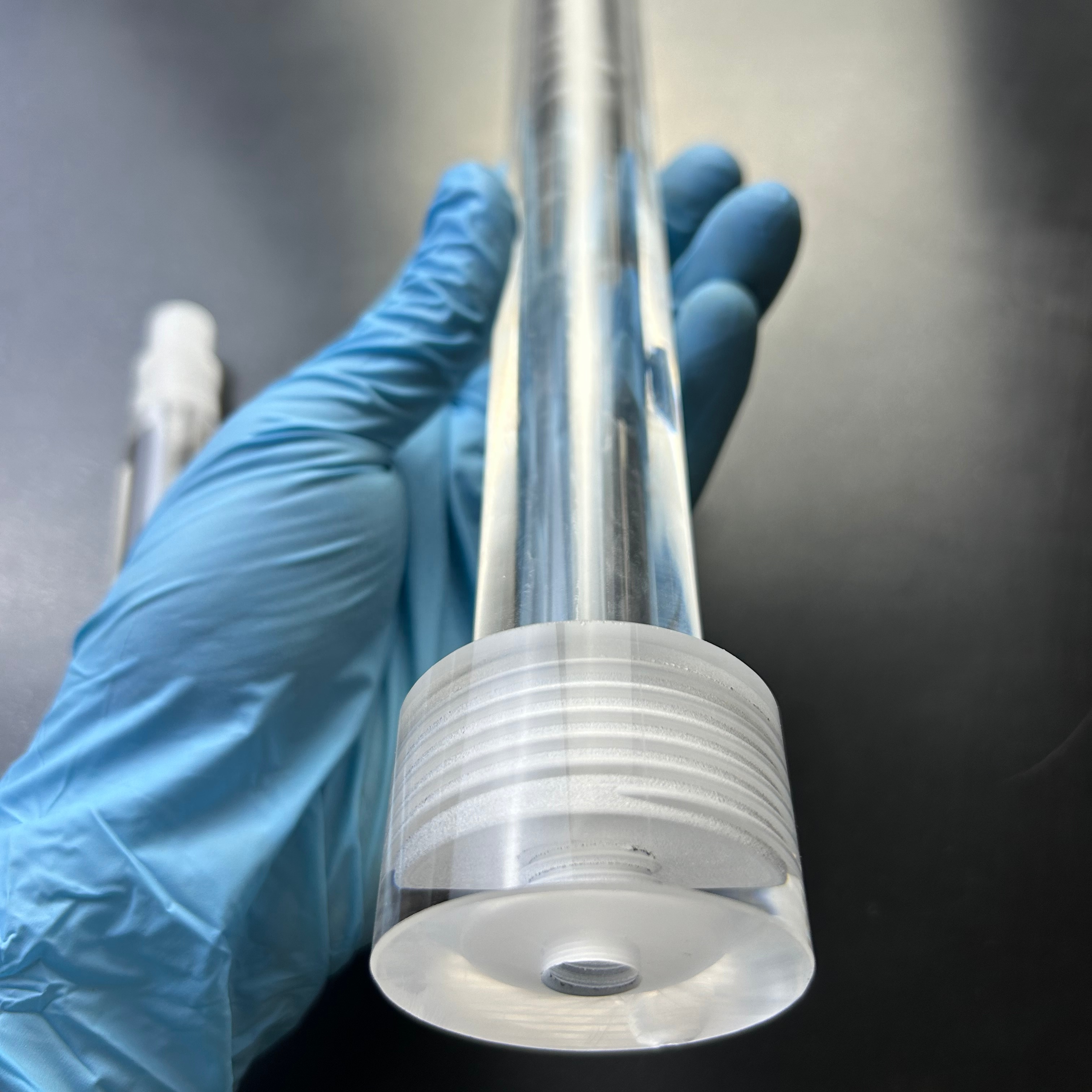
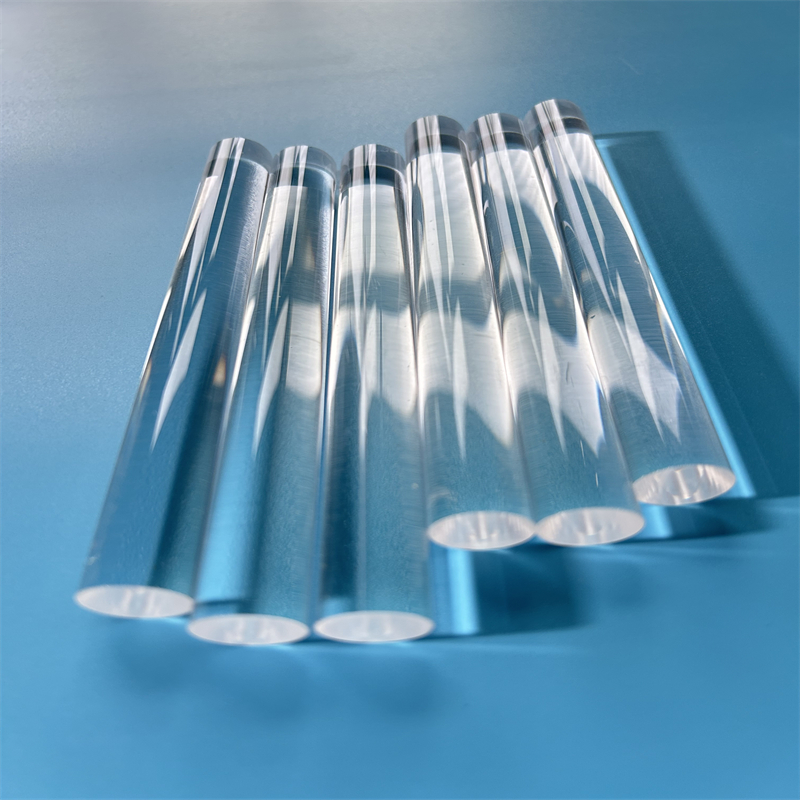
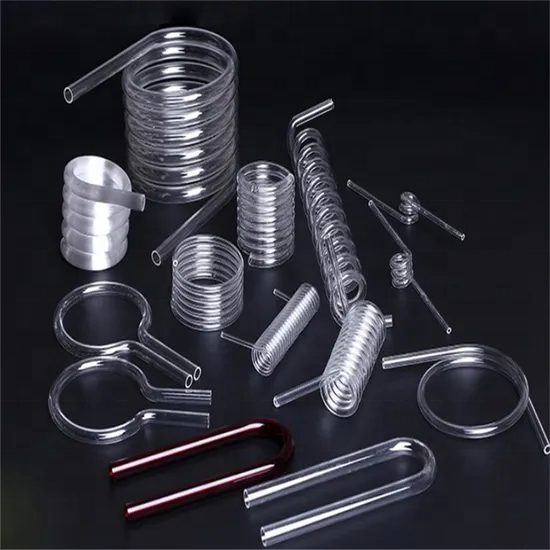

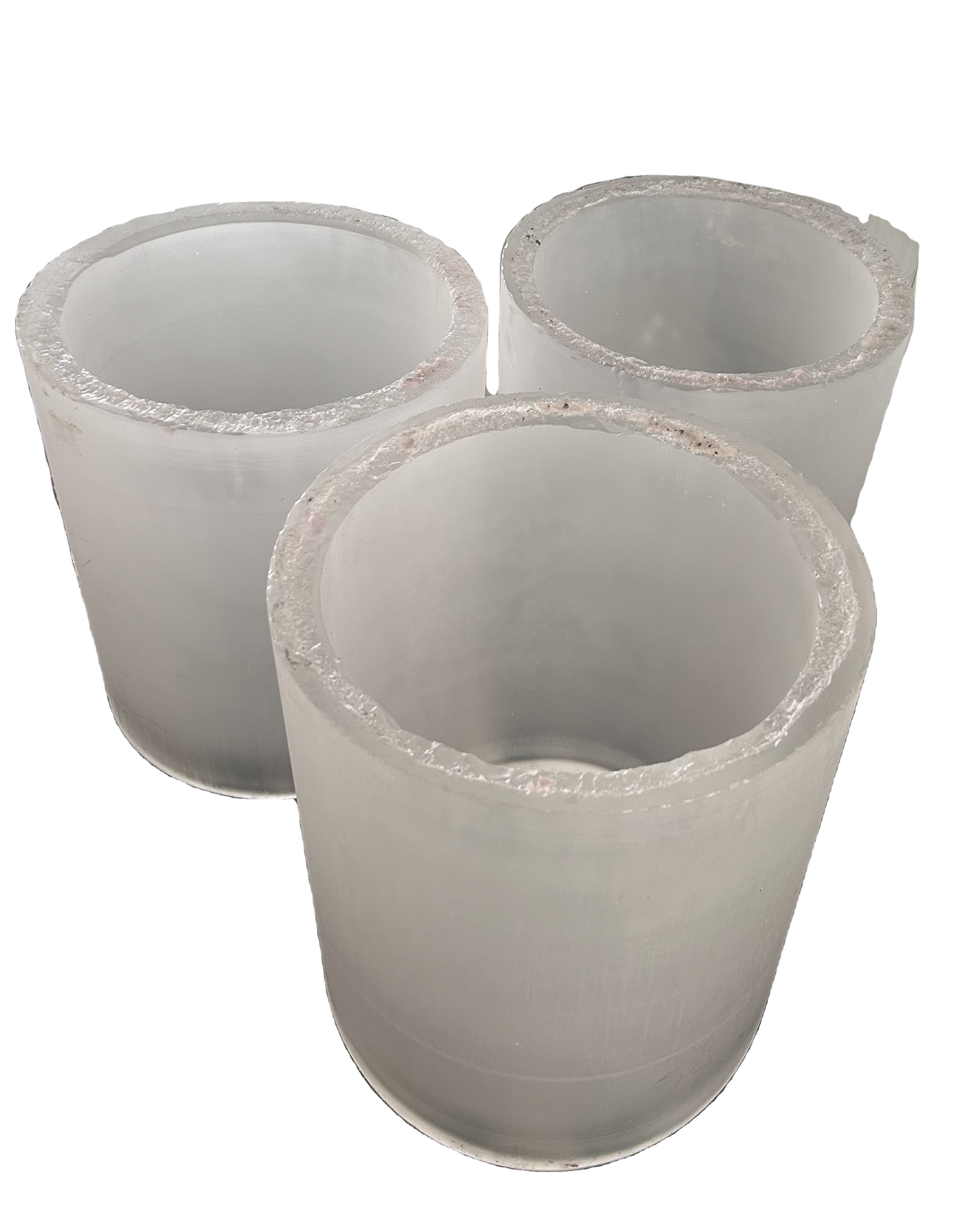
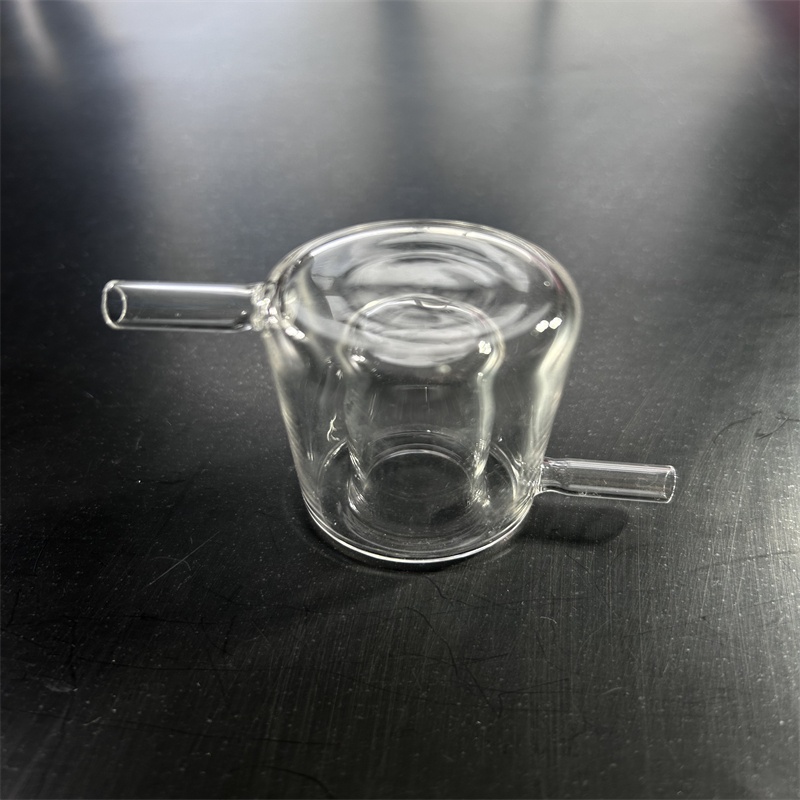
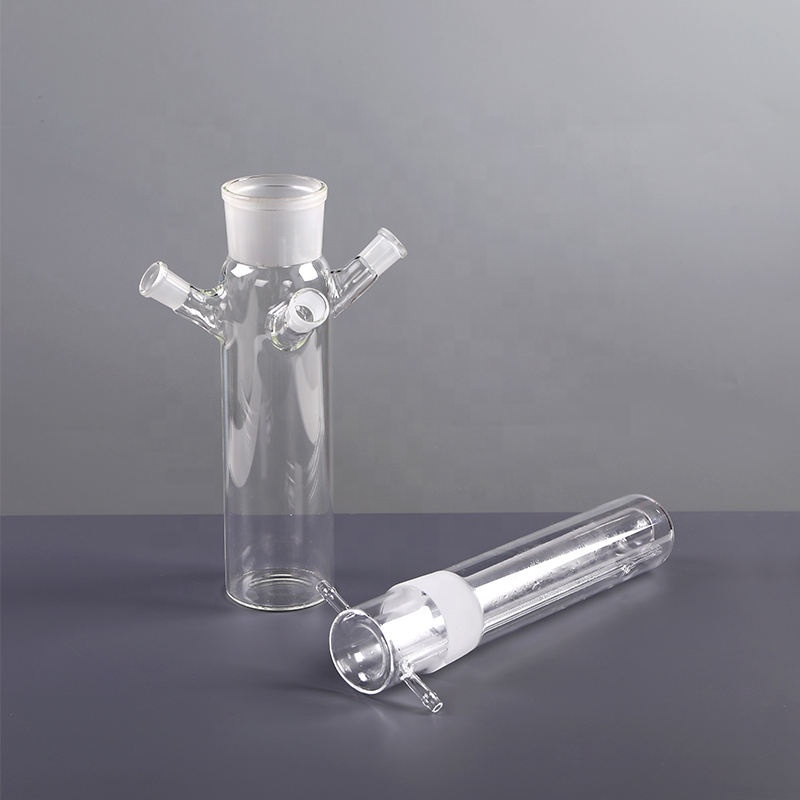
Procuring Fused Silica Rods for Hamburg's Advanced Scientific & Industrial Infrastructure
Industrial fused silica rods play an irreplaceable role in advanced optical architectures and high-temperature thermal processing systems across Hamburg. Unlike standard borosilicate or optical crown glass, fused silica (≥ 99.99% amorphous silicon dioxide, SiO₂) exhibits a near-zero coefficient of thermal expansion (5.5 × 10⁻⁷ / °C) alongside an exceptional softening threshold approximating 1683 °C. This unique physical foundation prevents optical wavefront distortion and thermal lensing under severe localized laser illumination and rapid thermal cycling.
Whether serving as optical light pipe integrators for beam homogenization, primary preforms for fiber optic sensors deployed in the Elbe river basin, or precision support tooling within cleanroom vacuum chambers at Science City Bahrenfeld, the dimensional stability and chemical inertness of fused silica rods make them the premier substrate for modern precision manufacturing.
Comparative Grade Analysis: Synthetic vs. Natural Fused Silica
Hamburg procurement managers and mechanical design engineers must carefully navigate the distinction between synthetic fused silica (JGS1) and natural fused quartz (JGS2 and JGS3). While all three grades exhibit exceptional heat resistance and mechanical stiffness, their molecular hydroxyl (OH⁻) concentrations, metallic impurity profiles, and resulting optical transmission curves diverge substantially:
| Material Grade | SiO₂ Purity | Transmission Band (T > 85%) | Typical OH⁻ Content | Primary Hamburg Application Sectors |
|---|---|---|---|---|
| JGS1 (Synthetic Fused Silica) | ≥ 99.999% | 185 nm – 2500 nm (Deep DUV/UV) | ≤ 1200 ppm (High OH) or ≤ 1 ppm (Ultra-dry) | DESY beamline optics, excimer laser homogenizers, UV spectrophotometry, semiconductor lithography. |
| JGS2 (Optical Fused Quartz) | ≥ 99.99% | 220 nm – 2500 nm (UV-Vis-NIR) | 30 – 150 ppm | Sight glasses, general laser light guides, optical supports, plasma-assisted vacuum deposition. |
| JGS3 (Infrared Fused Quartz) | ≥ 99.99% | 260 nm – 3500 nm (Extended IR) | ≤ 5 ppm (Water-free) | Pyrometric sensors, gas chromatography columns, infrared emitters, thermal reactor light tubes. |
At Zunex Quartz, our production base in Donghai County—the crystal and silicon heartland of China—leverages proprietary oxy-hydrogen flame synthesis and electric fusion pulling systems. This enables our optical engineering group to supply Hamburg clients with fused silica rods possessing strict dimensional cylindrical tolerance (±0.02 mm), zero striations along the primary optical axis, and bubble classification complying with DIN ISO 10110-3 Class 1 standards.
Localized Application Scenarios Across the Hamburg Cluster
How high-purity fused silica rods empower specialized engineering verticals throughout Hamburg, Harburg, and the Schleswig-Holstein periphery.
DESY & European XFEL High-Energy Physics
Within particle accelerator facilities and free-electron laser beamlines at Bahrenfeld, radiation-resistant synthetic fused silica rods serve as vacuum-isolated Cerenkov counters, optical diagnostic alignment guides, and radiation-hardened beam port monitors capable of enduring heavy ion and gamma flux without solarization discoloration.
Industrial Laser Machining & Fiber Coupling
Hamburg’s metal processing and additive manufacturing workshops utilize solid quartz homogenizing light rods. These hexagonal and cylindrical ground rods mix high-power multi-mode Nd:YAG and fiber laser beams into uniform flat-top intensity profiles, preventing hotspot damage in welding and micro-cutting heads.
Maritime Port Sensing & River Lidar
The Port of Hamburg’s smart maritime logistics network relies on autonomous tugboats, dockyard lidar, and waterborne sensor pods. Fire-polished fused silica sensor rods provide crystal-clear environmental protection windows impervious to salt mist corrosion, chemical biofouling, and abrasive sand abrasion.
Aerospace Structural & Composite Curing
Suppliers supporting commercial aircraft assembly in Hamburg-Finkenwerder implement infrared emitter systems containing fused silica guidance rods and twin quartz tubes. Their extreme thermal efficiency allows uniform radiant heat conduction during carbon fiber prepreg autoclaving and autoclave inspection probe arrays.
Photocatalytic & Chemical Reactor Engineering
Harburg chemical plants and environmental testing institutions use internal illumination quartz rods immersed in high-pressure reaction vessels. These deliver deep UV light (254 nm / 365 nm) directly into volatile catalytic slurries, driving water purification and petrochemical cracking without corrosion.
Semiconductor & Cleanroom Quartzware
For microelectronics and thin-film R&D centers in the metropolitan region, our rods serve as high-purity structural push-rods, boat lifters, and thermal isolation standoffs inside diffusion furnaces, maintaining zero contamination across parts-per-billion alkali thresholds.
Key Technological Trends Driving Fused Silica Demand in Northern Germany
The German industrial landscape is undergoing massive technological transformation, with the Hanseatic hub prioritizing decarbonization, automated maritime logistics, and high-frequency laser materials processing. These priorities directly reshape the procurement criteria for raw optical quartz glass:
1. Expansion of Green Hydrogen & Electrolysis Monitoring
With Hamburg positioning itself as Europe’s premier green hydrogen hub through projects such as the Hamburg Green Hydrogen Hub (HGHH) at the Moorburg site, optical spectroscopy in explosive atmospheres has grown critical. Fused silica light rods serve as intrinsically safe optical waveguides, transporting Raman and absorption spectroscopy signals across ATEX Zone 0 containment barriers without electrical wiring risks.
2. Transition to Laser-Assisted Shipbuilding and Large-Scale Overhaul
Yards along the Steinwerder and Blohm+Voss drydocks increasingly transition to automated fiber laser cladding and surface descaling systems. Optical delivery rods that resist catastrophic dielectric breakdown when transmitting kilowatt-level near-infrared (1064–1070 nm) laser power have become vital maintenance components.
3. Port of Hamburg Streamlined Ocean & Air Logistics
For German B2B buyers, supply continuity and carbon footprint represent critical performance metrics. Zunex Quartz maintains dedicated export packing protocols for fragile quartzware—employing custom CNC-milled closed-cell polyethylene foam and heavy timber crates. With direct ocean container services running between Lianyungang/Shanghai and the Port of Hamburg (Waltershof Terminal), bulk shipments of standard quartz rods and preforms achieve low freight tariffs, while prototype batches are expedited to Hamburg Airport (HAM) within 5–7 days via international express carriers.
Engineered in Donghai, Tailored to DIN Standards
Combining raw material purity from China's crystalline capital with high-precision optical laser processing and rapid engineering response.
Precision CNC Machining
Centerless cylindrical grinding, chamfering, flame-polishing, and laser micro-cutting produce rods matching exacting German engineering drawings and mechanical CAD tolerances.
Optical Grade Polishing
Full double-end optical face polishing with surface scratch-dig specifications of 20-10, wave-front distortion < λ/4, and minimal subsurface microcracking.
Direct Engineering Review
Every RFQ sent to [email protected] is analyzed directly by a senior quartz glass fabrication technician, validating raw materials, mechanical stress points, and process feasibility.
Defect & Purity Certification
Rigorous polariscope stress birefringence testing, spectrophotometric transmission validation, and bubble classification checks accompany export documentation.
Frequently Asked Questions by German Engineering Teams
Clear technical answers addressing tolerances, certification, import logistics, and material properties for the Hamburg market.
What are the maximum continuous and short-term operating temperatures for your fused silica rods?
How do you handle German import customs and HS code classification at the Port of Hamburg?
Can you produce non-cylindrical shapes, such as square, D-shaped, or hexagonal quartz rods?
What surface finish options are available for the ends and cylindrical sides of the rods?
How do you guarantee that fragile quartz rods arrive intact without breakage during international transit?
Do your fused silica materials comply with European RoHS and REACH regulations?
Ready to Engineer Your Quartz Solution for Hamburg?
Whether you require single prototype rods for beamline validation or recurring scheduled production runs for industrial optics lines, our engineering desk will review your technical drawings and respond in ≤ 2 hours.