Engineered Quartz Components Available for Peja Delivery
Explore our verified high-purity fused quartz catalog. Every component is machined to strict drawing tolerances, ultrasonically cleaned, and packaged for zero-contamination international transit.
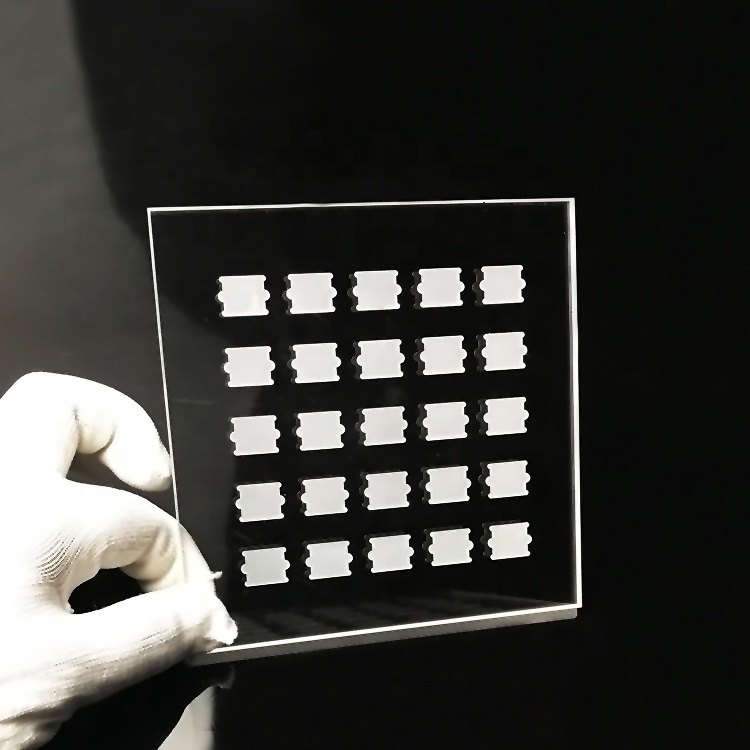
Circular Fused Quartz XRD Sample Holder Optics Clear
- Zero background diffraction interference
- Surface roughness Ra < 0.5 nm
- Continuous thermal ceiling: 1100°C
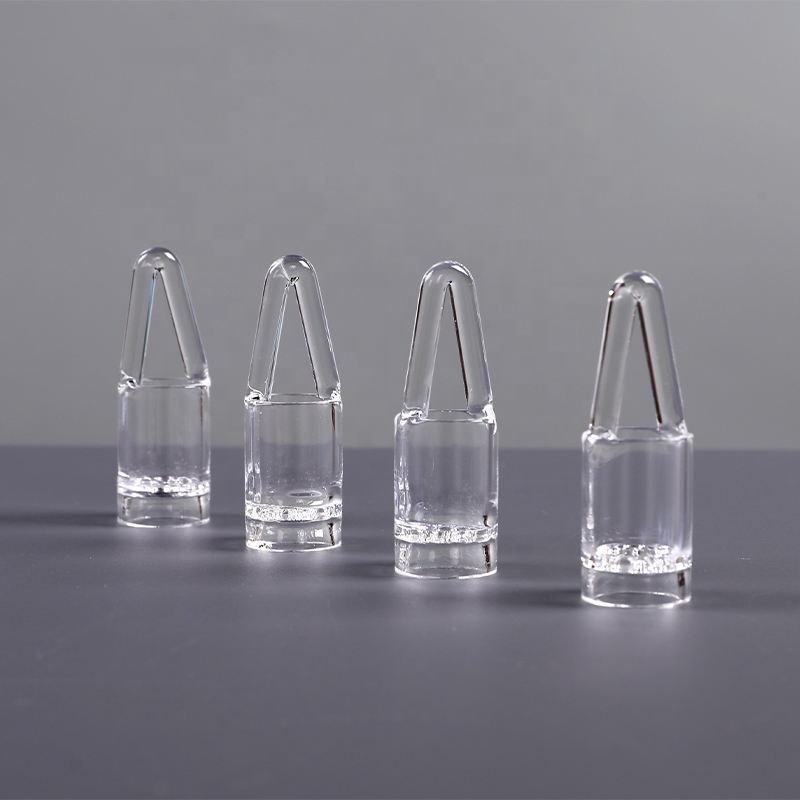
High Pressure 99.99% Pure Quartz Glass Tube
- Ozone-free flame-polished interior
- High burst pressure rating: > 3.0 MPa
- Custom precision flanging and bending
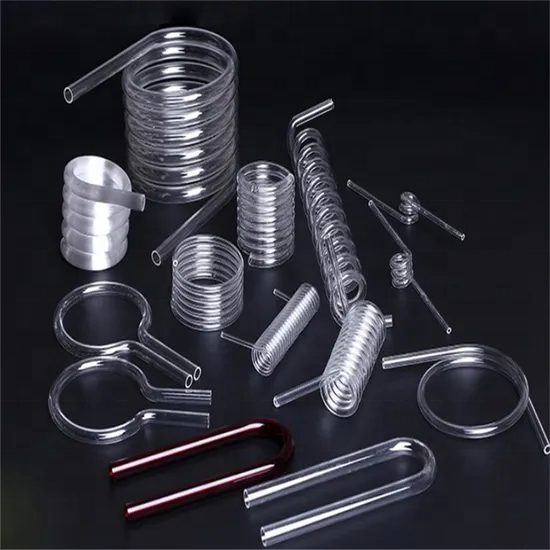
Custom U-Bent & Spiral Quartz Glass Tubes
- Multi-axis automated coil molding
- Uniform wall thickness retention
- Annealed to eliminate internal stresses
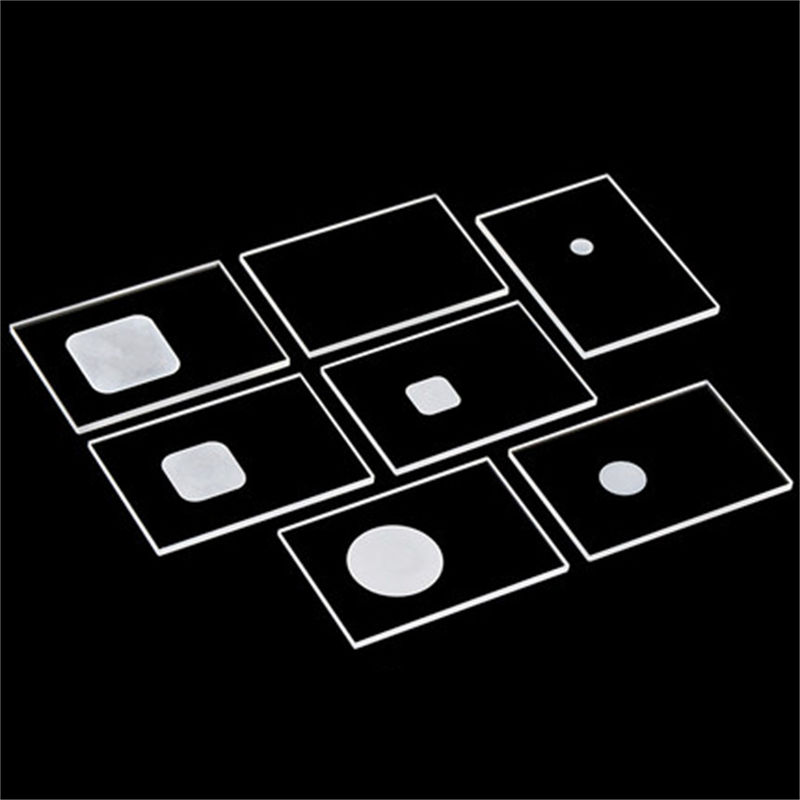
High Temperature Quartz Sheet for XRD Chip Carriers
- Laser micro-slotted carrier channels
- High chemical resistance to hot acids
- Thickness options from 0.3mm to 30mm
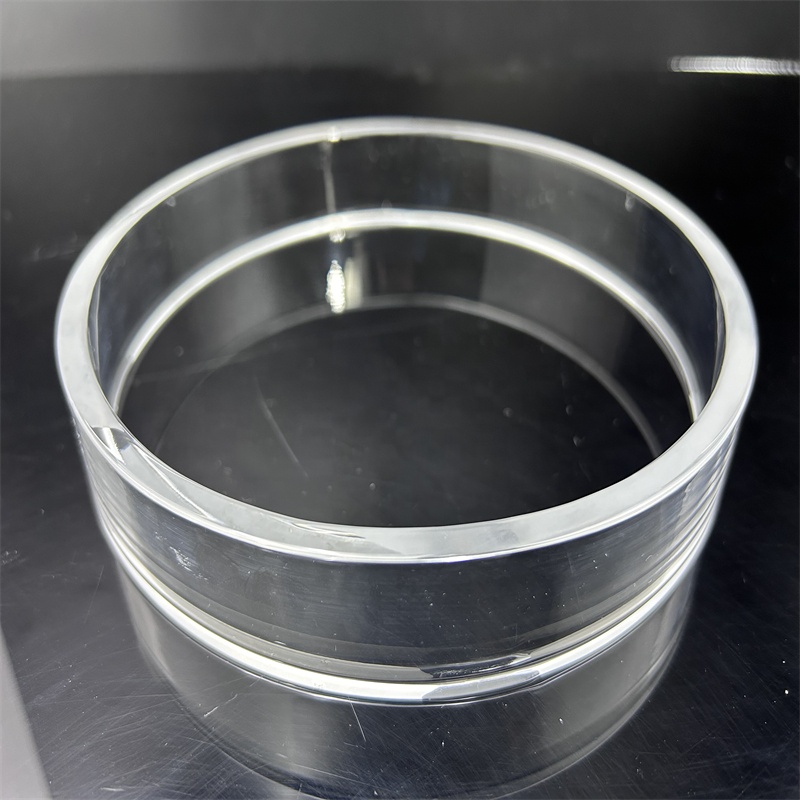
High Purity Fused Quartz Bell Jar & Chambers
- Ultra-low ionic contamination
- Vacuum-sealed fire-polished rim
- Outstanding dielectric isolation

High Heat Resistant Clear Twin Quartz Tube
- Figure-8 geometry for double filaments
- High mechanical beam rigidity
- Gold or ceramic reflective coating ready
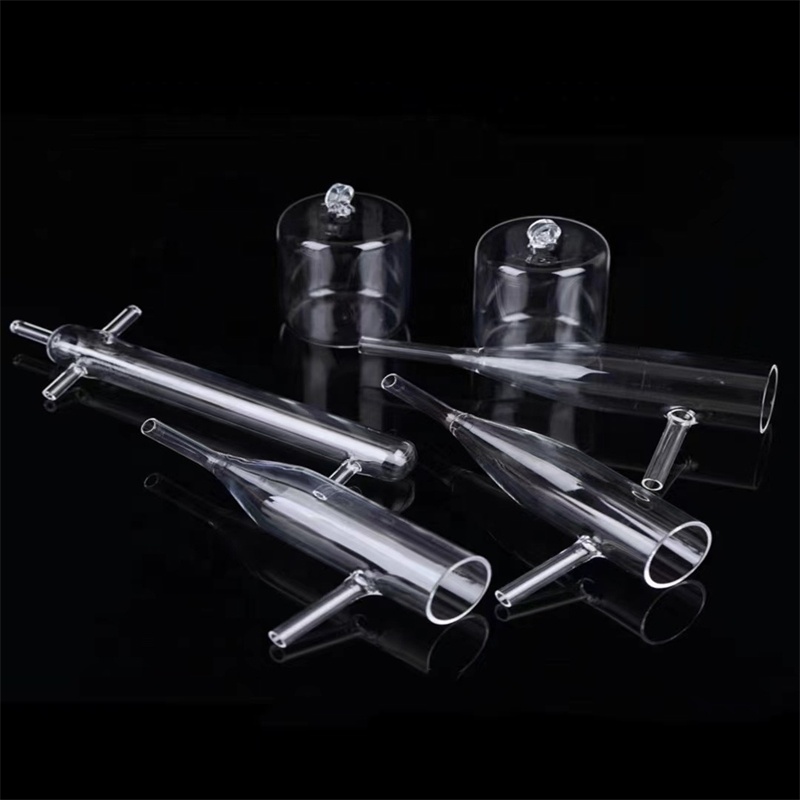
CVD Furnace Vacuum Twin Quartz Process Tube
- Thermal expansion: 5.5 x 10⁻⁷ /°C
- Vacuum leak tested to < 1x10⁻⁹ mbar·l/s
- Heavy wall thickness stability
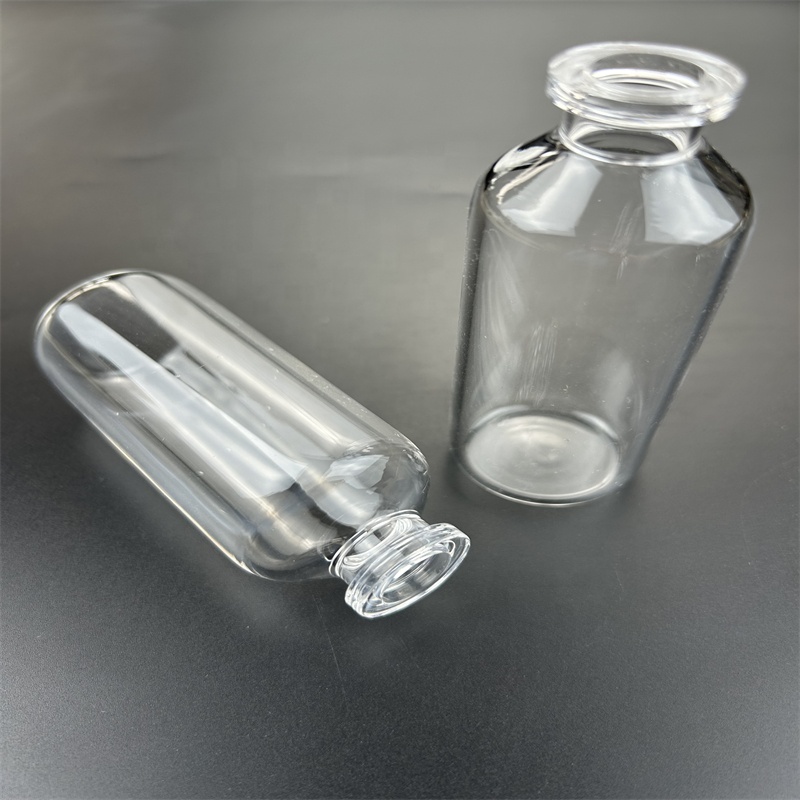
Corrosion-Resistant Quartz Glass Ampoules
- Ultra-pure glass matrix prevents leaching
- Flame-sealable capillary neck design
- Cryogenic to high-temp shock resistant
Engineering Principles: Synthetic Fused Silica (JGS1) vs. JGS2 vs. JGS3
In high-precision optical instruments, spectroscopic metrology, and high-energy ultraviolet laser systems, material selection dictates signal-to-noise ratio, damage threshold, and thermal drift. For technical teams and optical buyers operating within Peja and greater Southeast Europe, choosing between synthetic fused silica (JGS1) and natural fused quartz grades (JGS2 and JGS3) is the fundamental engineering decision that determines device longevity.
JGS1 (Synthetic Fused Silica) is produced via chemical vapor deposition through high-temperature flame hydrolysis of silicon tetrachloride (SiCl₄) in an oxygen-hydrogen atmosphere. Because it is synthesized chemically rather than melted from mined crystalline pegmatite quartz, JGS1 achieves an ultra-pure amorphous state with virtually non-existent metallic impurity levels (Fe, Al, Ti, Na < 0.1 ppm). Crucially, this synthetic synthesis eliminates the fundamental absorption bands in the deep-ultraviolet (DUV) spectrum, providing extraordinary transmission (> 90% internal transmittance) down to 185 nm, through the visible range, and out to 2500 nm.
In comparison, JGS2 is melted from high-grade natural quartz crystals. While it maintains high optical clarity across the ultraviolet-visible spectrum (220 nm – 2500 nm), it exhibits trace aluminum and hydroxyl signatures that make it unsuitable for sub-200 nm excimer lasers or precision fluorometry. JGS3, synthesized under vacuum or anhydrous conditions, is an infrared-optimized fused silica with exceptionally low hydroxyl (-OH) concentration (< 5 ppm). This eliminates the devastating water absorption dips at 1380 nm, 2200 nm, and especially 2730 nm, unlocking transmission spanning 260 nm up to 3500 nm.
| Property Parameter | JGS1 (Synthetic Fused Silica) | JGS2 (Optical Fused Quartz) | JGS3 (Infrared Fused Silica) |
|---|---|---|---|
| Primary Optical Transmission Spectrum | 185 nm – 2,500 nm (Deep UV) | 220 nm – 2,500 nm (UV-Vis) | 260 nm – 3,500 nm (Broadband IR) |
| Hydroxyl (-OH) Content Level | High (~800 to 1200 ppm) | Medium (~150 to 200 ppm) | Ultra-Low (< 5 ppm Anhydrous) |
| Raw Material Synthesis Route | SiCl₄ Flame Hydrolysis / CVD | Refined Natural Quartz Fusion | Vacuum / Plasma Fusion Method |
| Metallic Impurity Profile (Fe, Ti, Cr) | < 0.1 ppm aggregate | < 2.0 ppm aggregate | < 1.0 ppm aggregate |
| Refractive Index nd (λ = 589.3 nm) | 1.45846 | 1.45840 | 1.45845 |
| Coefficient of Thermal Expansion (CTE) | 5.5 × 10⁻⁷ / °C (0 – 300°C) | 5.5 × 10⁻⁷ / °C (0 – 300°C) | 5.4 × 10⁻⁷ / °C (0 – 300°C) |
| Maximum Continuous Working Temperature | 1,100 °C | 1,100 °C | 1,150 °C |
| Fluorescence / Solarization Resistance | Extremely High (Excimer Grade) | Moderate | High in Near-IR |
Localized Application Scenarios in Peja & Western Kosovo
Peja serves as a strategic crossroads of beverage bottling, food processing, environmental biodiversity research, and industrial automation. Discover where our JGS1 quartz components deliver verified operational value.
UV-C Sterilization in Beverage & Brewery Lines
Peja is renowned across the Western Balkans for its expansive beverage and brewing infrastructure. Modern industrial breweries and bottling lines utilize automated in-line 254 nm germicidal UV systems. JGS1 quartz plates and customized protective sleeves guarantee > 92% transmission of germicidal ultraviolet light, preventing microbial contamination in fluid pipelines without yellowing or solarization over 10,000+ operating hours.
Accursed Mountains Environmental Fluorometry
Surrounded by the Bjeshkët e Nemuna National Park, environmental testing laboratories and university researchers in Peja monitor glacial runoff, river ecosystems (Lumbardhi i Pejës), and mineral water purity. Our JGS1 optical quartz cells, flow cuvettes, and XRD sample carriers enable precise trace-pollutant fluorometry and heavy-metal spectroscopic assays without matrix fluorescence or baseline interference.
Industrial Laser Cutting & Optics Windows
As metal fabrication and machinery refurbishment expand throughout Peja’s industrial parks, CNC fiber and CO₂ laser cutting installations require robust protective cover slides. JGS1 precision-ground discs offer superior laser damage thresholds (> 10 J/cm² at 1064 nm, 10 ns pulses) and thermal shock resistance, ensuring lens assemblies remain protected against molten spatter without thermal distortion.
Agritech & Herbal Extract Analysis
Western Kosovo’s thriving medicinal plant extraction and agricultural processing sector relies on high-pressure liquid chromatography (HPLC) and spectrophotometric UV detection to assay active botanicals. Our chemically inert JGS1 quartz sight windows withstand boiling organic solvents, nitric acid washes, and autoclave sterilization cycles without surface etching or optical clouding.
High-Temperature Pyrometry Viewports
Local ceramic, thermal recycling, and metallurgical casting workshops near Peja utilize non-contact infrared pyrometry to regulate kiln temperatures. JGS1 and JGS3 observation viewports allow technicians to monitor molten charges safely up to 1100°C continuous operation while ensuring high-fidelity sensor readouts unaffected by extreme internal radiant heat.
Municipal Wastewater UV Disinfection
Upgrades to municipal and industrial effluent processing plants along the White Drin river basin mandate high-output ultraviolet secondary treatment. Zunex supplies heavy-wall JGS1 and high-purity natural quartz protection sleeves engineered to endure mechanical vibration, hydrodynamic turbulence, and seasonal temperature swings from -15°C winter freezes to 40°C summer operation.
Industrial Modernization Trends Reshaping Optical Quartz Demand in Kosovo
The manufacturing landscape of Kosovo is currently undergoing a notable transition. With foreign direct investment flowing into light manufacturing, agricultural automation, and green energy transitions under CEFTA and SAA frameworks, factories in Peja are replacing legacy mechanical fixtures with optoelectronic sensors, automated robotic inspection cells, and photonic processing tools. This structural evolution is driving three decisive trends for specialized fused quartz components:
1. Transition to In-House Quality Assurance and Analytical Spectroscopy
Previously, manufacturers in Western Kosovo outsourced specialized chemical and structural testing to external European facilities. Today, competitive export standards (HACCP, ISO 22000, CE) demand that Peja food processors, wineries, pharmaceutical repackagers, and plastics fabricators establish in-house analytical laboratories. Equipping these facilities requires high-durability optical cells, XRD sample holders, and spectroscopic JGS1 quartz windows capable of repeatable measurements under continuous multi-shift operation.
2. Shift Toward High-Power Fiber Laser Processing
In the metal fabrication and regional construction equipment sectors around Peja and Gjakova, mechanical stamping and plasma torches are rapidly yielding to 6 kW – 12 kW fiber laser cutting tables. These systems operate at intense optical power densities where inferior glass windows experience thermal lensing, focal shift, and catastrophic thermal fracture. Fabricators increasingly insist on precision-polished JGS1 synthetic silica protective plates featuring < 0.2 nm surface roughness and dual-side anti-reflective (AR) optical coatings.
3. Green Transition and Municipal UV Water Treatment Modernization
With environmental regulations harmonizing with European Union water frameworks, municipal authorities and industrial operators in the Dukagjini valley are phasing out chlorine-heavy treatment in favor of ultraviolet radiation systems. These installations demand thick-walled quartz reactor tubes and high-pressure JGS1 sight windows capable of resisting pressure pulses, calcification, and aggressive chemical clean-in-place (CIP) cycling using nitric and phosphoric acids.
Why Engineering Procurement Teams Choose Zunex Quartz
Headquartered in Donghai County, China—the undisputed global epicenter of quartz mineral processing—Zunex Quartz Products Co., Ltd. combines raw mineral advantages with advanced CNC micro-machining capabilities.
Direct OEM to Drawing
Upload your CAD files (.DWG, .DXF, .STEP, or dimensioned PDF). Our senior tooling engineers verify geometric tolerances, bevel radii, and machinability before quoting, preventing costly manufacturing revisions.
Micro-Laser Cold Finishing
State-of-the-art ultrafast picosecond and CO₂ laser drilling, micro-grooving, and chip carrier slotting. We execute hole diameters as small as 0.2 mm with negligible micro-crack heat zones (< 15 µm edge perimeter).
Export Packaging Standard
Every plate is separated by optical lens tissue, vacuum-sealed in anti-static cleanroom pouches, encapsulated in high-density customized shock-absorbing EPE foam, and crated in heavy-duty export plywood cases.
Batch Material Traceability
Full lot certification containing XRF elemental analysis, optical transmittance spectral curves, surface flatness interferometry charts (Zygo verified), and RoHS/REACH compliance documentation.
Frequently Asked Questions by Industrial Buyers in Peja
Clear, technically accurate answers addressing international shipping, customs documentation, dimensional tolerances, and operational parameters for Kosovo procurement teams.