Engineered Fused Silica & Quartz Glass Assemblies
Direct manufacturer capabilities specializing in JGS1, JGS2, and JGS3 high-purity optical blanks, sub-micron surface micro-texturing, precision CNC waterjet cutting, and fire-polished edges for cleanroom deployments in the greater Amsterdam-Randstad high-tech basin.
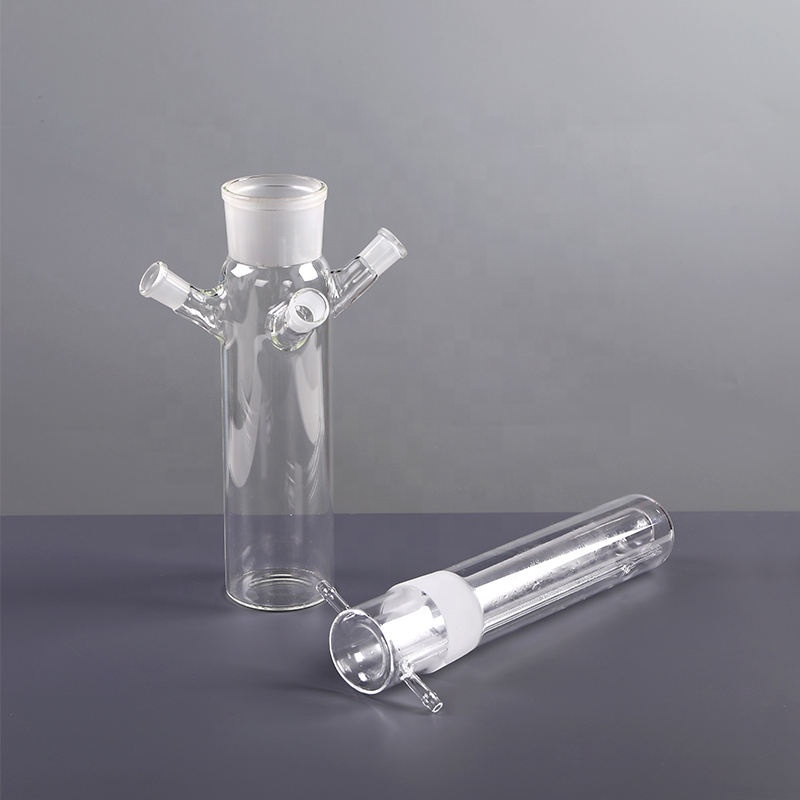 Photocatalytic
Customized High-Purity Quartz Glass Reactor Container
 Optics 1100°C
High-Temperature Polished Fused Quartz Disc & Plate
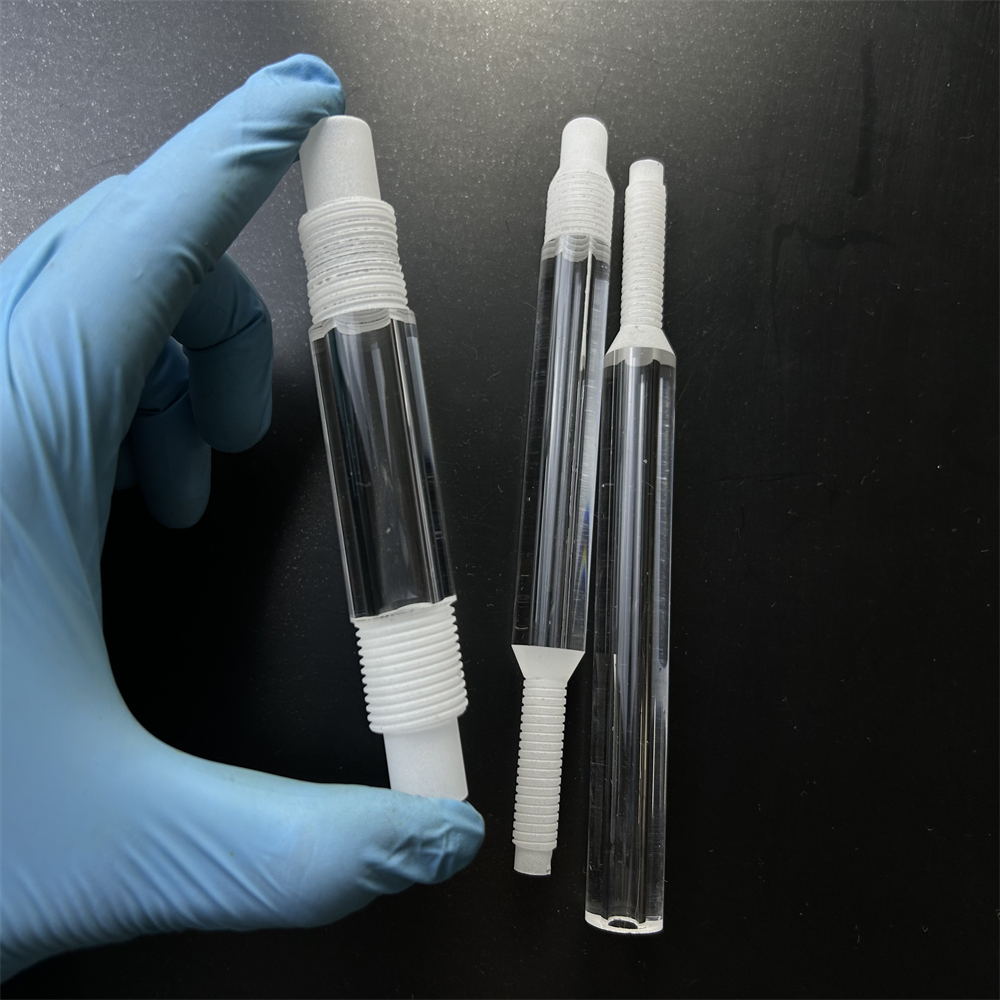 High Pressure
Precision Threaded UV Quartz Glass Tube with Bending & Welding
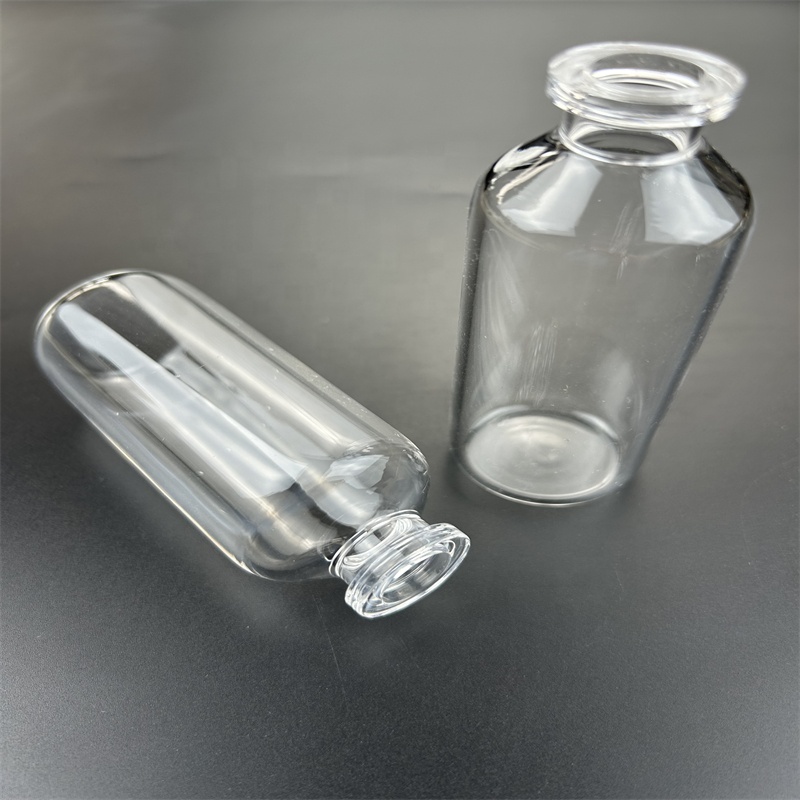 Medical Grade
Corrosion-Resistant 99.99% Pure Ozone-Free Quartz Ampoules
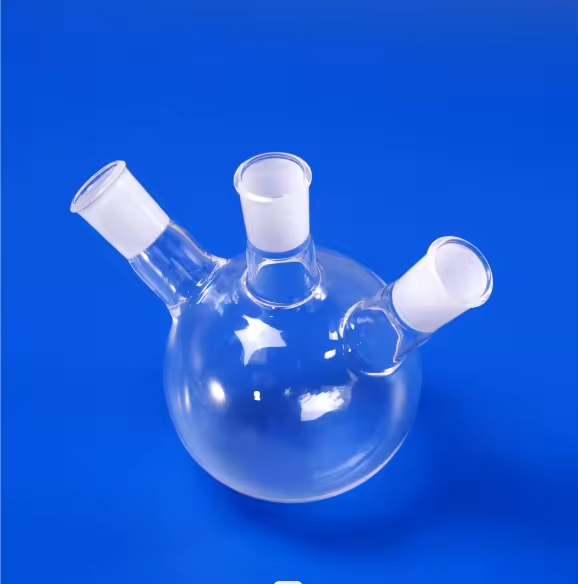 Lab Specialized
Thermal-Shock Resistant Quartz Glass Twin-Tube Bottom Flask
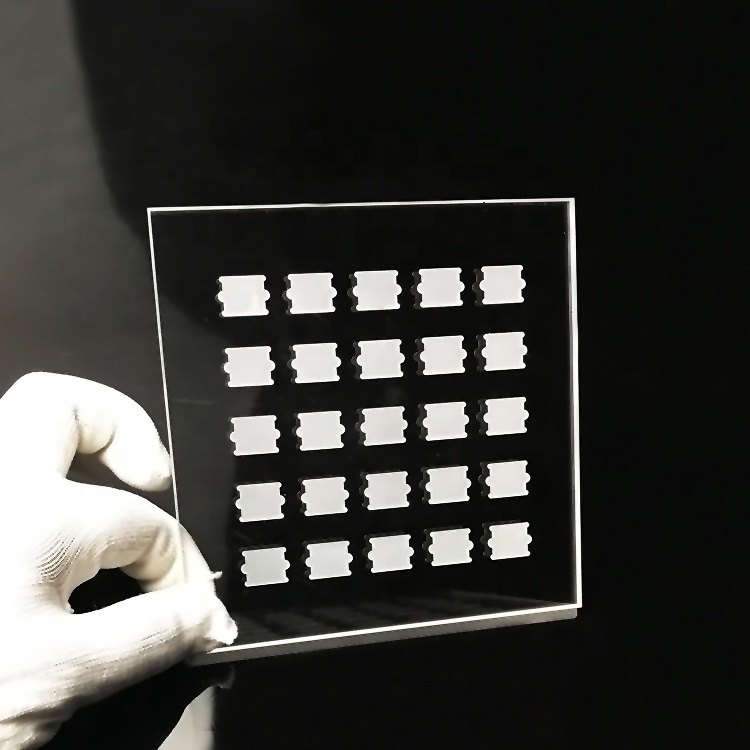 Diffraction Clean
Circular Fused Quartz Glass XRD Zero-Background Sample Holder
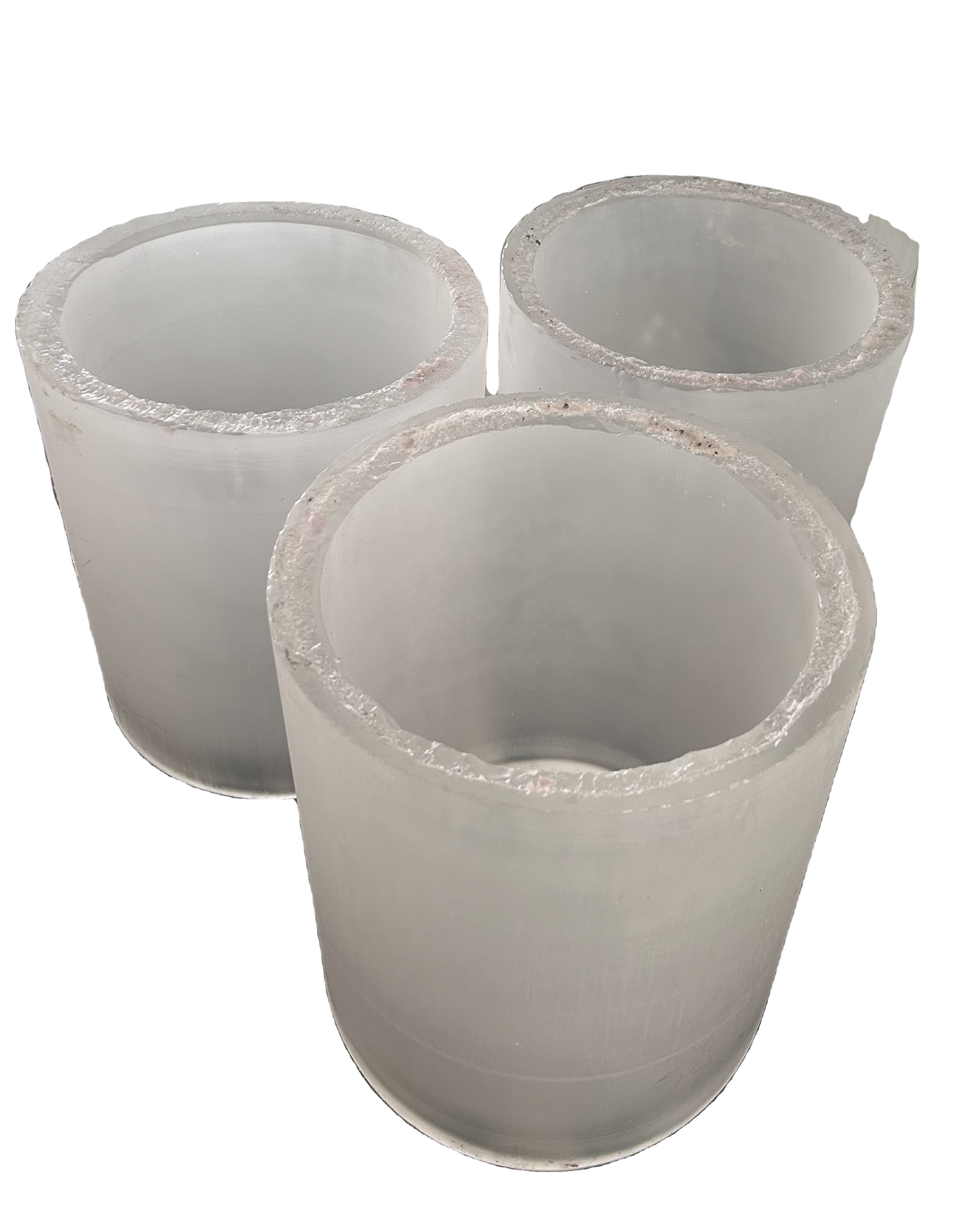 Frosted / Diffusive
Open-Ended Fused Quartz Frosted Cylinder & Diffuser Disc Ingot
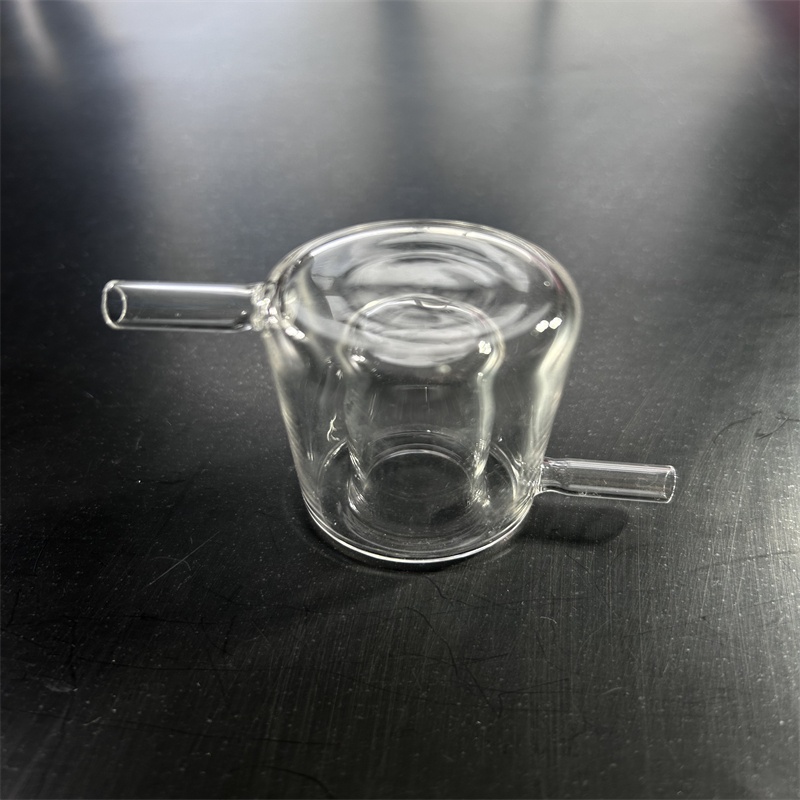 Reactor Core
99.99% Pure High-Temp Quartz Reactor Twin-Tube System
Engineering Fundamentals: Why Frosted Quartz Discs Outperform Synthetic Polymers & Borosilicate in Amsterdam's Precision Sectors
A frosted quartz disc—synthesized by mechanical sandblasting (micro-abrasion with ultra-pure alumina or silicon carbide media) or controlled hydrofluoric acid etching—converts directional, coherent light into a smooth, Lambertian radiation pattern without sacrificing the extraordinary thermo-physical strengths intrinsic to fused silica (SiO₂ > 99.99%). In optical engineering, this surface modification breaks Fresnel reflection barriers and eliminates hot spots, transforming beam distributions for excimer laser lines, deep-UV curing stations, and critical metrology chambers.
For systems engineers and equipment architects across the Amsterdam Metropolitan Area (Metropoolregio Amsterdam - MRA), selecting between transparent optical plates and surface-modified frosted quartz discs is rarely an aesthetic choice; it is driven by rigorous optical physics and thermal survivability. Borosilicate glasses soften around 500°C to 550°C and introduce significant solarization under short-wavelength ultraviolet radiation (<300 nm). In contrast, high-purity fused silica exhibits a near-zero coefficient of thermal expansion (5.5 × 10⁻⁷ /°C), retaining structural rigidity, zero crystalline transformation, and mechanical flatnesses under rapid temperature differentials of up to 1000°C.
| Material / Grade Identifier | Spectral Window (T > 80%) | OH⁻ Content (ppm) | Thermal Softening Point | Primary Amsterdam Industry Use Cases |
|---|---|---|---|---|
| JGS1 (Synthetic Fused Silica) | 185 nm – 2500 nm (Deep UV) | ≤ 1500 (VUV synthetic) | 1730 °C | EUV/DUV wafer alignment, excimer optics, laser homogenizer baffles |
| JGS2 (Optical Grade Fused Quartz) | 220 nm – 2500 nm (UV-VIS) | ≤ 30 – 150 | 1683 °C | Photocatalytic reactors, industrial UV-C sterilization, plasma viewing ports |
| JGS3 (Infrared Fused Quartz) | 260 nm – 3500 nm (NIR / SWIR) | ≤ 5 | 1680 °C | Semiconductor rapid thermal processing (RTP), IR pyrometer viewports |
| Acid-Etched Diffusive Disc | Surface finish Ra 0.4 – 1.2 µm | Dependent on substrate | 1683 °C | Cleanroom particulate-free diffusion, medical diagnostics, flow sensors |
| Coarse Blasted Quartz Disc | Surface finish Ra 2.0 – 6.3 µm | Dependent on substrate | 1683 °C | Thermal insulation baffles, high-temperature sight glasses, optical scatterers |
Table 1.1: Quantitative specification guidelines for frosted and polished fused quartz components fabricated to OEM drawing standards.
Frosted Quartz Disc Applications in the Dutch Innovation Cluster
How cutting-edge research institutes, green chemical enterprises, and deep-tech OEMs across the Amsterdam-Randstad corridor deploy precision frosted fused silica.
Semiconductor Metrology & ASML Supply Chain Ecosystem
While lithography systems hubs concentrate around Veldhoven and Brainport, engineering suppliers and photonics design bureaus situated in North Holland (Amsterdam Science Park, Haarlem, and Zaanstad) demand frosted quartz discs as optical beam scramblers and sensor protective windows. The frosted surface mitigates spatial coherence, eliminating laser speckle phenomena in wafer alignment optics and laser interferometer calibrations.
Photochemical Synthesis & Green Chemistry (Port of Amsterdam)
The Port of Amsterdam chemical and circular logistics cluster focuses aggressively on synthetic fuels, CO₂ photocatalytic reduction, and advanced organic synthesis. Custom frosted quartz discs serve as internal window diffusers within UV photoreactors, maximizing light absorption uniformity across heterogeneous catalysts without creating hot spots that degrade localized yields.
UV-C Advanced Oxidation & Municipal Water Purification
Managed under strict environmental water safety guidelines by Dutch agencies like Waternet (Amsterdam and Amstel, Gooi en Vecht catchment area), large-scale UV disinfection plants employ frosted quartz sleeves and sensor discs to measure UV transmittance (UVT) and monitor radiation dosage safely without optical saturation of receiving photodiodes.
Quantum Metrology & Cryogenic Vacuum Cells
World-leading academic institutions including the University of Amsterdam (UvA), Vrije Universiteit Amsterdam (VU), and QuTech collaborations utilize ultra-pure fused quartz discs for cryogenic vacuum viewports. Frosted peripheries prevent stray ambient thermal radiation from contaminating laser-cooled atomic lattices, ensuring zero RF disturbance and extreme dimensional stability.
Strategic Market Trends Driving Frosted Quartz Sourcing in the Amsterdam Region
Procurement paradigms for technical ceramics and fused quartz glass across Western Europe have changed markedly over recent fiscal cycles. Dutch manufacturing entities are re-evaluating supply risks, technical cleanliness standards, and precision tolerance requirements.
1. Stringent Cleanroom Outgassing & Purity Standards
With the expansion of extreme-ultraviolet (EUV) and high-NA optical paths, volatile impurities such as alkali metals (Na, K, Li) and heavy metals (Fe, Cu) must be held under 0.1 ppm. Dutch Tier-1 and Tier-2 machine builders now explicitly require ICP-MS certification verifying raw material trace analysis.
2. Direct-to-Factory OEM/ODM Agility
Historically, Amsterdam research institutes and engineering workshops sourced through local European distributors, experiencing markups of 200–400% and lead times exceeding 12–16 weeks. Direct OEM contracts with verified manufacturers like Zunex Quartz allow direct technical alignment on DWG/STEP files with delivery via Schiphol Airport (AMS) in days.
3. Transition to Customized Non-Standard Geometries
Catalog-standard circular quartz discs no longer suffice for advanced photonic setups. Dutch engineers frequently request selective double-side sandblasting with custom clear aperture rings, laser-milled bevels, counter-sunk mounting holes, and complex stepped peripheries engineered for direct metal-to-quartz seals.
Direct Donghai Manufacturing: Precision Meets Scalability
Headquartered in Donghai County, China's silicon and crystal capital, Zunex Quartz Products Co., Ltd. operates integrated hot-working, mechanical cold-grinding, and state-of-the-art laser processing facilities.
Unmatched Raw Material Heritage
Our raw quartz sand is selected from premier Donghai crystalline deposits, yielding SiO₂ purities from 99.98% to > 99.995%. We ensure minimum micro-bubble density (Class 0 / Class 1 bubble standards under DIN 58927), virtually zero inclusions, and guaranteed resistance to devitrification up to 1200°C.
Advanced Cold Laser Finishing & Ultrasonic Milling
In addition to conventional sandblasting and hydrofluoric chemical etching, Zunex features laser drilling, precision micro-grooving, circular edge beveling, and ultrasonic CNC contouring. We execute complex hole arrays down to Ø0.2 mm without edge micro-cracking or sub-surface micro-fractures.
Direct Air Logistics to Schiphol (AMS) & Rotterdam Port
Fragile quartz requires specialized export packaging. Every order destined for the Netherlands is packed in custom anti-static bubble packaging, high-density suspended shock foam, and reinforced plywood crates. We offer door-to-door express air delivery (5–7 business days via DHL/FedEx/UPS to North Holland addresses) with full DDP options.
Engineer-Reviewed Quoting Within 2 Hours
Zero communication disconnects. When you transmit technical drawings (CAD, DWG, DXF, or PDF), our senior optical and quartz fabrication engineers review manufacturability, tolerances, thermal stress factors, and optimal frosting methods within two hours during international business overlaps.
Frequently Asked Questions by Dutch Buyers
Direct answers addressing import protocols, material certifications, surface roughness measurements, and customized machining parameters.
What is the primary difference between mechanical sandblasted and chemical HF-etched frosted quartz discs?
How do we handle Dutch customs clearance (Douane), VAT, and EORI protocols for direct shipments to Amsterdam?
Can Zunex provide custom frosted quartz discs with clear un-frosted aperture zones or laser-etched fiducials?
How does the thermal expansion and shock resistance of frosted quartz compare with standard Borofloat® 33?
What quality assurance reports accompany our production batches?
What is the standard turnaround time for rapid prototyping versus production batch orders?
Connect Directly with Our Quartz Application Engineers
Send your 2D/3D CAD drawings (PDF, DWG, DXF, or STEP) along with required surface roughness (Ra), optical grade (JGS1, JGS2, JGS3), and expected batch volumes. Our engineering desk will deliver a detailed technical quote and DDP Amsterdam delivery timeline in 2 hours or less.