Precision Quartz Products Catalog
Engineered in Donghai, certified for high pressure, superior thermal stability up to 1100 °C, and custom fabricated to exact engineering drawings.
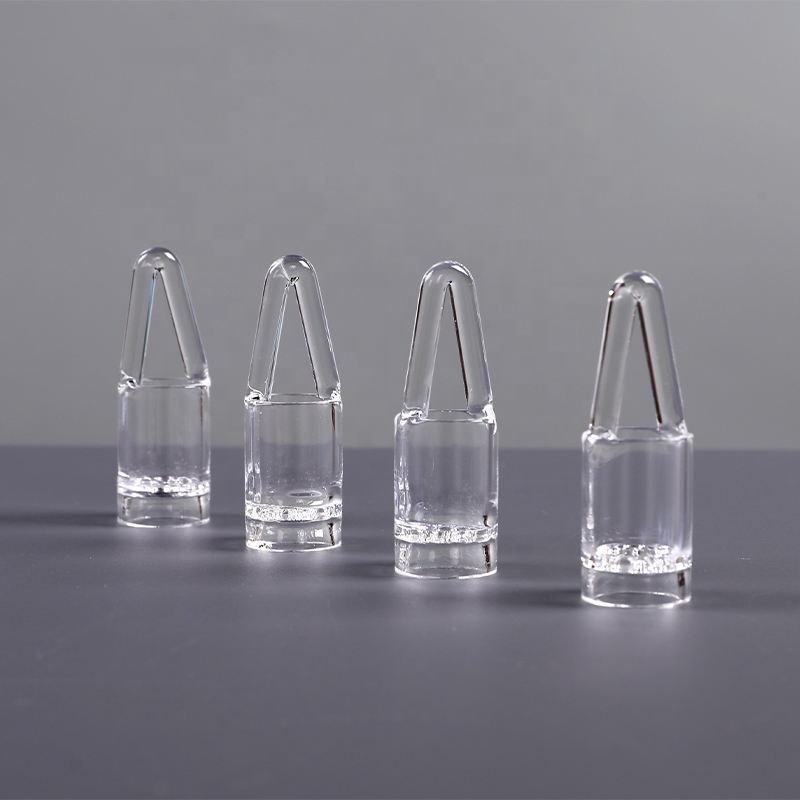

Engineering Physics of Ozone-Free Quartz Glass
A comprehensive examination of spectral transmission attenuation, titanium-doping chemistry, and structural thermal dynamics for Nikšić’s commercial and industrial enterprises.
Core Physical Principle: Standard natural fused quartz transmits ultraviolet radiation down to 180 nm. Photons in the vacuum UV spectrum (specifically 184.9 nm) dissociate atmospheric oxygen (O₂) into atomic oxygen, catalyzing harmful and corrosive ozone (O₃). Ozone-free quartz tubes are engineered through ultra-pure silica melt doped with precise parts-per-million (ppm) levels of titanium dioxide (TiO₂). This completely extinguishes vacuum UV cutoff wavelengths below 220 nm while sustaining up to 90% peak transmittance at the vital 253.7 nm germicidal wavelength.
Material Formulation and Spectral Transmittance
In standard gas-discharge sterilization assemblies, controlling photochemical pathways is vital. Undoped fused synthetic silica (such as JGS1) yields broad-band UV transparency, which is critical in excimer laser windows and wafer lithography but problematic in occupied environments. When utilized within enclosed heating, ventilation, and air conditioning systems (HVAC) or open manufacturing shop floors in Nikšić, stray ozone emission creates workplace toxicity and accelerated elastomeric seal degradation.
By implementing electric fusion or continuous thermal drawing with controlled Ti-doping, the quartz matrix forms stable [TiO₄] tetrahedral coordination complexes within the amorphous [SiO₄] network. This alteration shifts the bandgap absorption edge cleanly between 200 nm and 240 nm. Consequently, systems running in Nikšić’s metallurgical labs, food manufacturing plants, and cleanroom facilities benefit from concentrated UVC radiation without the operational downtime associated with volatile organic degradation or mandatory ozone venting protocol.
| Property Parameter | Standard Synthetic Quartz (JGS1) | Clear Fused Industrial Quartz (JGS2) | Ti-Doped Ozone-Free Quartz |
|---|---|---|---|
| 185 nm Transmittance (T%) | ≥ 85.0% | 40.0% – 60.0% | < 0.1% (Near-Zero Cutoff) |
| 253.7 nm Transmittance (T%) | ≥ 90.0% | ≥ 85.0% | ≥ 88.0% – 90.0% |
| Thermal Expansion Coeff. (0–300°C) | 5.5 × 10⁻⁷ /°C | 5.5 × 10⁻⁷ /°C | 5.6 × 10⁻⁷ /°C |
| Continuous Strain Point | 1120 °C | 1070 °C | 1075 °C |
| Hydroxyl Group (OH⁻ Content) | < 10 ppm to 1200 ppm | 100 – 200 ppm | < 30 ppm |
Localized Industrial Applications in Nikšić, Montenegro
Nikšić is celebrated as Montenegro’s traditional industrial capital, maintaining complex operations across heavy steel manufacturing, brewery and beverage bottling, metalworking, and emerging renewable infrastructure. The deployment of high-pressure, corrosion-resistant quartz tubes plays an irreplaceable role in modernizing these local production systems:
Beverage & Food Processing
Sterilizing pure process water in Nikšić’s renowned brewing and beverage sector demands total microbiological neutralization without introducing oxidative ozone by-products into closed stainless-steel conduits.
Bistrica & Zeta Basin Hydrology
Municipal water supplies and industrial wastewater plants around Nikšić utilize submerged ozone-free quartz sleeves to safeguard discharge into local river basins without producing ozone-induced aquatic ecotoxicity.
Metal Refining & Pyrometry
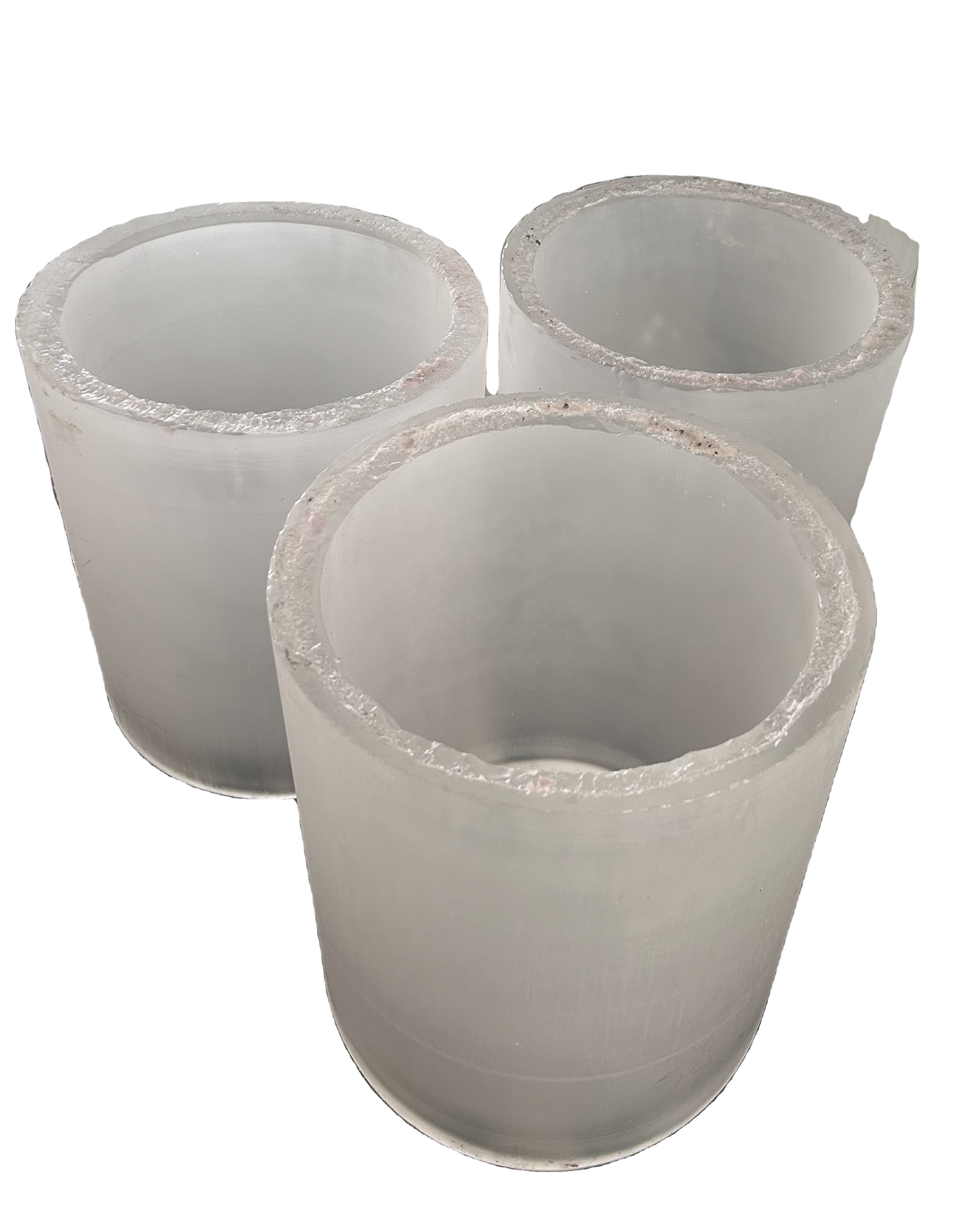
Thermal processing facilities rely on our twin-tube infrared quartz emitters and heavy-wall transparent tubes for contactless thermal treatment, pyrometric viewports, and non-reactive metallurgical crucible sampling.
Industrial & Procurement Trends in Nikšić
As Montenegro aligns its manufacturing baseline with the European Union's environmental mandates (including Chapter 27 compliance on Environment and Climate Change), industrial facilities throughout Nikšić are transitioning toward cleaner, low-emission technologies. Traditional chemical water treatments such as chlorine and ozone dosing introduce secondary halogenated compounds and require complex occupational safety monitoring. Ozone-free UV photochemical reactors equipped with premium doped fused silica tubes represent an energy-efficient alternative, cutting down operational footprint while guaranteeing compliance with strict indoor air safety regulations.
Furthermore, local procurement managers are actively seeking higher-grade quartz fabrications to minimize thermal failure. The extreme temperature variations within high-heat furnaces require thermal shock resistance that standard borosilicate glass cannot sustain. With a coefficient of thermal expansion of only 5.5 × 10⁻⁷ /°C, our fused quartz can be heated to 1100 °C and dropped directly into ice water without structural failure, protecting continuous lines from costly downtime.
Engineering Expertise Straight from the Crystal Capital
Located in Donghai County, China, Zunex Quartz Products Co., Ltd. combines advanced laser finishing, master hot-flame working, and comprehensive third-party verified trade credentials.
Laser CNC Precision Finishing
Our workshop performs micro-hole laser drilling, internal grooving, edge chamfering, and high-tolerance cutting down to ±0.05 mm, preventing micro-fissures common to mechanical stone grinding.
Safe Export Packaging
Specialized shock-dampening expanded polyethylene (EPE) foam, multi-layer bubble wrap, and fumigated reinforced wooden export crates guarantee zero damage across transit routes into Montenegro.
Full Drawing Fabrication (OEM/ODM)
Direct production from DWG, DXF, STEP, or PDF blueprints. Every technical specification is pre-screened by our chief optical glass engineers before thermal fabrication begins.
Frequently Asked Questions for Nikšić Buyers
Essential answers regarding material grades, chemical compatibility, international logistics, and custom tolerances.
How can engineers in Nikšić confirm that a quartz tube is genuinely ozone-free?
What are the standard lead times and customs logistics procedures for delivery into Nikšić?
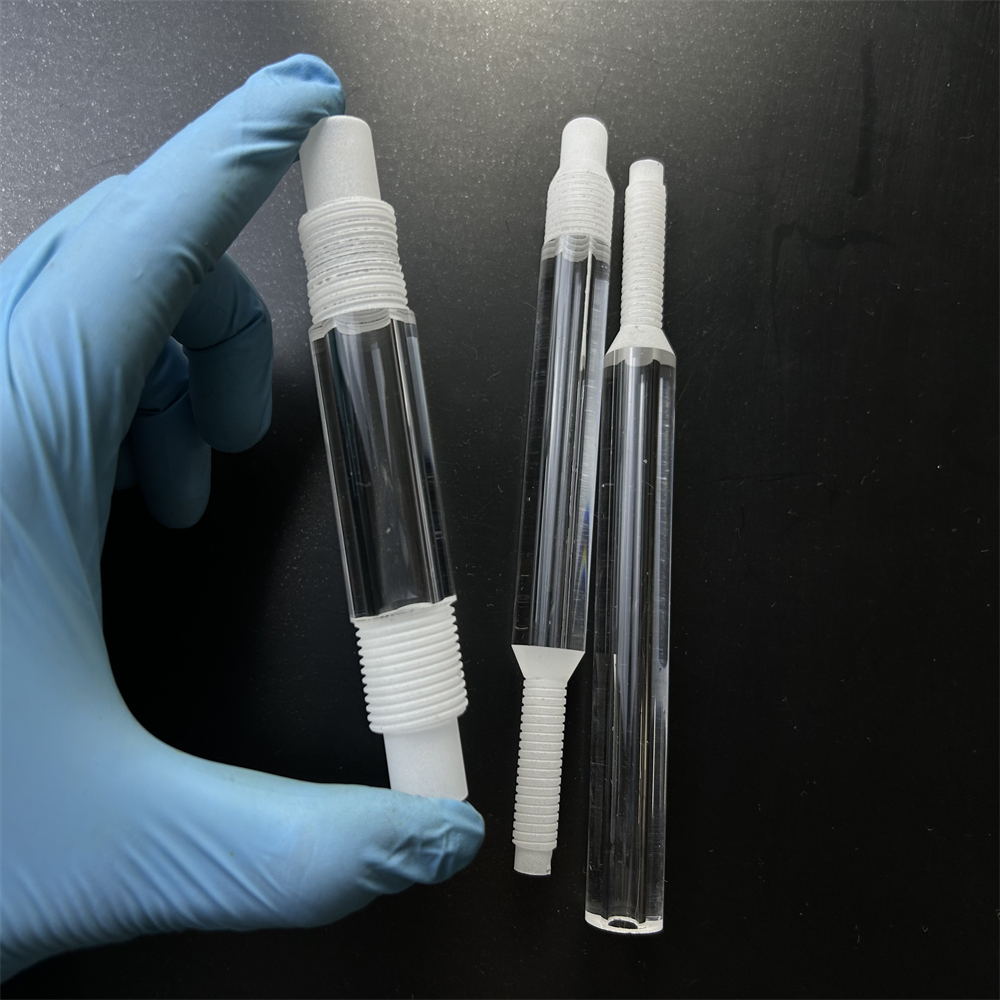
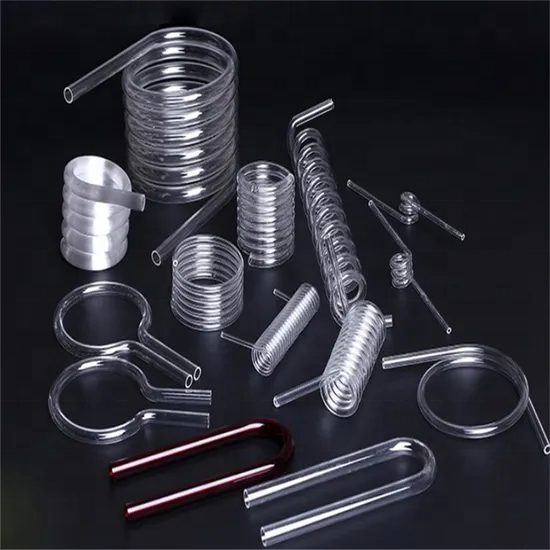
Can Zunex manufacture custom high-pressure quartz tubes with spiral or threaded profiles?
What thermal parameters must be respected when installing quartz tubes in high-heat furnaces?
What is your Minimum Order Quantity (MOQ) for industrial clients in Montenegro?
Request an Immediate Engineering Quotation
Send your specifications, dimensional tolerances, and operational parameters. Our technical engineering desk reviews all inquiries within two hours.