Precision Quartz Diffusion & Reactor Tube Portfolio
Direct supply from Donghai's premier quartz manufacturing facilities to regional production clusters, semiconductor test labs, solar cell lines, and high-temperature thermal facilities across Mérida and Southeastern Mexico.
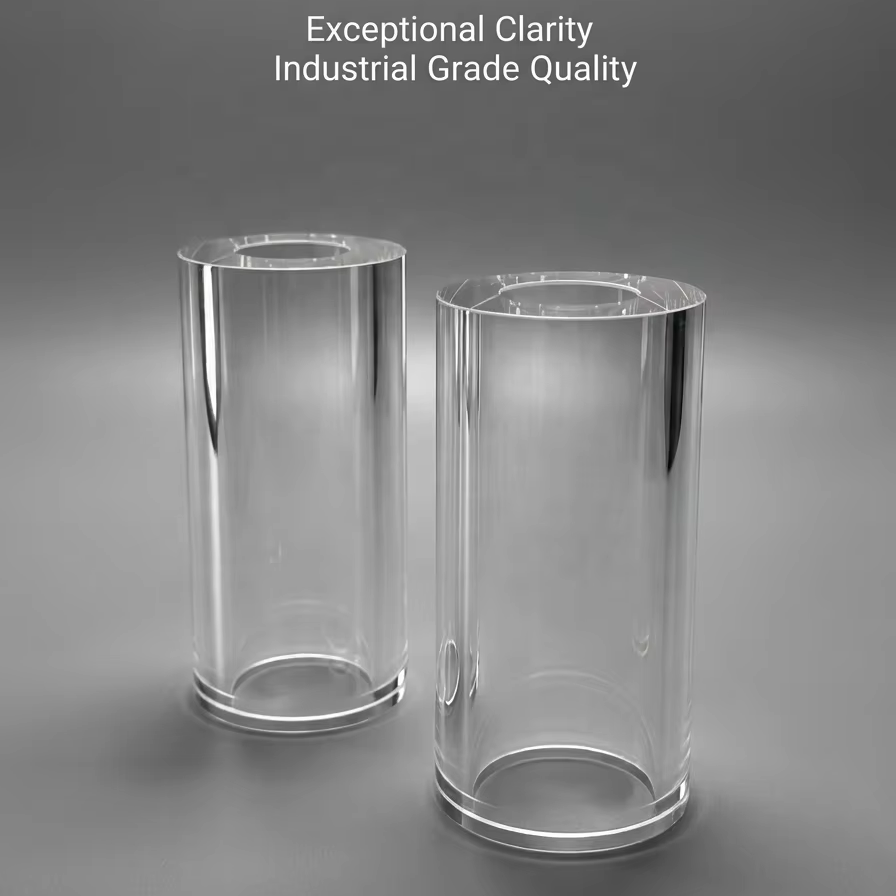
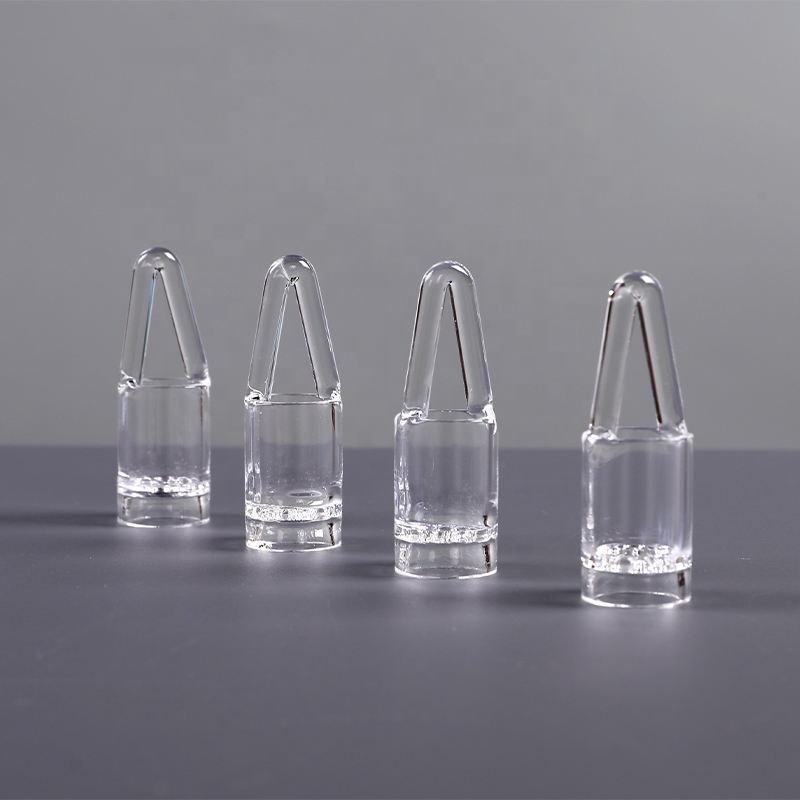
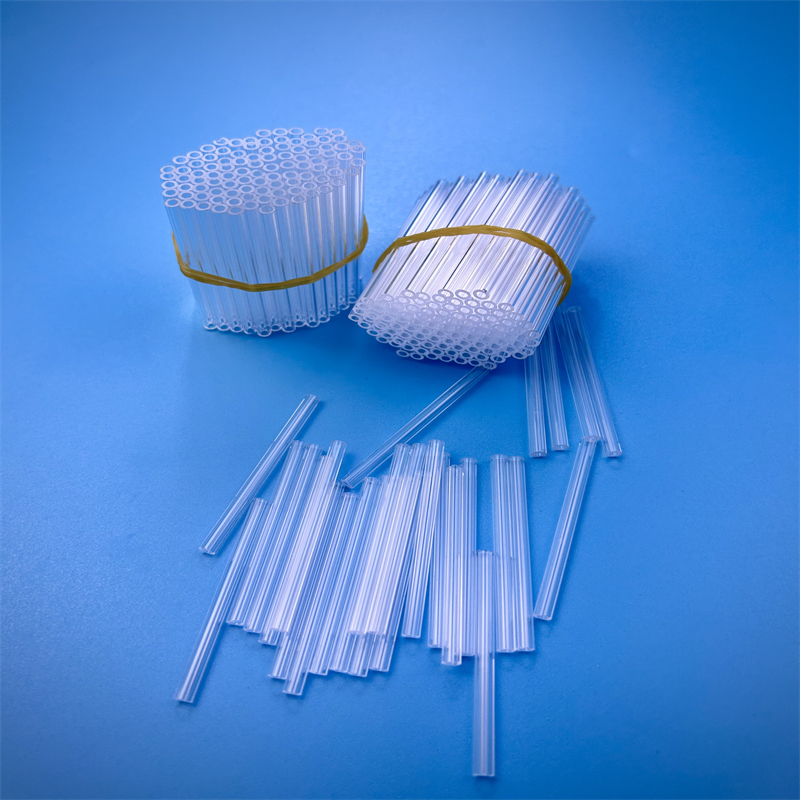
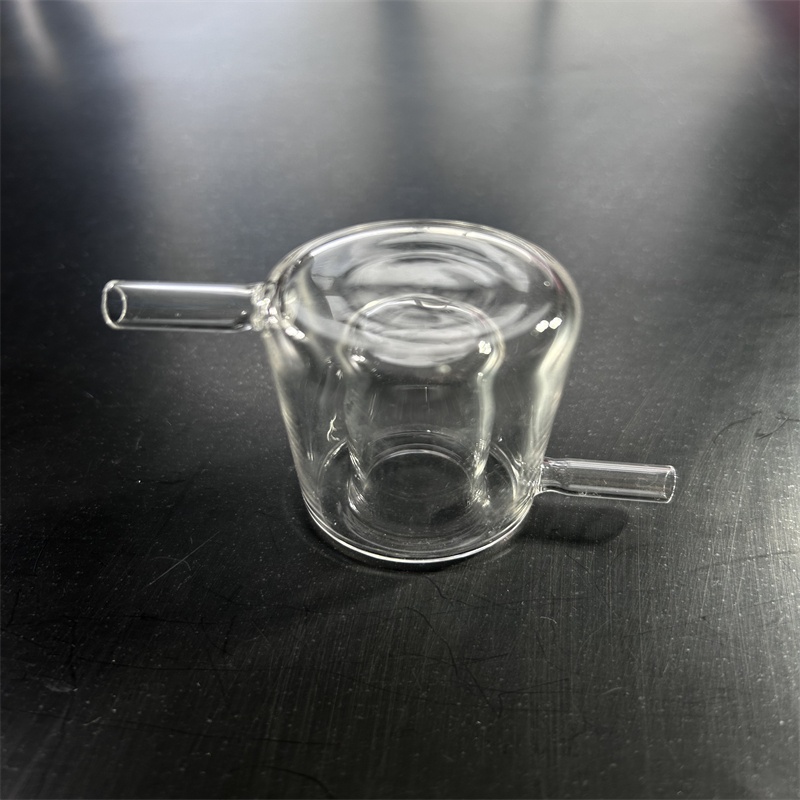
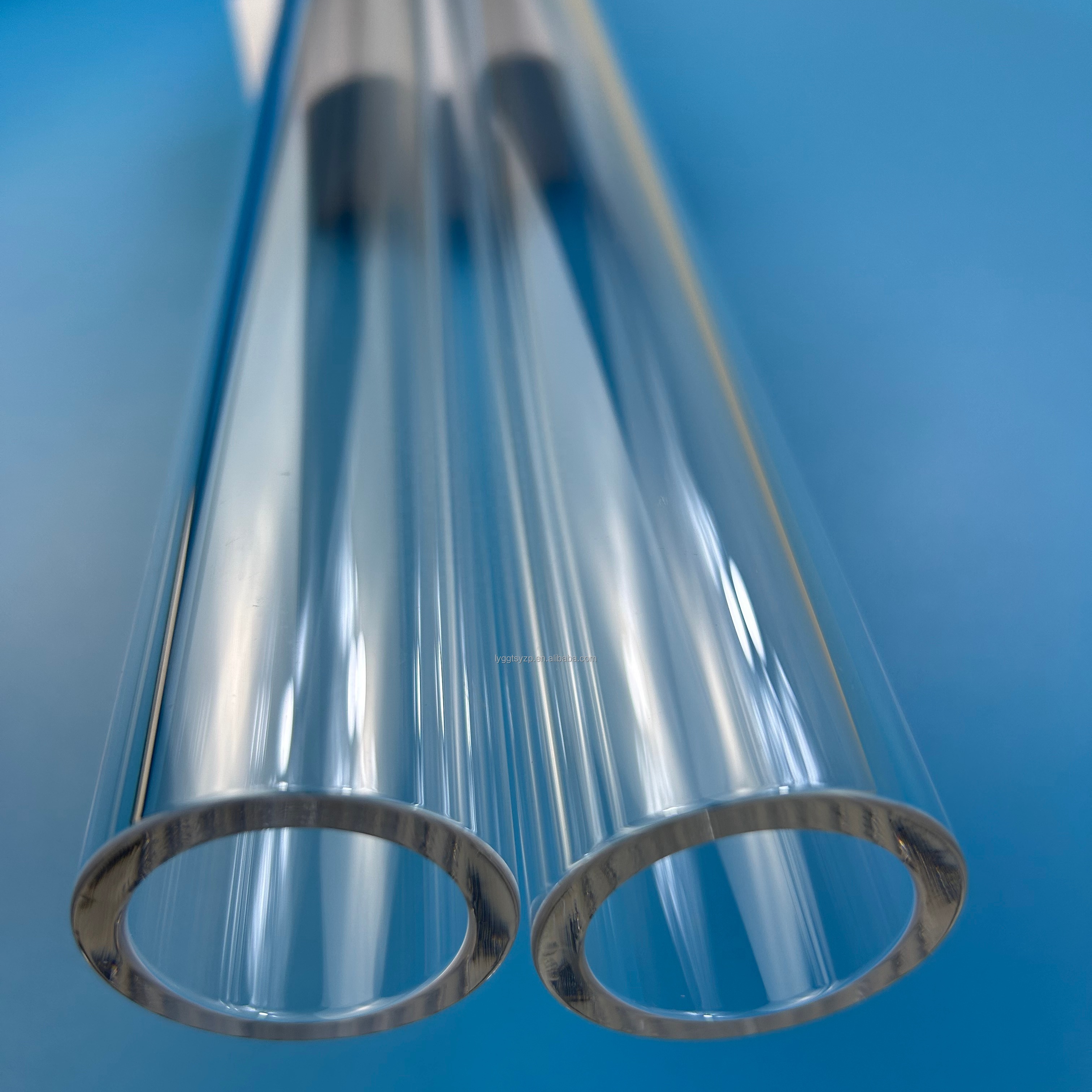
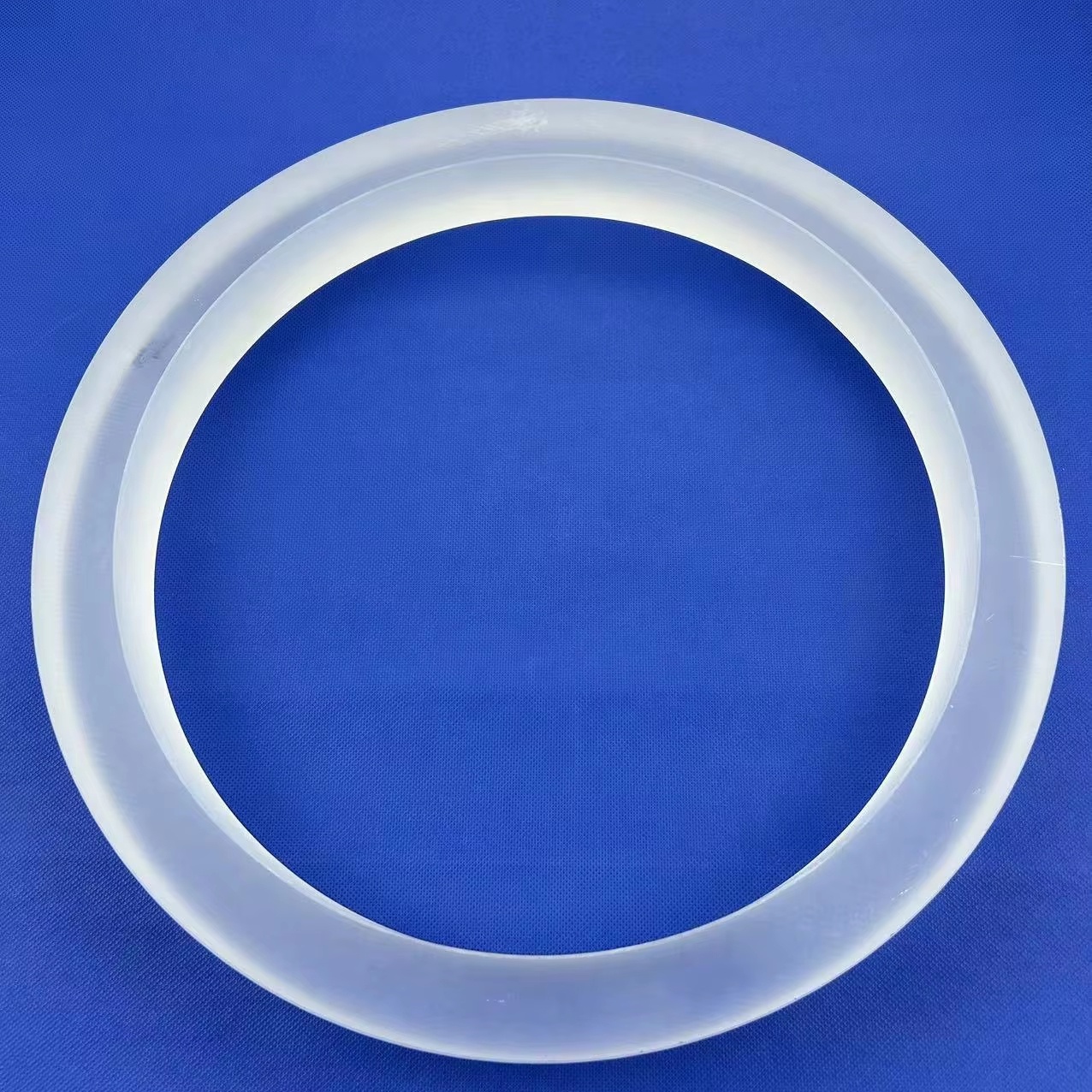
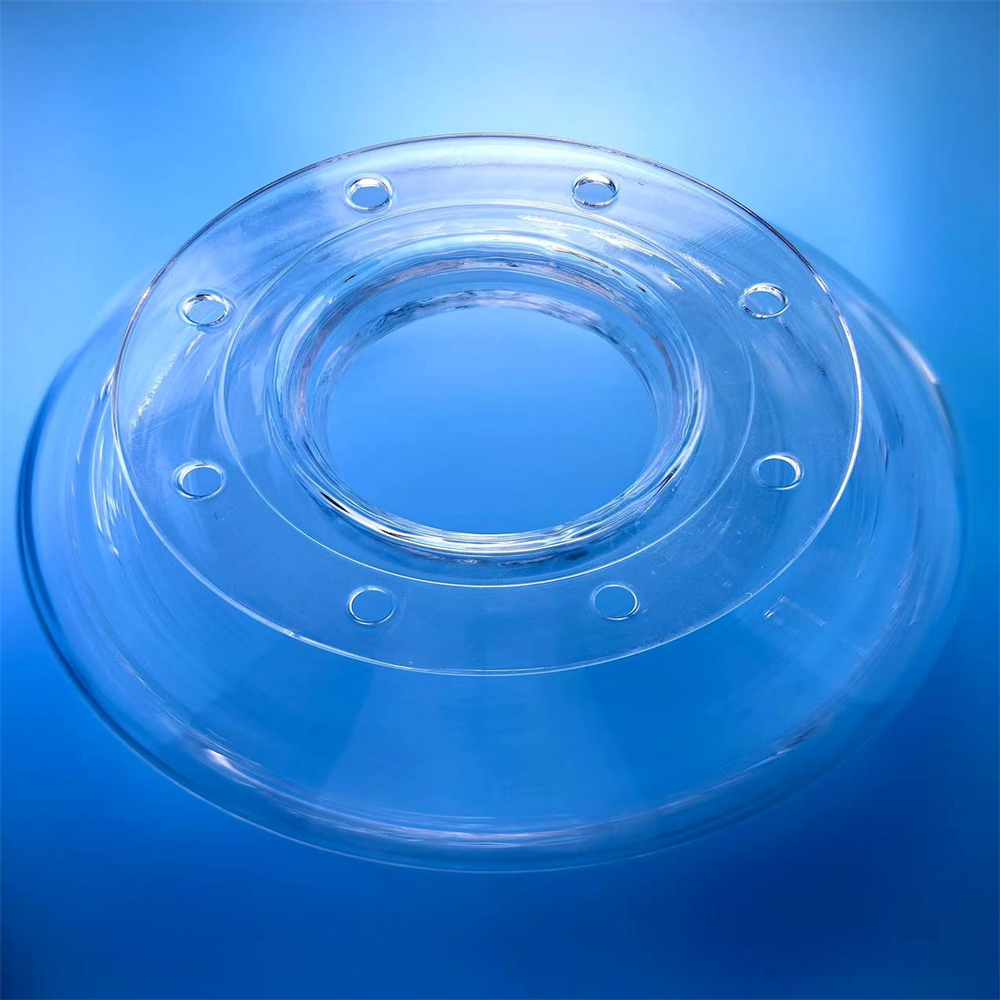
1. Fused Quartz Diffusion Tubes: Material Integrity & Crystallographic Dynamics
In modern microelectronics, photovoltaic cell manufacturing, and high-temperature chemical vapor deposition (CVD), quartz diffusion tubes operate as the core physical barrier between hostile, high-thermal reaction zones and atmospheric contamination. Fused quartz ($SiO_2$) stands as an indispensable material due to its near-zero coefficient of thermal expansion ($5.5 \times 10^{-7} /^\circ\text{C}$), exceptional thermal shock tolerance, high optical transmission spanning ultraviolet to near-infrared spectrums, and profound dielectric strength.
For cleanrooms and automated fabrication lines sourcing into the Mérida market and greater Yucatán industrial park systems (such as the Hunucmá industrial belt and the Yucatán Science and Technology Park - PCyTY), diffusion chambers must guarantee virtually zero outgassing of alkali metal ions. Trace impurities of Sodium (Na), Potassium (K), Lithium (Li), and Iron (Fe) degrade semiconductor gate oxides and introduce lattice dislocations across sensitive silicon wafers. As a dedicated manufacturer rooted in Donghai County—globally celebrated as the "World Capital of Crystal"—our factory achieves an ultra-low contaminant threshold where total metallic impurities remain strictly below 15 to 20 ppm, with premium synthetic fused silica grades exhibiting lower than 1 ppm metallic contamination.
Thermal stability at continuous operating temperatures of 1100°C and peak cycle excursions up to 1300°C requires precise control of the glass annealing point (approximately 1215°C) and softening point (1683°C). Tubes running thermal oxidation, LPCVD, boron or phosphorus doping, and rapid thermal processing (RTP) require strict circularity, uniform wall thickness, and precise end-face perpendicularity. Even minute deviations in tube ovality cause micro-leakages across water-cooled vacuum flanges, compromising chamber vacuum integrity and causing uneven sheet resistance across processed batches.
| Physical / Chemical Property | Semiconductor Grade (JGS1) | Optical / Thermal Grade (JGS2) | Infrared / Heating Grade (JGS3) |
|---|---|---|---|
| Silicon Dioxide ($SiO_2$) Purity | ≥ 99.999% (Synthetic Silica) | ≥ 99.99% (Fused Quartz) | ≥ 99.98% (Low-OH Fused Quartz) |
| Continuous Working Temperature | 1150 °C | 1100 °C | 1100 °C |
| Max Short-Term Temperature | 1350 °C | 1300 °C | 1300 °C |
| Hydroxyl ($OH^-$) Content | < 1000 ppm (or < 5 ppm dry) | < 30 - 150 ppm | ≤ 5 ppm (Water-free IR band) |
| Softening Point | 1710 °C | 1683 °C | 1680 °C |
| Coefficient of Thermal Expansion (20-300°C) | $5.4 \times 10^{-7} /^\circ\text{C}$ | $5.5 \times 10^{-7} /^\circ\text{C}$ | $5.5 \times 10^{-7} /^\circ\text{C}$ |
| Spectral Transmission Range | 185 nm – 2500 nm (Deep UV) | 220 nm – 2500 nm (UV-Vis) | 260 nm – 3500 nm (IR Optimized) |
2. Localized Industrial Applications Across the Mérida & Yucatán Ecosystem
The Yucatán peninsula has transformed far beyond its classical agribusiness and tourism roots. Catalyzed by comprehensive logistical upgrades along the deep-water Port of Puerto Progreso and intermodal rail initiatives, Mérida has emerged as Mexico's strategic Atlantic-facing launchpad for nearshoring high-tech manufacturing, medical device engineering, and advanced research. The specific localized applications of fused quartz diffusion tubes, twin-tube heaters, and precision quartz apparatus throughout Mérida encompass:
Semiconductor & Discrete Packaging
Yucatán's burgeoning electronic contract assembly hubs deploy our custom high-purity diffusion tubes and wafer boats for clean thermal oxidation, annealing, and post-dice curing in automated cleanrooms.
Photovoltaic Cell Manufacturing
Local solar assembly clusters along the Mérida-Progreso highway utilize large-bore transparent quartz furnace tubes for phosphorus diffusion (POCl3) and anti-reflective PECVD coating processing.
Chemical Petro & Polymer Synthetics
Laboratories affiliated with research universities and coastal offshore processing centers deploy custom quartz reactors and U-bent cooling tubes to resist aggressive acid vapours and halide corrosion.
UV Water Sanitization & Desalination
Given the limestone geology and karstic aquifer water systems of Yucatán, municipalities and industrial parks integrate our ozone-free and high-transmittance UV quartz sleeves for municipal and industrial water treatment.
Rapid Infrared Heating & Thermoforming
Automotive parts makers and textile processors in Mérida incorporate our clear twin-tube infrared heaters with gold or ceramic reflectors for rapid, directional heat transfer with zero contamination.
Advanced Academic & R&D Centers
Institutes such as CINVESTAV Unidad Mérida and PCyTY leverage our custom-ground optical quartz windows, XRD holders, and gas sampling tubes for cutting-edge nanotechnology research.
3. Strategic Localization & Market Growth Dynamics in Mérida
The manufacturing landscape of Mérida is experiencing an unprecedented structural inflection. Driven by North American nearshoring, logistics supply chains are migrating from Asia toward integrated Mexican corridors. Yucatán stands out as one of Mexico’s most politically stable and secure states, with direct maritime proximity to ports in Florida, Texas, and Louisiana via Puerto Progreso.
Key macroeconomic trends driving the local demand for precision quartz factories and specialized fused silica fabrication include:
- Nearshoring of Clean Tech & Photovoltaics: Bilateral investments under the USMCA (T-MEC) trade framework encourage the domestic production of solar wafers, EV batteries, and sensory arrays. Fused quartz diffusion tubes are mission-critical consumables that must be regularly replaced to avoid thermal devitrification and process contamination.
- Expansion of Puerto Progreso Deepening: Harbor expansions allow large container vessels to dock directly from international routes, slashing lead times and transshipment handling risks for ultra-fragile fused quartz components shipped from specialized export factories in China.
- Growth of Tech Incubators & Cleanrooms: The emergence of the Mérida Digital Innovation Hub and public-private investments in microelectronics assembly lines increases regional demand for precision flame-worked quartz reactors, flanged CVD tubes, and custom laser-drilled plates.
- Strict Environmental Standards: Tropical marine climates necessitate corrosion-proof materials. Unlike standard borosilicate or metal tubes, fused silica provides absolute resistance to atmospheric salinity, humid thermal cycling, and aggressive cleaning chemicals (Aqua Regia, HF, $HNO_3$).
Precision Fabrication at Zunex Quartz
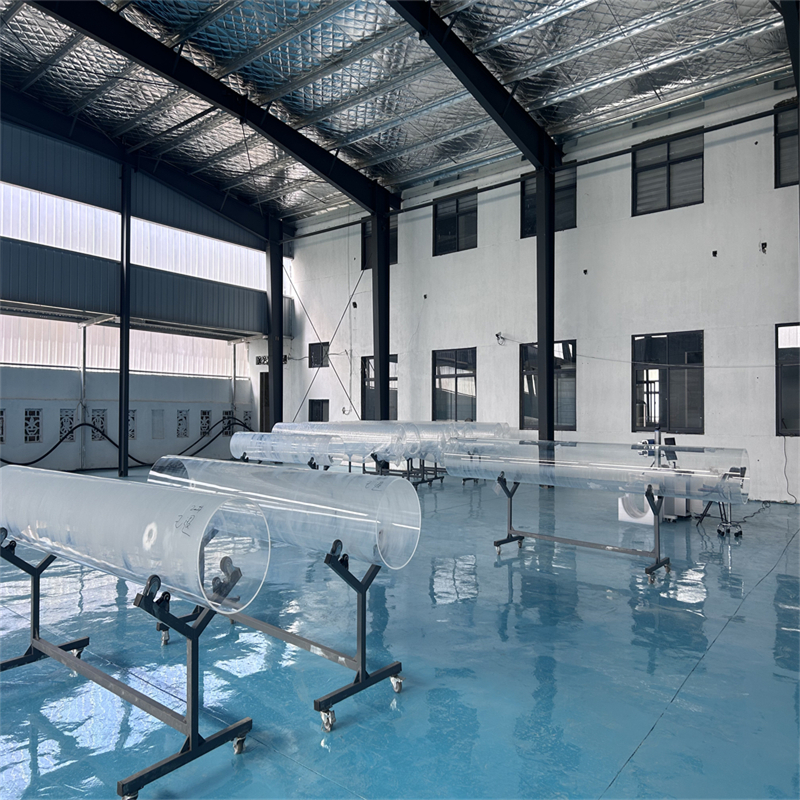
Operating directly out of Donghai County, China, Zunex Quartz Products Co., Ltd. combines generational crystal processing heritage with sub-micron CNC laser machining. We engineer solutions made precisely to client mechanical CAD drawings.


Tailored to Customer Drawings (OEM/ODM)
Every industrial inquiry is routed through technical engineers who verify geometric tolerances, thermal loads, and dimensional fits against PDF, DWG, or STEP files before initiating production.
Laser Finishing: Grooving, Drilling, Cutting
Unlike mechanical abrasive drilling that introduces micro-cracks and latent stress risers, our non-contact laser machining achieves splinter-free hole geometries and micro-grooving for wafer positioning.
Safe-Transit Multi-Layer Export Packaging
Breakage risk is eliminated through custom-molded high-density polyethylene foam sleeves, suspended internal isolation brackets, and vacuum-sealed barrier films housed in heavy-duty plywood export crates.
Frequently Asked Questions: Procurement for the Mérida Market
Practical guidance addressing customs, logistics, technical standards, and material specifications for procurement directors and plant managers sourcing fused quartz in Southeastern Mexico.
What are the shipping routes and average lead times from your factory to facilities in Mérida, Yucatán?
1. Air Freight Priority (4 to 7 days transit): Routed directly through Mérida International Airport (MID) or Cancún International (CUN) for emergency replacements, R&D prototypes, and mission-critical production spares.
2. Ocean Freight Logistics (25 to 35 days transit): Full Container Load (FCL) or Less than Container Load (LCL) consolidation arriving directly at the Port of Puerto Progreso, Yucatán, providing the lowest shipping cost per unit for bulk diffusion tubes and furnace quartzware.
How do you guarantee that oversized quartz diffusion tubes arrive without cracking or micro-fractures?
Can your technical department fabricate diffusion tubes to metric and imperial tolerances based on our CAD files?
Which material grade should we specify: JGS1, JGS2, or JGS3 for our high-temperature application?
• JGS1 (Synthetic Fused Silica): Specified when exceptional deep-UV transmission (down to 185 nm) and ultra-high chemical purity (<1 ppm metallic impurities) are mandatory, typical for advanced semiconductor wafer manufacturing and precision excimer laser windows.
• JGS2 (Fused Quartz): The industry-standard workhorse for semiconductor diffusion tubes, solar thermal furnace tubes, sight glasses, and laboratory vessels. It offers maximum mechanical strength and sustained performance up to 1100°C at an attractive cost.
• JGS3 (Infrared Quartz): Engineered with an extremely low hydroxyl ($OH^-$) content (typically ≤5 ppm) to eliminate water absorption bands across the infrared spectrum. This is optimal for IR quartz twin-tube emitters, heating elements, and pyrometric inspection windows.
How does the tropical, humid climate of Yucatán affect fused quartz performance and storage?
What documentation and quality certifications accompany your shipments into Mexico?
Ready to Engineer Your Quartz Diffusion Solutions?
Submit your CAD drawings, operating temperature parameters, and annual volume requirements. Our factory engineering team in Donghai reviews every inquiry and replies with detailed manufacturability feedback and transparent pricing within 2 hours.
Get Catalog