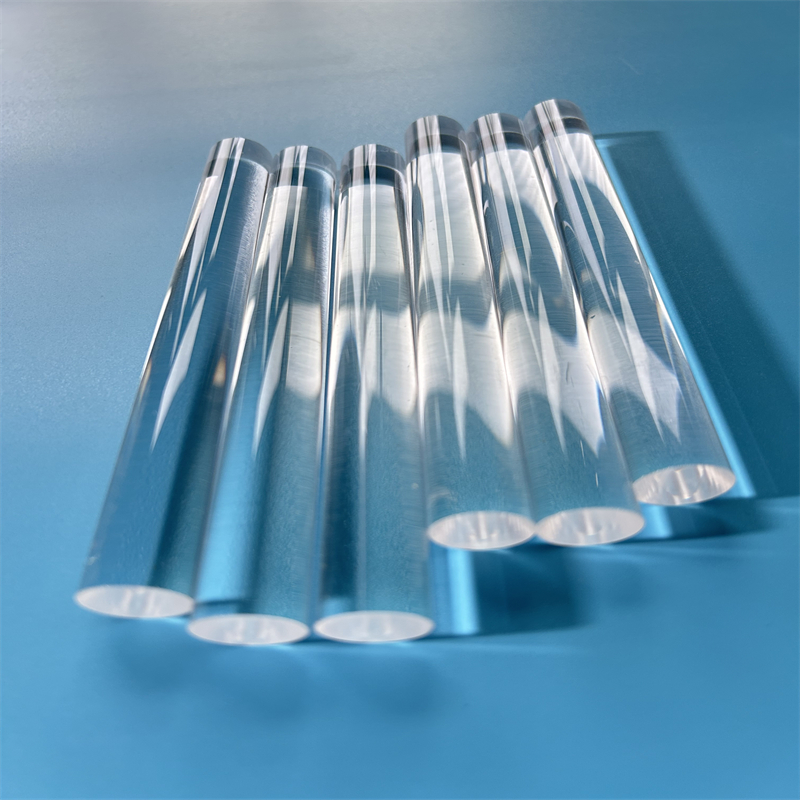
 99.99% SiO2
Precision Quartz Components & Optical Assemblies
Direct factory manufacturing of micro-machined, flame-polished, and laser-slotted optical quartz elements compliant with strict offshore laboratory standards.
99.99% SiO2
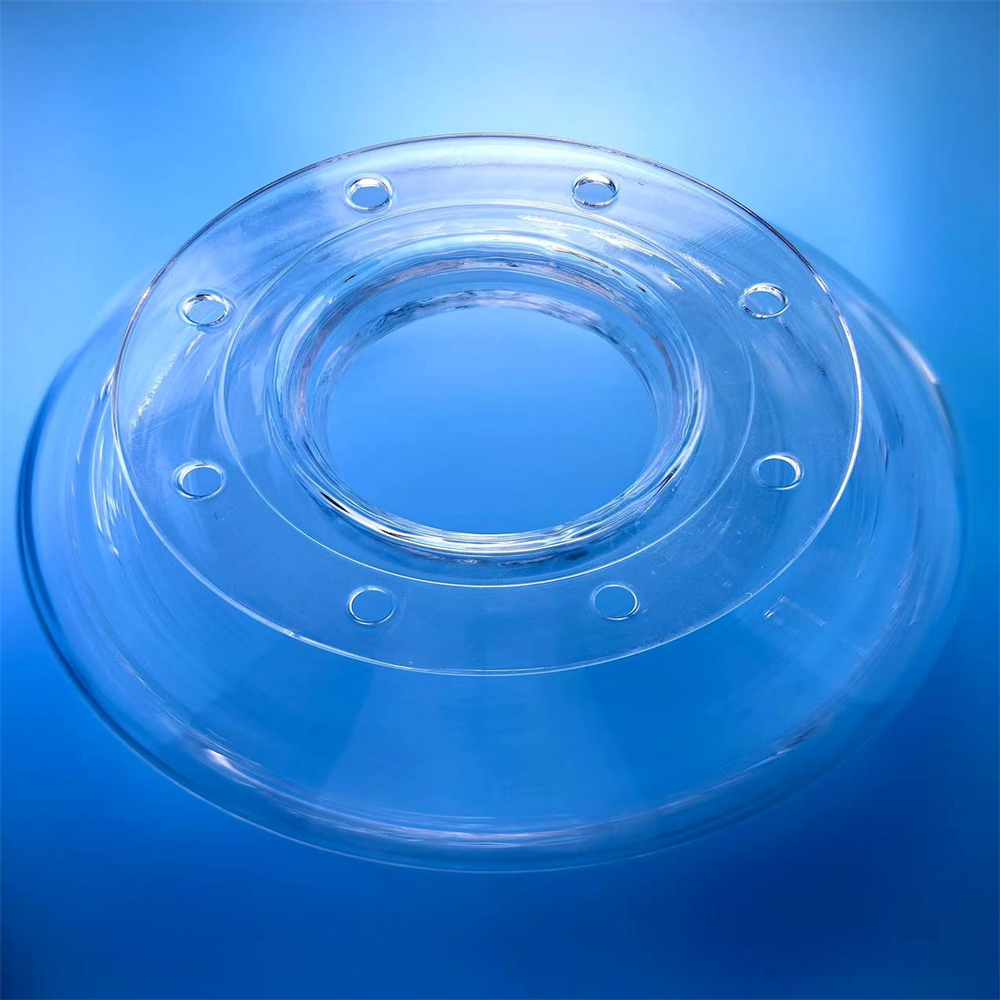 Welded Flange
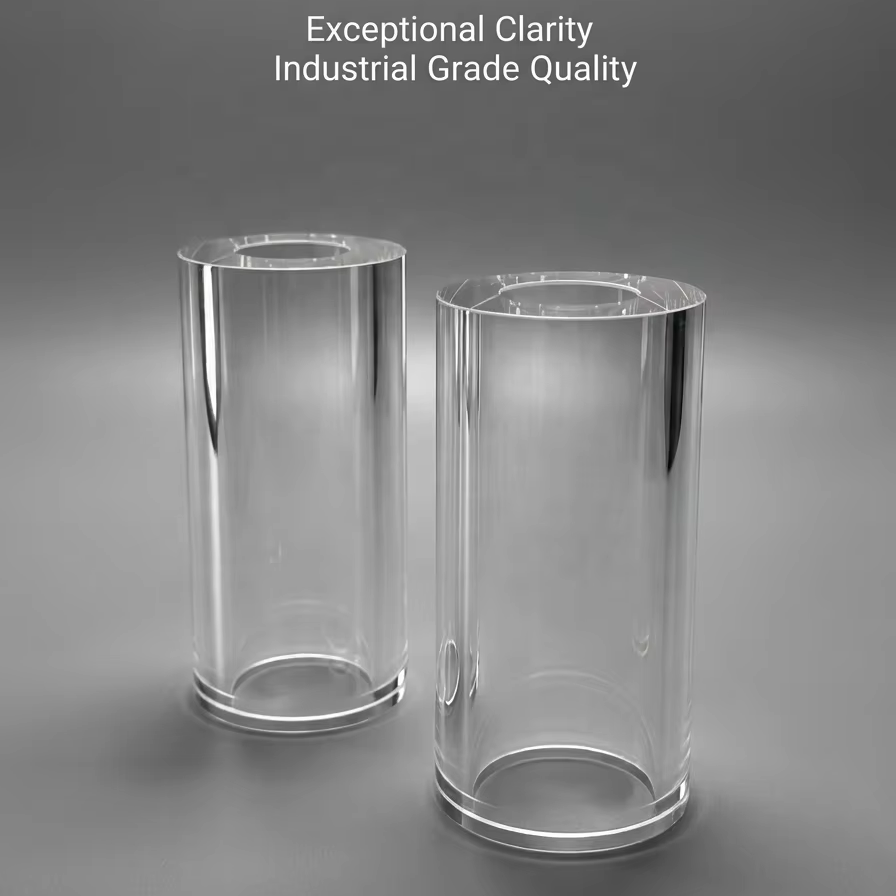 Precision Bending
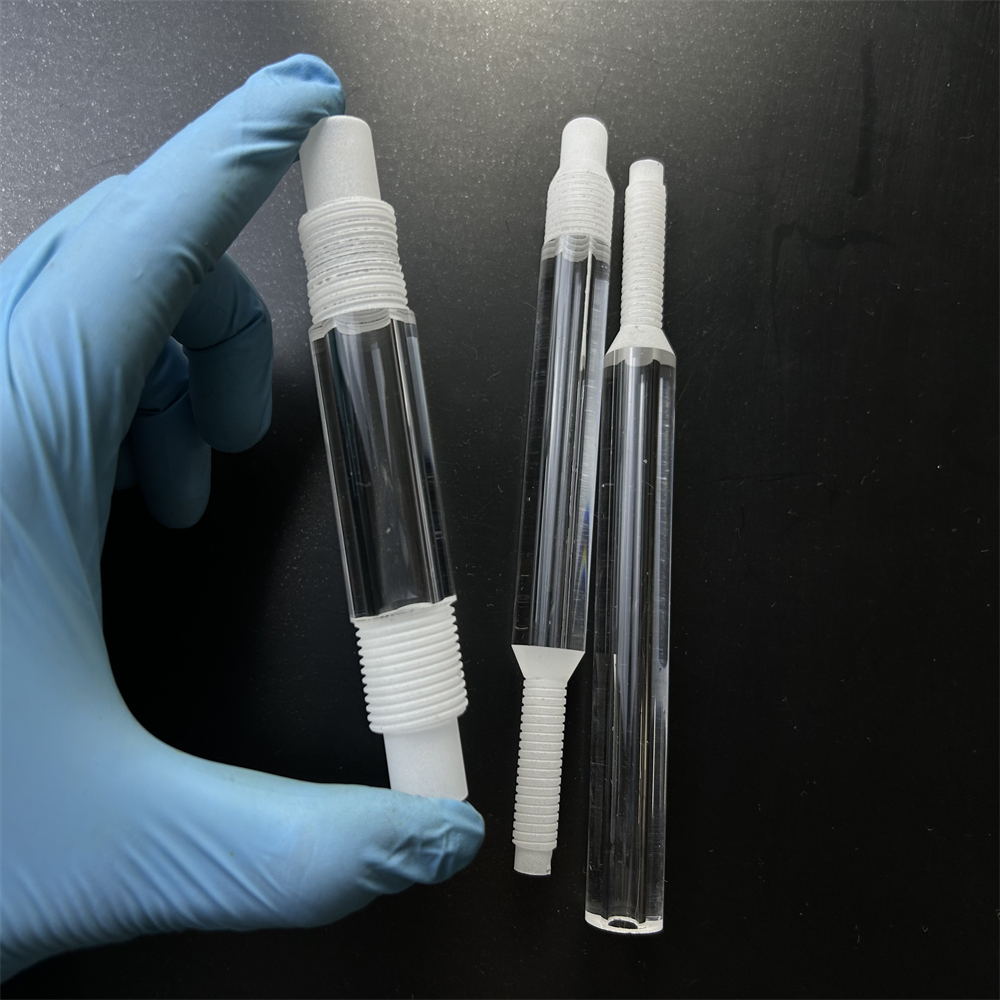 High Pressure UV
 Optical Grade
 Thermal Shock 1100°C
 JGS1 / JGS2 / JGS3
 Precision Slotted
100%
Verified Response Rate via Global Portal
≤ 2 Hours
Engineering RFQ Turnaround Window
43%
Repeat-Order Rate from Contract Buyers
99.99%
Ultra-High Purity SiO2 Material Assurance
Industrial Insight Whitepaper
Engineering Quartz Flow Cells for the Stavanger Industrial Cluster
Addressing harsh-environment fluidics, offshore spectroscopy, and marine chemical synthesis requirements across Rogaland, Norway.
Stavanger holds an indisputable position as Norway's offshore energy capital and an international epicenter for subsea engineering, marine environmental surveillance, and advanced industrial automation. Within the demanding testing facilities spanning Dusavik, Tananger, and Forus, analytical instruments are continually exposed to high mechanical pressures, corrosive saline compounds, and aggressive fluid dynamics. At the heart of these optical spectrometers, continuous produced-water monitors, and chromatographic separators sits a critical yet vulnerable component: the precision quartz flow cell.
A quartz flow cell operates under demanding conditions where standard borosilicate or optical plastics degrade rapidly. When analyzing multi-phase hydrocarbon flows, monitoring dissolved methane concentrations in benthic zones, or conducting UV-Vis spectrophotometry on biopolymer drilling additives, optical paths must resist structural discoloration, physical etching, and thermal fracturing. Zunex Quartz Products Co., Ltd. addresses this requirement by delivering synthetic fused silica flow cells synthesized with silicon dioxide purities exceeding 99.99%. Our manufacturing protocol leverages direct glass fusion techniques without organic adhesive bonding, providing hermetic integrity capable of sustaining pressures up to 35 MPa and continuous thermal exposures exceeding 1,100 °C.
Procurement teams and instrumentation engineers across the Stavanger and Bergen corridors require strict dimensional consistency. A microfluidic path displacement of merely 5 micrometers can introduce baseline drift, distorted absorption coefficients, and compromised signal-to-noise ratios in continuous monitoring systems. By implementing specialized laser drilling, sub-micron surface micro-grooving, and optical contact diffusion bonding, our Donghai production facility bridges the gap between cost-effective serial OEM fabrication and laboratory-grade optical tolerances.
Localized Application Scenarios Across Rogaland's Industrial Ecosystem
Subsea Hydrocarbon & Produced Water Analysis
Continuous UV fluorescence spectrophotometry demands optical flow cells with zero background fluorescence. Our JGS1 synthetic quartz windows ensure crystal-clear baseline transmission down to 185 nm, enabling reliable parts-per-million (ppm) oil-in-water detection directly at topside separator outlets and subsea sensor skids.
Marine Environmental & Aquaculture Monitoring
Stavanger's active maritime and aquaculture research groups utilize flow-through cytometers and automated nutrient analyzers in the Boknafjorden. Our laser-machined optical micro-capillaries resist marine biological fouling, accommodate high rinse-cycle flow rates, and preserve light-guide clarity throughout multi-month deployments.
CCUS & High-Pressure Supercritical CO2 Flow
As Northern Lights and allied Carbon Capture, Utilization, and Storage initiatives mature along the Norwegian Continental Shelf, our high-pressure quartz sight chambers and XRD slotted carrier cells permit direct observation of phase changes, solubility boundaries, and geochemical mineralization under severe autoclave parameters.
Material Specifications
Optical Substrate Performance: Selecting JGS1, JGS2, and JGS3 for Flow Chemistry
Detailed engineering comparison of transmission windows, hydroxyl (OH⁻) content, and mechanical stability under operational pressures.
In high-precision photometric detection, selecting the appropriate grade of fused silica governs signal resolution and limits optical attenuation. Synthetic fused silica (JGS1) is synthesized through the vapor-phase oxidation of silicon tetrachloride, producing a pure amorphous matrix virtually free of metallic contaminants (Fe, Al, Ti < 0.1 ppm). This absence of trace metals eliminates unwanted absorbance bands in the deep ultraviolet regime, making it the preferred substrate for Stavanger laboratories working on high-performance liquid chromatography (HPLC) detection of polycyclic aromatic hydrocarbons (PAHs).
In contrast, electrically fused quartz (JGS2 and JGS3) is produced by melting natural high-purity quartz sands originating from Donghai's world-renowned mineral basin. While JGS2 provides balanced transmission across the visible spectrum (220 nm – 2,500 nm), JGS3 undergoes vacuum degassing to eliminate hydroxyl groups (OH⁻ < 2-5 ppm). This structural dehydroxylation prevents the distinct infrared absorption dip at 2,730 nm, rendering JGS3 quartz flow cells ideal for near-infrared (NIR) moisture analysis and inline hydrocarbon characterization in Norwegian refinery pipelines.
| Substrate Grade | Transmission Band | Hydroxyl (OH⁻) Concentration | Primary Industrial Use in Norway | Typical Refractive Index (λ=589nm) |
|---|---|---|---|---|
| JGS1 (Synthetic Fused Silica) | 185 nm – 2,500 nm (Deep UV) | ≤ 1200 ppm (High OH) | UV HPLC detectors, capillary electrophoresis, bio-pharmaceutical assays | 1.4585 |
| JGS2 (Optical Fused Quartz) | 220 nm – 2,500 nm (UV-Vis) | ≤ 150 - 200 ppm | Process sight glasses, turbidimeters, industrial colorimetry skids | 1.4584 |
| JGS3 (Infrared Fused Silica) | 260 nm – 3,500 nm (Full NIR) | ≤ 2 - 5 ppm (Water-free) | FTIR flow analysis, NIR moisture analyzers, gas detection cells | 1.4581 |
| High-Purity Quartz Tube/Rod | General Spectrum (99.99% SiO2) | Varies by thermal treatment | Pyrolysis reactors, heater jackets, furnace combustion tubes | 1.4585 |
Thermal stability remains another critical design factor. With an extremely low coefficient of thermal expansion of 5.5 × 10⁻⁷ /°C, our fused quartz flow cells demonstrate near-total immunity to rapid thermal shock. Laboratory technicians can cycle process fluids from cryogenic baseline temperatures up to +900 °C without internal optical strain, cracking, or dimensional warpage—a crucial safeguard during high-pressure autoclave operations in North Sea drill-core extraction laboratories.
Regional Market Forecast
Market Trends: Flow Instrumentation Evolution in Western Norway
How digitalization, automated flow chemistry, and subsea electrification are shifting quartz fabrication requirements.
The energy transition is actively redefining Stavanger's engineering landscape. While upstream offshore oil and gas production remains a pillar of regional activity, capital investments are accelerating toward hydrogen generation, industrial heat recovery, offshore wind power converters, and marine subsea robotics. This evolution creates three distinct trends for quartz optical component procurement:
Transition to Automated Micro-Flow Reactors
Specialty chemical facilities and pharmaceutical labs across Norway are migrating from macro batch vessels to continuous microfluidic synthesis. Quartz micro-channel flow plates permit instant exothermic heat dissipation, precise photonic catalysts, and visual process control without reactor wall leaching.
Digital Twin & Inline Sensor Miniaturization
Offshore operators are outfitting platforms with arrays of autonomous optical sensors. Flow cell dimensions have dropped from bulky 50 mm bodies to compact, chip-integrated quartz flow channels measuring less than 1 mm inner diameter, requiring laser drilling tolerances within ±0.02 mm.
Severe Hydrogen & Electrolyzer Research
With Norway spearheading green hydrogen export infrastructure, research testbeds in Rogaland require inert viewports and flow cells that do not degrade or suffer embrittlement in the presence of ultra-pure deionized water, alkaline electrolytes, and high-pressure hydrogen gas streams.
Manufacturing Credibility
Why Stavanger Engineers Partner with Zunex Quartz Products
Direct manufacturing execution from China's "Crystal Capital", Donghai County, backed by certified export credentials.
Headquartered in Donghai County, Lianyungang, Jiangsu Province—internationally acknowledged as the hub of global quartz refining—Zunex Quartz Products Co., Ltd. integrates direct primary mineral refining with state-of-the-art cold-finishing and laser processing technologies. Unlike trading brokers, our integrated workshop hosts hot flame-working benches, CNC 5-axis ultrasonic machining centers, planar surface polishers, and dedicated Class 10,000 clean inspection stations.
Our competitive advantages for North Sea and Scandinavian B2B buyers include:
Laser Micro-Finishing Precision
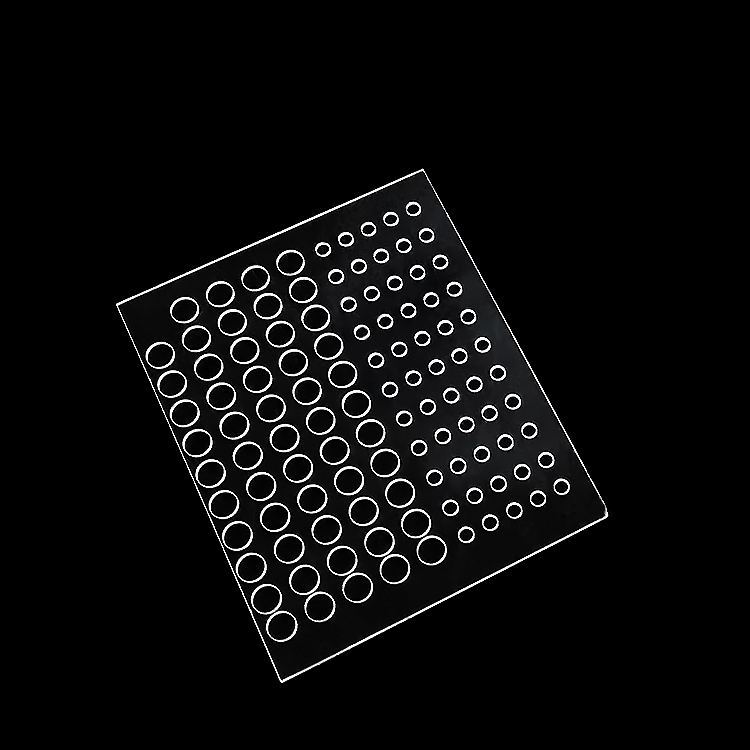
We execute diamond laser cutting, micro-channel grooving, and aperture drilling down to 0.1 mm diameter with crack-free edge profiles. This capability allows the fabrication of complex fluid inlet/outlet manifolds directly inside monolithic quartz blocks.
Verified Response Under 2 Hours
Operating with a verified 100% response rate on Alibaba.com, every technical RFQ accompanied by STEP, DWG, or PDF drawings receives an engineer-level review verifying mechanical tolerances, thermal limitations, and quartz grade compatibility within 120 minutes.
Armored Export Logistics to Sola/Stavanger
Quartz components are inherently delicate. We utilize customized vacuum skin-packaging, anti-shock suspended EPE foam structures, and multi-layer moisture barrier crates with shock-watch indicator labels, guaranteeing zero breakage upon airfreight arrival at Stavanger Airport (SVG).
Procurement Q&A
Frequently Asked Questions by Norwegian Buyers
Practical guidelines regarding customs clearance, chemical resistance, tolerances, and prototype ordering for Stavanger teams.
Q1: How do your quartz flow cells withstand high-salinity North Sea seawater?
Fused silica is chemically inert to almost all inorganic salts, acids (including concentrated nitric, sulfuric, and hydrochloric acids), and organic solvents. The only substances that etch fused quartz are hydrofluoric acid (HF), concentrated hot phosphoric acid (>150°C), and strong hot alkaline solutions. For natural seawater and hypersaline produced water, quartz exhibits negligible corrosion rates across decades of service.
Q2: Can you fabricate flow cells directly from custom 3D STEP or CAD files?
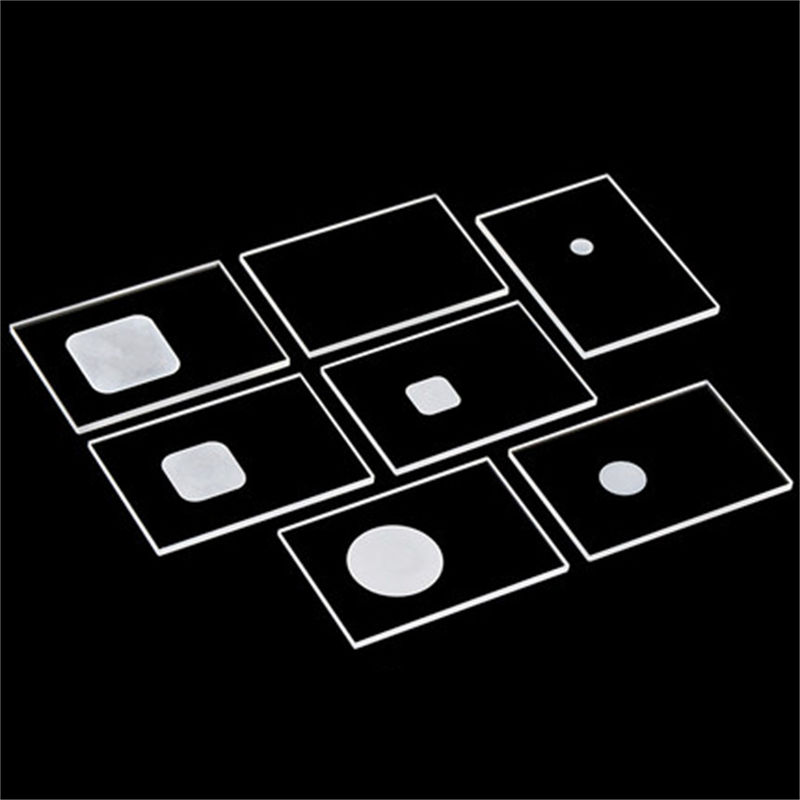
Yes. Custom fabrication to client engineering drawings is our core capability. We routinely receive 3D CAD files (.STEP, .IGES) and 2D manufacturing drawings (.DWG, .PDF) specifying optical apertures, fluid ports, O-ring sealing grooves, and micro-machined internal baffles. Our engineering team reviews each geometry for machinability before quotation.
Q3: What dimensional and surface tolerances do you provide for optical windows?
For optical inspection surfaces, we achieve surface figures up to λ/4 per 25 mm diameter, surface roughness Ra < 0.5 nm (super-polished), and scratch-dig specifications of 20/10 or 40/20 according to MIL-PRF-13830B. Dimensional mechanical tolerances on custom outer dimensions are held to ±0.05 mm, or ±0.02 mm upon request.
Q4: How are import duties, shipping timelines, and customs handled for Norway?
We supply complete export documentation including Commercial Invoices with correct HS Codes (typically 7002.31 or 7017.10), Packing Lists, and Certificates of Origin. Shipments dispatched via DHL, FedEx, or air express clear Norwegian Customs (Toll) quickly, with typical door-to-door transit times to Stavanger of 4 to 6 business days.
Q5: Are small-batch prototypes or single replacement pieces accepted?
Yes. We support R&D institutes, universities, and pilot engineering trials by manufacturing single-unit prototypes prior to high-volume production. Our rapid tooling configuration and CNC laser setups allow cost-effective single-piece prototyping without expensive molding fees.
Q6: How is optical transmission verified prior to dispatch?
Each production batch undergoes UV-Vis-NIR spectrophotometer verification. Transmission curves (from 190 nm through 3,200 nm), bubble/inclusion inspection reports, and dimensional calibration records can be provided with shipment upon request.
Ready to Engineer Your Custom Quartz Flow Cell?
Send your drawings, operating pressures, and optical wavelength requirements. Our engineering team reviews technical RFQs with an average response time of under 2 hours.