
Engineering White Paper: Quartz Glass Ampoules for Leeds' Scientific & High-Tech Ecosystem
The West Yorkshire region, anchored by the industrial and academic prowess of Leeds, has emerged as a globally recognized nexus for advanced materials innovation, catalytic chemical engineering, regenerative health technologies, and specialized manufacturing. The city's research facilities, distributed across world-leading academic institutes like the University of Leeds, spin-out enterprises at Nexus Leeds, and industrial laboratories along the Leeds City Region Enterprise Zones, operate at the cutting edge of thermodynamics and chemical synthesis. Within these demanding technical landscapes, experimental integrity depends fundamentally on sample containment. Standard borosilicate glassware fails at temperatures above 500 °C, leaches alkali metals into sensitive crystal growth matrices, and suffers structural failures under radical thermal swings. This makes engineered quartz glass ampoules and vacuum-sealed quartz envelopes indispensable to the regional scientific supply chain.
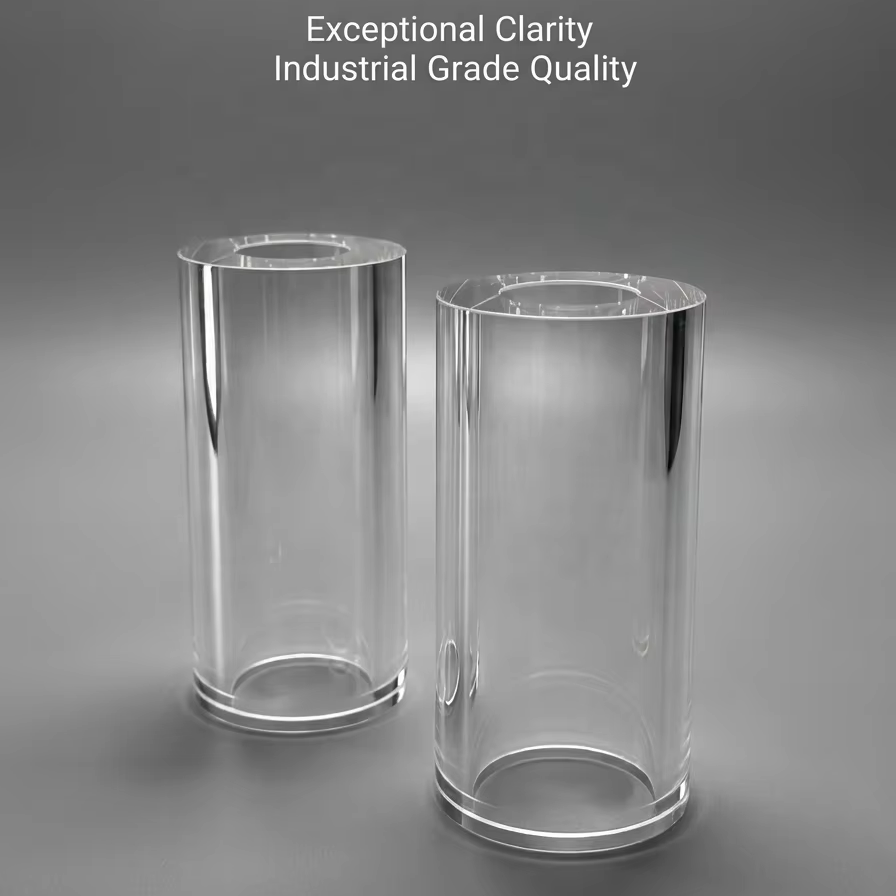
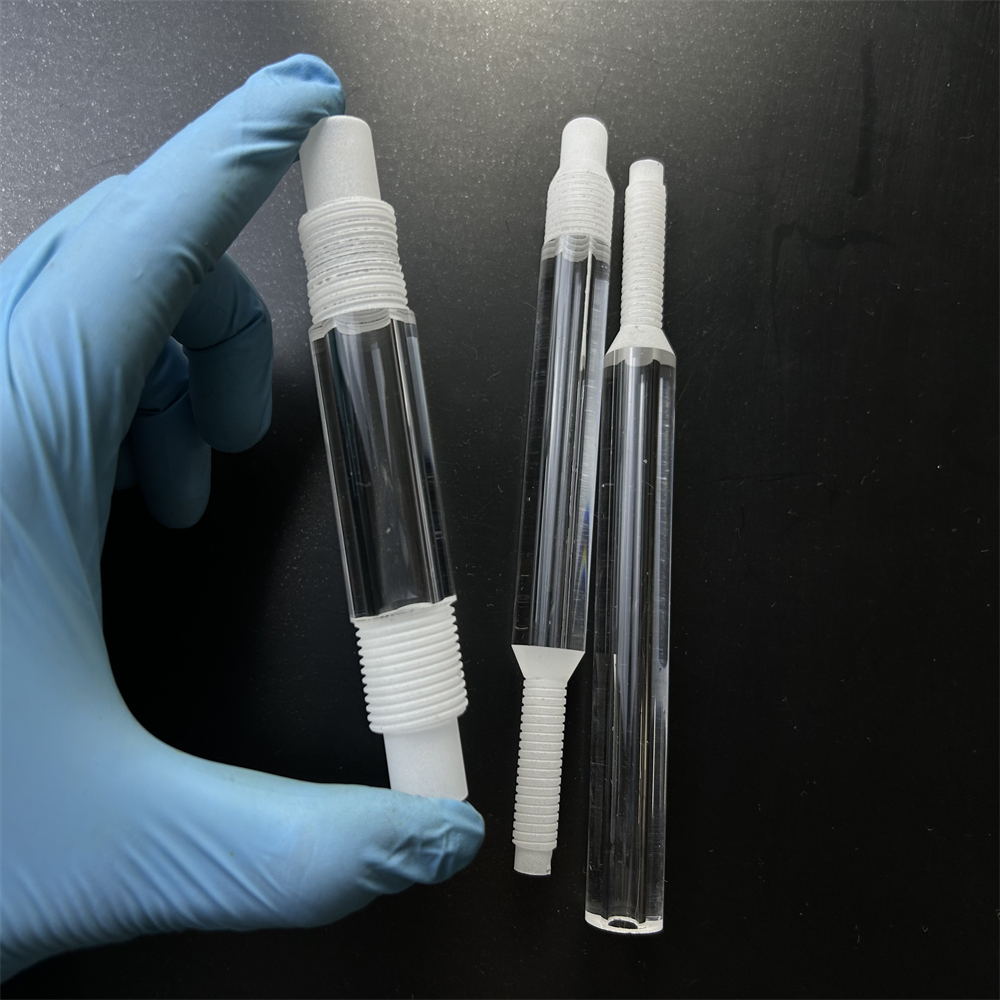
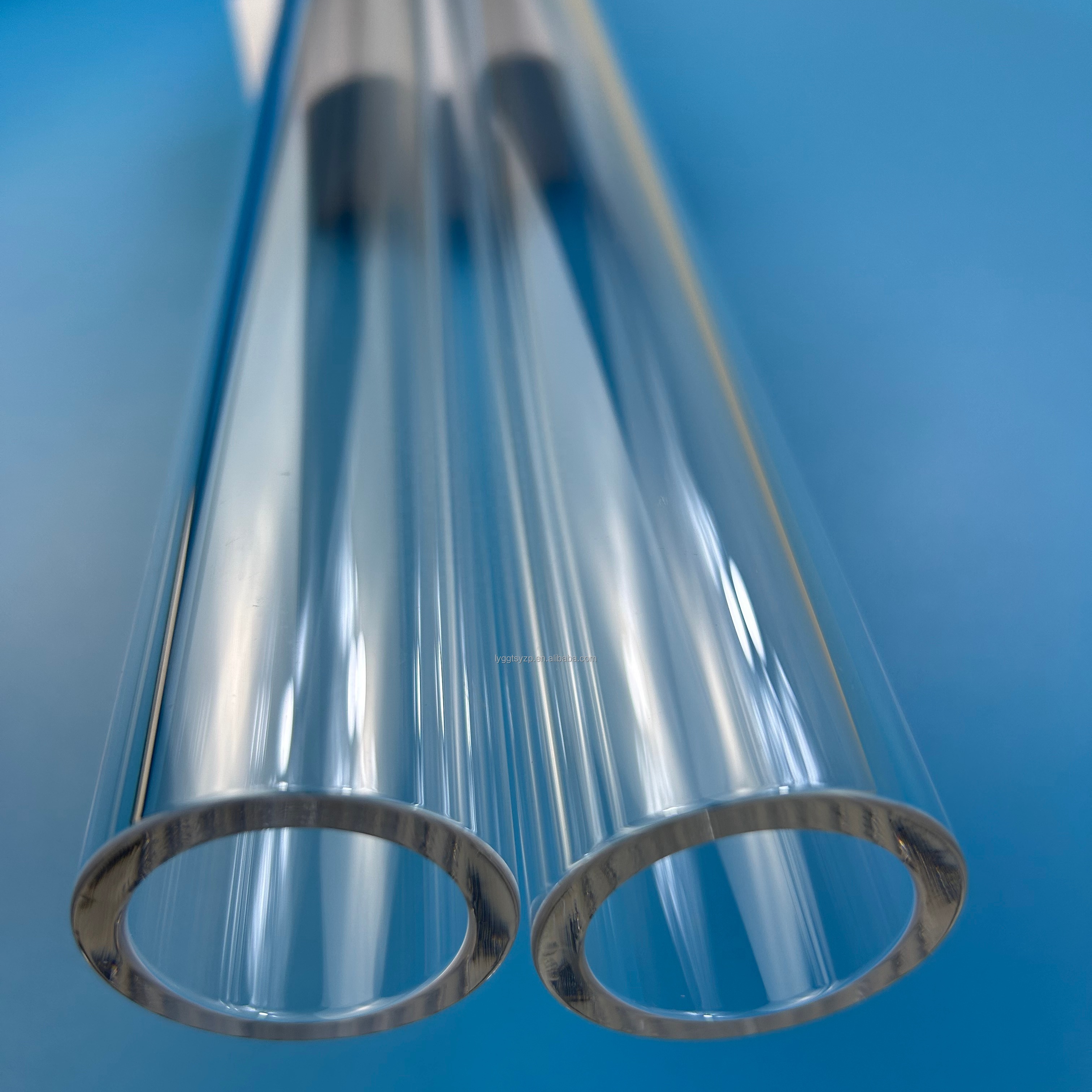
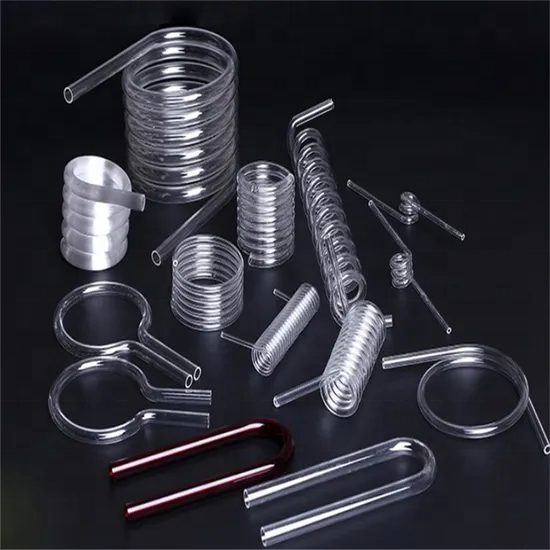
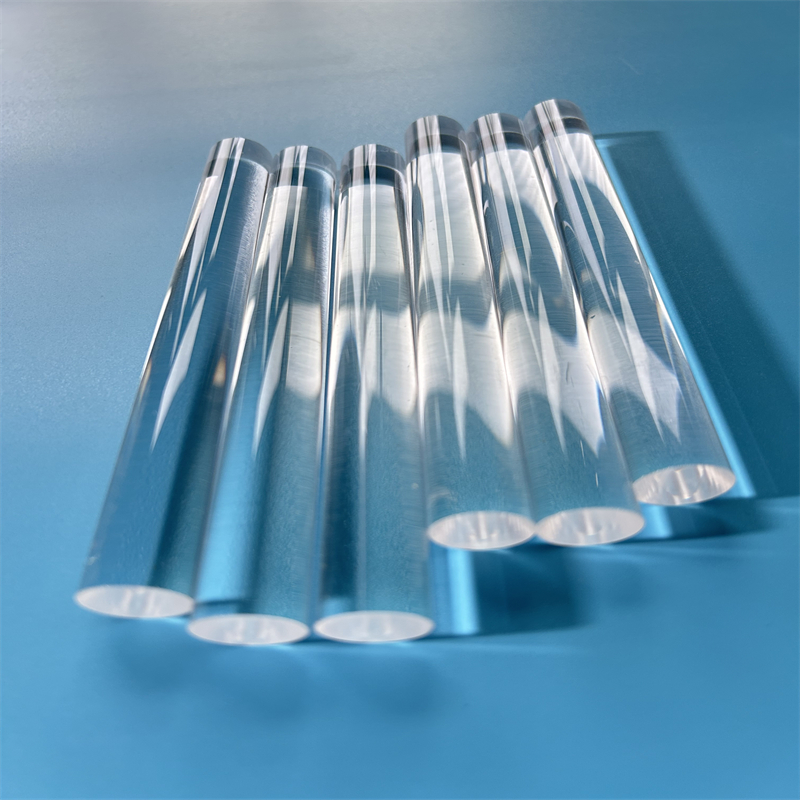
Fabricated from synthetically refined and naturally occurring high-grade crystal quartz originating from the mineral reserves of Donghai County, our quartz glass ampoules provide an impermeable, chemically inert, and thermally unshakeable environment. Designed specifically to support hydrothermal crystal synthesis, solid-state battery electrolyte calcination, Chemical Vapour Transport (CVT), and radiopharmaceutical isolation, each ampoule undergoes rigorous annealing to alleviate thermal stress. As Leeds intensifies its contributions to the UK's net-zero battery supply chain and next-generation oncology vectors, our direct-to-drawing fabrication gives Yorkshire-based project directors, laboratory procurement leaders, and industrial process specialists an authenticated, tier-one manufacturing alternative that eliminates secondary distributor markups and mitigates international logistics vulnerability.
Material Performance Index: Fused Silica vs. Traditional Laboratory Glassware
Precision materials characterization mandates an absolute understanding of thermomechanical boundaries. Quartz ampoules differ from conventional lab vessels due to their monolithic cross-linked silicon dioxide (SiO₂) tetrahedral network. The near-total absence of network-modifying alkali flux agents (such as sodium, calcium, or boron) yields exceptional physical and optical constants:
| Characteristic / Parameter | Synthetic Fused Silica (JGS1) | Optical / Industrial Fused Quartz (JGS2) | Infrared Grade Quartz (JGS3) |
|---|---|---|---|
| SiO₂ Purity Ratio | ≥ 99.999% (<1 ppm total metallic impurities) | ≥ 99.99% | ≥ 99.98% (ultra-low OH content) |
| Continuous Working Temperature | 1100 °C to 1150 °C | 1050 °C to 1100 °C | 1100 °C to 1200 °C |
| Short-Term Peak Thermal Tolerance | Up to 1300 °C | Up to 1250 °C | Up to 1350 °C |
| Softening / Annealing Thresholds | 1683 °C / 1215 °C | 1665 °C / 1180 °C | 1680 °C / 1210 °C |
| Coefficient of Thermal Expansion (CTE) | 5.5 × 10⁻⁷ / °C (20 °C to 320 °C) | 5.5 × 10⁻⁷ / °C | 5.4 × 10⁻⁷ / °C |
| Thermal Shock Capacity | Quench from 1100 °C directly into 20 °C H₂O | Quench from 1000 °C to ambient | Quench from 1100 °C to ambient |
| Optical Transmission Domain | 185 nm – 2500 nm (Deep Ultraviolet) | 220 nm – 2500 nm (UV-Visible standard) | 260 nm – 3500 nm (Low OH, Deep IR) |
Localized Industrial & Scientific Applications Across West Yorkshire
The unique technical profile of quartz glass ampoules aligns directly with strategic initiatives spearheaded by Leeds-based institutions, manufacturing parks, and spin-off entities:
1. Solid-State Energy Materials & Halide Perovskite Synthesis: With universities and R&D consortia across Leeds and West Yorkshire pioneering solid-state lithium/sodium battery electrolytes and multi-junction photovoltaic cells, synthetic chemists routinely face volatilization challenges. Halide precursor components like tin iodide, lead iodide, and sulfur compounds display intense vapor pressure at elevated temperatures. Our customized thick-wall quartz ampoules, engineered with precision neck constrictions for vacuum sealing (<10⁻⁵ mbar), withstand continuous multi-day thermal soaking in rocking and horizontal tube furnaces without bulging, devitrification, or ambient gas ingress.
2. Superconducting Metallurgy & Chemical Vapour Transport (CVT): Advanced crystal growth projects require uniform temperatures and extreme chemical resistance to halogen transport agents (I₂, Br₂, TeCl₄). Leeds materials laboratories use our calibrated cylindrical ampoules to isolate pure single crystals of transition metal dichalcogenides (TMDs) and topological insulators. High dimensional uniformity (±0.05 mm wall tolerance) prevents asymmetric heat sink phenomena, securing consistent crystal nucleation.
3. Biomedical Sterilization & High-Purity Pharmaceutical Storage: The Leeds City Region represents one of the UK's largest health technology clusters. For high-potency API synthesis, specialized biological extracts, and isotope standards, borosilicate glass poses a significant danger of alkali ion leaching into the substrate. Our JGS1-grade fused silica ampoules provide a zero-leach, pyrogen-free barrier resistant to extreme cryopreservation (-196 °C in liquid nitrogen) directly transitioning to steam autoclaving and flame closure without thermal micro-fracturing.
4. Photocatalysis & Green Hydrogen Evolution Studies: Leeds academic units specializing in catalytic cracking and environmental chemistry rely on transparent reaction vessels that permit unrestricted solar spectrum penetration. Standard industrial tubes block deep UV wavelengths. Our synthetic quartz ampoules and internal illumination reactors maximize UV-A and UV-B optical throughput down to 185 nm, ensuring precise quantum efficiency measurements during photochemical water-splitting trials.
Macro Industry Trends Influencing Quartzware Procurement in the Leeds Corridor
Procurement teams and lab managers across the UK face strict institutional carbon goals, supply chain audits, and tightening lead times. In Leeds, several trends shape current purchasing policies:
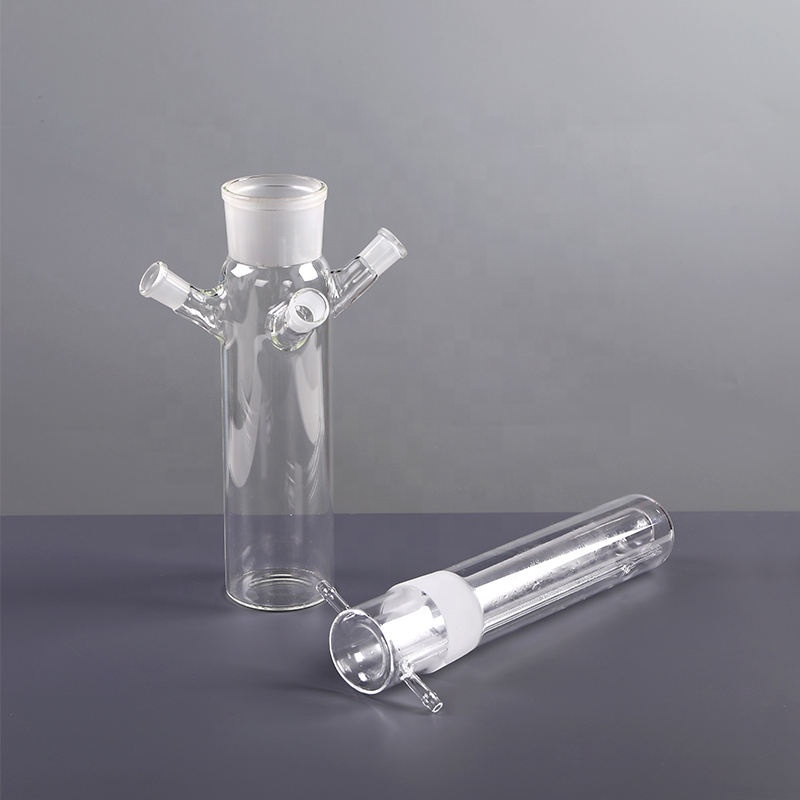
Shift Toward In-House Flame-Sealing & Custom Miniaturization: Rather than buying pre-sealed commercial standard vessels, West Yorkshire laboratories increasingly adopt in-house oxy-hydrogen torch sealing manifolds. This drives demand for modular quartz ampoules featuring pre-necked sealing zones, ground taper joints (NS 14/23, NS 19/26), and stopcock transitions that plug directly into Schlenk lines and turbomolecular pumping stations. Custom length-to-diameter ratios optimize space within multi-zone split-tube furnaces.
Stringent Decarbonization & Circular Quartzware Usage: Academic and commercial laboratories in Leeds work under aggressive Net Zero targets. Fused quartz ampoules offer exceptional chemical resilience, allowing multiple re-use cycles when properly etched with dilute hydrofluoric acid or thermal degreasing protocols. Leeds buyers seek manufacturers capable of providing heavy-wall, flame-polished variants that survive rigorous cyclic cleaning cycles without structural degradation.
Direct-from-Source OEM Collaboration: Supply bottlenecks and substantial pricing inflation from third-party UK laboratory equipment distributors have encouraged technical buyers in Leeds to forge direct lines of communication with tier-one primary processors. Direct interaction with our engineering workshop allows Leeds clients to submit STEP, DWG, or PDF schematics directly to the shop floor, slashing project delivery timelines from months to days and ensuring precise custom configurations.