Product Catalog
High-Precision Quartz Ware & Capillary Solutions
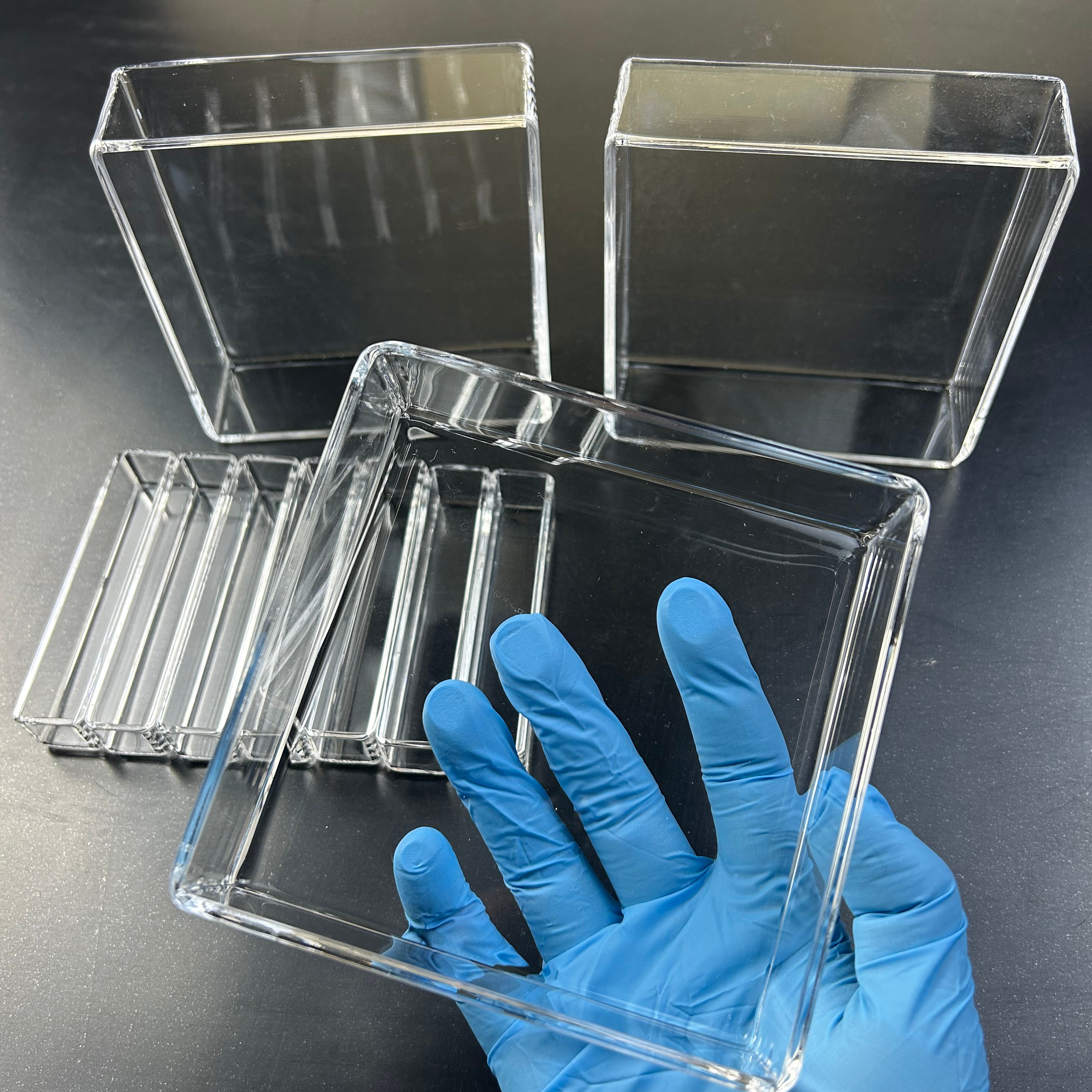
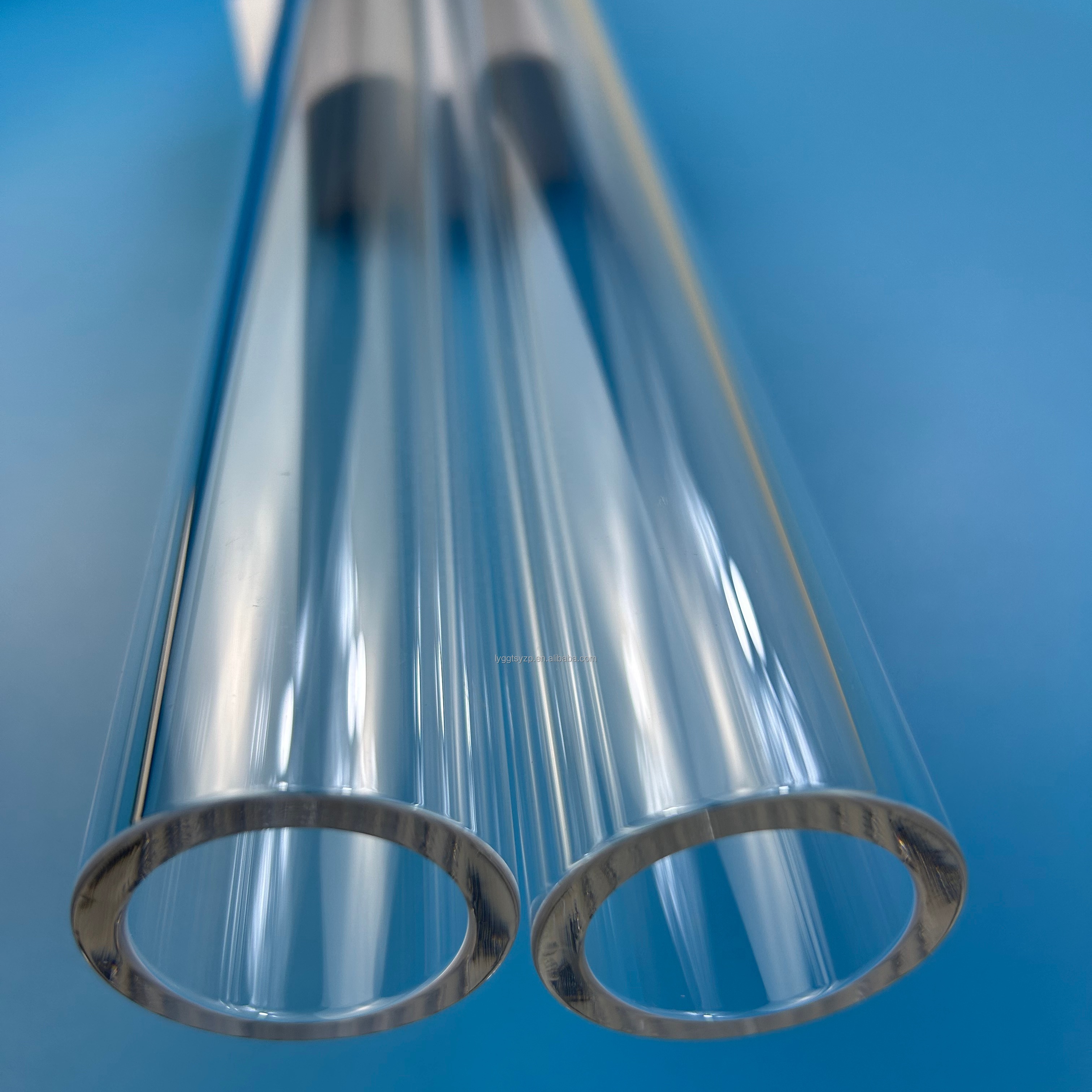
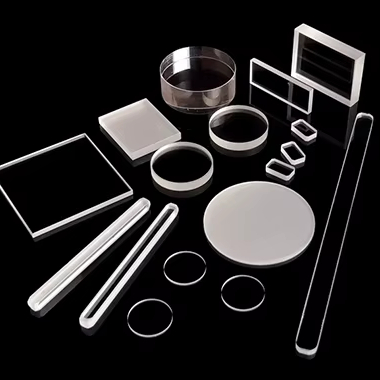
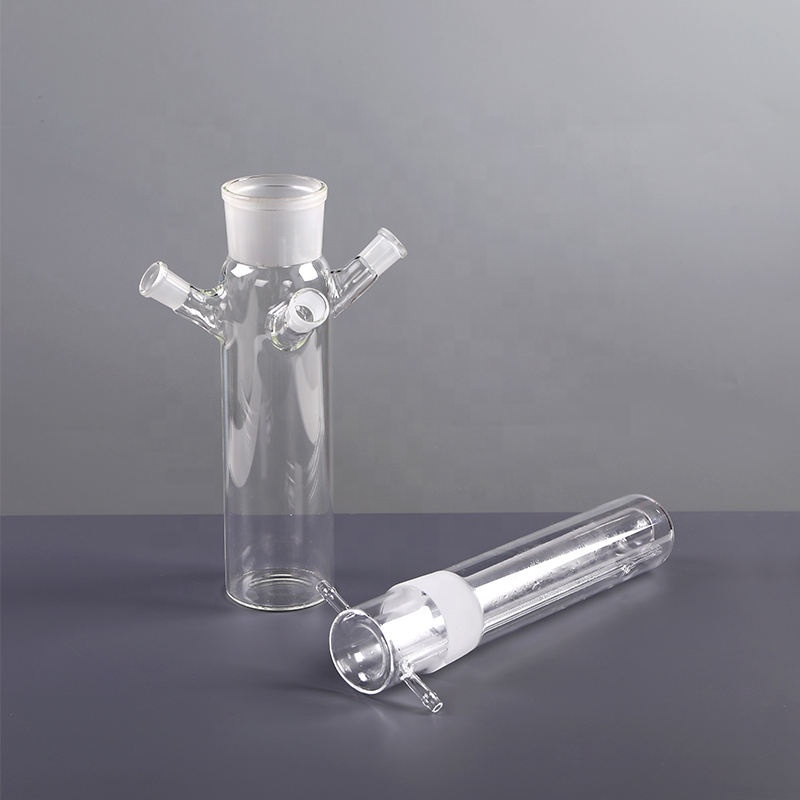
Engineered from synthetic fused silica (JGS1) and natural high-purity quartz (JGS2/JGS3) with tight bore tolerances down to ±0.005 mm for research laboratories, semiconductor fabs, and chromatography hubs across Mexico.
≥99.99%
SiO₂ Purity (JGS1 Grade)
±0.005mm
Capillary Inner Bore Tolerance
100%
Verified Inquiry Response Rate
≤ 2h
Technical Feedback Window
Localized Applications
Precision Capillary & Fused Quartz Systems in Mexico City (CDMX)
From the industrial corridors of Vallejo and Tlalnepantla to research institutes at Ciudad Universitaria and CINVESTAV, fused quartz capillaries drive high-temperature, high-purity instrumentation.
Gas Chromatography & Mass Spectrometry
Laboratories across Mexico City, Cuautitlán Izcalli, and Toluca utilize micro-bore quartz glass capillaries for capillary electrophoresis and GC columns. The ultra-smooth inner walls eliminate chemical adsorption, ensuring baseline accuracy in petrochemical and pharmaceutical analysis.
- Inner Diameters: 10 μm up to 1000 μm
- Polyimide or bare outer cladding options
- Inactive internal silica surfaces (<1 ppm metal ions)
Photocatalytic & Flow Chemical Synthesis
Industrial chemical parks in the Estado de México require continuous microfluidic reactors. Quartz capillaries facilitate uninhibited transmission across deep-UV to NIR spectrums (185–2500 nm), withstanding thermal shock up to 1100 °C under harsh corrosive media.
- Continuous operation at 1100 °C; peak 1300 °C
- Resistant to virtually all inorganic acids (except HF)
- Thermal expansion coeff: 5.5 × 10⁻⁷ /°C
Optoelectronics & Fiber Splicing Sleeves
The telecommunications and optical assembly industry in Central Mexico relies on micro quartz capillary sleeves for fiber collimators, PLC splitters, and biomedical laser delivery channels where concentricity and circularity govern insertion loss.
- Concentricity: < 0.003 mm on custom runs
- Laser-polished ends to mitigate cleavage microfractures
- Customized multi-lumen capillary configurations
Market Dynamics & Nearshoring
Mexico City as the High-Tech Nearshoring Hub: Transforming Quartz Glass Procurement
The industrial landscape in the Metropolitan Area of Mexico City (ZMVM) is shifting rapidly due to nearshoring investments across Querétaro, Puebla, and the Bajío corridor. High-precision manufacturing, semiconductor packaging, automotive electronics, and clinical diagnostics are replacing traditional manufacturing. This shift demands quartz glass capillaries that conform to strict ASTM, DIN, and ISO 9001 standards.
Supply Chain Security Note: Mexican procurement specialists frequently face delays when importing delicate fused quartz products from Europe or the US. Direct manufacturer relationships with specialized producers offer faster tooling, dedicated batch testing, and tailored air freight via Mexico City's Benito Juárez (MEX) or Felipe Ángeles (NLU) airports.
Furthermore, academic powerhouses such as UNAM (Universidad Nacional Autónoma de México) and IPN (Instituto Politécnico Nacional) require specialized JGS1 synthetic silica capillaries for synchrotron experiments and vacuum ultraviolet photolysis, where hydroxyl (OH) absorption bands must be carefully managed to maintain optical integrity.
Rapid Prototyping from CAD / STEP
Direct translation from customer drawings to CNC laser micro-machining with zero preliminary tooling surcharges.
Shock-Resistant Export Packing
Triple-barrier cushioning with vacuum-sealed suspension crates to withstand intercontinental transit without stress micro-fracturing.
Traceable Spectroscopic Verification
Lot-level spectrophotometer data (UV-Vis-NIR) and wall thickness concentricity inspection included with every international batch.
Factory Strengths
Why Mexican Buyers Partner With Us
Combining Donghai's world-class raw silica refining base with advanced multi-axis laser finishing, precision fire polishing, and verifiable B2B export reliability.
OEM / ODM to Drawing
Production strictly according to your engineering drawings (PDF, DWG, STEP). From bore micro-diameters to custom ground joints and optical terminations.
Laser Drilling & Grooving
Specialized non-contact laser machining eliminates mechanical micro-cracking on tube ends, delivering clean capillary orifices down to microscopic levels.
Verified Direct Export Value
An established annual turnover of US$2.5M–$5M with a 43% repeat-order rate from international purchasers who rely on reliable delivery schedules.
≤ 2h Technical Response
Our 100% verified response rate ensures that engineering reviews and DFM (Design for Manufacturability) advice are delivered promptly across time zones.
Procurement Guidance
Frequently Asked Questions for Mexican Importers
Key information regarding international logistics, material purity, customs documentation, and technical limits for Mexican engineers and purchasing agents.
What are the key differences between JGS1, JGS2, and JGS3 quartz capillary tubes?
JGS1 (Synthetic Fused Silica): Synthesized via chemical vapor deposition of silicon tetrachloride. It provides exceptional optical transmission in the deep ultraviolet range (185–2500 nm) with bubble-free consistency and virtually zero metallic impurities (<1 ppm). Ideal for HPLC UV-detectors and excimer laser capillary delivery.
JGS2 (Fused Quartz from Natural Rock): Standard industrial grade transmitting roughly 220–2500 nm, suited for general heating chambers, level indicators, and high-temperature furnace tubes.
JGS3 (Infrared Grade): Prepared under vacuum, containing minimal hydroxyl content (OH < 5 ppm), allowing transmission up to 3500 nm. Preferred for IR sensors, pyrometry sights, and infrared combustion analysis.
How do you prevent breakage during air shipment to Mexico City (MEX / NLU)?
Capillary tubes and custom quartzware require engineered multi-layer protection. We use custom-molded high-density polyethylene (EPE) foam nests within rigid internal cartons, followed by a shock-isolated outer plywood crate (fumigated and ISPM-15 compliant). Fragile shipments include integrated shock-watch and tilt-watch indicator labels. We work with DHL, FedEx, and door-to-door DDP logistics partners handling customs clearance via Mexican customs brokers (Agentes Aduanales).
Can you supply custom internal diameters (ID) and wall thicknesses to drawing?
Yes. Custom draw and precision laser cutting to customer blueprints is our primary expertise. We manufacture capillaries with inner bores starting from 0.05 mm (50 μm) up to large multi-millimeter heavy-wall tubes. Tolerances can be maintained down to ±0.005 mm on bore concentricity, with fire-polished or optical ground flat ends to eliminate microscopic stress points.
What documentation is provided to satisfy Mexican import standards and NOM regulations?
Each shipment includes an analytical Certificate of Analysis (CoA) confirming SiO₂ purity and trace metal analysis (ICP-MS), along with a dimensional inspection report, commercial invoice, packing list, and Certificate of Origin. For educational and scientific institutes (such as UNAM or CINVESTAV), these documents facilitate clearance under duty-free scientific research provisions.
What is the continuous operational temperature and thermal shock limit?
Our fused quartz can be used continuously at 1100 °C and intermittently up to 1300 °C, with an annealing point of 1215 °C and softening point near 1683 °C. Thanks to an ultra-low thermal expansion coefficient (5.5 × 10⁻⁷ /°C), a red-hot quartz component heated to 1000 °C can be dropped into cold water without structural failure, making it far superior to borosilicate 3.3 in high-temperature applications.