Engineered Fused Quartz & Silica Solutions
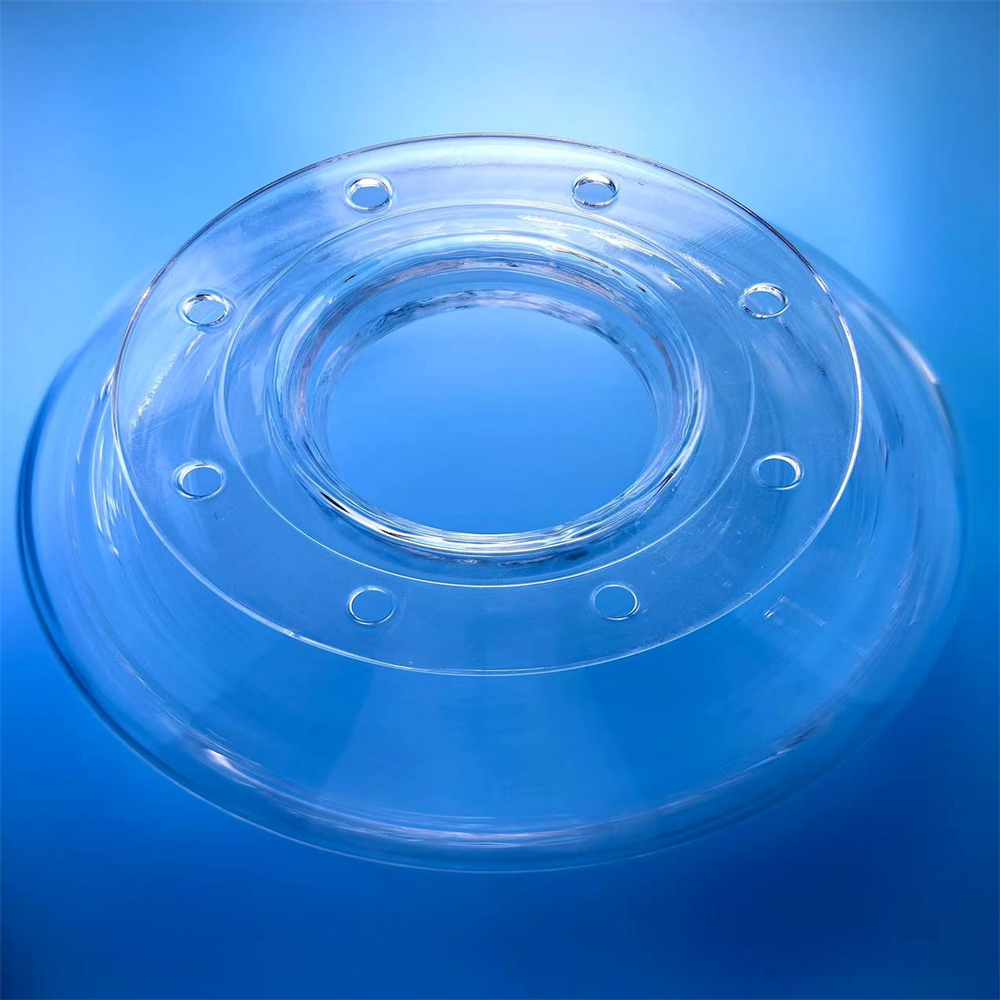
Custom fabricated according to DIN/ISO standards with laser drilling, high-precision thermal bonding, optical fire-polishing, and full spectral verification.

1. Technical Overview: Optical Quartz Cells and Fused Silica Cavities
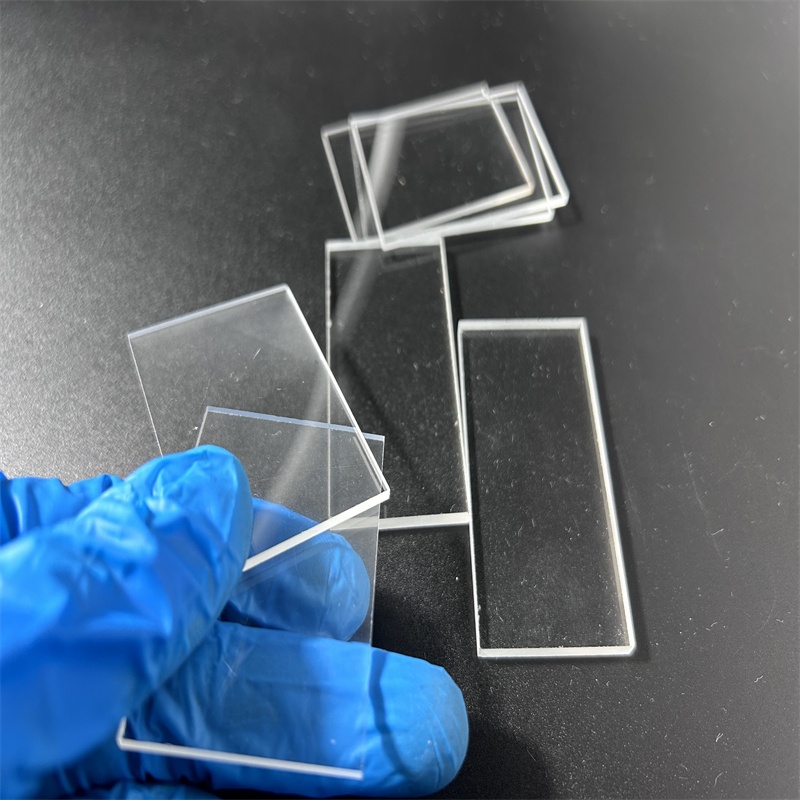
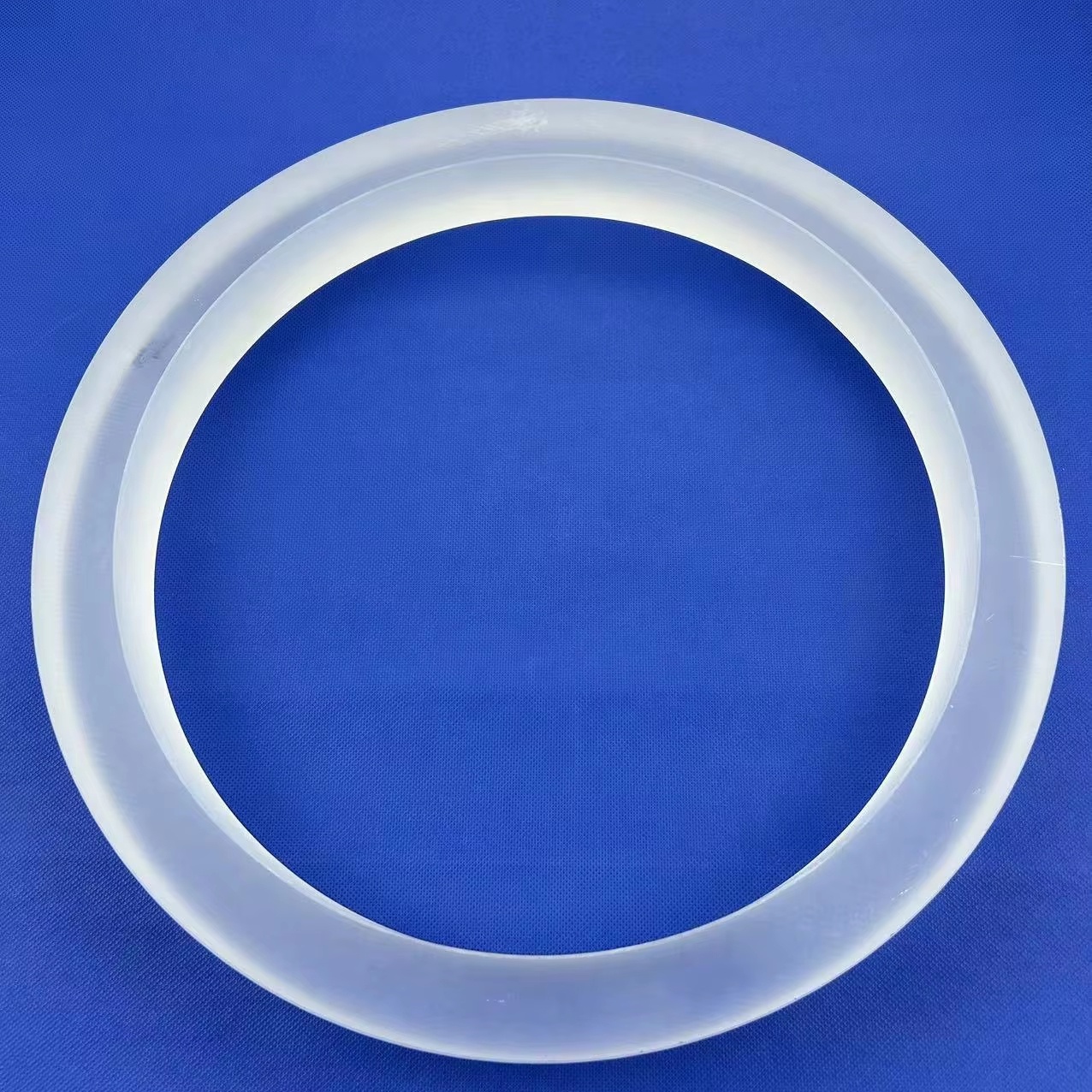
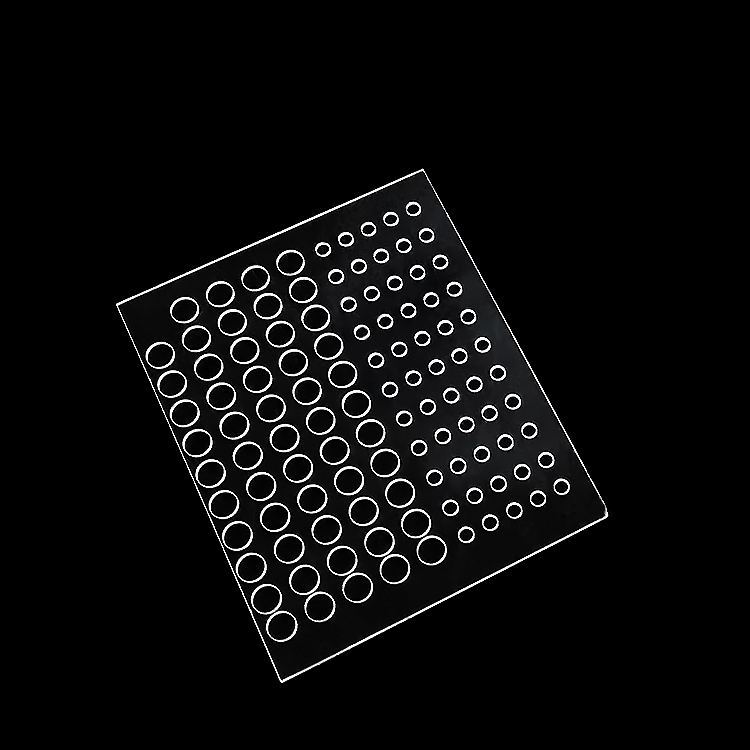
Precision quartz cells (often cataloged as cuvettes, absorption chambers, optical flow cells, or spectroscopic reaction cavities) constitute the indispensable foundation of quantitative chemical analysis, biotechnology diagnostics, and photonic processing. When operating across the ultraviolet (UV), visible (Vis), and near-infrared (NIR) spectra, ordinary borosilicate or soda-lime glass demonstrates severe transmission cutoffs, internal autofluorescence, and unacceptable dimensional shifting under thermal stress. For analytical laboratories and process engineering teams across Malmö and the wider Skåne county, selecting the appropriate grade of fused quartz or synthetic fused silica represents the critical variable between signal drift and sub-nanometer spectral accuracy.
Our quartz glass cells are engineered utilizing optical-grade synthetic fused silica (JGS1), natural high-purity fused quartz (JGS2), and infrared-transparent water-free silica (JGS3). Through molecular fire-fusion or direct optical contact bonding, windows and cell bodies achieve monolithic structural integrity without relying on polymeric adhesives or adhesives that leach contaminants into organic solvents or degrade under high-intensity excimer laser and UV light exposure.
Technical Benchmark for Malmö Buyers: Standard laboratory cuvettes typically exhibit an optical path length tolerance of ±0.05 mm. Our CNC laser-milled and optical-contact fused cells achieve path length tolerances within ±0.005 mm (±5 μm), with window parallelism surpassing 3 arc minutes and surface roughness finished below Ra ≤ 0.5 nm, ensuring reliable baseline stability for rigorous HPLC, spectrophotometric, and fluorometric determinations.
| Material Classification | Transmission Bandwidth | Hydroxyl (OH−) Content | Principal Analytical Use Case | Equivalent Grade Standards |
|---|---|---|---|---|
| JGS1 (Synthetic Fused Silica) | 185 nm – 2500 nm | < 1200 ppm | Deep UV Spectrophotometry, Laser Induced Fluorescence, DNA/RNA Quantitation | Suprasil 1/2, Corning 7980, Spectrosil |
| JGS2 (Optical Quartz Glass) | 220 nm – 2500 nm | < 200 ppm | Standard UV-Vis Chemistry, Environmental Water Testing, General Chromatography | Homosil, Herasil, GE 124 |
| JGS3 (Infrared Fused Quartz) | 260 nm – 3500 nm | < 5 ppm (Water-free) | FTIR Spectroscopy, NIR Chemometrics, High-Pressure Gas Absorption Cells | Infrasil 302, Suprasil 300 |
2. Structural Integrity & Physical Property Specifications
When selecting fused quartz hardware for industrial reaction chambers or benchtop spectrometry, structural and thermal characteristics determine component longevity. Fused quartz exhibits an extraordinarily low coefficient of thermal expansion (α = 5.5 × 10⁻⁷ /°C), approximately one-fifth that of premium borosilicate glass. This gives the material near-absolute immunity to thermal shock. A quartz cell heated to 1100°C can be plunged into ice water without structural failure, micro-fracturing, or refractive deviation.
Extreme Chemical Inertness
Unreactive with virtually all acids (including boiling hydrochloric, sulfuric, and nitric acids), halogens, and organic solvents. Only hydrofluoric acid (HF) and concentrated alkaline solutions at high temperatures etch the amorphous silica lattice.
Thermal & Shock Resilience
Annealing point at 1215°C, softening point at 1683°C, and continuous operational ceiling of 1100°C. Resistant to sudden temperature gradients (ΔT > 1000°C), eliminating risk during high-heat exothermal reactions or rapid thermal cycling.
High Optical Transmission
Internal transmittance exceeding 92% across critical wavelengths (after accounting for Fresnel reflection losses). Minimal solarization or bubble inclusions (DIN 58927 Class 0/10), ensuring optimal signal-to-noise ratios.
3. Localized Applications in Malmö & the Greater Öresund Innovation Belt
Malmö stands as one of Scandinavia's dynamic technology epicenters, forming the Swedish anchor of the transnational Medicon Valley. Together with neighboring Lund, Copenhagen, and the broader Skåne innovation ecosystem, Malmö hosts demanding life science clusters, cutting-edge material incubators, and world-class environmental engineering firms. High-performance quartz glass components and absorption cells fulfill indispensable roles across several prominent local research vectors:
Biopharma & Medeon
Within the Medeon Science Park and local pharmaceutical laboratories, high-purity JGS1 spectrophotometer cells are deployed for nucleic acid profiling (A260/A280 ratios), protein crystallization, and active pharmaceutical ingredient (API) assay verification under strict GMP protocols.
Synchrotron & ESS Lines
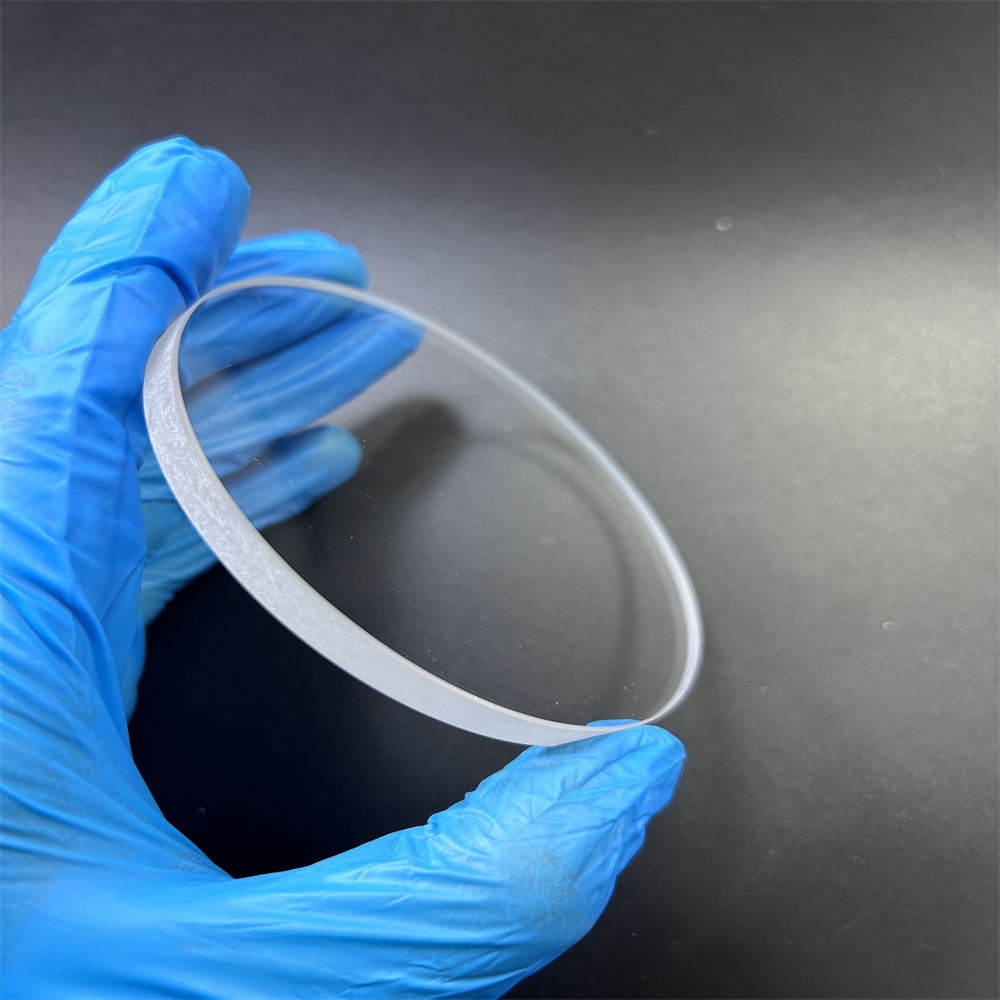
Situated minutes from MAX IV Laboratory and the European Spallation Source (ESS), Malmö-based researchers require ultra-flat quartz wafers, customized capillary sample cells, and vacuum viewports capable of sustaining intense radiation loads without lattice degradation.
Marine & CleanTech
Given Malmö's maritime economy and strict environmental oversight in the Öresund Strait, continuous UV photolysis digestion cells and Total Organic Carbon (TOC) analysis quartz tubes monitor marine ballast effluents, municipal discharge, and industrial process water.
Advanced Energy
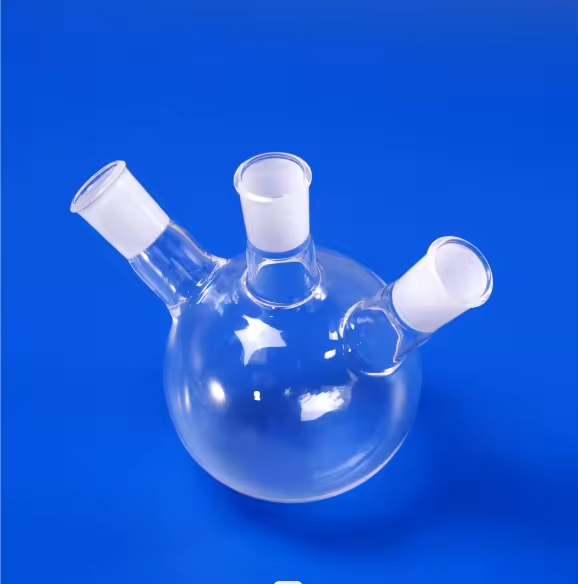
Swedish energy and battery research facilities utilize BET sample twin tubes, chemisorption reactor cells, and high-pressure quartz sight glasses to characterize mesoporous catalysts, solid-state electrolytes, and carbon nanostructures under inert gas conditions.
4. Strategic Trends Transforming Analytical Quartz Procurement in Southern Sweden
The transition toward green analytical chemistry, automated microfluidics, and micro-volume spectroscopy is redefining how Swedish technical buyers procure quartz components. Historically, laboratories procured standardized 10 mm path length macro-cuvettes in pairs. Today, operational teams across Malmö express distinctive technological priorities:
A. Micro-Volume and Demountable Sub-Micro Cells: With biopharmaceutical assays utilizing expensive monoclonal antibodies and rare synthesized peptides, sample loss must be minimized. The regional demand has shifted toward sub-micro quartz flow cells with internal sample volumes beneath 10 μL, combined with demountable windows that enable rapid mechanical cleaning and prevent cross-batch contamination.
B. Direct Optical Contact Bonding vs. Sintered Construction: Adhesive-free optical contact bonding (molecular fusion without fluxing agents) has become an essential procurement baseline. Malmö biotechnology developers require cells that withstand harsh ultrasonic baths, aggressive organic solvents (such as DMSO, acetonitrile, and chloroform), and repeated autoclaving cycles at 121°C without boundary delamination.
C. Supply Chain Resilience and Direct-from-Source Engineering: European research centers are mitigating domestic distributor markups and extended back-order backlogs by establishing direct OEM partnerships with primary quartz fabricators. Access to direct engineering teams capable of translating CAD/STEP models into bespoke quartz hardware within 24 hours has cut prototyping timelines for Skåne technological initiatives by up to 60%.
5. Enterprise Advantages: Zunex Quartz Technical Prowess
Zunex Quartz Products Co., Ltd. operates from Donghai County, Jiangsu — globally acknowledged as China's crystal and silica capital. With direct proximity to raw high-purity natural quartz crystals and high-end synthetic silicon tetrachloride feedstock, Zunex merges regional mineral advantages with ISO-certified micro-machining and laser-processing infrastructure.
Tailored Processing to Drawing
Comprehensive tolerance execution from DWG, STEP, or PDF schematics. In-house laser micro-drilling (apertures down to 0.1 mm), ultrasonic internal slotting, high-precision beveling, and CNC edge radiusing.
Strict Metrology & Quality Control
Every optical quartz cell undergoes interferometric wavefront distortion checks, polarimetric stress tests to identify annealing strain, spectrophotometric transmission mapping, and pneumatic leak integrity checks before sign-off.
Export Packaging for Malmö Transit
Custom-molded shock-absorbent high-density EVA foam cassettes enclosed in vacuum-sealed moisture-barrier bags and reinforced international plywood crates ensure zero optical scratching or transit breakage to Skåne.
6. Frequently Asked Questions by Malmö Technical Buyers
What is the exact distinction between JGS1 synthetic silica and JGS2 optical quartz for absorption cells?
How are your quartz cells assembled: glued, sintered, or optical contact bonded?
What is the typical shipping lead time and import process to Malmö, Sweden?
Can you manufacture quartz cells according to proprietary non-standard CAD/STEP drawings?
What cleaning and maintenance protocols are recommended for high-purity optical cuvettes?
Do your optical cells match standardized holder geometry for international spectrophotometers?
Request Technical Specifications or Custom Quartz Cell Quote
Connect directly with our senior quartz engineering team in Donghai. Send your design sketches, tolerance requirements, or standard part inquiries for prompt review and comprehensive physical certificates.