Engineered Fused Quartz Solutions Available for Tallinn & Baltic Projects
Explore our core portfolio of fused quartz tubes, bell jars, optical grade wafers, and high-temperature apparatus precision-machined for vacuum diffusion, crystal synthesis, and harsh analytical environments.
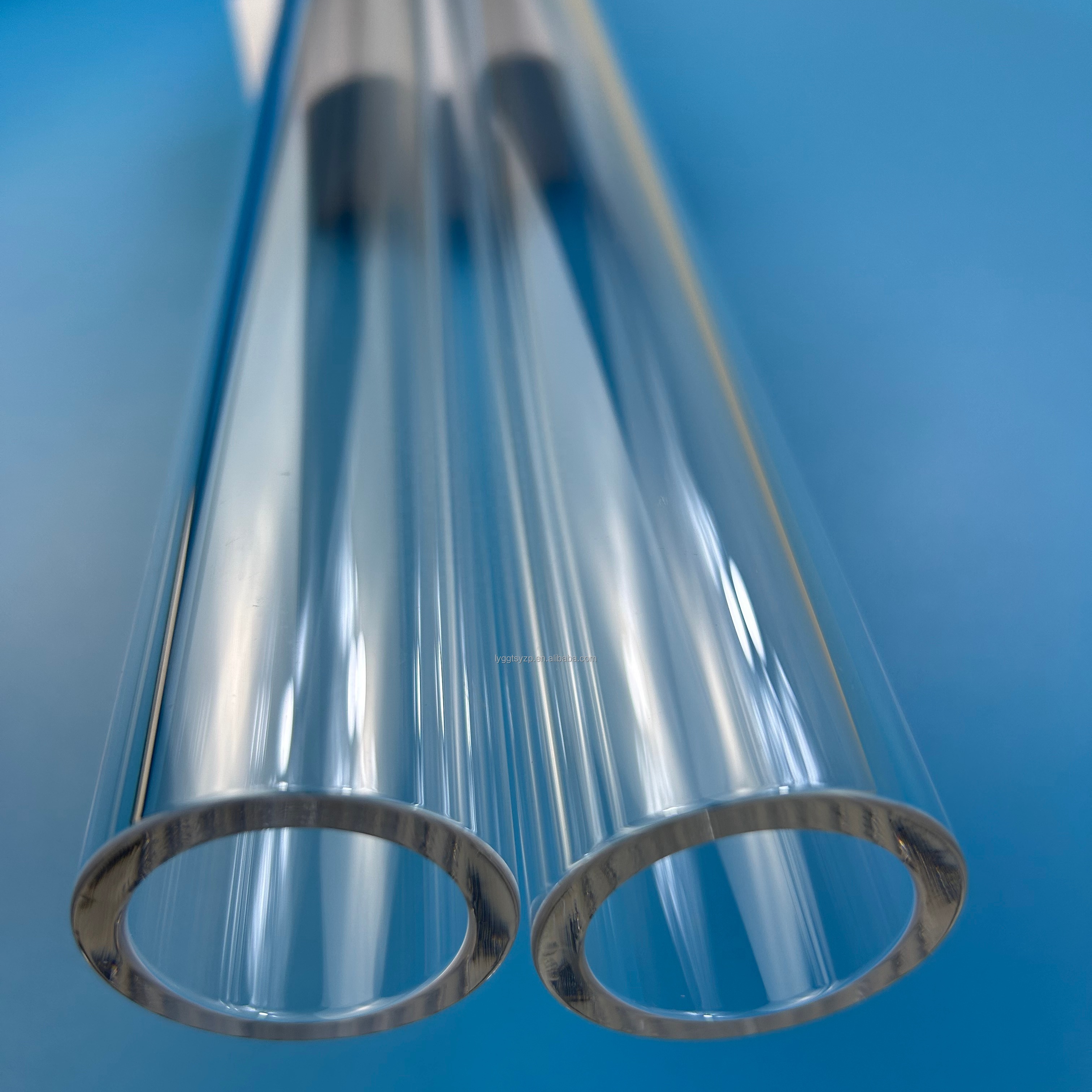
Polished Clear Quartz Twin Tube Ozone Free Heater
View Details →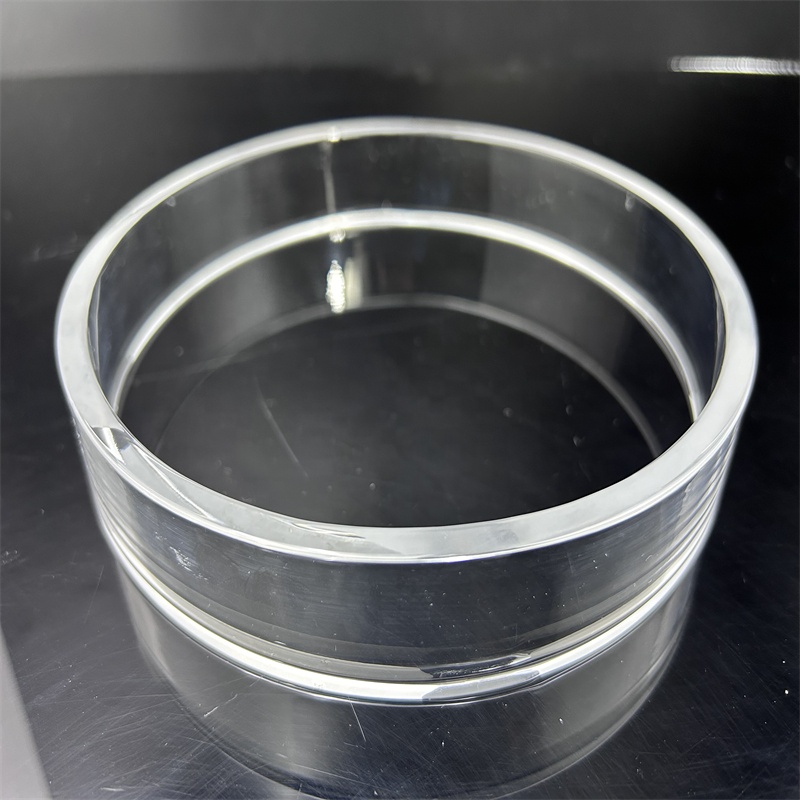
High-Purity Fused Quartz Glass Bell Jar
View Details →
High-Temperature UV Quartz Glass Plate & Discs
View Details →
High-Precision Optical Grade Quartz Glass
View Details →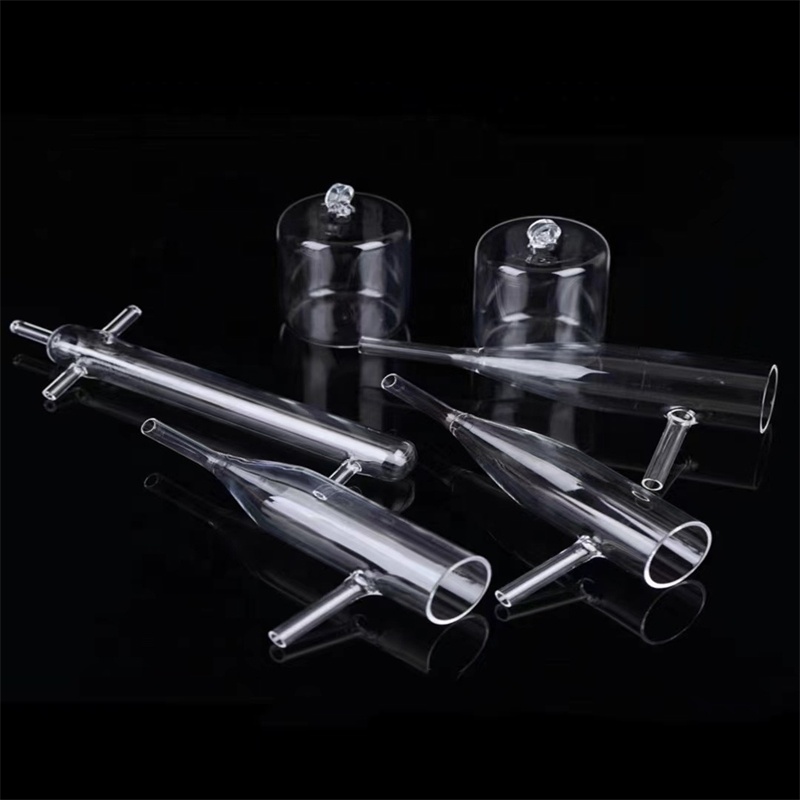
99.99% Pure Fused Silica CVD Twin Tubes
View Details →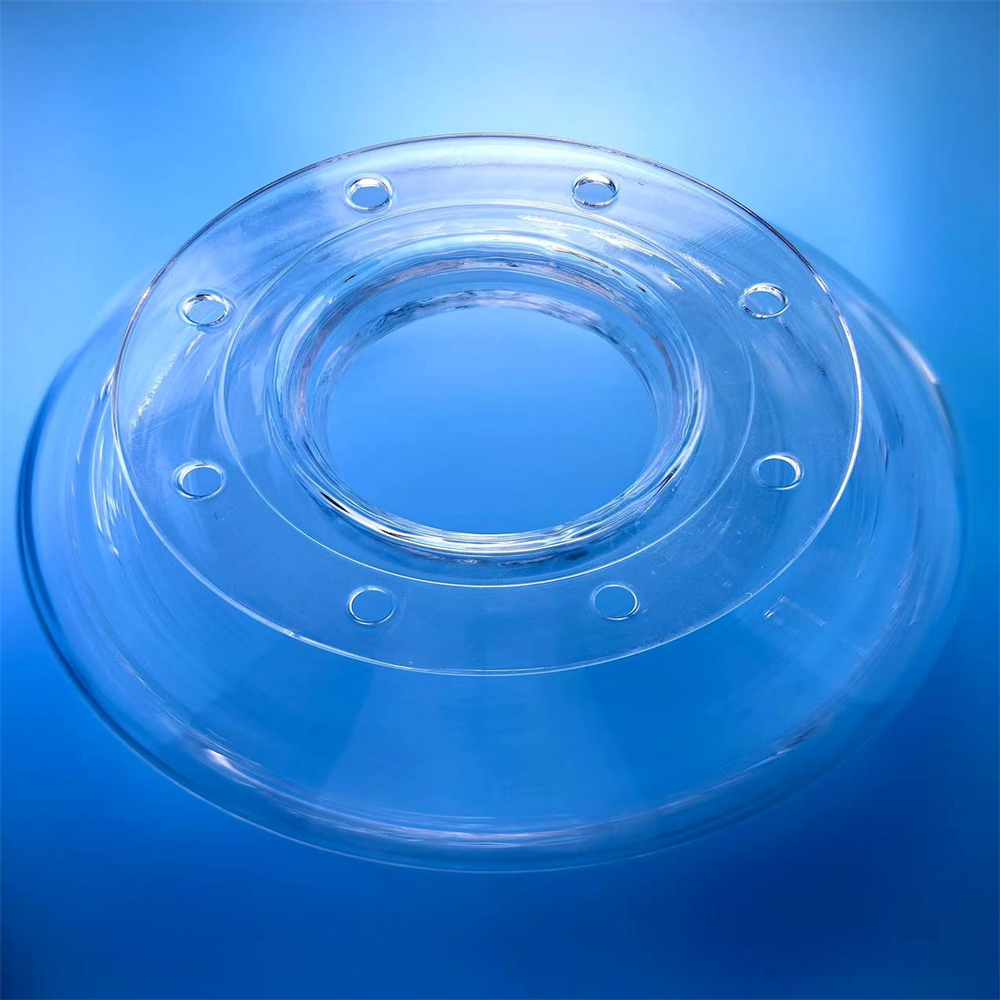
High-Purity Flanged Fused Quartz Reaction Tube
View Details →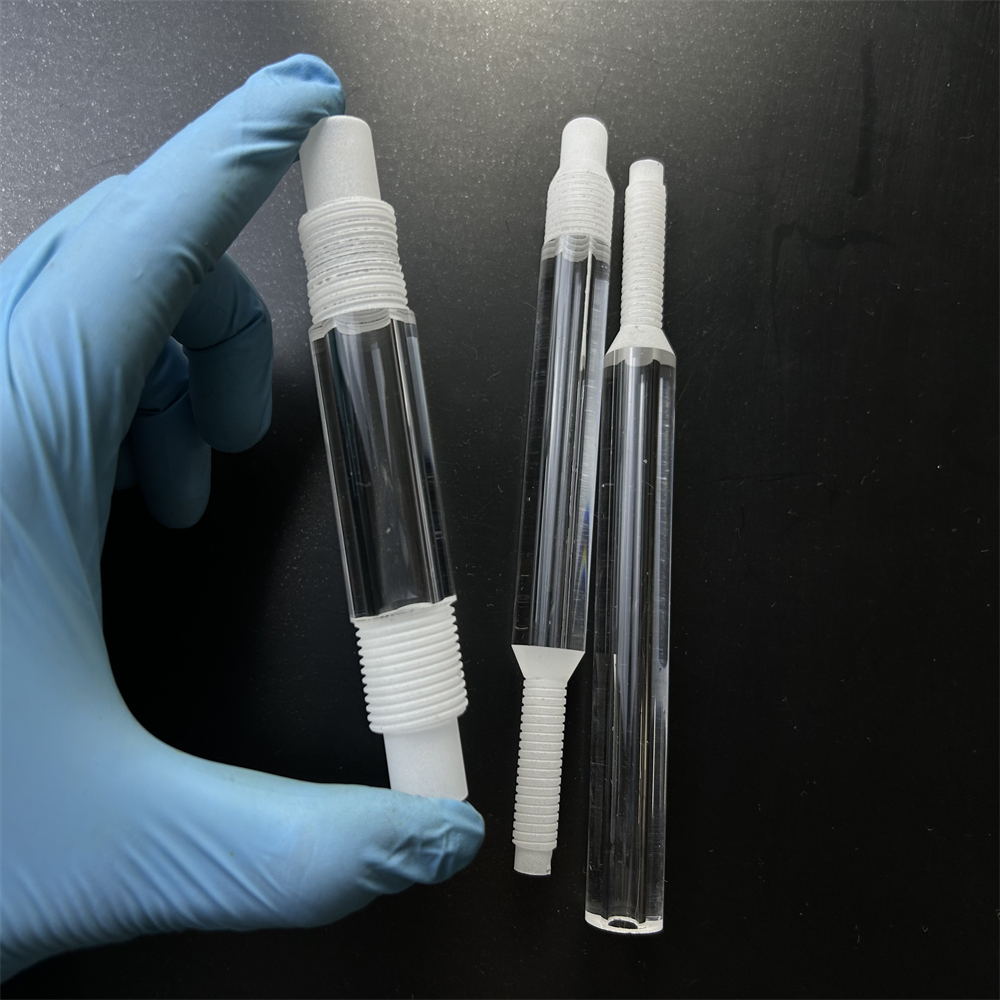
Precision Threaded UV Transparent Quartz Tube
View Details →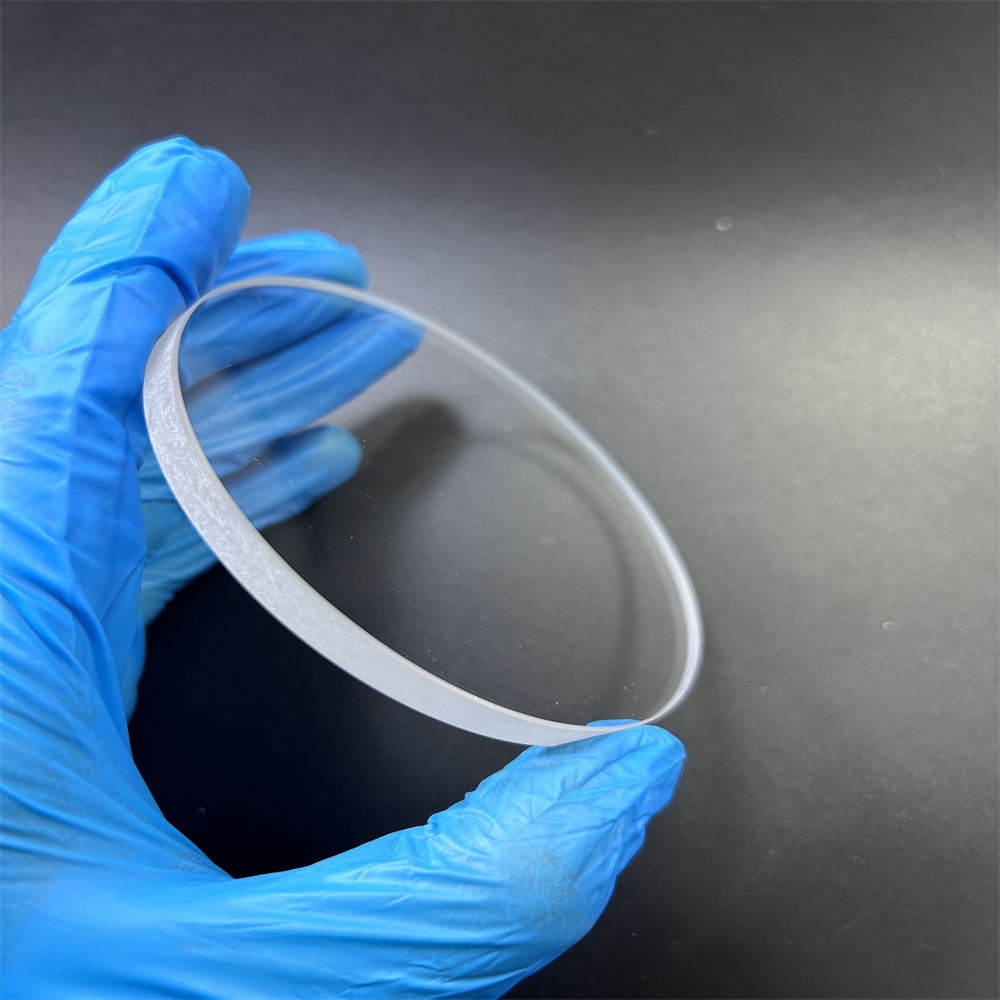
High-Pressure Fused Silica Substrate Wafer
View Details →High-Purity Quartz Crucibles: Critical Thermal Vessels for Modern Metallurgy & Crystal Growth
A rigorous metallurgical overview of fused silica crucible dynamics, thermal hysteresis resistance, and trace-element containment in critical synthesis environments.
In high-temperature synthesis, single-crystal silicon ingot pulling (Czochralski process), compound semiconductor crystal growth (GaAs, InP), and rare metal purification, the quartz glass crucible is not merely an inert container; it is an active thermodynamic interface. Fabricated from naturally occurring high-purity microcrystalline quartz sand or synthetic chemical precursors (silicon tetrachloride via CVD soot processes), these crucibles must sustain continuous operational temperatures up to 1450°C without catastrophic structural sagging, premature devitrification, or deleterious chemical leaching into molten charges.
Our manufacturing facilities, located in China's quartz heartland (Donghai County, Jiangsu), engineer crucibles via state-of-the-art centrifugal arc fusion. This dual-layer structure comprises an outer micro-porous, thermally reflective opaque fused silica layer and an inner, ultra-dense, mirror-smooth bubble-free transparent vitreous silica layer. This architecture provides maximum structural stiffness under severe hydrostatic liquid silicon weight while completely sealing the reactive melt from particulate contamination.
Inner Bubble-Free Layer
Formed by precision electric arc melting under high-vacuum suction, removing gaseous micro-voids down to a microscopic layer thickness of > 2.5 mm. Eliminates crucible bubble rupture during vacuum crystal pulling, preventing silicon melt spitting and dislocation defects.
Devitrification Retardation
Alkali metal contaminants (Li, Na, K) catalyze cristobalite phase transitions at elevated temperatures, leading to radial stress fracture upon cooling. Our crucibles maintain total alkali levels below 0.8 ppm, ensuring stable vitrification barriers and extended heat-run durations.
Near-Zero Thermal Expansion
Boasting a linear thermal expansion coefficient of just 5.5 × 10⁻⁷ /°C between 20°C and 1000°C, our crucibles effortlessly withstand sudden temperature deltas of > 1100°C without crack propagation, allowing rapid turnaround cycles in metallurgy induction furnaces.
| Crucible Structural Category | Standard Semiconductor CZ Grade | Photovoltaic Multi-Cast Grade | Synthetic High-Purity (HP) R&D Grade |
|---|---|---|---|
| Inner Layer SiO₂ Purity | ≥ 99.998% | ≥ 99.99% | ≥ 99.9999% (Electronic Grade) |
| Outer Layer Structure | Translucent Bubble-Enriched | Thermal Reflective Opaque | Optically Clear Vitreous or Opaque |
| Trace Fe Content (ppm) | < 0.10 | < 0.35 | < 0.02 |
| Total Alkali (Li, Na, K) | < 0.50 ppm | < 1.20 ppm | < 0.15 ppm |
| Hydroxyl (-OH) Content | < 30 ppm | < 50 ppm | < 5 ppm (Vacuum Degassed) |
| Continuous Service Temp | 1450 °C (Vacuum atmosphere) | 1350 °C – 1400 °C | Up to 1500 °C (Argon inert gas) |
Precision Quartz Applications Across Tallinn & Northern European Clusters
Bridging advanced Chinese quartz manufacturing depth with Estonia's cutting-edge clean-technology, deep-tech research, and precision hardware manufacturing ecosystems.
Next-Gen Solar & Photovoltaics
Estonia’s push into building-integrated photovoltaics (BIPV) and perovskite-silicon tandem cells requires high-purity thermal process tubes and quartz sublimation crucibles for physical vapor deposition (PVD) processes in Harjumaa industrial parks.
Clean-Hydrogen & Fuel Cell R&D
Tallinn-based fuel cell and solid oxide electrolyzer cell (SOEC) developers rely on custom high-temperature quartz reaction tubes and sintering boats capable of withstanding corrosive hydrogen-rich and steam gas flows at 950°C–1150°C.
TalTech & Academic Research
Departments of Materials and Environmental Technology at Tallinn University of Technology (TalTech) utilize optical JGS1 windows, BET surface analyzer sample tubes, and micro-reaction quartz cuvettes for advanced nanoparticle synthesis.
Critical Raw Materials Recycling
Nordic-Baltic e-waste and battery material recovery pilot plants surrounding Tallinn leverage our fused quartz crucibles for high-purity hydrometallurgical digestion, precious metal induction melting, and acid-reflux extraction.
Procurement Dynamics: How Baltic Manufacturers Source Quartz Components
A strategic breakdown of supply-chain resilience, technical specifications, and logistical efficiency in Northern European supply lines.
Procurement directors and laboratory engineers across Tallinn, Tartu, and the wider Baltic region are shifting away from high-markup middleman distributors in Western Europe. Instead, high-tech enterprises are embracing direct factory partnerships with ISO-certified quartz manufacturers. This transition is motivated by three dominant drivers:
1. Shorter Custom Tooling & Prototyping Turnaround: Deep-tech startups incubated within Tehnopol Science and Business Park frequently require non-standard geometries—such as double-jacketed CVD reaction chambers, laser-perforated quartz disc diffusers, and custom multi-bore capillary tubes. By bypassing local stockists and collaborating directly with our Donghai CAD/CAM engineering team, Estonian engineers compress prototyping cycles from 12 weeks to under 15 working days.
2. Compliance with Trace Impurity Audits: In the production of wide-bandgap semiconductors (SiC, GaN) and battery electrolyte salts, microscopic traces of boron, copper, or titanium ruin yields. Local Baltic procurers require full material trace-element certificates (glow-discharge mass spectrometry reports) attached directly to each production heat number. Our direct factory model ensures unbroken chain-of-custody documentation from raw silicon dioxide extraction to final packaging.
3. Resilient Air & Sea Multi-Modal Logistics into Muuga & Tallinn Port: Fragile quartz apparatus requires specialized export packaging. Every order destined for Estonia undergoes custom anti-static vacuum wrapping, high-density polyethylene foam cocooning, and drop-tested multi-layer fumigated wooden crating. Shipped via air cargo into Lennart Meri Tallinn Airport (TLL) for urgent R&D batches or consolidated sea containers via Port of Tallinn, we guarantee zero breakages with rapid door-to-door delivery.
Factory-Direct Purity, Laser Machining Precision & Global Assurance
Leveraging the natural mineral wealth of Donghai County paired with state-of-the-art CNC cold-working and laser micromachining infrastructure.
Custom Machining to Drawing
Send your engineering specifications in PDF, DWG, DXF, or STEP formats. We execute flame welding, precision ultrasonic drilling, CNC beveling, and laser micro-grooving with dimensional tolerances held tightly within ±0.05 mm.
Certified Optical Silica Grades
We stock and process JGS1 (Synthetic Deep UV silica: 185 nm – 2500 nm), JGS2 (UV-Vis standard: 220 nm – 2500 nm), and JGS3 (Low-OH Infrared fused silica: 260 nm – 3500 nm), offering optimal spectral transmission tailored to your laser wavelength.
Rapid Engineer-Led Quoting
Our sales engineering unit maintains a verified 100% response rate with average response times under two hours. Every drawing is reviewed by a materials engineer to evaluate thermal stress risers, manufacturability, and cost optimization.
Zero-Loss Shockproof Packaging
Quartz components require structural isolation during transit. We implement reinforced multi-axis suspension packaging with shockwatch indicators, guaranteeing safe delivery across the Baltic Sea supply chain.
Flexible Pilot Batches to Scale
Whether your Tallinn project requires a single prototype for a proof-of-concept reactor or a recurring monthly consignment of 500 quartz furnace liners, we accommodate agile scaling without prohibitive minimum order constraints.
Comprehensive Quality Audits
Every piece leaves our cleanroom inspection center only after passing interferometric surface flatness checks (1/4 lambda), spectrophotometer transmission verification, and polariscope thermal stress analysis.
Frequently Asked Questions by Tallinn & Baltic Buyers
Essential answers regarding material grades, chemical resistance, customs clearance, and ordering quartz glass components.
Accelerate Your Project with Certified Quartz Glass
Send your CAD drawing or technical specification directly to our manufacturing engineers. We evaluate your requirements, advise on material grades (JGS1, JGS2, JGS3), and return an itemized quote within 2 hours with worldwide shipping to Tallinn and the Baltic region.