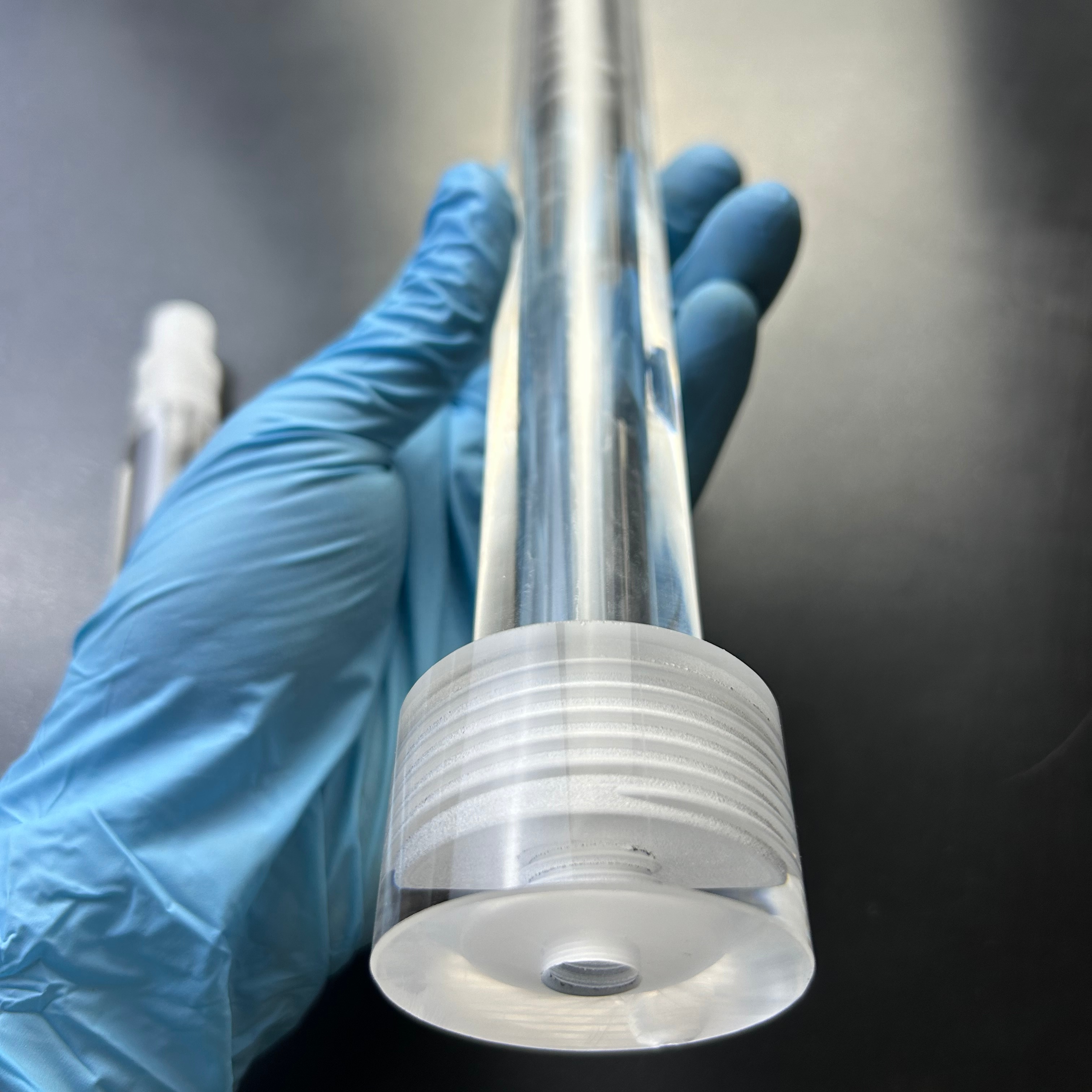
High Pressure 99.99% Pure Quartz Glass Twin Tube
Precision twin-bore profile designed for high-intensity infrared heating elements and reactive gas separation in aggressive thermal processing lines.
Specialized fused silica components engineered in Donghai and exported directly to industrial processors, environmental labs, and manufacturing hubs across the Orange Walk District.
Precision twin-bore profile designed for high-intensity infrared heating elements and reactive gas separation in aggressive thermal processing lines.
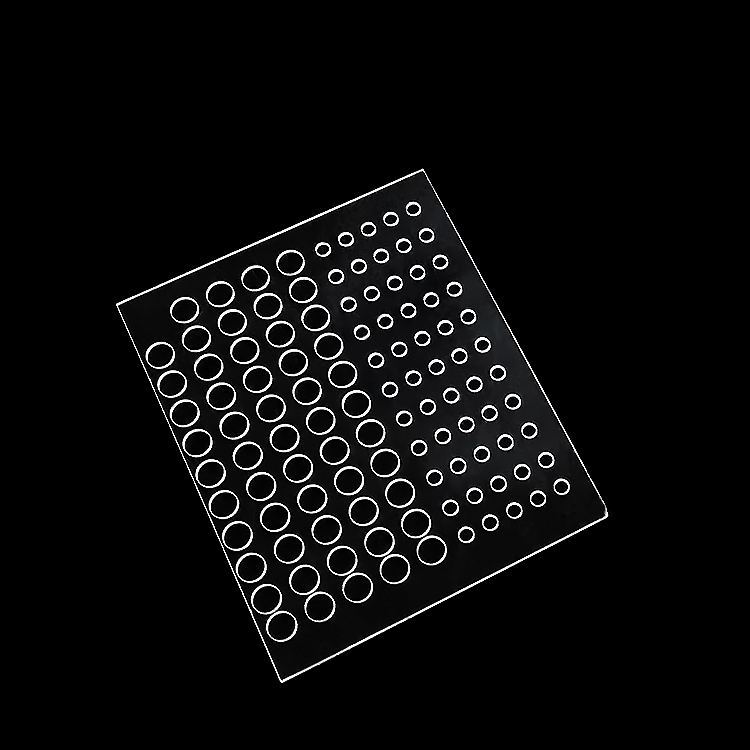
Double-side polished flat sight glasses and laser windows offering deep UV to near-IR optical transmission and high thermal shock resistance.
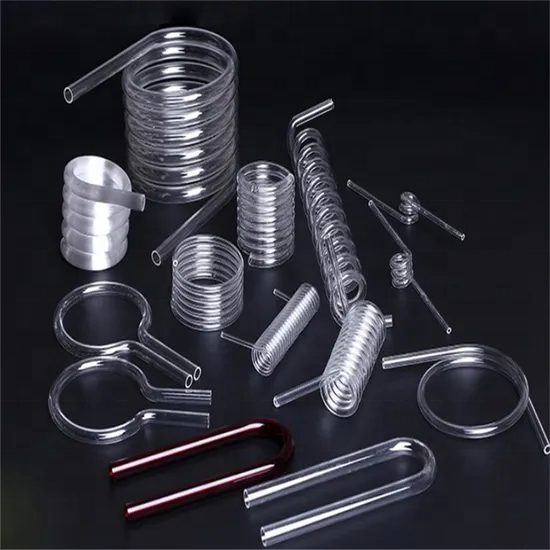
Complex bent geometries and heat exchange coils manufactured to technical drawings, serving demanding fluid heating and corrosive vapor condensation.
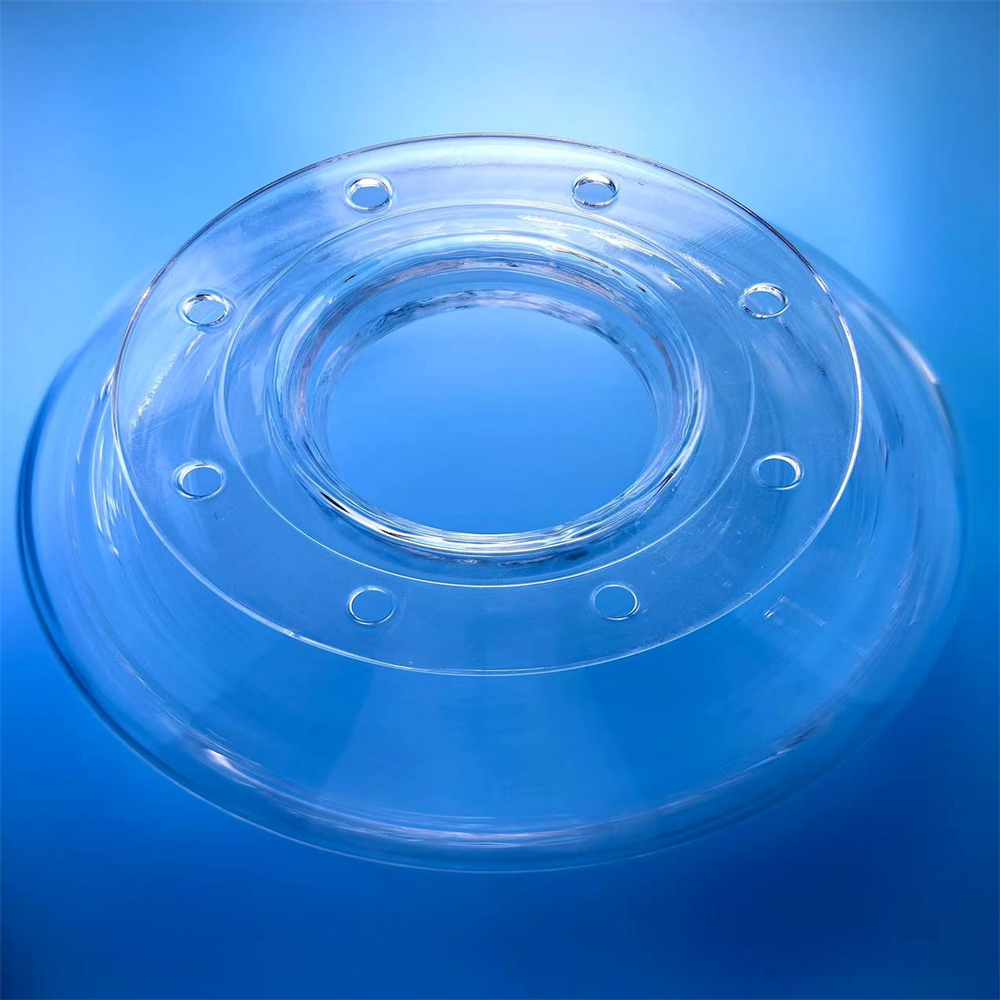
Integrated ground and polished quartz flanges providing vacuum-tight sealing for high-temperature diffusion tubes and tubular reaction chambers.
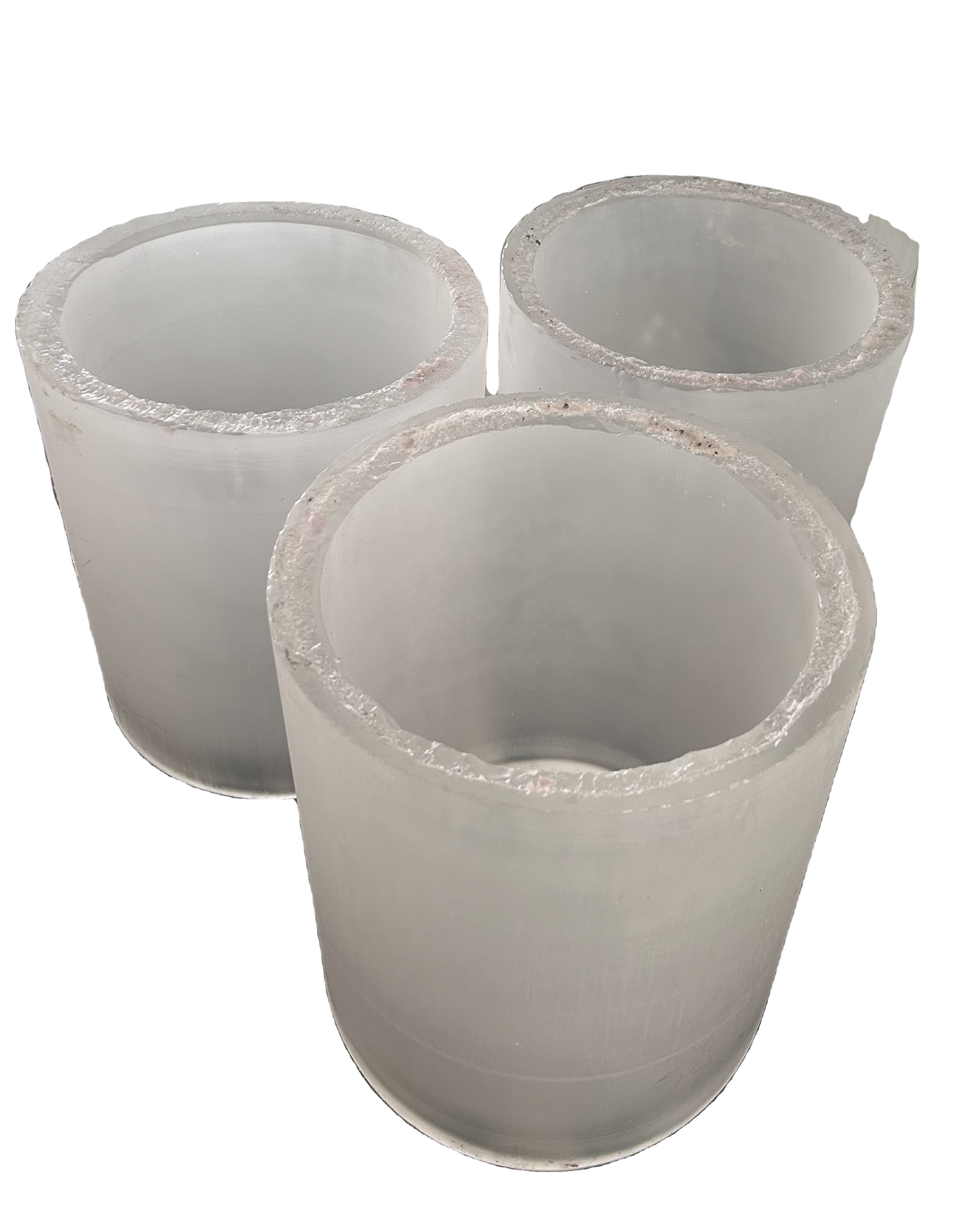
Heavy-wall frosted cylinders and machined ingots tailored for light diffusion, furnace core linings, and raw optical fabrication blanks.
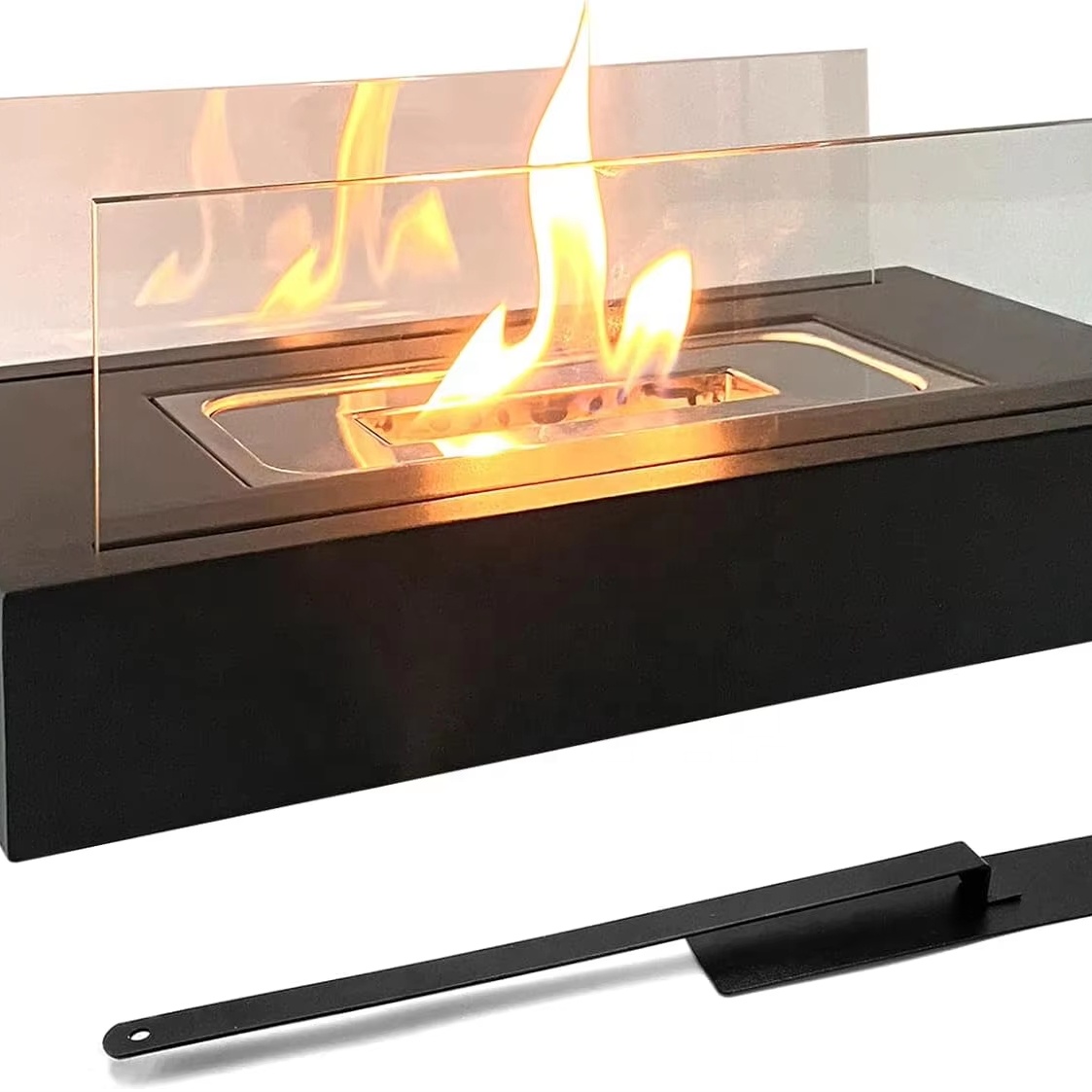
Custom machined sight windows and high-durability shields crafted for extreme weather stability, UV monitoring ports, and field instrumentation.
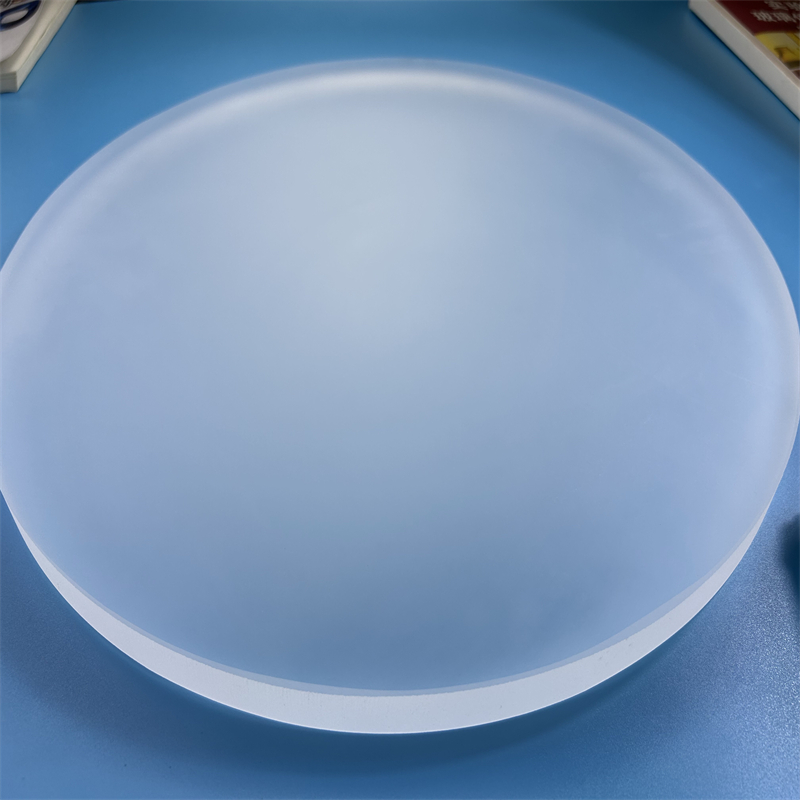
Ground surface fused quartz discs, crucible covers, and thermal pedestals designed to withstand aggressive acid environments and rapid heating up to 1300°C.

Ultra-clean quartz sample cells fabricated to Quantachrome & Micromeritics tolerances for precise surface area and porosity analytical measurements.
A rigorous evaluation of fused silica thermodynamics, phase stability, and mechanical resilience for quality control and procurement engineers.
Fused quartz crucibles and associated vesselware represent the foundation of modern high-temperature chemical and metallurgical synthesis. In industrial thermal operations, selecting between standard borosilicate glassware and optical-grade fused silica (SiO₂) is often the determining factor between continuous processing efficiency and destructive material failure. Fused quartz features an exceptionally low coefficient of thermal expansion (CTE) of approximately 5.5 × 10⁻⁷ /°C, rendering it virtually immune to thermal shock when transferred rapidly between extreme operational temperatures and ambient environments.
Our crucibles, evaporating dishes, and high-temperature tubes are synthesized using refined natural crystal and synthetic silicon compounds originating in Donghai County, China—recognized globally as the crystal processing capital. By controlling trace metallic impurities (such as Aluminum, Iron, Titanium, and Alkali metals) below critical threshold limits, Zunex crucibles inhibit premature devitrification into cristobalite at elevated working zones up to 1100°C continuously, and up to 1300°C in intermittent thermal cycling.
| Physical / Thermal Property | Fused Quartz Crucible Standard | Synthetic Fused Silica (JGS1) | Standard Borosilicate (Reference) |
|---|---|---|---|
| Silicon Dioxide (SiO₂) Purity | ≥ 99.98% | ≥ 99.999% | ~ 80 - 81% |
| Continuous Max Working Temp | 1100 °C | 1150 °C | 450 - 500 °C |
| Short-Term Softening Point | 1683 °C | 1730 °C | 820 °C |
| Coeff. of Thermal Expansion (CTE) | 5.5 × 10⁻⁷ /°C | 5.2 × 10⁻⁷ /°C | 33 × 10⁻⁷ /°C |
| Hydroxyl (OH⁻) Content | < 15 - 30 ppm | < 2 - 5 ppm (Low OH) | Variable |
| Resistance to Molten Acids | Complete (except HF/H₃PO₄ >300°C) | Complete (except HF/H₃PO₄ >300°C) | Moderate surface leaching |
Thermal stability at temperatures exceeding 1000°C is heavily governed by surface cleanliness. Contaminants such as alkali salts or direct skin contact introduce nucleation centers that promote phase transitions from amorphous fused silica into crystalline cristobalite. Cristobalite exhibits an abrupt volume contraction upon cooling through 200–270°C, causing micro-fractures. Zunex crucibles undergo acid-wash de-alkalization prior to cleanroom vacuum packing to maximize crucible service lifespans under intense cyclic heating.
How our fused quartz crucibles, tubes, and optical elements support vital regional processing, testing labs, and resource refinement.
As the sugar production hub of Belize, Orange Walk Town requires continuous ash determination, sulfur analysis, and brix calcination. High-purity quartz crucibles offer non-reactive containment for high-temperature furnace calcination without trace mineral leaching, ensuring accurate sucrose purity measurements.
Local ethanol distillation facilities and bio-fuel generation setups utilize quartz spiral condenser tubes, round-bottom boiling crucibles, and optical sight ports. Quartz glass remains impervious to aggressive organic vapors and boiling acidic solutions, preventing batch contamination during alcohol distillation.
Testing laboratories monitoring the New River watershed depend on BET surface characterization tubes and optical quartz cuvettes. Our precision spectrophotometer plates (JGS1) maintain high UV transmission at 254 nm, enabling accurate detection of run-off nitrates, heavy metals, and organic pollutants.
Strategic modernization trends demanding enhanced thermal tolerance and chemical purity in laboratory equipment.
Transition toward efficient bagasse combustion boilers requires durable quartz sight glass ports and pyrometer observation windows that resist continuous thermal flue gas erosion.
Stricter CARICOM export criteria require regional food processors to employ quartz digestion crucibles and trace mineral digestion tubes capable of handling hot perchloric and hydrofluoric acid blends.
Adoption of UV-C purification for processing water throughout municipal and agro-industrial setups has expanded the need for high-transmission ozone-free clear quartz sleeves and twin tubes.
Belizean procurement officers are increasingly moving away from third-party distributors, sourcing customized quartzware directly from verified Chinese manufacturers to reduce recurring operational overhead.
Combining Donghai raw material abundance with precision laser machining and worldwide logistics assurance.
Send your dimensional drawings in PDF, DWG, or STEP format. Our engineering team reviews thermal tolerances, wall thickness uniformity, and processing requirements before quoting.
Our workshop integrates multi-axis CO₂ laser drilling, CNC circular grooving, and edge bevelling to achieve tight mechanical tolerances without micro-cracking or residual internal stresses.
Our export customer desk guarantees a 100% verified response rate with actionable engineering clarifications and quotes provided in two hours or less, keeping project timelines intact.
Fragile quartz crucibles and thin-walled tubes are protected with form-fitted EPE cushioning, vacuum shrink film, and reinforced plywood crates designed for sea and air transport into Belize.
Essential technical, logistics, and material information for procurement departments in Orange Walk Town and broader Central America.
Fused quartz exhibits an extremely low thermal expansion coefficient (5.5 × 10⁻⁷ /°C). While borosilicate glass shatters above 500°C and alumina is vulnerable to steep temperature gradients, a red-hot fused quartz crucible heated to 1100°C can be plunged into room-temperature water without fracturing.
For standard visual observation ports and visible heating elements, JGS2 (220–2500 nm transmission) provides a balanced, cost-effective solution. If your application involves UV spectroscopy or deep-UV curing below 220 nm, synthetic fused silica JGS1 (185–2500 nm) is mandatory to eliminate transmission drop-off.
Yes. Custom fabrication from engineering drawings is our primary service. Whether your application requires flared rims, calibrated flat bottoms, welded ground flanges, or micro-drilled ports, our glassmakers form parts using freehand flame work and CNC diamond tooling, avoiding expensive mold surcharges.
Exporting high-precision glassware internationally requires specialized crating. We wrap each item in scratch-resistant protective film, embed it in custom-contoured pearl cotton (EPE) shock absorbers, and seal the shipment in reinforced, export-certified plywood crates rated for multi-leg transit.
Quartz is chemically inert against almost all acids, including concentrated nitric, hydrochloric, and sulfuric acids. The sole exceptions are hydrofluoric acid (HF) and concentrated phosphoric acid (H₃PO₄) at temperatures above 300°C, which etch the SiO₂ matrix, creating a frosted, weakened surface.
Standard catalog dimensions, tubing stock, and standard crucibles ship within 3 to 7 working days. Custom CNC machining, laser drilling, or complex welded geometries typically require 10 to 18 days for fabrication, inspection, and certification prior to export dispatch.
Submit your component dimensions, tolerance parameters, or CAD schematics. Our technical engineering team reviews all inquiries within two hours, offering direct factory pricing and global logistics arrangements.