High-Purity Quartz Components & Optical Discs
Manufactured from optical-grade raw ingots and synthetic silicon dioxide. Available in continuous production runs or prototype quantities with certified laser drilling, precision polishing, and custom fire-working.
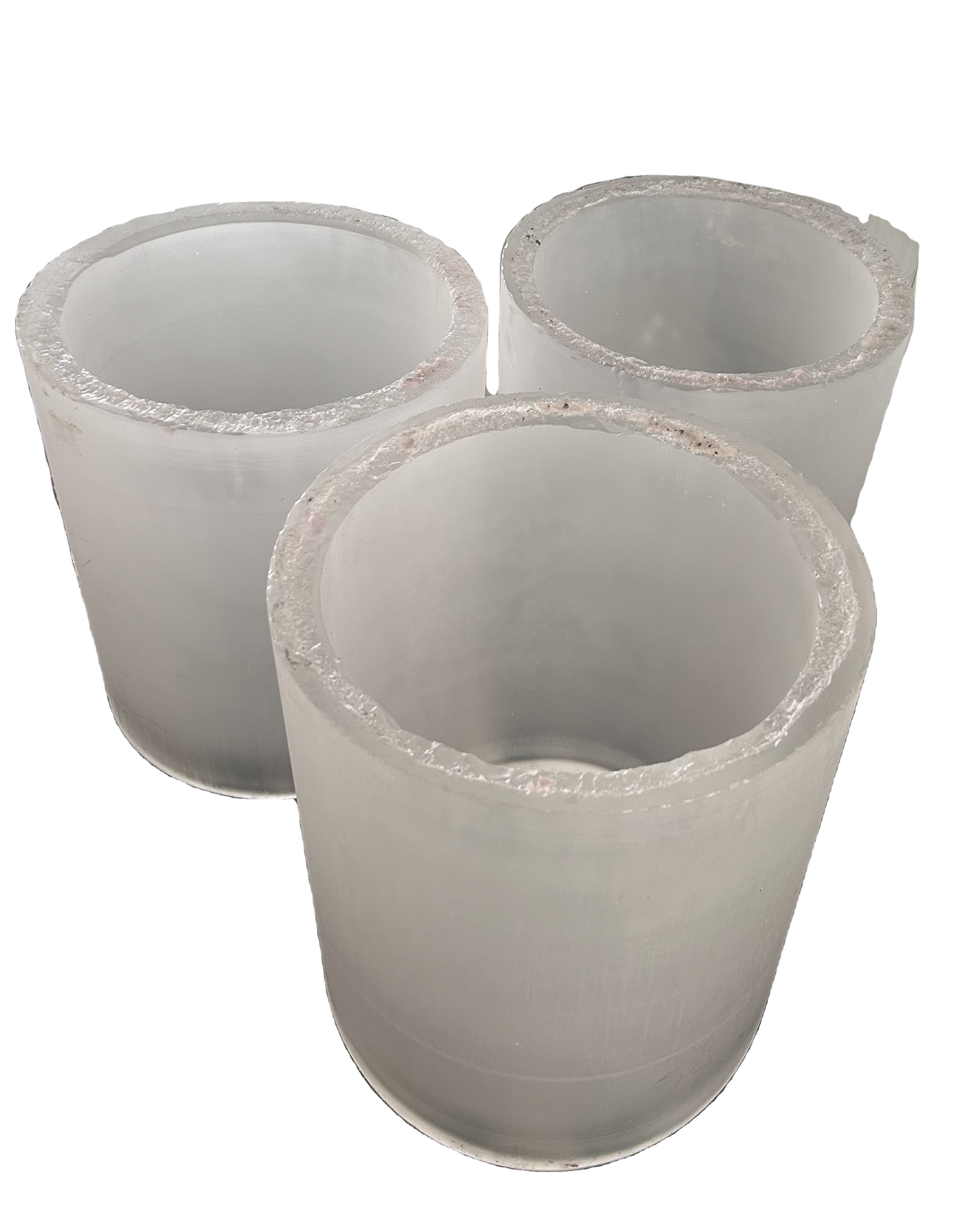
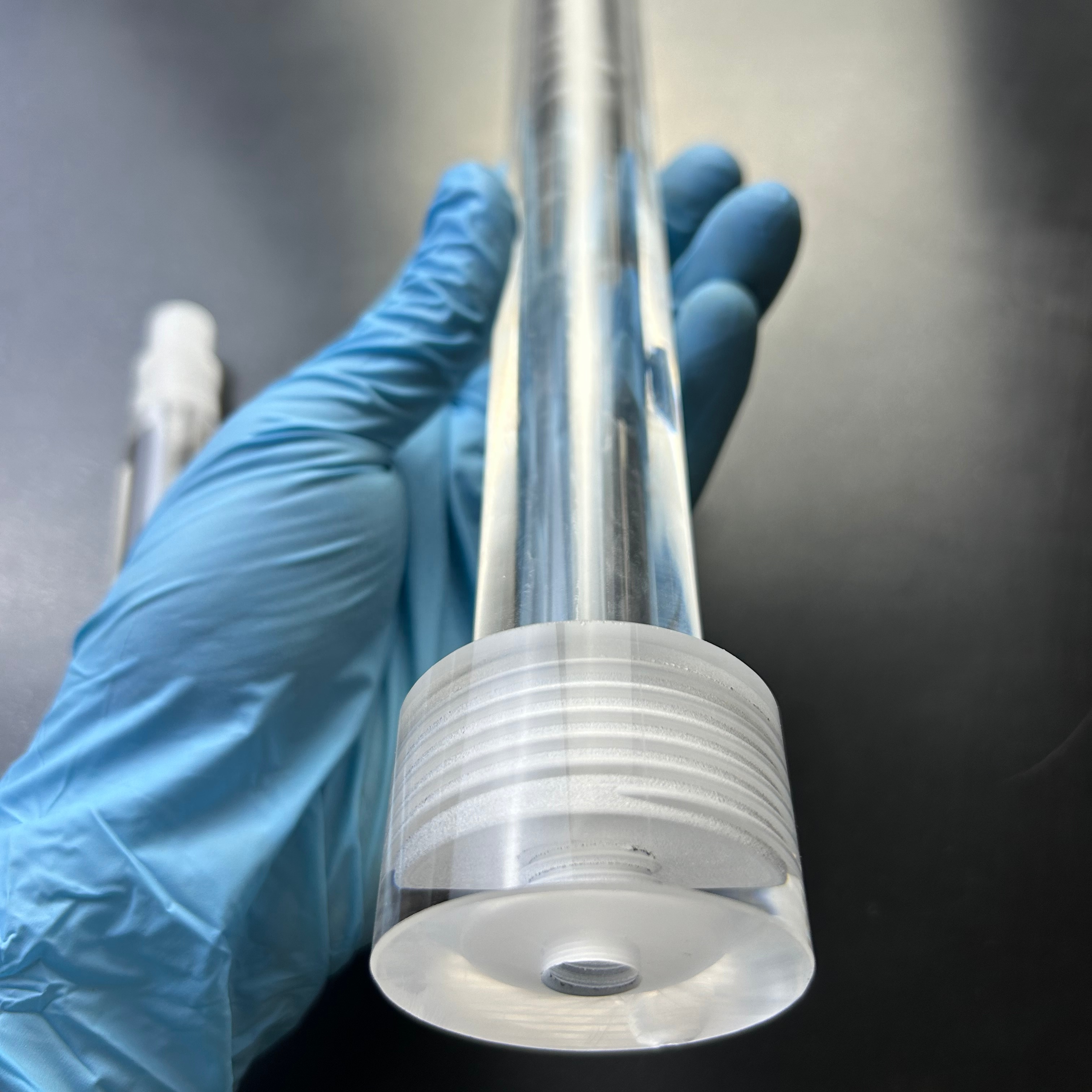
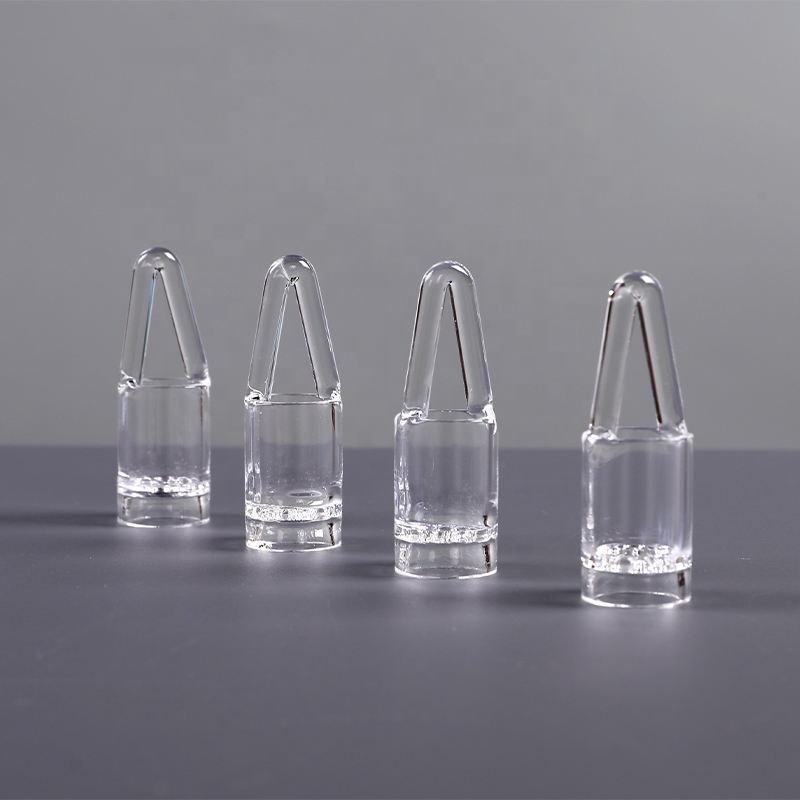

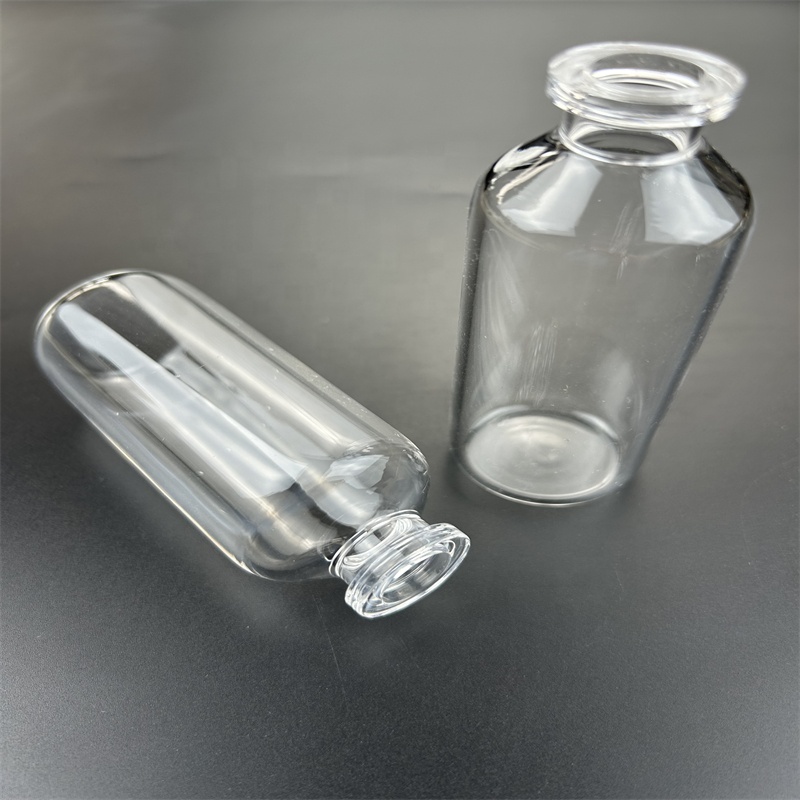
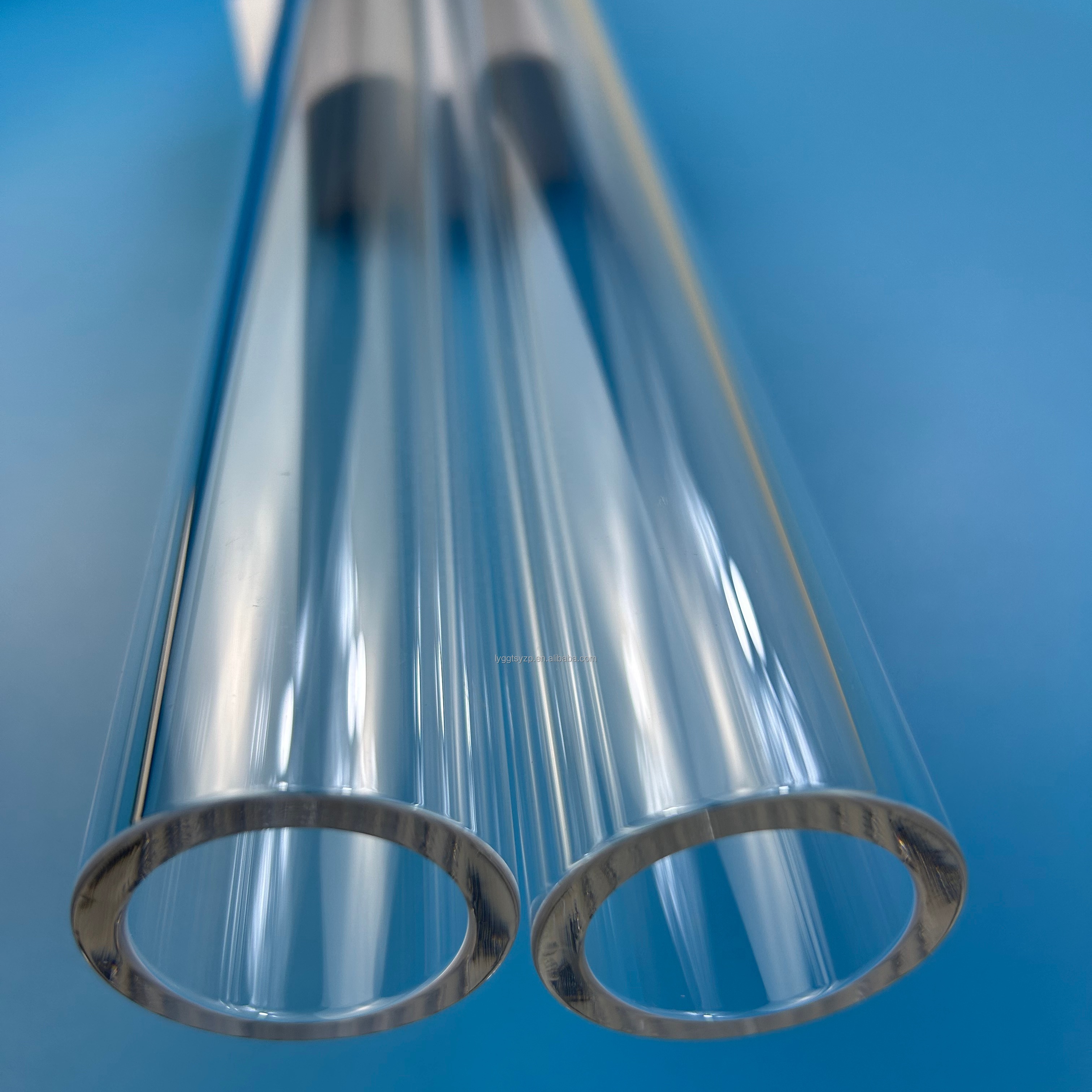
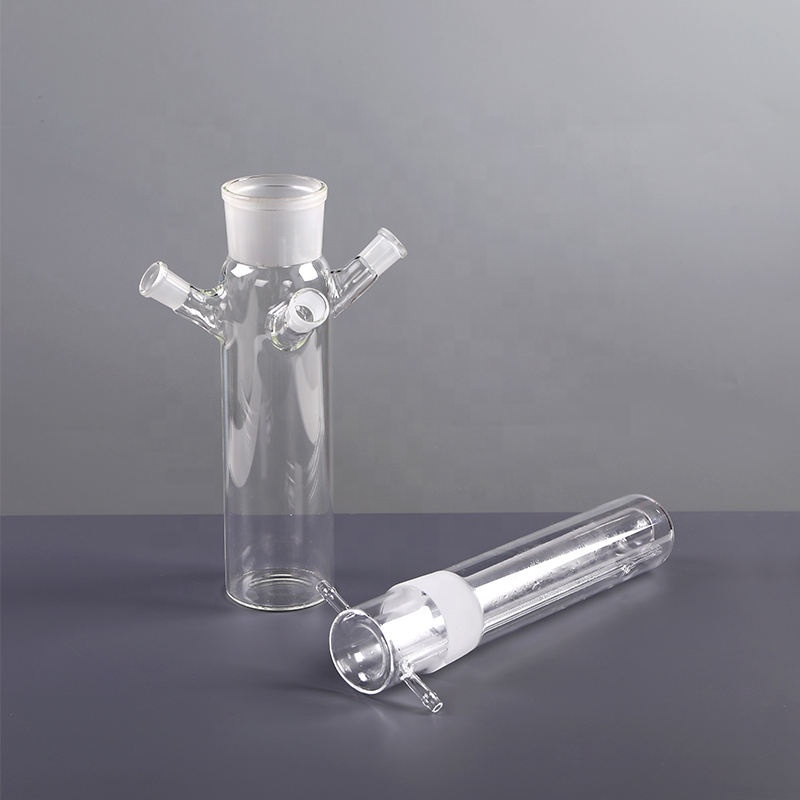
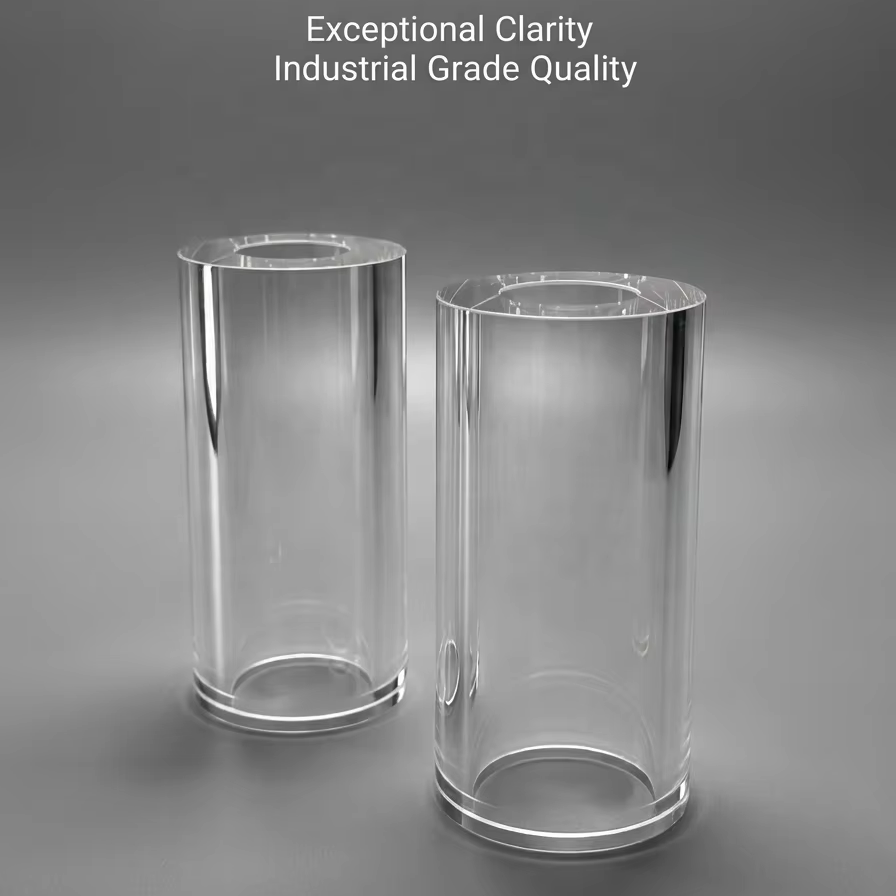
Optical Physics, Thermal Shock Integrity, and Substrate Dynamics
In precision scientific and aerospace metrology across the District of Columbia and the broader Potomac corridor, optical transmission loss and thermo-mechanical drift represent the primary limiting factors for advanced sensor systems. A quartz glass disc is not merely a generic transparent partition; it is an amorphous dielectric matrix synthesized from tetrahedral silicon dioxide units [SiO₄] linked at their vertices. Because fused silica lacks long-range atomic periodicity, it exhibits an exceptionally low coefficient of thermal expansion (CTE) of approximately 5.5 × 10⁻⁷ / °C between 20 °C and 320 °C. This thermal property is roughly 1/15th that of standard soda-lime or borosilicate glass, making our quartz discs practically impervious to instantaneous thermal gradients (ΔT > 1000 °C) that would cause immediate catastrophic structural failure in conventional optics.
Zunex produces custom optical discs, windows, and wafers divided into three rigorous grade classifications: JGS1 (Synthetic Fused Silica), JGS2 (Optical Fused Quartz), and JGS3 (Infrared Fused Silica). Selecting the proper chemical lineage avoids non-linear solarization, chromatic dispersion, and structural wavefront deformation under high-power illumination.
| Substrate Parameter | JGS1 (Synthetic Fused Silica) | JGS2 (Optical Fused Quartz) | JGS3 (Low-OH Infrared Quartz) |
|---|---|---|---|
| Core Optical Transmission Band | 185 nm – 2,500 nm (Deep UV) | 220 nm – 2,500 nm (UV – VIS) | 260 nm – 3,500+ nm (Infrared) |
| SiO₂ Chemical Purity Level | ≥ 99.999% (Electronic Grade) | ≥ 99.99% (Industrial Optical) | ≥ 99.98% (Electrically Fused) |
| Hydroxyl Radical [OH⁻] Content | High (~1,200 ppm, bubble-free) | Standard (150 – 200 ppm) | Ultra-Low (≤ 5 – 8 ppm) |
| Refractive Index (nd at 589.3 nm) | 1.45846 ± 0.0001 | 1.45850 ± 0.0002 | 1.45840 ± 0.0002 |
| Continuous Service Temperature | 1,100 °C (Softening point: 1,683 °C) | 1,100 °C (Softening point: 1,680 °C) | 1,150 °C (Softening point: 1,710 °C) |
| Surface Polish & Flatness Limits | λ/10 per inch, 10-5 Scratch-Dig | λ/4 per inch, 20-10 Scratch-Dig | λ/2 per inch, 40-20 Scratch-Dig |
| Laser Damage Threshold (1064nm, 10ns) | > 15 J/cm² (Exceeds MIL-SPEC) | > 8 J/cm² | > 10 J/cm² (Zero OH Absorption) |
In vacuum chamber design, quartz discs undergo rigorous chemical mechanical planarization (CMP). We routinely achieve surface microroughness (Ra) below 0.3 nm, which eliminates micro-voids that entrap outgassing hydrocarbons. When paired with helium leak testing (< 1 × 10⁻⁹ mbar·l/s), our discs maintain reliable ultra-high vacuum (UHV) integrity across cryogenic cycles and sustained thermal bakeouts up to 450 °C.
Precision Applications Across the Washington DC & DMV Hub
From national research corridors along the I-270 Technology Spine to defense photonics integrators in Northern Virginia, our custom quartz discs perform in critical mission environments.
NIST & National Labs
Installed inside precision atomic clocks, optical frequency combs, and laser radiometers requiring zero thermo-optic drift, certified λ/10 surface wavefront parallelism, and minimal birefringence.
NRL & DoD Prime Contractors
Serving defense R&D centers in Alexandria, Reston, and Bethesda with ruggedized, chemically inert high-pressure quartz discs for directed energy testing, laser viewports, and infrared telemetry shields.
I-270 Bio-Corridor Labs
Supporting high-throughput pharmaceutical spectroscopy, fluorometry micro-cells, and photochemical reactors in Gaithersburg, Rockville, and Silver Spring with non-fluorescing JGS1 synthetic silica discs.
University & DARPA Centers
Supplying ultra-flat, high-transmittance vacuum windows and laser-slotted optical discs to advanced quantum computing and trapped-ion experimentation at Georgetown, GWU, and UMD College Park.
Cost-Effective Dual-Sourcing
Washington DC defense and institutional projects face strict federal budget ceilings. By collaborating directly with our factory in Donghai, procurement teams reduce component BOM expenses by 35–50% compared to domestic distributors, while retaining full GD&T tolerance traceability.
Laser Micro-Finishing Precision
Our multi-axis CO₂ and femtosecond laser CNC machines cut circular discs, step-profiles, and bevels without micro-cracking the edge boundary. We drill micro-apertures down to Ø0.2 mm and custom grooved flanges designed for hermetic Viton or copper gasket seating.
Door-to-Door Logistics to DC
All quartz discs travel in anti-static, cleanroom vacuum pouches cushioned by custom high-density shock-absorbing EPE foam and reinforced plywood crating. We coordinate direct air freight arriving directly via Washington Dulles International (IAD) or Port of Baltimore clearance.
Emerging Procurement Trends Shaping the DMV Optics Ecosystem
The industrial landscape for fused quartz components across Washington DC, Maryland, and Virginia is undergoing a major transformation fueled by three structural tailwinds: federal CHIPS and Science Act funding, the scaling of the National Quantum Initiative, and rising demand for domestic clean hydrogen research.
1. Quantum Optics & Trapped Ions
The District-Maryland-Virginia corridor is one of the premier global clusters for quantum networking. Researchers are moving away from standard sapphire or BK7 glass toward ultra-low birefringence JGS1 quartz discs to preserve single-photon polarization states in cold-atom trapping assemblies.
2. CHIPS Act Domestic Pilot Lines
With R&D grant allocation flowing into regional semiconductor research consortia, wafer-handling requirements have tightened. Our laser-slotted quartz discs, quartz boats, and diffusion shields provide the ultra-pure carrier media necessary to stop heavy-metal contamination during chemical vapor deposition (CVD).
3. Decoupled Supply Chain Resiliency
Government contractors operating under firm-fixed-price (FFP) arrangements now mitigate domestic sole-source risk by securing dependable international tier-1 manufacturing relationships. Zunex serves as an agile contract manufacturer, translating CAD drawing revisions into finished components in days rather than months.
Furthermore, defense photonics sub-contractors in Fairfax and Montgomery counties are increasingly issuing Requests for Quotes (RFQs) requiring full compliance with ISO 10110 drawings, scratch-dig tolerances per MIL-PRF-13830B, and documented spectrophotometric transmission curves. Our quality assurance protocol verifies each batch using precision interferometer inspection and UV-VIS-NIR spectrophotometry before shipment.
Why Capital Region Engineers Partner with Zunex Quartz
Combining Donghai County's global raw material supply hub with custom processing, rapid response engineering, and third-party verified trade credentials.
Origin in China's "Crystal Capital"
Situated in Donghai County, Jiangsu, Zunex draws directly from the world's most concentrated quartz processing supply chain. This gives DC buyers direct pricing advantages, consistent ingot purity, and rapid raw material availability for custom dimensional profiles.
Rapid Engineering Feedback (≤ 2 Hours)
We do not use generic customer service brokers. When you upload a drawing or technical specification, an optical manufacturing engineer reviews your tolerances, thermal requirements, and chamfer specifications, providing a detailed DFM evaluation in two hours or less.
Sub-Millimeter Laser Machining
Our facility houses high-precision laser finishing infrastructure capable of complex internal grooving, micro-perforated hole patterns, optical step-downs, and flame-polished perimeter edging, ensuring disc edges resist chipping under mechanical clamping pressures.
43% Repeat-Order Rate
Verified through independent third-party audit on Alibaba.com, our 43% repeat purchase rate reflects high institutional satisfaction from international universities, testing laboratories, and precision instrument manufacturers.
Small Batch & Prototype Friendly
Unlike massive domestic glass corporations that impose prohibitive minimum order quantities (MOQs), we readily manufacture prototype single-piece proof-of-concepts, pilot runs, or scheduled multi-thousand recurring blanket orders.
Comprehensive Optical Spectrum Grades
Whether your application requires deep UV transmission at 193 nm (excimer lithography), visible laser sight-windows, or mid-infrared transmission beyond 3.5 microns, we stock verified JGS1, JGS2, and JGS3 raw ingots ready for rapid machining.
Frequently Asked Questions by Washington DC Buyers
Detailed engineering, customs, and logistical clarifications for university researchers, defense procurement teams, and commercial optics engineers.
Can Zunex fabricate quartz discs directly from our CAD drawings (DWG/STEP/PDF)?
How do Washington DC entities handle customs clearance and import duties for quartz glass?
How do you guarantee the quartz discs won't fracture during international air transit?
What material grade should we select: JGS1, JGS2, or JGS3?
JGS1 (Synthetic Fused Silica): Essential for Deep UV work down to 185 nm (spectroscopy, excimer laser windows, lithography). It is bubble-free, virtually devoid of metallic impurities, and highly resistant to solarization.
JGS2 (Optical Grade Fused Quartz): The optimal cost-to-performance choice for standard optical viewports, sight glasses, and UV curing systems operating from 220 nm through 2,500 nm.
JGS3 (Infrared Grade): Synthesized via electric vacuum fusion to eliminate water absorption bands. It contains less than 5 ppm [OH⁻] content, ensuring high optical transmission throughout the near- and mid-infrared spectrum up to 3,500 nm.
Can your discs operate under sustained thermal shock in high-vacuum systems?
What are your standard turnaround and delivery times to the Washington DC area?
Connect Directly with Our Quartz Engineering Team
Send your dimensional sketch, CAD drawing, or material specification sheet. Our technical engineers will review tolerances, verify optical requirements, and provide a comprehensive quotation in 2 hours or less.