High-Purity Quartz Glass Products Built to Drawing Tolerances
Direct manufacturer capabilities from Donghai County, China. Featuring custom hot working, flame shaping, CNC milling, laser cutting, and ultra-low OH-hydroxyl synthesis compliant with Scandinavian industry standards.
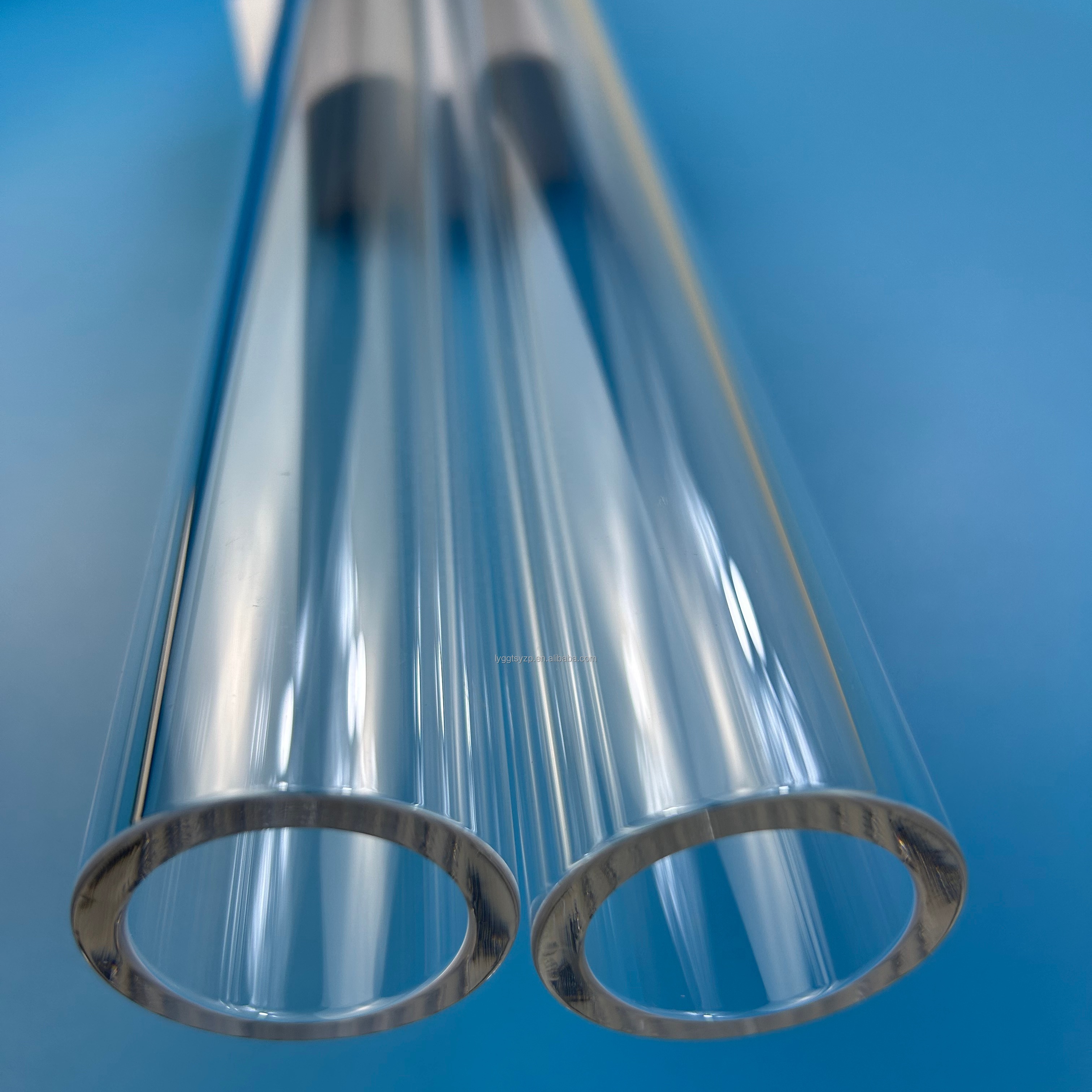
Polished Clear Quartz Twin Tube Ozone Free Heater
Engineered for chemical laboratory equipment, CVD reactors, and semiconductor furnace heating jackets with precise dual-channel profile moulding, bending, and cleanroom vacuum seals.
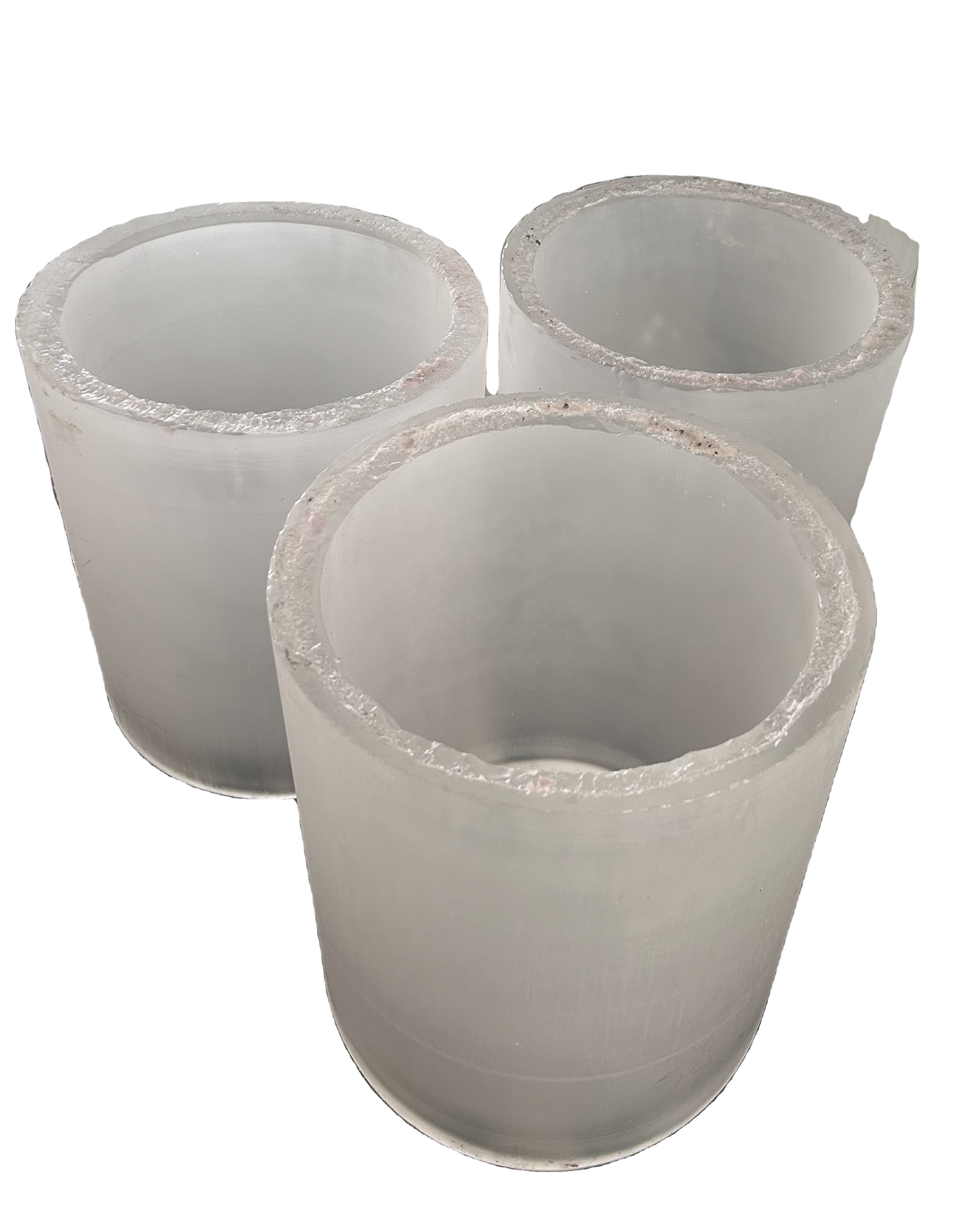
Fused Quartz Frosted Glass Cylinder Ingot
Open-ended frosted quartz cylinder and optical ingot blanks supported by custom CNC grinding, flame welding, precision slicing, and sandblasted surface finishing for photonics fixtures.
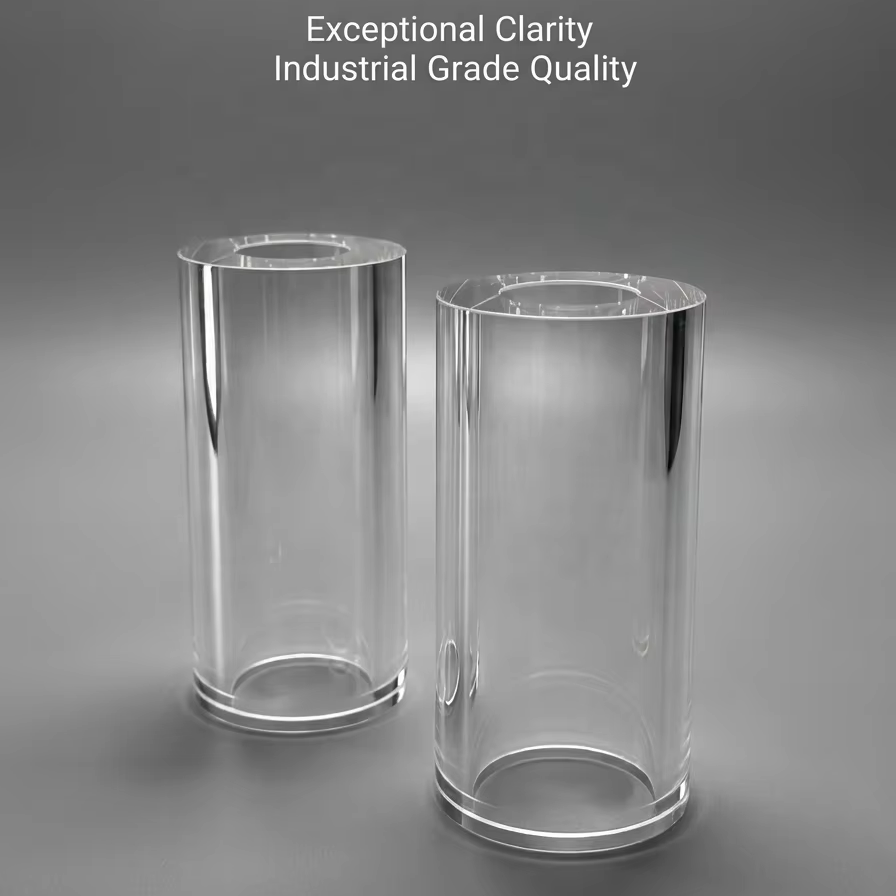
Both-Ends Polished High Purity Quartz Twin Tube
Custom multi-axis bent twin tubes featuring fire-polished ends, exceptional cross-section symmetry, and resistance to thermal shock up to 1200 °C during fast infrared thermal cycles.
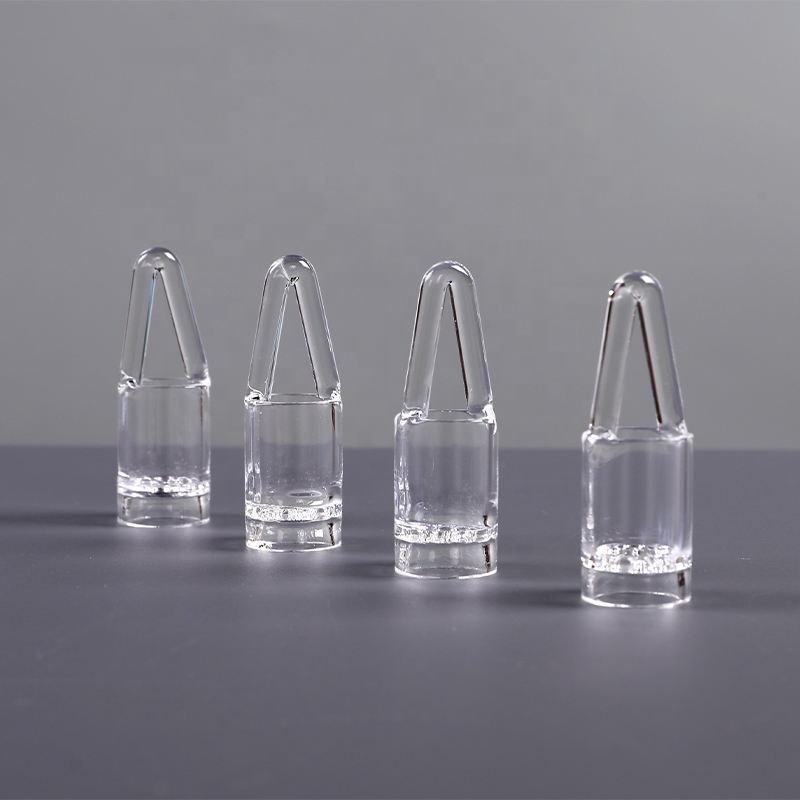
High Pressure 99.99% Pure Quartz Glass Tube
High-pressure ozone-free quartz tubes manufactured with heavy wall thicknesses, flame-polished bevels, and tight concentricity for demanding chemical synthesis conduits.
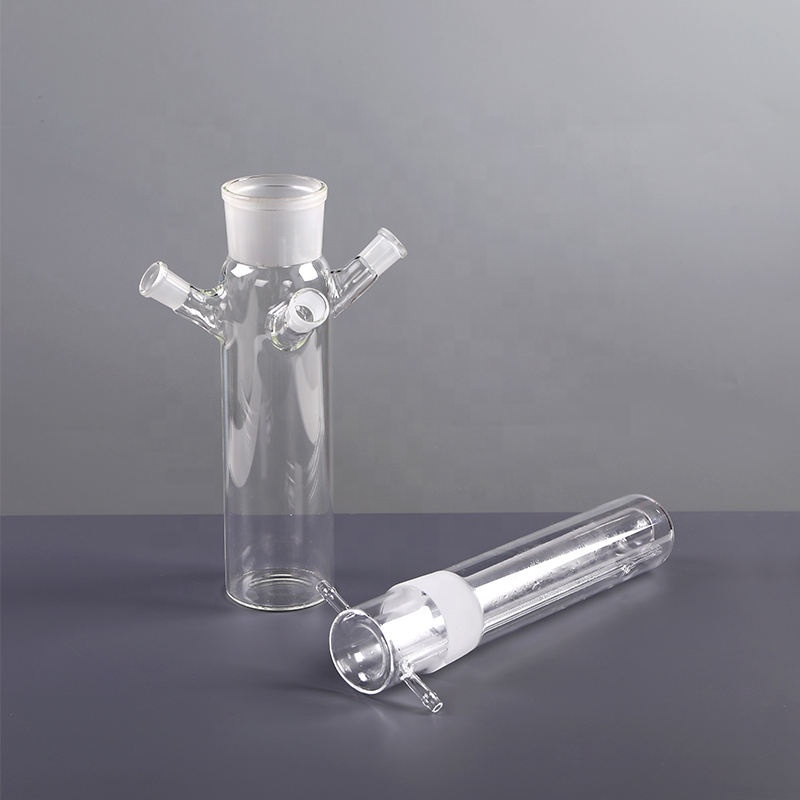
High-Purity Quartz Photocatalytic Reactor Container
Specialized photochemical reactor vessel designed with internal illumination wells, high deep-UV transmission for 254 nm and 185 nm excitation, and leak-tight ground joints.
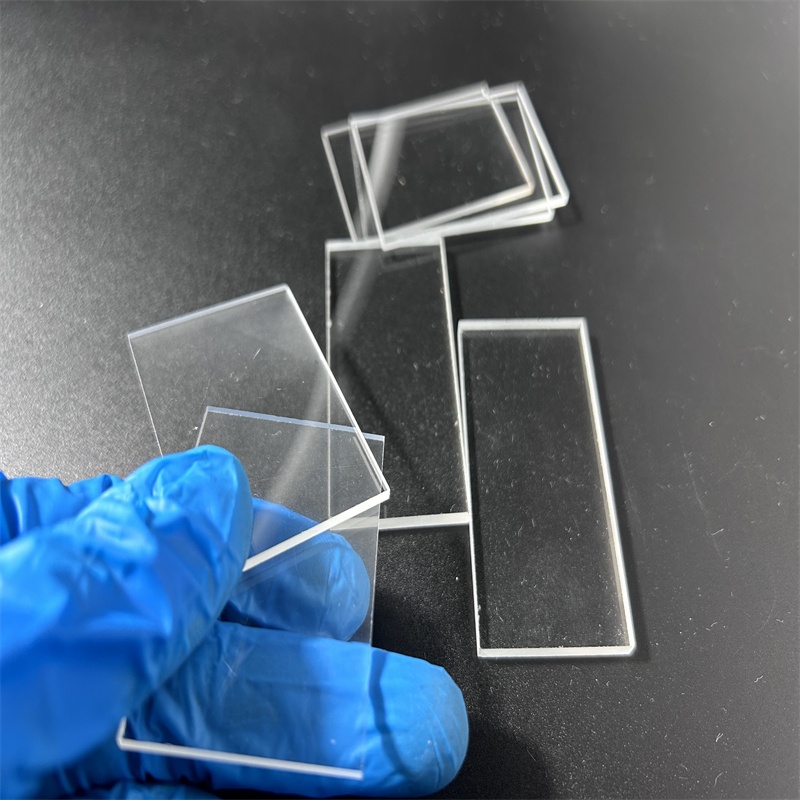
High Temperature Optical Fused Quartz Sheet
Optics-grade JGS1 / JGS2 clear fused silica window plates and sight glasses. Precision flat-lapped, double-side polished, and laser chamfered to prevent edge micro-fractures.
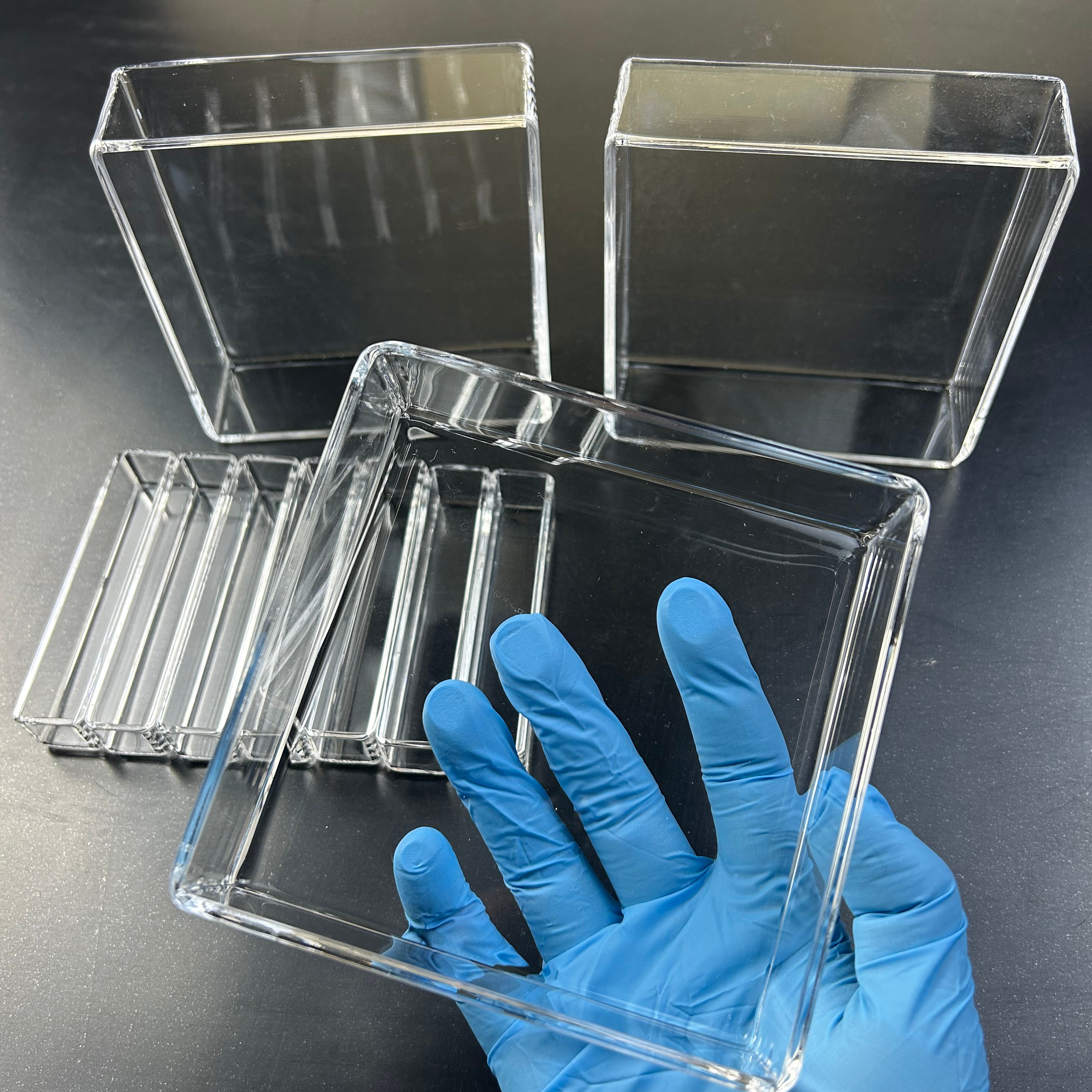
Fused Quartz High-Temperature Crucible Tank
Circular cylindrical quartz crucibles and melting tanks for molten metals, solid-state battery electrolyte synthesis, and high-temperature calcination with minimal devitrification.

High Temperature Resistance Frosted Quartz Disc
Frosted fused quartz disc plates and wafer baffles engineered for plasma etch chambers, rapid thermal processing (RTP), and uniform heat insulation rings in advanced lithography.
Engineering-reviewed direct quotes
Real-time drawing reviews for RFQs
Trusted by European engineering teams
Ultra-low hydroxyl content available
High-Purity Quartz Applications Across Gothenburg’s Industrial Nodes
From the laboratories of Chalmers University of Technology to the automotive corridors of Lindholmen Science Park and the deep-sea marine engineering hubs around the Port of Gothenburg, specialized fused quartzware provides decisive thermal and optical capabilities.
Electric Vehicle & Battery R&D
Gothenburg represents Scandinavia's leading electric mobility corridor. Developing next-generation solid-state lithium cells, cathode precursor calcination, and sodium-ion batteries demands quartz crucibles, high-vacuum combustion tubes, and twin-tube infrared drying lamps that resist trace metallic leaching and tolerate rapid thermal ramping past 1000 °C.
Cleanroom Microelectronics & Nanotech
Researchers and foundries affiliated with the Chalmers Cleanroom and regional semiconductor incubators require high-purity fused silica (JGS1) wafer carriers, diffusion furnace process liners, and laser-drilled inspection windows capable of deep UV excimer transmission down to 185 nm without solarization or bubble distortions.
Maritime Bio-Fuel & Green Chemistry
As Northern Europe’s largest port, Gothenburg spearheads maritime decarbonization. Testing synthetic e-fuels, cryogenic ammonia catalytic cracking, and seawater electrochemical scrubbing requires corrosion-resistant quartz reactors, column distillers, and BET surface analysis tubes that remain chemically inert under aggressive acid exposure.
Industrial UV Water & Ballast Purification
Gothenburg's advanced marine equipment sector integrates heavy-wall, ozone-free fused quartz sleeves to isolate high-output germicidal ultraviolet lamps within ballast water treatment systems (BWTS) and municipal treatment facilities, delivering uncompromised UV-C transmittance and superior hydrodynamic pressure endurance.
Biomedical & Life Sciences Synthesis
Within the Astra Zeneca BioVentureHub and Sahlgrenska University Hospital ecosystem, synthesis instruments rely on synthetic fused silica cuvettes, spectrophotometer flow cells, and autoclaved quartz containers where absolute biological neutrality and optical clarity across the ultraviolet-visible spectrum are essential.
Quantum Computing Hardware Shielding
Gothenburg’s pioneering quantum initiatives demand structural dielectric holders and cryogenic viewports with low RF dielectric loss tangents, near-zero coefficient of thermal expansion, and mechanical stability down to millikelvin temperatures inside dilution refrigerators.
Gothenburg & West Sweden: Material Technology Trends
The transition toward carbon-neutral heavy industry, hydrogen mobility, and next-generation power electronics across western Sweden is radically reshaping technical glass procurement criteria.
Fossil-Free Metallurgy Ramping
Western Sweden is at the heart of the Nordic green transition. As research ventures scale hydrogen plasma reduction and electric induction smelting, laboratory and pilot setups are eliminating standard borosilicate glass in favor of 99.99% fused quartz crucibles and process tubes that withstand rapid thermal ramping to 1250 °C without deformation or sodium ion migration.
Wide-Bandgap Semiconductors
With silicon carbide (SiC) and gallium nitride (GaN) clusters expanding around Gothenburg’s tech parks for EV inverter topologies, high-temperature epitaxial growth tubes and wafer-handling boats must maintain ultra-low trace iron (Fe < 0.2 ppm) and copper contaminants to prevent micro-defects during high-yield semiconductor processing.
Direct-to-Fabricator Resiliency
Swedish supply-chain directors prioritize shortened lead times, traceable batch quality, and direct engineering CAD iteration. By bridging Donghai's world-class raw quartz refining directly with custom CNC precision finishing, European buyers eliminate intermediary markups while maintaining full custom compliance to drawing.
| Performance Characteristic | JGS1 (Synthetic Fused Silica) | JGS2 (Fused Quartz) | JGS3 (Infrared Grade Quartz) |
|---|---|---|---|
| Primary Transmission Spectrum | Deep UV through Visible (185 nm – 2500 nm) | Standard Optical UV-Vis (220 nm – 2500 nm) | Infrared Optical Band (260 nm – 3500 nm) |
| Hydroxyl (OH⁻) Concentration | Typical ~1200 ppm (High purity water trace) | Typical 30 – 150 ppm | Ultra-Low < 5 ppm (Water-band free) |
| Softening Temperature | Approx. 1680 °C | Approx. 1683 °C | Approx. 1700 °C |
| Coefficient of Thermal Expansion | 5.5 × 10⁻⁷ / °C (20 °C – 320 °C) | 5.5 × 10⁻⁷ / °C | 5.5 × 10⁻⁷ / °C |
| Typical Gothenburg Applications | Cleanroom photolithography, deep UV reactors | Sight glasses, furnace observation windows | Fast IR curing arrays, battery electrode ovens |
Gothenburg B2B Procurement FAQ
Essential guidance for purchasing managers, mechanical engineers, and laboratory technicians ordering custom quartzware from our manufacturing facilities.
?How do you manage air and sea logistics to Gothenburg to avoid breakage?
Fragile quartzware ships to Landvetter Airport (GOT) or the Port of Gothenburg packed in custom high-density EPE molded foam inserts and reinforced plywood crates conforming to ISPM 15 heat-treatment standards. Every export batch is fully insured with corner shock-drop and tilt indicators attached.
?Can you manufacture one-off prototypes for Chalmers university research?
Yes. Custom engineering from customer CAD files (STEP, DWG, PDF) is our core competence. We routinely manufacture prototype pilot batches or single experimental quartz reactors with quick turnarounds before full industrial production ramp-up.
?What dimensional tolerances can your CNC laser and milling centers achieve?
For ground and double-side polished optical quartz plates, we maintain thickness tolerances within ±0.05 mm and surface flatness to λ/4 per inch. For cylindrical furnace tubes and reactors, outer diameter and wall thickness tolerances are typically held within ±0.1 mm to ±0.2 mm.
?Are your quartz tubes compliant with EU RoHS and REACH regulations?
Our fused quartz consists of >99.98% SiO₂ synthesized without hazardous chemical binders, fluorinated additives, or heavy metals. All products are fully RoHS and REACH compliant, and material purity certificates (ICP-MS test reports) can be provided upon request.
?How quickly can we expect technical engineering feedback on drawing files?
Our verified factory response rate is 100% with an average response time of under two hours during business operations. Senior glass-blowing and machining engineers inspect every 2D/3D drawing for manufacturability, thermal wall stress, and optimal raw stock selection.
?What payment terms and import support do you offer for Swedish enterprises?
We support standard international commercial terms (FOB, CIF, DDU/DDP) via Wire Transfer (T/T), Letter of Credit (L/C), or secure Alibaba Trade Assurance. Full customs documentation—including commercial invoices, packing lists, and certificates of origin—is prepared for seamless Tullverket clearance.
Why Gothenburg Engineers Partner With Zunex Quartz
Combining the mineral advantages of Donghai—the world's capital of quartz processing—with precision laser machining and rapid global export fulfillment.
Native Purity & Raw Material Selection
Directly located in Donghai County, Jiangsu, we have unmediated access to crystal sources and refined SiO₂ sands. Our base stocks yield natural trace impurity levels below 20 ppm total, delivering extreme chemical resistance against nitric, sulfuric, and hydrochloric acids at boiling temperatures.
Proprietary Laser Finishing
Beyond traditional lathe flame shaping, our workshop features multi-axis laser drilling, contour cutting, and micron-level groove milling. This non-contact thermal processing prevents edge chipping, subsurface micro-fissuring, and mechanical stress concentrations in high-pressure viewports.
Verified International Track Record
Backed by an annual export revenue between US$2.5M and US$5.0M and a proven 43% repeat-order rate from international industrial accounts, our manufacturing standards meet the strict transparency and quality expectations of Scandinavian industry.
Consult With Our Quartz Engineers for Gothenburg Projects
Whether you require a custom quartz reactor prototype, a recurring shipment of optical sight windows, or replacement semiconductor furnace tubes, send us your CAD drawing or technical specifications for a manufacturability review and prompt formal quotation.