
Strategic Overview: Quartz Labware in Linz & the Upper Austrian Innovation Belt
Linz serves as Austria's heavy industrial nucleus, anchored by transnational steel complexes, chemical process parks along the Danube, and pioneering institutes affiliated with the Johannes Kepler University Linz (JKU) and Linz Institute of Technology (LIT). In such rigorous operating environments, standard borosilicate 3.3 laboratory glass frequently reaches its operational thresholds. Process analytics involving continuous temperature regimes exceeding 500°C, severe hydrofluoric or alkaline thermal phases, and ultra-trace elementary analysis demand the chemical inertness and extreme temperature endurance of high-purity fused silica (SiO₂ ≥ 99.99%).
As a specialized direct quartz manufacturer located in Donghai County—the global center for crystal raw material refinement—Zunex Quartz Products Co., Ltd. bridges primary material cost advantages with advanced CNC micro-machining, laser finishing, and ISO-compliant optical inspections. Our direct delivery channels to Linz, Wels, Steyr, and the wider Upper Austrian district ensure that local laboratories, cleanrooms, and thermal pilot plants receive tailor-made quartz vessels fabricated strictly to CAD/STEP technical drawings.
Material Grade Differentiation & Critical Thermomechanical Properties
Selecting the optimal quartz grade is critical for balancing project procurement budgets with technical compliance. Synthetic fused silica (JGS1) eliminates optical absorption bands in deep UV spectra, making it indispensable for photolithography research and laser-induced fluorescence at local research hubs. JGS2 (natural quartz fused under high temperature) fulfills the requirements of metallurgical sight glasses, furnace tubes, and digestion vessels across Linz's primary metal processing facilities. JGS3 provides an OH-suppressed infrared profile ideal for pyrolysis and infrared emitters.
| Property Parameter | JGS1 (Synthetic Fused Silica) | JGS2 (Optical Fused Quartz) | JGS3 (Infrared Fused Quartz) |
|---|---|---|---|
| Optical Spectrum Range | 185 nm – 2500 nm (Deep UV to NIR) | 220 nm – 2500 nm (UV to Visible) | 260 nm – 3500 nm (Extended IR) |
| Hydroxyl (OH−) Content | < 5 ppm to ≤ 1200 ppm (Grade Variant) | < 30 ppm | < 5 ppm (Ultra-dry) |
| Softening Point (°C) | ~1730 °C | ~1683 °C | ~1680 °C |
| Continuous Work Temp | 1150 °C | 1100 °C | 1100 °C |
| Coefficient of Thermal Expansion | 5.5 × 10⁻⁷ / °C | 5.5 × 10⁻⁷ / °C | 5.5 × 10⁻⁷ / °C |
| Thermal Shock Tolerance | 1100 °C to 20 °C water quench safe | 1100 °C to 20 °C water quench safe | 1100 °C to 20 °C water quench safe |
Localized Industrial Application Profiles Across the Linz Corridor
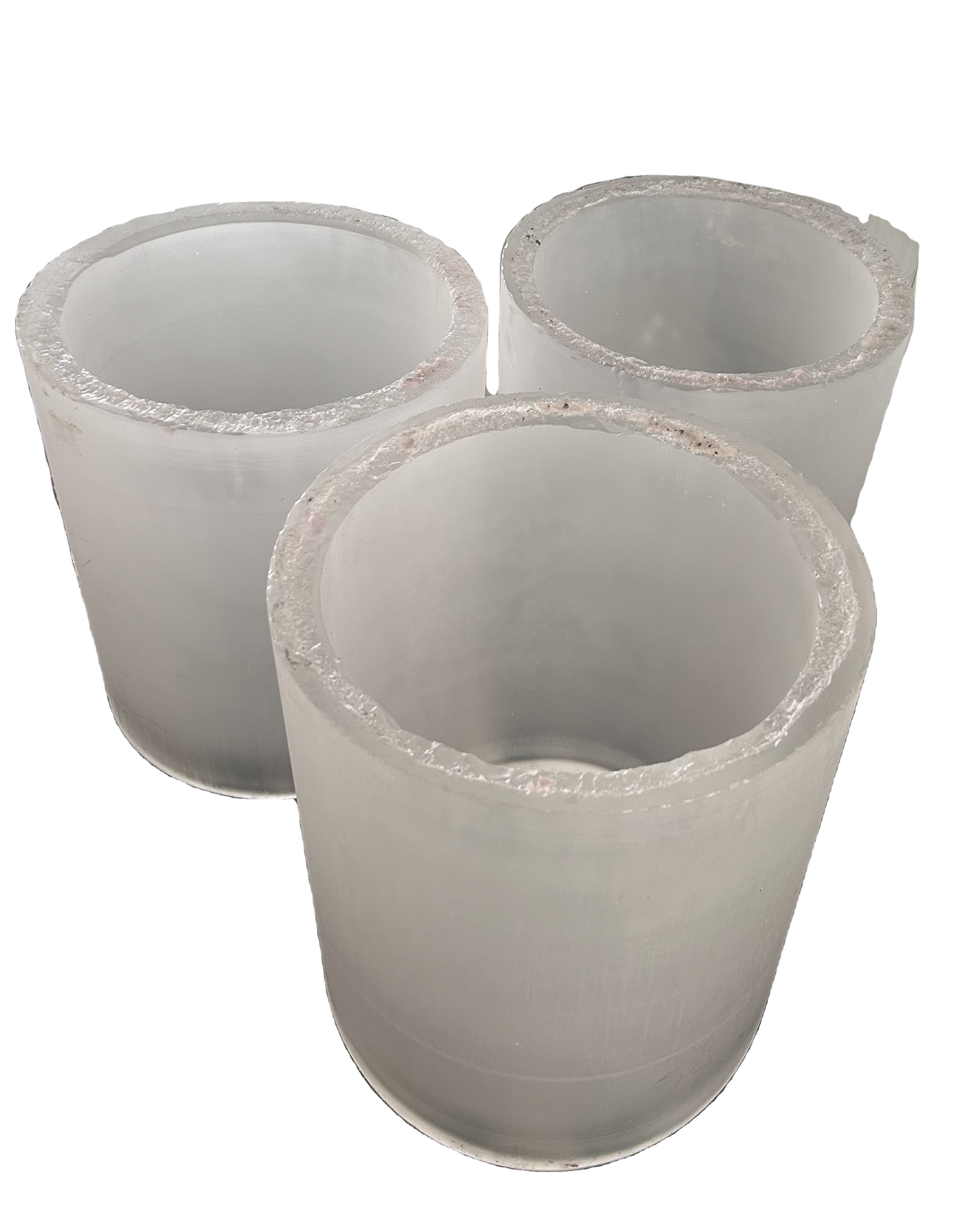
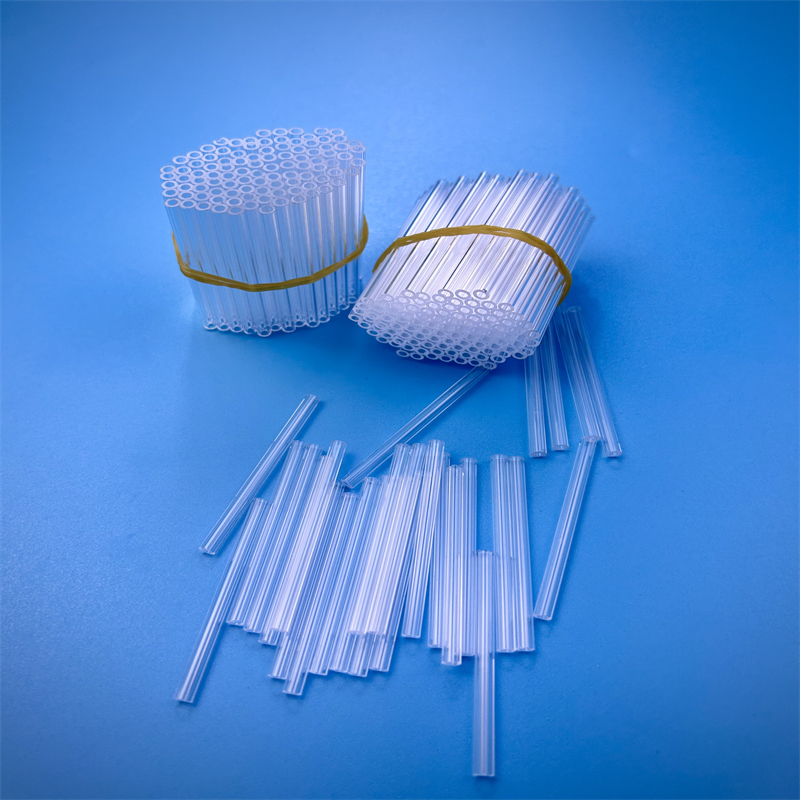
1. Decarbonized Metallurgy & Electric Arc Furnace Off-Gas Analysis: Linz’s steel manufacturing entities are aggressively transitioning toward hydrogen-based direct reduction (DRI) and green metallurgical methods. This evolution involves pilot combustion tubes, high-velocity oxygen sensors, and quartz combustion boats capable of resisting 1300°C excursions without devitrification. Zunex supplies heavy-wall custom quartz reduction tubes and combustion liners with tight bore tolerances to ensure leak-free coupling with automated gas chromatographs.
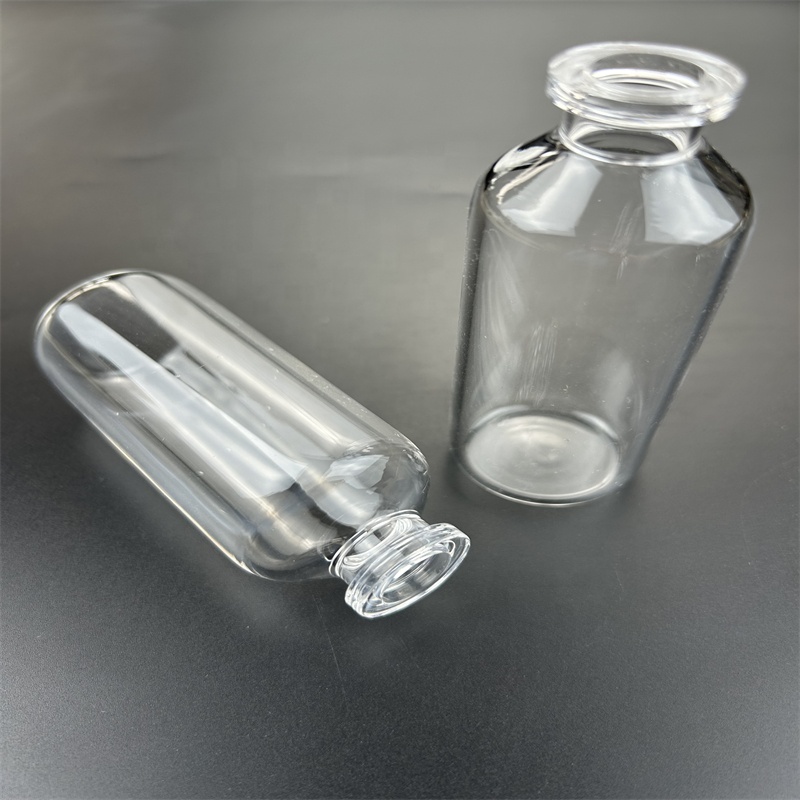
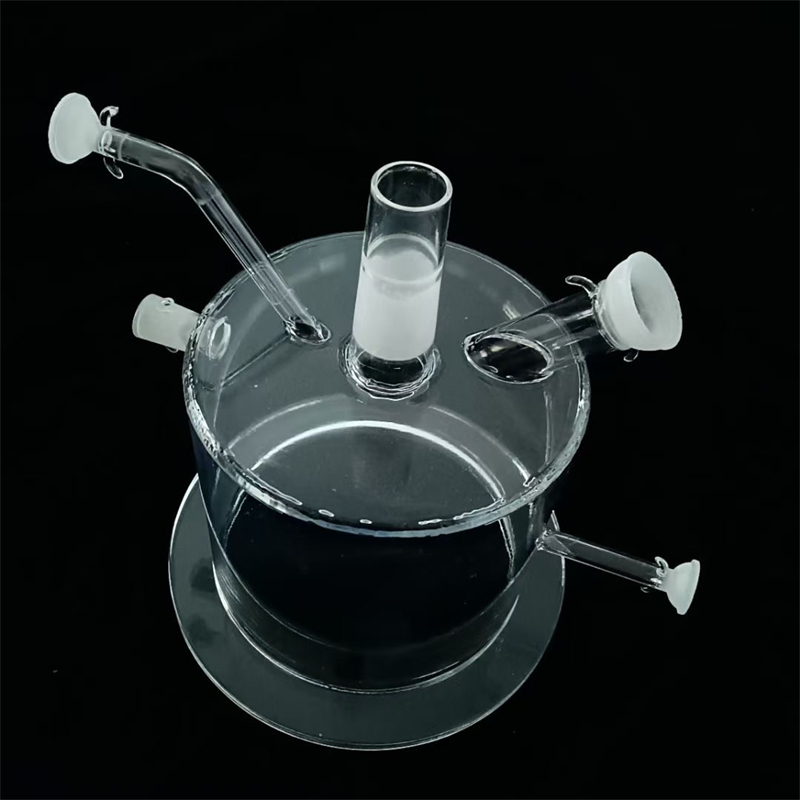
2. Chemical & Petrochemical Synthesis: The chemical cluster spanning the Danube waterway processes halogenated solvents, concentrated acids (excluding concentrated HF and H₃POₔ at elevated temperatures), and volatile catalytic systems. Custom-designed quartz glass ampoules, distillation flasks, and BET specific surface area sample cells produced by Zunex allow visual reaction monitoring under internal vessel pressures without leaching sodium, boron, or trace heavy metals into synthesized batches.
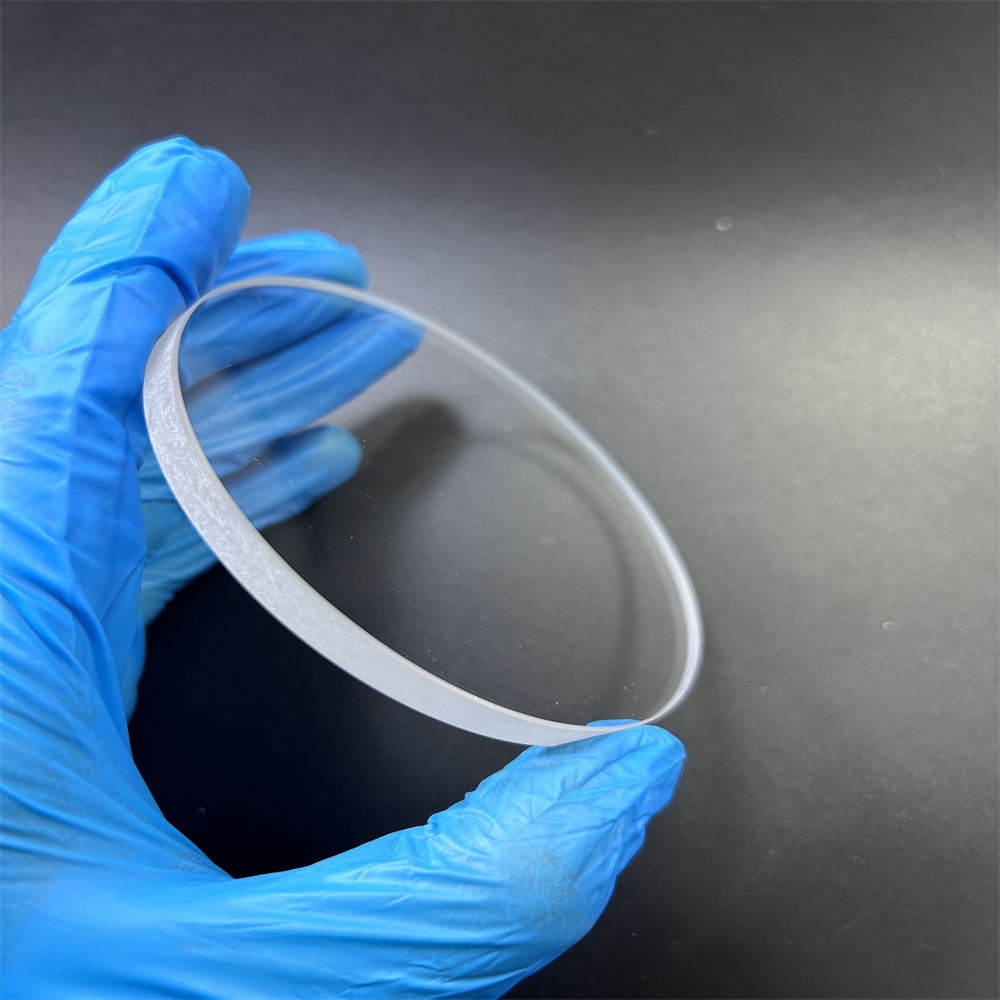
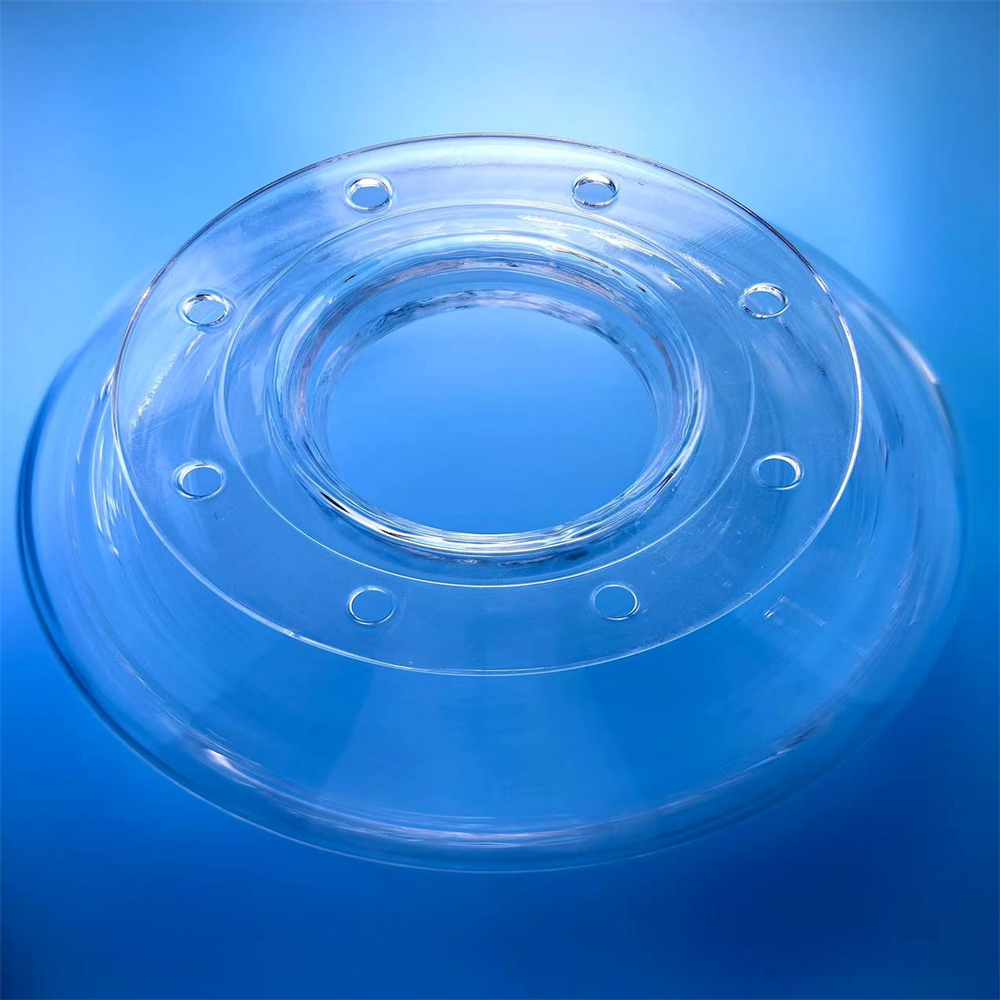
3. Advanced Mechatronics, Sensors & Microfabrication: Supported by the strong mechatronics cluster in Upper Austria, sensor development facilities frequently require quartz windows, laser-drilled substrates, and slotted quartz boats. With proprietary laser micro-cutting and hole-drilling setups down to ±0.05 mm positional tolerances, micro-cracking along cut facets is suppressed, ensuring prolonged cyclic endurance under repetitive thermal shocks.