High-Performance Quartz Systems & Labware
Engineered to exact geometric drawings in Donghai, China and shipped directly to analytical centers, high-vacuum metallurgy plants, and optical engineering facilities across the Kyiv metropolitan region.
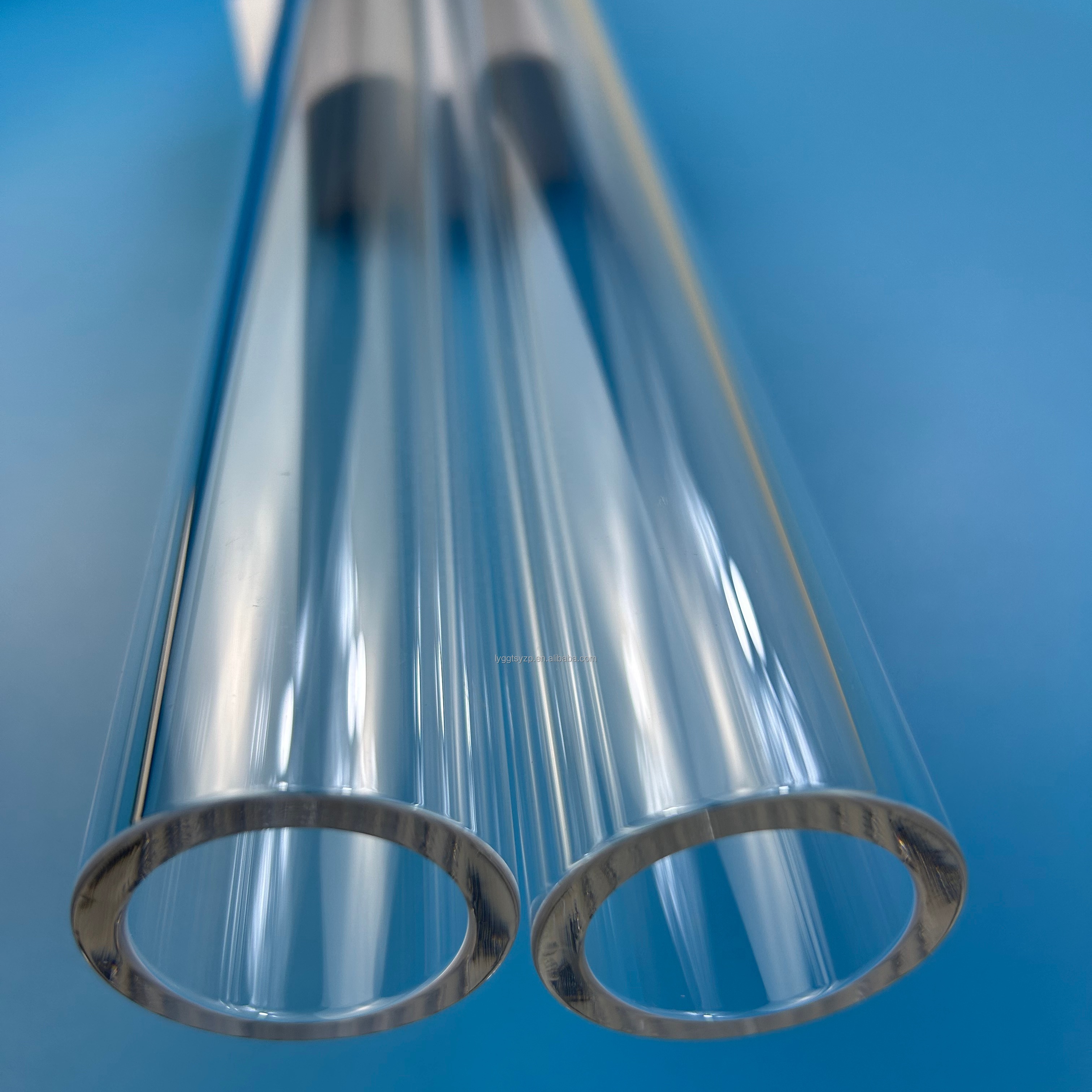
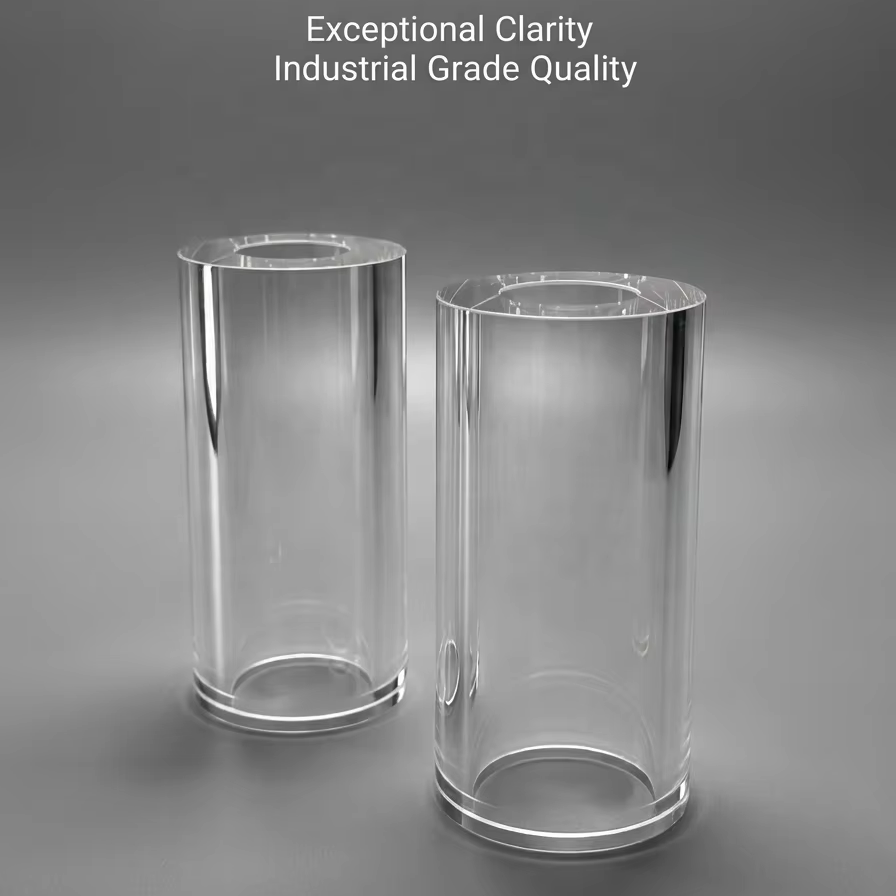
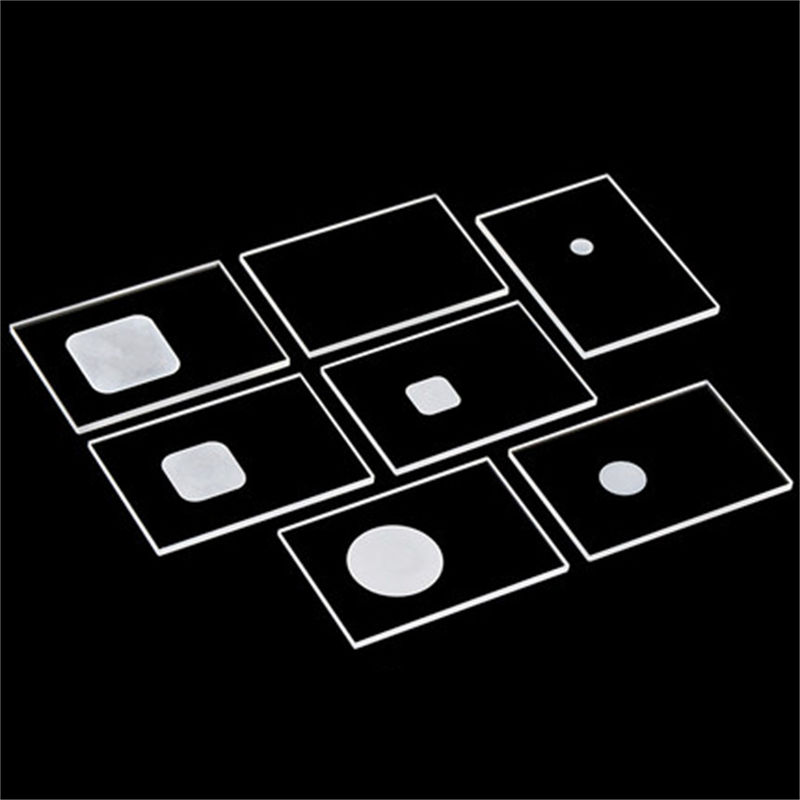
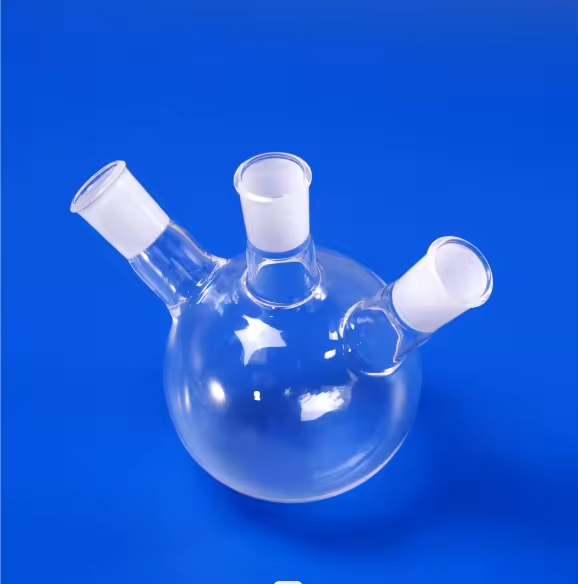
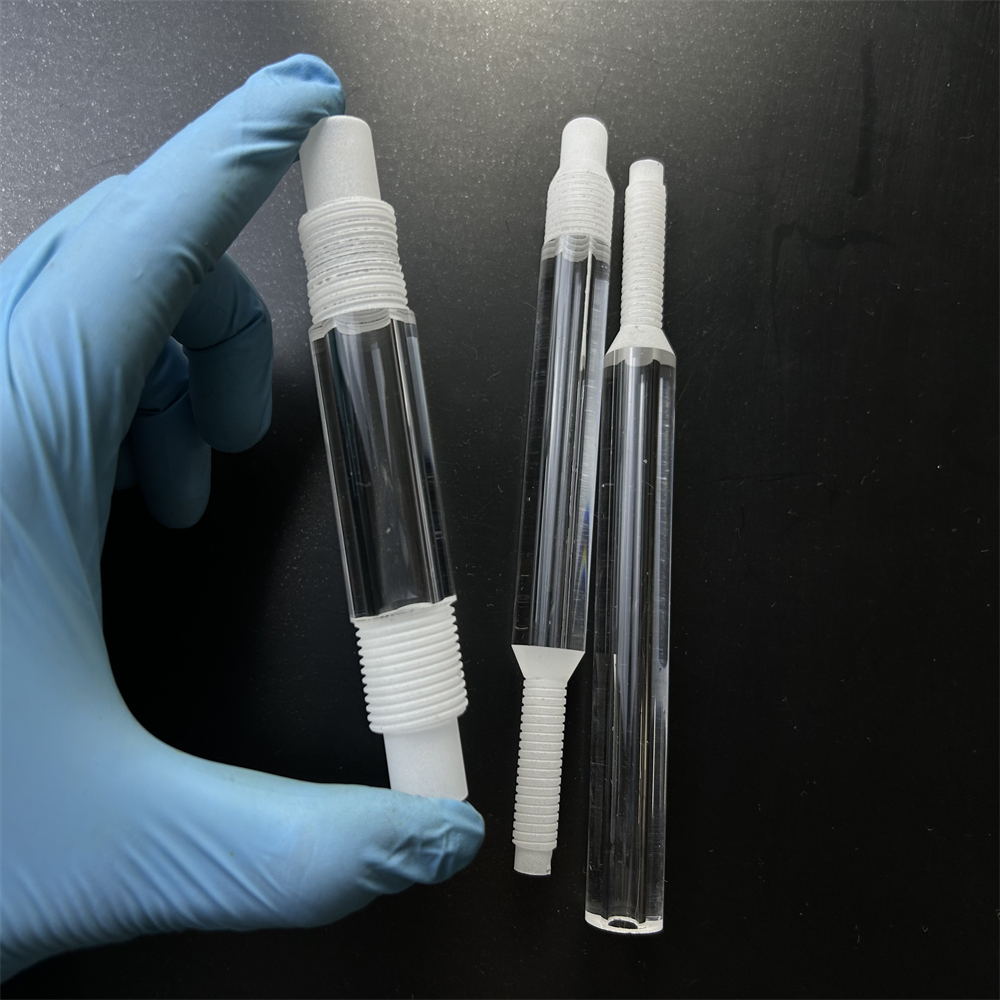
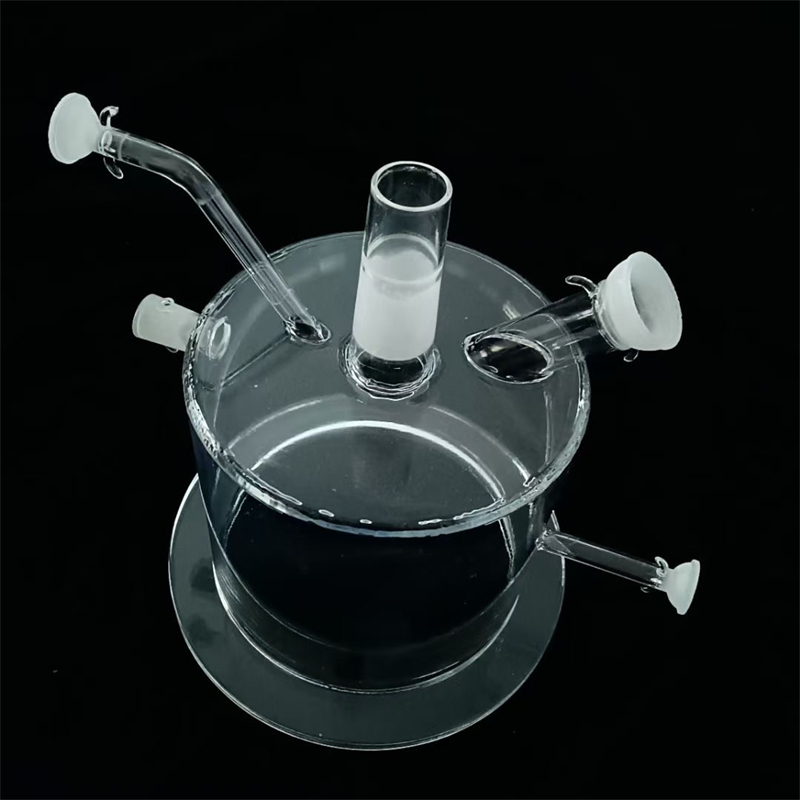
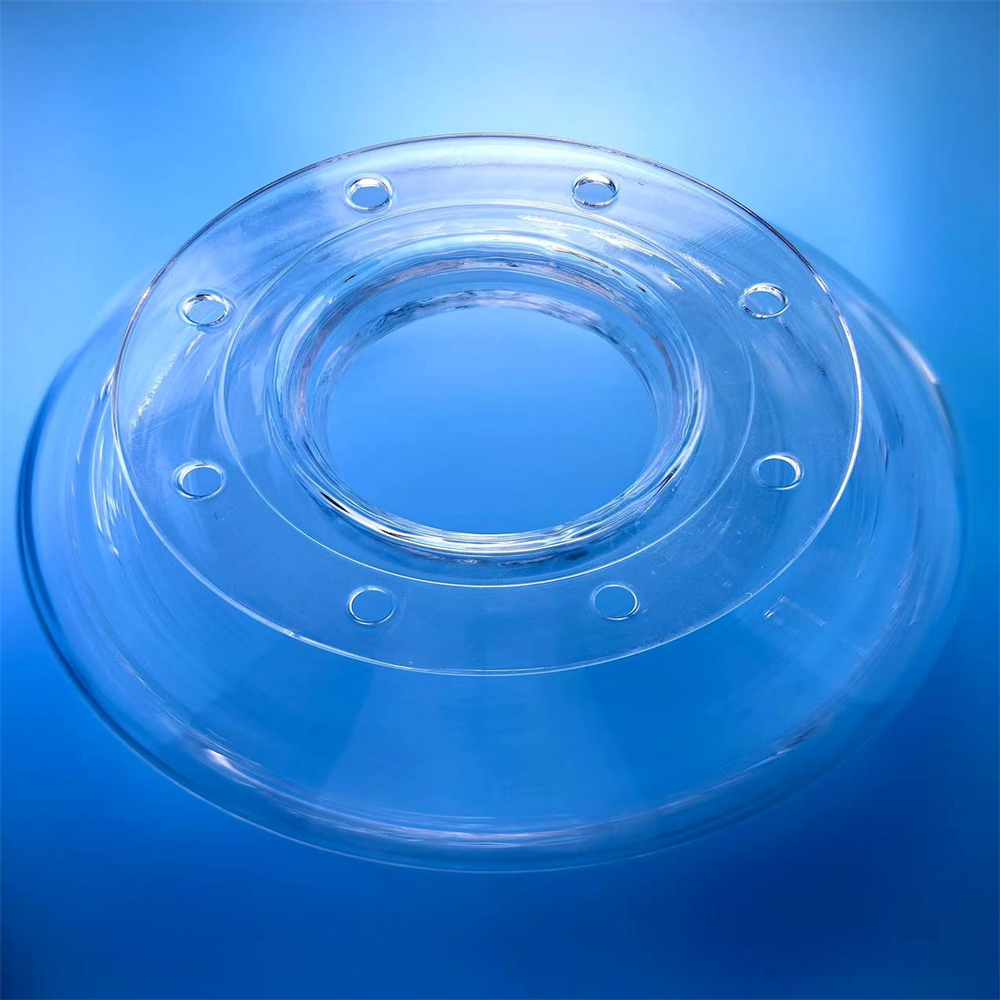
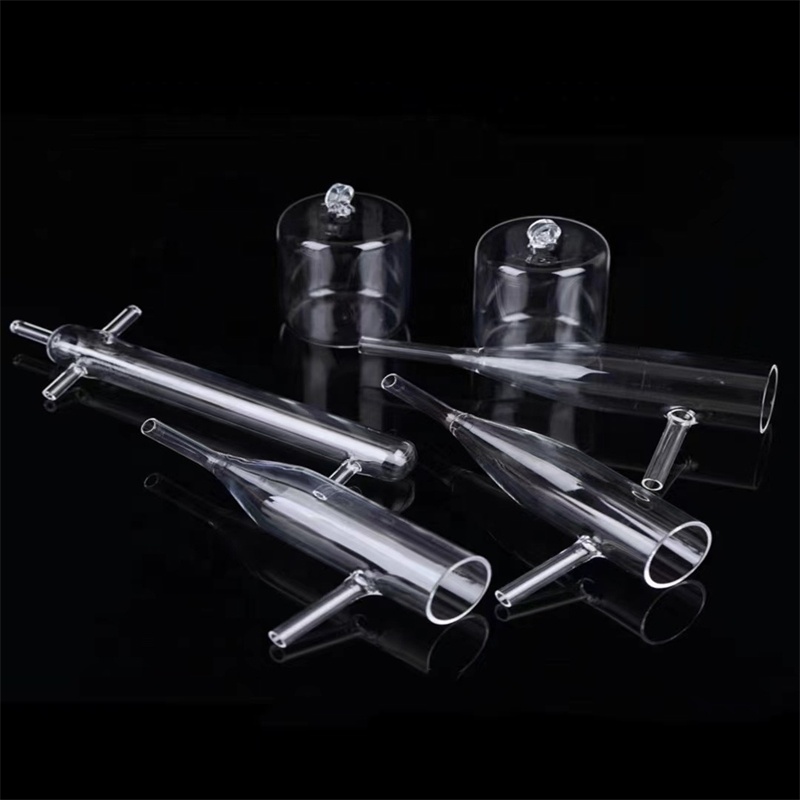
Engineering Criteria for Quartz Crucible & Thermal Ware Sourcing in Kyiv
In high-temperature thermal synthesis, semiconductor crystal pulling, and analytical spectroscopy, the quartz crucible serves not merely as an inert vessel, but as a critical process boundary. For materials scientists and procurement directors in Kyiv—operating across prestigious institutions like the E.O. Paton Electric Welding Institute, Taras Shevchenko National University, and precision defense-aerospace manufacturing units—procuring high-purity crucibles demands stringent verification of physicochemical parameters.
Thermal Shock Resistance & Viscosity Curve Benchmarking
Pure fused silica features an exceptionally low coefficient of thermal expansion (CTE) of approximately 5.5 × 10⁻⁷ /°C between 20°C and 1,000°C. This unique property permits instantaneous thermal cycles—such as direct transfer from induction heating at 1,200°C into ambient quench phases—without volumetric cracking. When evaluating suppliers servicing Ukraine, technical committees must inspect transformation points:
| Thermal Boundary Parameter | Temperature Standard | Viscosity (Poise) | Operational Significance for Kyiv Industrial Labs |
|---|---|---|---|
| Strain Point | 1,070°C – 1,120°C | 1014.5 | Upper threshold where internal structural stresses are permanently frozen. |
| Annealing Point | 1,180°C – 1,215°C | 1013.0 | Critical isotherm for controlled stress relaxation during custom flame fabrication. |
| Continuous Service Limit | 1,100°C – 1,150°C | N/A | Maximum sustained temperature without structural creeping under load. |
| Short-Term Softening Point | 1,650°C – 1,683°C | 107.6 | Viscous deformation threshold; applicable for short-duration rapid thermal processing (RTP). |
Top 10 Quartz Crucible Manufacturers & Suppliers Serving Kyiv
A rigorous review of domestic vendors, international OEMs, and specialized Chinese manufacturers providing mission-critical quartzware, custom laser fabrication, and verified logistics to Ukraine.
Zunex Quartz Products Co., Ltd.
Heraeus Conamic
Momentive Technologies
Tosoh Quartz Corporation
Quartz Scientific, Inc. (QSI)
Ukrglass Scientific Systems
Saint-Gobain Quartz
Multi-Lab Ltd.
Technoquartz Systems
Beijing Kaide Quartz
Localized Applications Across Kyiv's High-Tech Sectors
Targeted use cases where fused quartz crucibles and thermal ware solve extreme temperature, purity, and corrosion challenges.
Specialty Metallurgy & Electron Beam Remelting
Crucibles utilized in vacuum arc remelting (VAR) and electron-beam cold hearth melting for titanium-aluminide alloys and refractory metal refining at metallurgical institutes in Kyiv.
Renewable Energy & Polysilicon Recrystallization
With Ukraine rebuilding its power grid infrastructure, quartz crucibles are critical for directional solidification (DSS) and pulling monocrystalline ingots for photovoltaic cells.
Analytical Chemistry & XRD / XRF Testing
Sample digestion with hydrofluoric or perchloric acid mixtures requires high-purity quartz labware that ensures zero boron, aluminum, or alkali leaching into mass spectrometers.
High-Energy Laser Windows & Optics
Fused silica substrates with JGS1 grade optical purity, laser grooved and polished for deep UV transmission down to 185 nm in advanced drone optics and lidar systems.
Emerging Procurement Trends in Ukraine's Tech Ecosystem
Understanding shifting supply corridors, regulatory standards, and risk-mitigated logistics frameworks into Kyiv.
1. Direct Manufacturer Partnerships Replacing Fragmented Middlemen
Traditionally, industrial buyers in Kyiv procured specialized glass through multiple tiers of European trading distributors, adding 35% to 60% markups and long lead times. Leading R&D centers are now bypassing intermediary brokers by working directly with primary production clusters such as Donghai County in China. Direct communication with factory engineering teams enables custom CAD revisions, laser hole drilling, and custom wall-thickness tolerances without lost-in-translation errors.
2. Shift Toward Synthetic Fused Silica (JGS1) for Semiconductor Upgrades
While natural quartz (JGS2/JGS3) remains standard for standard heating tubes and general metallurgical melting up to 1,150°C, the transition toward advanced optical sensors and micro-fabrication in Kyiv is fueling rapid demand for synthetic fused silica (JGS1). Synthetic grades feature virtually zero bubble inclusions (ISO 10110 Class 0) and OH content below 5 ppm, preventing hydroxyl absorption peaks at 2.73 μm and ensuring structural rigidity under continuous high-vacuum bake-out.
3. Resilient Logistics Corridors (Air & Multimodal Rail via Poland)
Given regional airspace dynamics, freight forwarders serving Kyiv now route fragile quartz containers through air hubs in Warsaw, Frankfurt, or Vienna, followed by bonded, temperature-controlled dedicated truck freight (CIP / DDP Kyiv customs terminal). Double-wall foam-in-place crating, vacuum-sealed PE bags, and impact-shock indicators (DropSpot / TipNTop) are mandatory baseline packaging requirements for long-distance transport.
Why Global Buyers Partner with Zunex Quartz
Combining primary raw-material origin, ultra-precision laser finishing, and a verified export infrastructure.
Donghai Silicon Hub Advantage
Situated in China's silicon epicenter, we secure premium crystal ore stock with lowest base impurity profiles and immediate manufacturing scale.
Advanced Laser Micro-Machining
Full proprietary capability for micro-hole drilling (±0.05 mm), precision wafer slotting, edge chamfering, and smooth optical fire-polishing.
≤ 2 Hours Engineering Review
Every RFQ is inspected by qualified materials engineers to evaluate geometric tolerances, draft angles, and thermal limits before quotation.
Reinforced Export Packaging
Custom shock-absorbing high-density polyethylene foams and plywood crates engineered specifically for fragile international air and rail transit.
Frequently Asked Questions by Ukrainian Buyers
Essential answers regarding material grades, chemical purity, and procurement processes for Kyiv engineers.
What are the key differences between JGS1, JGS2, and JGS3 quartz crucibles and plates?
JGS2 (Standard Fused Quartz) is melted from high-grade natural quartz crystals. It has excellent transmission across visible and near-infrared spectra (220–2500 nm) and is widely used for tube furnaces, sight glasses, and laboratory beakers.
JGS3 (Infrared Fused Quartz) is processed under vacuum to achieve ultra-low hydroxyl (OH⁻ < 2–5 ppm) concentrations, eliminating infrared absorption water-bands and enabling continuous transmission up to 3500 nm.
Can Zunex manufacture custom crucibles and quartz components from customer CAD drawings?
How does high-temperature exposure cause quartz crucible devitrification, and how is it prevented?
What are the lead times and shipping routes for custom quartz shipments into Kyiv?
How does Zunex guarantee zero transit breakage for fragile quartz glass?
Accelerate Your Project with Precision Fused Quartz Ware
Send your CAD drawings, required material grade (JGS1 / JGS2 / JGS3), and dimensional tolerances to our engineering department. Receive a comprehensive technical review, DDP Kyiv freight estimation, and firm quotation in two hours or less.