Featured Quartz Components & Optical Assembly Solutions
Direct factory engineered high-purity quartz tubing, optical plates, and precision sample holders manufactured to strict tolerances (±0.02 mm) with comprehensive spectral verification.
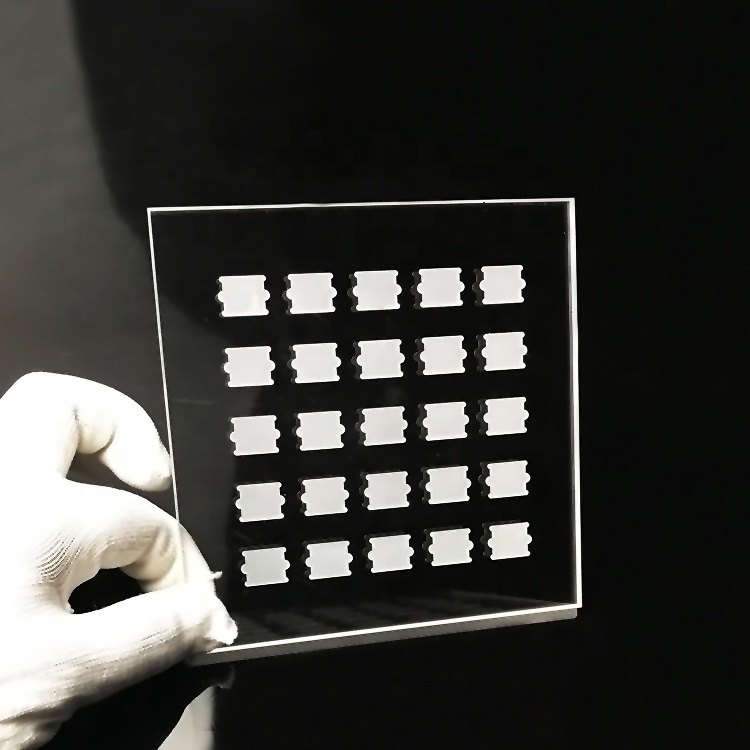
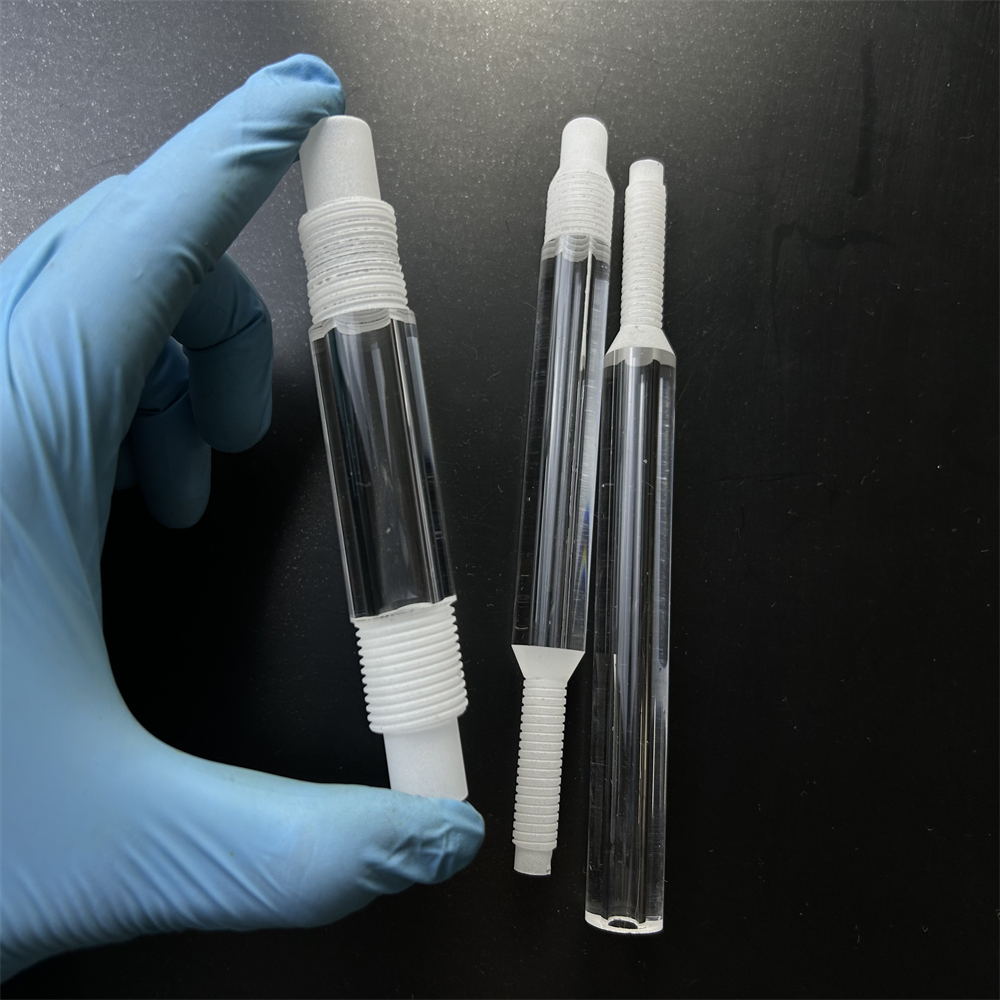
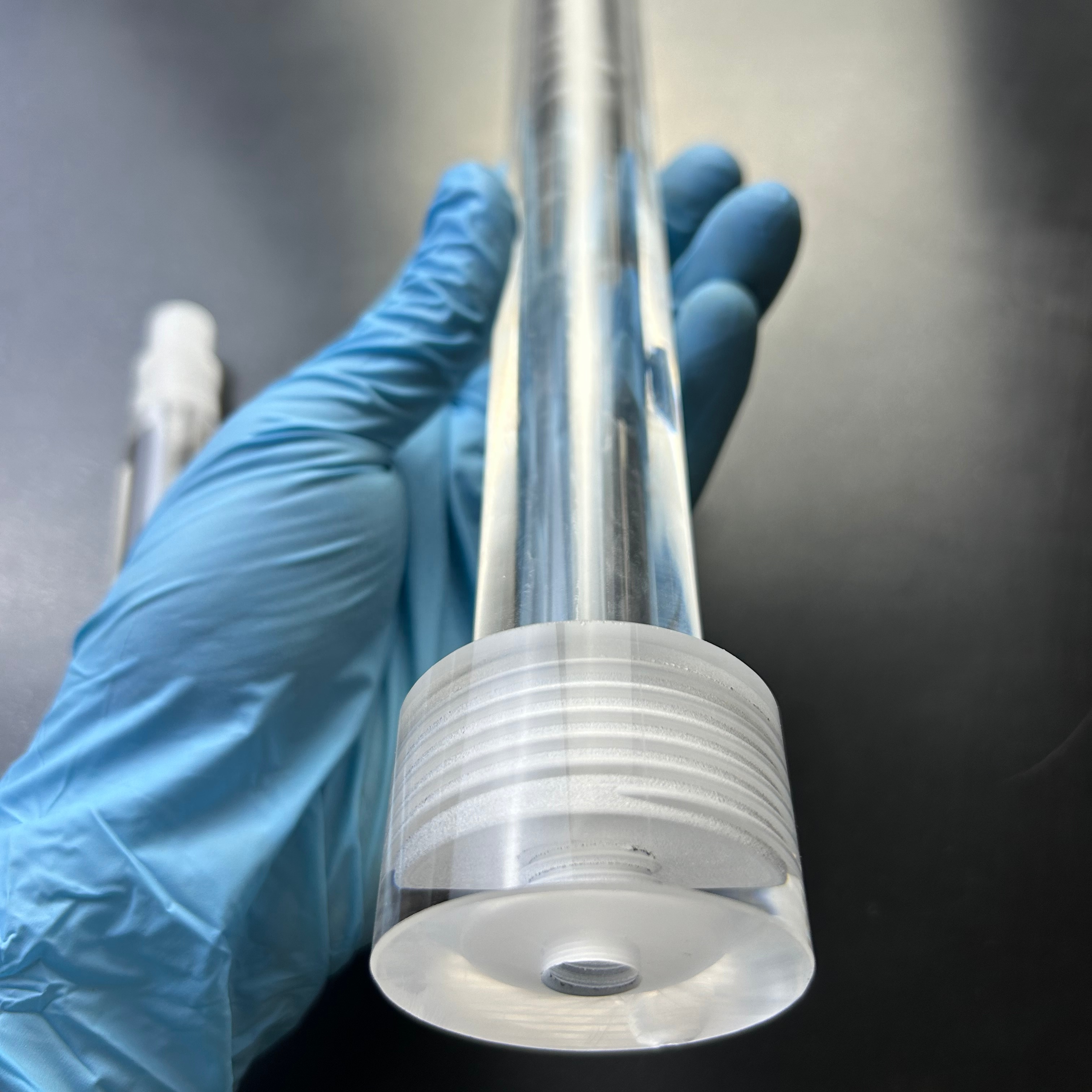
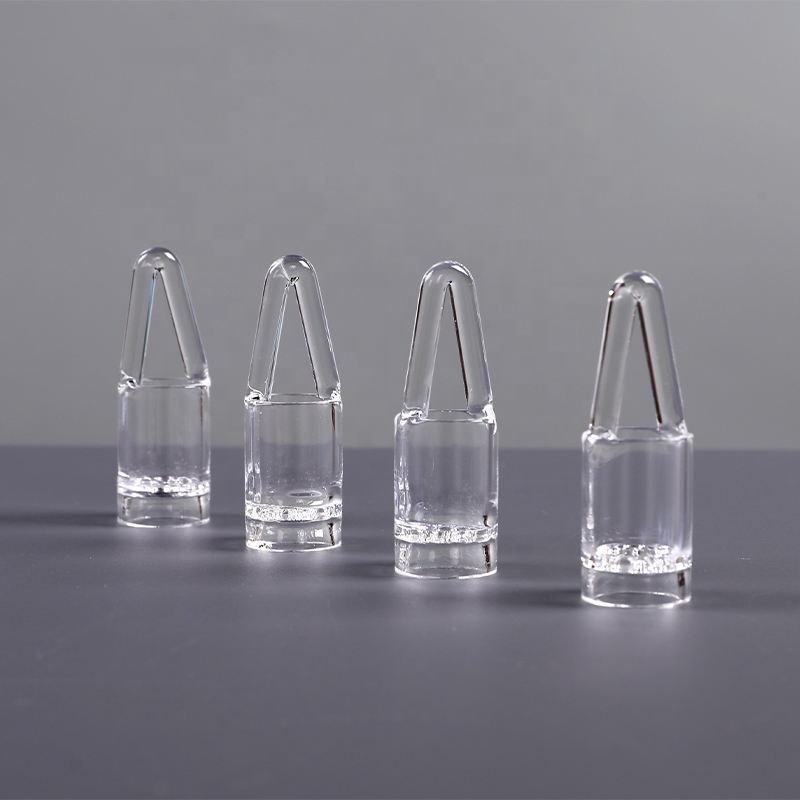
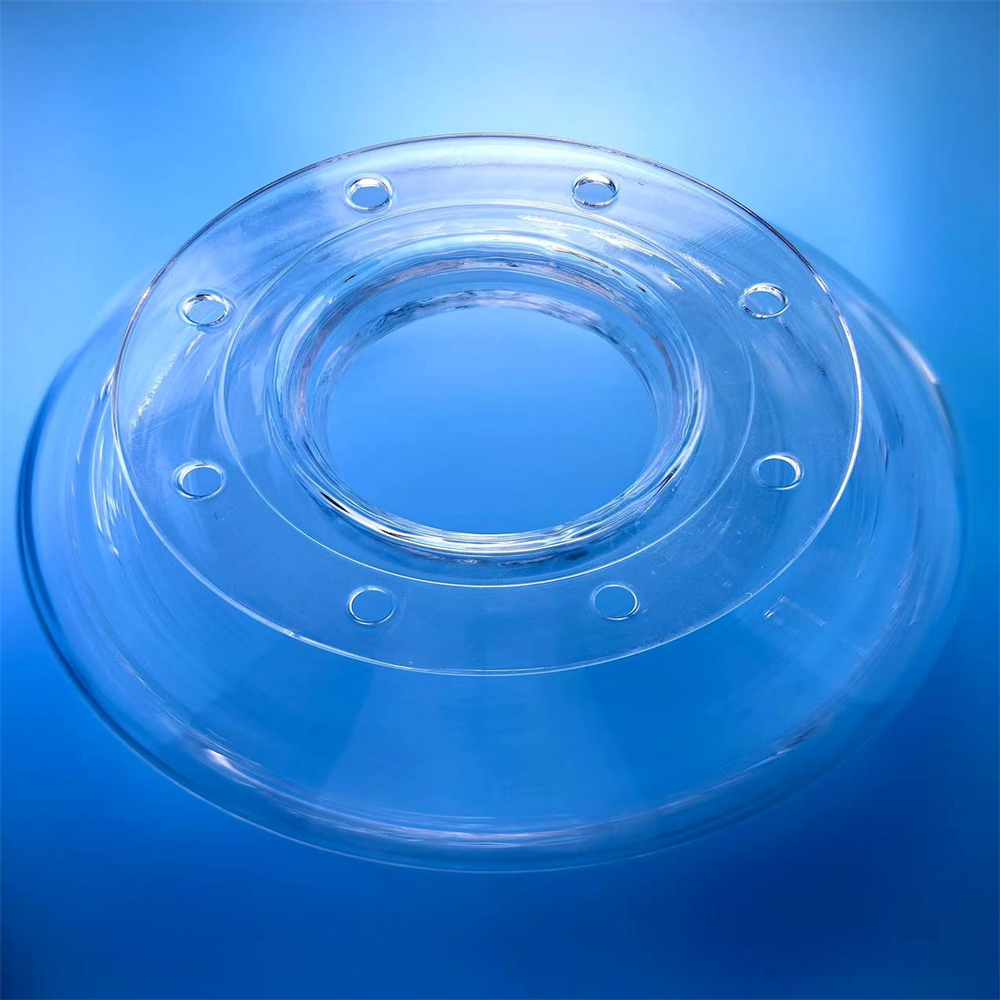
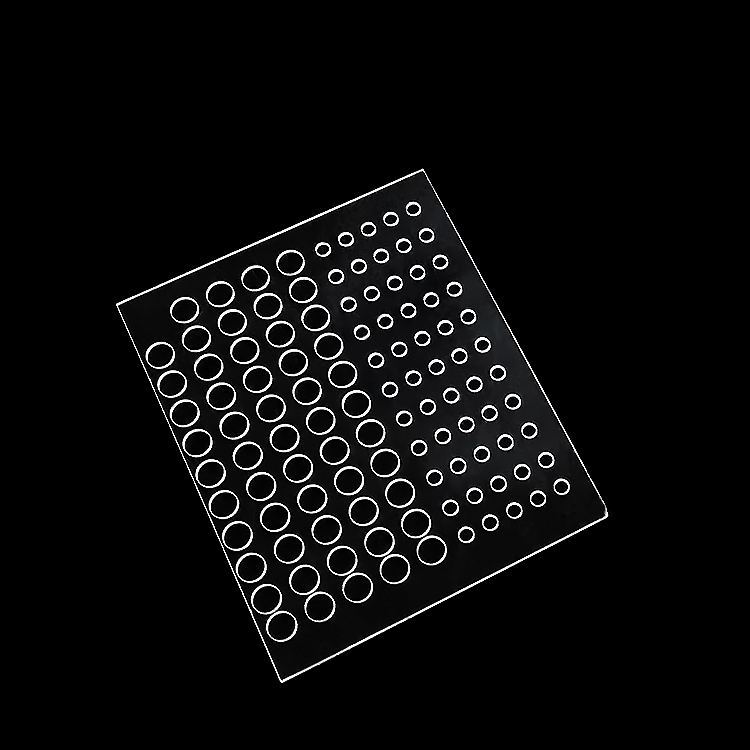
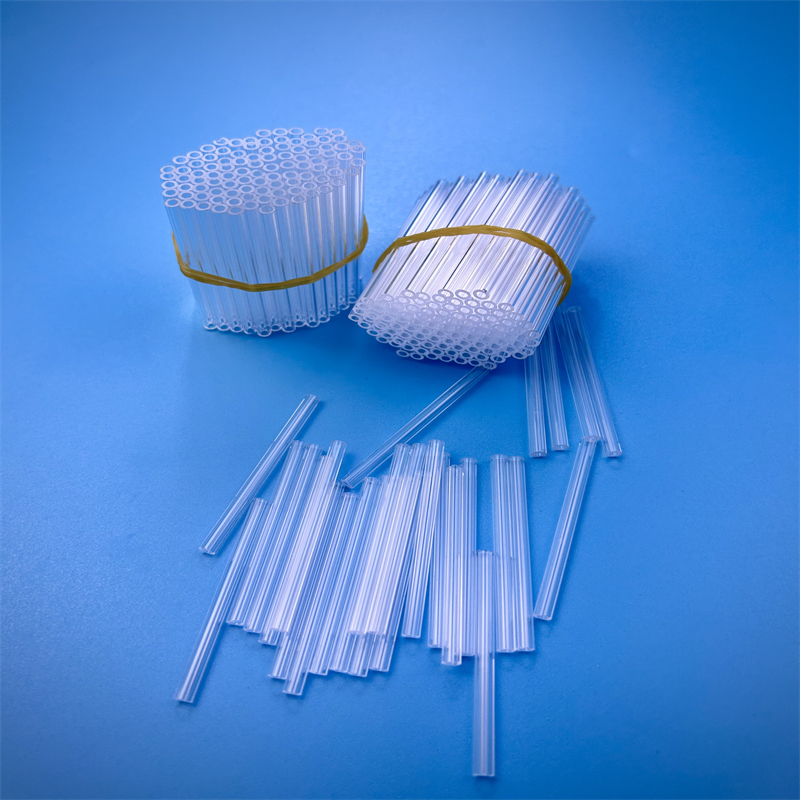
Physics & Material Science of Quartz Light Guides in High-Flux Optical Delivery
In optical physics and high-precision optoelectronics, a quartz light guide (fused silica optical homogenizer or solid wave transmission rod) is an essential device configured to transport electromagnetic radiation via Total Internal Reflection (TIR). Unlike conventional multi-component optical polymer waveguides or borosilicate glass fibers, synthetic fused silica and high-purity fused quartz offer unparalleled broad-spectrum transmission stretching from the Deep Ultraviolet (DUV, λ ∼ 185 nm) across the visible spectrum up to the Short-Wave Infrared (SWIR, λ ∼ 3500 nm).
For manufacturing clusters in Poznań and the broader Wielkopolska industrial corridor, the transition from conventional halogen curing and thermal processes to precision UV-LED curing, solid-state laser processing, and in-line spectral monitoring has created stringent prerequisites for waveguiding media. The core performance metrics of optical light guides hinge upon the control of hydroxyl content ([OH−]), micro-bubble homogeneity (DIN ISO 10110-3 classes), and sub-aperture surface roughness:
| Material Classification | Optical Transmission Spectrum | [OH−] Hydroxyl Content | Typical Industrial Poznań Application | Thermal Shock Limit |
|---|---|---|---|---|
| JGS1 (Synthetic Fused Silica) | 185 nm – 2500 nm (Deep UV Optimized) | < 5 ppm to 1200 ppm (Grade specific) | Semiconductor photolithography, UV-C microbial water disinfection, excimer laser delivery | ΔT > 1000 °C water quench |
| JGS2 (Fused Natural Quartz) | 220 nm – 2500 nm (UV-Visible Range) | ∼ 30 – 50 ppm | Industrial UV curing, optical pyrometry viewports, machine vision illuminators | 1100 °C continuous |
| JGS3 (Electrically Fused IR Quartz) | 260 nm – 3500 nm (Low OH, SWIR Band) | < 5 ppm (Water-free absorption peaks) | Gas chromatography, IR thermal line emitters, spectroscopy sample cells | 1150 °C continuous / 1300 °C peak |
A critical design parameter for engineers specifying light guides is the Numerical Aperture (NA), defined mathematically as \( NA = \sqrt{n_{\text{core}}^2 - n_{\text{cladding}}^2} \). In unclad quartz optical rods, ambient air (\( n \approx 1.000 \)) functions as the dielectric cladding medium. Because the refractive index of fused silica is approximately \( n_d = 1.4585 \) at 589.3 nm, the unclad light guide establishes an internal critical angle \( \theta_c = \arcsin(1 / 1.4585) \approx 43.3^\circ \). This permits an exceptionally wide theoretical acceptance half-angle exceeding \( 65^\circ \), enabling high collection efficiency from divergent point sources such as high-power UV-LED arrays and pulsed xenon flash lamps commonly integrated into automated production equipment around Poznań.
Top 10 Quartz Light Guide Manufacturers & Suppliers Serving Poznań
A technical analysis of premier global manufacturers and certified tier-1 supply partners catering to Wielkopolska’s photonics, aerospace, and medical engineering sectors.
Zunex Quartz Products Co., Ltd.
Headquartered in Donghai, Jiangsu (China’s capital of high-purity crystalline silica), Zunex manufactures custom fused quartz light guides, optical rods, precision-machined tubes, and XRD sample carriers. Known for rapid engineering responsiveness (≤ 2 hours), laser micro-drilling, flame polishing, and seamless logistics fulfillment into the Poznań industrial zone.
Heraeus Conamic
The Germany-headquartered multinational stands as a global benchmark in synthetic fused silica (Suprasil®) and fused quartz (Infrasil®). Heraeus supplies ultra-high purity base preforms and optical rods for deep UV lithography, laser optics, and semiconductor fabrication throughout Central and Eastern Europe.
SCHOTT AG
With strong technical sales networks covering Poland from regional hubs, Schott specializes in both rigid quartz rods and flexible wound fiber optic light guides for surgical endoscopy, machine vision illuminators, and industrial analytical instruments.
Edmund Optics Europe
Operating major distribution nodes serving Polish university laboratories and prototyping teams in Poznań, Edmund Optics provides standard off-the-shelf fused silica light homogenizing rods, hexagonal light pipes, and optical window plates.
Thorlabs Europe
Thorlabs supplies research institutes at the Poznań University of Technology (Politechnika Poznańska) and NanoBioMedical Centre with liquid light guides, high-OH solarization-resistant silica fibers, and optomechanical coupling mounts.
Hellma Analytics
Based in Germany with extensive European technical distribution, Hellma is a premier manufacturer of high-precision quartz immersion probes, analytical cuvettes, and specialized light delivery waveguides for process chemistry and food analytics.
Newport / MKS Instruments
Supplying heavy automated manufacturing plants and laser precision cutting integrators across Wielkopolska, Newport delivers robust optical beam steering solutions, high-energy quartz light guides, and industrial photodetectors.
LightPath Technologies
A key designer of molded aspheric glass and custom fused silica optical components, LightPath supports high-volume European engineering projects requiring collimation optics and non-imaging optical homogenization rods.
Jenoptik AG
Renowned across Central Europe for optoelectronic sub-assemblies, Jenoptik manufactures diffraction-limited optical elements, quartz homogenization conduits, and laser beam expanders utilized in semiconductor and automotive machine vision.
art photonics GmbH
Specializing in polycrystalline infrared (PIR) and heavy-metal fluoride waveguides, art photonics also engineers high-grade fused quartz transmission systems that span visible through mid-IR wavelengths, widely applied in Poznań’s academic chemical sensors and spectroscopic pipelines.
Quartz Light Guide Applications Across Poznań & Greater Poland
Poznań is one of Central Europe’s most dynamic logistics and manufacturing hubs. High-purity quartz waveguiding elements fulfill critical operational roles across several key local industries.
UV-LED Curing in Automotive & Electronics Assembly
With major automotive manufacturing and supplier clusters in Tarnowo Podgórne, Swarzędz, and Września, quartz light guides deliver uniform 365 nm / 395 nm UV radiation to cure structural adhesives, conformal coatings, and electronic sensor potting compounds without introducing localized thermal deformation.
Laser Material Processing & Optical Beam Homogenization
Industrial robotic laser cladding and precision welding cells throughout Greater Poland utilize square and hexagonal JGS1 quartz homogenizing light pipes. These transform non-uniform Gaussian laser profiles into flat-top (top-hat) square distributions, ensuring consistent weld seams on aerospace alloy fabrications.
Biophotonics & Medical Diagnostics in Poznań Labs
Institutions like the NanoBioMedical Centre (CNBM) and specialized diagnostics developers in Poznań require synthetic fused silica waveguides and XRD sample holders with low autofluorescence in the 250–400 nm band for fluorescence spectroscopy, flow cytometry, and DNA sequencing equipment.
Machine Vision Inspection in Automated Packaging
Wielkopolska is a cornerstone of the Polish FMCG and pharmaceutical packaging industries. High-speed optical sorting systems employ liquid-core and solid fused silica light guides to funnel intense, cold, shadow-free backlighting into vision inspection cameras tracking packaging defects at >1000 parts per minute.
High-Temperature Pyrometry in Metallurgy & Foundries
Foundries and metal processing plants near Poznań rely on fire-polished solid quartz light guides to route infrared thermal emissions from hazardous furnace interiors (exceeding 1100 °C) directly to remote optical pyrometers and sensor electronics without risk of heat degradation.
UV-C Water & Food Surface Disinfection Modules
In agricultural processing and municipal clean-water treatment systems in western Poland, JGS1 deep-UV quartz tubes and solid optical guides channel germicidal 254 nm / 265 nm light through fluids, destroying pathogen DNA without introducing chemical additives.
Future Trends Shaping Quartz Light Delivery Systems in Poznań (2025–2030)
As industry in Poznań embraces Industry 4.0 and sustainability directives driven by European Union mandates, light guide procurement is experiencing notable structural transformations. Engineering buyers are no longer seeking simple standard quartz rods; procurement contracts prioritize lifecycle longevity, high solarization immunity, and custom integration geometries.
1. Transition from Liquid to Solid Fused Silica
Traditional liquid light guides suffer from fluid degradation, bubble creation under vibration, and transmission decay below 320 nm. Polish OEMs are systematically migrating toward solid synthetic fused silica rods to achieve indefinite operational lifespans in 24/7 automated facilities.
2. Solarization-Immune UV Doping
Under intense pulsed UV-C radiation (λ < 260 nm), conventional quartz forms E-prime color defect centers, leading to optical darkening. Next-generation JGS1 synthetic silica formulations integrate hydrogen loading or optimized stoichiometry to retain >90% transmission across thousands of exposure hours.
3. Direct 5-Axis Laser Micro-Processing
Mechanical diamond grinding risks sub-surface micro-cracks that trigger stress fractures under thermal cycling. The adoption of femtosecond laser drilling, contour grooving, and direct laser polishing produces parts with fracture strengths up to 40% higher than mechanically ground quartz.
4. Integrated Hybrid EU-Asia Supply Chains
Poznań manufacturers are adopting agile dual-track supply strategies: sourcing high-purity synthetic raw quartz and OEM fabrication directly from primary crystal centers in Donghai, China, while utilizing local Poznań buffer warehouses for Just-In-Time assembly.
Frequently Asked Questions by Poznań Supply Chain & Optical Engineers
Clear, definitive technical answers addressing Polish customs protocols, logistics through the Poznań multimodal hub, material certifications, and engineering tolerances.
How are custom quartz light guides shipped to Poznań, and what are typical lead times?
What is the difference between JGS1, JGS2, and JGS3 quartz, and which should our Poznań plant select?
- JGS1 (Synthetic Fused Silica): Required for Deep UV applications (185–2500 nm), excimer lasers, UV-C disinfection, and photolithography. It has no bubble inclusions and near-zero fluorescence.
- JGS2 (Fused Natural Quartz): Suitable for standard UV-Visible instrumentation (220–2500 nm), machine vision backlighting, and UV adhesive curing (365–405 nm). Highly cost-effective for general industrial optics.
- JGS3 (Low-OH Fused Quartz): Essential for Infrared optical systems, gas spectroscopy, and pyrometry viewports (260–3500 nm) because the low hydroxyl content eliminates water-absorption dip bands at 1380 nm, 2200 nm, and 2730 nm.
Can custom parts be machined directly from CAD / STEP drawings with micron-level tolerances?
Are compliance certificates (RoHS, REACH, Material Purity) provided for EU/Polish regulatory inspections?
How does fused quartz handle thermal shock compared to borosilicate glass (e.g., Pyrex)?
What are the minimum order quantities (MOQ) and protocol for prototype evaluation?
Why Engineering Procurement Teams Partner with Zunex Quartz
Direct sourcing from Donghai—China’s global quartz capital—combined with European-standard quality assurance, sub-two-hour responsiveness, and full CNC laser finishing capacity.
Direct Primary Crystal Capital Base
Located in Donghai County, Jiangsu, our facility operates in the epicenter of the world’s quartz raw-material processing corridor, ensuring direct access to unadulterated high-purity SiO2 silica sand (≥ 99.99%) without intermediary raw material markups.
Proprietary Quartz Laser Finishing
Beyond traditional flame forming, we specialize in high-precision laser drilling, intricate grooving, slotting, and clean cutting of optical plates, twin tubes, and waveguiding rods with minimal edge chipping and zero micro-fissuring.
≤ 2-Hour Technical Response Rate
Our engineering support infrastructure guarantees that technical drawings (PDF/STEP/DWG) submitted by European engineering teams receive a thorough manufacturability and tolerance review within two hours during active business cycles.
43% Verified Global Reorder Rate
With an annual trade volume spanning US$2.5 Million to US$5 Million, more than 43% of international buyers regularly reorder customized quartz solutions, testifying to our batch-to-batch dimensional stability and optical consistency.
End-to-End Metrology & Clean Packaging
Prior to shipment, every component undergoes strict dimensional verification using optical comparators, spectral spectrophotometer transmittance sweeps, bubble classification checks, and multi-stage ultrasonic degreasing inside controlled cleanrooms.
Full DDP Terms & Frictionless Import
We manage door-to-door delivery into Poznań and surrounding Greater Poland municipal zones under Delivered Duty Paid (DDP) incoterms upon request, handling all European customs clearance, VAT reporting, and freight insurance.
Ready to Engineer Your Quartz Light Guides for Poznań Projects?
Send your CAD drawings, dimensional specifications, or required optical spectra. Our engineering team will review manufacturability, recommend optimal quartz grades (JGS1, JGS2, JGS3), and return an official quotation within 2 hours.
Send an Inquiry