High-Purity Quartz Solutions Ready for Shipment
Manufactured to millimeter-exact CAD/STEP specifications in Donghai and exported with rapid cold-chain resilient protective packing to Hafnarfjörður port & Capital Region facilities.
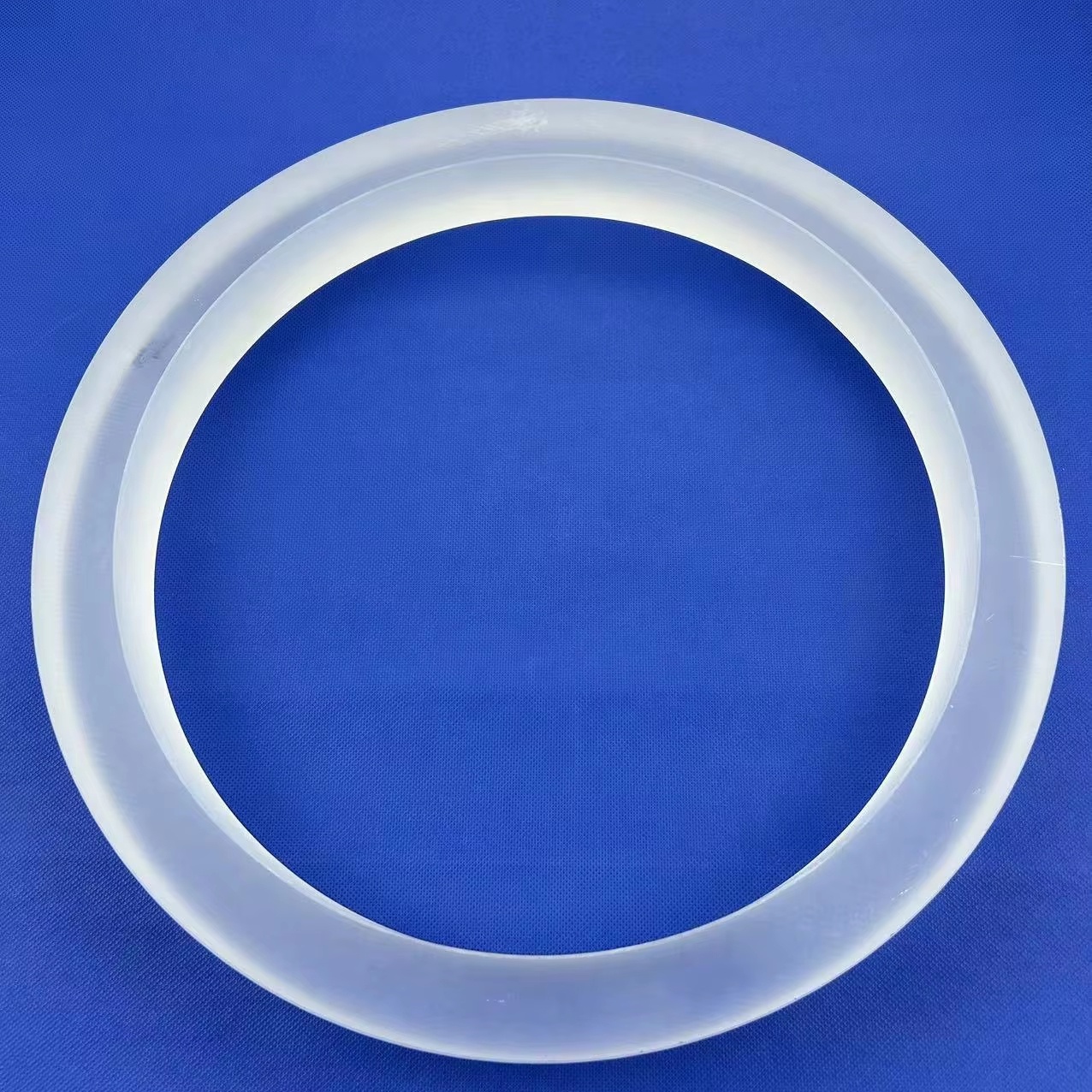
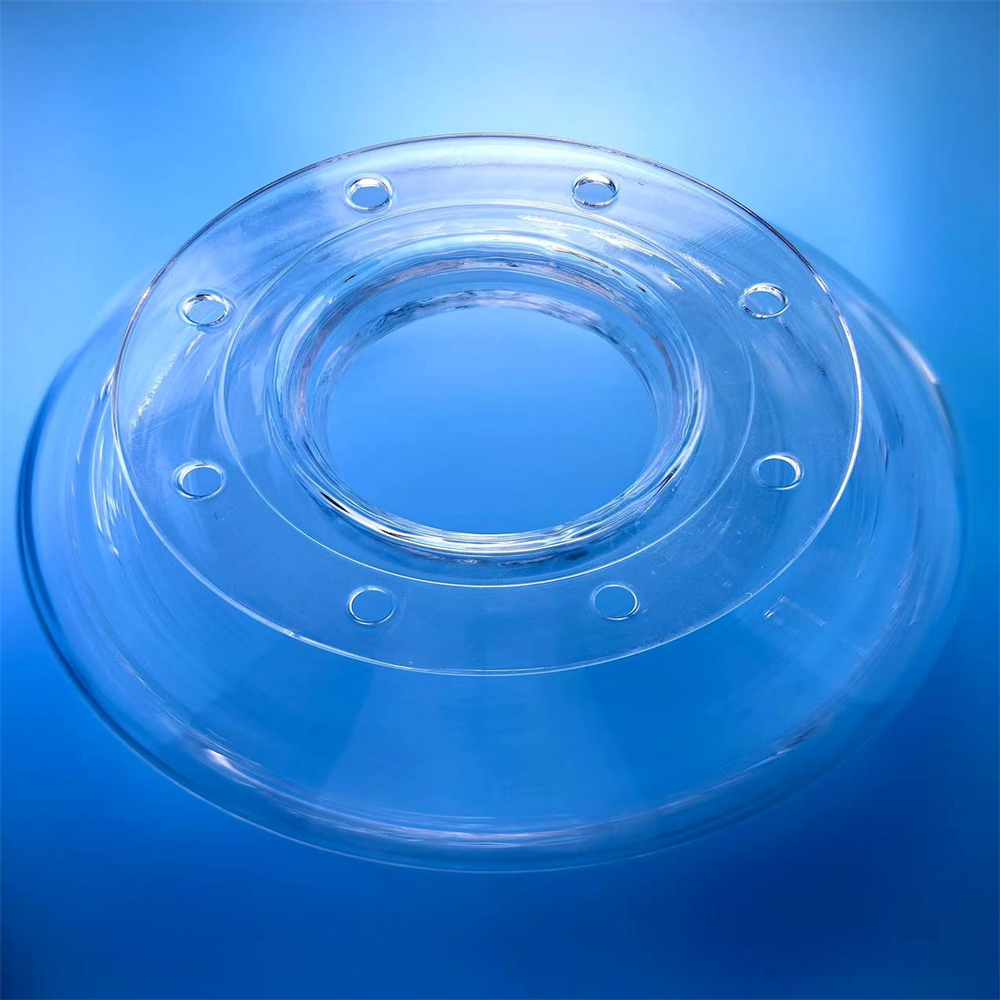
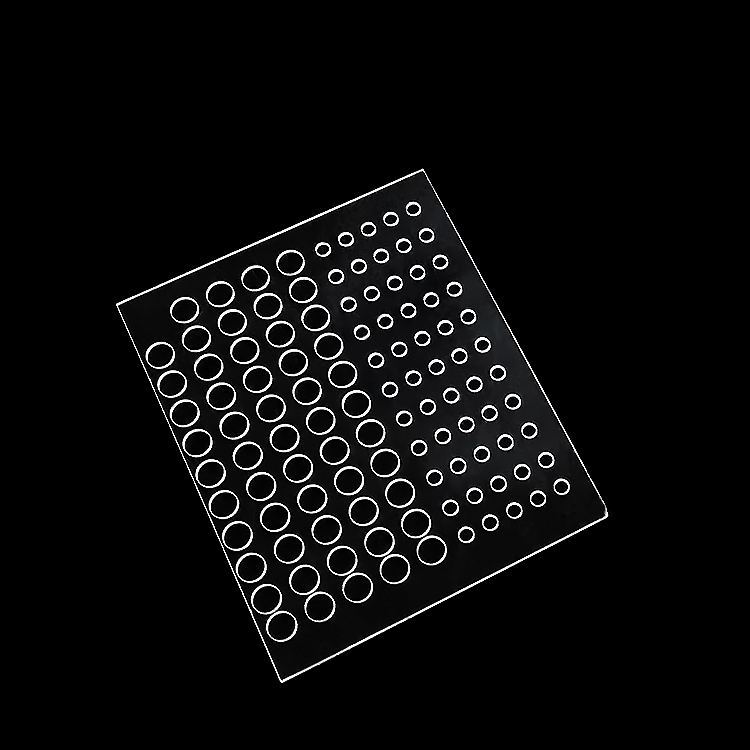
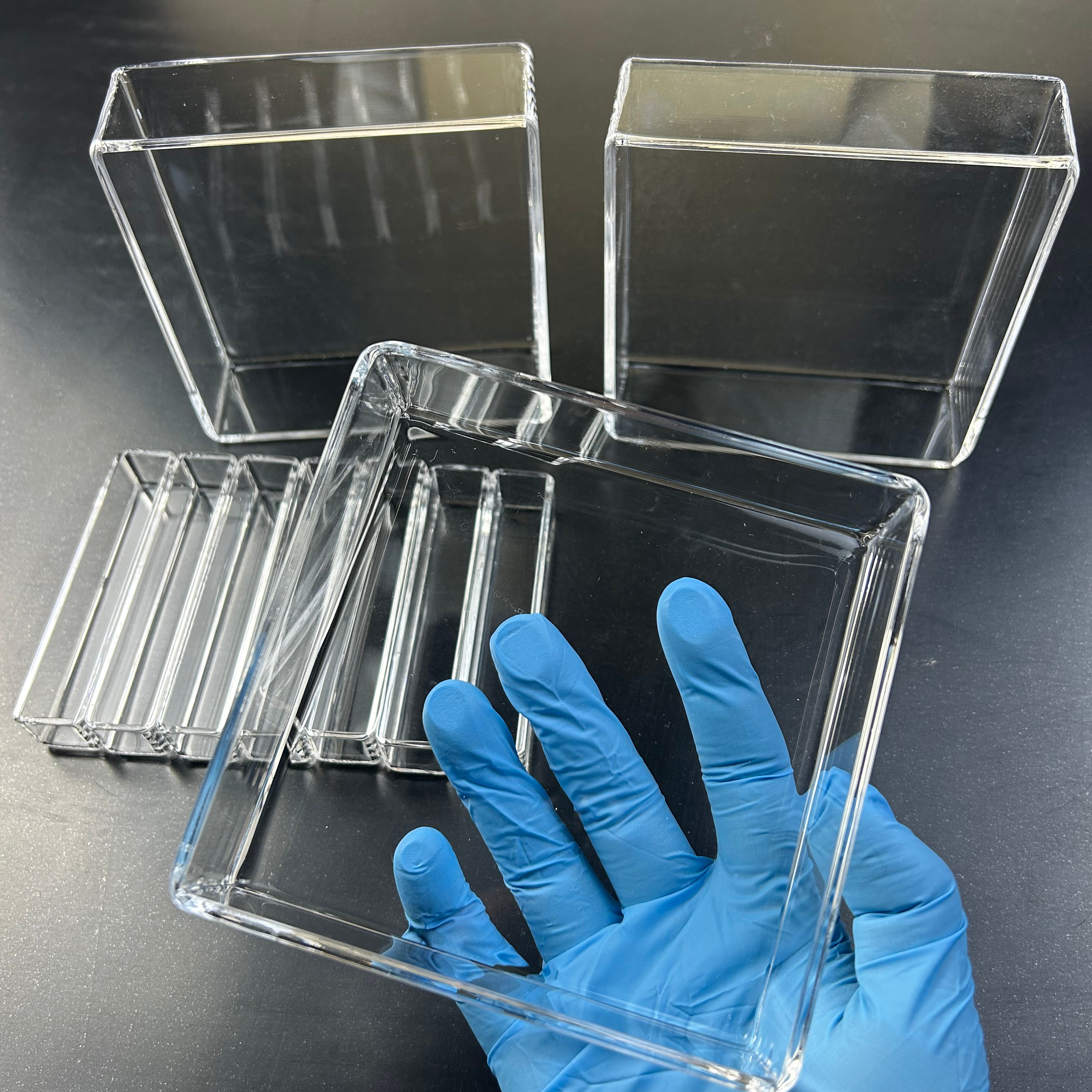
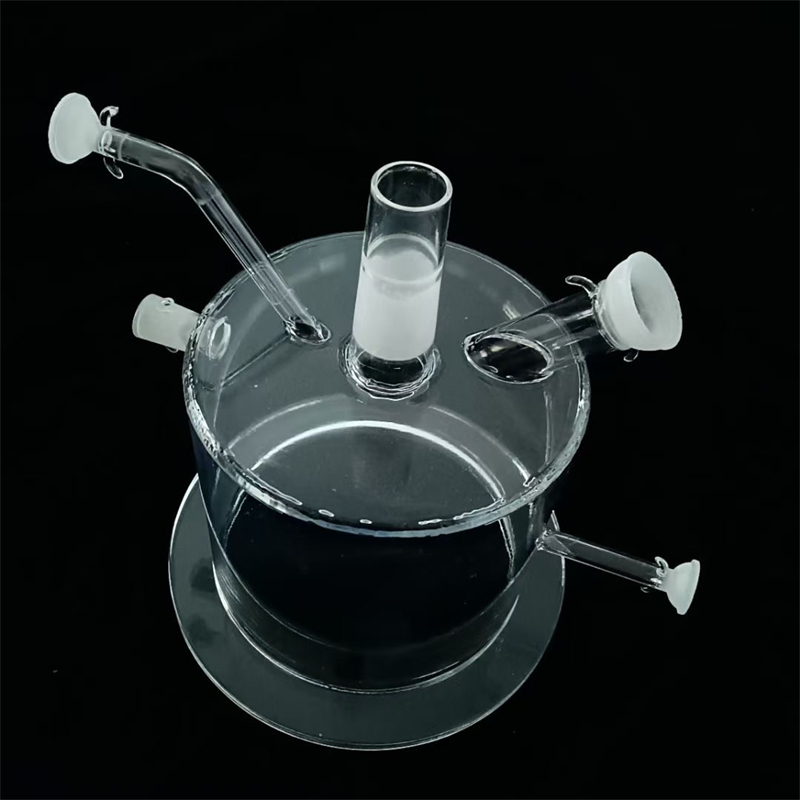
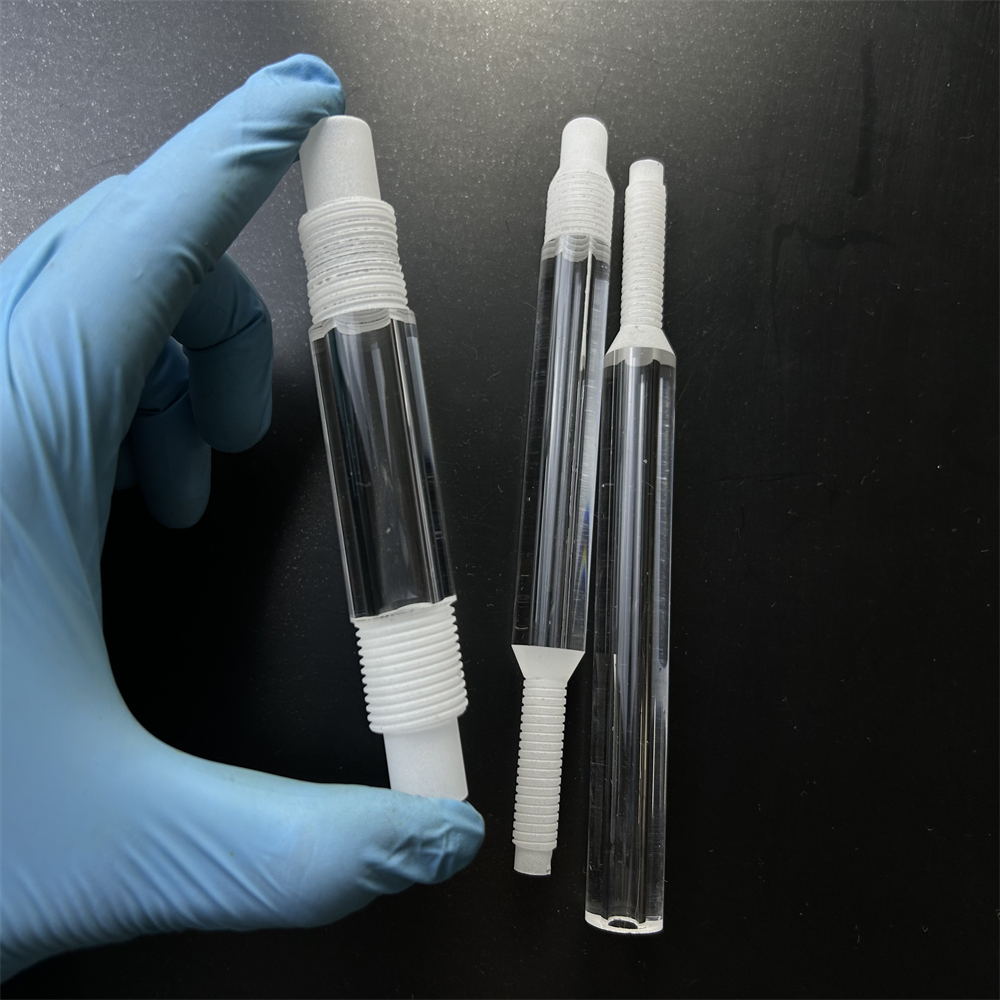
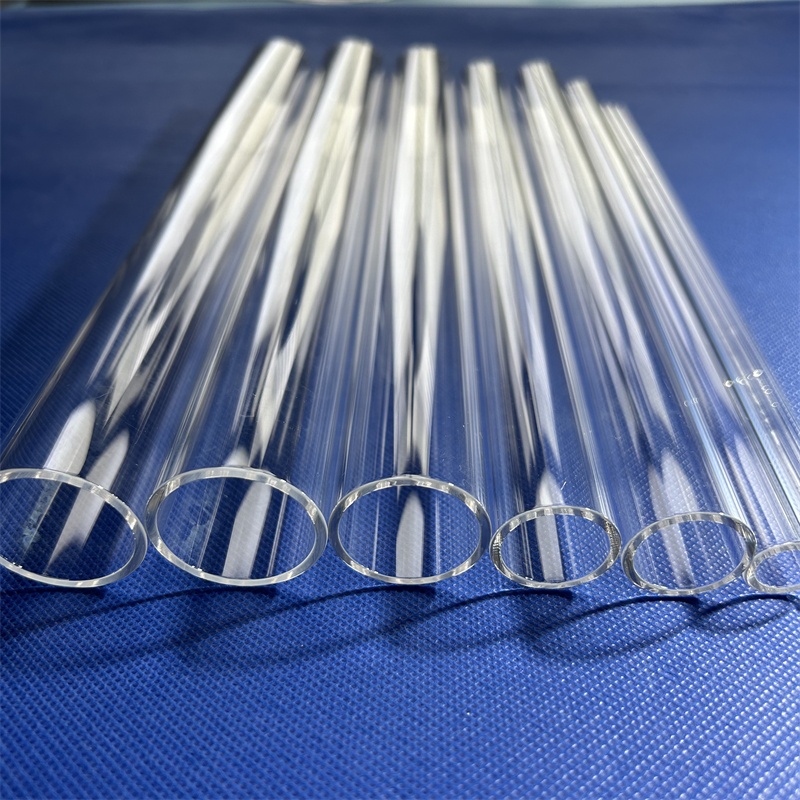
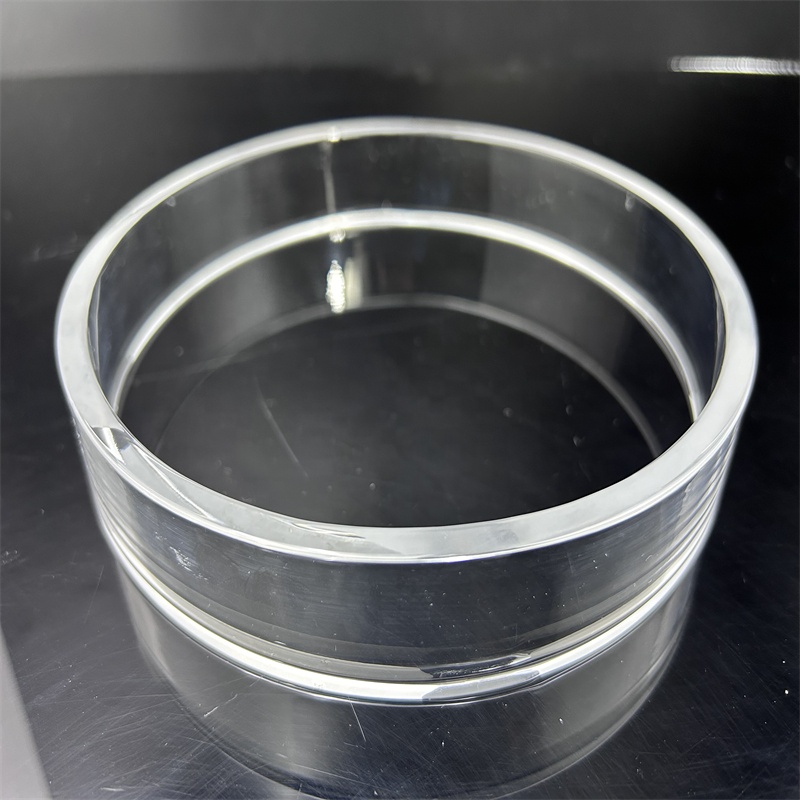
The Engineering Anatomy of Frosted Quartz Discs: Diffusive Mechanics and Thermodynamic Integrity
In high-reliability industrial operations, frosted quartz discs (also classified under high-purity micro-textured fused silica viewports) fulfill critical functions where direct specular transmission would induce localized thermal hotspots, optical sensor saturation, or blinding glare. Unlike standard soda-lime or borosilicate glasses, fused quartz is manufactured through the thermal consolidation of naturally occurring high-purity quartz crystal sand or synthetic silicon tetrachloride (SiCl₄), yielding an amorphous silicon dioxide (SiO₂) polymer network free of crystalline grain boundaries. When treated with calibrated surface frosting—conducted via precision micro-abrasive blasting (corundum or silicon carbide media) or controlled chemical etching with aqueous fluorosilicic regimens—the quartz surface transforms into a Lambertian light scattering interface. This micro-topography diffuses passing electromagnetic wavelengths across ultraviolet, visible, and near-infrared bands while completely retaining the underlying substrate's exceptional thermodynamic properties.
Thermal stability stands as the central differentiator for engineering teams in harsh geographical environments such as Iceland. Fused quartz exhibits an extraordinarily low linear coefficient of thermal expansion (CTE) of approximately 5.5 × 10⁻⁷ /°C over the span of 20°C to 1000°C. In practical terms, this enables a frosted quartz disc to undergo instantaneous quenching from 1100°C into ice-cold water without micro-fracturing, structural crazing, or loss of mechanical seals. For engineering applications near the Reykjanes tectonic volcanic zone and the geothermal reservoirs adjacent to Hafnarfjörður, this thermal shock resistance prevents catastrophic failures in pressurized containment vessels, high-enthalpy steam analytical ports, and aluminum electrolysis gas-scrubbing analyzers.
“The balance between diffusion efficiency and structural shear resistance in frosted quartz discs is determined by surface roughness (Ra) precision. Over-blasting introduces deep micro-notches that act as stress concentrators during high-pressure cycles. Our Donghai manufacturing process utilizes controlled multi-stage lapping and fire-polishing perimeter buffers, maintaining surface roughness tolerances between Ra 0.8 μm and 3.2 μm while preserving structural yield thresholds up to 50 MPa in flexural tension.”
From an optical viewpoint, optical frosted quartz discs supplied by Zunex Quartz Products Co., Ltd. are categorized according to synthetic and refined natural grades: JGS1 (Synthetic Deep-UV Grade, transmissive down to 185 nm without hydroxyl absorption bands), JGS2 (UV-Vis Grade, delivering cost-effective mechanical durability across 220 nm to 2500 nm), and JGS3 (Infrared Grade with ultra-low water content below 5 ppm, maximizing transmission throughout the 250 nm to 3500 nm spectral envelope). By matching the appropriate quartz substrate to the chemical and optical environment of southwestern Iceland's maritime-industrial matrix, engineers achieve superior measurement fidelity and prolonged operational lifespans.
| Property Characteristic | JGS1 Synthetic Fused Silica | JGS2 Optical Fused Quartz | JGS3 Low-OH Fused Quartz | Industrial Borosilicate 3.3 |
|---|---|---|---|---|
| SiO₂ Purity Level | ≥ 99.999% | ≥ 99.98% | ≥ 99.99% | ~80.5% (with B₂O₃, Na₂O) |
| Thermal Shock Tolerance (ΔT) | 1150 °C to 20 °C quench | 1100 °C to 20 °C quench | 1100 °C to 20 °C quench | Maximum 280 °C quench |
| Linear CTE (20°C – 300°C) | 5.4 × 10⁻⁷ /°C | 5.5 × 10⁻⁷ /°C | 5.5 × 10⁻⁷ /°C | 33 × 10⁻⁷ /°C |
| Hydroxyl (OH⁻) Concentration | < 1200 ppm (variable) | < 150 ppm | ≤ 5 ppm (Zero IR peak at 2.73μm) | Non-applicable |
| Continuous Safe Operating Temp | 1150 °C | 1100 °C | 1100 °C | 450 °C – 500 °C |
| Acid Resistance (except HF/H₃PO₄) | Grade 1 Ultra-Inert | Grade 1 Ultra-Inert | Grade 1 Ultra-Inert | Attacked by hot alkaline/brine |
High-Purity Frosted Discs in Hafnarfjörður's Industrial Ecosystem
Hafnarfjörður occupies a critical junction in Iceland’s economy: serving as a vibrant maritime hub, a cornerstone of primary aluminum manufacturing at Straumsvík, an incubator for marine algae biotechnology, and a key base for geothermal technology deployment.
Geothermal Exploration & Steam Loop Sight Glasses
Supercritical steam extraction lines operating throughout the Reykjanes peninsula and the surrounding geothermal corridors encounter immense pressures and aggressive mineralized condensates (silica scaling, sulfur dioxide, and trace hydrogen sulfide). Frosted quartz discs act as robust sight glasses and thermal isolation barriers. The frosted micro-texture diffuses high-intensity auxiliary backlighting, preventing internal reflection flares and enabling plant operators to visually verify brine liquid-vapor levels without optical distortion.
Aluminum Smelting Metallurgy at Straumsvík
The Straumsvík aluminum smelter located immediately adjacent to Hafnarfjörður requires constant optical and pyrometric monitoring of hall-héroult reduction pots. Extreme electromagnetic fields, molten fluoride bath vapors (cryolite), and operating temperatures exceeding 950°C degrade ordinary observation optics. Frosted quartz discs serve as durable sacrificial shields and infrared diffusing windows for thermal scanners, preventing potline sensor blinding while withstanding toxic off-gas scrubbing environments.
Marine Algae Photobioreactors & Biotech
Hafnarfjörður's burgeoning blue-biotechnology sector leverages pristine marine water and geothermal energy to culture astaxanthin-rich microalgae. Homogeneous light distribution is essential to prevent localized photo-inhibition. High-transmission frosted quartz discs integrated into high-intensity LED photobioreactor columns scatter actinic growth wavelengths evenly through high-density cultures, optimizing cell yields while resisting salt incrustation and CIP ozone sterilization.
Volcanic Tephra & Mineral X-ray Analytics
Southwestern Iceland's dynamic volcanic systems demand constant geological sample monitoring. Regional laboratories in the capital-Hafnarfjörður sphere utilize frosted quartz disc sample holders for X-ray diffraction (XRD) and infrared spectrophotometry. The high-purity SiO₂ substrate eliminates background parasitic fluorescence, while the matte, sandblasted surface ensures uniform specimen powder adhesion without binding adhesives.
Maritime UV Water Purifiers & Fish Processing
Ocean-going trawlers docking in Hafnarfjörður Harbour alongside local fish processing plants rely on ultraviolet germicidal disinfection reactors. Frosted quartz sleeves and diffusing discs eliminate ultraviolet shadows across ballast water and brine-flume systems, ensuring that ballast discharge and sanitary processing water completely comply with strict international maritime hygiene guidelines.
Strategic Sourcing Trends in Hafnarfjörður: Decarbonization, Precision Engineering, and Direct China Synergies
Procurement directors and senior mechanical engineers across Hafnarfjörður and the broader Suðurnes-Capital region are actively transitioning from indirect European distributors to direct-from-factory partnerships with verified Chinese manufacturers. Historically, Icelandic facilities relied on tiered European supply houses for specialty silica glass, resulting in 40% to 60% markups, protracted communication loops, and 12-to-16-week delivery cycles. As Iceland accelerates its national decarbonization agenda—expanding green hydrogen demonstration hubs, geothermal power expansions, and carbon-capture pilot installations—demand for highly customized quartz hardware has outgrown standard off-the-shelf distributor inventories.
Key localized sourcing trends currently driving the Hafnarfjörður marketplace include:
- Direct Customization to Engineering Drawings (CAD/STEP): Icelandic technical teams increasingly bypass catalogue dimensions in favor of application-tailored viewport diameters, step-beveled disc edges, counterbored mounting holes, and targeted one-side frosted treatments designed to mate seamlessly with DIN and ANSI flange assemblies.
- Laser Micromachining & Flawless Edge Finishing: Rapid temperature cycling in sub-arctic coastal environments can induce catastrophic edge-crack propagation in poorly cut quartz discs. Modern RFQs from Hafnarfjörður specify precision laser-cut quartz with C-ground or flame-polished edges that eliminate micro-fissures and yield flawless elastomeric or metal-jacketed gasket seals.
- Rapid-Air & Direct Sea-Freight Flexibility: While maritime container shipping through Eimskip and Samskip remains the economic standard for scheduled batch replenishment into Hafnarfjörður Harbour, emergency maintenance schedules (e.g., geothermal plant outages or aluminum pot repairs) necessitate express air cargo landing at nearby Keflavík International Airport (KEF). Factory-direct suppliers capable of processing rapid 5-to-7 day custom fabrication runs are critical partners in minimizing industrial downtime.
Why Hafnarfjörður Industrialists Partner with Zunex Quartz
Combining the mineral heritage of Donghai County—the crystal capital of China—with world-class CNC cold machining, laser finishing, and direct international export verification.
Donghai Raw Material Heritage
Situated in China's quartz capital, Zunex controls high-purity natural silica sand access, yielding consistent SiO₂ concentrations exceeding 99.99% with trace metal contamination under 15 ppm.
Guaranteed ≤ 2-Hour Response
Verified on international trade registries with a 100% inquiry response rate. Engineering reviews for CAD drawings and material feasibility are returned within two hours, respecting Icelandic business timelines.
43% Verified Repeat Order Rate
Our long-term delivery track record across Western Europe and Scandinavia reflects uncompromised dimensional consistency, precise surface microroughness, and defect-free optical quality.
Advanced Quartz Laser Finishing
Equipped with specialized high-energy CO₂ laser cutting and CNC diamond core drilling machines, we execute ultra-clean micro-grooving, slotting, and drilling down to 0.3mm without thermal micro-cracking.
Sub-Zero Drop-Proof Crating
Fragile quartz viewports and frosted discs are packaged in multi-layered vacuum polyethylene, vibration-dampening high-density EPE foam, and fumigated reinforced wooden cases to endure North Atlantic transit.
Engineering & Procurement FAQ for Hafnarfjörður Buyers
Clear, direct answers regarding custom tolerances, chemical resilience, shipping routes to Iceland, and technical compliance.
Can Zunex manufacture frosted quartz discs strictly according to our Icelandic plant drawings?
What is the difference between single-side frosted and double-side frosted quartz discs?
How do frosted quartz discs withstand geothermal steam containing hydrogen sulfide (H₂S) and hydrofluoric acid (HF)?
What are the typical shipping routes, transit times, and incoterms available for deliveries into Hafnarfjörður?
How do you ensure zero mechanical breakage or edge chipping during North Atlantic transit?
Which quartz grade (JGS1, JGS2, or JGS3) is best suited for visual viewports versus thermal sensor diffusers?
Request an Engineering Quotation for Hafnarfjörður Delivery
Upload your CAD file, technical drawing, or project bill of materials. Our factory engineering team in Donghai will analyze your thermal, optical, and dimensional tolerances and deliver a competitive factory-direct quote with guaranteed ≤ 2-hour response.