High-Purity Laboratory Quartzware Solutions
Manufactured from ultra-pure Donghai quartz sand (≥ 99.99% SiO₂), laser-cut, flame-polished, and custom-fabricated to tight dimensional tolerances.
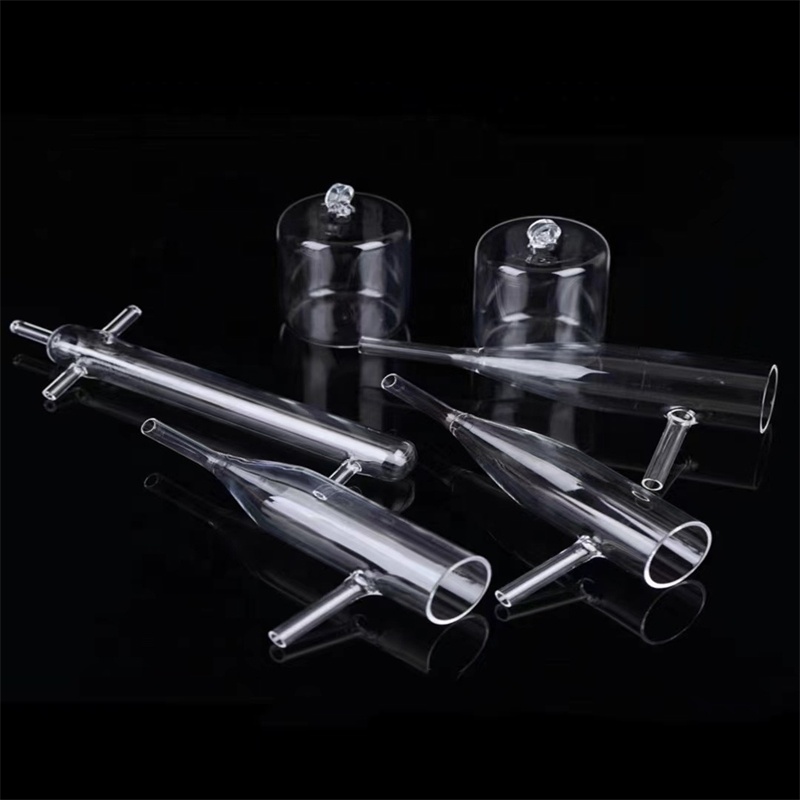 99.99% Pure SiO₂
Custom Clear High Temperature Twin Quartz Tube
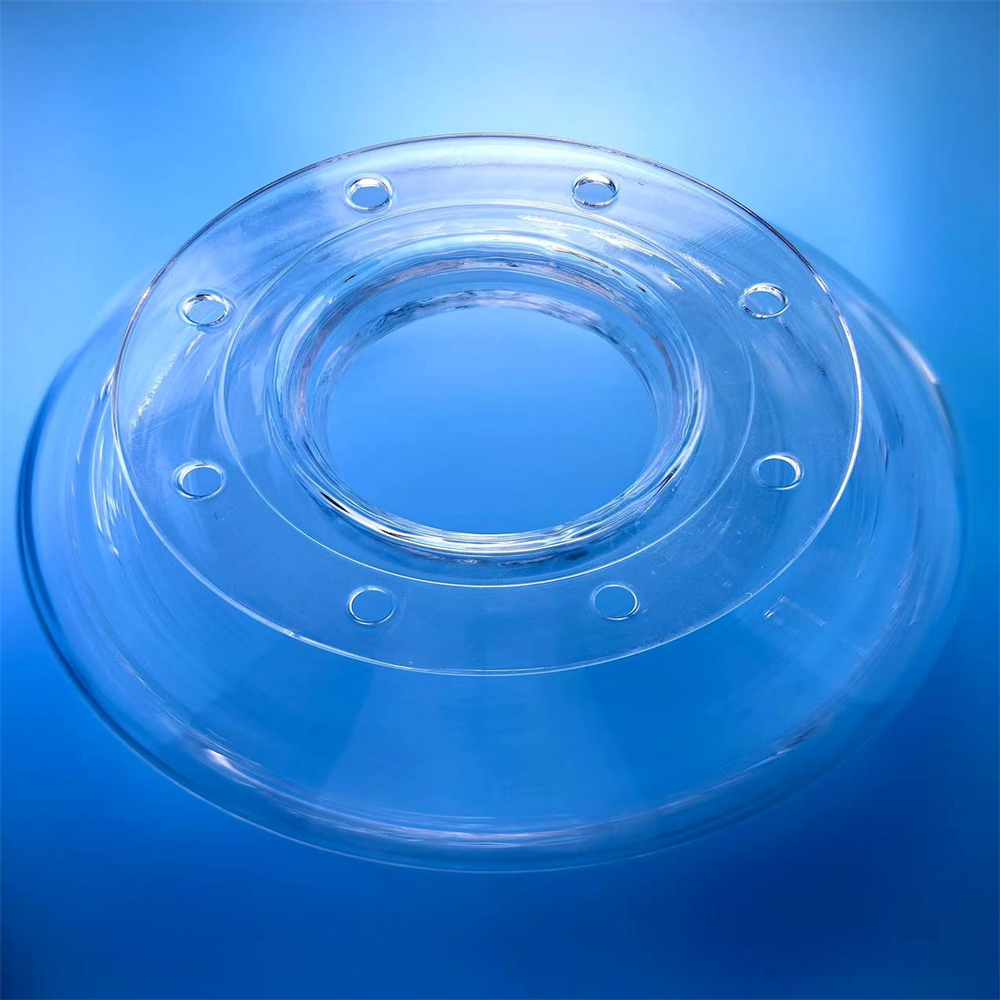 Flange Sealed
High Purity Fused Silica Flange Quartz Tube
 Optical JGS1
Precision Optical Grade Quartz Glass Sheet
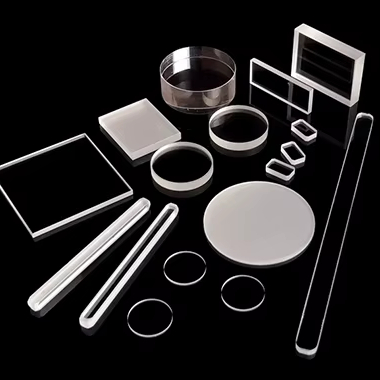 Test Sample Grade
Fused Transparent Quartz Sample Sheet
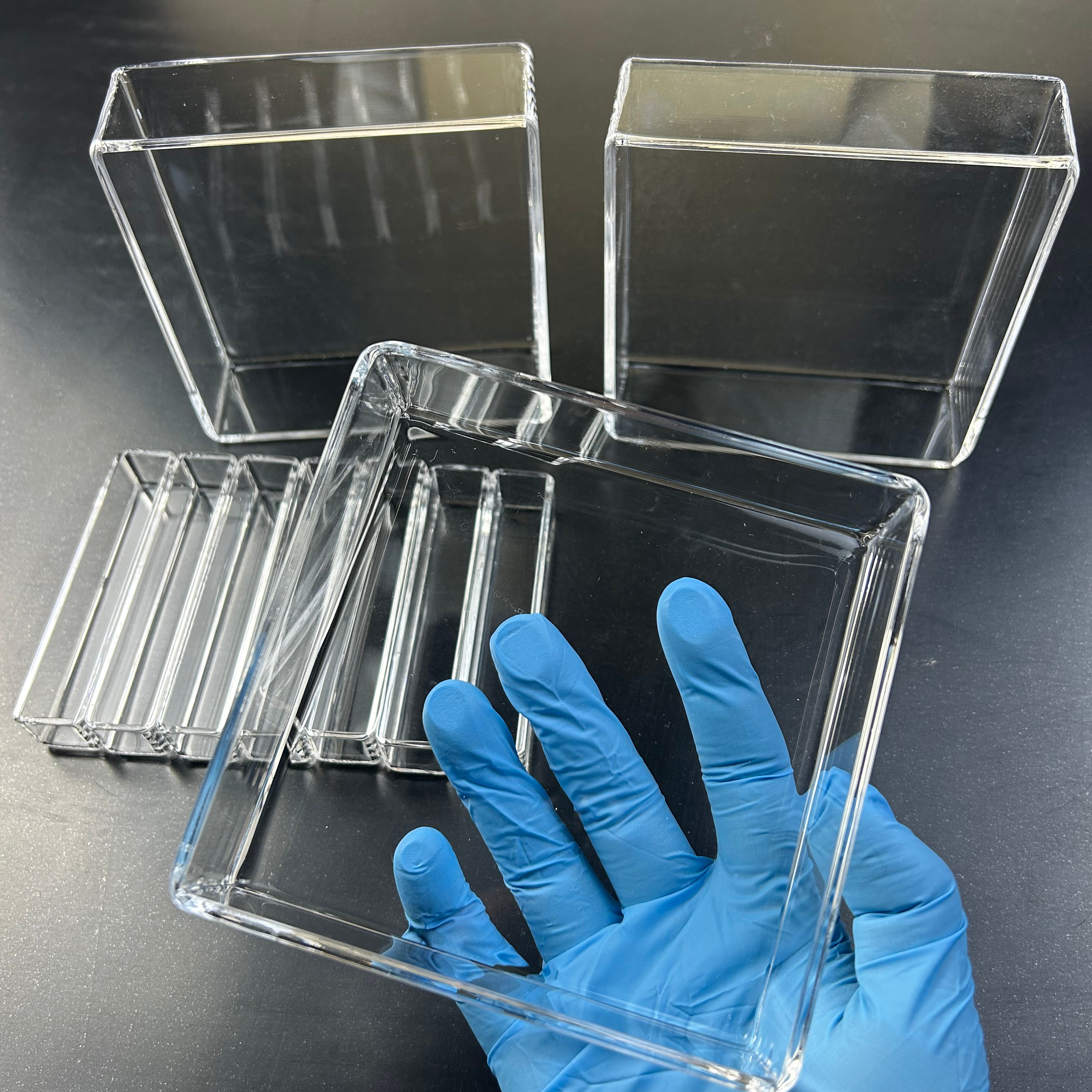 Thermal ≤ 1300°C
Cylindrical Fused Quartz Crucible & Beaker Tank
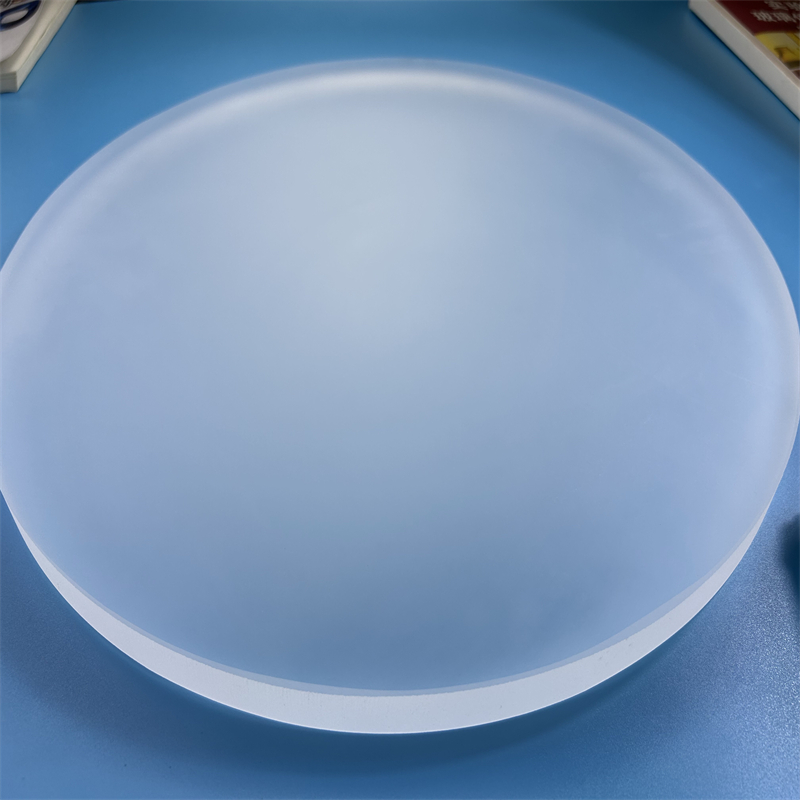 Frosted / Diffusion
High Temperature Frosted Quartz Disc Plate
 1100°C Continuous
Premium Quality Clear Fused Quartz Plate
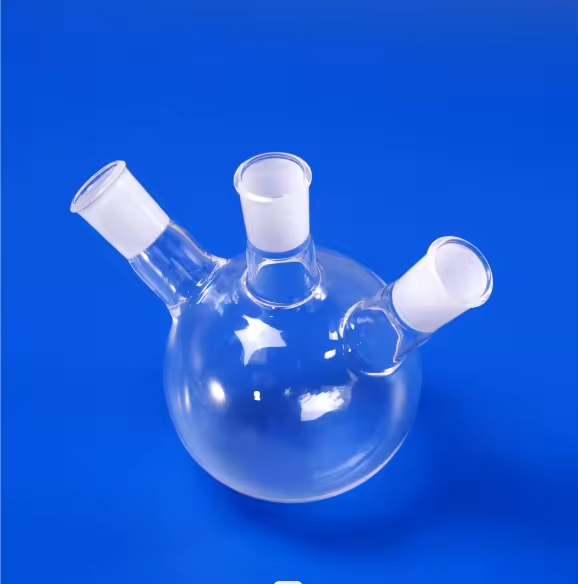 Reaction Vessel
Transparent Quartz Twin-Tube Boiling Flask
100%
Inquiry Response Rate
≤ 2 Hours
Technical Feedback Window
43%
Verified Repeat Order Rate
$2.5M - $5M
Annual Export Turnover
Whitepaper: Engineering Superiority of Fused Quartz Beakers in Harsh Coastal Testing
Laboratory operations within coastal marine and tropical resort infrastructures—specifically across Phuket, Thailand—face unique environmental and operational hurdles. High relative humidity, persistent airborne saline aerosols, aggressive chemical digestions for trace contaminant spectrometry, and extreme thermal cycling render standard Borosilicate 3.3 laboratory glassware prone to early clouding, devitrification, and thermal shock ruptures.
Fused silica quartz beakers manufactured by Zunex Quartz Products Co., Ltd. in Donghai County, China, are created by refining high-purity crystalline quartz sand into amorphous, non-crystalline silicon dioxide (≥ 99.99% SiO₂). The resulting material demonstrates an extraordinarily low coefficient of thermal expansion (5.5 × 10⁻⁷ /°C)—nearly one-tenth that of borosilicate glass. This allows laboratory technicians in Phuket to subject quartz beakers to immediate thermal fluctuations exceeding 1000°C, such as transferring a beaker containing hot concentrated aqua regia or hydrofluoric-free digestates directly onto a cooled marble lab surface or chilled ice bath without structural shattering.
Critical Analytical Advantage for Trace Element Analysis: Standard laboratory glassware continuously leaches trace amounts of Boron (B), Sodium (Na), Calcium (Ca), and Aluminum (Al) into acidic test matrices. For inductively coupled plasma mass spectrometry (ICP-MS) and heavy-metal marine monitoring performed around Phuket's coastal reefs, Zunex JGS2-grade fused quartz beakers prevent background blank contamination, ensuring analytical limits of detection down to parts-per-trillion (ppt) levels.
Physical & Chemical Comparative Benchmark
To assist laboratory procurement managers, research scientists, and academic directors at institutions across Southern Thailand, the table below provides a quantified engineering comparison between commercial Borosilicate glassware and Zunex High-Purity Fused Quartz Beakers:
| Material Parameter | Standard Borosilicate 3.3 | Zunex Fused Quartz Beaker | Operational Significance for Phuket Labs |
|---|---|---|---|
| Silica Purity (SiO₂) | ~80.5% | ≥ 99.99% (Optical grades ≥ 99.999%) | Eliminates analyte cross-contamination in heavy metal testing |
| Continuous Working Temp | 450 °C | 1100 °C | Enables open-flame evaporation, ash analysis & pyrolysis |
| Maximum Short-Term Temp | 500 °C | 1300 °C – 1350 °C | Withstands crucible burnout and direct burner contact |
| Thermal Expansion (CTE) | 33 × 10⁻⁷ /°C | 5.5 × 10⁻⁷ /°C | Immunity to rapid tropical cooling thermal shock ruptures |
| Softening Point | 820 °C | 1683 °C | Retains structural geometry at red-heat crucible temperatures |
| UV-Visible Spectral Cutoff | ~310 nm | 185 nm – 220 nm (Grade Dependent) | Supports direct photochemical digestion and UV irradiation |
| Acid Resistance (except HF) | High (Surface micro-etching) | Near-total inertness to boiling HCl, HNO₃, H₂SO₄ | Zero mass-loss during prolonged coastal sediment extractions |
Quartzware Application Ecosystem in Phuket & Southern Thailand
From prestigious marine conservation research to luxury hospitality reverse-osmosis wastewater analysis, discover how our quartz beakers satisfy stringent Andaman Sea testing protocols.
Marine Biology & Oceanography
Phuket serves as Thailand's oceanic research gateway. Marine laboratories regularly conduct acid-digested microplastic extraction, coral reef mineralization calcification studies, and sediment toxic metal assessments where quartz beakers prevent boron and alkali silicate leaching.
Desalination & Brine Recovery Testing
Due to island geography, major luxury resorts, water utilities, and industrial developments rely on seawater reverse osmosis (SWRO). Evaporative salt crystallization, high-salinity titration, and scaling evaluations require high-temperature vessels impervious to hot chloride corrosion.
Gemological & Mineral Analysis
Southern Thailand's proximity to regional gem trading corridors calls for rigorous spectroscopic sample preparation and flux melting tests. Our quartz beakers, crucibles, and optical flats provide the required thermal stability for precision gem identification reagents.
Phuket University Research Facilities
Academic laboratories at institutions like Prince of Songkla University (Phuket Campus) and regional technical colleges require reliable labware for materials synthesis, photocatalytic experiments, and photochemical oxidation needing deep UV transmission.
Environmental Regulatory Compliance
Strict ecological oversight on Patong, Karon, and Rawai wastewater plants mandates recurring chemical oxygen demand (COD) tests, organic carbon digestions, and thermal sulfur volatilizations using ultra-pure quartz reaction beakers.
Photovoltaic & Clean Energy Projects
Phuket's shift toward smart green microgrids and solar testing requires precision quartz holders, furnace tubes, and sample beakers for thin-film photovoltaic research and wet-chemistry semiconductor etching tests.
Phuket Market Dynamics: Trends Shaping Laboratory Glassware Procurement
As Phuket expands its economic identity under Thailand's Eastern Economic Corridor and Southern Economic Corridor initiatives, laboratory infrastructure across the island is undergoing transformative shifts that directly influence how laboratory quartzware is sourced and utilized:
1. Expansion of Blue Economy & Coastal Marine Monitoring
Thailand's Department of Marine and Coastal Resources (DMCR) has accelerated initiatives to monitor microplastics, coral bleaching thresholds, and mariculture wastewater along the Andaman seaboard. Traditional lab beakers are systematically being replaced with high-purity quartz beakers due to their absolute non-reactivity with hot nitric acid-hydrogen peroxide digestion reagents commonly employed in organic tissue decomposition.
2. Transition to Direct Factory Import Models
Historically, lab procurement officers in Phuket relied on regional trading intermediaries in Bangkok, incurring high markups of 40% to 75% and waiting weeks for back-ordered European quartzware. Direct procurement from Chinese manufacturing epicenters like Donghai County, facilitated by China-ASEAN Free Trade Agreement (ACFTA) Form E zero-duty tariffs, allows Phuket laboratories to obtain custom-dimensioned fused silica ware at genuine manufacturer pricing with factory-certified mill test reports.
3. Stringent Island Environmental & Eco-Tourism Standards
Phuket's hospitality sector, encompassing over 600 certified luxury resort properties, is under strict municipal mandates regarding biological effluent and reverse osmosis brine discharges. Hotel engineering analytical facilities are actively outfitting internal test benches with specialized quartz digestion beakers and high-temperature tubes for continuous wet chemical monitoring, preventing heavy municipal fines.
Why Source From Zunex Quartz Products Co., Ltd. (Donghai, China)
Located in the world-acknowledged "Crystal Capital" of Donghai County, Jiangsu, we leverage deep regional raw silica deposits, vertically integrated hot-forming lines, and state-of-the-art laser finishing facilities.
Certified Raw Material Purity
Our beakers and tubes are melted using natural quartz crystals yielding SiO₂ ≥ 99.99%. Heavy metals such as Fe, Cu, Ni, and Cr are held below 1 ppm, preventing sample contamination in critical trace analyses.
Laser Micro-Finishing & CNC Tolerances
Beyond traditional hand torchworking, we offer state-of-the-art CO₂ laser drilling, grooving, slicing, and precision CNC grinding, ensuring wall thickness uniformity (±0.05 mm) and spout perfection.
Zero-Breakage Export Crating
Quartzware shipped to Phuket undergoes custom high-density molded pearl foam encasement, multi-layer bubble damping, vacuum desiccant sealing, and reinforced fumigated export plywood crating.
Direct OEM Customization to Drawing
Whether you require standard Griffin low-form beakers (50ml to 5000ml), tall-form Berzelius styles, jacketed reaction vessels, or custom spouts with GL45 threads, our engineers fabricate directly from CAD or sketch files.
Rapid Turnaround & Response
With an Alibaba-verified 100% inquiry response rate and average response times under 2 hours, our technical team provides rapid manufacturability feedback, quotation sheets, and expedited 7-day prototyping.
Streamlined Logistics to Thailand
We provide full documentation for Thailand Customs clearance—including Form E (zero import duty under ACFTA), Commercial Invoices, Packing Lists, and Certificates of Analysis (COA) directly to Phuket Port or HKT Airport.
Quartz Glass Selection: JGS1 vs. JGS2 vs. JGS3 for Laboratory Applications
Selecting the optimal quartz material grade depends on whether your Phuket laboratory prioritizes ultraviolet transmittance, infrared spectroscopy, or cost-effective high-temperature mechanical durability:
JGS1 – Synthetic Deep UV Fused Silica
Synthesized from high-purity SiCl₄ with no crystalline bubble inclusions. Transmits light seamlessly from 185 nm to 2500 nm. The gold standard for photochemical reactors, UV spectrophotometer cuvettes, and excimer laser research. Virtually zero fluorescence under ultraviolet exposure.
JGS2 – UV-Visible Fused Quartz
Felted from high-grade natural Donghai crystal sand, offering an operational optical band from 220 nm to 2500 nm. Demonstrates top mechanical durability, thermal shock resistance up to 1300°C, and superior chemical inertness. The standard, cost-effective material specified for laboratory beakers, flasks, and crucibles.
JGS3 – Infrared Grade Fused Quartz
Produced using electric vacuum melting techniques to minimize the hydroxyl (-OH) absorption band at 2730 nm. Transmits from 260 nm to 3500 nm into the mid-infrared band. Recommended for thermal imaging observation windows, infrared digestion heaters, and pyrolysis tube furnaces.
For standard analytical chemistry, dissolution testing, and marine acid digests conducted across Phuket, JGS2 Fused Quartz delivers the optimum balance of thermal tolerance, mechanical toughness, and economical cost.
Phuket Laboratory Buyers: Frequently Asked Questions
Clear, direct answers regarding custom drawings, export shipping routes to Southern Thailand, tariffs, and safe packaging.
What is the typical shipping lead time from your Donghai factory to Phuket?
For standard beakers and catalog products, orders are dispatched within 3 to 5 business days. Express air courier (DHL, FedEx, UPS) directly to Phuket International Airport (HKT) or your lab address takes approximately 3 to 5 business days. For bulk palletized shipments, maritime freight via Shanghai or Lianyungang port to Bangkok/Laem Chabang with bonded truck transfer to Phuket takes 12 to 16 calendar days.
Can our Phuket facility claim zero import duty on Chinese quartz laboratory glassware?
Yes. Under the China-ASEAN Free Trade Agreement (ACFTA), laboratory quartzware (HS Code: 7017.10) imported into Thailand is eligible for 0% preferential customs tariffs when accompanied by an official Form E Certificate of Origin issued by Chinese Customs. Zunex provides complete Form E documentation with every export shipment.
How do you protect fragile quartz beakers and tubes from breaking during transit?
We implement a proven multi-tier defensive packing architecture: each beaker is encased in tailored shock-absorbing high-density polyethylene/pearl foam, individually nested in heavy corrugated boxes, and then packed in reinforced, steel-strapped export plywood crates. Our transit damage rate over the past five years is below 0.2%, and we provide full, immediate free replacement for any item damaged during shipping.
Can you produce laboratory beakers with graduations and custom spout dimensions?
Absolutely. We offer ceramic silk-screened graduations fired at high temperatures that resist acid washing, or permanent laser-etched graduation marks. Custom pouring spouts, reinforced heavy-duty rims, flat bottoms for magnetic stirrers, and specific diameter-to-height ratios can be manufactured to your exact CAD sketches or PDF specifications.
What is the minimum order quantity (MOQ) for custom quartz beakers?
Unlike massive commodity glassware producers that demand hundreds of units, we accommodate prototype and small-batch orders with an MOQ as low as 1 to 5 pieces for custom items, and single-unit ordering for standard stock dimensions. This facilitates manageable pilot runs for academic research and specialized environmental projects in Phuket.
How should quartz beakers be cleaned and maintained after marine acid digestion?
Quartz beakers can be cleaned in boiling concentrated nitric acid or aqua regia to strip organic and inorganic residues without damaging the silica surface. Never use hydrofluoric acid (HF) or hot concentrated phosphoric acid above 150°C, as they dissolve silica. To avoid devitrification over time, ensure beakers are free from alkaline ionic residues (like finger oils or concentrated KOH) prior to heating above 1000°C.
Request Engineering Pricing & Laboratory Catalog
Direct from Donghai's quartz manufacturing heartland to Phuket, Thailand. Submit your technical drawings or required capacities for an engineer-reviewed quotation within 2 hours.