

Precision Quartz Cells & Optical Ware: Strategic Engineering Guide for Belmopan Buyers
An authoritative analysis of optical transmission, thermal resilience, and procurement logistics between Donghai manufacturing corridors and Central American scientific facilities.
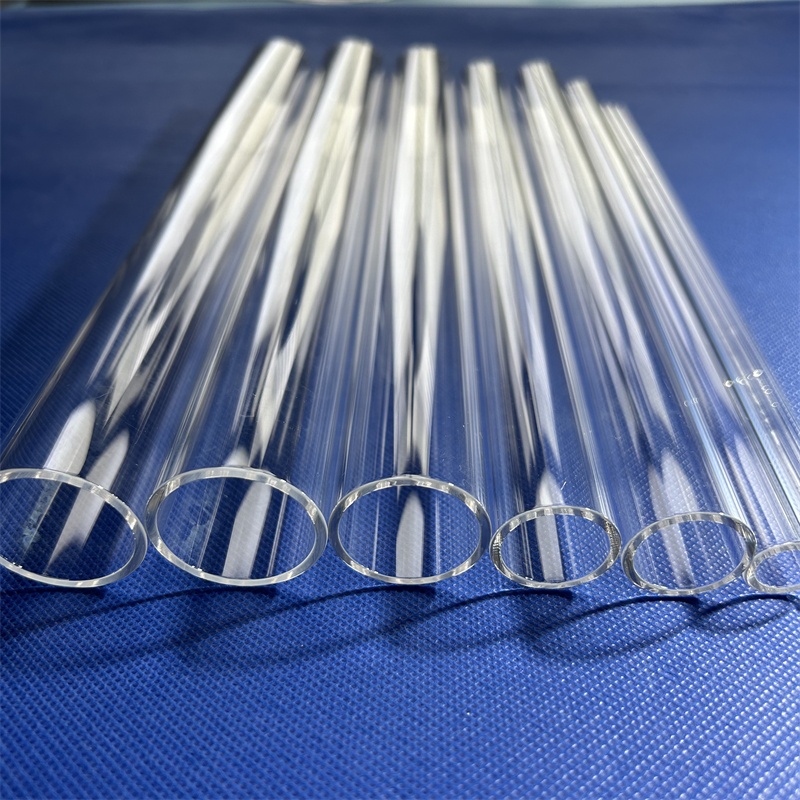
Precision quartz cells (spectrophotometer cuvettes, fluorometer cells, and flow-through reaction chambers) serve as the indispensable optical nexus in quantitative spectroscopic analytics. As Belmopan continues to solidify its role as the administrative and intellectual hub of Belize—housing national agricultural monitoring institutes, the University of Belize scientific departments, regulatory water quality agencies, and agro-industrial development complexes—procurement of reliable quartzware has shifted from catalog commoditization to precision-engineered OEM solutions.
Material Crystallography: Fused Silica vs. Natural Fused Quartz
Understanding the fundamental distinction between synthetic fused silica (such as JGS1) and natural fused quartz (JGS2 and JGS3) is essential for engineering procurement teams in Belmopan. Synthesized from gaseous silicon tetrachloride (SiClℤ) through flame hydrolysis, synthetic silica features negligible metallic impurities (< 0.1 ppm) and near-zero bubble inclusion rates. This produces exceptional transmission extending down into the deep ultraviolet spectrum (185 nm to 2500 nm), crucial for DNA/protein quantification and hazardous pesticide residue detection.
Conversely, fused quartz derived from ultra-pure natural quartz crystal sand (harvested and refined in Donghai County) provides robust high-temperature mechanical stamina, resisting thermal stress up to 1100°C continuous load and 1300°C intermittent cycles. Natural quartz serves optimally in high-temperature combustion analysis, BET gas sorption systems, tubular furnace reactors, and optical viewports where deep-UV solarization resistance is secondary to physical toughness.
| Optical Quartz Grade | Transmission Bandwidth | Hydroxyl (OH) Content | Primary Industrial Applications |
|---|---|---|---|
| JGS1 (Synthetic Silica) | 185 nm – 2500 nm (Deep UV) | Typically < 2000 ppm (UV Grade) | HPLC UV flow cells, spectrophotometry cuvettes, excimer laser windows |
| JGS2 (Optical Grade Quartz) | 220 nm – 2500 nm (UV-Vis) | Typically < 30 ppm | Boiler sight glasses, environmental water analysis, photochemical reactors |
| JGS3 (Infrared Fused Silica) | 260 nm – 3500 nm (IR-Extended) | < 5 ppm (Waterless) | Infrared absorption cells, pyrometry shields, gas-sensing chambers |
Localized Application Scenarios in Belmopan & Greater Belize
While Belmopan does not operate mega-scale semiconductor fabrication lines, its geographic mandate within the Mesoamerican biological corridor dictates high-precision requirements across specialized sectors:
1. Agro-Chemical Trace Detection & Soil Chemistry: Agricultural export bodies and regulatory laboratories centered in the Cayo District require high-temperature reaction twin tubes and corrosion-resistant quartz ampoules to execute Kjeldahl nitrogen assays, pesticide residue extraction, and gas chemisorption analysis on sugarcane, citrus, and cacao cash crops.
2. Marine Ecosystem & River Basin Water Monitoring: The Belize River system, converging adjacent to the capital, demands routine fluorometric evaluation. Low-autofluorescence JGS1 quartz cells are critical for tracking petroleum hydrocarbon traces and agricultural fertilizer runoff without background distortion from optical cell impurities.
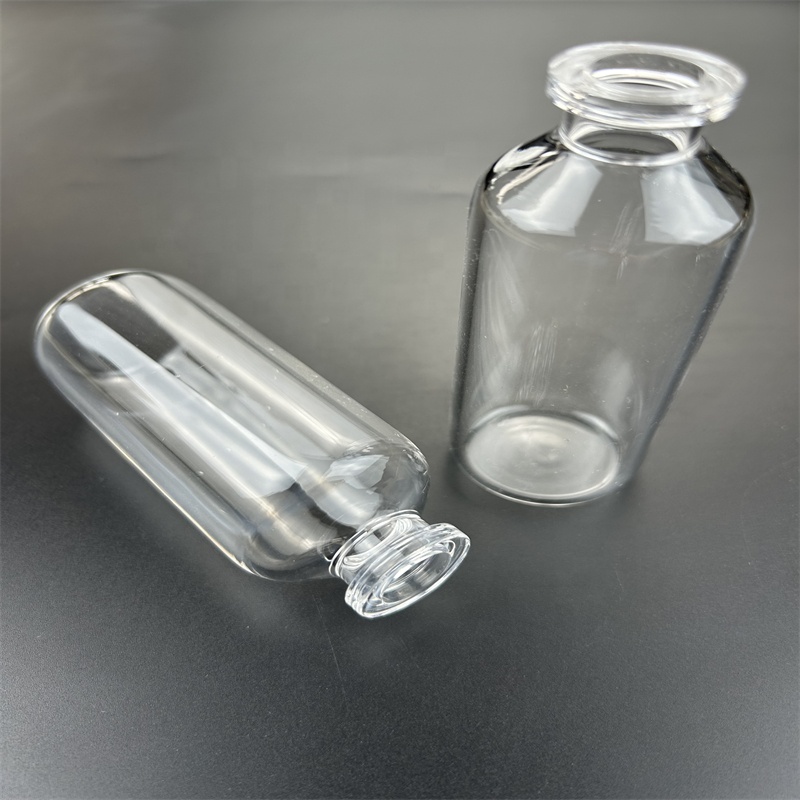
3. Biomedical Research & Clinical Diagnostics: The National Health Laboratory networks based in the administrative perimeter depend on certified medical-grade quartz ampoules, micro-cuvettes, and custom ozone-free reactor vessels capable of autoclaving cycles without surface devitrification or chemical leaching.
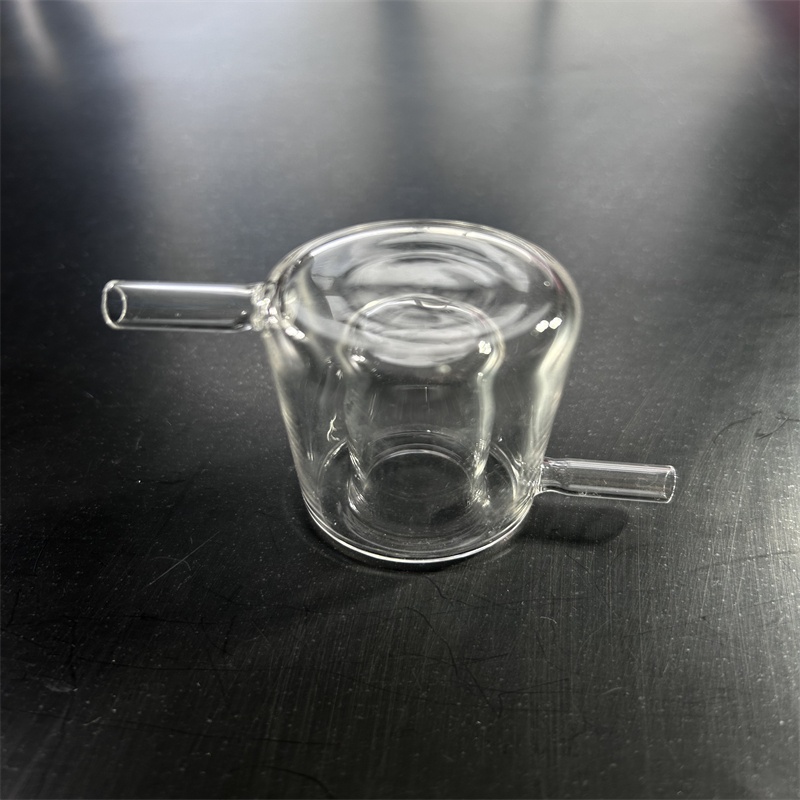
4. Sustainable Energy & Municipal UV Sterilization: Belmopan's clean infrastructure investments employ high-transmission transparent quartz sleeves and twin jackets inside industrial water purification systems, demanding high burst pressure ratings and flawless hot-formed seams.
Procurement Trends: Shift from Regional Resellers to Direct Chinese Manufacturers
Historically, research institutions and industrial operators in Belmopan procured laboratory glassware through multi-tier middlemen in North America or Central American distributors. This resulted in 200% to 400% import markups, months of replenishment latency, and prohibitive minimum order thresholds for customized cell dimensions.
In recent years, the digitization of industrial supply chains has motivated procurement directors in Belize to connect directly with specialized Chinese clusters—chiefly Donghai County in Jiangsu Province, which controls the vast majority of global quartz crystal refining. Partnering directly with Zunex Quartz Products Co., Ltd. provides Belmopan organizations access to direct drawing-to-part fabrication, strict optical tolerance controls (±0.05 mm), and tailored export packaging that eliminates in-transit breakage.