Precision Fused Quartz Glass Products for Choibalsan Industrial Plants
Manufactured from premium Donghai natural crystal and synthetic silica feedstock. Fully customizable to standard lab specifications or tailored to complex engineering drawings.
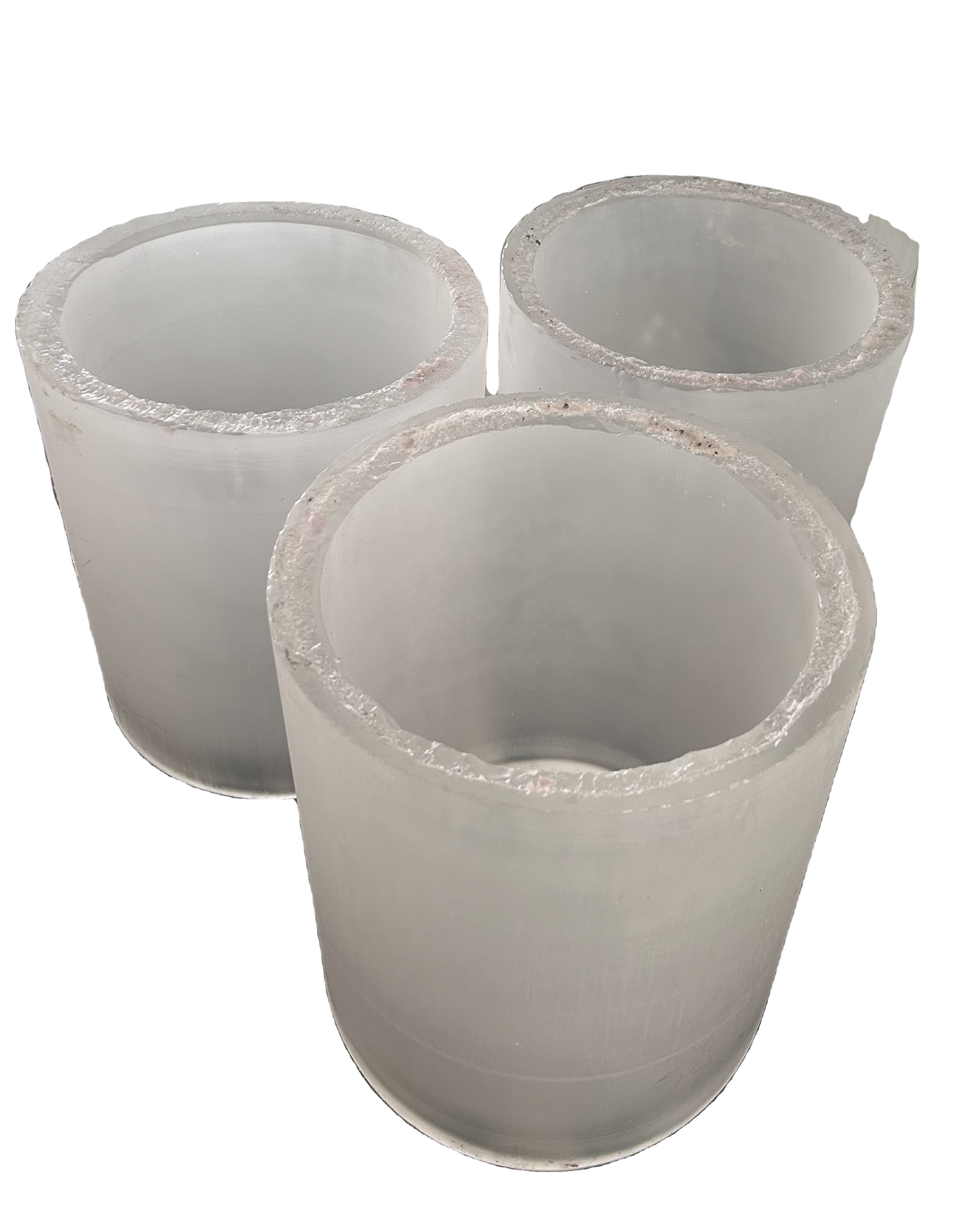
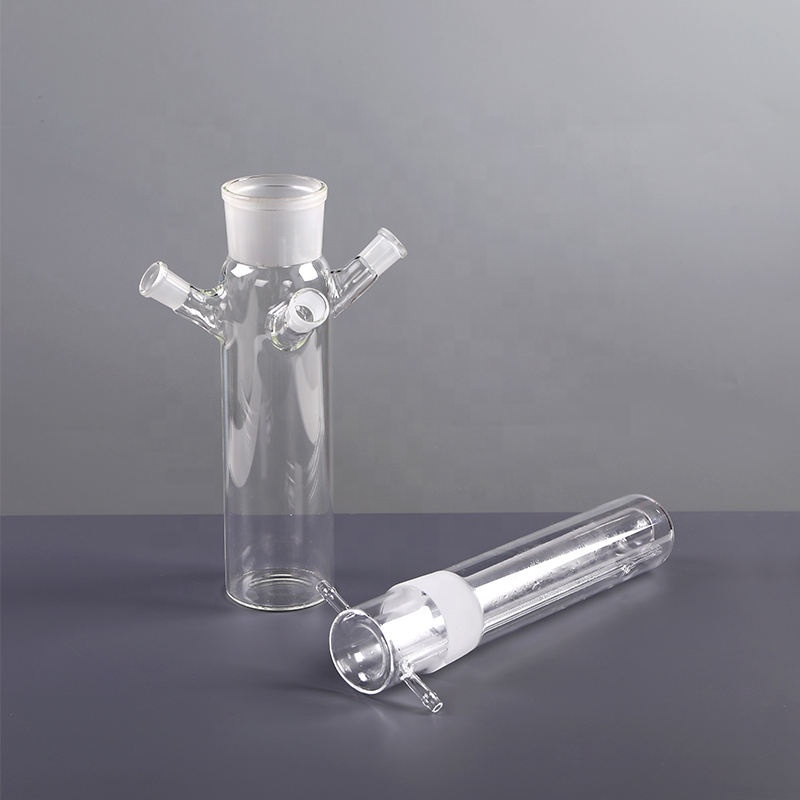

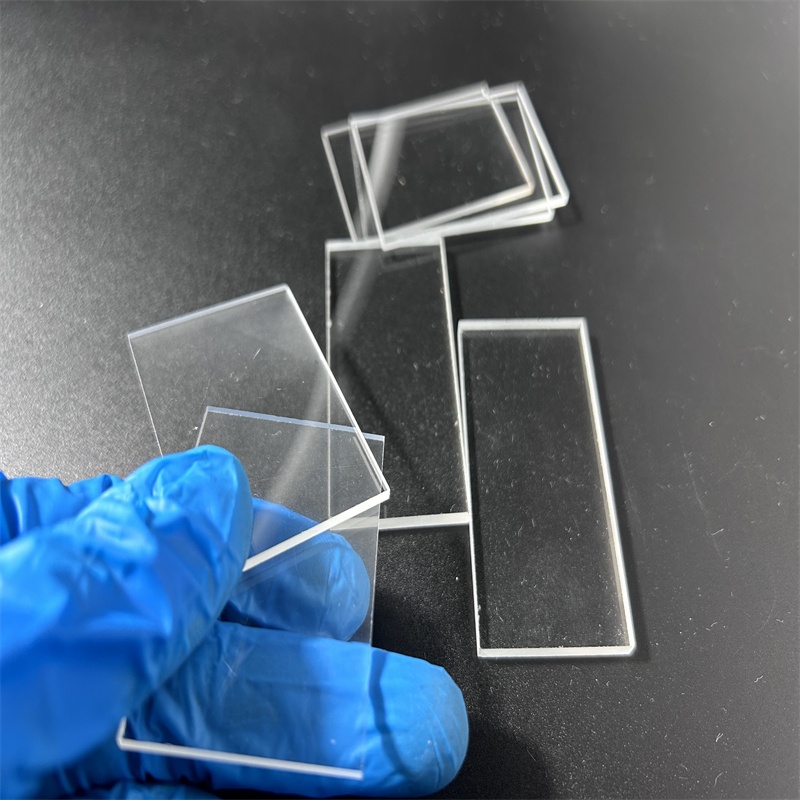
Thermodynamic Integrity of High-Purity Fused Quartz Crucibles in Continental Climates
Standard alumina or low-grade borosilicate vessels crack under intense thermal shock because their coefficient of thermal expansion (CTE) creates intolerable internal shear stress during instantaneous temperature spikes. In contrast, Zunex fused quartz crucibles are synthesized from silicon dioxide (SiO₂ ≥ 99.99%) with a microscopic three-dimensional amorphous tetrahedron network. This unique molecular architecture yields an extraordinarily low linear expansion coefficient of 5.5 × 10⁻⁷ /°C across the 20°C to 1000°C continuum.
When molten ore, metallurgical flux, or coal ash slag is introduced into our crucibles within high-frequency induction furnaces or tube furnaces, our crucibles resist thermal fracturing even when transferred directly from ambient sub-zero storage into glowing 1100°C muffle chambers. Furthermore, devitrification kinetics (the transition from amorphous silica to crystalline cristobalite) are systematically suppressed by keeping alkaline metal impurities (Na, K, Li) strictly below 1.5 parts per million (ppm). Trace sodium or potassium acts as a catalytic nucleation seed; by stripping these elements at our Donghai purification facility, Zunex guarantees prolonged crucible service life, minimal batch dissolution, and pristine analytic accuracy for Eastern Mongolian laboratories.
Comparative Thermomechanical & Chemical Benchmarks: Quartz Crucible Grades
| Performance Parameter | JGS1 (Synthetic Fused Silica) | JGS2 (Optical Fused Quartz) | JGS3 (IR Refractory Fused Quartz) | Alumina / Porcelain (Reference) |
|---|---|---|---|---|
| SiO₂ Purity Level | ≥ 99.999% (< 0.1 ppm trace metals) | ≥ 99.99% (< 2 ppm alkalis) | ≥ 99.98% (Low-OH grade) | ≤ 65% SiO₂ (Multi-phase matrix) |
| Coefficient of Thermal Expansion (CTE) | 5.4 × 10⁻⁷ /°C | 5.5 × 10⁻⁷ /°C | 5.5 × 10⁻⁷ /°C | 70.0 × 10⁻⁷ /°C (13× higher) |
| Continuous Max Operating Temp | 1150 °C | 1100 °C | 1100 °C | 1000–1350 °C (Prone to cracking) |
| Softening Point (Dilatometric) | 1730 °C | 1683 °C | 1680 °C | 1450–1600 °C |
| Acid Resistance (HCl, HNO₃, H₂SO₄) | Complete inertness (>99.9%) | Complete inertness (>99.8%) | Complete inertness (>99.8%) | Selective leaching over time |
| Choibalsan Use Case Alignment | Spectrometry & Trace Assays | Ash Fusion & Ore Digestion | Thermal Smelting & Heating | Low-accuracy bulk processing |
Localized Applications in the Choibalsan & Dornod Industrial Base
From the plains of Eastern Mongolia to the Kerulen River valley, high-performance fused quartz components provide the backbone for critical mining, energy, and metallurgical workflows.
Geochemical Ore Assaying & Fluorite Analysis
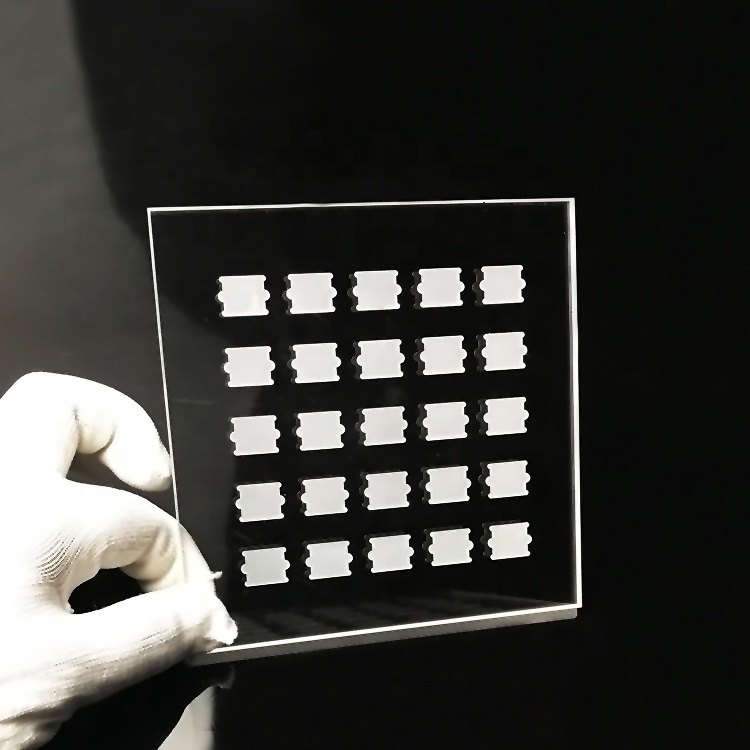
Dornod Province is mineralogically rich in fluorspar, polymetallic deposits, and uranium reserves. Quantitative mineral digestion requires digestion vessels that will not introduce stray silicon, sodium, or boron. Zunex quartz crucibles and XRD sample holders allow Dornod geology labs to conduct aggressive hydrofluoric acid evaporations and lithium borate fusions with total confidence in elemental baseline accuracy.
Choibalsan Thermal Power Station Coal Ash Fusion
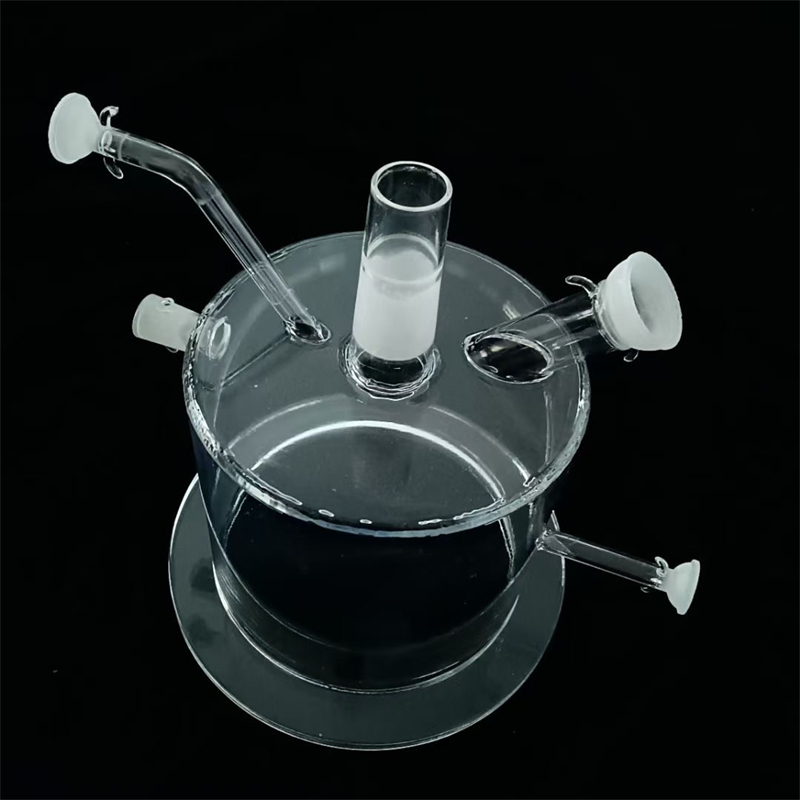
Thermal power generation in Choibalsan relies on lignite and bituminous coal extracted from regional basins. Measuring coal ash deformability, softening, and hemispherical fusion temperatures requires viewing tubes and ash crucibles that sustain 1100°C without devitrifying under sulfide- and silicate-rich ash atmospheres. Zunex transparent quartz tubes provide optical clarity for automated ash fusion analyzers.
Rare Earth & Non-Ferrous Pyrometallurgical Refining
Choibalsan serves as the industrial center for eastern resource corridors. Small-scale inductive smelting of precious concentrates and rare metals demands inert crucible liners that resist chemical slag interaction. Our pure fused quartz crucibles maintain smooth inner walls, preventing metal clingage, maximizing precious concentrate recovery, and eliminating refractory contamination.
Environmental & Hydrological Kerulen River Monitoring
Water discharge inspection and soil contaminant profiling around Dornod mining facilities necessitate rigorous trace-metal detection. Our synthetic JGS1 photocatalytic reactors and quartz test vessels are ozone-free and UV-transparent down to 185 nm, enabling state-of-the-art photochemical decomposition and atomic absorption spectroscopy (AAS) analysis.
Extreme Sub-Zero Logistics & Shock-Immune Stockpiling
Standard quartz imported via fragmented supply channels frequently arrives micro-fractured or breaks during rapid winter loading. Zunex equips Eastern Mongolian depots with specialized annealed fused silica quartz that resists thermal shock from freezing -40°C storage conditions directly to operational furnace preheats without fracturing.
Petroleum & Bitumen High-Heat Viscosity Testing
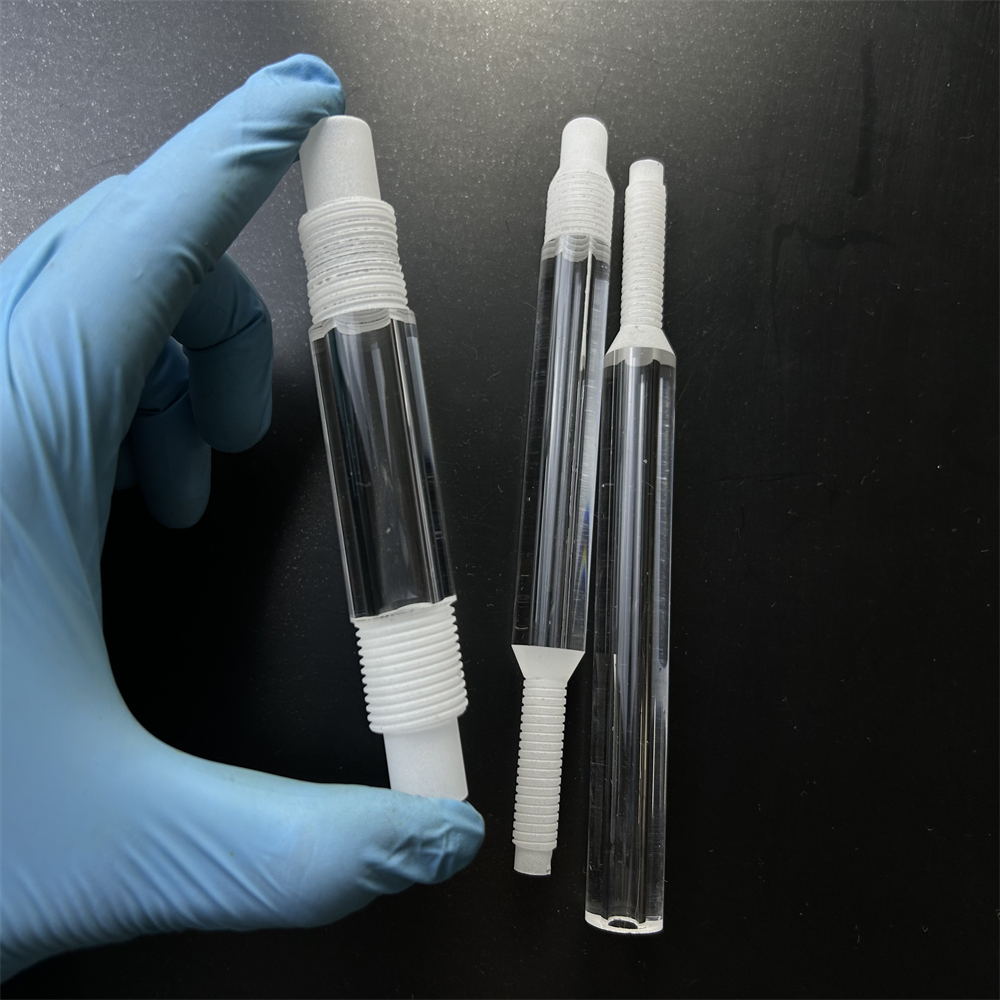
Eastern Mongolia's active exploratory oil concessions require continuous rheological testing of heavy crude and tar residues at high temperatures. Custom slotted quartz boats and high-pressure threaded quartz cylinders provide pristine visual monitoring under pressurized, corrosive hydrocarbon environments.
Emerging Sourcing Trends for Quartz Consumables in Choibalsan
How Eastern Mongolian mining laboratories and plant procurement directors are streamlining logistics and upgrading technical specifications.
1. Migration from Legacy Soviet-Standard Refractories
Historically, Dornod metallurgical assay centers procured Soviet-standard porcelain and heavy fireclay crucibles via long Russian railway lines. These materials suffer from low thermal shock endurance and heavy trace element leaching. Buyers are rapidly shifting to China's Donghai quartz corridor, achieving 99.99% SiO₂ purity and three times greater crucible thermal cycling lifetime.
2. Direct Rail & Highway Freight via East-Mongolia Gateways
Rather than routing shipments through Ulaanbaatar with costly interior back-hauling, Choibalsan procurement teams now utilize direct eastern transit arteries: Donghai manufacturing hubs to the Erenhot/Zamyn-Üüd or Manzhouli/Khavirga border crossings. This reduces fragile transshipment handling by 60% and cuts freight lead times down to 8–14 days.
3. Stringent Batch-Traceable ICP-OES Spectrometric Reports
With foreign-invested mining concessions in Dornod adopting international JORC and NI 43-101 reporting standards, laboratory blank assays cannot tolerate silica contamination. Mongolian procurement managers now mandate certified chemical analysis certificates with each shipment, confirming total parts-per-billion impurities across iron, aluminum, and titanium.
China's Crystal Capital Direct Manufacturer Advantages
Zunex Quartz Products Co., Ltd. combines geographic raw material dominance in Donghai with advanced CNC laser micromachining to deliver unmatched value to export markets.
Donghai Raw Material Hub
Situated in China's famous crystal capital (Donghai County, Jiangsu). We select raw quartz sands with natural low-alkali characteristics (<1.5 ppm Li, Na, K) guaranteeing pristine optical and thermal performance.
≤ 2 Hours Verified Reply
Our 100% verified response rate ensures that technical engineering inquiries, CAD tolerance evaluations, and custom quotes are returned to your purchasing team within 120 minutes.
Laser Finishing & Shaping
Equipped with CO₂ laser drilling, high-precision slotting, flame lathe necking, and ultrasonic beveling. We achieve tolerances within ±0.05 mm on custom crucibles, boats, and flange rings.
Multi-Layer Export Armor
Fragile quartz parts receive custom die-cut high-density EPE foam cradles, vapor-sealed moisture barriers, and impact-absorbing plywood export crates rated for rough international transit routes.
Choibalsan Buyer FAQ: Technical & Sourcing Inquiries
Clear, direct answers regarding customs clearance, cold-weather thermal shock, custom blueprints, and break-free delivery guarantees.
How do Zunex quartz crucibles survive severe Choibalsan winter ambient drops (-40°C)?
Our fused quartz maintains an ultra-low thermal expansion rate (5.5 × 10⁻⁷ /°C). Thermal shock resistance is a function of expansion elasticity: because our high-purity amorphous matrix expands roughly 1/15th as much as standard laboratory glass, a rapid thermal jump from -40°C storage directly into a hot muffle furnace induces virtually zero mechanical stress.
Can we order custom crucible geometry according to our plant's internal drawing?
Yes. Over 65% of our production is customized to drawing. You can provide PDF, DWG, DXF, or 3D STEP files. Our engineering team reviews wall thicknesses, draft angles, flanged lips, and optical polish tolerances before generating an official DFM (Design for Manufacturability) confirmation within 2 hours.
What is the typical shipping timeline from Donghai to Choibalsan, Dornod?
Standard manufactured batches typically take 5–10 days in fabrication. Freight dispatch via road/rail through Erenhot or Manzhouli takes approximately 7–12 days to clear customs and reach Choibalsan depots. For emergency assay runs, urgent air express routes via Ulaanbaatar can deliver within 4–6 business days.
What happens if fragile quartz components fracture during transport?
We operate with a guaranteed safe-arrival protocol. Every container is encased in custom fitted EPE foam and heavy-gauge plywood crates. In the rare event of transit damage, notify us with photographic proof upon unboxing, and replacement parts are prioritized in our production line and re-dispatched at zero surcharge.
Between JGS1, JGS2, and JGS3, which material should we specify for ash fusion?
For coal ash fusion analysis at the Choibalsan Thermal Power Station or mineral assay labs, JGS2 is the industry standard and most cost-effective solution. JGS1 is reserved for deep UV spectroscopy where transmission below 220 nm is critical. JGS3 is preferred for infrared emitters and optical pyrometer observation ports.
Do you supply official purity test reports (ICP-OES) with shipments?
Yes. Every export lot comes accompanied by a Certificate of Analysis (COA) specifying SiO₂ purity (≥ 99.99%) and a full elemental breakdown covering Fe, Al, Ca, Mg, Ti, Cu, and alkali elements, ensuring strict alignment with ISO 9001 and international mining compliance standards.
Ready to Upgrade Your Crucible Performance in Choibalsan?
Submit your CAD drawings, dimensional specifications, or custom lot requirements. Our senior quartz glass engineers will evaluate your process parameters and supply an itemized quotation within 2 hours.