Engineered Fused Quartz Solutions Ready for Tutong Consignments
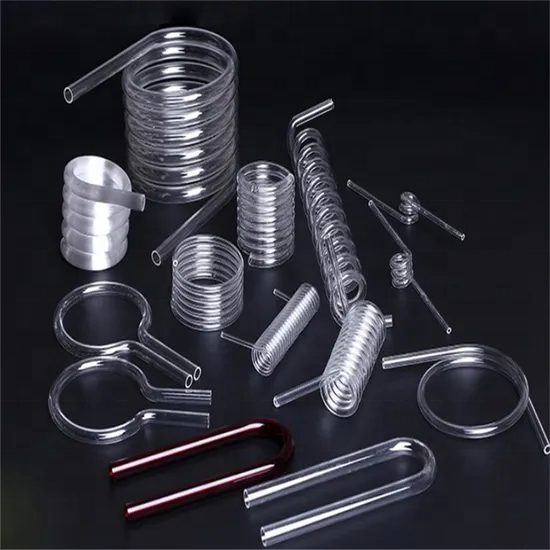
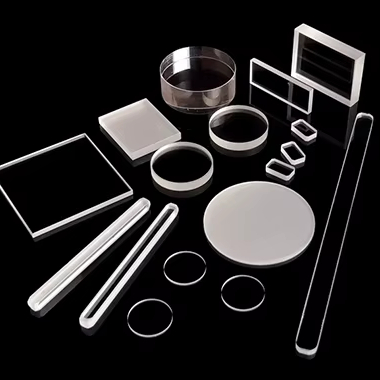
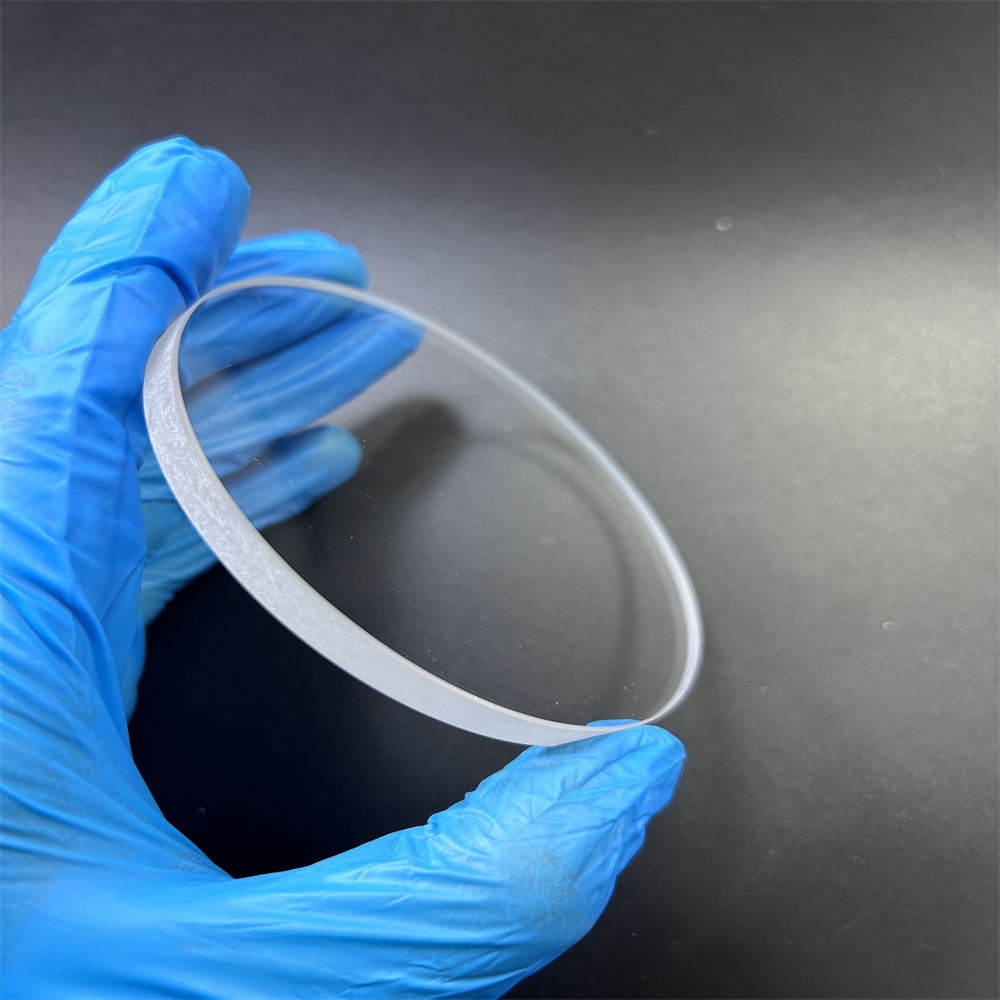
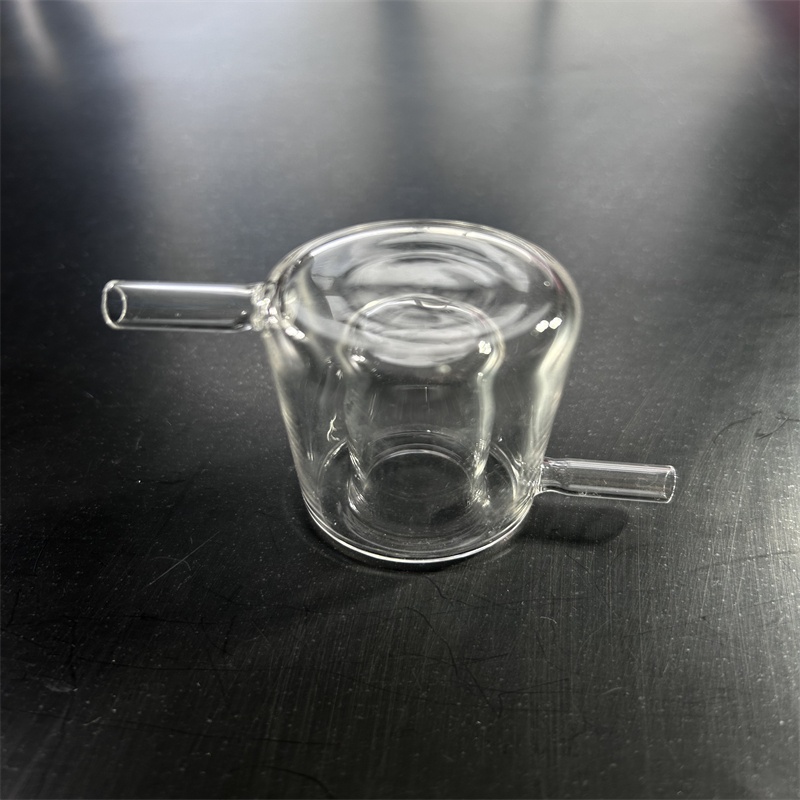
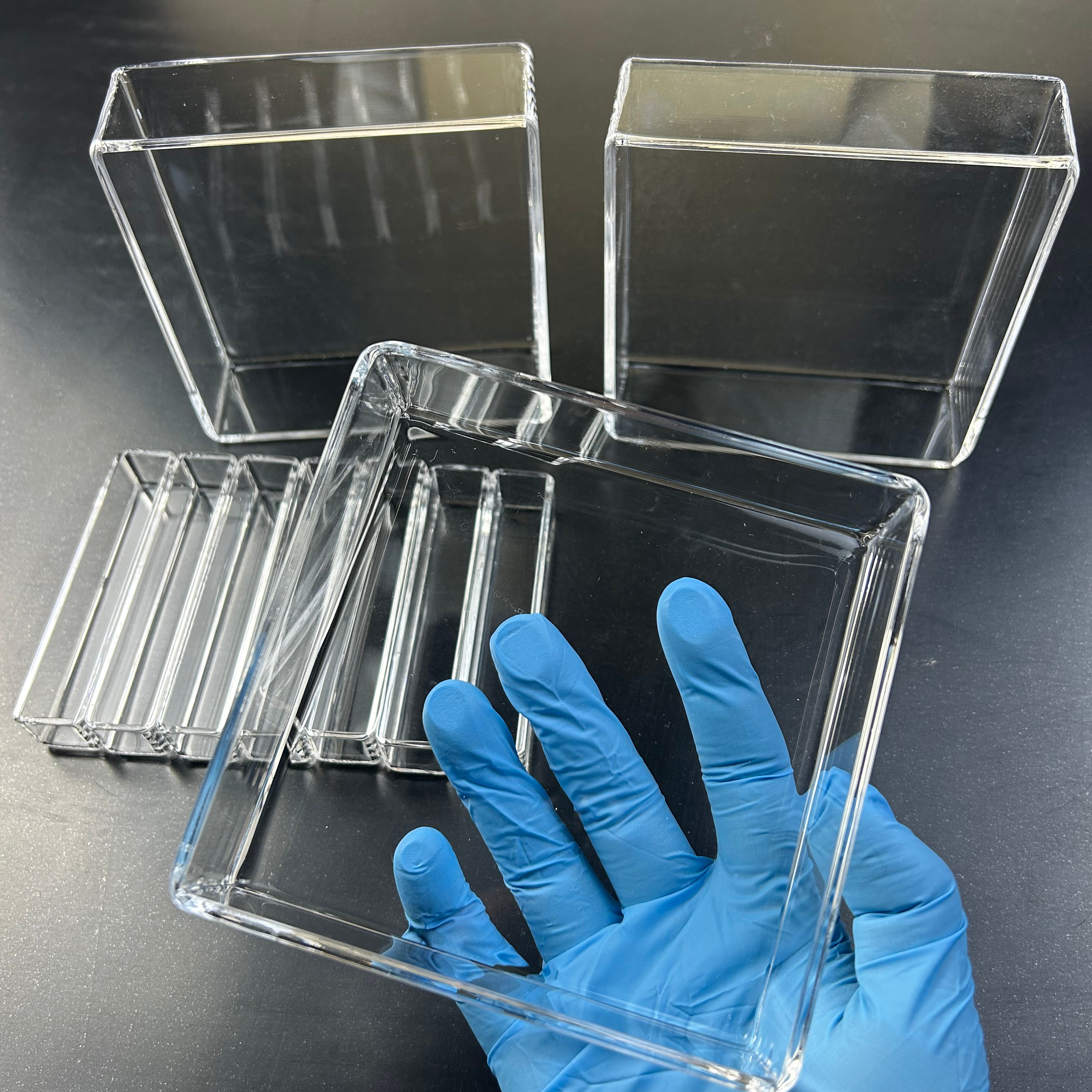
Precision-drawn tubes, vacuum-tight reactor components, polished optical windows, and custom-welded quartzware manufactured to strict ISO tolerances (±0.05 mm) and thermally annealed to 1,215 °C.


The Material Science of High-Purity Fused Quartz Tubing
Why amorphous silicon dioxide remains the undisputed baseline material for high-temperature pyrolysis, UV mineralization, and harsh chemical processing in demanding equatorial industrial ecosystems.
Fused quartz represents the apex of structural and optical glass technologies. Synthesized from natural high-grade crystal silica in Donghai County—the globally recognized capital of quartz manufacturing—our fused quartz products achieve an elemental purity exceeding 99.99% SiO₂. For process engineers, laboratory managers, and procurement specialists operating across the Tutong District and the greater Brunei Darussalam industrial corridor, understanding the mechanical and chemical thermodynamics of quartz is essential for mitigating catastrophic furnace tube implosion, thermal shock failure, and chemical contamination.
Critical Material Distinction: Fused Quartz vs. Standard Borosilicate Glass
While borosilicate 3.3 glass softens at approximately 820 °C and possesses a coefficient of thermal expansion (CTE) of 3.3 × 10⁻⁶ /°C, our continuous-drawn fused quartz sustains continuous operating loads at 1,100 °C (strain point: 1,070 °C; annealing point: 1,215 °C; softening point: 1,683 °C) with an ultra-low CTE of 5.5 × 10⁻⁷ /°C. This makes our quartz tubing virtually immune to thermal shock: a red-hot quartz tube heated to 1,000 °C can be plunged immediately into ice-cold water without fracturing.
| Physical / Chemical Property | Reference Value (Metric) | ASTM / DIN Standard | Relevance for Tutong Industrial End-Users |
|---|---|---|---|
| Purity (SiO₂ Content) | ≥ 99.99% (Low-trace Fe, Al, Ti) | ASTM E1479 ICP-OES | Prevents ionic leaching in environmental water & chemical analytical protocols. |
| Softening Point | 1,683 °C | ASTM C338 | Ensures dimensional stability during extreme thermal regeneration in furnace tubes. |
| Continuous Operating Temperature | 1,100 °C (Short peak: 1,300 °C) | DIN 52328 Thermal Cycling | Maintains structural integrity under sustained pyrolysis and cracking operations. |
| Linear Thermal Expansion (CTE) | 5.5 × 10⁻⁷ /°C (20 °C – 320 °C) | ASTM E228 Dilatometry | Eliminates micro-fracturing during rapid shutdown and startup cycles. |
| Refractive Index (nD) | 1.4585 (at 589 nm) | Abbe Refractometry | High transparency for optical sensing, spectrometry, and UV photolysis sleeves. |
| Dielectric Strength | 25–40 kV/mm (at 20 °C) | IEC 60243-1 High Voltage | Uncompromised electrical isolation for high-frequency induction heaters. |
Quartz Glass Tubing Applications across Tutong's Emerging Sectors
Bridging Chinese precision fabrication with the rigorous environmental, agricultural, and petrochemical research projects throughout Tutong District and the surrounding Bruneian corridors.
Petrochemical & Downstream Refining
Situated in proximity to Brunei's prime hydrocarbon processing belts (such as Sungai Liang industrial zones and Pulau Muara Besar downstream networks), petrochemical testing laboratories require high-temperature clear fused quartz combustion tubes, catalyst test ampoules, and cracker sampling sight glasses that resist continuous acid attacks from aggressive SOx and NOx compounds.
Water Basin & Environmental Monitoring
The Tutong River (Sungai Tutong) catchment basin and adjacent coastal swamplands require continuous environmental impact oversight. Our ozone-free synthetic quartz immersion tubes and TOC (Total Organic Carbon) analyzer digestion tubes provide maximum UV transmittance at 185 nm and 254 nm, enabling ultra-pure photolytic decomposition without background trace contaminants.
Agro-Technology & Aquaculture Sterilization
With Tutong positioned as a critical agricultural and aquaculture growth engine in Brunei (specifically surrounding Birau agricultural zones), large-scale UV disinfection systems are employed for shrimp hatcheries and closed-loop hydroponics. We supply high-precision transparent quartz protection sleeves and U-bent spiral heating tubes engineered to endure tropical humidity and coastal salinity.
Industrial Pyrolysis & Material Science R&D
University labs and vocational testing facilities across the district rely on our horizontal single-zone and multi-zone tube furnace combustion liners. Our tubes are chemically polished and vacuum-flanged, ensuring consistent laminar flow conditions during gas purging without the risk of devitrification below 1,150 °C.
Infrared Radiant Heating in Food Processing
For industrial drying facilities processing local organic produce and seafood, our ruby-tinted and carbon-filament-wound twin-tube quartz emitters deliver high-density localized heat. Fused silica's transparent transmission window across near-to-mid infrared spectrums (0.8–3.5 µm) guarantees rapid thermal penetration and lowered energy overhead.
Specialized Optical & Laser Waveguides
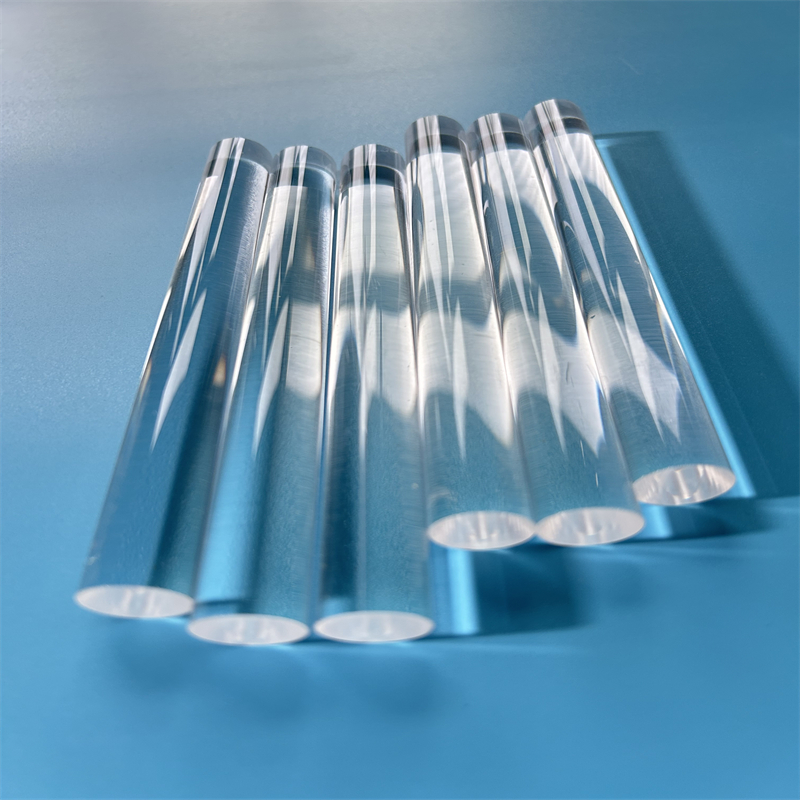
Advanced metrology systems and optical testing fixtures deployed in electrical equipment certification stations utilize our precision-ground Guitu GT-grade optical light guide cylinder rods. With zero internal bubbles and striae-free homogeneity, our rods ensure clean laser transmission with zero beam deviation.
Emerging Trends & Supply Chain Drivers in Tutong's Glassware Market
How Brunei's Wawasan 2035 goals, coupled with tightening laboratory quality control norms, are shifting demand from generic glass to engineered fused quartz components.
The industrial procurement landscape in Tutong District is undergoing a significant transition. Historically, laboratory and process facilities across the Tutong and Belait districts procured quartz components through multi-tier intermediaries based in regional hubs like Singapore or Kuala Lumpur. This dynamic brought steep markups (often 200% to 350% over factory gate value), lengthy lead times (up to 12 weeks for non-standard diameters), and fragmented communication when precision custom drawings were involved.
Today, procurement managers are transitioning toward direct China manufacturer partnerships driven by three decisive dynamics:
1. Direct CAD-to-Flame Machining
Projects now mandate custom drawings (AutoCAD DWG, SolidWorks STEP, or high-tolerance PDF). Direct factory engagement allows our glassblowers and CNC laser operators in Donghai to translate customer blueprints into flame-welded manifolds, flanged interfaces, and ground joints without technical compromise.
2. Strict Hydroxyl [OH⁻] Control
In high-temperature IR drying and semiconductor-level testing, low hydroxyl content is critical to prevent thermal sagging and bubble coalescence. Buyers in Tutong increasingly specify JGS3 grade low-OH quartz (OH < 5 ppm) for high-load infrared elements and JGS1 synthetic silica for vacuum UV equipment.
3. Tropicalized Shockproof Packaging
Transit through the South China Sea to Muara Port and regional trucking into Tutong presents severe risks: marine humidity, salt spray, and vibration shock. Our direct-export framework utilizes multi-layer vacuum moisture barriers, desiccants, heavy-density molded EPE foam chambers, and reinforced fumigated timber crates.
Direct Factory Advantages: The Donghai Precision Advantage
Combining primary raw-material extraction with cleanroom fabrication, multi-axis laser finishing, and complete transparency on verified international trade platforms.
Advanced Laser Micro-Machining
Unlike conventional mechanical wheel cutting that induces micro-cracking and stress concentration points along tube edges, our CNC laser processing achieves mirror-smooth edge fire polishing, clean slotting, and ultra-accurate hole drilling down to ±0.02 mm tolerance.
Full Inspection & Certification
Every export batch undergoes polariscopic stress analysis, spectrophotometer UV-Vis-NIR transmission scans, ultrasonic wall thickness verification, and strict bubble class verification (DIN ISO 10110-3). Every shipment is accompanied by a full Certificate of Analysis (CoA).
Rapid ≤ 2h Engineering Feasibility
We eliminate sales-clerk delays. When you submit your blueprint, our internal materials science and glassblowing engineers review dimensional manufacturability, thermal envelope parameters, and raw material availability, delivering an actionable commercial quotation in 2 hours or less.
Frequently Asked Questions for Tutong Procurement Teams
Addressing engineering specifications, dimensional tolerances, shipping assurances, and material selections for direct import into Brunei Darussalam.
What is the practical distinction between JGS1, JGS2, and JGS3 quartz tubing?
JGS1 (Synthetic Fused Silica) is synthesized from high-purity silicon tetrachloride (SiCl₄), offering an optical transmission range from 185 nm to 2,500 nm with zero bubble inclusion. It is specified for deep-ultraviolet (UV) photolysis, laser optics, and microelectronics. JGS2 (Standard Fused Quartz) is melted from high-grade natural crystalline quartz, transmitting across 220 nm to 2,500 nm, making it the most cost-effective standard for chemical reactor tubes, sight glasses, and tube furnaces. JGS3 (Infrared Grade Quartz) is gas-melted or electrically fused with an ultra-low hydroxyl content (OH < 5 ppm), extending infrared transmission up to 3,500 nm and preventing thermal sagging in high-power industrial heaters.
How does Zunex guarantee zero transit breakage for fragile quartz consignments bound for Tutong?
Over a decade of exporting fragile quartz goods worldwide has refined our protective packaging. Every single tube or customized piece is wrapped in anti-static, moisture-barrier poly-sleeves with silica gel desiccants. It is then suspended within high-density expanded polyethylene (EPE) shock-damping foam contoured to the exact outer geometry of the part. These sub-assemblies are packed into heavy-duty corrugated cartons and anchored into five-ply plywood crates reinforced with exterior steel banding. In the rare event of transit damage, our 100% replacement guarantee ensures expedited replacement production within 72 hours.
Can you produce custom quartz glass reactors matching existing European or Japanese laboratory fixtures?
Yes. Many facilities throughout Tutong and surrounding Bruneian districts utilize German (e.g., Heraeus, Schott) or Japanese (e.g., Shin-Etsu, Tosoh) OEM systems whose replacement components carry steep price tags and long lead times. Provide us with an engineering drawing, a detailed sketch with callouts, or send a physically damaged sample. We will reverse-engineer the exact dimensional parameters, ground-joint taper (e.g., standard taper 24/40, spherical ball joints, or flat O-ring flanged ends), and optical clearances with guaranteed interchangeable fitment.
What are the standard dimensional capabilities and tolerances for custom-drawn quartz tubing?
We draw clear fused quartz tubes ranging from outer diameters (OD) of 1.5 mm up to 450 mm, with wall thicknesses (WT) spanning from 0.8 mm up to 10.0 mm, and standard lengths up to 3,000 mm. For standard industrial furnace tubes, our standard OD tolerance is within ±0.2 mm. For precision optical or semiconductor carrier tubes, we execute centerless grinding and cold-machining to reach tolerances of ±0.05 mm, with total runout bow held below 0.1% of the overall length.
What import protocols and shipping terms apply to shipments heading to Tutong via Muara Port?
We provide full support across standard Incoterms 2020 including EXW, FOB (Qingdao / Shanghai / Lianyungang), CIF (Muara Port, Brunei Darussalam), and DDU/DAP directly to your facility in Tutong. We prepare the complete commercial documentation package: International Commercial Invoice, Packing List with verified gross mass (VGM), Certificate of Origin (Form E for ASEAN-China preferential tariffs), Phytosanitary Fumigation Certificates for timber crates, and Mill Inspection Certificates (CoA).
Procure High-Tolerance Quartz Tubing for Your Tutong Operations
Whether you require replacement combustion tubes for petrochemical analysis, precision UV quartz sleeves for aquatic purification, or bespoke reactor manifolds built to blueprint, our technical sales engineers will evaluate your requirements within 2 hours.