
Engineering Overview: Selecting High-Purity Quartz Sample Tubes for Puebla's Industrial Corridor
The State of Puebla has evolved rapidly into one of Central Mexico's premier high-tech manufacturing, petrochemical, and automotive epicenters. Driven by the massive assembly operations of Volkswagen de México and Audi México in San José Chiapa, alongside surrounding industrial clusters in FINSA, Parque Industrial Puebla 2000, and San Martín Texmelucan, analytical testing tolerances have tightened significantly. Precision laboratories, material science testing centers, and clean-tech academic hubs (such as BUAP and UDLAP) face stringent international compliance mandates (ISO/IEC 17025, ASTM, and DIN standards).
Quartz sample tubes, combustion cells, and spectrophotometry sample vessels are fundamental consumable components within this technical ecosystem. Standard borosilicate glassware fails at continuous exposures above 500°C and exhibits significant thermal shock vulnerability. High-purity fused quartz (vitreous silica), however, maintains an exceptionally low coefficient of thermal expansion (α = 5.5 × 10⁻⁷ /°C), enabling sample tubes to be heated to 1100°C and immediately quenched in cold water without structural failure or devitrification.
Technical Consideration for Puebla's Elevation: Puebla operates at an average elevation of 2,135 meters (7,005 feet) above sea level, resulting in lower atmospheric pressure (approx. 78.5 kPa). In high-temperature vacuum furnaces and degassing units (such as BET Surface Area Analyzers and Chemisorption systems), pressure differentials between internal gas phases and chamber ambient pressures require quartz sample tubes to maintain exceptionally tight wall-thickness tolerances (±0.05 mm) to avoid implosion risks.
Physical & Optical Material Properties Reference Matrix
When engineering quartz glass sample tubes, selecting the exact material grade is essential to prevent spectral distortion and thermal cracking:
| Material Property | JGS1 (Synthetic Fused Silica) | JGS2 (Optical Fused Quartz) | JGS3 (Infrared Grade Quartz) |
|---|---|---|---|
| Primary Transmission Spectrum | Deep UV & Visible (185 nm – 2500 nm) | Standard UV & Visible (220 nm – 2500 nm) | Visible & Infrared (260 nm – 3500 nm) |
| OH Content (Hydroxyl) | ≤ 1000 ppm (Ultra-pure) | ≤ 150 – 200 ppm | ≤ 5 ppm (Water-free) |
| Continuous Max Service Temp | 1100 °C | 1100 °C | 1150 °C |
| Softening Point | 1730 °C | 1683 °C | 1680 °C |
| Common Puebla Application | UV-Vis Spectrophotometry, Trace metals | Furnace tubes, standard combustion cells | Pyrolysis, IR heaters, Gas chromatography |
Localized Application Scenarios Across Puebla's Core Sectors
Precision fused quartz sample tubes exported by Zunex are specifically deployed across five specialized niches within Puebla's industrial landscape:
1. Automotive Polymer & Catalyst Development: Tier-1 and Tier-2 suppliers in Puebla conduct continuous thermal gravimetric analysis (TGA) and differential scanning calorimetry (DSC). Our custom flat-bottom and tapered-bottom quartz sample tubes provide uniform thermal conductivity without baseline drift caused by trace alkali contamination.
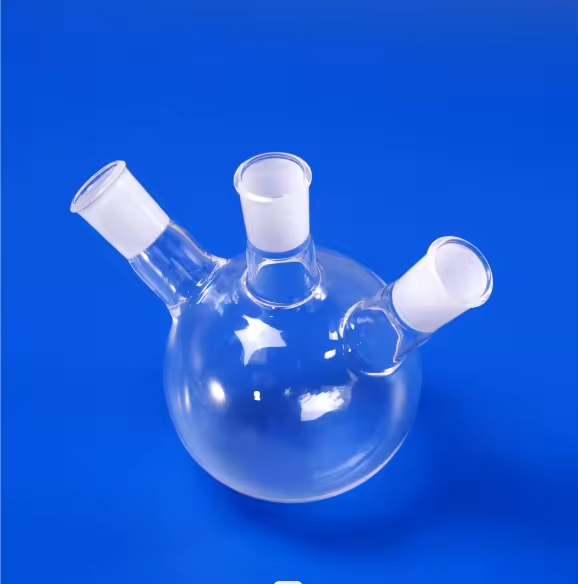
2. Petrochemical & Polymer Additive Quality Control: Refineries and chemical processing facilities in San Martín Texmelucan leverage our customized high-pressure quartz twin tubes for volatile catalytic cracking and trace sulfur/nitrogen combustion analysis according to ASTM D5453 protocols.
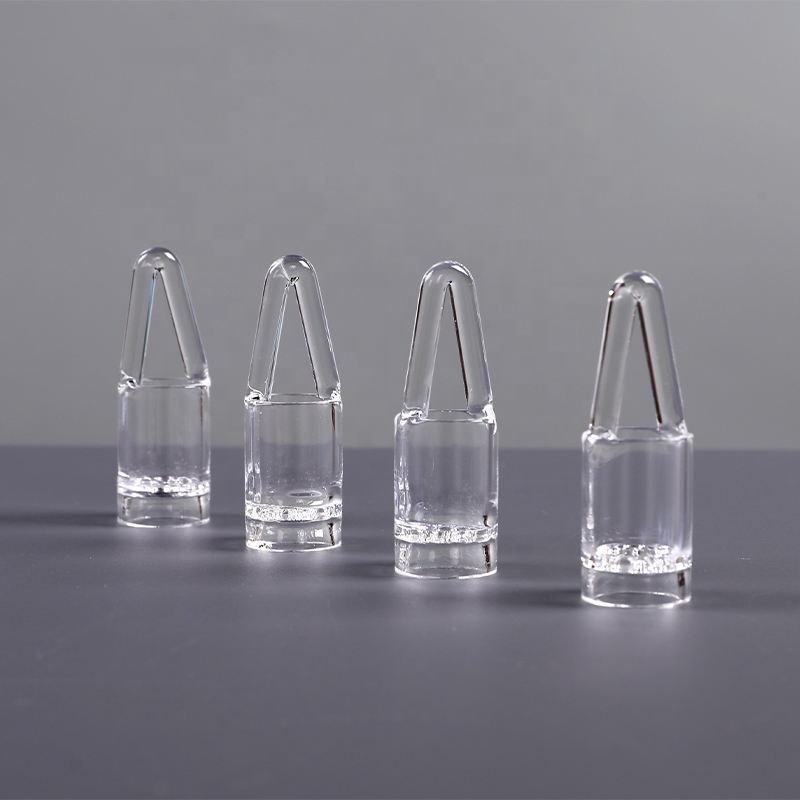
3. Advanced Surface Area (BET) & Porosimetry: Research laboratories evaluating battery cathode materials, zeolites, and automotive exhaust monoliths require specialized U-shaped and bulb-ended BET quartz tubes capable of resisting prolonged 400°C vacuum bakeouts without structural sagging.
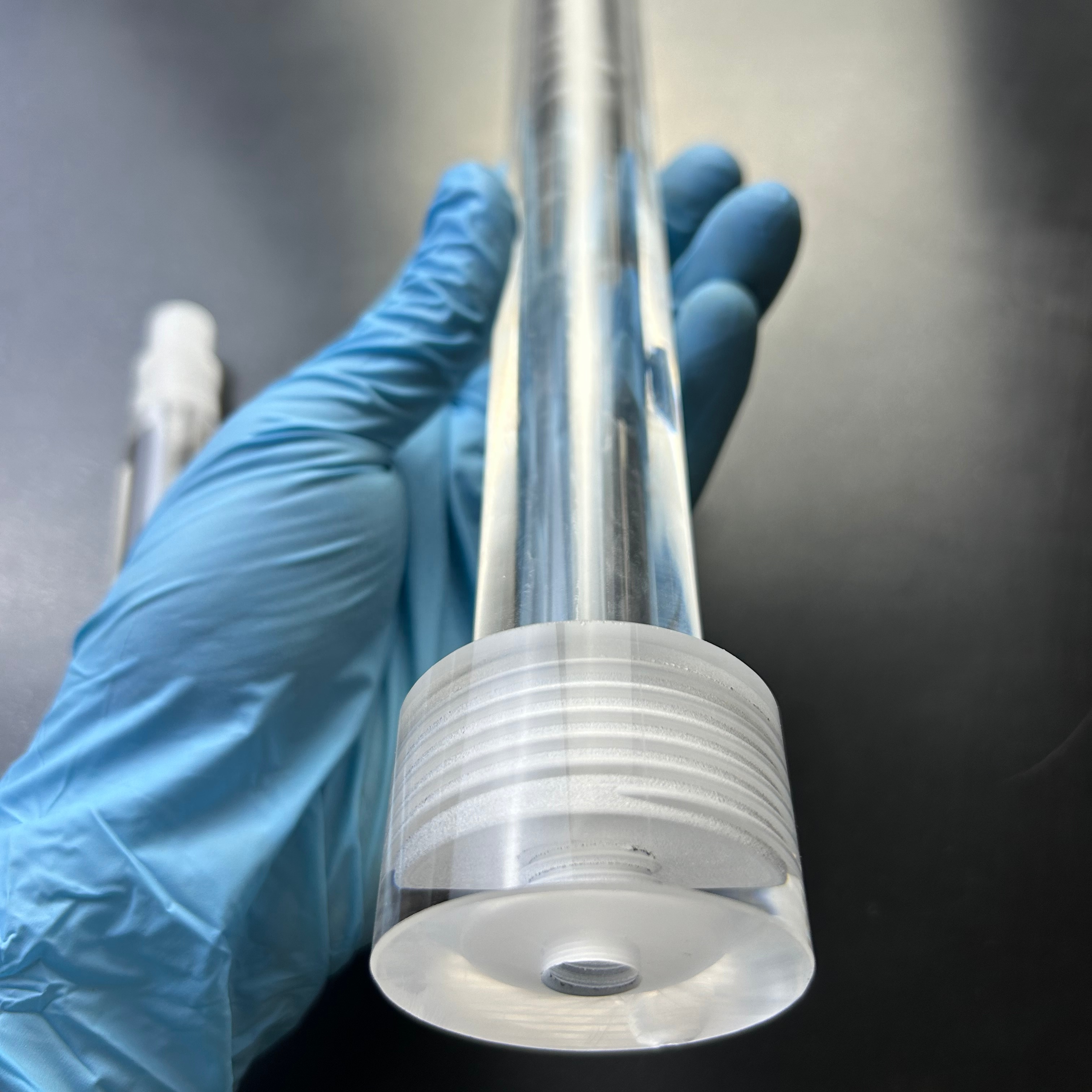
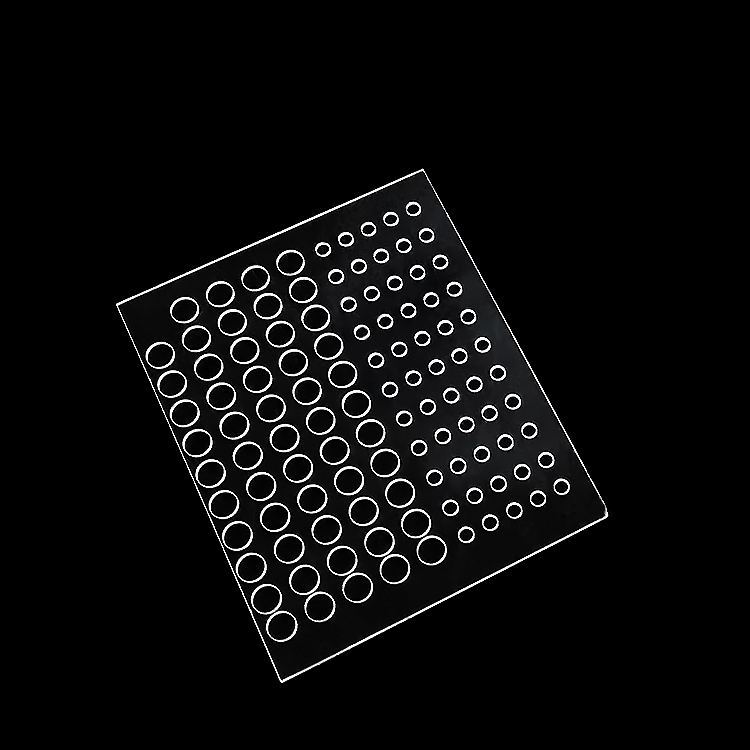
4. Photovoltaic & Microelectronics Research: Emerging research corridors in Cholula and Puebla City utilizing Chemical Vapor Deposition (CVD) and physical vapor deposition rely on our optical quartz plates and custom-machined threaded tubes for in-situ optical monitoring through deep ultraviolet windows.
Key Supply Chain Trends Shaping Puebla's Lab Procurement (2025–2030)
Procurement teams across Puebla are rapidly shifting away from localized distributor markups toward direct factory-level manufacturing relationships. The key drivers include:
- Nearshoring Demands & Faster Turnarounds: With Mexico's expanded nearshoring boom, automotive facilities are testing components at record speeds. Waiting 12 to 16 weeks for European or domestic resellers is no longer feasible. Direct factory dispatch with 2-hour drawing validation compresses lead times down to 10–15 business days.
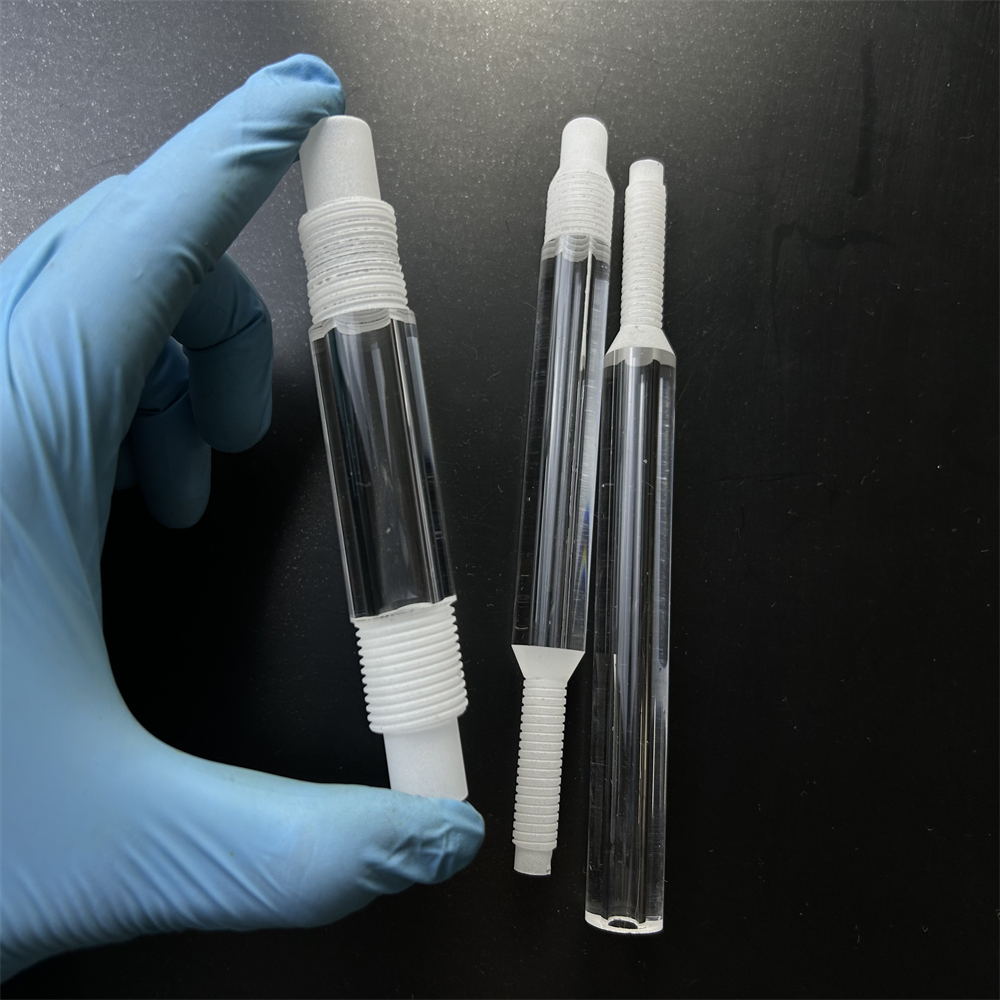
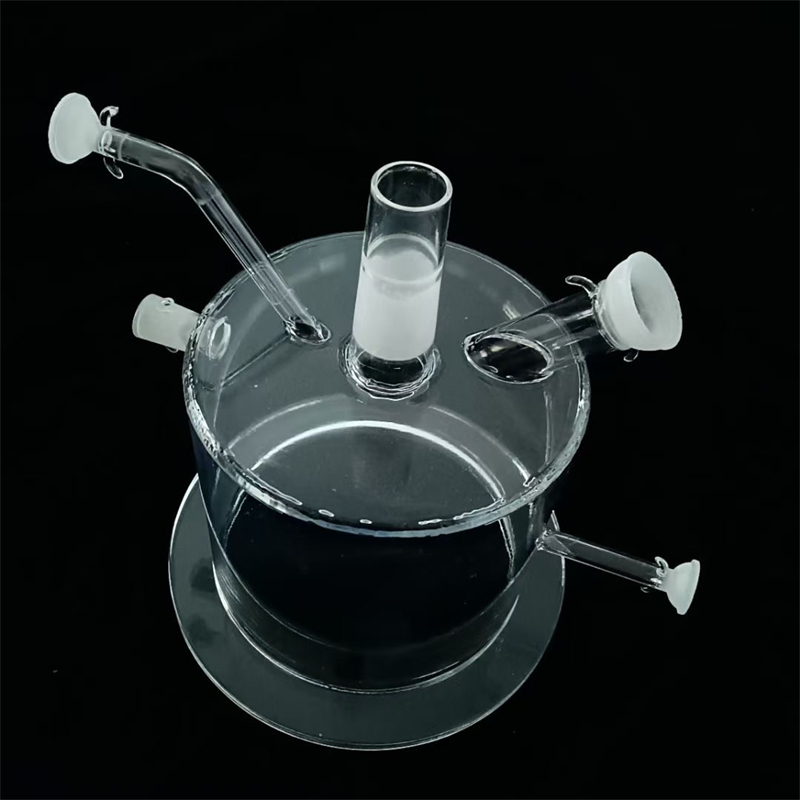
- Customization to Non-Standard CAD Drawings: Modern automated testing machines frequently utilize non-standard tube geometries (specialized ground joints, flange couplings, capillary reduction nozzles). Access to direct CNC laser drilling, flame grooving, and cold-machining ensures drop-in compatibility.
- Zero-Defect Quality Control (PPM Standards): Automotive-grade supply chains mandate rigorous quality traceability. Every quartz tube batch exported to Puebla includes verified dimensional certifications, bubble/inclusion density class verification, and anneal stress polariscope validation.