Precision Engineered Quartz Tube Solutions
Explore our certified fused silica portfolio, flame-polished and CNC-machined for strict tolerances, ultra-high thermal resistance up to 1300 °C, and chemical purity exceeding 99.99% SiO₂.
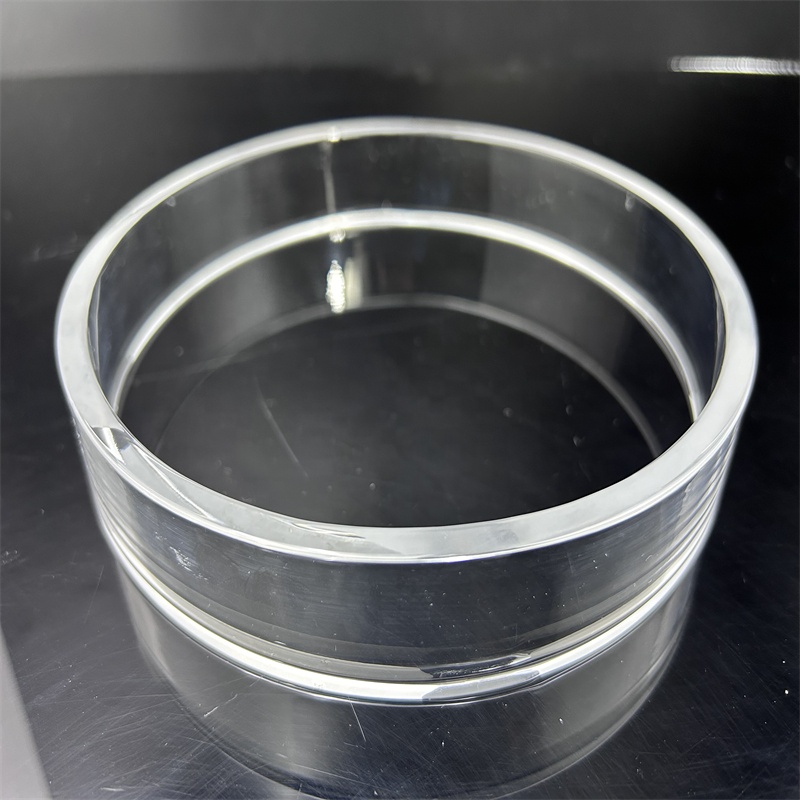
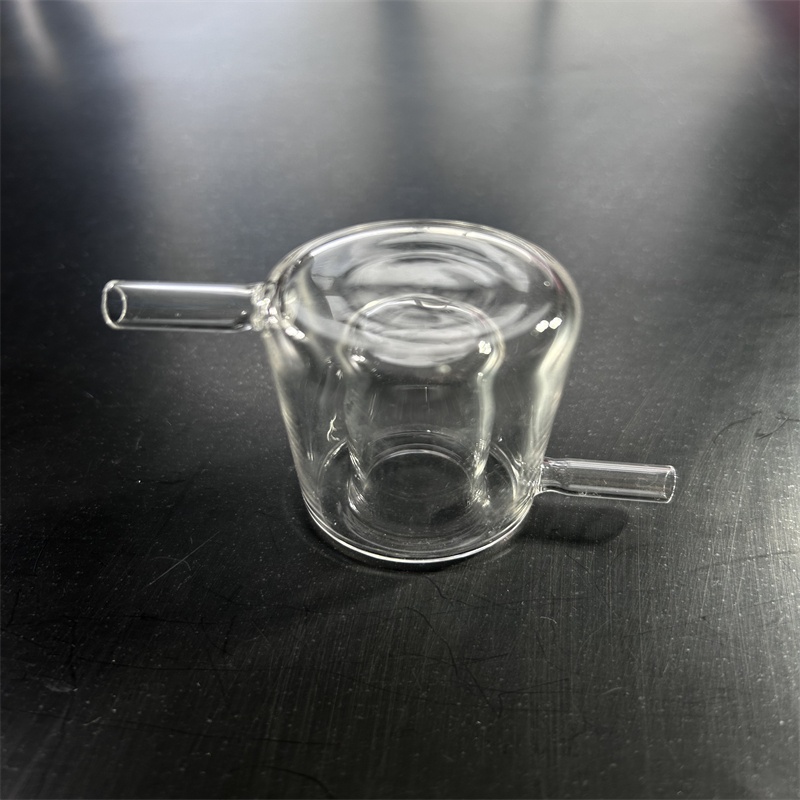
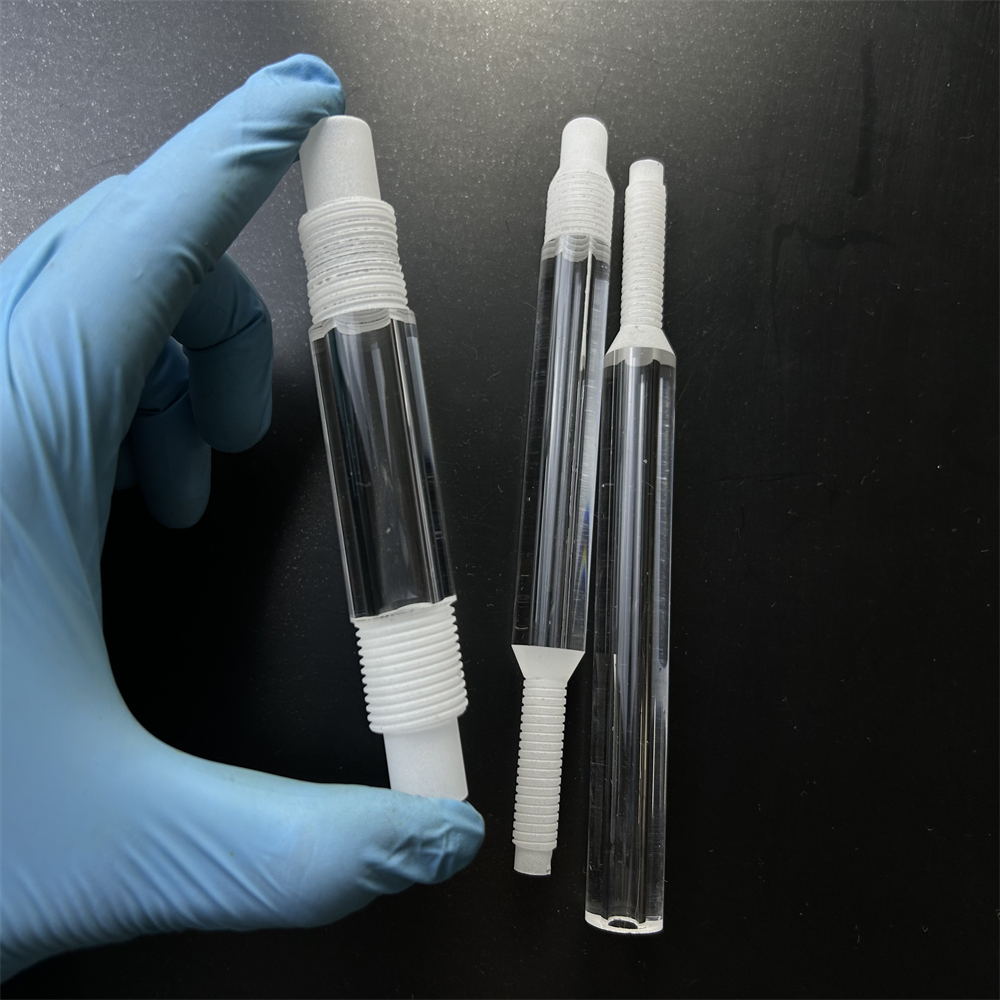
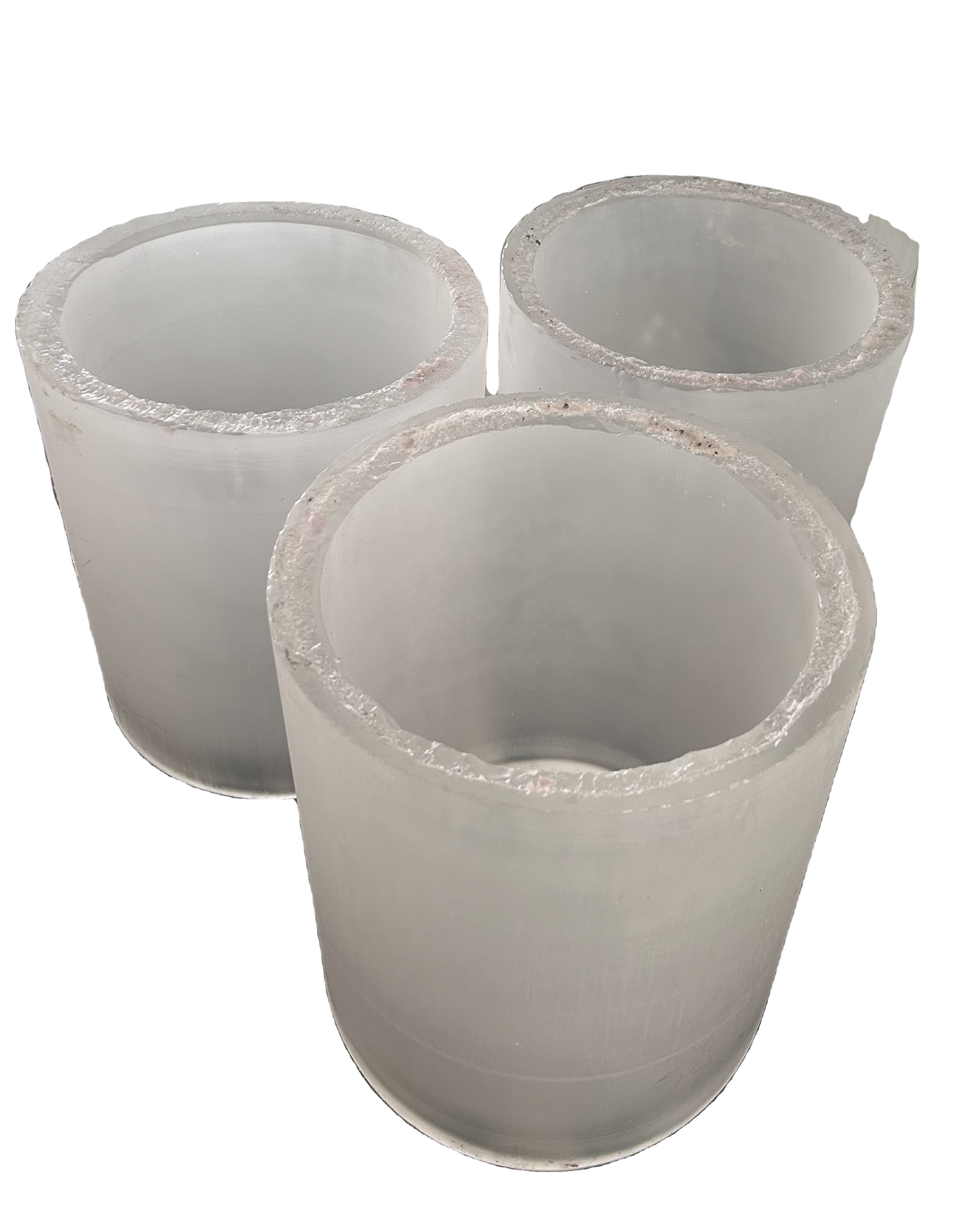
Fused Quartz Material Science: Structural Dynamics & Operational Boundaries
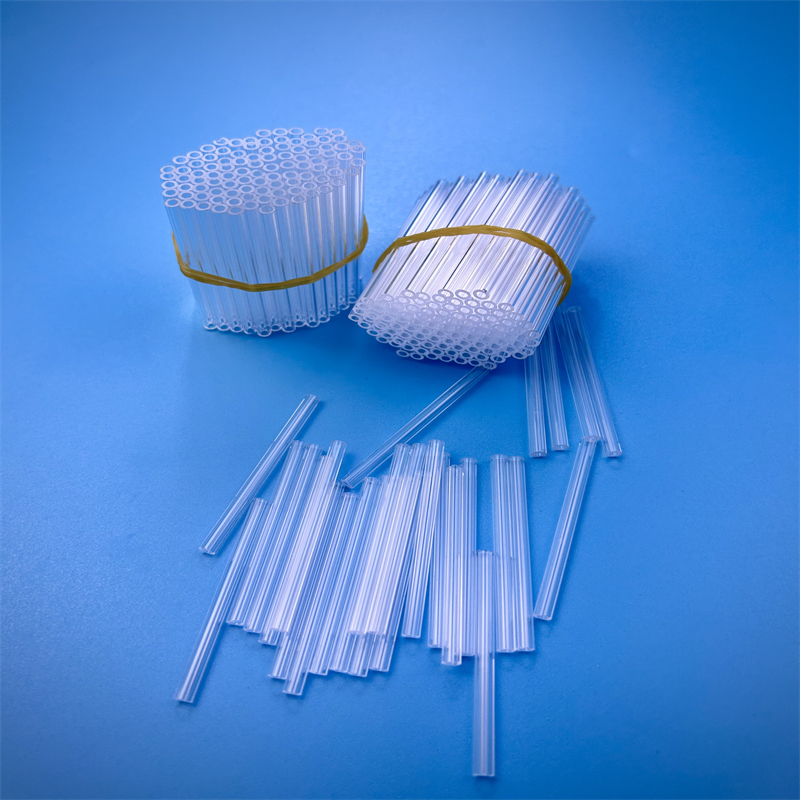
In high-precision laboratory experimentation, nanotechnology synthesis, and rigorous industrial quality assurance, conventional borosilicate glassware (such as Pyrex or Duran) fails under extreme thermodynamic strain and aggressive chemical digestion. Fused quartz test tubes and reaction vessels, fabricated from naturally occurring crystal quartz sand or synthetic silicon tetrachloride (SiCl₄), offer a single-component vitreous material that fundamentally alters laboratory throughput.
The molecular network of fused quartz consists entirely of corner-sharing silicon-oxygen tetrahedra (SiO₄). Unlike multi-component silicate glasses containing fluxing oxides (such as Na₂O, B₂O₃, or CaO), pure vitreous silica is characterized by an exceptionally strong covalent bond structure without network modifiers. This atomic architecture imparts an extraordinarily low coefficient of thermal expansion (CTE) of approximately 5.5 × 10⁻⁷ /°C between 20 °C and 320 °C. For laboratory practitioners and industrial pilot plants throughout Braga and the northern Portuguese technological corridor, this guarantees that quartz test tubes can withstand immediate quenching from 1100 °C into ice water without structural fracturing or mechanical micro-fissuring.
Devitrification Kinetics and High-Temperature Thermodynamic Regimes
For high-temperature digestion, tube furnace calcination, and CVD deposition setups, understanding devitrification behavior is critical. Vitreous silica is a metastable state at room temperature. When operated continuously above 1100 °C, especially in the presence of surface alkali contaminants (such as fingerprints, sodium vapor, or calcium dust), crystalline cristobalite begins to nucleate on the tube surface. This phase transformation involves a destructive volumetric change of roughly 5% during cooling through the beta-to-alpha cristobalite inversion point (around 220 °C–270 °C), precipitating catastrophic glass spalling.
Zunex Quartz implements specialized hot-working hydrogen-oxygen flame polishing techniques combined with automated ultra-clean hydrofluoric acid (HF) passivating baths. This eliminates residual micro-scratches and surface alkali nucleation sites, maintaining an elevated softening point of 1683 °C, an annealing point of 1215 °C, and a continuous safe operational ceiling of 1100 °C (intermittent to 1300 °C). Our test tubes, combustion liners, and reactor chambers deliver exceptional operational lifespan even under rigorous metallurgical or pyrolysis profiles.
| Physical & Chemical Metric | Fused Quartz (Electric Arc / Gas Fusion) | Synthetic Fused Silica (JGS1 Equivalent) | Standard Lab Borosilicate 3.3 |
|---|---|---|---|
| SiO₂ Purity Content | ≥ 99.99% | ≥ 99.999% | ~ 81.0% (contains B₂O₃, Na₂O, Al₂O₃) |
| Hydroxyl (OH⁻) Ion Concentration | < 5 ppm to 30 ppm | ~ 150 ppm to 1200 ppm (variable) | N/A (Multi-component network) |
| Coefficient of Thermal Expansion (CTE) | 5.5 × 10⁻⁷ /°C (20–320 °C) | 5.2 × 10⁻⁷ /°C (20–320 °C) | 33 × 10⁻⁷ /°C (6-fold higher) |
| Max Safe Continuous Working Temp | 1100 °C | 1150 °C | 490 °C |
| Short-Term Max Limit (Shock Limit) | 1300 °C | 1350 °C | 550 °C |
| Deep UV Transmission Cut-off | ~ 220 nm (JGS2) | ~ 185 nm (JGS1) | ~ 310 nm (Opaque to Deep UV) |
| Dielectric Strength (20 °C, 1 MHz) | 25–40 kV/mm | > 40 kV/mm | 15–20 kV/mm |
Optical Transmission Classes: JGS1, JGS2, and JGS3 Selection Criteria
When selecting test tubes, sample vessels, and spectrophotometer cells for photolytic, fluorescence, or laser-induced reaction environments, the specific optical band determines chemical yields and spectroscopic accuracy:
1. JGS1 (Synthetic Fused Silica): Synthesized via gas-phase oxidation of high-purity silicon compounds. Free of metallic impurities (Fe, Al, Ti < 0.1 ppm) and bubble-free. Transmits without solarization down to 185 nm in the deep ultraviolet (DUV) region, making it imperative for UV-Vis spectrophotometry, photochemical cleavage, and excimer laser research conducted in Braga's elite nanotechnology institutes.
2. JGS2 (Optical Grade Quartz Glass): Produced from refined natural crystal raw materials melted under oxy-hydrogen flame. Delivers high optical transparency across the near-UV and visible spectra (220 nm to 2500 nm). Serves as the primary cost-effective material for standard laboratory test tubes, reaction ampoules, digestion columns, and sight glasses.
3. JGS3 (Infrared Grade Fused Quartz): Melted under specialized vacuum electric furnace environments, resulting in an exceptionally low hydroxyl (OH⁻) concentration (< 2 ppm). This eliminates the pervasive molecular water absorption dip at 2.73 μm, enabling clean transmission up to 3500 nm for thermal imaging, infrared pyrolysis spectroscopy, and gas-phase combustion analysis.
Localized Applications in Braga’s High-Tech and Scientific Ecosystem
The District of Braga, positioned as the nucleus of the Minho region in Northern Portugal, is one of Southern Europe’s most dynamic research and industrial centers. From the premier nanoscience clusters at the International Iberian Nanotechnology Laboratory (INL) to the Department of Chemistry and Biological Engineering (CEB) at Universidade do Minho, quartz test tubes and specialized vitreous reactors play an indispensable operational role.
Nanotechnology & Quantum Material Synthesis
At institutions like INL and associated micro-fabrication laboratories, researchers require trace-metal-neutral reaction tubes for sol-gel reactions, quantum dot hydrothermal growth, and 2D transition metal dichalcogenide chemical vapor deposition where zero boron or sodium leaching is tolerated.
Automotive Electronics & Sensor Calibration
Braga's industrial landscape hosts Tier-1 automotive electronic manufacturing facilities (e.g., in the Bosch Car Multimedia ecosystem). High-purity quartz tubes act as optical protective sleeves and heat-shielding chambers for laser pyrometry, IR reflow curing, and sensor thermal shock burn-in testing.
Biomass Pyrolysis & Renewable Energy Hubs
Driven by Universidade do Minho’s bioengineering clusters, quartz combustion test tubes and twin-tube reactors are widely applied in thermo-gravimetric analysis, continuous agricultural waste torrefaction, and synthetic gas reforming at sustained 1000 °C operating windows.
Pharmaceutical Chemistry & Extraction
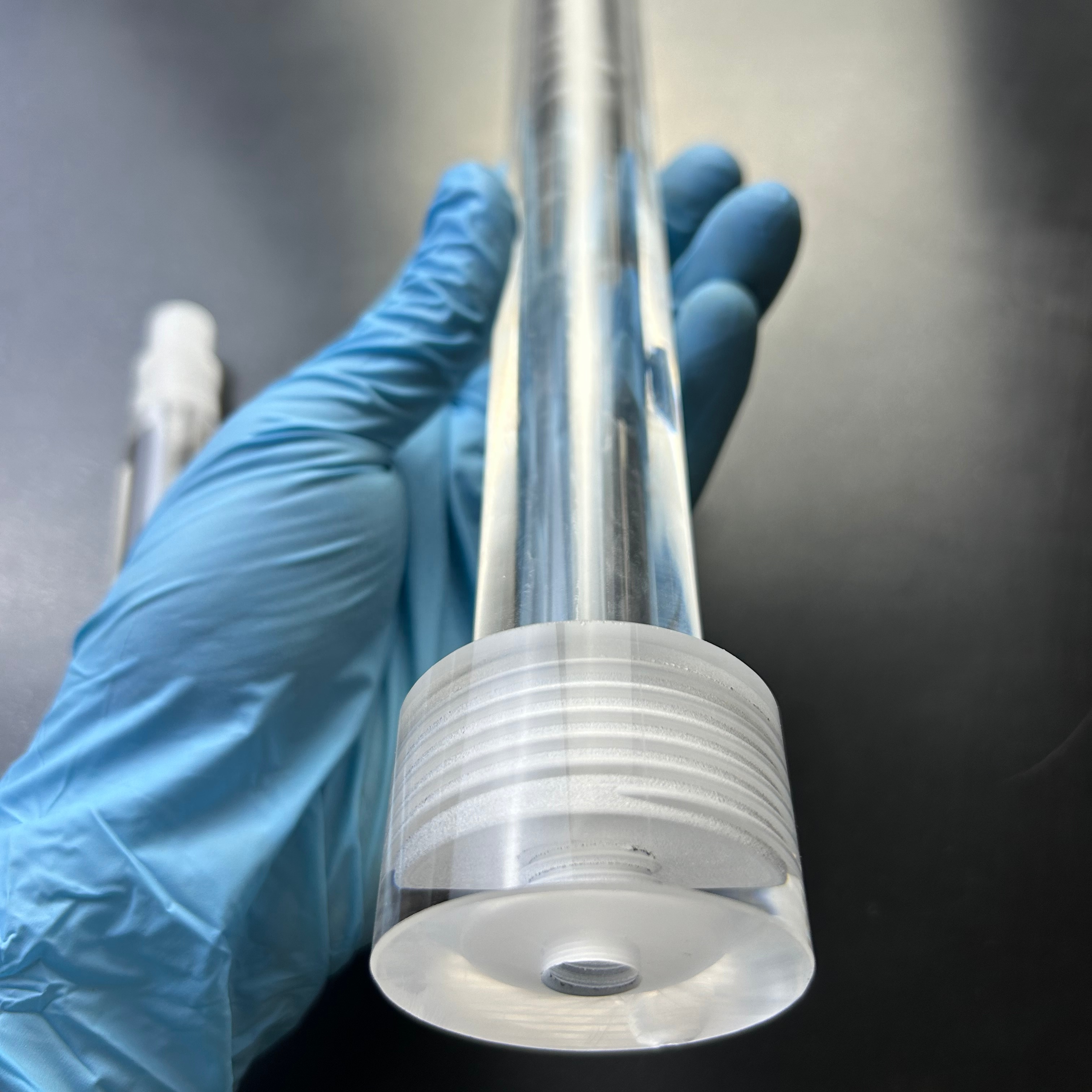
Pharmaceutical testing and analytical laboratories in Minho utilize high-purity threaded quartz test tubes for microwave-assisted acid digestion (utilizing aqua regia and boiling nitric acid) where standard glassware suffers silica degradation and metallic cross-contamination.
Textile & Polymer Innovation R&D
Serving the historic Minho textile manufacturing base transitioning into smart technical fabrics, quartz sample cells provide pristine spectral transmission during UV lightfastness exposure, plasma surface functionalization, and polymer thermal decomposition profiling.
Environmental & Water Analysis in the Cávado Basin
Municipal testing laboratories in Braga employ quartz digestion tubes and photochemical COD testing tubes, capitalizing on quartz’s extreme chemical resistance across the entire pH scale (excluding hydrofluoric and hot concentrated phosphoric acids).
Industrial & Scientific Trends Driving Quartz Demand in Braga (2025–2030)
The industrial landscape in Northern Portugal is undergoing significant transformation, transitioning from traditional light manufacturing toward advanced microelectronics, green energy technologies, and digitalized production. Several core trends specifically elevate the technical specifications required for quartz test tubes, furnace liners, and reactor chambers:
1. Escalation of Micro-Electromechanical & Semiconductor Pilots: With Portugal’s strategic alignment with the European Chips Act and the expansion of semiconductor packaging facilities around the Greater Porto and Minho regions, cleanroom consumable standards have tightened. Quartz test tubes used for chemical vapor transport or chemical bath deposition must comply with strict trace-metal ceilings (Al, Fe, Cu, Ni below 0.5 ppm total) to avoid atomic contamination of substrate wafers.
2. Decarbonization and Green Hydrogen Research: Braga-based research groups focusing on proton exchange membrane (PEM) and solid oxide electrolyzer cell (SOEC) technologies increasingly demand customized high-pressure quartz reactor twin-tubes and threaded UV cells to analyze real-time water splitting kinetics under combined thermal and photochemical radiation.
3. Stricter Environmental Compliance (REACH & RoHS Validation): Analytical verification of heavy metals and hazardous elements in consumer goods requires closed-vessel digestion at elevated pressures and temperatures. Laboratories across Guimarães, Famalicão, and Braga are steadily replacing legacy borosilicate tubes with thick-walled fused silica test tubes capable of enduring 50 bar internal digestion pressures without chemical etching.
Why Braga Research & Industry Trust Zunex Quartz Co., Ltd.
Operating from Donghai County, Jiangsu, China—the world’s recognized capital of crystal quartz refining—Zunex Quartz Products Co., Ltd. integrates raw silica purification, thermal tube drawing, precision glassblowing, and laser micro-finishing under a single ISO-compliant production umbrella. For European procurement managers and university lab heads in Portugal, we eliminate the friction of custom glassware fabrication:
Custom to Drawing
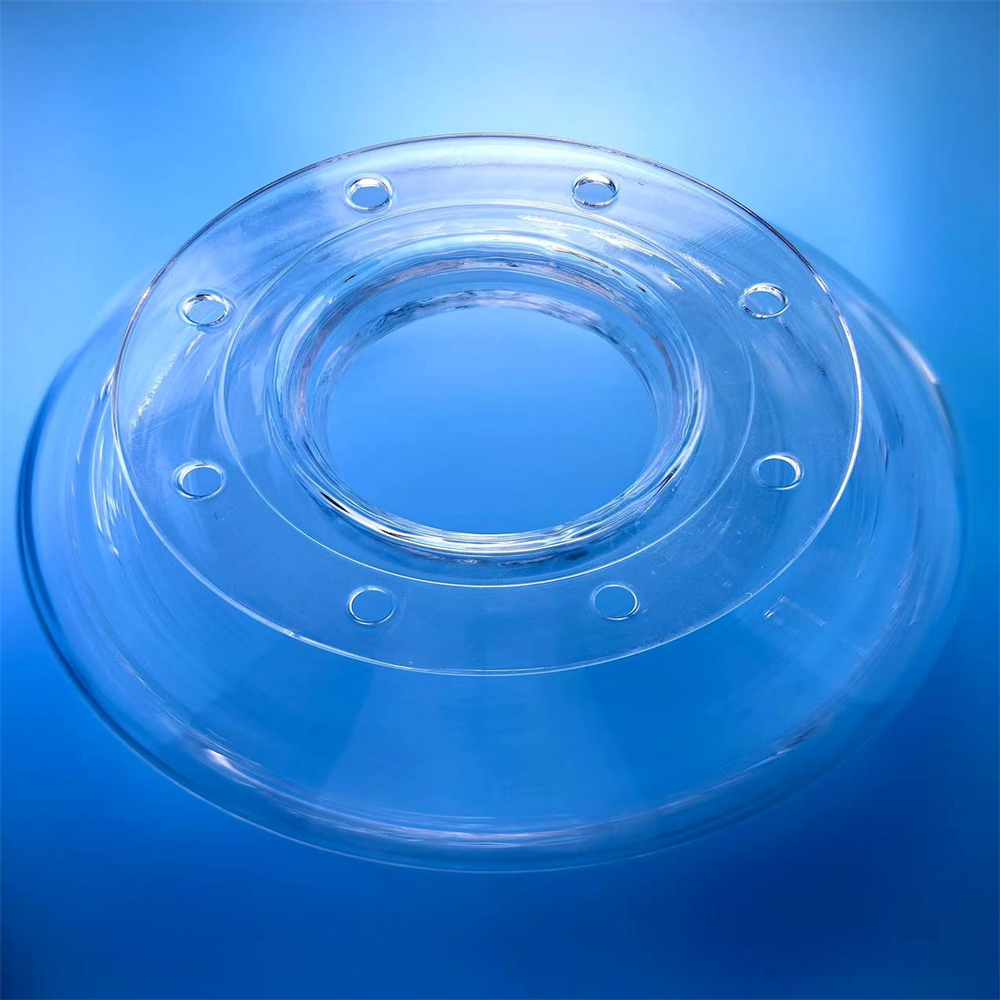
Direct manufacturing from customer CAD (DWG, STEP, PDF). Tolerances down to ±0.05 mm on OD, wall thickness, and flange alignments.
≤ 2h Fast Engineering Review
100% verified inquiry response rate with structural feasibility reviews, thermal profile evaluation, and transparent quotations provided within 2 hours.
Laser Micro-Finishing
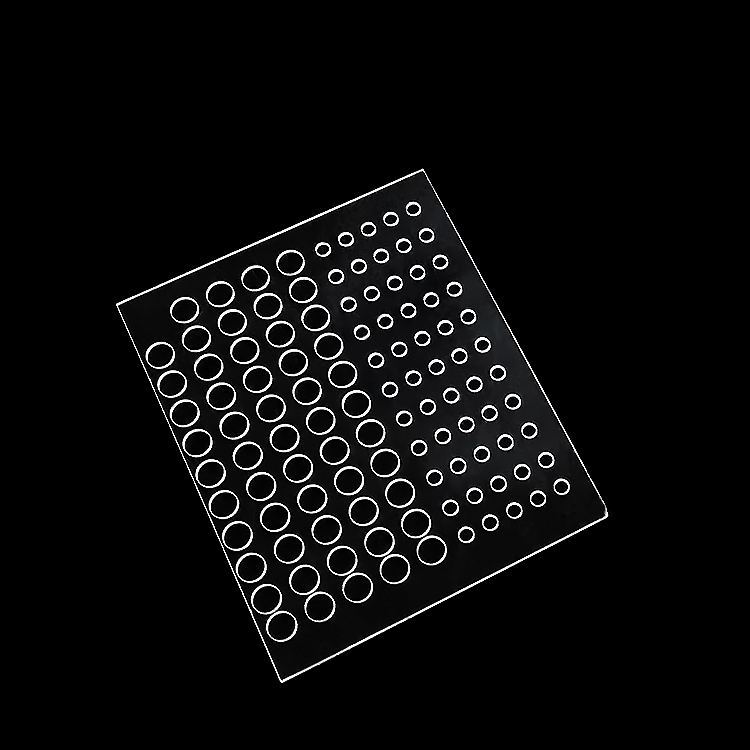
Advanced quartz laser drilling, precision cutting, slotting, and thread milling minimizing micro-crack propagation and thermal weakness.
Secure Zero-Breakage Logistics
Multi-layered shock-absorbing EPE foam and reinforced export plywood crates dispatched directly via air or sea to Braga and the Leixões port.
With an annual export turnover of US$2.5M to US$5M and an independently verified 43% repeat purchase rate on Alibaba.com, Zunex Quartz guarantees material authenticity through comprehensive batch spectrometry certificates and annealing verification.
Frequently Asked Questions by Technical Buyers in Braga
Essential guidance covering technical tolerances, European import logistics, material selection, and maintenance practices for research institutes and industrial labs.
How do quartz test tubes compare to borosilicate tubes during thermal shock testing?
What are the customs and shipping lead times for deliveries to Braga and Northern Portugal?
Can you fabricate customized quartz test tubes with ground joints, flanges, or screw threads?
Which cleaning and decontamination protocols should be followed to prevent devitrification?
What dimensional tolerances can Zunex maintain on small-batch laboratory quartzware?
How does Zunex guarantee zero transit breakage for fragile glass shipments to Europe?
Ready to Engineer Your Custom Quartz Glass Solution?
Consult with our quartz fabrication engineers today. Whether you require a single high-purity prototype for an academic thesis at Universidade do Minho or batch deliveries for an automated production line in Braga, we review drawings and reply within 2 hours.
Send an Inquiry