JGS1 Synthetic

High Temperature Heat Resistant Clear 99.99% Pure Fused Quartz Twin Tube
Working Temp: 1100°C continuous
Purity: ≥ 99.99% Pure SiO₂
Manufactured to microscopic tolerances (±0.005mm) for high-performance UV-Vis spectroscopy, thermal processing, and advanced electrochemical assays in Portugal.
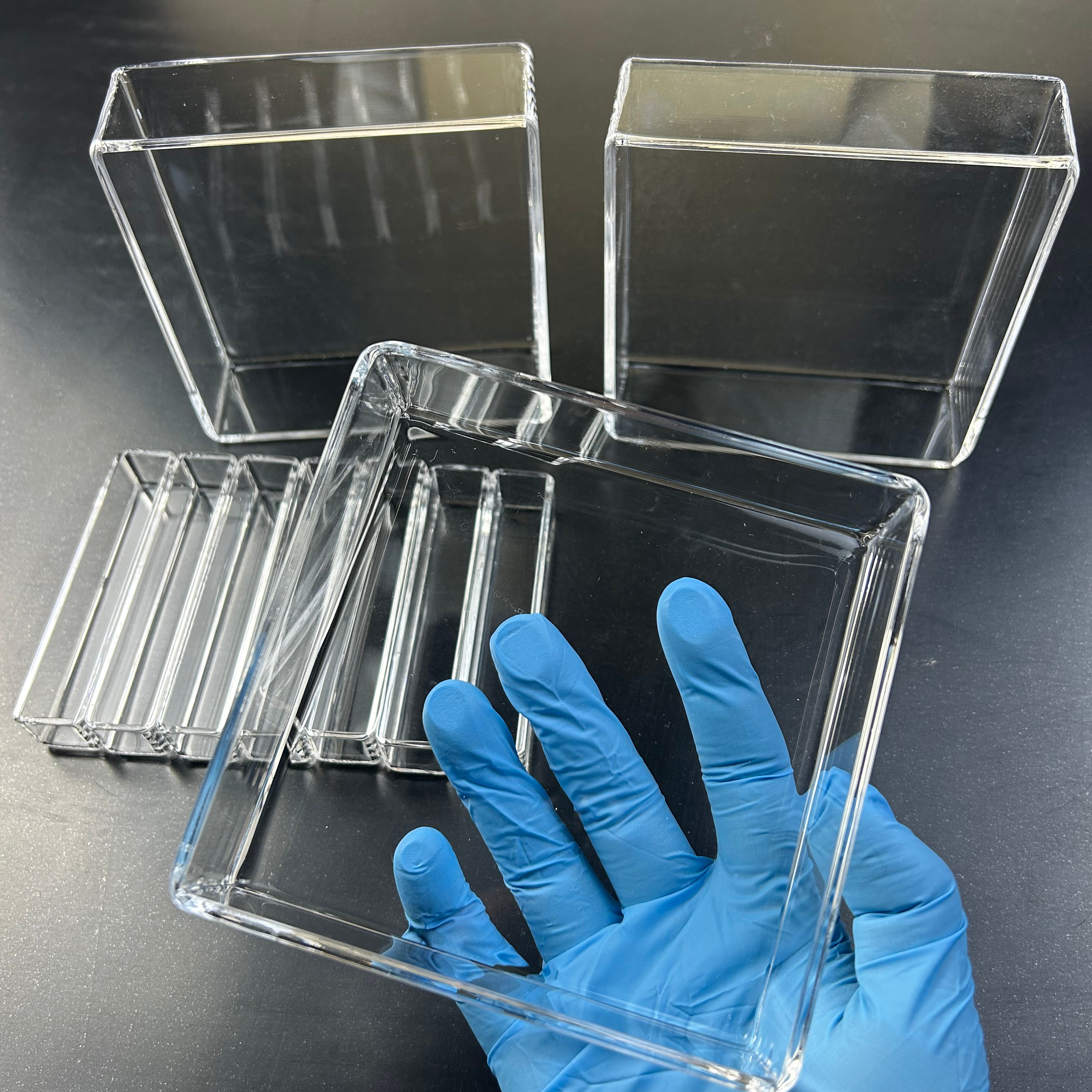
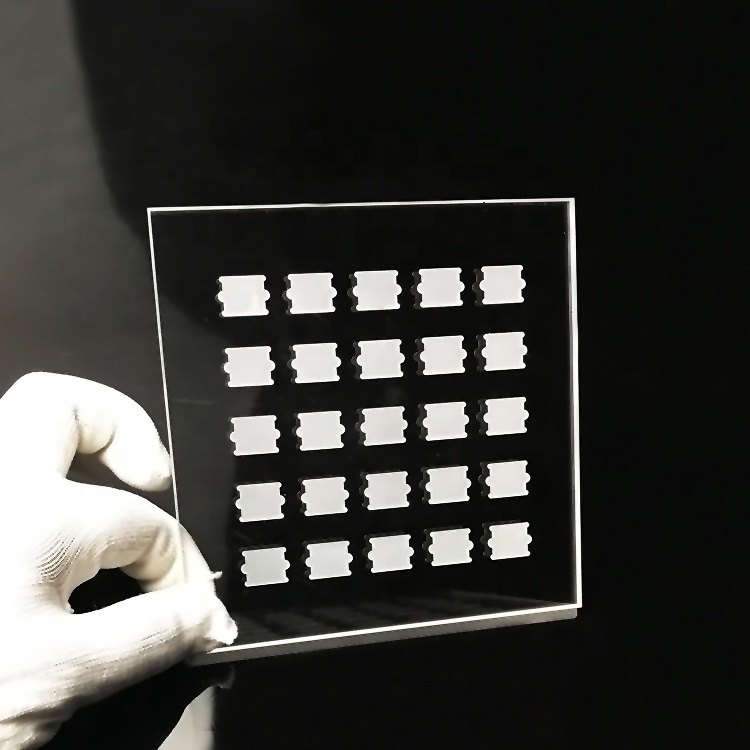
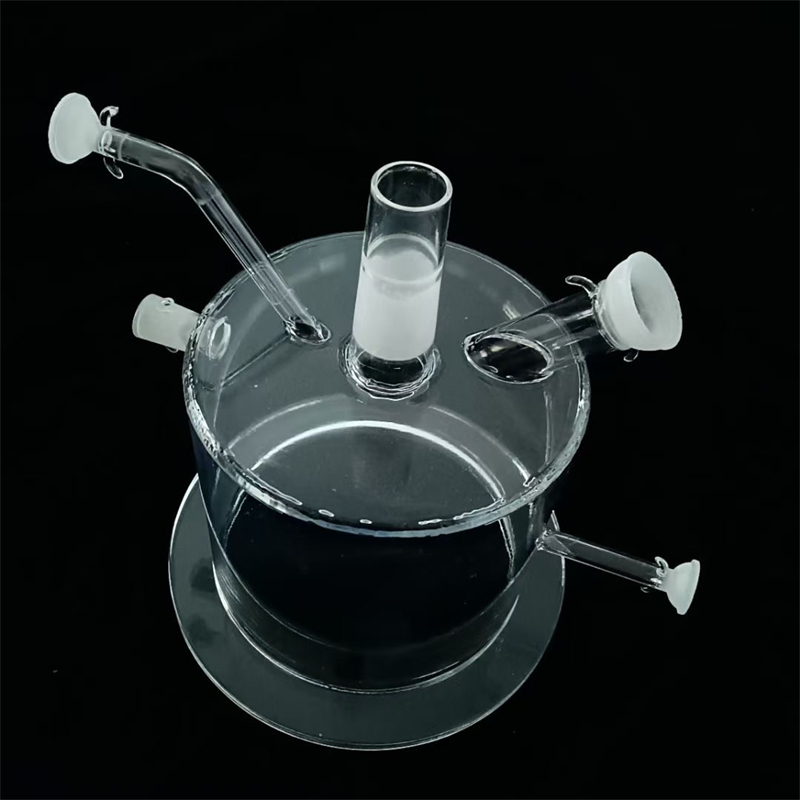
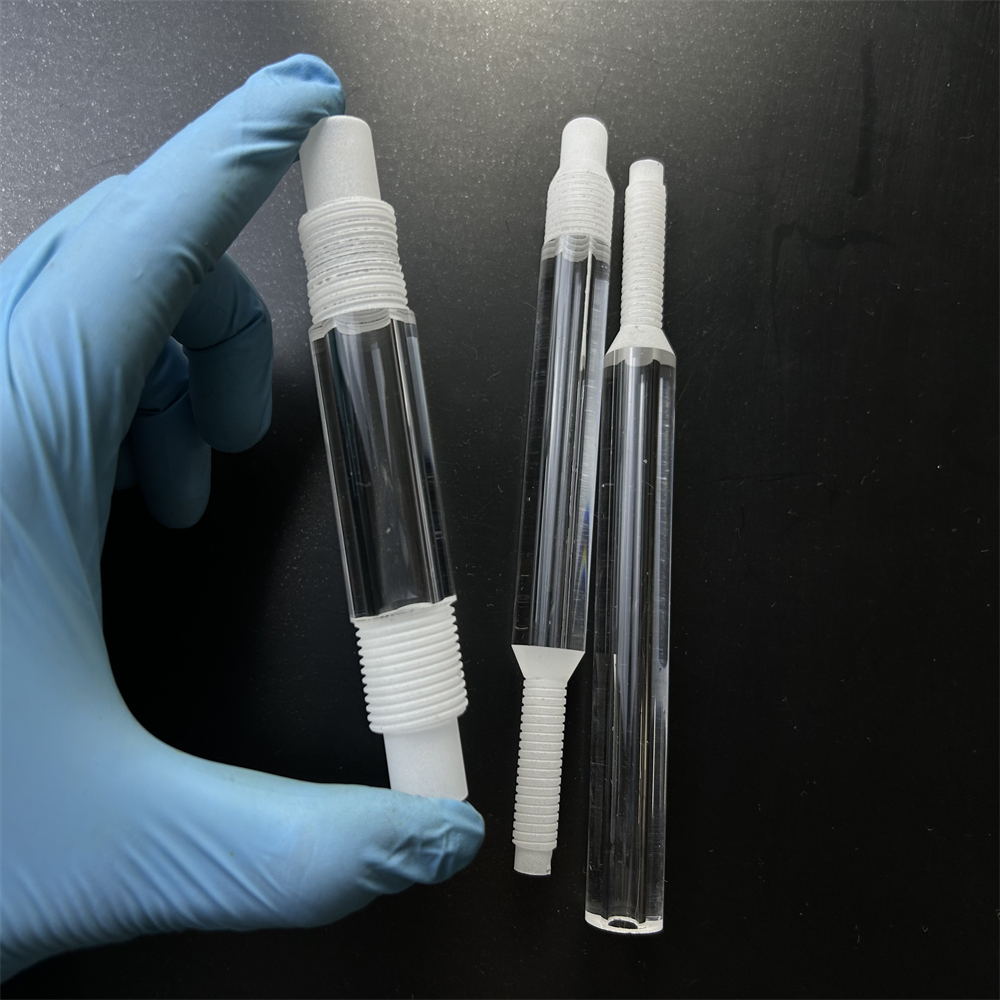
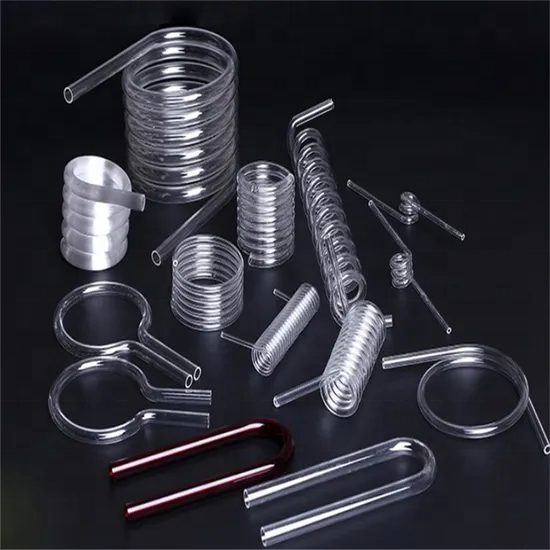
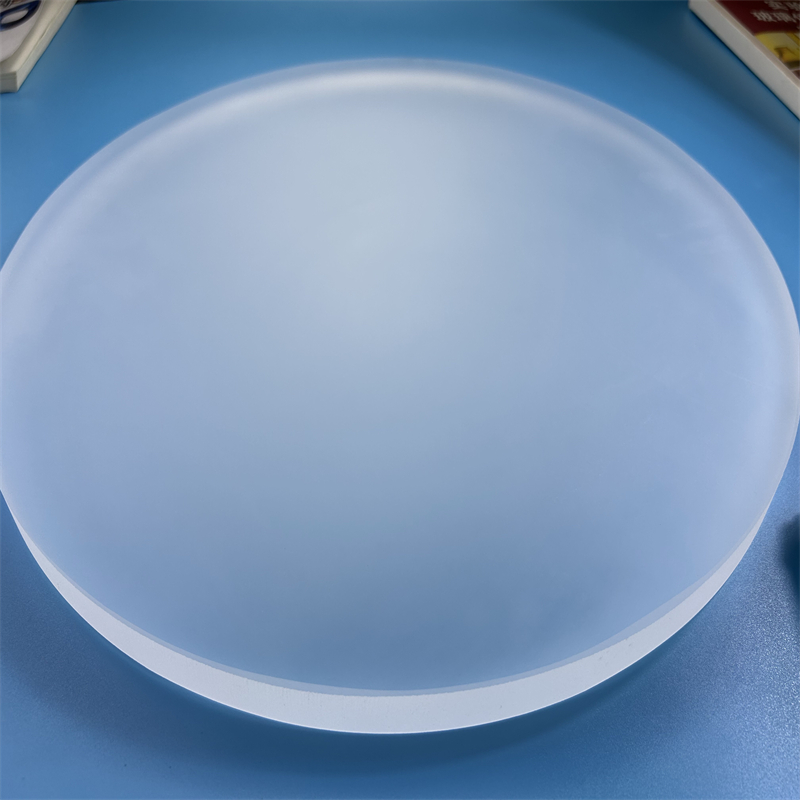
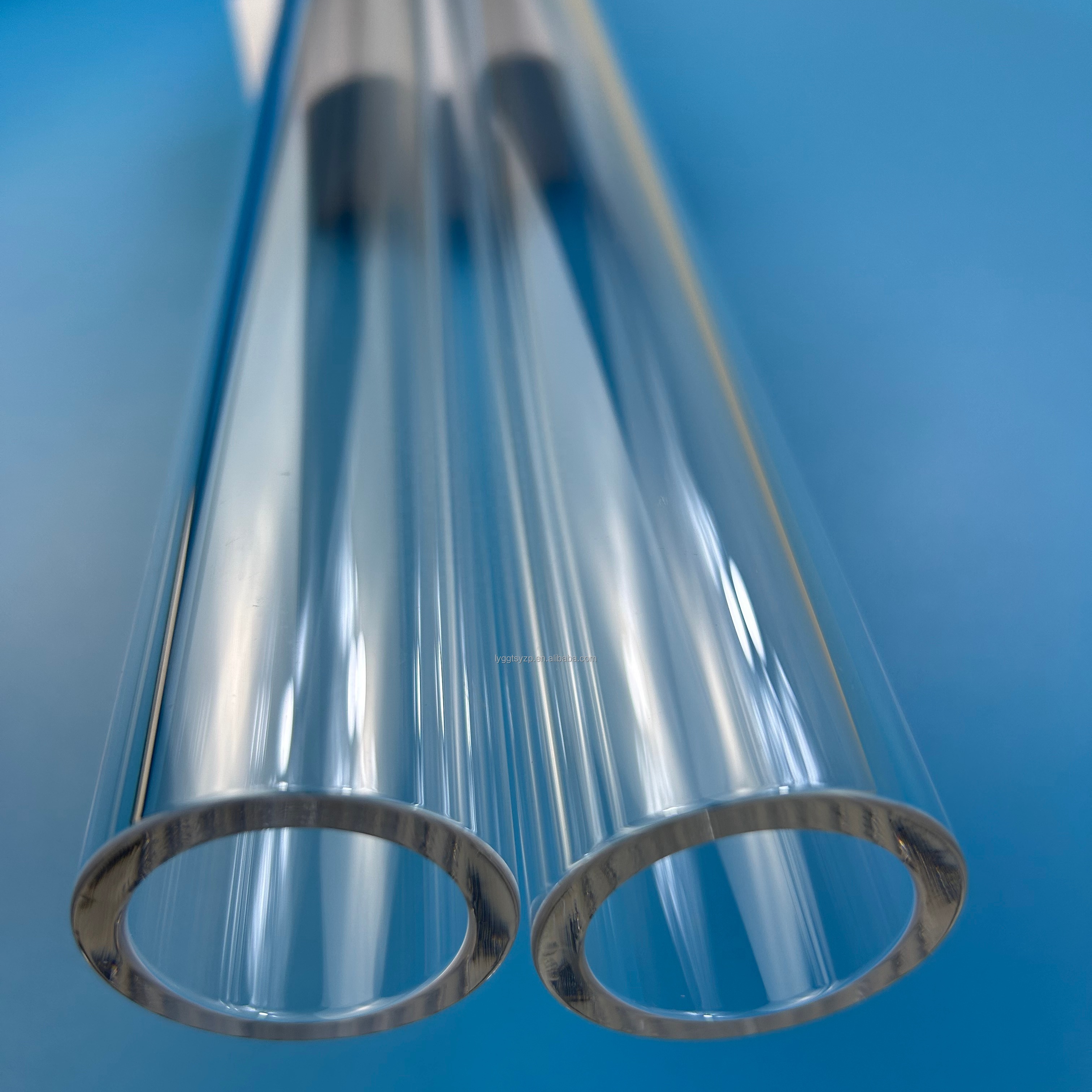
The metropolitan region of Lisbon, anchored by institutions such as the Champalimaud Centre for the Unknown, Instituto Superior Técnico (IST), and the biopharma manufacturing facilities in Oeiras and Sintra, operates under strict metrological standards. Photometric accuracy in spectrophotometry, fluorometry, and circular dichroism (CD) relies entirely on the optical homogeneity, molecular purity, and precision machining of the sample container: the UV quartz cuvette.
Standard borosilicate or optical glass exhibits an abrupt UV cutoff around 320–340 nm due to internal iron oxide impurities and lattice absorption. In contrast, molecular assays targeting nucleic acids (DNA/RNA absorption at 260 nm), aromatic amino acids in proteins (tryptophan and tyrosine at 280 nm), and active pharmaceutical ingredients (APIs) require transmission deep into the far-UV spectrum. Zunex Quartz employs synthetic fused silica (JGS1), synthesised via vapor-phase axial oxidation of high-purity silicon tetrachloride (SiCl₄). This produces a glass virtually free of metallic contaminants (<1 ppm total), delivering internal transmittance exceeding 82% at 200 nm, extending smoothly down to 185 nm.
Crucial Technical Insight: Unlike standard adhesive-bonded cuvettes that degrade, leak, or exhibit autofluorescence under aggressive organic solvents (such as chloroform, dimethyl sulfoxide, or concentrated perchloric acid), Zunex cells utilize high-temperature molecular fusion. The optical windows are molecularly bonded without organic resins, ensuring absolute integrity across extreme pH ranges (pH 0 to 13.5) and thermal shock cycles.
For Portuguese research teams performing spectrofluorimetry, pathlength parallelism and optical orthogonality are decisive. When laser excitation strikes a non-parallel face, internal reflections cause phase distortion and stray-light leakage, generating phantom fluorescence readings. Our computerized flame polishing and CNC surface grinding maintain a wavefront distortion below λ/4 across the optical aperture, ensuring reproducible, peer-review-grade spectral baselines.
Selection guide for laboratory directors and procurement specialists across Lisbon research departments.
| Grade | Useful Spectrum | OH Content | Primary Lisbon Lab Application |
|---|---|---|---|
| JGS1 Synthetic | 185 nm – 2500 nm | < 20 ppm | Deep UV spectroscopy, Oligonucleotide quantification, CD polarimetry |
| JGS2 Optical | 220 nm – 2500 nm | < 150 ppm | Routine UV-Vis photometers, Environmental water quality testing, QC sight windows |
| JGS3 Low-OH | 260 nm – 3500 nm | < 5 ppm | Near-infrared (NIR) spectrometry, FTIR analysis, High-heat furnace viewports |
Our factories produce quartz optical cells strictly complying with DIN 58963 and ISO standards for laboratory glassware, ensuring seamless interchangeability with Agilent, Shimadzu, Thermo Scientific, and PerkinElmer spectrophotometer sample holders.
Inquire NowAnalyzing key drivers of advanced quartz component consumption across the Lisbon metropolitan area and the Tagus Valley industrial axis.
Lisbon has become a premier southern European hub for clinical trials, biomanufacturing, and immuno-oncology research. Institutions in the Taguspark science zone and universities demand ultra-micro UV cuvettes (sample volumes down to 10 μL) for measuring protein aggregation and micro-volume DNA extraction without cross-contamination.
Portugal's ambitious carbon-neutral goals have energized photovoltaic research at INESC MN and the National Laboratory of Energy and Geology (LNEG). Quartz tube furnaces, transparent wafer boats, and optical quartz plates serve in atomic layer deposition (ALD) and thin-film perovskite characterization.
The agricultural laboratories surrounding the Lisbon and Alentejo viticulture regions rely on automated flow-through quartz cuvettes for enzymatic analysis, phenolic indexing, and organic acid profiling, requiring optical durability against continuous liquid rinse cycles.
Combining Donghai raw crystalline mineral dominance with advanced micro-machining and strict global delivery chains.
Situated in Donghai County, China's quartz capital, Zunex controls raw material synthesis directly from origin. We refine high-purity natural silica sand (≥99.99% SiO₂) and synthetic silicas, eliminating metal-cation impurities (Fe, Ti, Al, Cr) that compromise UV transmission.
Our workshop integrates specialized CO₂ and ultrashort pulse laser finishing systems. We execute micron-tolerance drilling, micro-fluidic grooving, slotting, and edge-bevelling with minimal micro-cracking and stress-free annealing for vacuum and high-pressure setups.
Avoid sales-intermediary delays. Our technical desk reviews STEP, DWG, and PDF drawings directly. Lisbon engineers receive verified manufacturing reports with thermal load limits and optical transmission spectra in two hours or less.
Quartz glass is fragile; shipping to Humberto Delgado Airport (LIS) or the Port of Lisbon demands bespoke multi-layer shock mitigation. Every batch of cuvettes, reaction crucibles, or quartz tubes is encased in high-density customized foam inserts, vacuum-sealed against moisture, and packaged in reinforced wooden crates with tilt indicators.
Detailed answers addressing lead times, optical performance, custom specifications, and EU import procedures.
Connect with Zunex senior optical engineers today. Receive comprehensive technical review, formal quotation, and transmission data sheets in two hours or less.