Featured Quartz Diffusion Tubes & Engineered Process Cylinders
Precision-manufactured in Donghai's world-class quartz hub. Flame-polished, laser-grooved, and thermal-stress-annealed to support high-temperature microelectronics and solar cell manufacturing.
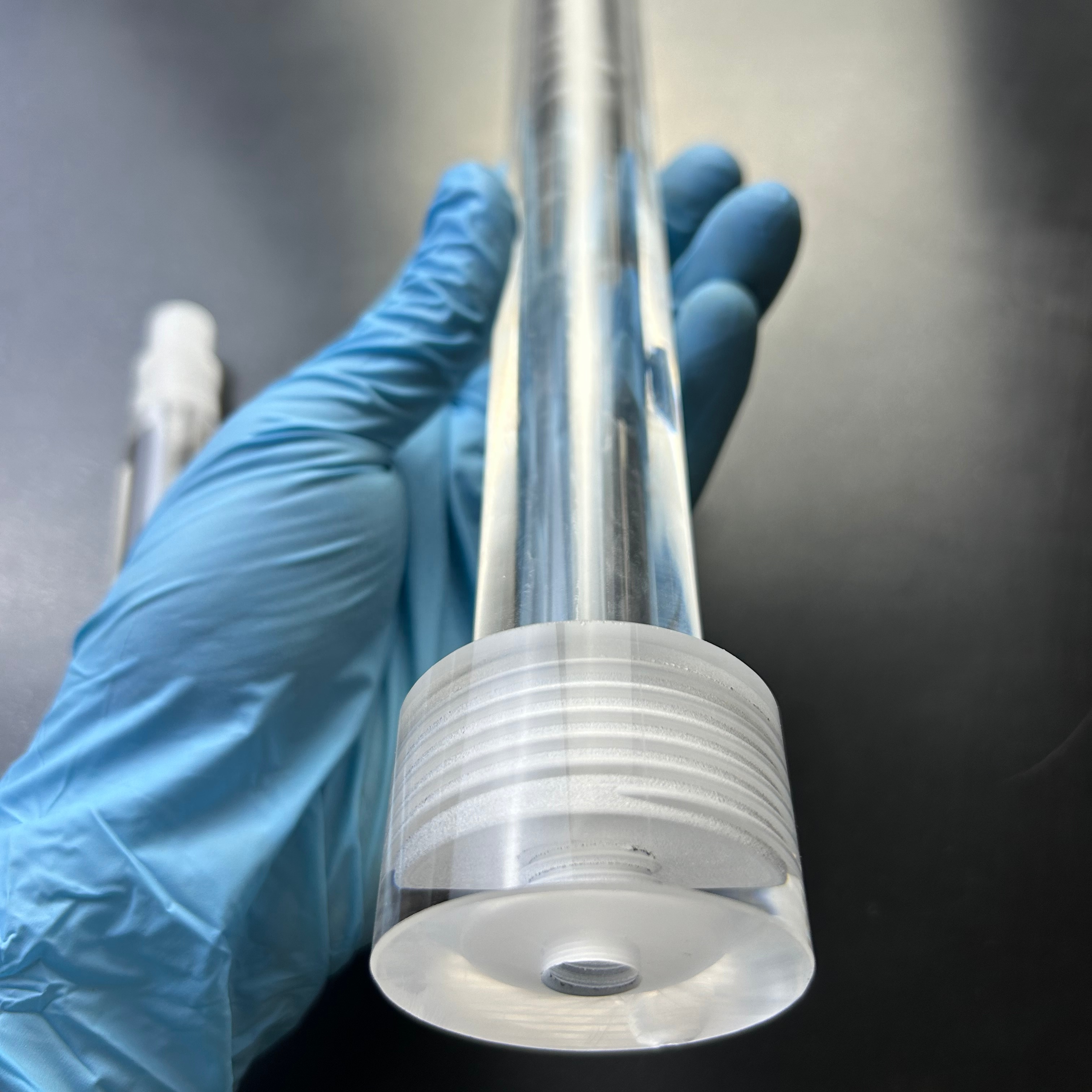 99.99% Fused Quartz
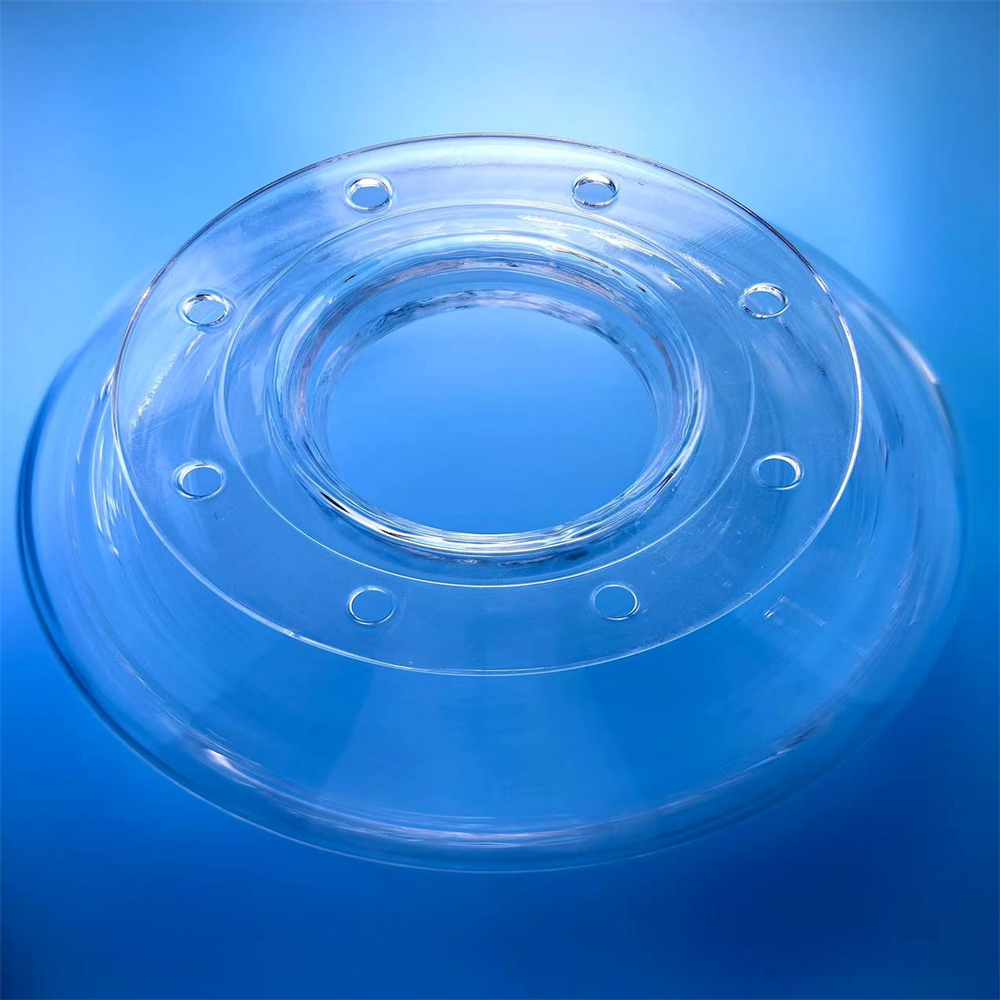 Flanged Interface
 1100°C Cont. Rating
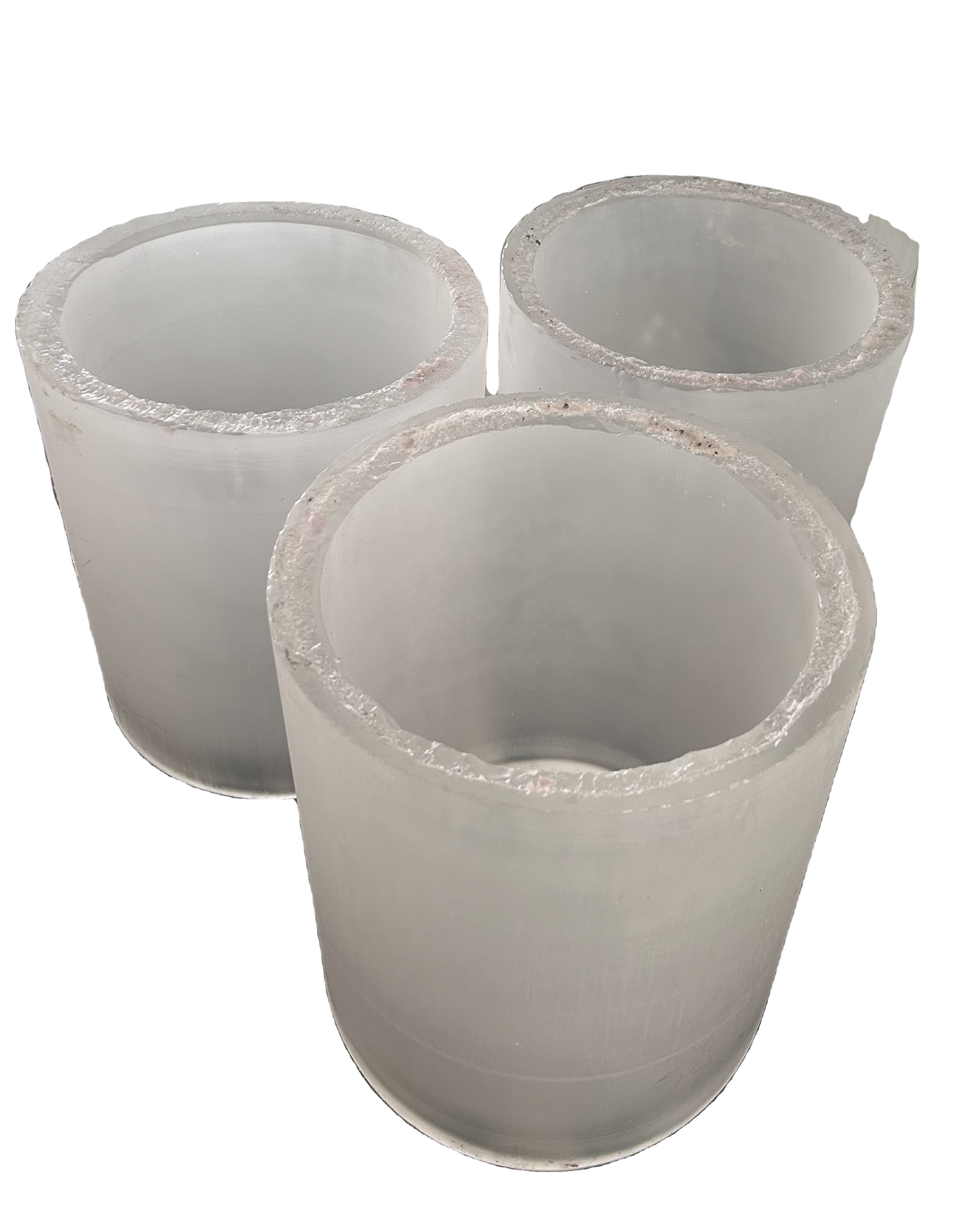 Heavy Cylinder Ingot
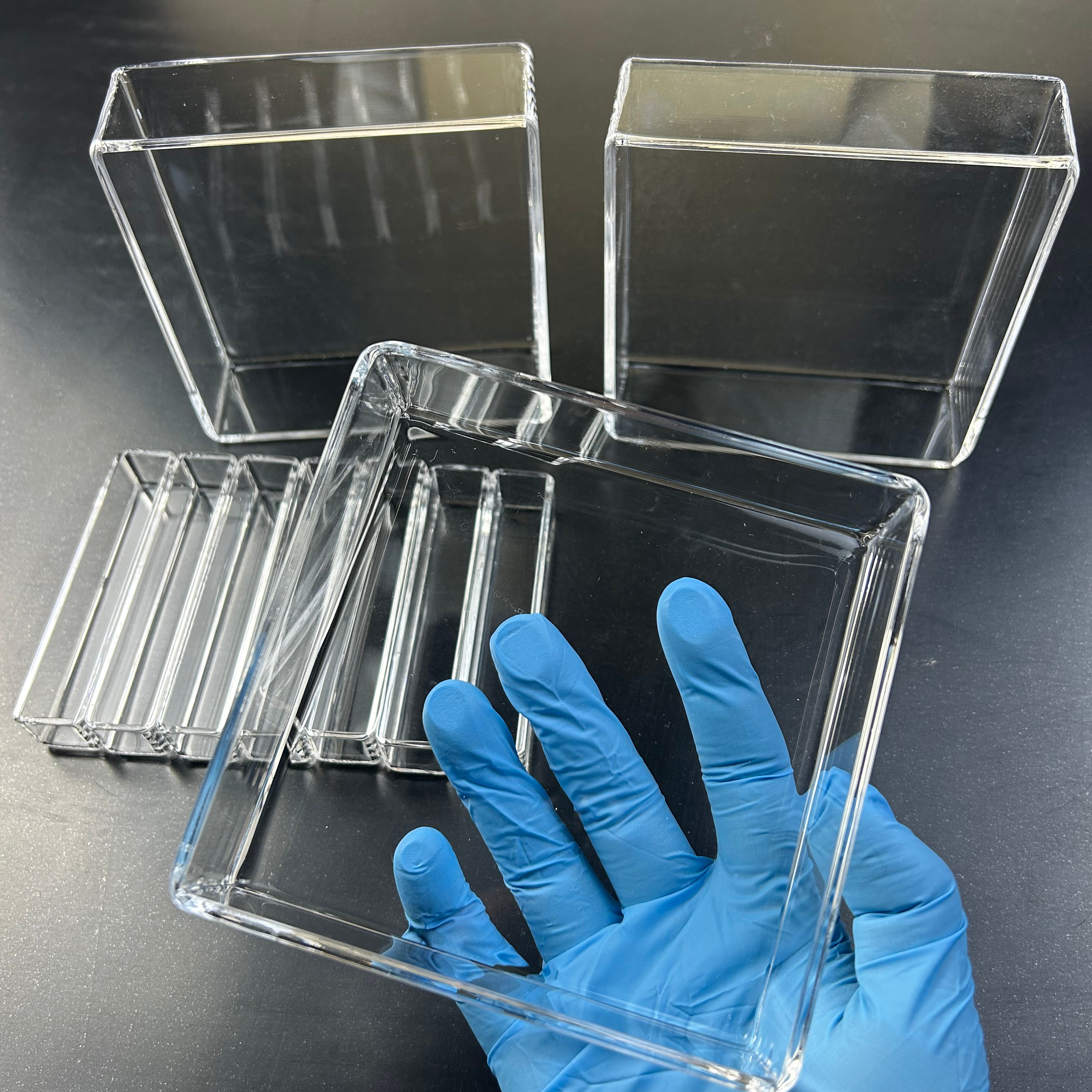 High Thermal Tank
 Optical Grade Sight
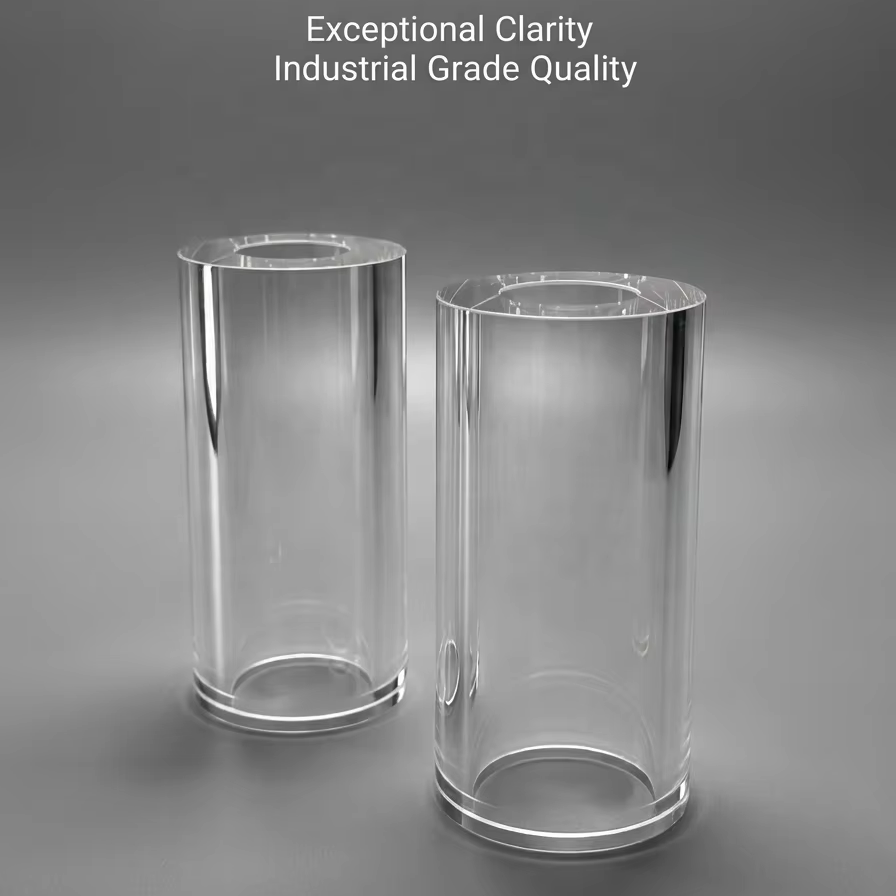 Polished Both Ends
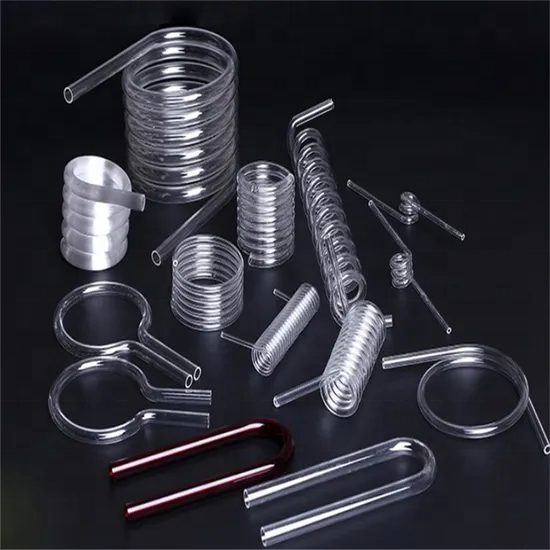
Technical Whitepaper: Engineering Criteria for Thermal Quartz Diffusion Tubes
In modern microelectronics and high-efficiency photovoltaic (TOPCon, HJT, and Perovskite-Silicon tandem) manufacturing, the quartz diffusion tube represents the ultimate protective envelope between thermal processing atmospheres and pristine silicon wafers. During critical processes such as boron trichloride (BBr₃) doping, phosphorus oxychloride (POCl₃) drive-in diffusion, low-pressure chemical vapor deposition (LPCVD), and ultra-dry thermal oxidation, the quartz tube must deliver complete chemical inertness at continuous operational environments exceeding 1150°C.
A failure in structural integrity, a mismatch in the thermal expansion envelope, or unwanted trace metal devitrification (nucleation provoked by alkali migration like Sodium or Potassium) will cause premature sag, micro-cracking, or fatal batch contamination. Sourcing high-specification quartz tubes directly from China's premier cluster—Donghai County, Jiangsu—provides semiconductor fab managers and solar line procurement directors with unmatched metallurgical purity, tight geometric tolerances, and laser finishing versatility.
| Physical / Thermal Parameter | Standard Electronic Grade | Semiconductor High-Purity Grade | Synthetic Fused Silica (JGS1) |
|---|---|---|---|
| Purity (% SiO₂ minimum) | 99.98% | 99.995% | ≥ 99.999% (5N) |
| Total Metallic Impurities (Al, Fe, Na, K, Li, Ca) | < 35 ppm | < 15 ppm | < 1.0 ppm |
| Max Continuous Operating Temperature | 1050 °C | 1150 °C | 1200 °C |
| Softening Point / Annealing Point | 1680 °C / 1210 °C | 1683 °C / 1215 °C | 1730 °C / 1220 °C |
| Hydroxyl (OH⁻) Ion Concentration | < 30 ppm (standard) | < 5 ppm (low-OH vacuum baked) | < 1 ppm (specialty IR grade) |
| Thermal Expansion Coefficient (20°C–320°C) | 5.5 × 10⁻⁷ / °C | 5.5 × 10⁻⁷ / °C | 5.4 × 10⁻⁷ / °C |
| Wall Thickness Tolerance & Ovality | ± 0.5 mm / ≤ 1.5% | ± 0.2 mm / ≤ 0.8% | ± 0.05 mm (laser inspected) |
Emerging Purchasing Trends for Industrial Quartz Tube Procurement
Global demand for specialty fused quartz diffusion hardware has undergone a massive architectural shift. Global procurement teams are no longer simply sourcing raw standard glass tubing; rather, purchasing strategies prioritize pre-machined assemblies, verified elemental traceability, and optimized life-cycle thermal fatigue resistance.
Transition to Large-Bore Diameters (OD > 350mm)
Driven by the conversion of wafer sizes to 210mm (G12) and 182mm (M10) large-format solar wafers, fab lines require extended tubular cross-sections. Procuring large-diameter quartz tubes without sag or thermal stress concentrations necessitates specialized heavy horizontal glass lathe synthesis.
Demands for Ultra-Low Hydroxyl (OH⁻) Grades
Hydroxyl radicals act as network terminators within the amorphous silica lattice, dramatically reducing viscosity at high temperatures and inducing premature thermal deformation. International buyers now mandate vacuum bake-out protocols to maintain OH levels below 5 ppm for CVD processes.
Integrated Laser Micro-Drilling & Precision Grooving
Fabrication plants require pre-assembled quartz systems containing integrated thermocouple ports, gas inlet nozzles, ground ball joints, and CNC slotted injector tubes. Consolidating raw tube extrusion with CNC/laser machining under a single exporter eliminates downstream assembly risk.
Technological Evolution: Next-Generation Quartz Glass Synthesis
The boundary conditions of high-temperature thermal diffusion are moving rapidly toward atomic-level cleanroom parameters. Five technological vectors define next-generation quartzware:
1. Synthetic Gas-Phase Axial Deposition (VAD): While natural high-purity quartz rock from Donghai provides unbeatable structural strength and cost advantages, extreme deep-submicron diffusion processes increasingly mandate hybrid synthetic linings. These dual-layer fused cylinders possess synthetic high-purity SiO₂ internally with natural fused quartz externally, combining cost-efficiency with single-digit ppb trace-impurity control.
2. Devitrification Retardation via Aluminum Doping: High-temperature crystalline silica formation (cristobalite conversion) above 1180°C leads to mechanical embrittlement upon cooling. Next-generation quartz tubes undergo controlled surface purification and specialized ionic passivation to double the thermal lifespan before devitrification hazing appears.
3. Closed-Loop Optical Surface Characterization: Automated laser-scattering profilometers now inspect raw drawn tubes for internal bubbles (inclusions), wall thickness non-uniformities, and surface striations across 3-meter lengths, ensuring uniform thermal flux during wafer heating cycles.
Why Global Buyers Partner with Zunex Quartz in Donghai, China
Located in the heart of Donghai County, Jiangsu—the premier capital of crystal and quartz fabrication in China—Zunex Quartz Products Co., Ltd. delivers direct factory engineering expertise, transparent transaction verification, and bespoke manufacturing flexibility.
Raw Material Heritage
Direct access to highest-grade natural silica deposits in Donghai ensures superior SiO₂ raw feedstock, lowering manufacturing costs and stabilizing production lead times.
Rapid Engineer Review
100% verified response rate with engineering feedback on PDF, DWG, and STEP files within 2 hours or less, including DFM (design for manufacturability) checks.
Proprietary Laser Finishing
Specialized laser drilling, grooving, slicing, fire-polishing, and flanging processes eliminate micro-fractures, drastically lowering thermal-shock breakage rates.
Secure Packaging & Proven Export
43% repeat buyer rate with verified trade track records on Alibaba.com. Custom multi-layer shockproof suspension wooden packaging ensures zero transit damage.
Frequently Asked Questions by Industrial Buyers
Critical metallurgical, operational, and logistics considerations address common purchasing barriers.
How do you prevent thermal sagging and devitrification in long horizontal diffusion tubes?
Can you customize quartz tubes with welded flanges, gas injectors, and thermocouple ports?
What is the key difference between JGS1, JGS2, and JGS3 quartz material grades?
How does Zunex package fragile large-diameter quartz tubes to ensure safe ocean/air transit?
What is the minimum order quantity (MOQ) and lead time for custom diffusion tubes?
Submit Your Specifications or Fabrication Drawings
Whether you require standard 99.99% high-purity clear tubes or fully custom CNC-machined, welded, and flanged diffusion reactor chambers, our engineering department reviews tolerance feasibility and delivers full quotes in under 2 hours.