Precision Fabricated Industrial Quartz Solutions
Engineered for extreme thermal shock resistance, ultra-high chemical purity, and superior optical transmission across UV-Vis-NIR spectrums.
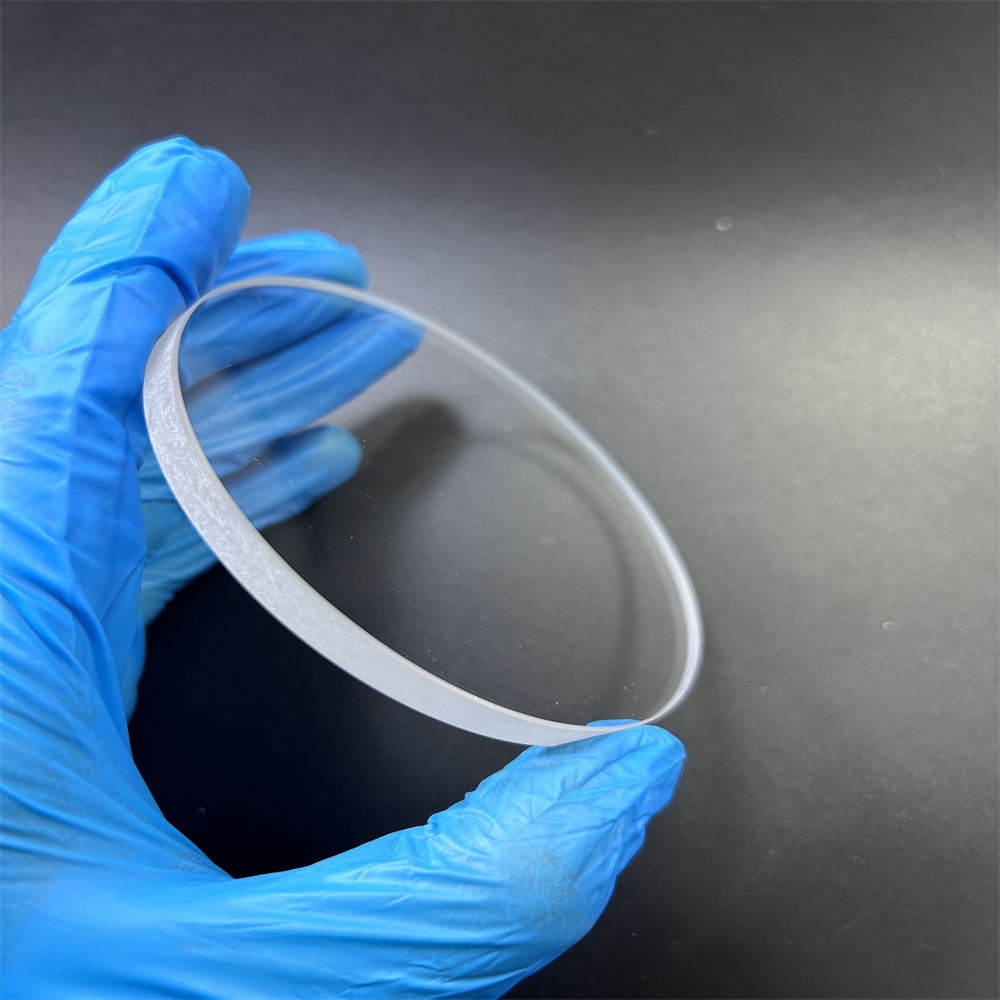
High Pressure Fused Silica Quartz Glass Wafer Transparent UV Sheet
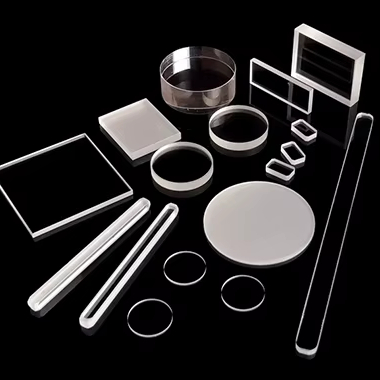
Custom Size High Temperature Optical Fused Quartz Sheet
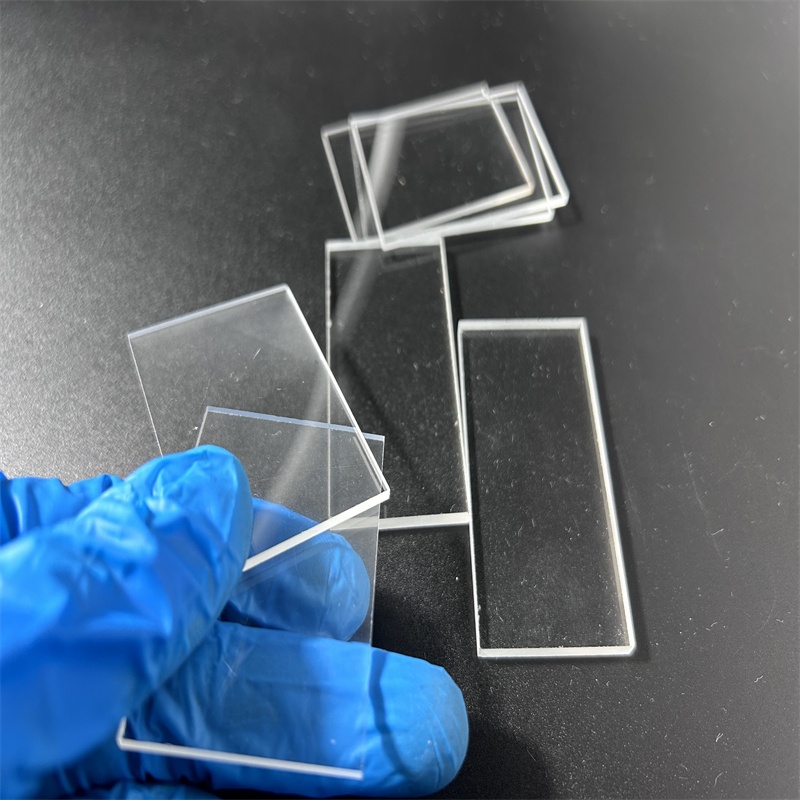
Custom Optical Grade Transparent Fused Quartz Plate
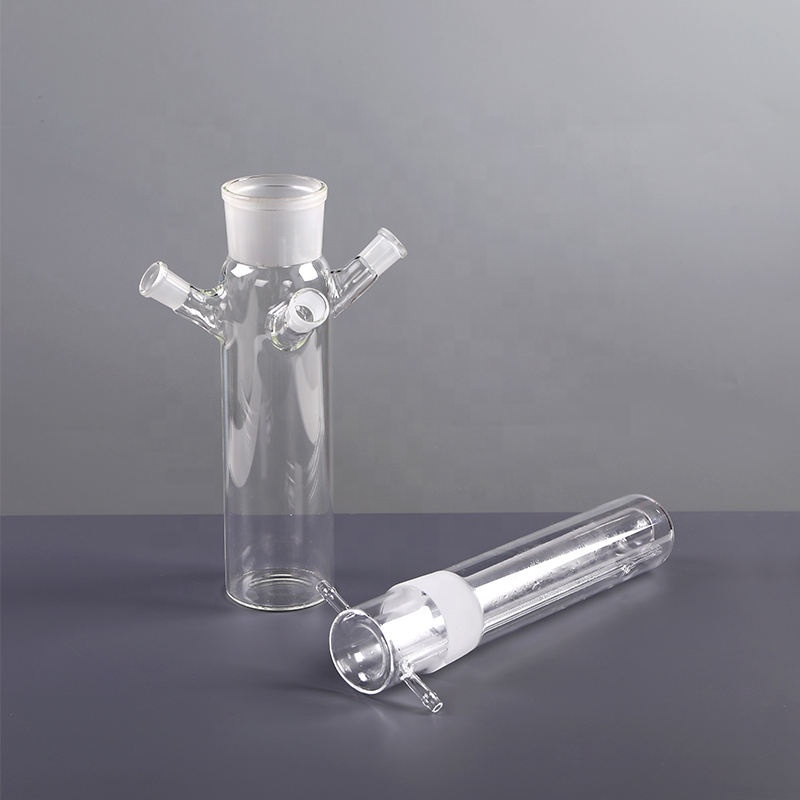
High-Purity Quartz Glass Photocatalytic Reactor Container

High Temperature Transparent UV Quartz Disc & Window
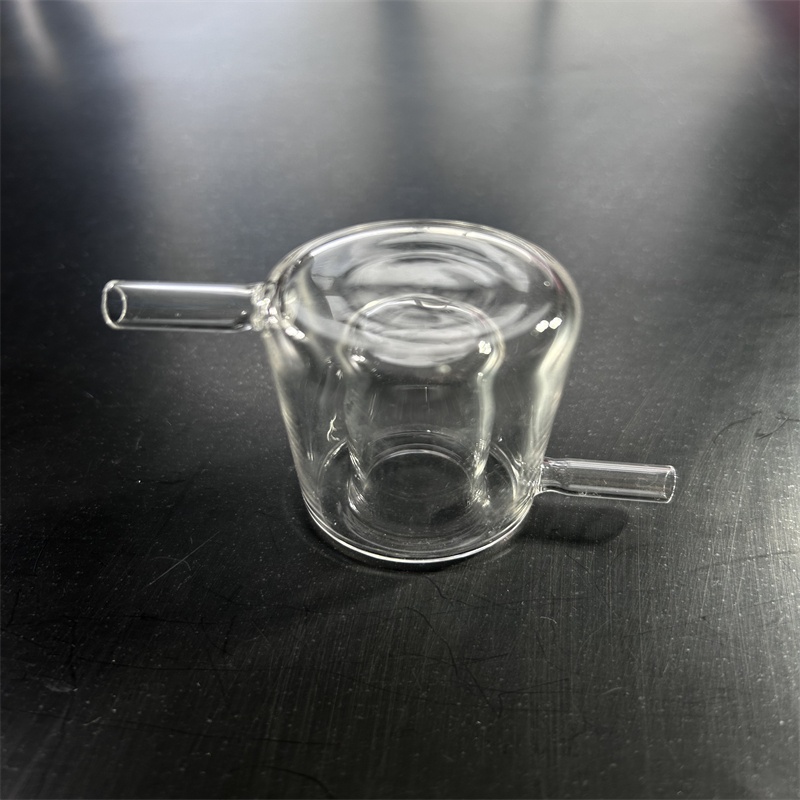
99.99% Pure Ozone-Free Quartz Glass Reactor Twin Tube
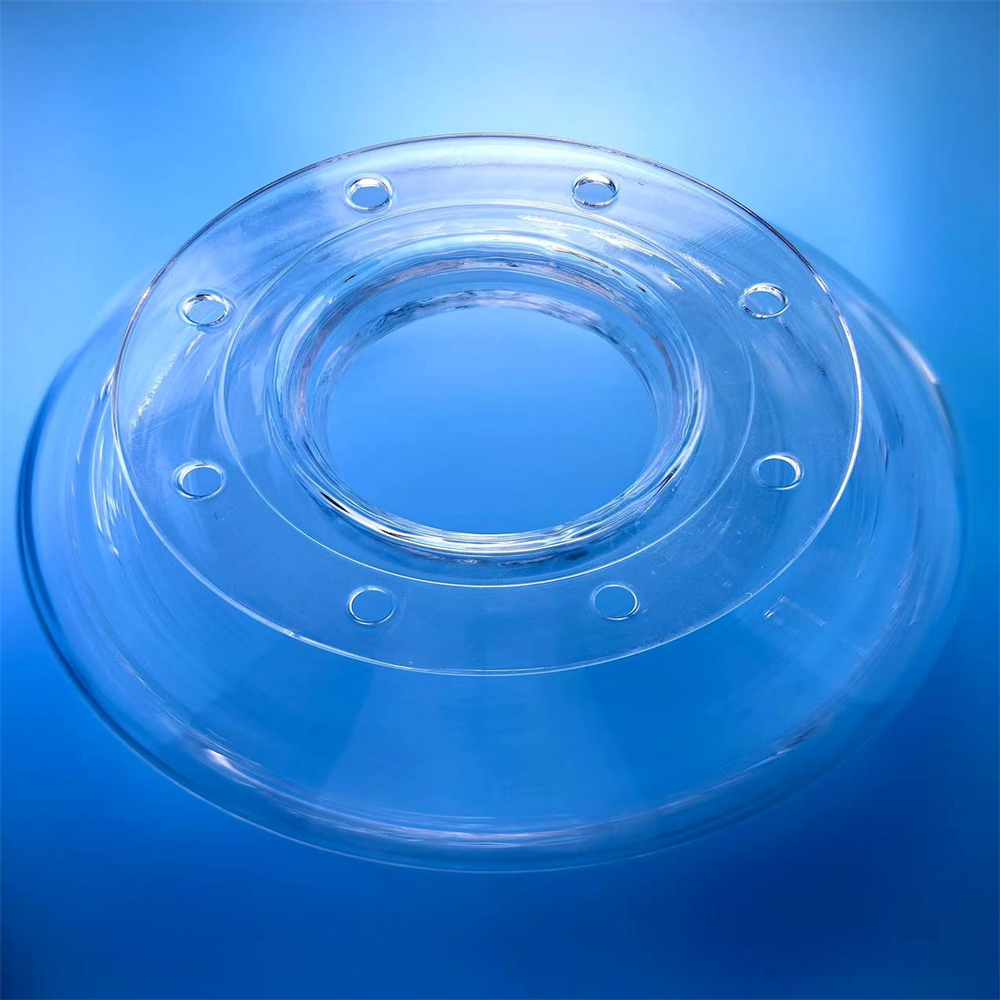
High Purity Fused Silica Flange Twin Quartz Tube
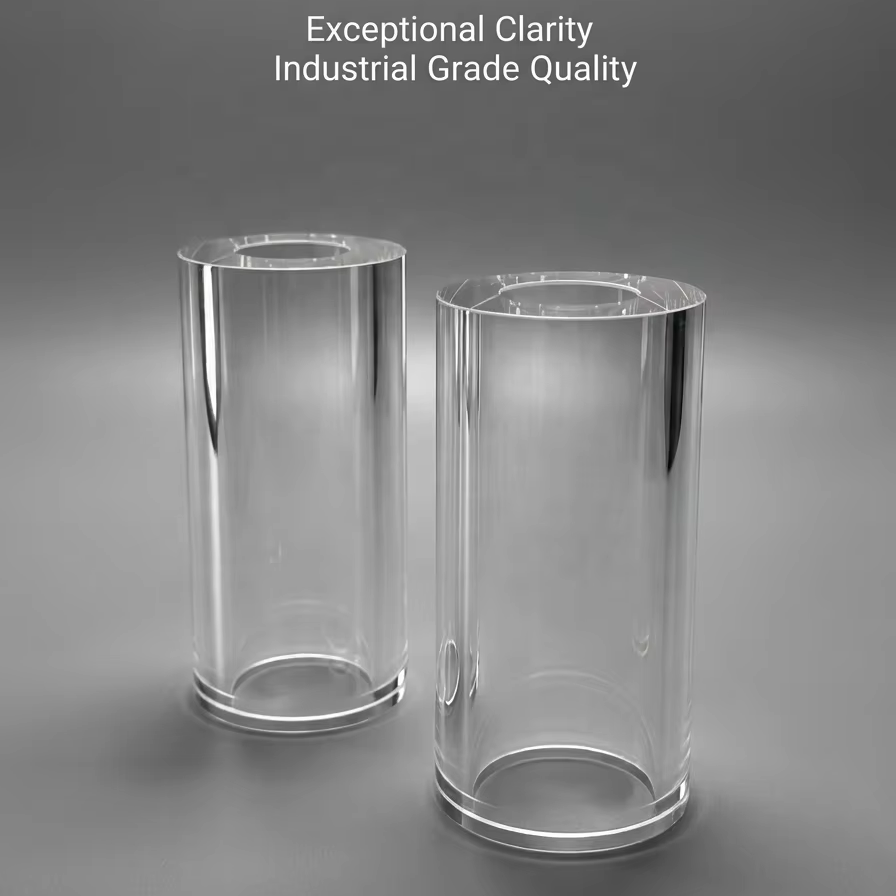
Custom Both Ends Polished Quartz Twin Tube System
Fused Silica & Quartz Glass Engineering Benchmark
Understanding critical physical thresholds and optical classifications when sourcing high-spec quartz glass from Chinese manufacturers.
| Material Property | JGS1 (Synthetic Silica) | JGS2 (Optical Quartz) | JGS3 (Infrared Quartz) | Test Standard / Method |
|---|---|---|---|---|
| Primary Optical Band | Deep UV: 185 nm – 2500 nm | UV-Visible: 220 nm – 2500 nm | Infrared: 260 nm – 3500 nm | Spectrophotometer (Transmittance ≥90%) |
| Hydroxyl (OH⁻) Content | ≤ 1200 ppm (High OH) | ≤ 150 – 300 ppm | ≤ 5 ppm (Water-Free IR Grade) | FTIR Infrared Absorption |
| Continuous Working Temp | 1100 °C | 1100 °C | 1150 °C | Thermal Stability Protocol |
| Short-Term Max Temp | 1300 °C | 1300 °C | 1350 °C | Softening Point Reference (1683 °C) |
| Thermal Expansion (CTE) | 5.5 × 10⁻⁷ / °C | 5.5 × 10⁻⁷ / °C | 5.4 × 10⁻⁷ / °C | Dilatometry (20°C – 320°C) |
| Refractive Index (nD 589nm) | 1.4585 | 1.4585 | 1.4580 | V-Block Refractometry |
| Dielectric Constant (1 MHz) | 3.75 | 3.75 | 3.70 | ASTM D150 High-Frequency Test |
Structural Dynamics of Quartz Glass in Thermal Shock & Plasma Environments
Fused quartz (SiO₂ content ≥ 99.98%) represents an extraordinary class of non-crystalline engineering glasses. The absence of network-modifying fluxing agents (such as Na₂O, CaO, or K₂O found in standard borosilicate glass) endows the material with an almost negligible coefficient of thermal expansion (5.5 × 10⁻⁷ / °C). In industrial applications, this allows rapid thermal cycling: a fused silica window heated to 1100 °C can be quenched directly into 20 °C water without catastrophic brittle failure.
For advanced semiconductor wafer processing (such as PECVD, LPCVD, and rapid thermal processing), chemical purity directly governs furnace tube longevity and wafer yield. Contaminant elements such as copper, iron, nickel, sodium, and lithium will diffuse exponentially through standard glass matrices at elevated temperatures. Chinese manufacturing centers in Donghai County leverage natural, highly refined quartz ore paired with plasma and oxyhydrogen flame refining to suppress transition metal contents below sub-ppm thresholds, ensuring semiconductor-grade operational integrity.
Future Procurement Trends in Industrial Quartz Glass
Strategic movements shaping supply chain architectures, cost models, and precision fabrication requirements through 2026–2030.
Direct-from-Source Clustering (Donghai Ecosystem)
Global procurement teams are shifting away from intermediate Western resellers toward direct factory-level engagement in Donghai County, China. Sourcing at the regional cluster level compresses lead times by 40% and reduces procurement costs by eliminating tier-2 distributor margins on custom raw quartz tubing and optical preforms.
Demand for Sub-Micron Cold Processing
Traditional flame-working alone no longer satisfies next-generation photonic sensors, laser diode windows, and semiconductor chucks. Procurement mandates now specify multi-axis CNC ultrasound micro-drilling, high-precision laser slotting, and double-sided planetary chemical-mechanical polishing (CMP) with surface roughness down to Ra < 0.2 nm.
Supply Chain Decarbonization & Circular Quartz
With high-purity quartz classified as a critical mineral, Tier-1 industrial buyers increasingly require factories to demonstrate circular recovery cycles. Reprocessing optical crop-ends into solar crucibles and implementing oxy-hydrogen low-emission melting technologies are becoming standard vendor audit checkpoints.
Emerging Technological Frontiers in Quartz Fabrication
How Chinese manufacturers are driving material breakthroughs across semiconductor, photovoltaic, and quantum optics arenas.
Picosecond & Femtosecond Laser Micromachining
Cold-ablation ultrafast laser machining prevents micro-crack propagation and subsurface damage in thin quartz wafers and microfluidic chips. This enables clean aspect ratios >10:1 for deep holes without chemical etching.
Large-Diameter CVD Synthetic Silica Ingots
Transitioning from traditional electric-arc melted rock crystal to gas-phase chemical vapor deposition (SiCl₄ + O₂ → SiO₂) allows Chinese facilities to synthesize ultra-high-purity boules with virtually zero bubble inclusions (DIN 58927 Class 0) up to 800 mm in diameter.
High-Precision Twin-Tube & Multi-Bore Geometry
Precision draw towers now achieve continuous extrusion of non-circular cross sections, including twin-tube emitters with integrated gold reflectors for rapid curing systems and customized multi-channel quartz cooling reactors.
Why Partner with Zunex Quartz in Donghai
Combining primary regional raw material dominance with high-precision engineering workflows tailored for international enterprise clients.
Donghai Industrial Cluster
Situated in China's "Crystal Capital", directly integrating raw ore processing, drawing, and high-temp quartz annealing.
Custom Drawing-to-Part
Direct interpretation of DWG, DXF, and STEP files with complete tolerance verification before production quotes.
Rigorous Metrology
Laser interferometers, spectrophotometer transmittancy scans, and cleanroom polariscopic stress evaluations.
Zero-Breakage Export Crating
Custom foam suspense packing inside ISPM-15 export-certified wooden cases for safe worldwide air and ocean freight.
Frequently Asked Questions by Industrial Buyers
Essential technical clarifications regarding tolerances, optical specifications, and international supply logistics.
How do I specify dimensional tolerances for custom quartz tubes and plates?
Standard cold-machined parts maintain ±0.1 mm tolerances. Using precision CNC edge grinding, double-disk lapping, and laser dicing, critical optical wafers and furnace tube diameters can be held to ±0.02 mm, with surface parallelism < 10 arcseconds upon request.
When should synthetic silica (JGS1) be chosen over natural fused quartz (JGS2/JGS3)?
Choose JGS1 when your application operates in the deep ultraviolet range (e.g., excimer laser optics, 193 nm or 248 nm photolithography, UV-C sterilizers) or requires strict bubble-free optical clarity. Choose JGS2 for general viewports and JGS3 for infrared heaters and moisture-free FTIR windows.
What is the typical working lifecycle of a quartz reactor at 1100 °C?
At continuous 1100 °C in inert or oxidizing atmospheres, fused quartz shows indefinite dimensional stability without devitrification. Operating above 1200 °C induces cristobalite nucleation over time, requiring periodic acid leaching or high-purity thermal annealing to maintain quartz transparency.
How does Zunex prevent transit breakage for fragile thin quartz wafers and twin tubes?
We deploy custom-molded high-density EVA foam fixtures, individual vacuum anti-static bagging, and triple-wall corrugated outer cartons secured within shock-isolated plywood crates. Our international transit damage rate remains below 0.05% across FedEx, DHL, and air cargo shipments.
What documentation and quality certifications accompany each shipment?
Standard delivery documentation includes a Certificate of Conformance (CoC), material spectral transmittance curves (on optical parts), dimensional CMM inspection reports, and raw material chemical purity assay certificates upon pre-order agreement.
What is the typical turnaround time for custom rapid prototypes?
For custom CAD drawings involving CNC dicing, drilling, or flame-welded flange adapters, initial prototypes are manufactured and dispatched within 5 to 7 business days following engineering DFM sign-off.
Connect Directly with Senior Quartz Engineers
Submit your CAD blueprints, DWG specifications, or RFQ details. Our engineering department in Donghai provides rapid manufacturability feedback, optical grade verification, and factory-direct quotation within 2 hours.