Precision Engineered Quartz Solutions
Direct manufacturer capabilities specializing in 99.99% SiO₂ purity, high thermal shock tolerance, custom geometry bending, and fire-polished optical finishes.
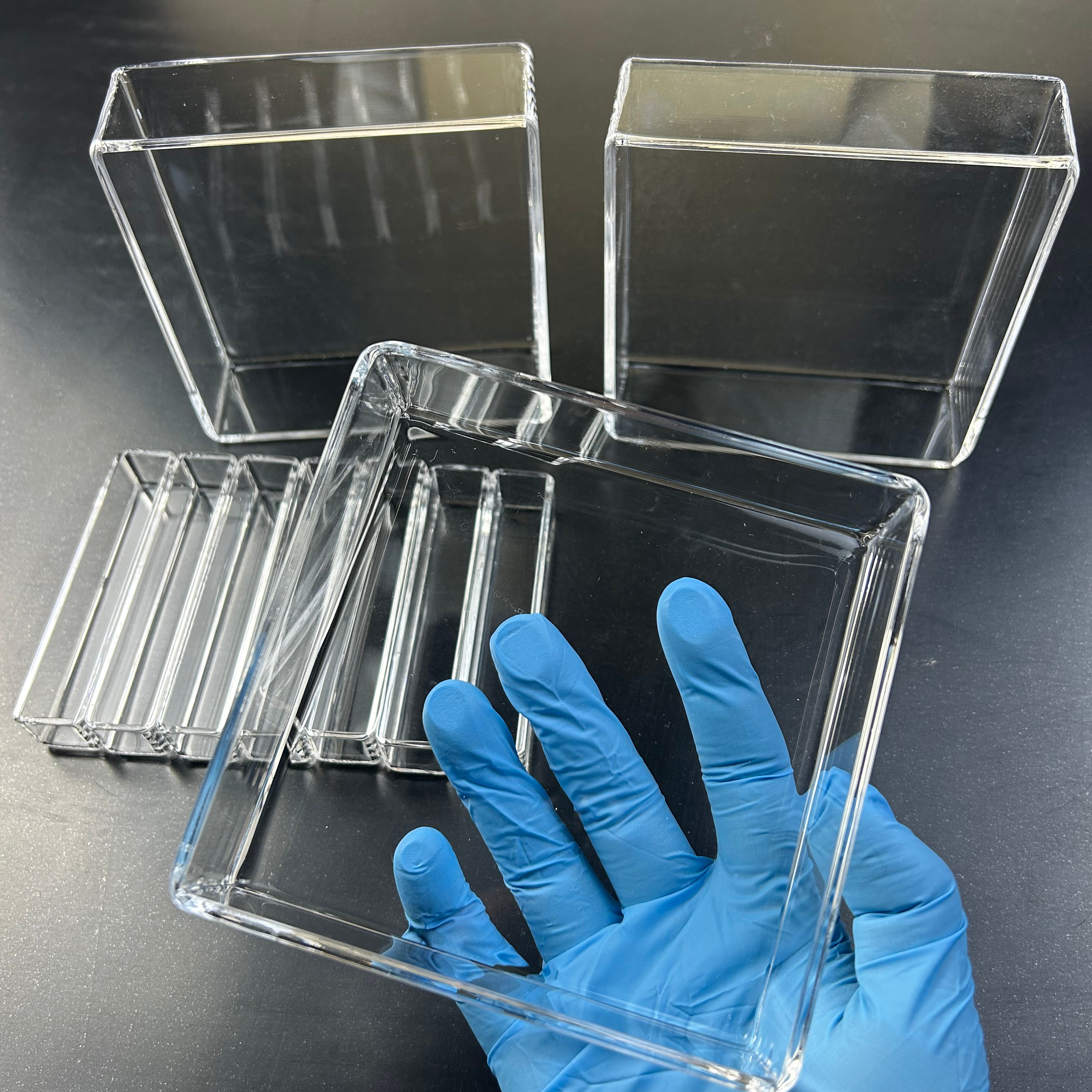
Customized Fused Quartz Glass High Temperature Circular Cylinder Crucible Tank
- Max Working Temp: 1100°C to 1300°C
- Flame Welding & Seamless Edge Sealing
Both Ends Polished High Purity Transparent Quartz Twin Tube Capabilities
- Dual Geometry (11x23mm, 15x33mm etc.)
- Bending, Moulding & Precision Polishing

99.99% Pure Fused Quartz Twin Tube with Ozone Free Welding & Bending
- Ozone-Free & Clear Optical Transmission
- Gold/White Reflective Coating Options
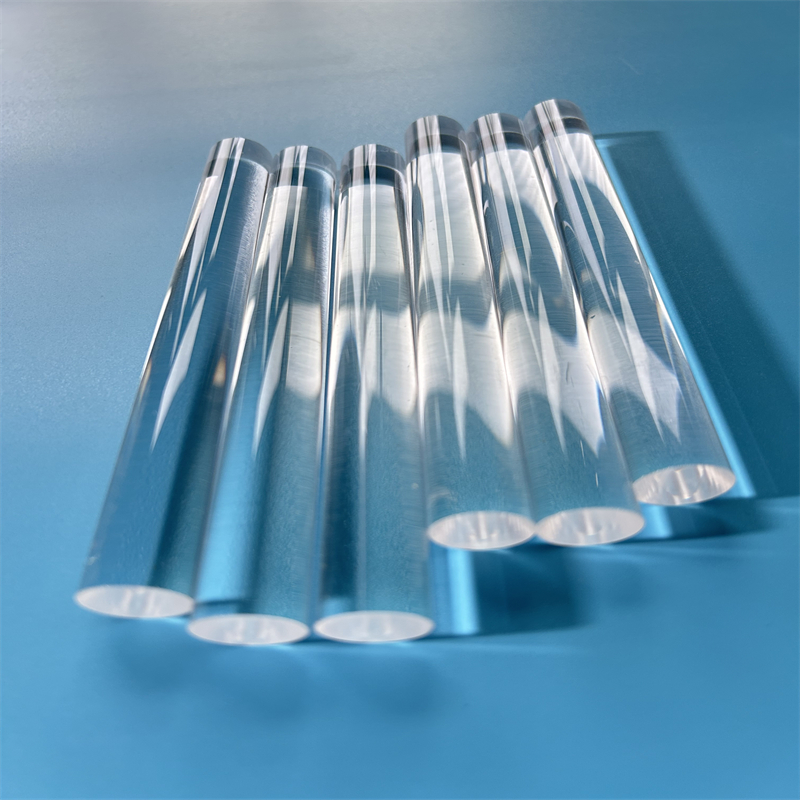
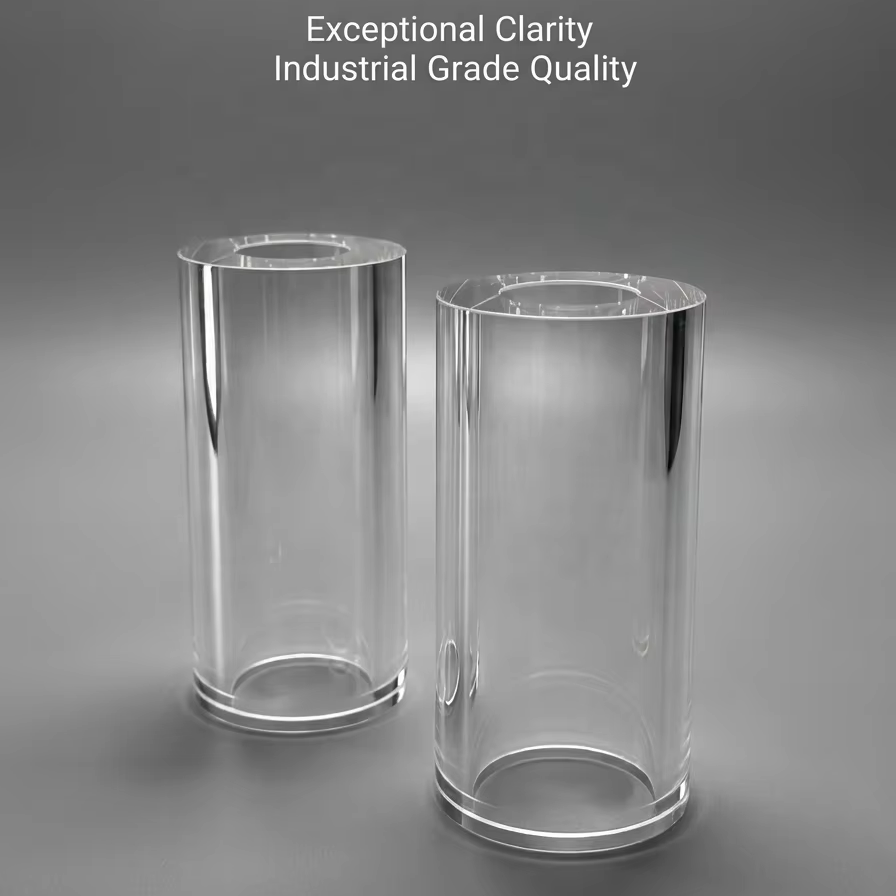
High Purity Optical Quartz Light Guide Cylinder Rod 99.99% SiO2
- Transmission Rate: >92% in visible spectrum
- Semiconductor & Optoelectronic Ready
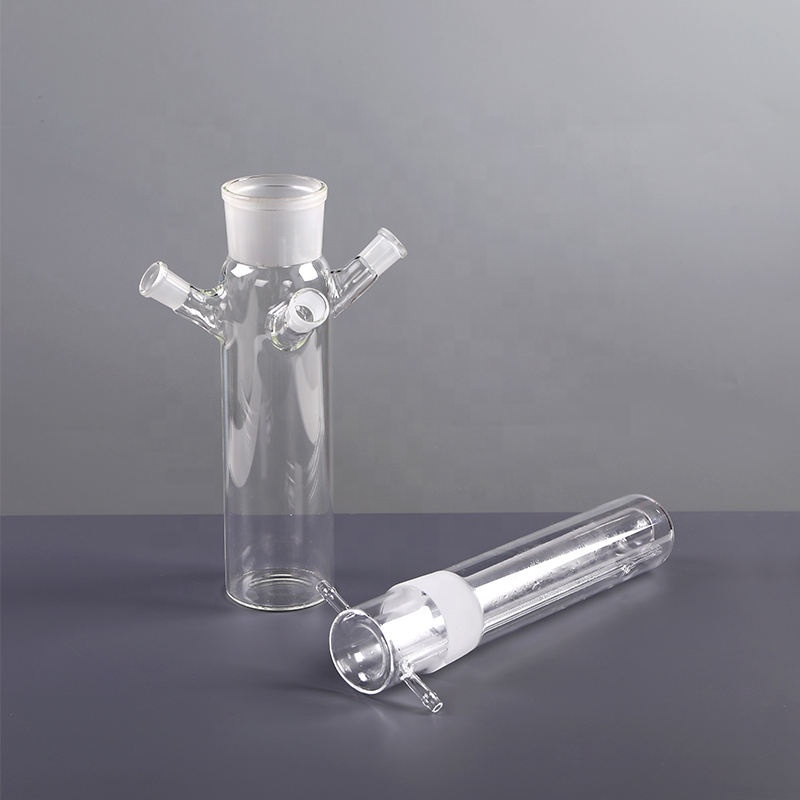
High-Purity Quartz Glass Reactor Container for Photocatalytic Degradation
- Internal Illumination & Bending Mould
- Corrosion Resistant to Concentrated Acids
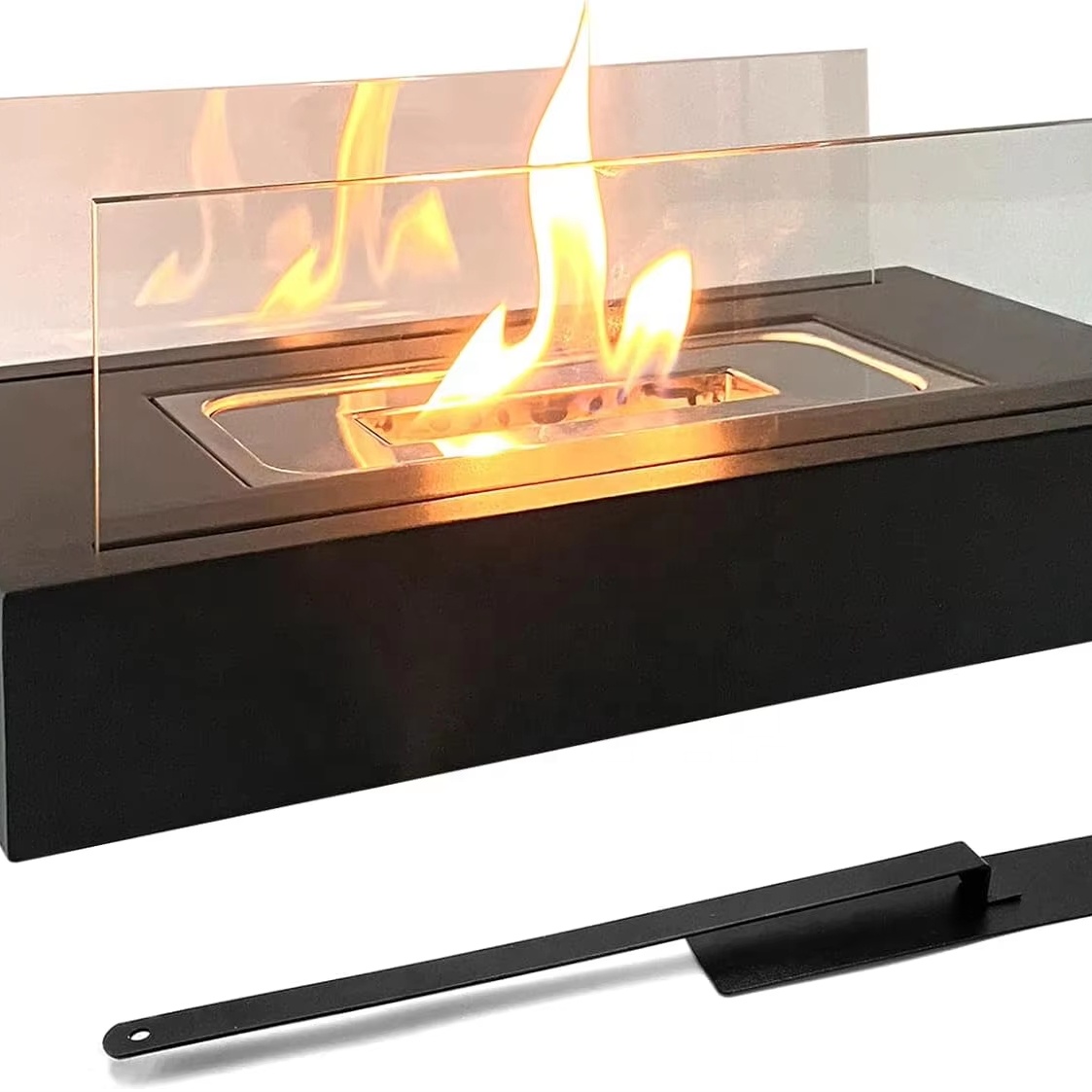
High Temperature Clear Transparent Optical Grade Quartz Glass Cylinders
- High Pressure & Rapid Thermal Shock Proof
- Precision CNC Grinding & Edge Polishing
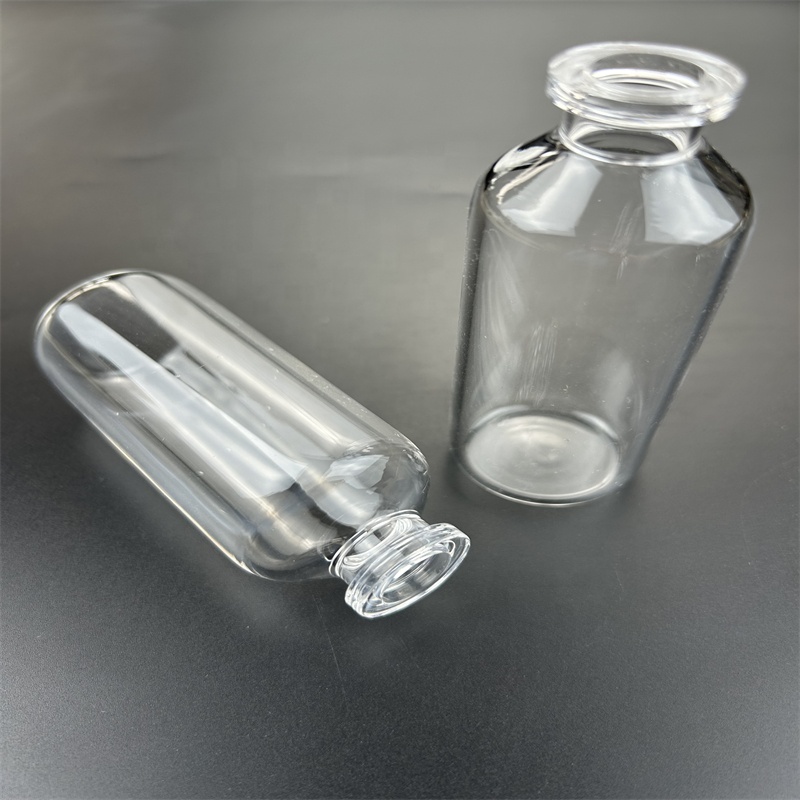
Corrosion Resistant Transparent 99.99% Quartz Glass Ampoules Medical Grade
- Ozone-Free Hermetic Seal Welding
- Chemical Neutrality & Vacuum Packaging
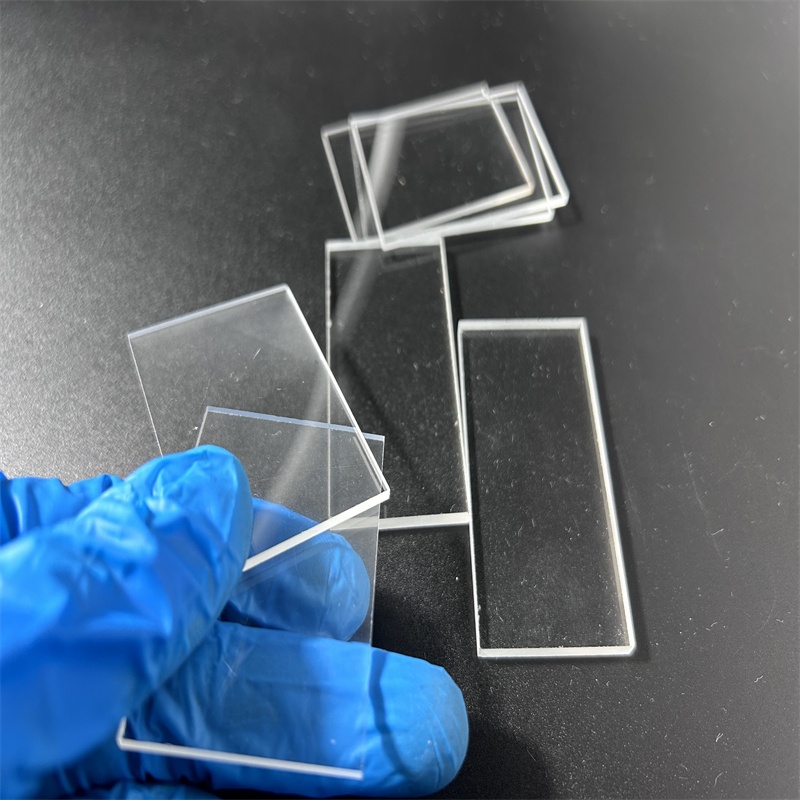
Customized High Temperature Transparent Fused Quartz Glass Optical Sheet
- JGS1 / JGS2 / JGS3 Available
- Laser Drilling, Micro-Grooving & Cutting
Industrial Leadership & Core Manufacturing Competence
Operating from Donghai County, China's premier silica supply hub, we integrate raw crystal synthesis, continuous drawing furnaces, and cold CNC laser nanofinishing under one ISO-calibrated quality management ecosystem.
Native Crystal Cluster Purity
Direct proximity to the world’s most concentrated natural quartz deposits guarantees uninterrupted raw silica batches. Our continuous electric fusion and gas-refining techniques eliminate internal micro-bubbles, yielding a baseline silica purity exceeding 99.99% (SiO₂) with minimal transition metal contaminants (Fe < 0.2 ppm, Al < 14 ppm).
Advanced Cold & Laser Micro-Finishing
Unlike conventional glass converters that experience structural micro-cracking during mechanical tooling, our facility deploys 5-axis CNC diamond grinding and ultrafast pulsed laser processing. This unlocks sub-millimeter precision drilling, complex circular slotting, and scratch-free surface finishes (Ra < 0.5 nm) for semiconductor diffusion carriers.
Stringent Metrology & Cleanroom QC
Every batch of quartz tubing, twin-bore heating sleeve, and optical window undergoes multi-stage spectrophotometer transmission scans, polariscope thermal stress analysis, and ultrasonic wall-thickness mapping. Packaged in Class 1,000 cleanroom environments to eliminate organic residue before global air or maritime shipping.
Engineering Whitepaper: Physical, Thermal & Spectroscopic Matrix
Engineers and technical procurement teams must align material selection with thermal duty cycles and spectral wavelengths. The table below outlines verified operational thresholds of our standard fused quartz versus synthetic fused silica grades.
| Material Parameter / Property | JGS1 (Synthetic Silica) | JGS2 (Fused Natural Quartz) | JGS3 (Infrared Low-OH) |
|---|---|---|---|
| Primary Optical Bandwidth | 185 nm – 2500 nm (Deep DUV) | 220 nm – 2500 nm (UV-VIS) | 260 nm – 3500 nm (Near-to-Far IR) |
| Hydroxyl Ion Content ([OH]) | < 5 ppm – 1200 ppm (Grade Tuned) | ≤ 30 ppm – 50 ppm | ≤ 2 ppm – 5 ppm (Water-Free) |
| SiO₂ Chemical Purity | ≥ 99.999% (Electronic Grade) | ≥ 99.99% (Industrial Grade) | ≥ 99.995% (Laser Grade) |
| Coefficient of Thermal Expansion (CTE) | 5.4 × 10⁻⁷ / °C (0–300°C) | 5.5 × 10⁻⁷ / °C (0–300°C) | 5.5 × 10⁻⁷ / °C (0–300°C) |
| Softening Point / Annealing Point | 1730 °C / 1180 °C | 1683 °C / 1215 °C | 1700 °C / 1190 °C |
| Max Operating Temperature | 1150 °C (Cont.) / 1350 °C (Short) | 1100 °C (Cont.) / 1300 °C (Short) | 1120 °C (Cont.) / 1320 °C (Short) |
| Dielectric Strength (20°C, 1MHz) | 25 – 40 kV/mm | 20 – 35 kV/mm | 22 – 38 kV/mm |
| Primary Engineering Applications | Semiconductor Photolithography, Laser Windows | Furnace Diffusion Tubes, Sight Glasses | IR Twin Tubes, Radiant Heaters, Epitaxy |
Thermal Shock and Devitrification Mechanics
Fused quartz boasts an exceptionally small thermal expansion coefficient, enabling sudden water quench cycles from 1100°C down to 20°C without mechanical rupture. However, industrial engineers must account for high-temperature devitrification. Above 1150°C, structural silicon-oxygen bonds reconfigure toward crystalline cristobalite. The rate of this phase transition is drastically accelerated by alkaline ionic contaminants (such as Na+, K+, Ca++). Our strict fire-polishing and hydrogen-oxygen flame sealing eliminate external surface nucleation seeds, vastly improving component lifespan inside industrial LPCVD and MOCVD environments.
Future Sourcing & Technological Trends (2025–2030)
As global semiconductor nodes scale below 3nm, photovoltaic cells transition to n-type TOPCon/HJT architectures, and green hydrogen photocatalysis matures, the performance bar for quartz glass manufacturers continues to elevate.
Large-Diameter & Ultra-Thick Wall Diffusion Tubing
The acceleration of 300mm (12-inch) silicon wafer processing and wide-bandgap semiconductors (SiC and GaN) demands furnace process tubes with outer diameters exceeding 350mm to 550mm. Sourcing trends highlight single-step centrifugal electric melting that avoids longitudinal weld seams, mitigating thermal sagging and providing wall uniformity within ±0.3mm across 3-meter spans.
Low-OH Purity Demands in Industrial IR Systems
Rapid thermal processing (RTP) and high-speed carbon fiber curing lines increasingly rely on clear quartz twin-tubes featuring custom back-reflectors. Future procurement requires low-hydroxyl quartz ([OH] < 2 ppm) to completely eliminate the 2.72 µm absorption dip. This ensures pure infrared transfer, increases energy efficiency by 18-24%, and extends emitter filament longevity.
Automated Micro-Laser Fabrication & Microfluidics
Traditional wet chemical etching and abrasive mechanical coring are being phased out. Procurement leads prioritize suppliers capable of femtosecond laser trepanning. This empowers the fabrication of microfluidic quartz chips, high-density wafer carrier slots with pitch accuracies of ±5 µm, and internal optical wave guide channels without residual heat-affected zones (HAZ).
Technical Procurement & Engineering FAQ
Direct engineering answers addressing critical material compatibility, custom geometric tolerances, surface roughness, and international logistics safeguards.
What parameters should be specified when issuing an RFQ for custom quartz tubing?
To obtain an immediate and accurate technical quotation, your engineering drawing should clearly detail: Outer Diameter (OD), Inner Diameter (ID) or Wall Thickness (WT), Total Length (TL), end finishes (cut flat, fire-polished, ground bevel, or ground taper joint), purity grade (JGS1, JGS2, JGS3), operating atmosphere (vacuum, reducing, oxidizing), and peak working temperature.
How does hydroxyl content ([OH]) impact high-temperature quartz tube performance?
Hydroxyl radicals act as structural network terminators in the amorphous vitreous silica lattice. High [OH] levels (e.g., >150 ppm) lower both the viscosity and softening point of the quartz glass, drastically increasing the risk of tube bending, deformation, and premature devitrification under furnace loads above 1050°C. For continuous high-temp applications, low-OH fused quartz is mandatory.
What chemical reagents will attack or etch fused quartz glass components?
Fused silica is chemically inert to almost all inorganic and organic acids, including concentrated sulfuric, nitric, and hydrochloric acids at boiling temperatures. The only critical chemical exceptions are Hydrofluoric Acid (HF), which actively dissolves SiO₂ at any temperature, and hot Phosphoric Acid (above 150°C). Strong alkaline solutions (NaOH, KOH) will slowly etch the surface above 60°C.
What export packaging safeguards are implemented to prevent transit micro-fractures?
Given the brittle nature of high-aspect-ratio quartz tubes, our export packaging adheres to strict multi-layer shock absorption standards: individual polyethylene thermal wrapping, high-density customized Pearl Cotton (EPE) nested cradles, internal silica-gel moisture control, and heavy-duty ISPM-15 compliant plywood crating with external drop-shock sensors.
Accelerate Your Project with Verified Quartz Engineering Experts
Whether you require standard 1000mm clear furnace tubes, specialized twin-bore infrared sleeves, or sub-millimeter precision CNC laser slotted components, our Donghai engineering team delivers comprehensive technical reviews and competitive manufacturer quotes within two hours.