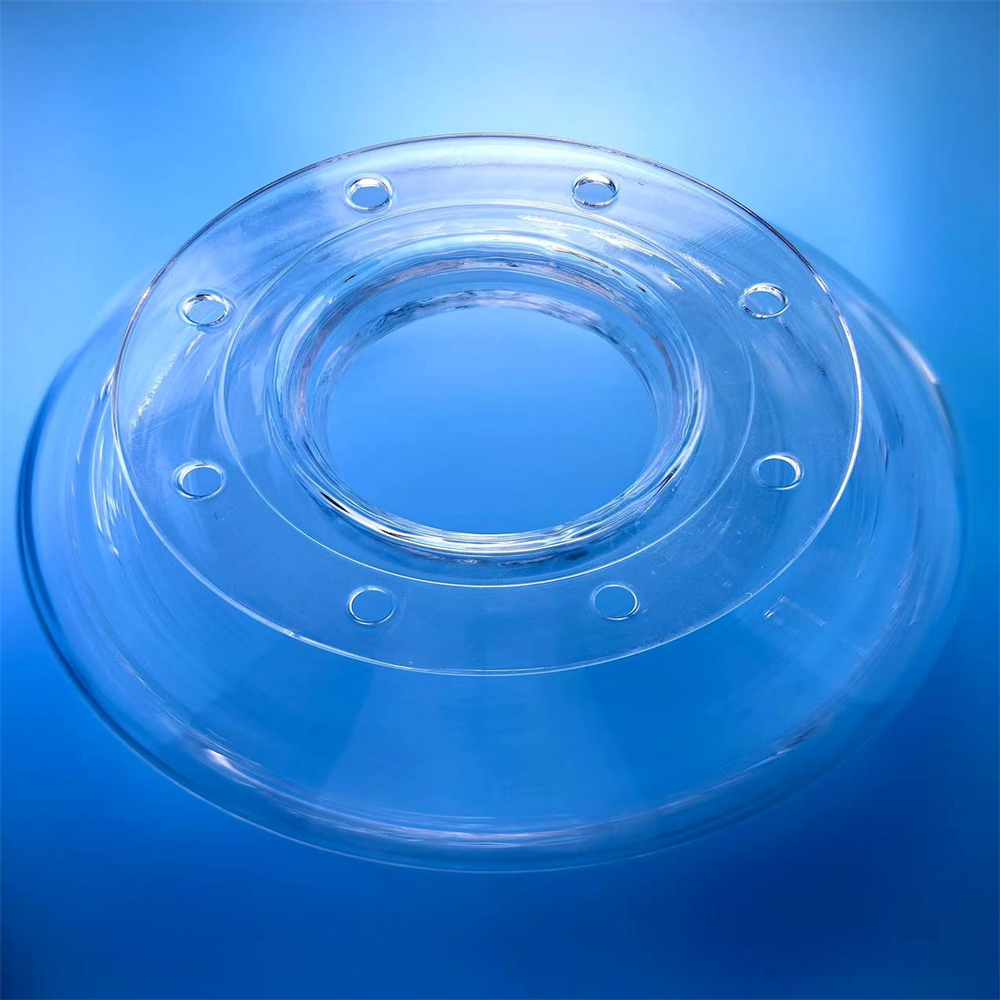
 Custom Welding
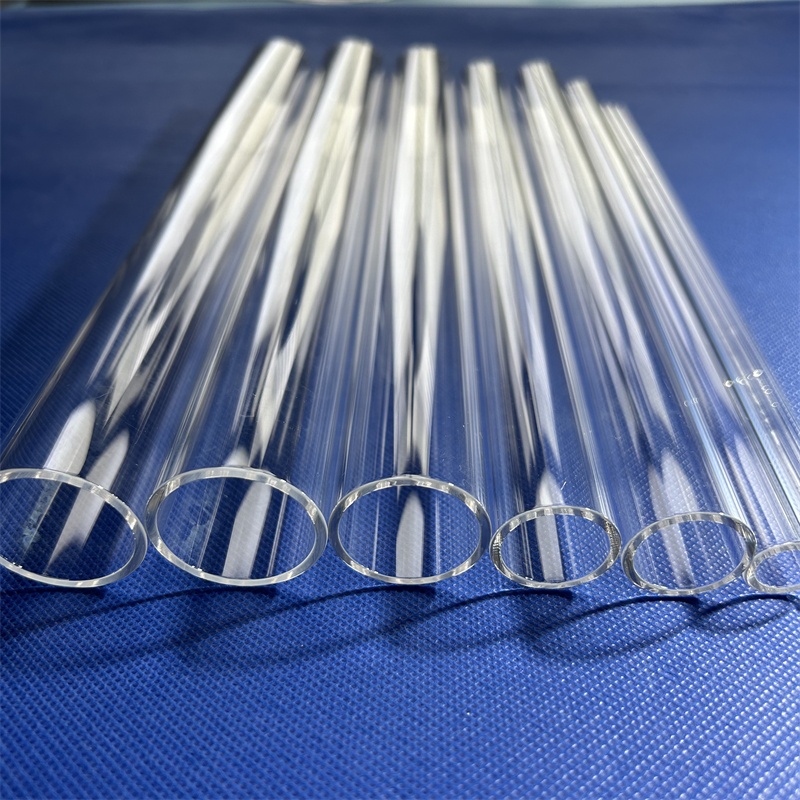
Customize Size Thickness Twin Tube Clear High Purity Flange Quartz Tube
- Fused Silica Polished Flange Ring
- Precision Flame Bending & Jointing
High-purity quartz tubing, custom reactor twin-tubes, and optical plates engineered to tight tolerances for high-temperature semiconductor, chemical, and analytical applications.
Custom Welding
 BET Testing
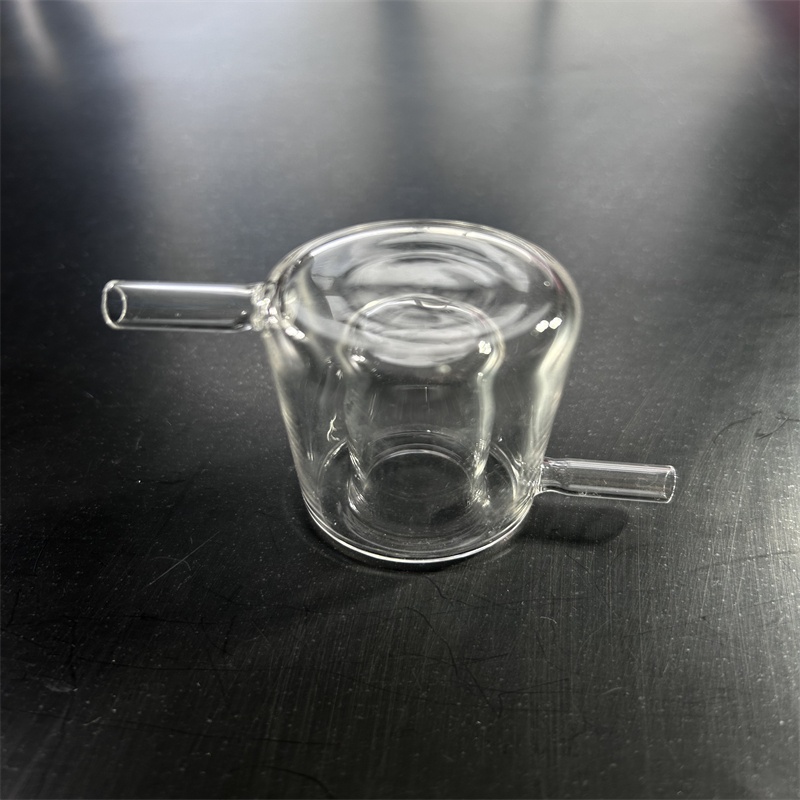 1100°C Lab Grade
 Heat Resistant
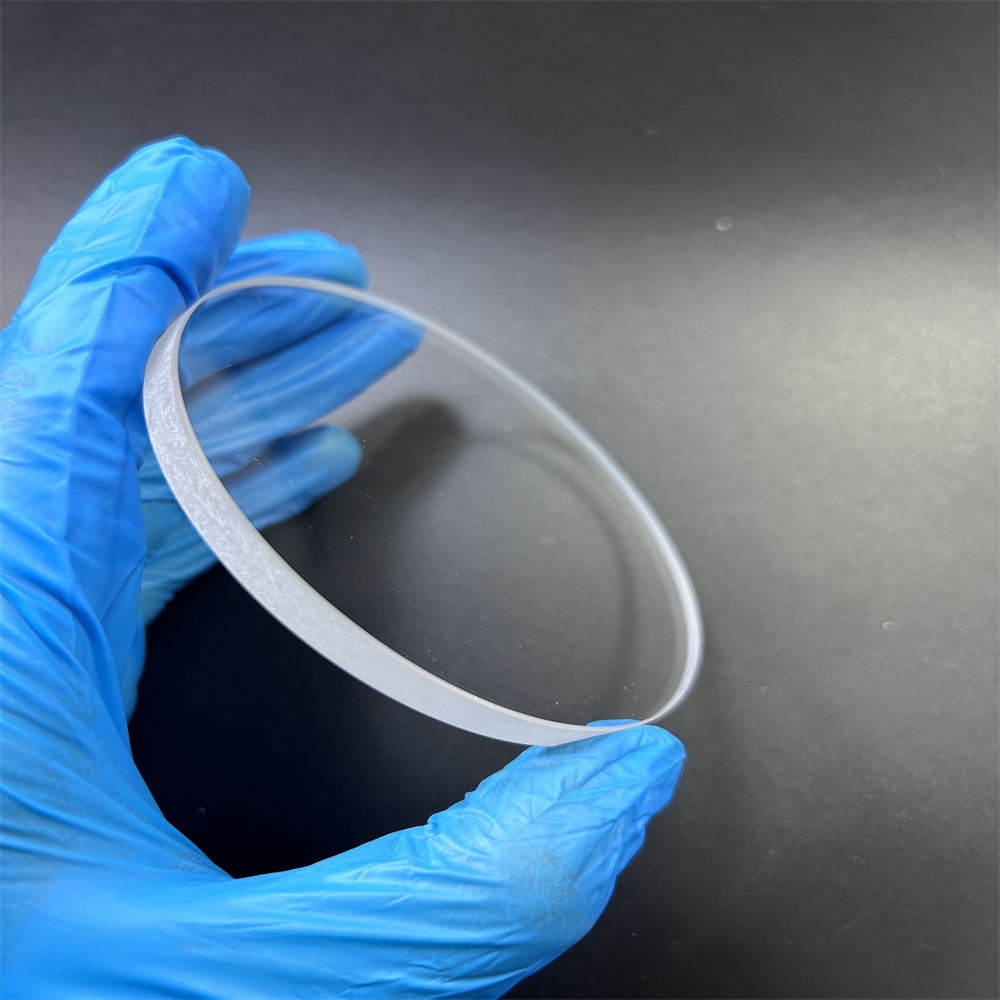 JGS1 / JGS2
 Optical Disc
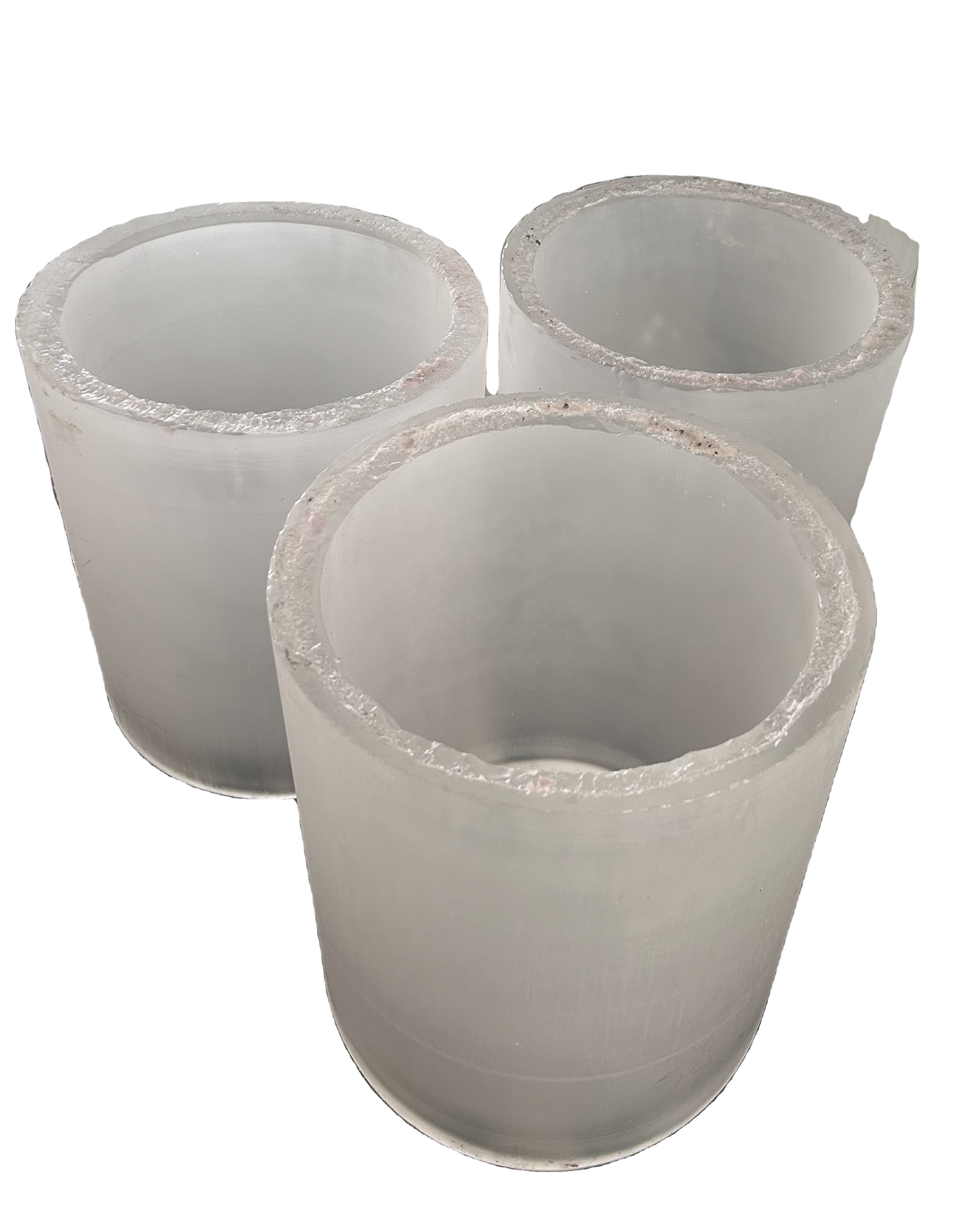 Large Diameter
 Furnace Tube
Situated in Donghai County—China's Crystal Capital—our manufacturing hub couples indigenous raw material wealth with advanced thermal working and laser post-machining.
Located in the heart of raw silicon extraction in Jiangsu, Zunex avoids intermediate brokerage costs. We supply OEM/ODM distributors and high-tech end users with consistent, export-grade fused silica tube stock at transparent volume pricing.
Beyond traditional hot torch-forming, our workshop features proprietary CO₂ laser drilling, CNC slotted wafer-grooving, optical flat polishing, and airtight multi-tube welding capable of holding dimensional tolerances within ±0.05 mm.
Fragile quartzware demands engineering rigor throughout logistics. Every batch undergoes multi-layer shock absorption: custom form-fitted PE foam cushioning, vacuum shrink barrier, and reinforced plywood crates validated for intercontinental ocean and air cargo.
Selecting the correct fused silica tubing demands a nuanced comprehension of chemical purity, OH (hydroxyl) radical concentrations, and thermodynamic working curves. Procurement engineers frequently balance thermodynamic longevity against optical spectral attenuation.
The following performance matrix defines the benchmark properties for quartz glass tubing produced in our Donghai facility, following international testing protocols:
| Physical / Chemical Property | Natural Fused Quartz (Standard) | Synthetic Fused Silica (JGS1) | Operational Relevance |
|---|---|---|---|
| SiO₂ Purity Level | ≥ 99.99% | ≥ 99.9999% (Electronic Grade) | Prevents wafer contamination during CVD diffusion |
| Hydroxyl (OH⁻) Content | < 5 ppm to 30 ppm | < 1 ppm (Dry) or > 1000 ppm (Wet) | Influences IR absorption bands and softening points |
| Continuous Max Service Temp | 1100 °C | 1000 °C – 1050 °C | Critical threshold to stop devitrification into cristobalite |
| Thermal Expansion (0–300°C) | 5.5 × 10⁻⁷ cm/cm·°C | 5.2 × 10⁻⁷ cm/cm·°C | Enables water quenching at 1000°C without shatter |
| Dielectric Strength (20°C) | 25 – 40 kV/mm | > 40 kV/mm | High-voltage semiconductor insulator reliability |
For custom sight glasses, spectrophotometer reaction cells, and twin-tube infrared radiator jackets, selecting the optical index ensures optimal system throughput:
As advanced chip nodes transition to sub-3nm architectures and commercial PV lines embrace TOPCon and Perovskite-tandem cells, the supply landscape for fused silica is shifting rapidly.
Advanced vertical diffusion furnaces demand single-piece quartz process tubes exceeding 450 mm in outside diameter with wall thickness tolerance under ±0.2 mm. Sourcing is concentrating on suppliers capable of automated flame lathe stretching.
Mechanical diamond grinding introduces subsurface micro-cracks that initiate thermal stress failure at 1000°C. Buyers increasingly mandate picosecond laser drilling and fire-polishing to achieve defect-free orifice peripheries.
Global foundries now enforce stringent trace metal threshold audits (Al < 14 ppm, Fe < 0.2 ppm, Cu < 0.05 ppm). Verified Chinese manufacturers with comprehensive ICP-MS trace documentation will dominate procurement shortlists.
Essential technical clarifications addressing drawing tolerances, devitrification risks, and wholesale shipping logistics.
Send your dimensional prints, required purity grades, or RFQ specifications. An application engineer will review your project and provide detailed technical feedback and factory-direct pricing within 2 hours.