Engineered Quartz Glass Components & Assemblies
Manufactured to drawing with tight geometric tolerances, optical-grade surface finish, and minimal devitrification propensity for semiconductor, PV, chemical, and optical research laboratories.
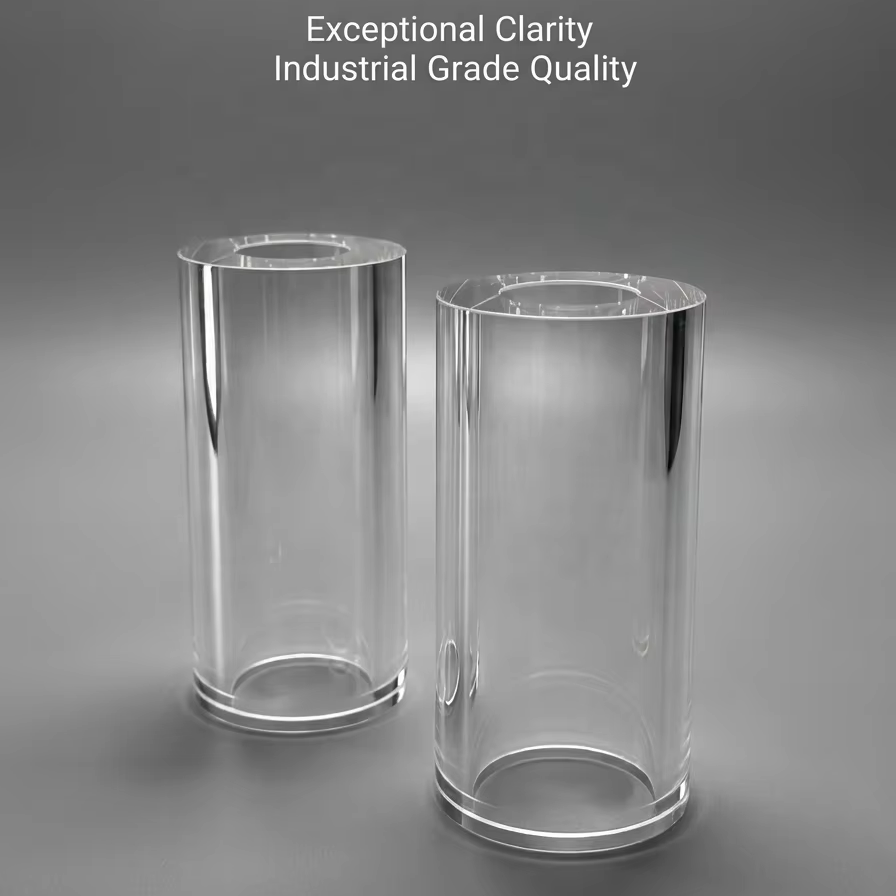
Custom Polished High Purity Quartz Twin Tube (Bending & Welding)
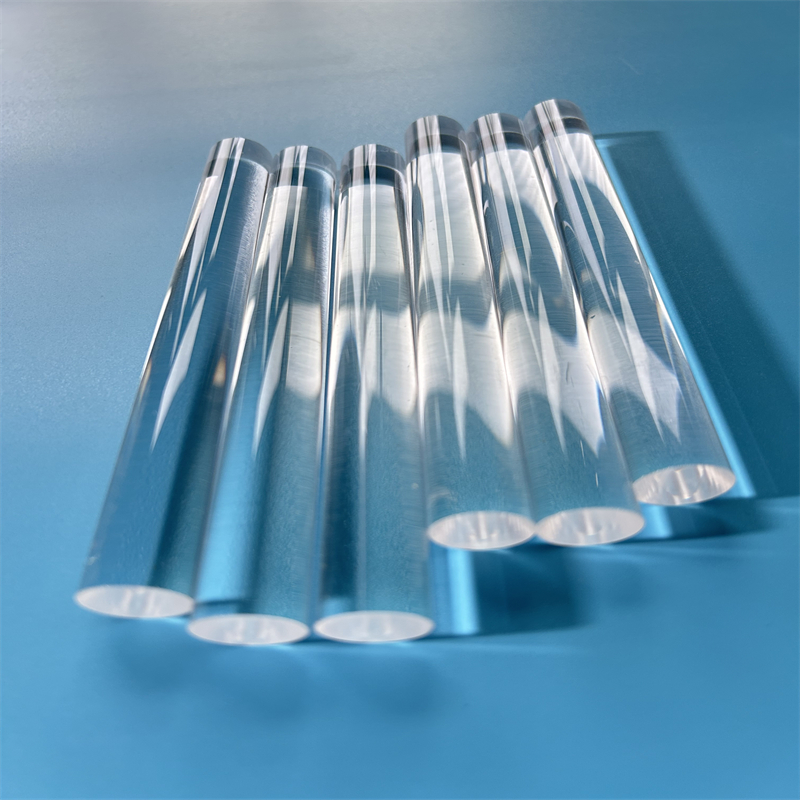
High Purity Optical Quartz Light Guide Rod (99.99% SiO₂)
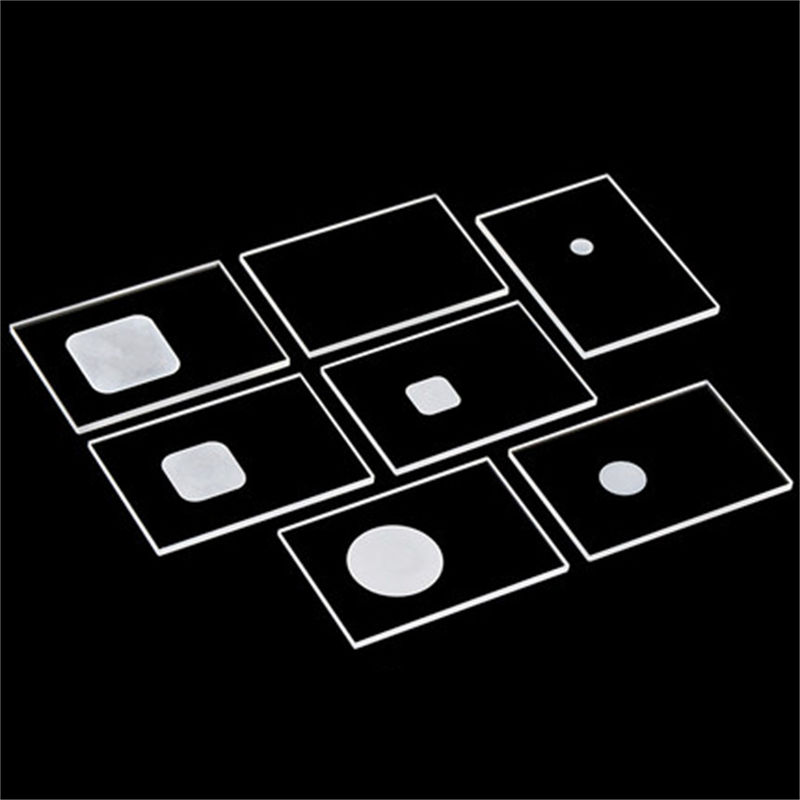
High Temperature Fused Quartz Glass Sheet for XRD Carriers (1100°C)
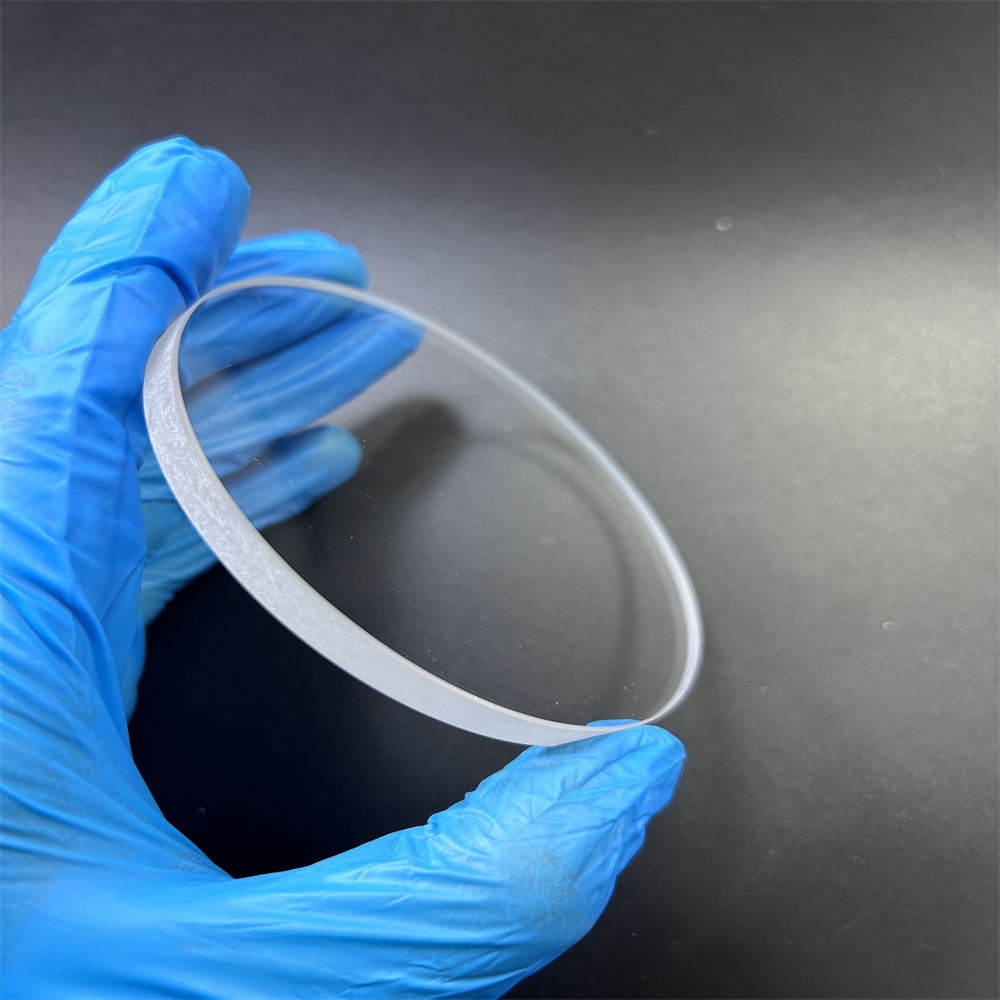
High Precision Fused Silica Quartz Wafer (UV Transparent Substrates)

Clear 99.99% Fused Quartz Twin Tube (Ozone-Free Heating)

High Temperature Polished Fused Quartz Disc & Window Plate
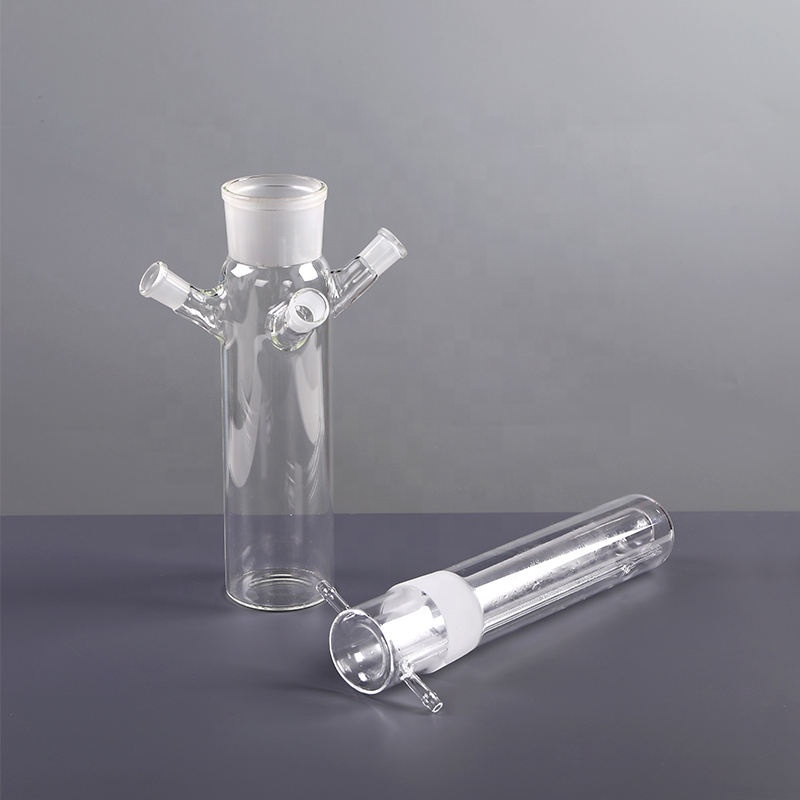
Custom High-Purity Quartz Glass Photocatalytic Reactor Container
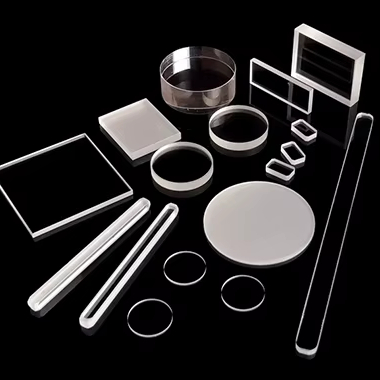
Optical Grade Fused Quartz Test Sample Sheet & Substrate
Executive Summary: The Critical Role of High-Purity Fused Quartz in Modern Industry
Fused quartz glass (amorphous silicon dioxide, SiO₂) represents one of the most critical foundational materials in modern high-technology manufacturing. Characterized by an extraordinary thermal shock resistance (near-zero coefficient of thermal expansion: 5.5 × 10⁻⁷ /°C), superior broadband optical transmittance spanning deep ultraviolet (DUV) through mid-infrared (MIR), exceptional dielectric strength, and unparalleled chemical inertness against aggressive acids (with the exception of hydrofluoric and phosphoric acid at elevated temperatures), quartz glass tubes, crucibles, and optical discs serve as indispensable consumable and capital equipment components.
As semiconductor lithography nodes advance below 3nm, photovoltaic manufacturing shifts towards N-Type TOPCon and Perovskite-Silicon tandem architectures, and chemical synthesis demands ultra-clean, corrosion-free process envelopes, OEM/ODM manufacturing of fused quartz requires not merely conventional flame-working, but nanometer-level cold CNC machining, laser-assisted micro-machining, dehydroxylation annealing, and rigorous ICP-MS clean-room impurity controls.
Comprehensive Optical Quartz Material Grading & Property Matrix
Selecting the optimal quartz grade is paramount to balancing optical transmittance, thermal longevity, and total cost of ownership. The following table contrasts synthetic fused silica and natural fused quartz grades manufactured according to international standards.
| Grade / Material Designation | Raw Material Source | Spectral Transmission Band | Hydroxyl [OH⁻] Content | Continuous / Peak Thermal Limit | Primary Industrial Applications |
|---|---|---|---|---|---|
| JGS1 (Synthetic Fused Silica) | SiCl₄ Chemical Vapor Deposition | 185 nm – 2500 nm (Deep UV) | High (typ. 800 – 1200 ppm) | 950°C / 1150°C | UV Excimer lasers, DUV lithography optics, spectrophotometer flow cells, wafer substrates. |
| JGS2 (Optical Grade Fused Quartz) | Refined Natural Quartz Crystal | 220 nm – 2500 nm (UV-Vis) | Moderate (typ. 30 – 150 ppm) | 1100°C / 1300°C | Optical sight glasses, observation windows, UV curing sleeves, standard laboratory labware. |
| JGS3 (Infrared Grade Fused Quartz) | Electro-fused Vacuum Purified Crystal | 260 nm – 3500 nm (Vis-IR) | Low (typ. < 5 – 10 ppm) | 1150°C / 1350°C | Infrared heating twin tubes, thermal radiation pyrometry viewports, CVD/LPCVD furnace envelopes. |
| High-Purity Clear Quartz Tube (Semiconductor) | Donghai Ultra-Purity Natural Quartz | Broadband High-Transparency | Controlled < 20 – 30 ppm | 1150°C / 1300°C | Diffusion furnaces, thermal oxidation, wafer transfer boats, epitaxial reactors, ozone-free UV lamps. |
Future Procurement & Technological Development Trends
Global procurement teams in the semiconductor fab, green energy, and defense sectors face tightening precision thresholds and evolving geopolitical supply chain realities. Forward-looking procurement strategies are heavily shaped by four technical inflection points:
Laser Micro-Finishing over Diamond Tooling
Traditional diamond wheel grinding introduces mechanical micro-cracks and subsurface damage (SSD), leading to catastrophic thermal fractures under cyclic 1100°C furnace loading. The market is shifting to ultra-short pulsed picosecond laser cutting, laser drilling, and laser slotting, yielding crack-free edge quality with zero residual stress concentrations.
Sub-10ppb Trace Metal Impurities
With atomic-layer deposition (ALD) and advanced sub-2nm node dry etching demanding absolute chamber neutrality, trace alkali metals (Li, Na, K) and heavy metals (Fe, Cu, Ni) must be restricted below 10-15 parts per billion. Trace alkali presence accelerates devitrification (crystallization into cristobalite at >1000°C), drastically shortening process tube lifespans.
Large-Bore Diameter Scaling (>300mm to 500mm)
Driven by 210mm large-wafer PV cells and 300mm/450mm semiconductor wafer thermal carriers, buyers demand oversized continuous fused quartz tubes up to 450-600mm outside diameter with wall thickness uniformity within ±0.2mm, exhibiting zero sagging over 3,000+ continuous production hours.
Manufacturing Infrastructure & Technical Capabilities
Operating from Donghai County, Jiangsu Province—globally acknowledged as the premier hub for quartz raw material refining and vitreous silica processing—Zunex Quartz Products Co., Ltd. unifies competitive raw mineral positioning with advanced CNC machine centers, automated high-temperature hydrogen-oxygen glassblowing lathes, and cleanroom metrology.
Integrated Raw Material Base
Direct supply-chain access to high-purity natural silica sand in Donghai guarantees continuous batch consistency, SiO₂ purities exceeding 99.99%, and stable wholesale pricing sheltered from international commodity shocks.
Advanced Precision Cold Machining
Equipped with 4-axis and 5-axis ultrasonic CNC milling centers, dual-side optical lapping machines, and laser precision cutting systems capable of tight dimensional tolerances down to ±0.01 mm and surface roughness Ra < 0.5 nm.
Full-Cycle Thermal Hot Working
Skilled master glass artisans and synchronized multi-axis flame lathes handle complex tube bending, custom manifold welding, ground-joint flanging, and optical vacuum bell jar forming without introducing stress striations.
De-Stressing Annealing & Quality Control
Every fabricated unit undergoes prolonged annealing in programmed electric kilns at 1150°C to eliminate internal strain, followed by polariscope birefringence analysis, dimensional CMM verification, and spectrophotometric testing.
Total Cost of Ownership (TCO) & Global Supply Chain Resilience
When procuring quartz components for continuous semiconductor diffusion furnaces or high-throughput solar PV cell lines, calculating unit price alone constitutes an expensive procurement flaw. Process tube failure incurs massive thermal shutdown costs, contaminated batch wafers, and substantial machine downtime. High-grade OEM quartz tubes designed with controlled OH radical concentrations (<15 ppm for infrared applications; controlled levels for solar furnaces) eliminate premature sag, resisting devitrification at 1100°C for up to 30% longer cycles than commercial non-certified grades.
To eliminate shipping breakage rates—the bane of international fragile quartz freight—our export department implements custom multi-layer suspended polyurethane foam framing, moisture-sealed vacuum barrier packaging, and ISPM-15 compliant plywood crating reinforced with tilt-and-shock indicators. This methodology maintains a documented shipping breakage rate of under 0.1% across transatlantic and pan-Pacific container freight.
Frequently Asked Questions on Quartz Specification & Ordering
Direct technical answers to common queries raised by procurement managers, process engineers, and global buyers.
We accept standard 3D CAD formats including STEP (.stp), IGES (.igs), and SolidWorks (.sldprt), as well as 2D engineering drawings in DWG, DXF, or vector PDF format. Please specify critical dimensional tolerances, required optical surface finish (e.g., commercial polish 60/40, laser-grade 20/10 scratch-dig, or frosted), and operational temperature envelopes.
Hydroxyl groups act as network terminators within the amorphous SiO₂ silica matrix, which reduces viscosity, lowers the softening point, and promotes thermal deformation (sagging) above 1000°C. For continuous furnace tubes and infrared emitters, low-OH quartz (JGS3 or vacuum-melted natural quartz, OH < 5–20 ppm) is recommended to maximize mechanical stiffness and service life.
Devitrification is the phase transformation of metastable amorphous quartz into crystalline cristobalite, occurring between 1050°C and 1250°C. It is catalyzed by surface contaminants—specifically alkali ions (Na, K, Li) found in fingerprints, airborne dust, and unwashed cooling lubricants. Ensuring parts are cleaned in a cleanroom, etched with diluted HF (5%), rinsed in 18MΩ deionized water, and handled with lint-free gloves prevents rapid devitrification.
For outer diameter (OD) and inner diameter (ID) of standard fused tubes, normal drawn tolerance is ±0.2 mm to ±0.5 mm depending on size. With secondary precision centerless grinding and CNC machining, we routinely achieve outer diameter tolerances of ±0.02 mm, wall thickness concentricity within ±0.05 mm, and hole pitch tolerances down to ±0.01 mm.
Yes. We maintain dedicated agile pilot lines capable of rapid prototyping (1 to 10 pieces) for university laboratories, R&D institutes, and equipment manufacturers validation runs, while also running multi-ton automated batch lines capable of supplying thousands of standardized quartz tubes, discs, or cuvettes per month.
Each batch is accompanied by a Certificate of Conformance (CoC), dimensional CMM inspection report, and surface roughness verification. Upon request, we provide glow discharge mass spectrometry (GDMS) or ICP-MS elemental impurity breakdown reports certifying trace metals (<15-20 ppm total) and spectrophotometer UV-Vis-NIR transmission curves.
Accelerate Your Custom Quartz Project
Send your dimensional drawings, technical specifications, or target bill of materials. Our factory engineering staff will review your manufacturability requirements and deliver a competitive factory-direct proposal within two hours.