Direct Factory Manufactured Solutions
High-purity fused silica and quartzware fabricated in Donghai, China, with customized laser grooving, fire polishing, and multi-axis CNC tolerance verification.
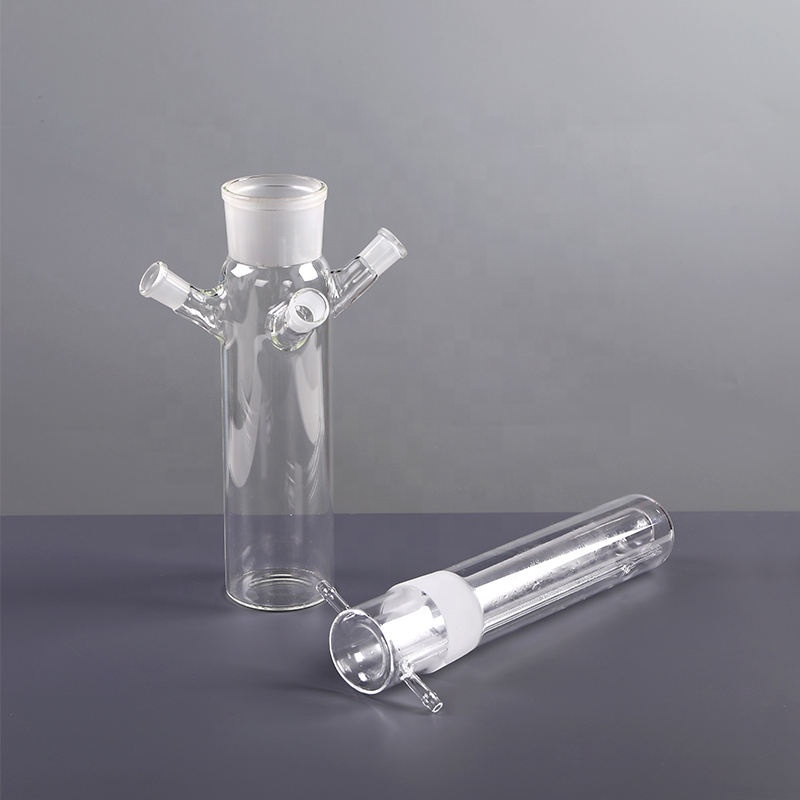
Customized High-purity Quartz Glass Reactor Container Bending Moulding Photocatalytic Degradation Internal Illumination Welding
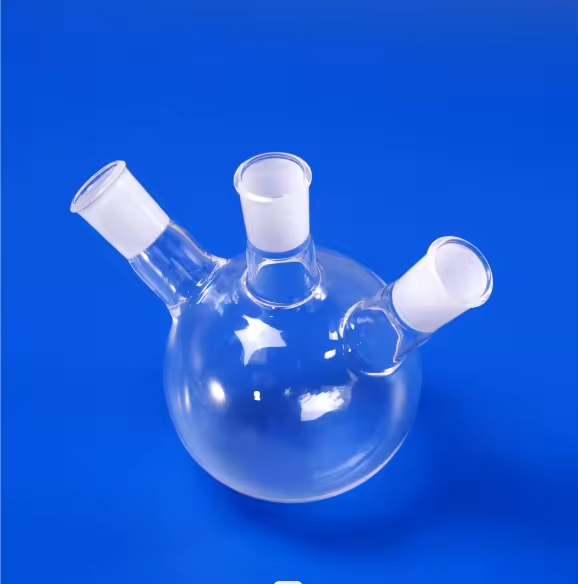
High Temperature Resistance Transparent Quartz Glass Twin Tube Bottom Flask Bending/Welding/Cutting/Moulding Services Lab Use
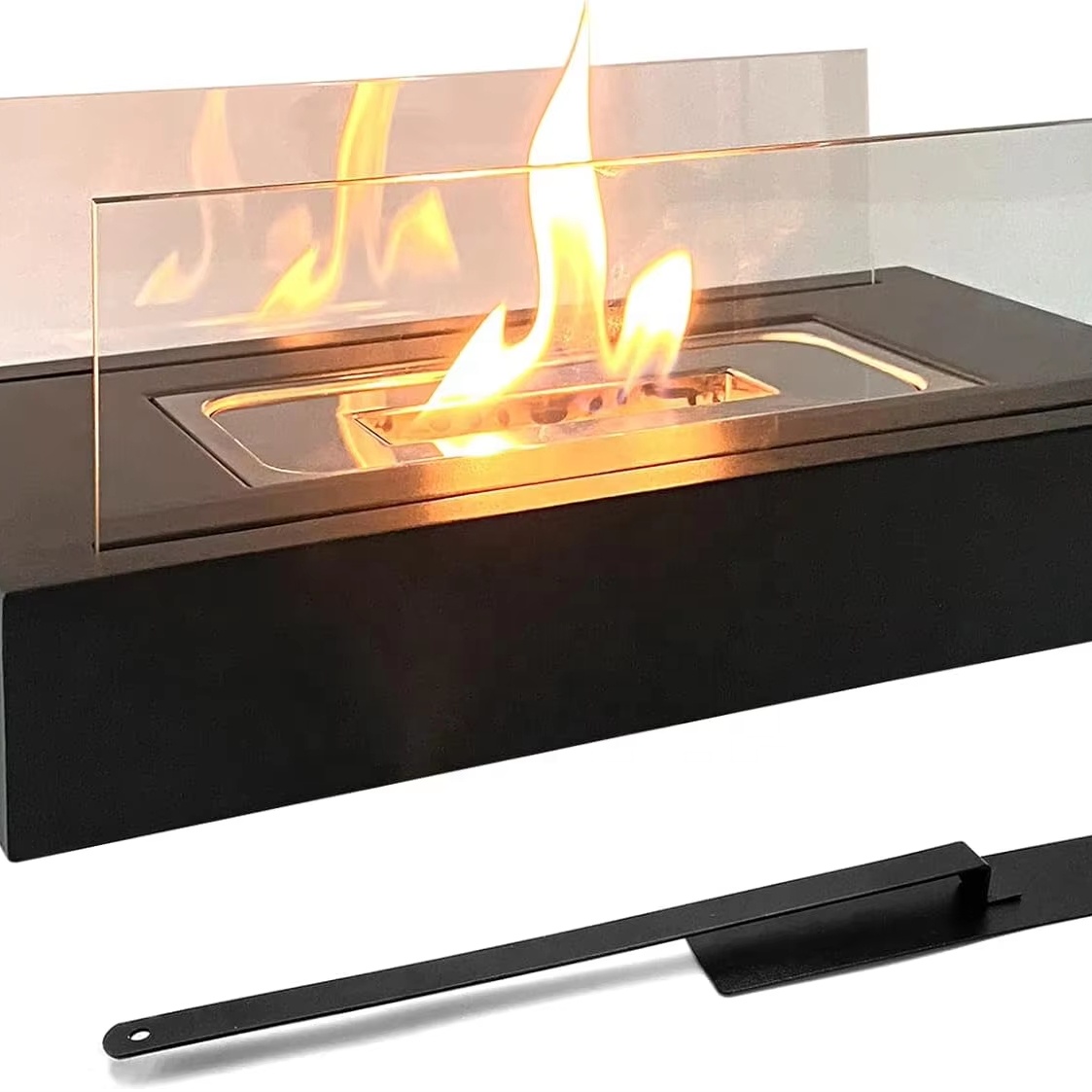
Factory Customization Outdoor Camping Portable High Temperature Clear Transparent High Precision Optical Grade Quartz Glass

Custom Size Clear Fused Quartz Plate Premium Quality High Temperature Resistance (1100C) Glass Sheet for Optics Welding
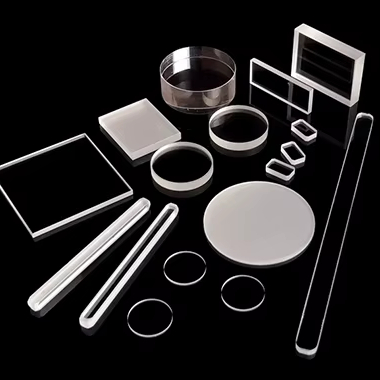
Custom Size High Temperature Fused Transparent Quartz Glass Optical Grade Test Sample Sheet Welding Cutting Processing Service
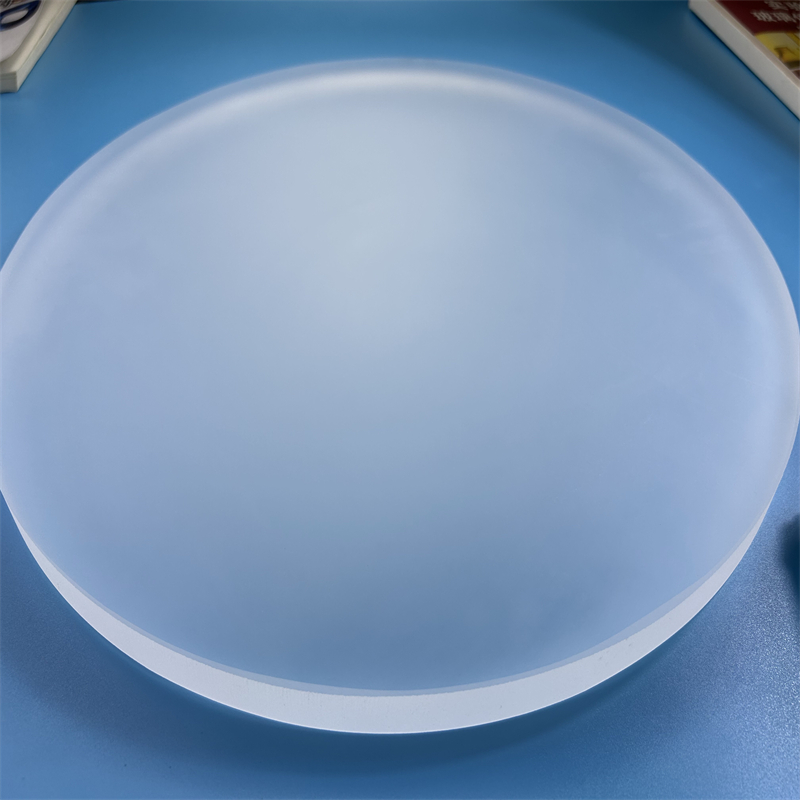
High Temperature Resistance Frosted Quartz Disc/Plate Semiconductor Applications Welding Cutting Custom Sizes Fused Quartz

China Supplier High Temperature Transparent UV Quartz Glass Plate Polished Fused Quartz Disc Welding Cutting Optics 1100C Work

High Temperature Heat Resistant Clear 99.99% Pure Fused Quartz Twin Tube with Ozone Free Welding & Bending Services Custom Sizes
Industrial-Scale Manufacturing in the Heart of China’s Crystal Capital
Located in Donghai County, Jiangsu Province, Zunex Quartz Products Co., Ltd. synergizes local raw material abundance with high-precision engineering fabrication.
Custom CNC & Laser Finishing
Specialized in deep-cavity laser micro-drilling, high-aspect grooving, precision cutting, and automated edge beveling with zero micro-fractures.
Rapid Engineering Turnaround
Our direct application engineering desk operates with a verified 100% response rate and average technical quotation feedback within two hours.
Full Optical Grade Spectrum
Direct supply capability spanning deep ultraviolet (JGS1 synthetic silica), UV-Vis standard (JGS2), and low-OH infrared transmissive (JGS3) glass substrates.
Verified Global Export Packaging
Custom shock-absorbing polyethylene suspended crating, vacuum barrier packaging, and anti-static inner wraps ensuring zero transit delamination or shock fractures.
Fused Quartz Material Characteristics & Grade Selection
Understanding the thermomechanical thresholds of natural vs. synthetic silica is crucial for process engineers specifying high-temperature diffusion tubes or deep UV sight glasses.
| Characteristic Parameter | Synthetic Fused Silica (JGS1) | Fused Quartz Optical Grade (JGS2) | Infrared Transmissive Quartz (JGS3) |
|---|---|---|---|
| SiO₂ Purity (Mass Fraction) | ≥ 99.999% (5N) | ≥ 99.98% | ≥ 99.99% |
| Effective Transmission Range | 185 nm – 2500 nm (Deep UV to Vis) | 220 nm – 2500 nm (Standard Optic) | 260 nm – 3500 nm (Infrared Low-OH) |
| Hydroxyl (-OH) Ion Concentration | Typ. < 1200 ppm (variable by syn-process) | Typ. 150 – 200 ppm | Typ. ≤ 5 – 15 ppm (Dehydroxylated) |
| Continuous Working Temp. Limit | 1050 °C | 1100 °C – 1150 °C | 1100 °C – 1200 °C |
| Softening / Strain Transition Point | Softening: ~1650 °C / Strain: ~1075 °C | Softening: ~1683 °C / Strain: ~1120 °C | Softening: ~1680 °C / Strain: ~1115 °C |
| Thermal Expansion Coefficient | 5.5 × 10⁻⁷ /°C (0 – 300 °C) | 5.5 × 10⁻⁷ /°C | 5.4 × 10⁻⁷ /°C |
| Standard Applications | Semiconductor lithography, DUV excimer windows | Furnace sight-ports, spectrophotometer cells | IR pyrometry viewports, thermal evaporation vessels |
Future Procurement Trends & Technological Advancements
Strategic insights for procurement directors, fab planners, and optical procurement leads evaluating Asian supply chains over the next 3–5 years.
Semiconductor Geometry Scaling
As semiconductor wafer fabs ramp 3D NAND and sub-5nm logic architectures, the requirement for furnace quartz components has migrated toward stringent micro-contamination tolerances. Traditional natural fused quartz tubes containing trace lithium, boron, or sodium pose unacceptable cross-wafer yield risks during high-temperature oxidation processes.
Procurement teams are shifting toward ultra-low-alkali quartzware synthesized via chemical vapor deposition (CVD) or electrical fusion using advanced pre-leached granular silica, demanding certification down to single-digit parts-per-billion (ppb) metallic impurity profiles.
TOPCon & Perovskite Scale-Up
The photovoltaic industry's transition from PERC to N-type TOPCon and Perovskite-Silicon tandem modules has introduced harsher chemical vapor deposition ambients. Quartz diffusion tubes and paddle systems now experience constant exposure to corrosive chlorine derivatives, trimethylaluminum (TMA), and rapid thermal shock cycling.
Procurement forecasts indicate surging demand for oversized fused quartz tubes exceeding 300mm to 450mm OD with high thermal uniformity, where longitudinal thickness variance must remain within ±0.2mm across continuous spans of up to 3000mm.
Picosecond Laser Processing
Traditional mechanical diamond wheel grinding and manual torch bending are no longer sufficient for complex micro-fluidic channels, micro-hole arrays, and precision chamfered optical windows. Micro-cracking induced by mechanical sawing significantly reduces the rupture modulus of quartz glass under operational stress.
Top China exporters are deploying cold ultra-short pulse picosecond/femtosecond laser systems. This eliminates thermal stress zones, achieves micro-hole taper ratios below 1°, and creates superior edge integrity that prevents stress fracturing during continuous 1100°C furnace duty.
Frequently Asked Questions for Quartz Procurement
Clear, direct answers regarding tolerances, material testing, shipping integrity, and technical documentation.
How should mechanical drawings specify dimensional tolerances for custom quartz parts?
What quality certificates and inspection metrics verify quartz purity and structural density?
How do Chinese quartz exporters mitigate severe breakages during international intermodal transit?
Why choose JGS1 synthetic silica over JGS2 quartz for optical spectroscopy equipment?
What is the procedure for obtaining samples and small-batch prototypes before mass manufacturing?
Initiate Your Engineering Evaluation Today
Connect with Zunex Quartz’s application engineers in Donghai for direct technical consultation, factory-direct pricing, and custom prototyping.