
Engineered Quartz Glass & Optical Form Factors
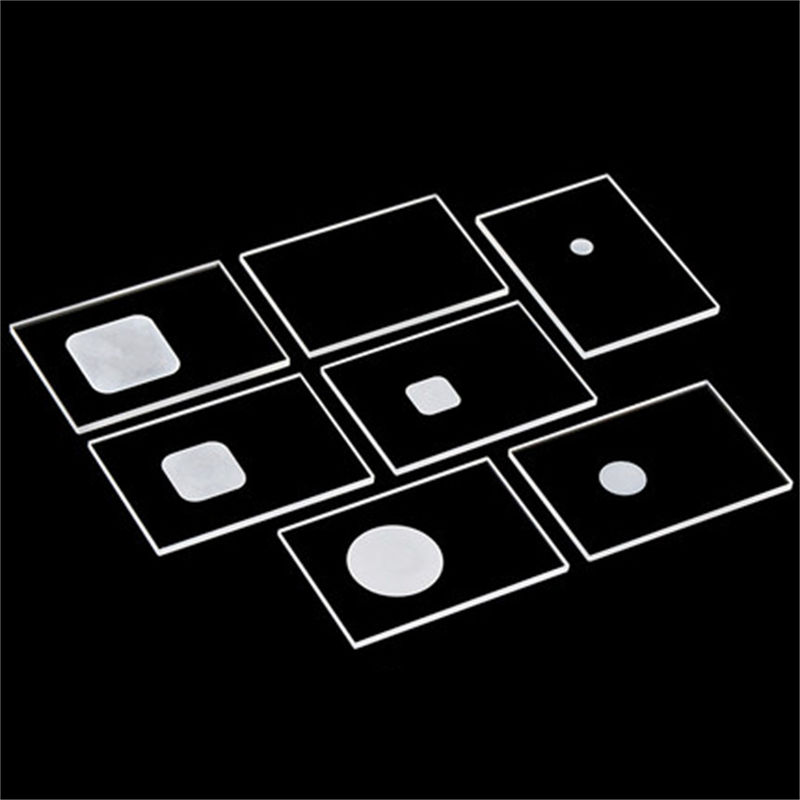
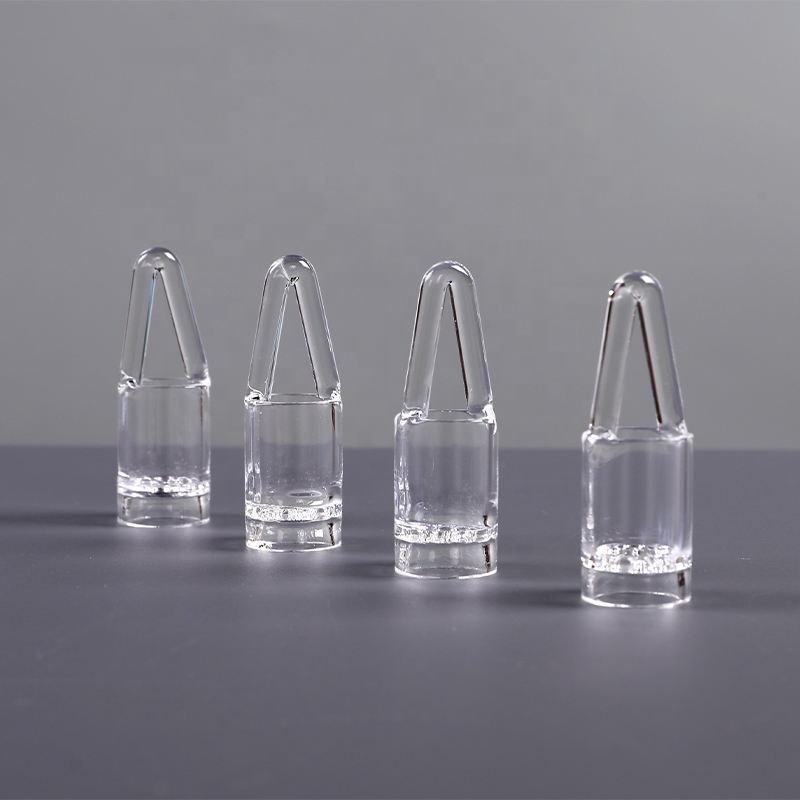
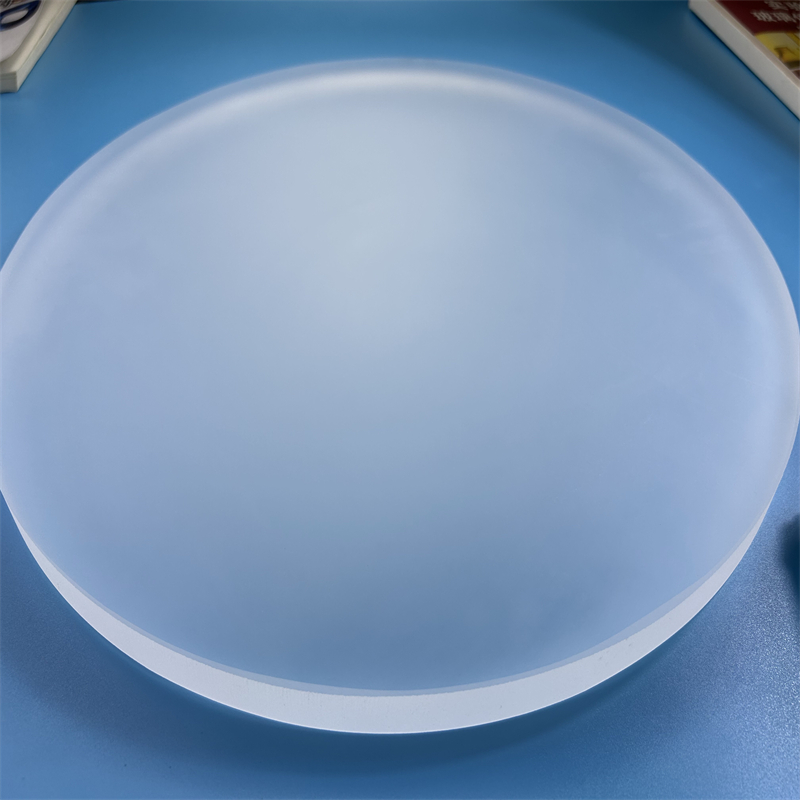
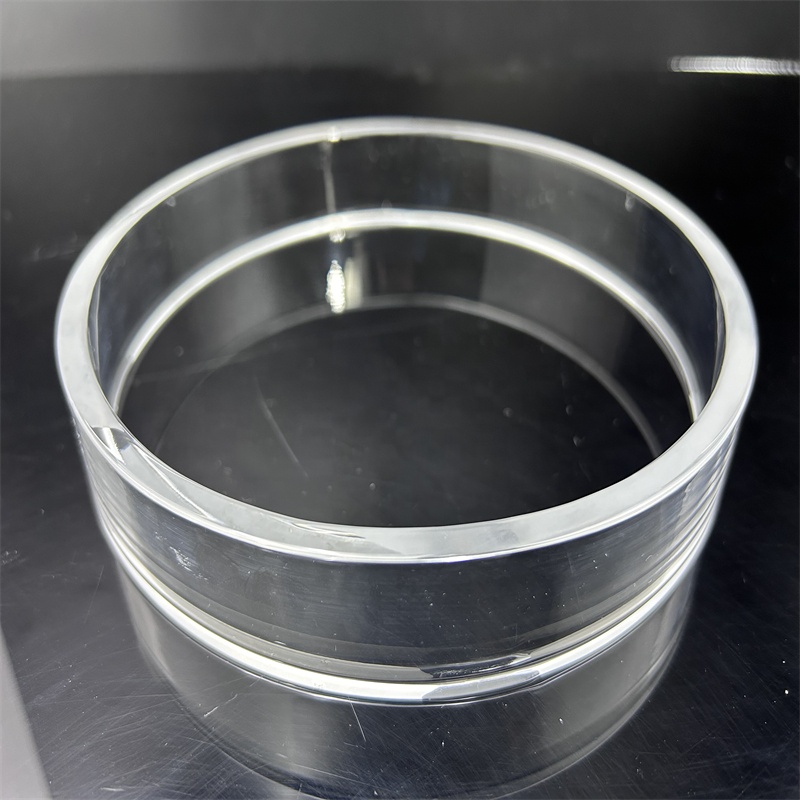
Every component is produced under strict metallurgical control in Donghai, Jiangsu, delivering ultra-low bubble concentration, extreme chemical inertia, and micron-level mechanical tolerances.

100%
Verified Inquiry Response Rate
Supplier Track Record on Alibaba.com
≤ 2 Hours
Engineering Response Time
Direct drawing & tolerance verification
43%
Repeat Buyer Order Rate
Semiconductor & OEM optical accounts
±0.005mm
Micro-Bore Capillary Precision
CNC laser finishing & optical drawing
Comprehensive Engineering Guide: Quartz Glass Capillary Manufacturing Dynamics
Precision quartz glass capillaries represent one of the most critical foundational components across modern microfluidics, analytical chromatography, optical telecommunications, medical diagnostic cytometry, and semiconductor lithography. Synthesized from natural high-purity crystalline quartz or synthetic silicon tetrachloride precursors (SiCl4), these micro-tubes exhibit unprecedented thermal resistance, extreme dielectric properties, near-zero linear expansion, and broad-band spectral transmission from the deep ultraviolet (DUV) through the short-wave infrared (SWIR) region.
As a leading quartz glass capillary manufacturer and supplier anchored in Donghai County, China—globally acknowledged as the premier hub for silicon resource refinement—Zunex Quartz Products Co., Ltd. bridges the gap between basic material supply and ultra-precision finished quartz products. Unlike commercial borosilicate or aluminosilicate glass, fused silica capillaries manufactured under controlled thermal draw and CO2 laser finishing routes ensure an inert, chemically hydrophobic internal bore capable of handling aggressive acids, superheated gases, and high-frequency pulsed laser beams without devitrification or chemical leeching.
Material Selection: JGS1 Synthetic Silica vs. JGS2 / JGS3 Fused Quartz
A crucial consideration for procurement specialists and system engineers is discerning the appropriate structural purity grade. Optical, thermal, and mechanical durability directly correlate with hydroxyl (OH-) concentration and trace metallic impurity levels (such as Fe, Al, Ti, and Na).
| Quartz Material Grade | Spectral Range (nm) | OH- Content (PPM) | Primary Industrial Applications | Thermal Softening Point |
|---|---|---|---|---|
| JGS1 (Synthetic Fused Silica) | 185 nm – 2,500 nm | < 5 – 30 PPM | Deep UV Capillaries, CE Separation, Excimer Laser Windows | 1,730 °C |
| JGS2 (Optical Fused Quartz) | 220 nm – 2,500 nm | < 30 – 100 PPM | Standard Capillary Tubing, Sight Glasses, UV-Vis Spectroscopy | 1,683 °C |
| JGS3 (Infrared Fused Quartz) | 260 nm – 3,500 nm | < 5 PPM (Water-Free) | Infrared Pyrometry Sheaths, Thermal Emitters, Gas Sensors | 1,680 °C |
In high-precision applications like capillary electrophoresis (CE) and capillary zone electrophoresis (CZE), surface inner-bore consistency and low refractive deviation prevent peak broadening and baseline noise. Zunex Quartz guarantees strict control over the Inner Diameter (ID) to Outer Diameter (OD) concentricity, ensuring that circularity tolerances remain within 99.2% of true nominal symmetry even under sub-millimeter draw ratios.
Advanced Fabrication Capabilities for Custom Fused Quartz Capillaries
Producing custom quartz capillaries goes far beyond basic tubing drawing. Tight internal bores ranging from inner diameters as small as 10 microns (0.010 mm) up to multi-lumen geometric arrays demand stringent machine tooling and cold/hot micro-processing integration.
Laser Micro-Drilling & Precision Slicing
Utilizing high-power ultraviolet and picosecond laser machining, our Donghai facility executes clean micro-holes, transverse side-entry apertures, and burr-free end-face orthogonal cleaving with zero micro-fracturing along the glass walls.
OEM Tight-Tolerance Custom Drawing
Whether requiring single-bore round capillaries, square/rectangular flow cells, double-bore twin sleeves, or D-shaped polarization-maintaining sheaths, we manufacture directly to PDF, STEP, or DWG engineering specifications.
Fire-Polishing & Vacuum Splicing
Our workshop integrates advanced flame-working lathes. We perform precise tip tapering, bell-mouth trumpet flaring, vacuum sealing, and high-strength quartz-to-quartz fused joining resistant to internal pressures exceeding 50 Bar.
Future Procurement Trends in the Global Quartz Capillary Market
As semiconductor device packaging scales to sub-2nm nodes, biotechnology shifts toward micro-total analysis systems (μTAS), and green hydrogen synthesis transitions into high-temperature electrolysis, procurement teams face new technological and supply-chain challenges. Identifying key shifts in quartz glass procurement ensures engineering teams retain an authoritative competitive advantage.
1. Escalating Demand for Microfluidic Lab-on-a-Chip Integration
Traditional polymer and soft PDMS (Polydimethylsiloxane) microfluidic chips increasingly exhibit significant limitations regarding organic solvent compatibility, gas permeability, and autofluorescence. Procurement directors are systematically shifting towards monolithic quartz capillary channels. The intrinsic optical transparency of synthetic silica allows ultra-sensitive laser-induced fluorescence (LIF) detection down to single-molecule sensitivity, creating surging demand for square capillaries with outer dimension flatness below 1 wavelength.
2. Stringent Impurity Limits Driven by Advanced Semiconductor Packaging
With high-density 3D-IC packaging, wafer carrier boats, XRD analysis sample tubes, and lithography masking systems pushing thermodynamic boundaries, quartz materials must maintain extreme chemical inertness. Trace metals such as iron (Fe), copper (Cu), and alkali metals (Na, K) introduce fatal mobile ionic contamination into cleanrooms. Direct procurement through audited Chinese manufacturing hubs like Donghai allows Western and Asian buyers to secure verified high-purity JGS1/JGS2 feedstocks with low-ppm certificates of analysis at viable economics.
3. Rapid Prototyping and Low-Batch Flexibility
The historical procurement paradigm of ordering massive standard lots is giving way to high-mix, low-volume (HMLV) sourcing models. Precision research institutes and optical hardware developers require iterative prototyping—such as custom slotted quartz plates, XRD capillary holders, or photocatalytic reactor vessels—in batches of 5 to 50 units before scaling. Suppliers with agile in-house flame working and laser finishing infrastructures will capture maximum market share over rigid volume commodity fabricators.
The Manufacturer Advantage
Why Global Tier-1 Buyers Partner with Zunex Quartz
Combining raw material geographic supremacy in Donghai County with verified export manufacturing accountability.
01
Direct Donghai Production
Located in China's silicon and crystal capital, eliminating intermediary surcharges and securing uninterrupted high-purity quartz raw crystal reserves.
02
Drawing-to-Part Accuracy
Experienced manufacturing engineers evaluate geometrical GD&T tolerances on CAD/STEP drawings before starting production, safeguarding zero-reject deliveries.
03
≤ 2-Hour Response Time
Our Alibaba-verified 100% response rate guarantees that critical project timelines, technical RFQs, and prototype quotations receive immediate engineering feedback.
04
Shockproof Global Packaging
Specialized multi-layer shock-absorbing EVA foam suspension and reinforced composite wooden crating ensure that ultra-fragile capillaries arrive intact worldwide.
Procurement Intelligence
Frequently Asked Questions: Sourcing Quartz Capillaries
Direct, engineering-backed answers addressing the most critical technical, quality, and logistics concerns.
What are the tightest geometric tolerances achievable for custom quartz capillaries?
Through our precision optical drawing towers and multi-axis laser finishing centers, Zunex Quartz routinely maintains inner diameter (ID) and outer diameter (OD) tolerances within ±0.005 mm (±5 microns) for micro-bore capillaries. For custom optical-grade flat flow channels and square capillaries, wall-thickness uniformity can be held to ±0.01 mm, while cut lengths achieve an end-cleave squareness of < 0.5 degrees.
Can quartz capillaries withstand thermal shock when moved directly into elevated furnace temperatures?
Yes. Fused quartz features an exceptionally low coefficient of thermal expansion (CTE) of approximately 5.5 × 10⁻⁷ /°C—roughly 1/15th that of standard soda-lime float glass. Consequently, high-purity quartz capillary tubes can withstand instantaneous thermal shocks, such as quenching from 1100°C directly into room-temperature water, without catastrophic mechanical failure or micro-cracking.
How does Zunex prevent micro-crack propagation during capillary cutting and end-face polishing?
Mechanical cleaving can induce sub-surface micro-fractures that degrade pressure containment. We employ high-speed diamond wheel precision dicing under active emulsion cooling, followed by hydrogen-oxygen flame annealing or CNC optical fire-polishing. This completely vitrifies the edge, eliminates micro-notches, and restores tensile burst strength across the capillary aperture.
What chemical environments are incompatible with fused quartz glass capillaries?
Fused silica is universally inert to almost all inorganic and organic acids, including concentrated sulfuric (H2SO4), nitric (HNO3), and hydrochloric acid (HCl). The only notable exceptions are hydrofluoric acid (HF), concentrated phosphoric acid (H3PO4) at temperatures above 150°C, and strong boiling alkali solutions (such as concentrated NaOH or KOH), which chemically react with the silicon dioxide matrix.
What documentation and inspection reports are supplied with custom export shipments?
Every commercial order is accompanied by an extensive Quality Control & Dimension Verification Report outlining ID, OD, concentricity, and length data measured under optical coordinate measuring machines (CMM). Material certification (JGS1, JGS2, JGS3 purity curves) and high-resolution pre-shipment photographic verification are provided as standard practice before dispatch.
Accelerate Your Quartz Component Project Today
Have a custom capillary drawing, tight tolerance specification, or an urgent RFQ? Our engineering team reviews technical designs and sends detailed quotes in 2 hours or less.
Get Catalog