Core Precision Quartz Components & Process Vessels
High-purity fused silica (SiO₂ ≥ 99.99%) bottles, reactor systems, and custom tubular assemblies precision-machined for the European Union research framework and high-tech manufacturing.
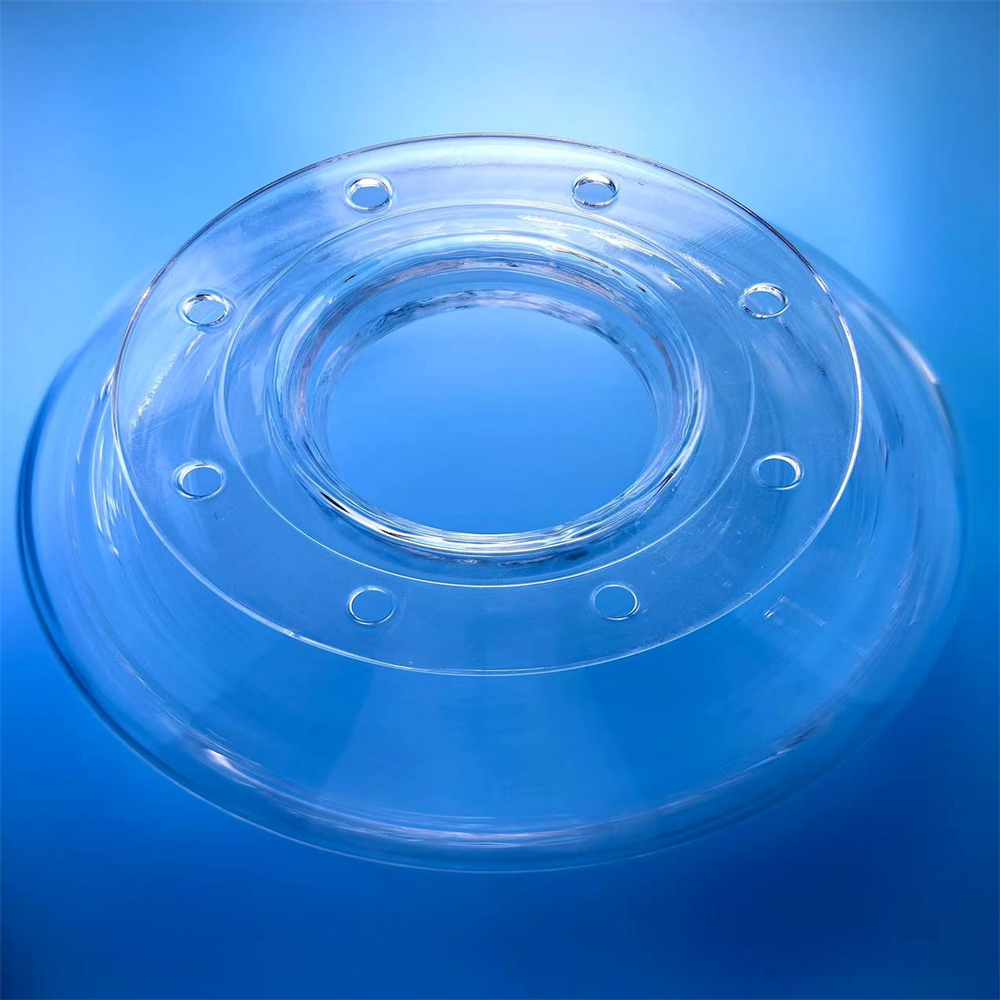
Customize Size Twin Tube Clear Flange Quartz Tube
Fused silica polished flange rings with complex bending and welding. Ideal for dual-channel gas purge and high-temperature vacuum reactors.
Learn More →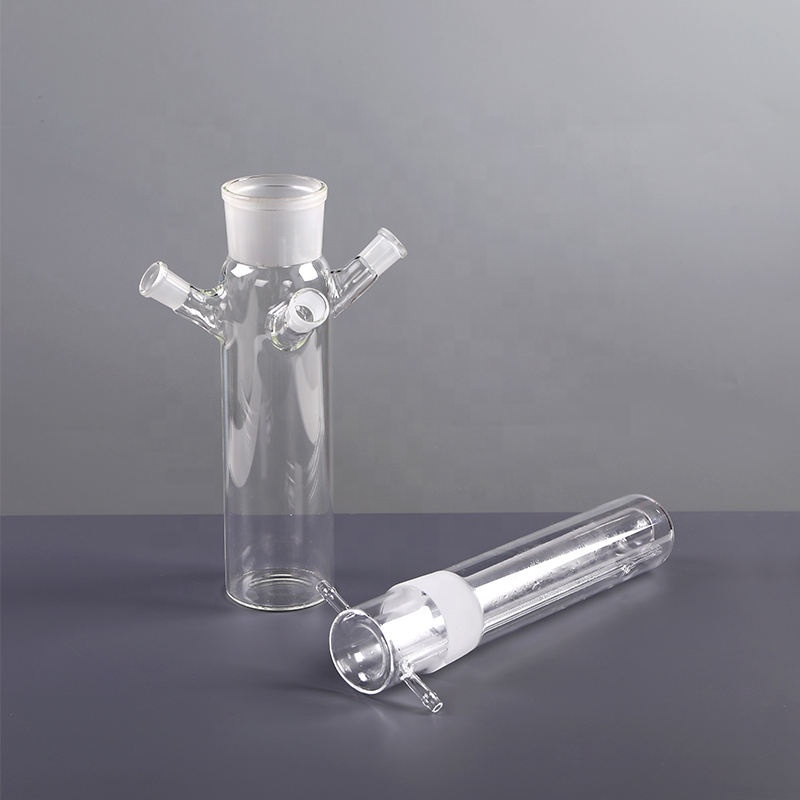
Customized High-Purity Quartz Glass Reactor Container
Engineered for photocatalytic degradation with internal illumination pathways, precision moulding, and multi-port welded bottle necks.
Learn More →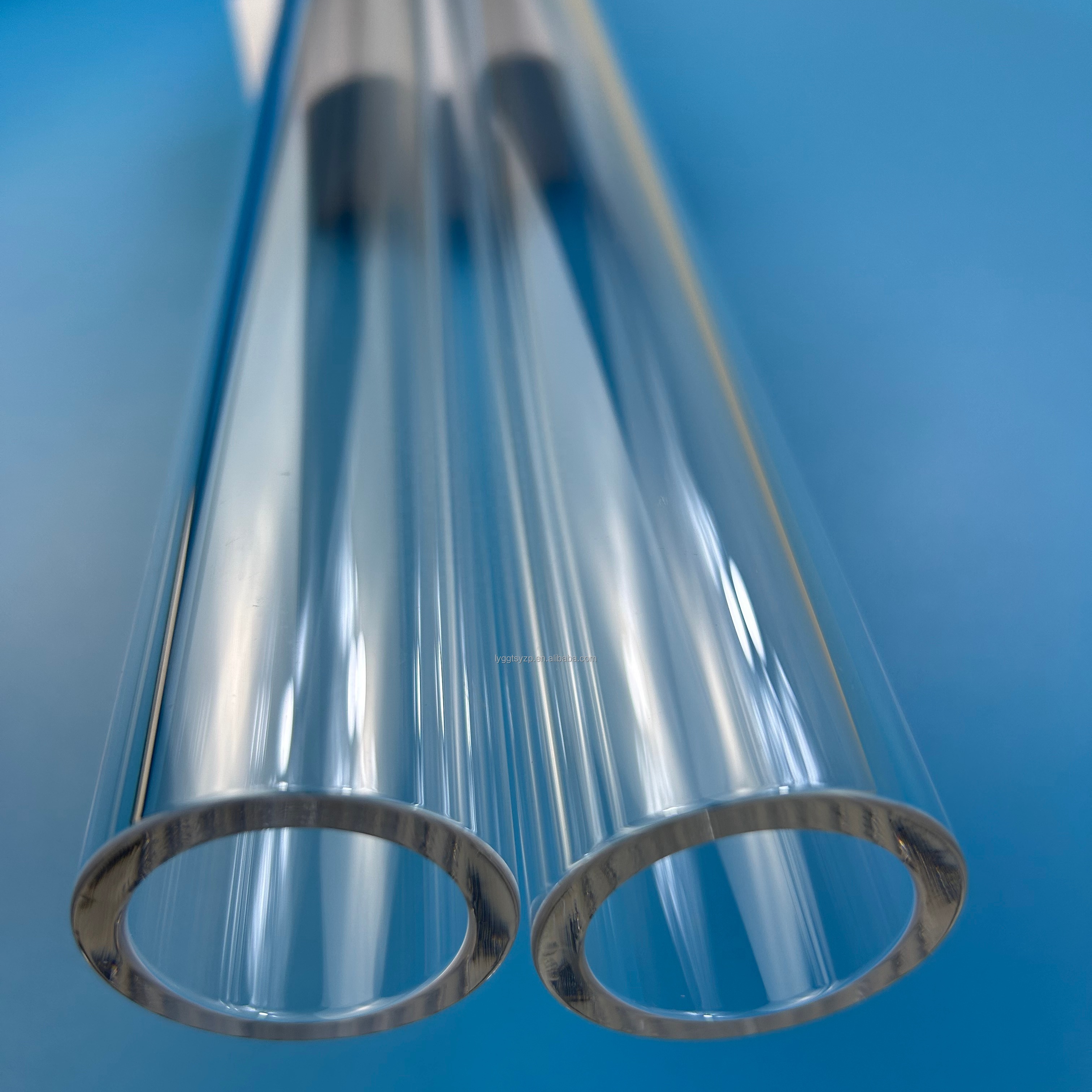
Polished Clear Quartz Twin Tube Ozone-Free Heater
Formulated for chemical lab equipment and semiconductor furnace tubes, featuring zero OH release and uniform wall stability under 1100°C.
Learn More →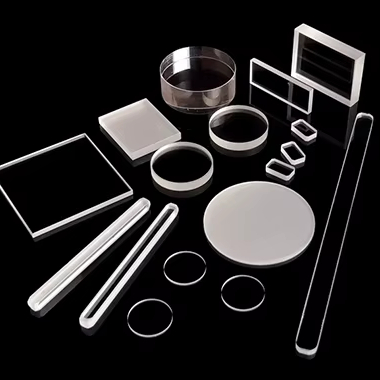
High-Temp Fused Transparent Quartz Optical Sheet
Optical grade test sample sheet service with ultra-fine diamond cutting, surface planarization, and micro-grooving for spectroscopy viewports.
Learn More →
Chemisorption BET Test High-Pressure Quartz Tube
99.99% pure clear twin tube engineered to match Quantachrome and Micromeritics analyzers under extreme gas adsorption pressures.
Learn More →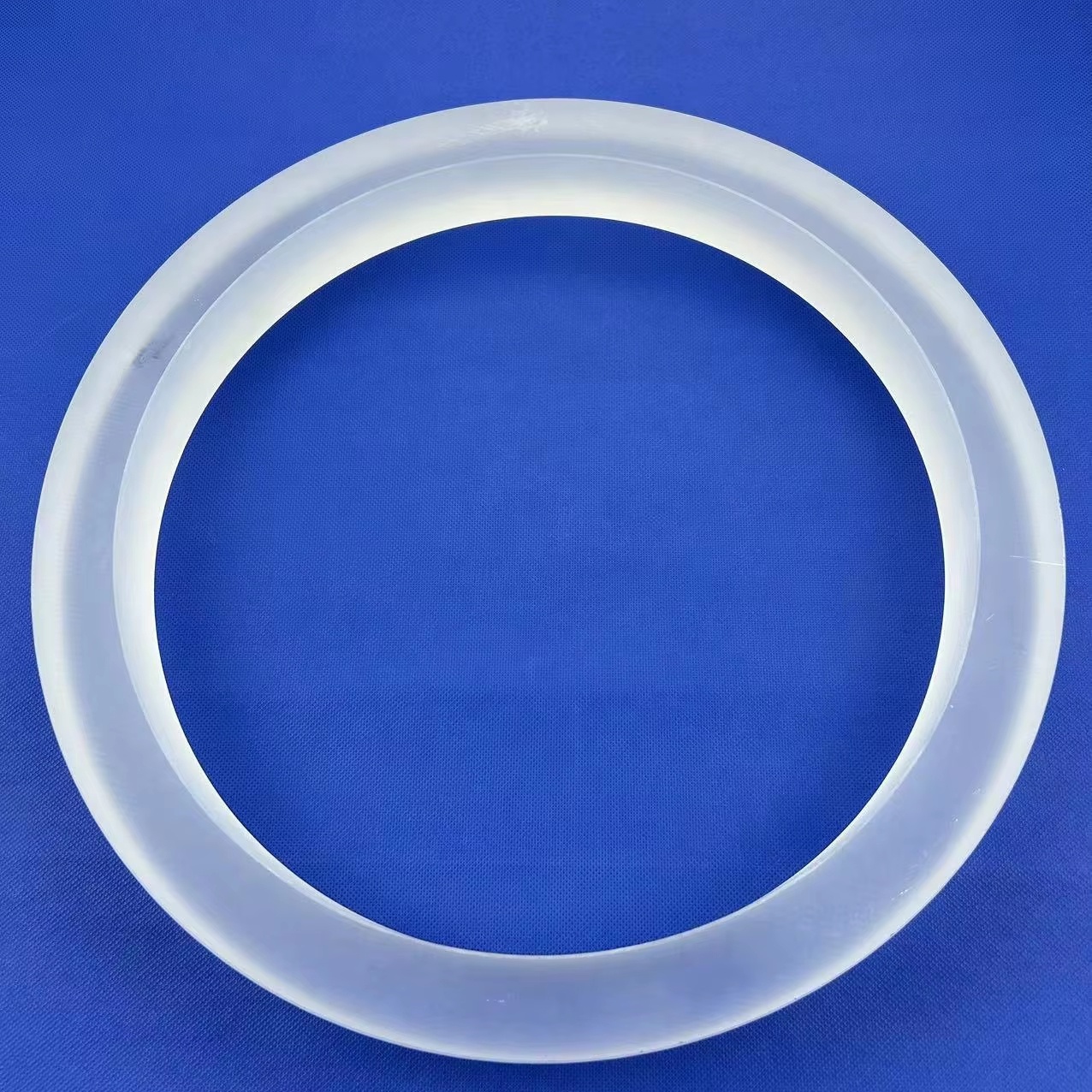
Custom Coated 99.99% Pure Quartz Rings for CVD
High-pressure moulding, welding, and anti-reflective optical coatings optimized for plasma-enhanced chemical vapor deposition chambers.
Learn More →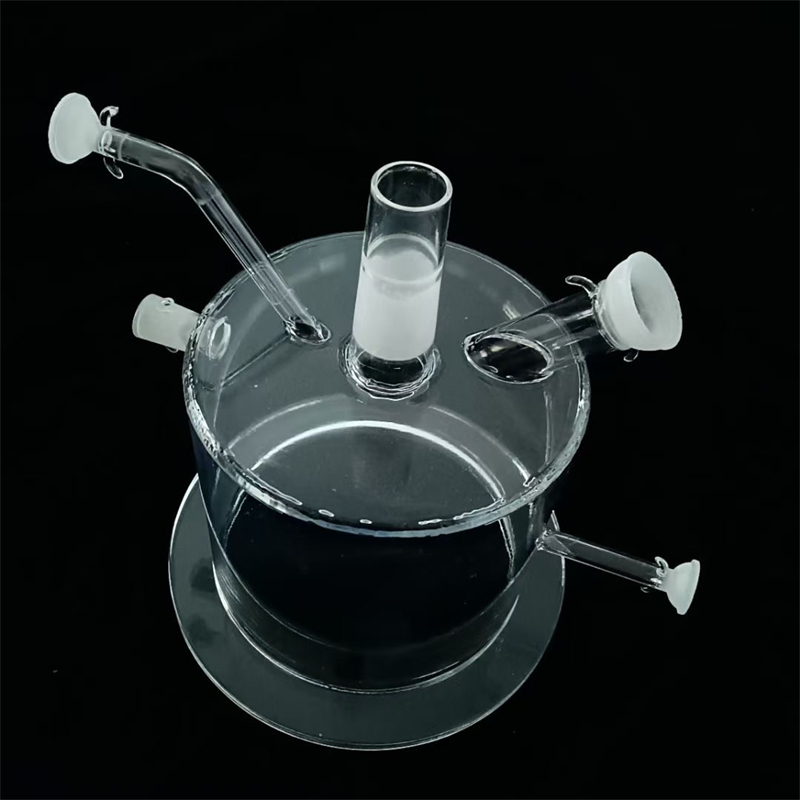
Customized High-Pressure Clear Quartz Glass Tube
Precision flame-polished surface, certified burst pressure resistance, and zero internal micro-cracks for demanding industrial extraction.
Learn More →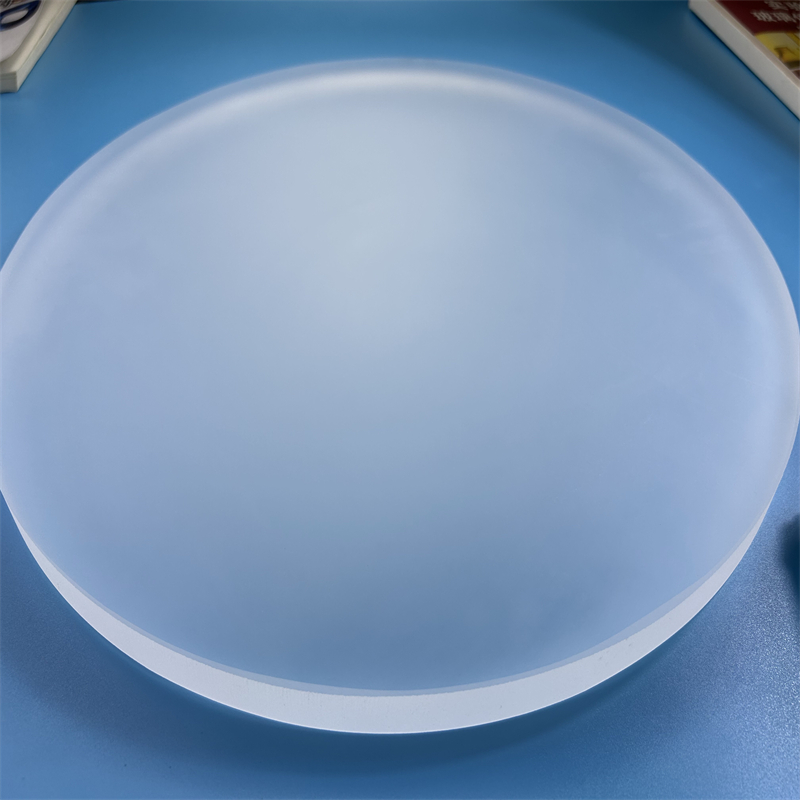
High-Temperature Resistance Frosted Quartz Disc
Uniformly sandblasted or acid-frosted diffuser surfaces for semiconductor heating diffusion, UV dispersion, and sample stage stability.
Learn More →Technical Evolution of Fused Silica Labware & Reaction Bottles in Central Europe
The manufacturing infrastructure of Greater Budapest, extending from the biotechnology hubs in South Buda to the semiconductor materials laboratories near the Danube Bend, has encountered a massive shift in process demands. Standard borosilicate glassware (such as 3.3 expansion glass) continually proves inadequate in applications that demand operational thresholds beyond 500°C, extreme ultraviolet transmission below 250 nm, or total inertness against aggressive reagent leaching. As European Union laboratories transition toward micro-flow chemistry, continuous process automation, and high-efficiency photovoltaic etching, CE-certified quartz glass bottles and fused silica reaction containers have emerged as foundational materials.
Zunex Quartz Products Co., Ltd. supplies critical material solutions designed directly to overcome these physical constraints. By taking raw crystalline silica from Donghai—recognized globally as the crystal capital—and applying vacuum electric melting alongside oxyhydrogen flame refining, our bottles, flasks, and continuous reactors exhibit a near-zero coefficient of thermal expansion (5.5 × 10⁻⁷ /°C). This allows researchers and production supervisors in Budapest to plunge hot vessels directly into ice baths without mechanical failure, risk of micro-fracturing, or downtime.
Material Purity, Structural Integrity, and EU Regulatory Alignment
When selecting a quartz glass bottle manufacturer for mission-critical operations in Hungary, procurement officers evaluate technical compliance through the lens of Directive 2001/95/EC (General Product Safety) and pressure-bearing equipment harmonized standards. Our production methodology addresses several common failure points associated with uncertified quartz imports:
1. Hydroxyl Radical (OH⁻) Minimization: Moisture and hydroxyl groups bound within the amorphous silica matrix act as optical absorption bands around 2720 nm and reduce the structural viscosity at high temperatures. By introducing precise gas-phase refining during ingot development, our JGS1 and low-OH synthetic grades eliminate crystallization risks (devitrification) when exposed to cyclic operating temperatures exceeding 1000°C.
2. Flame-Polished Welds and Laser-Grooved Ports: Industrial bottles frequently crack at neck joints, threads, and side-arm ports due to residual hoop stress. Zunex employs computer-controlled laser cutting and precision thermal annealing processes. Every flange, Ground Joint (ST / GL threads), and twin-tube bend undergoes polariscopic stress analysis to ensure that internal residual stress remains under 5 nm/cm, complying with stringent European laboratory safety guidelines.
3. Heavy Chemical Inertness: In trace metals analysis (ICP-MS, AAS) conducted across Hungarian pharmaceutical institutes, borosilicate glass releases boron, sodium, and calcium ions into sample matrices over time. Our fused quartz bottles maintain ≥ 99.99% SiO₂ matrix purity, guaranteeing zero ionic leaching even under prolonged exposure to boiling aqua regia, hydrochloric acid, and nitric acid (with the sole exception of hydrofluoric and hot phosphoric acids).
Strategic Deployments Across Budapest's Industrial Landscape
From university research incubators along the Danube to precision electronics lines in Pest County, discover where our quartz bottles and pressure vessels deliver technical superiority.
Pharmaceutical Synthesis & Active Ingredients
Deployed throughout Budapest's prestigious biotechnology cluster for high-pressure autoclaving, aggressive solvent evaporation, and pure active ingredient crystallization where metal ion contamination must be kept under ppb levels.
Photocatalysis & UV Photolysis Reactors
Featuring JGS1 optical synthetic quartz with greater than 90% internal transmittance down to 185 nm. Critical for water remediation pilot facilities and chemical research teams studying high-intensity ultraviolet photodegradation.
Semiconductor & Photovoltaic CVD Wafer Doping
Serving cleanrooms and tier-1 component suppliers in Central Hungary. Our heavy-wall quartz bottles and sealed vessels withstand corrosive silane and phosphine atmospheres within continuous diffusion furnaces.
Battery Materials & Pyrolysis Refining
With Hungary expanding into Europe’s primary battery manufacturing center, our quartz combustion bottles handle cyclic lithium/cobalt precursor sintering without surface spalling, thermal cracking, or material degradation.
Gas Sorption & BET Surface Analysis
Engineered precisely to match Quantachrome and Micromeritics analytical instrumentation. High-vacuum quartz sample cells maintain tight geometric sealing tolerances across wide temperature cryo-to-calcination cycles.
Aerospace & High-Temperature Sight Chambers
Custom-ground optical flat bottom viewports and pressure vessels for high-altitude sensor testing and defense optical systems requiring dimensional stability in extreme environments.
Future Trajectory: Localization Trends in Hungary’s Tech Sectors
Hungary's strategic position in the Horizon Europe program and the ongoing expansion of major automotive battery gigafactories around Debrecen, Gyor, and Budapest are reshaping technical procurement. Supply chain managers are moving away from multi-tiered domestic distributors that carry high inventory markups and slow replacement timelines for broken glassware. Instead, direct factory-to-laboratory relationships with technical manufacturers like Zunex Quartz are becoming the standard.
Key market drivers impacting Hungarian technical quartz purchases over the next decade include:
- Stricter Purity Verification: European REACH regulations and precision testing protocols require chemical assay certificates demonstrating heavy metal thresholds under 5 ppm across iron, copper, chromium, and nickel.
- On-Demand Custom Fabrication: Rather than forcing standardized lab bottles into bespoke process equipment, engineering teams require rapid CAD-to-glass prototyping with turnaround times measured in days rather than months.
- Air-Express Protected Packaging: The fragility of thin-walled and complex welded quartz bottles previously posed a logistics barrier. Modern reinforced polyurethane suspension molds combined with ISPM-15 export crates now guarantee intact delivery directly to facilities in Budapest in 5 to 7 transit days.
| Physical / Mechanical Property | Standard Laboratory Value | Test Harmonization Standard |
|---|---|---|
| SiO₂ Matrix Purity | ≥ 99.99% | ASTM E1479 / ICP-OES |
| Density | 2.20 ± 0.02 g/cm³ | DIN EN ISO 1183 |
| Coefficient of Thermal Expansion (CTE) | 5.5 × 10⁻⁷ /°C (20°C - 320°C) | DIN 51045 |
| Softening Point | Approx. 1683°C | ASTM C338 |
| Annealing Point | Approx. 1215°C | ASTM C336 |
| Continuous Operating Temperature | 1100°C | Maximum continuous load |
| Short-Term Peak Temperature | 1300°C | Intermittent thermal exposure |
| Refractive Index (nD @ 589.3 nm) | 1.4585 | Abbe Refractometry |
| Dielectric Strength (20°C) | 25 - 40 kV/mm | IEC 60243-1 |
JGS1 - Synthetic Fused Silica Deep UV
Manufactured via silicon tetrachloride synthesis. Free of bubbles, with superior optical transmittance from 185 nm to 2500 nm. Preferred for excimer laser systems, deep-UV bottles, and photochemical fluorometers.
JGS2 - Standard Optical Fused Quartz UV - VIS
Refined from high-grade natural quartz crystal. Delivers steady, uniform spectral transmission between 220 nm and 2500 nm. The primary workhorse material for industrial reaction vessels, viewports, and chemical flasks.
JGS3 - Infrared Transparent Quartz IR - Low OH
Gas-refined to virtually eradicate the 2.73 µm hydroxyl absorption band, extending transparency up to 3500 nm. Designed for infrared heat emitters, pyrometry viewing bottles, and moisture-sensitive vacuum systems.
Why Hungarian Engineers Choose Zunex Quartz
Combining the natural crystal resources of Donghai County with verified B2B export systems engineered for EU buyers.
Laser-Assisted Precision Finishing
Beyond traditional glassblowing, our factory utilizes high-precision CO₂ and femtosecond laser cutting, CNC drilling, and thread milling to deliver dimensional tolerances down to ±0.05 mm on custom quartz caps, threaded necks, and flanges.
Two-Hour Engineering Consultations
Every drawing (DWG, STEP, PDF) sent from Budapest is evaluated directly by our production engineers, not an intermediary salesperson. We verify thermal loads, wall-thickness integrity, and suggest material grade improvements in ≤ 2 hours.
Zero-Breakage Export Packaging
We solve the fragility challenge of international glass exports. Every order ships wrapped in custom shock-absorbing foam molds, hermetic vacuum-sealed barrier film, and heavy-duty ISPM-15 certified export wooden crates with integrated shock indicators.
Frequently Asked Questions by Hungarian Buyers
Direct technical answers regarding customs clearance, lead times, CE standards, and custom quartz glass manufacturing.
What specific CE and European safety directives apply to your quartz glass bottles?
Can you manufacture quartz bottles directly from our AutoCAD or SolidWorks files?
What are the transit times and customs procedures for shipping quartzware to Budapest, Hungary?
How does fused quartz performance compare to borosilicate 3.3 for high-temp chemistry?
What is your minimum order quantity (MOQ) for custom-blown or machined quartz vessels?
What testing protocols prevent micro-cracks and defect leakage during transit?
Ready to Engineer Your Custom Quartz Glass Vessel?
Submit your CAD drawing, dimensional sketch, or specification sheet. Our technical engineering desk will analyze manufacturability, verify tolerance feasibility, and provide a competitive factory-direct quote within 2 hours.